Typeface Research Project
Communication
Regions
Japan
Year
2018
Award
Winner
Affiliation
Graphic Communication Laboratory
Designer
Noriyuki Kasai
English
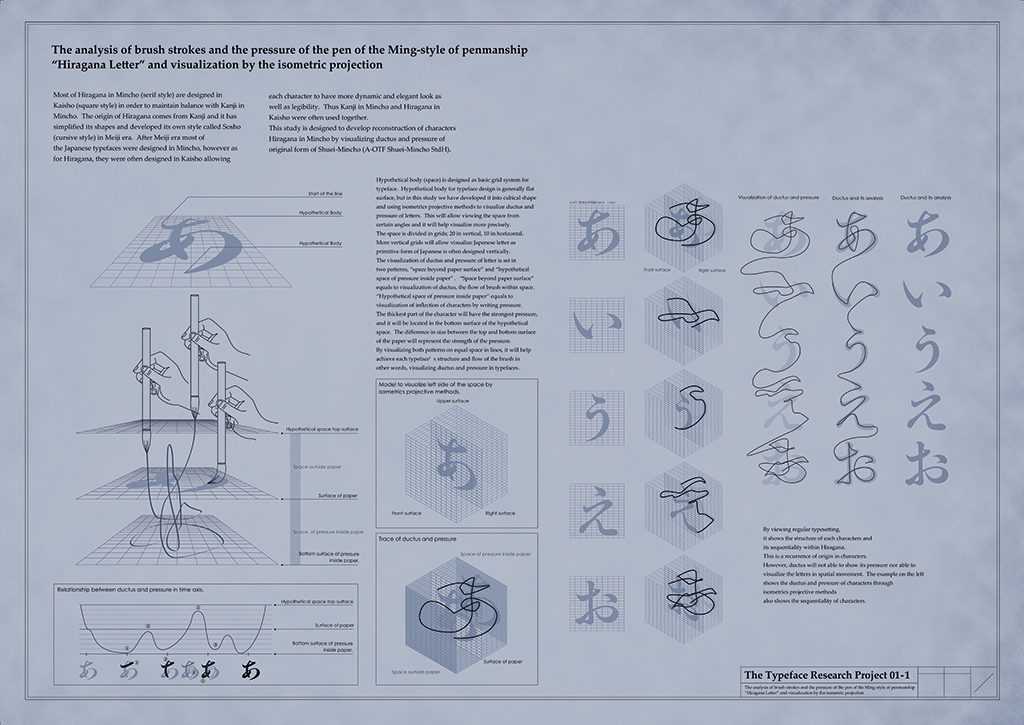
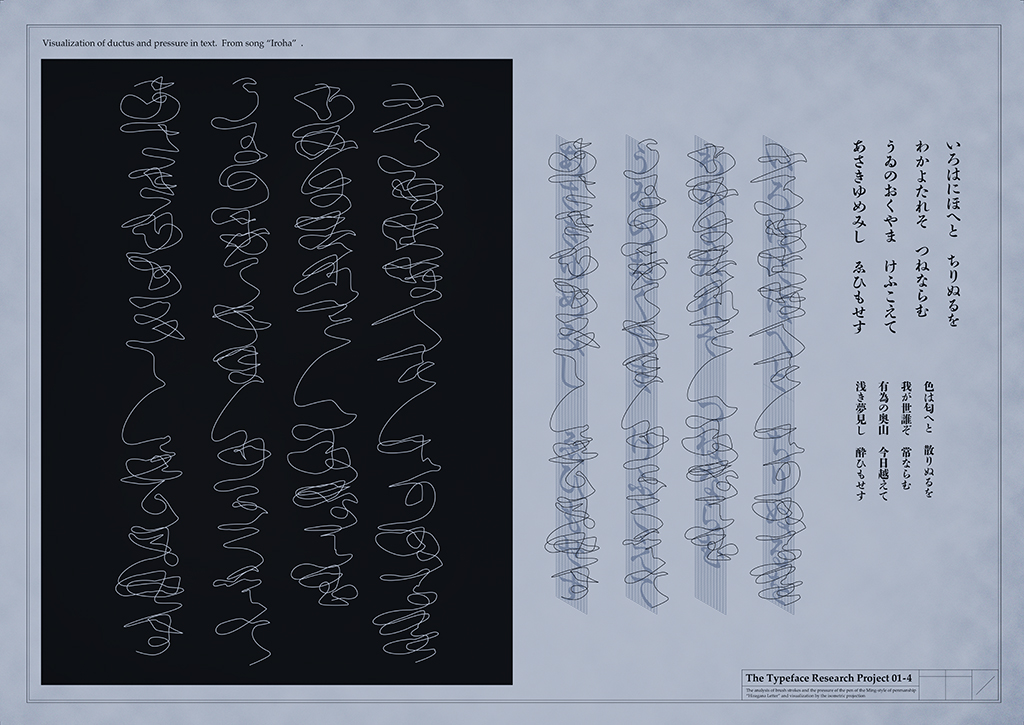
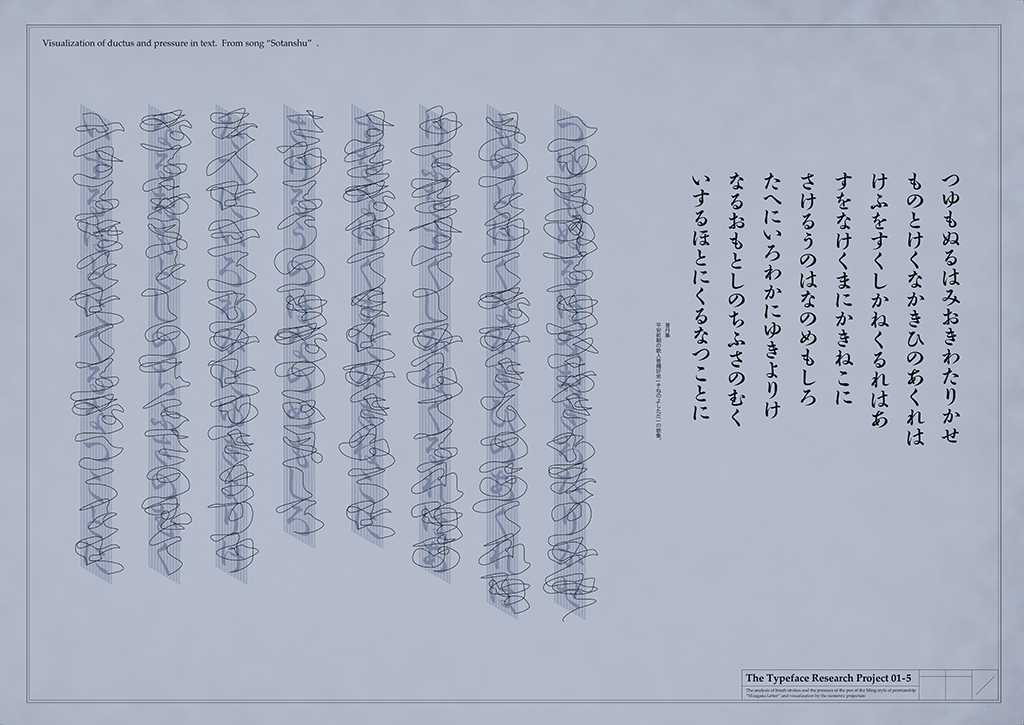
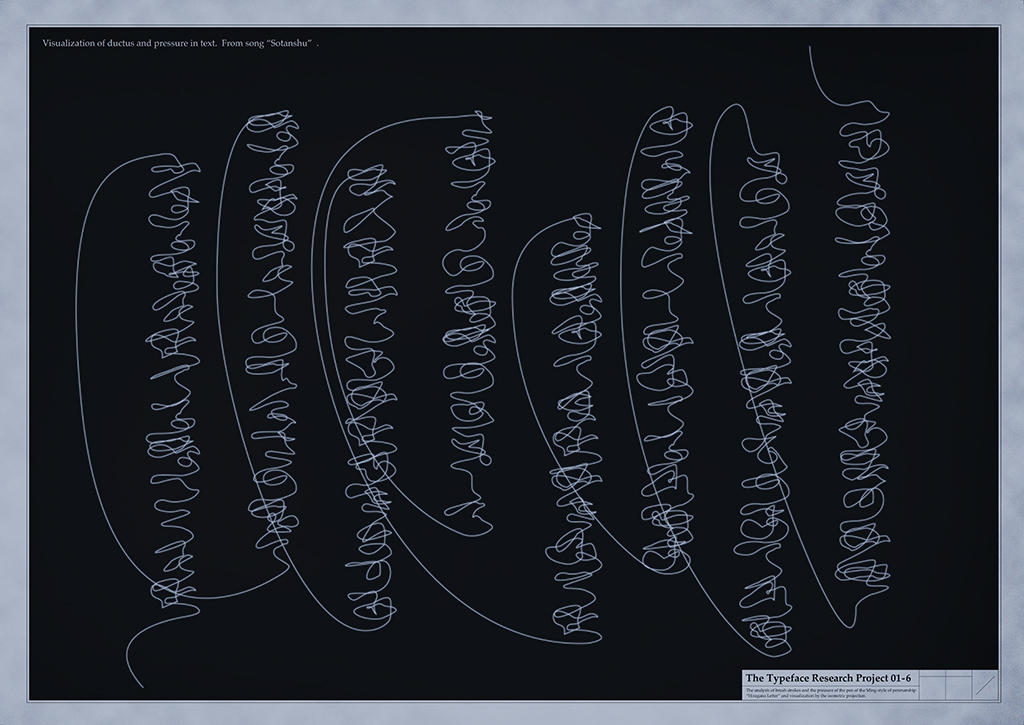
Most of Hiragana in Mincho (serif style) are designed in Kaisho (square style) in order to maintain balance with Kanji in Mincho.
The origin of Hiragana comes from Kanji and it has simplified its shapes and developed its own style called Sosho (cursive style) in Meiji era.
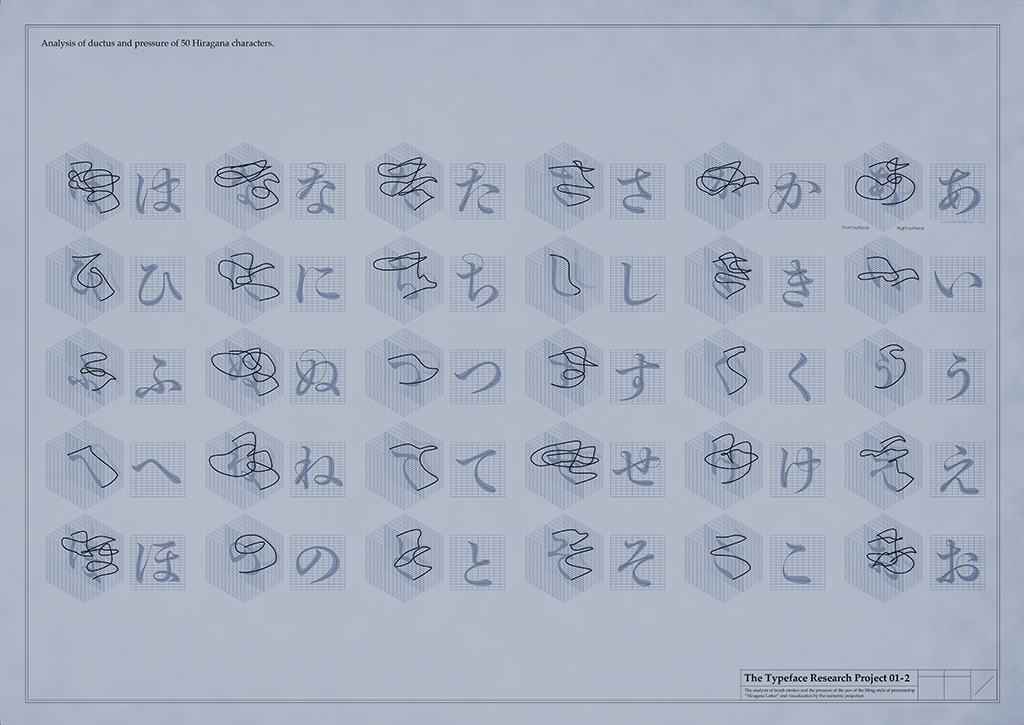
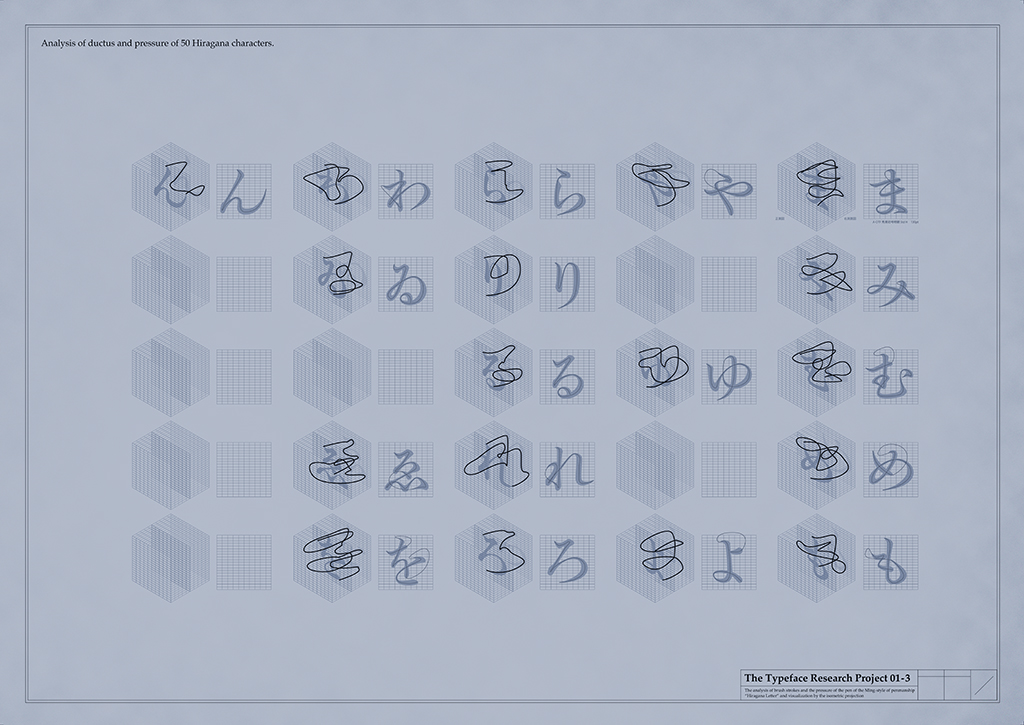
Thus Kanji in Mincho and Hiragana in Kaisho were often used together. This study is designed to develop reconstruction of characters Hiragana in Mincho by visualizing ductus and pressure of original form of Shuei-Mincho (A-OTF Shuei-Mincho StdH).
Native
多くの明朝体のひらがなは、楷書体として存在しており、漢字の明朝体との調和を保っている。
これはひらがな自体が漢字を崩した草書体に由来するところから、明治以降、多くの明朝体活字が生まれたが、
ひらがなに関しては、それが持つ流麗さ、または可読性をもたせることを優先させていたので、
抑揚のある手書き文字の形、つまり楷書体を明朝体と混在して残したと考えられる。
今回の研究では、秀英明朝初号(A-OTF 秀英初号明朝 Std H)を使い、明朝体「ひらがな」における
運筆と筆圧を軌跡として可視化し、文字の再構築をおこなってみる。
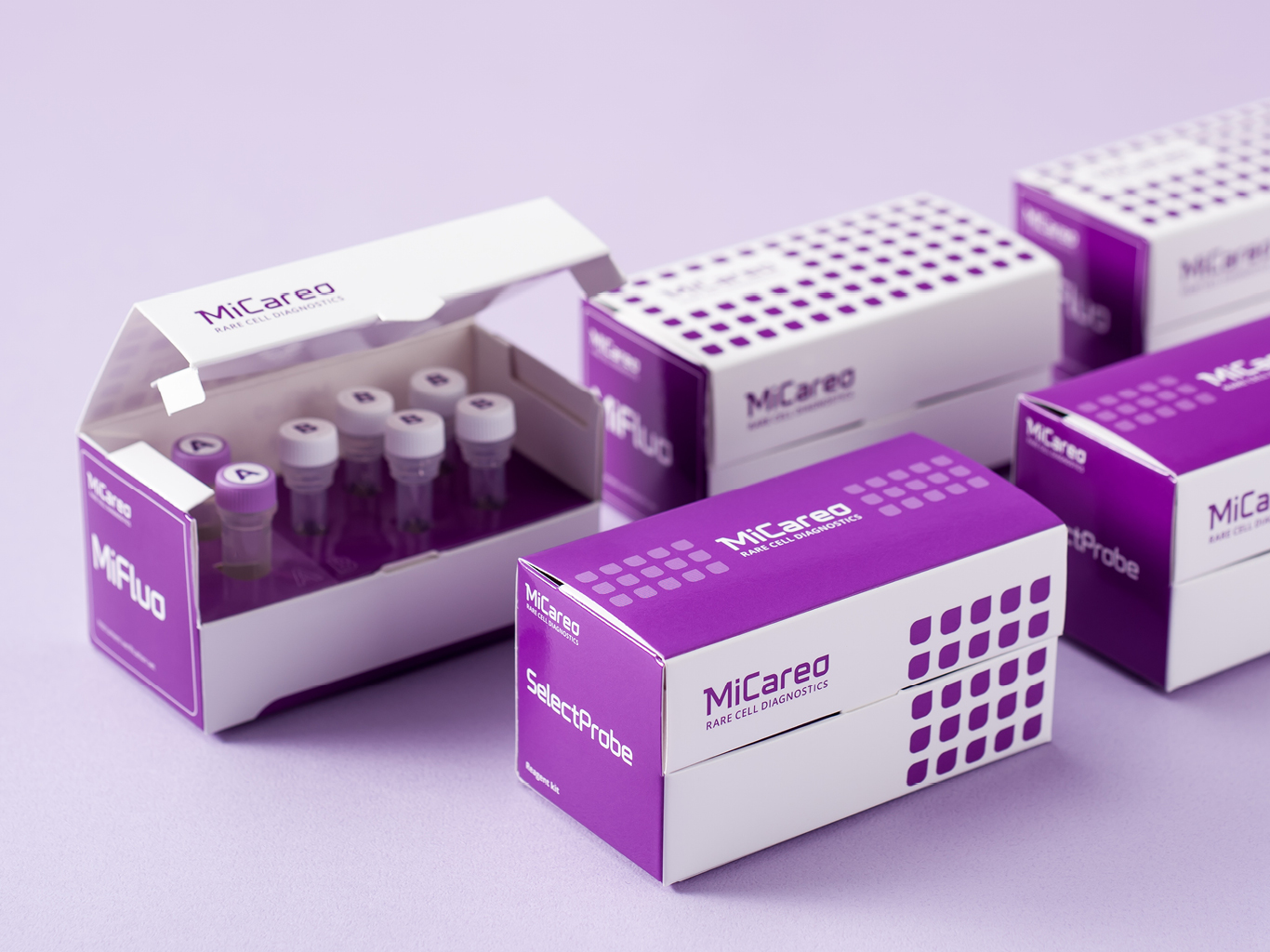
MiCareo Brand Design
PROCESS GROUP
Taiwan
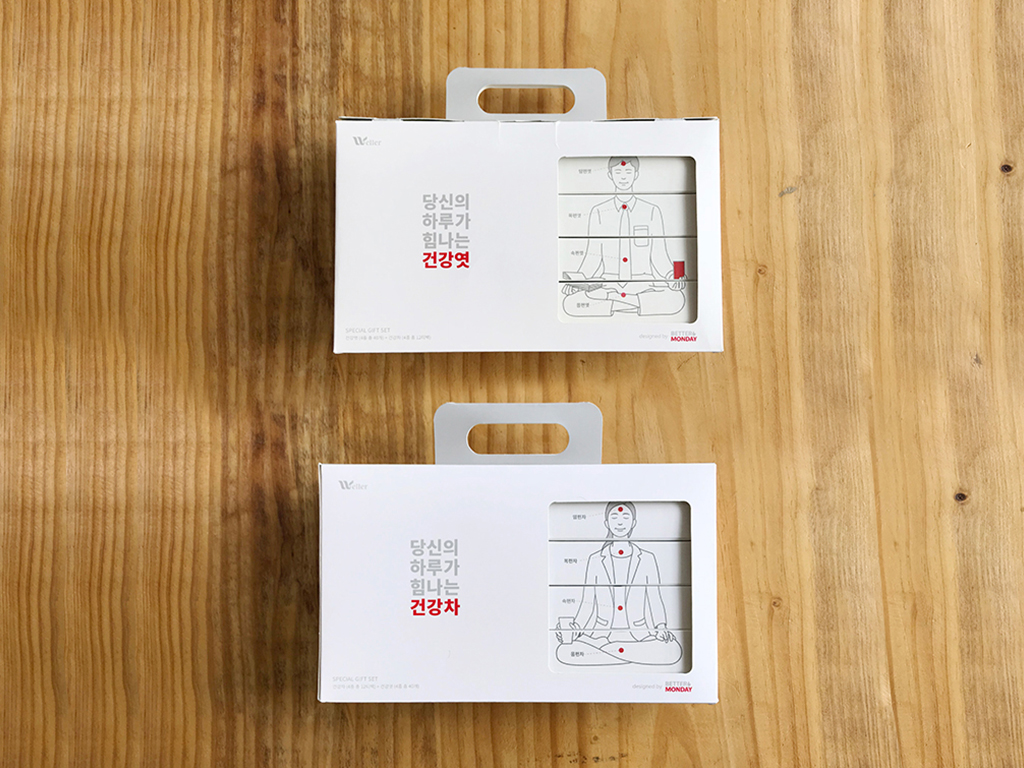
healthy tea & caramel
BETTER MONDAY
Korea
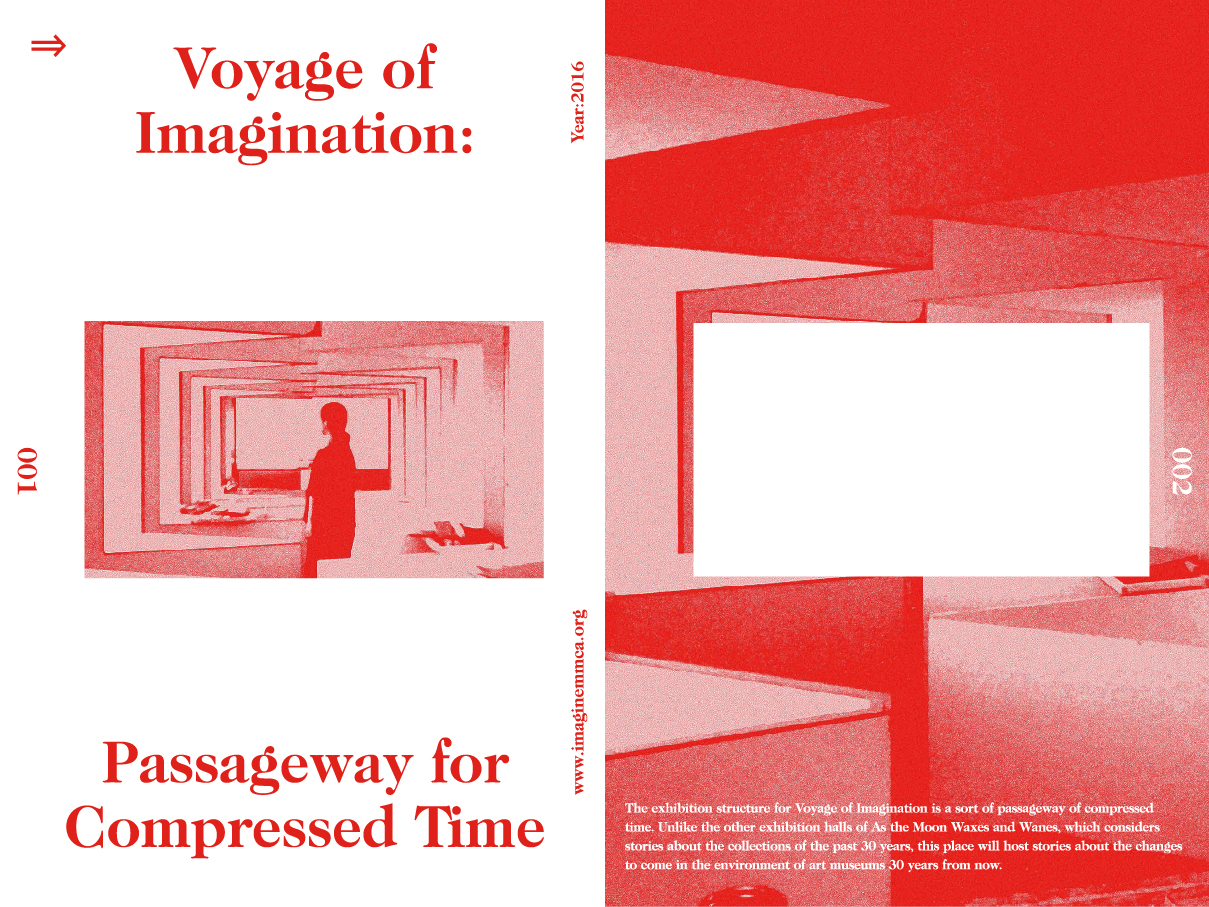
Passageway for compressed time
National Museum of Modern and Contemporary Art, Korea - Design team
Korea
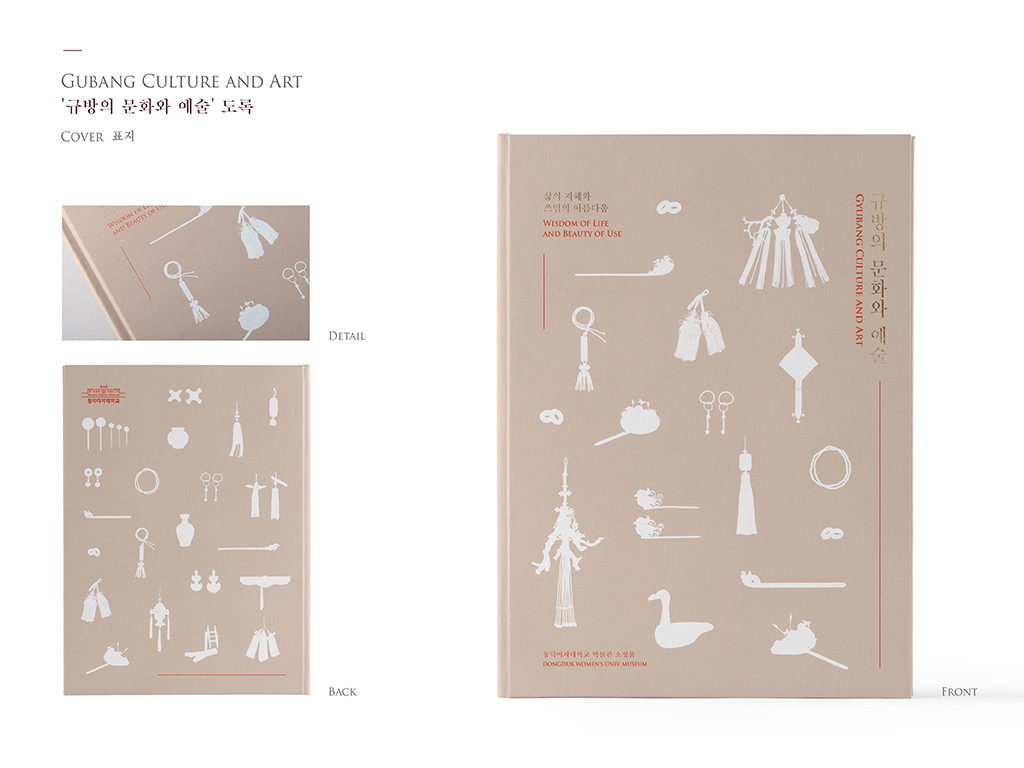
Gyubang Culture and Art - wisdom of life and beauty of use
DAL
Korea
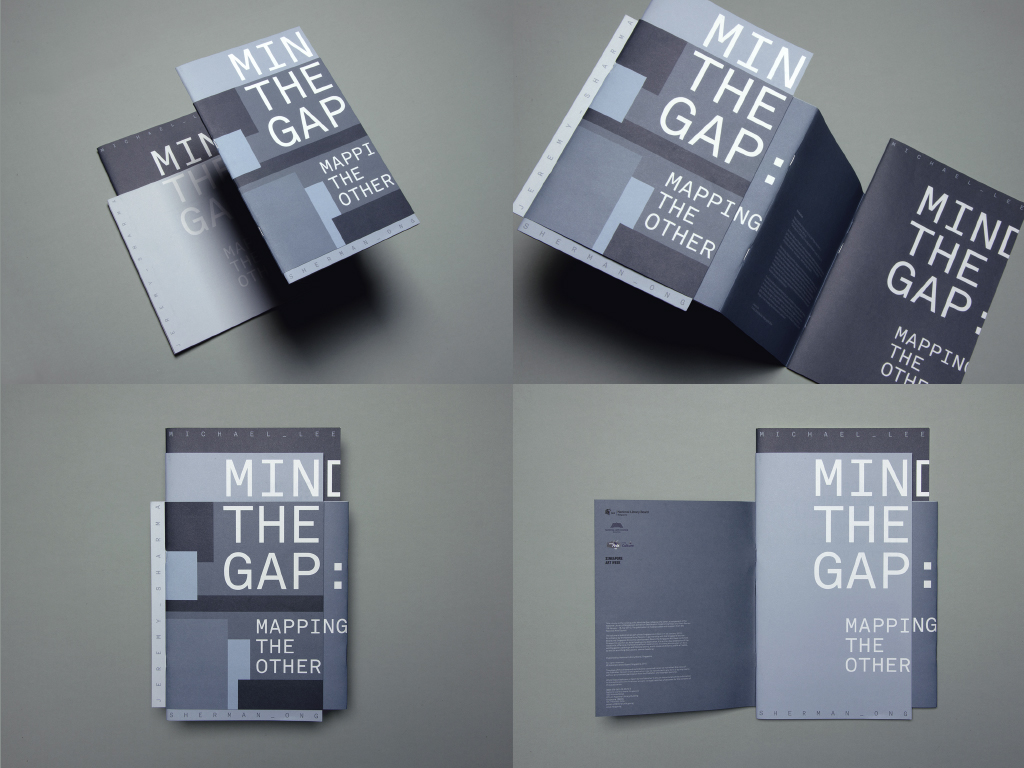
Mind The Gap
studioKALEIDO
Singapore
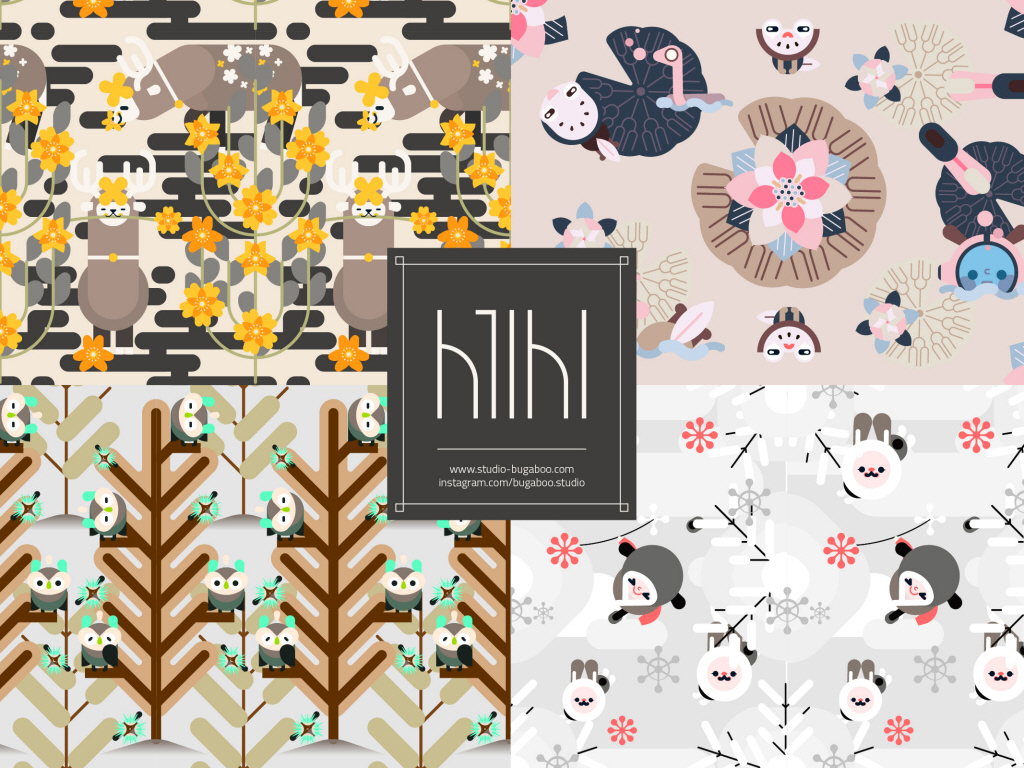
Sesi (All the time in the world)
Studio.bugaboo
Korea
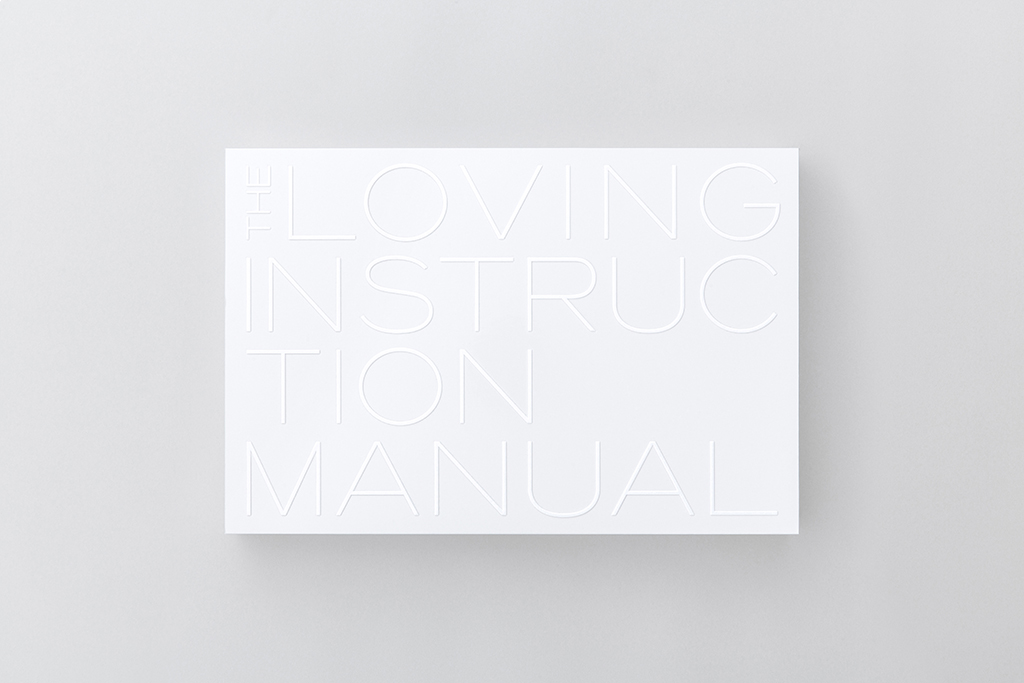
THE LOVING INSTRUCTION MANUAL
AD&D
Japan
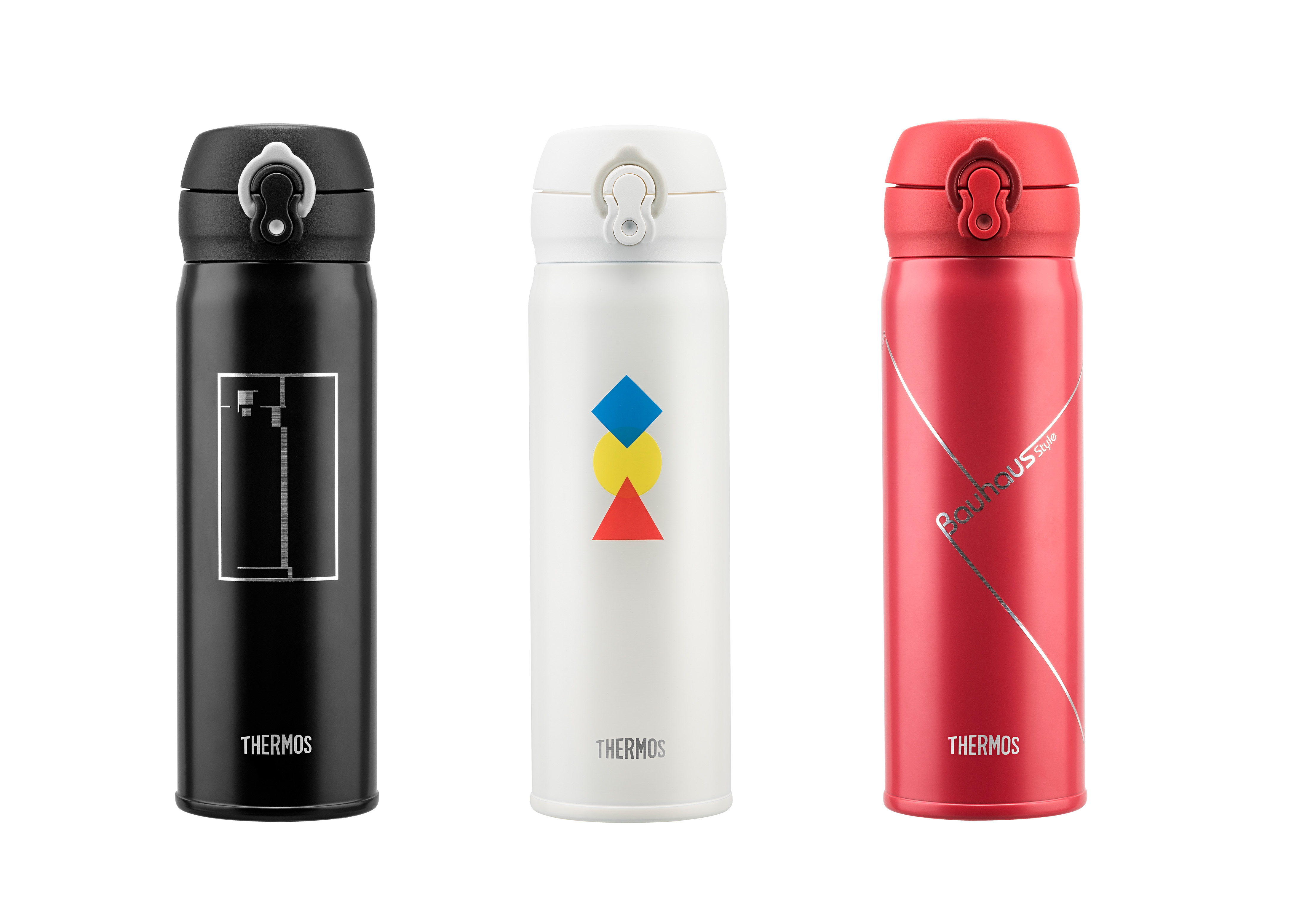
Thermos Bauhaus Bottle Pattern Design
Process Brand Evolution Limited
China
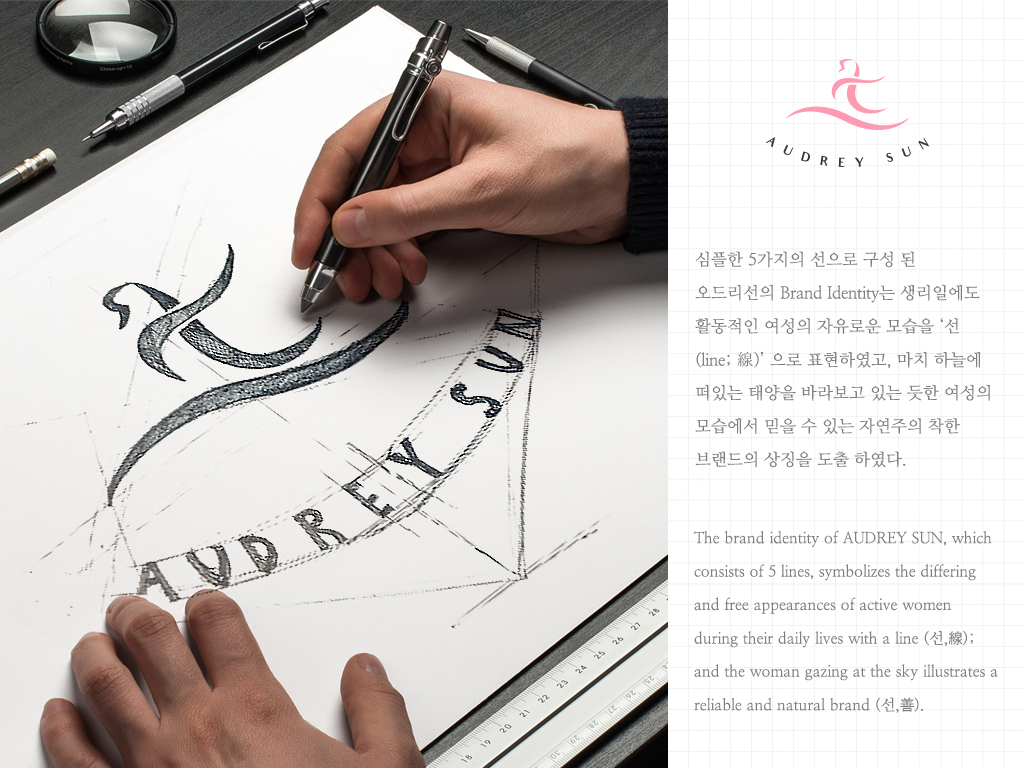
Women’s Life Brand, AUDREY SUN
AUDREY REEFS
Australia
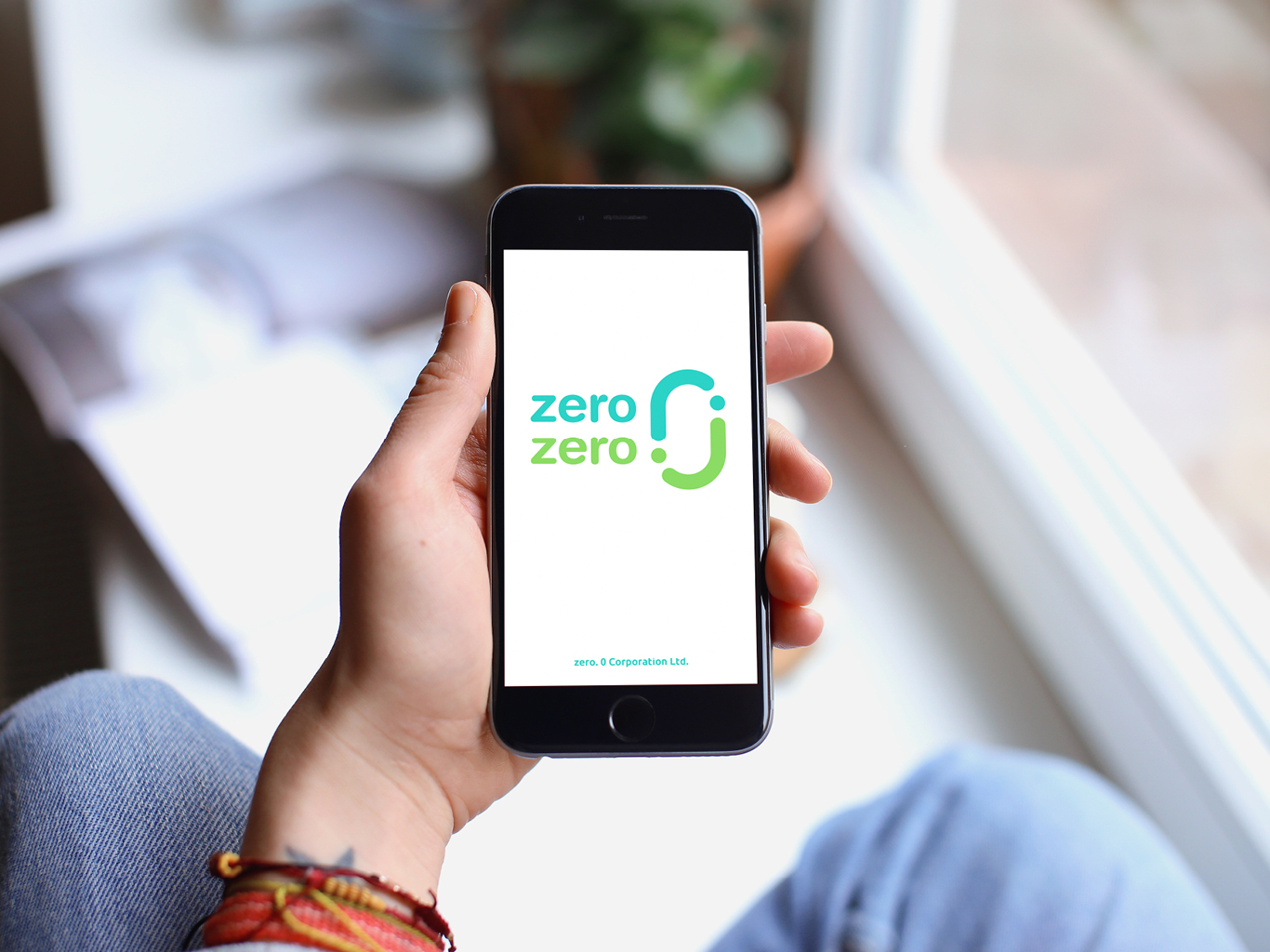
Zero Zero Recycle Brand Design
PROCESS GROUP
Taiwan
Typeface Research Project
Graphic Communication Laboratory
Japan

CD Cover for Jan Heinrich
Jaye Kang
Germany
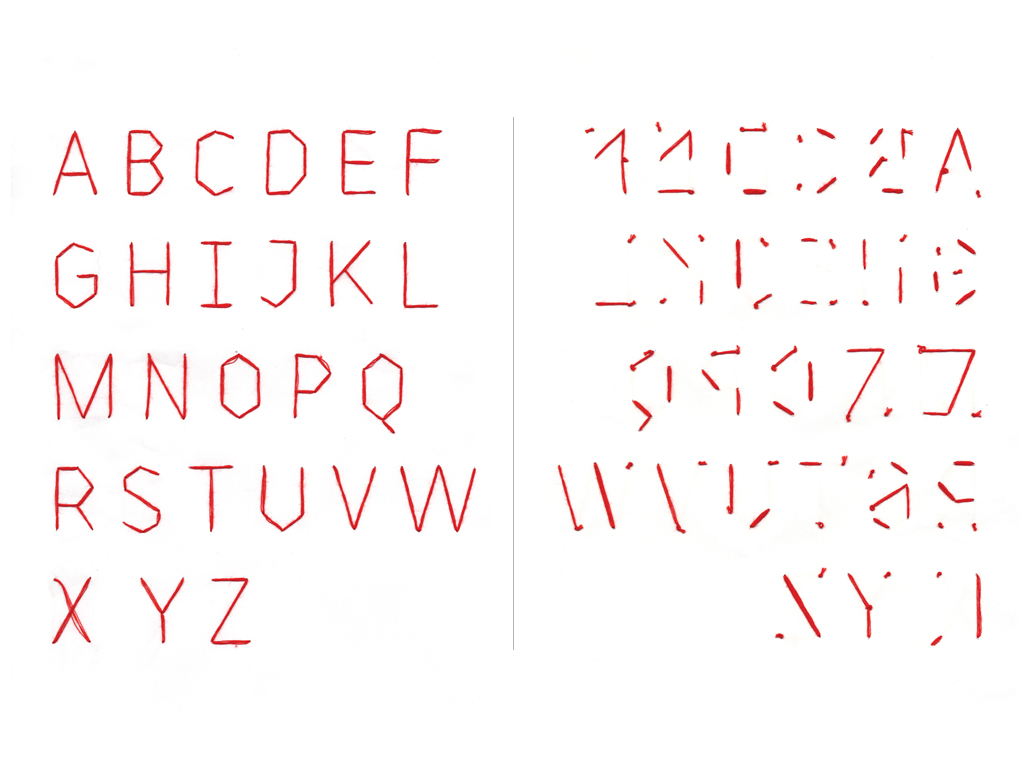
Covert-regular / Covert-irregular Typeface
Self promotion
United States America
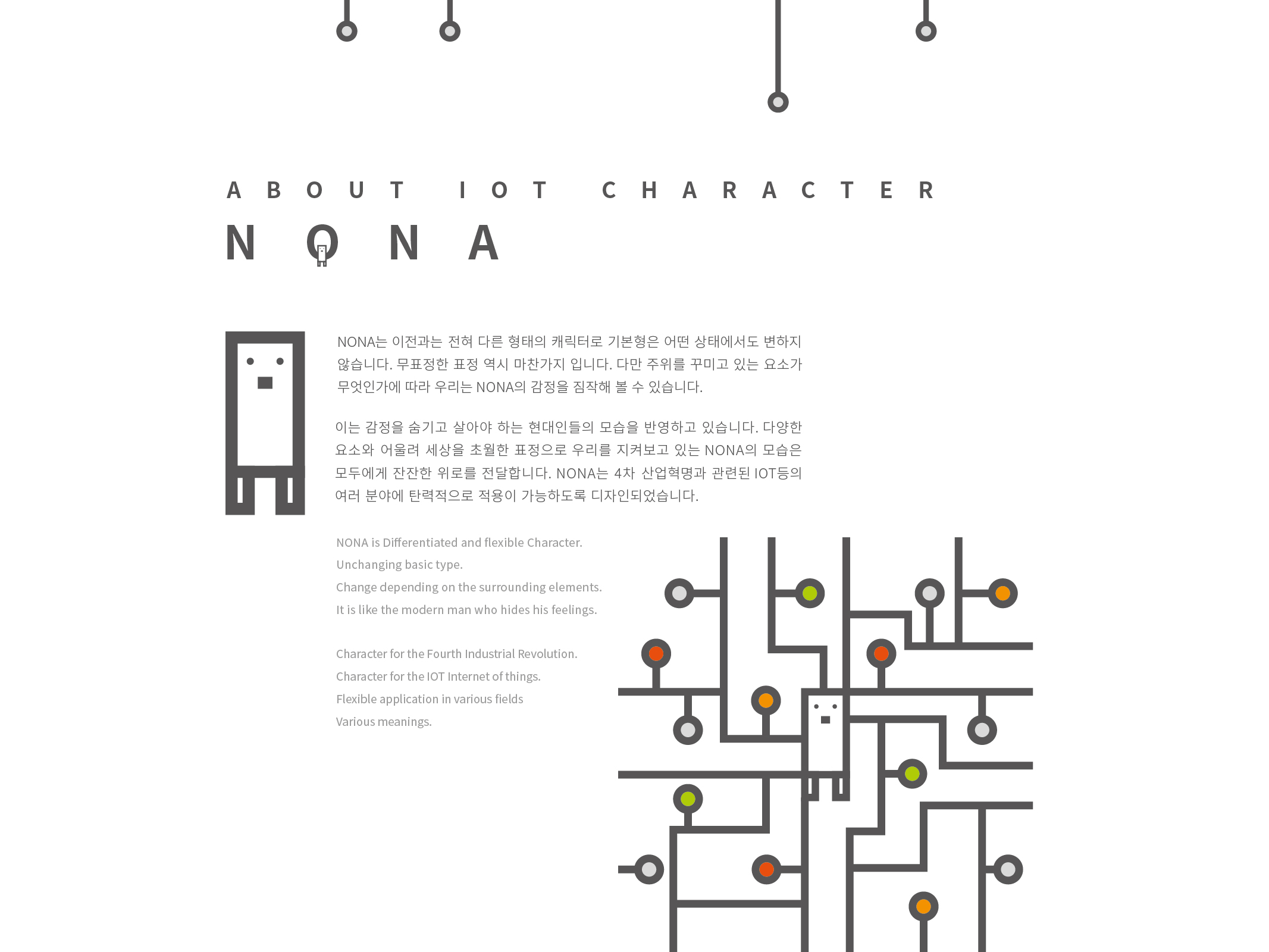
IOT COMMUNICATION CHARACTER
FREELANCER
Korea
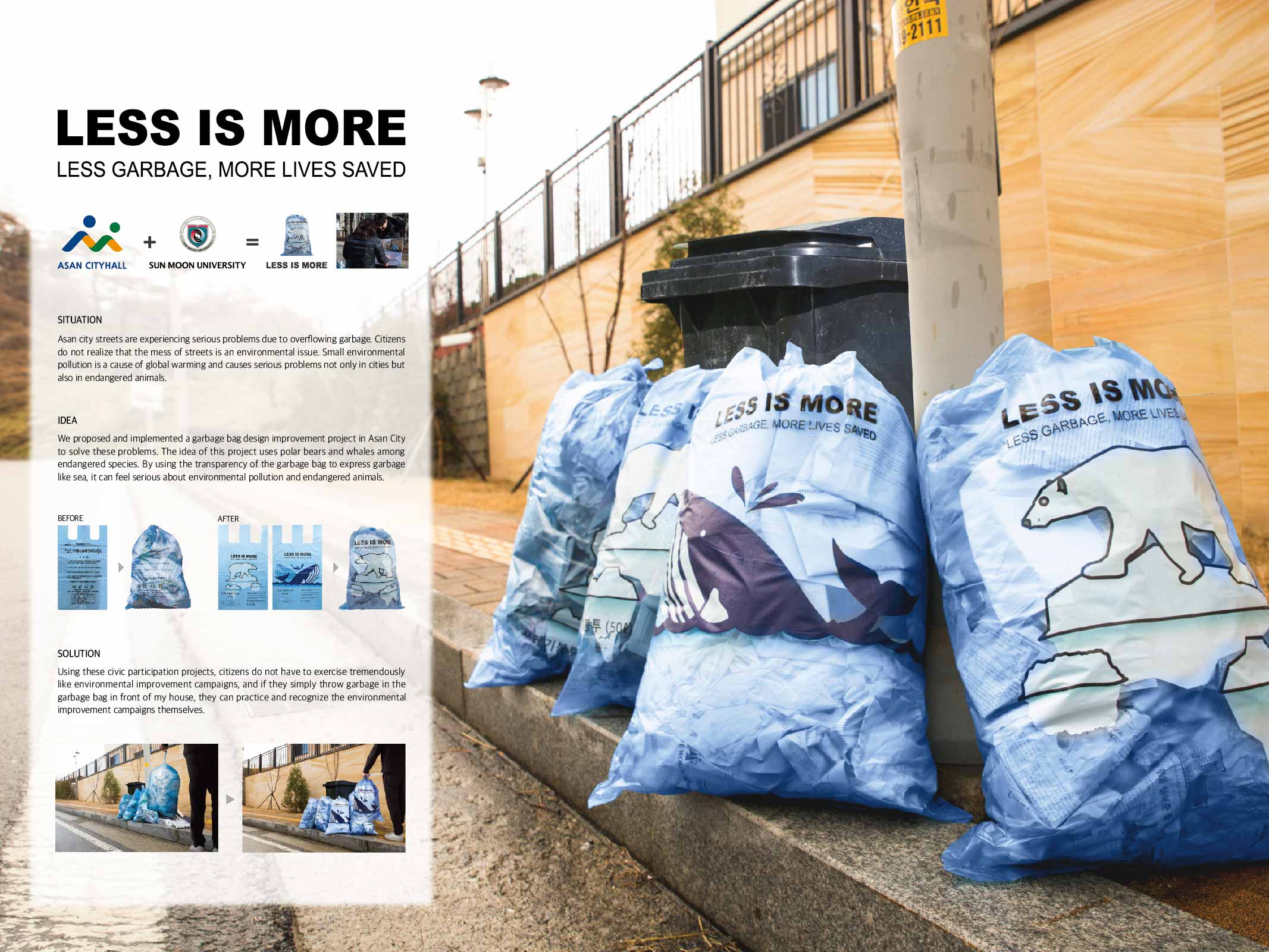
LESS IS MORE
SunMoon University Visual Design School
Korea
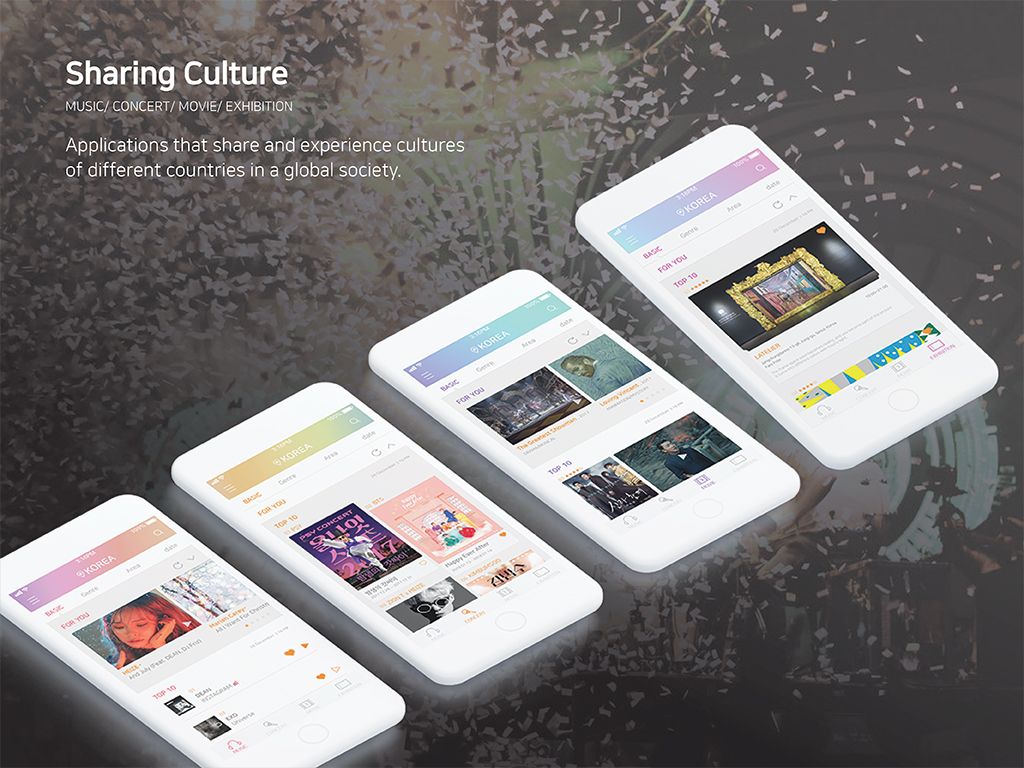
SHARING CULTURE
ChungAng University
Korea
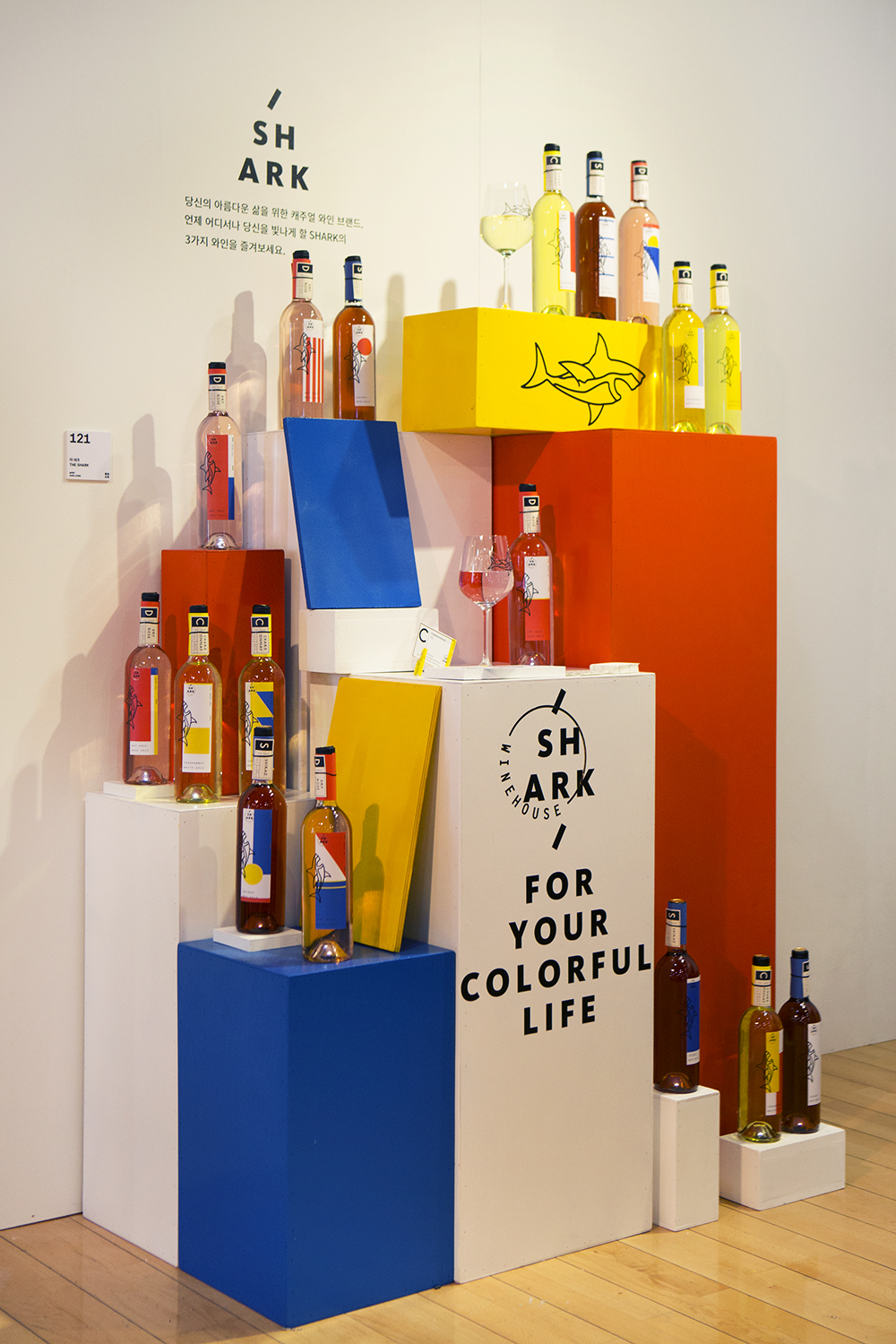
[PACKAGE DESIGN] 'THE SHARK' causal wine brand.
HONGIK UNIVERSITY
Korea
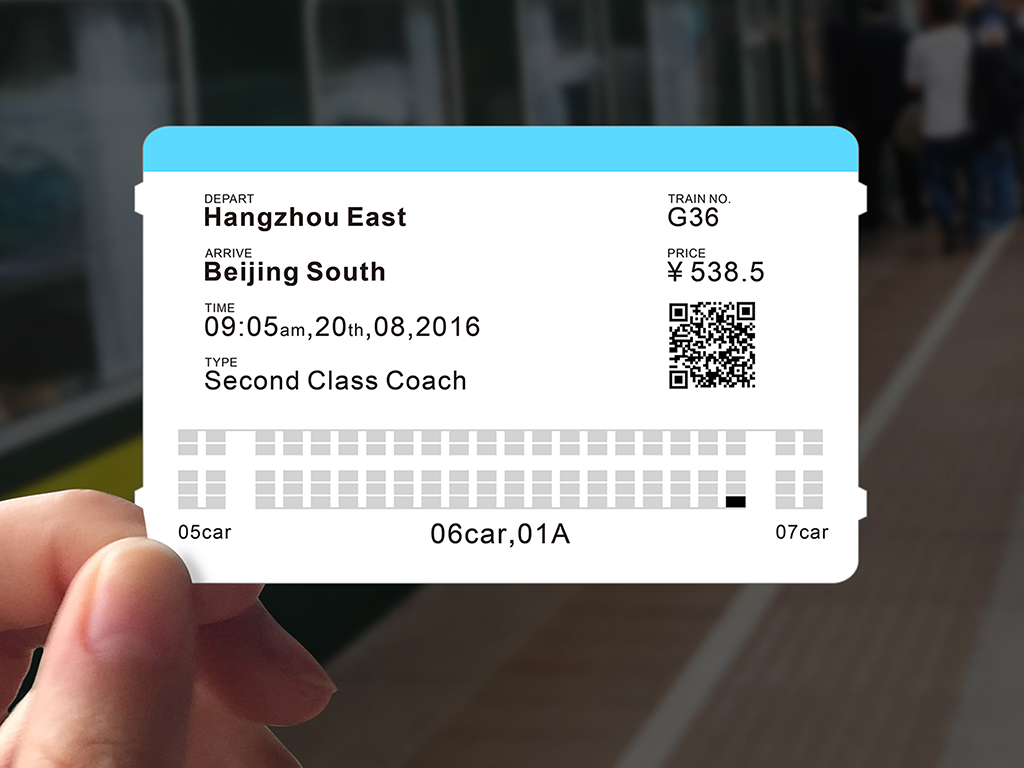
Seating Guide
Hubei Academy Of Fine Arts
China


Partner & Sponsor
More








info@asiadesignprize.com
#14057, 905 49, Beolmal-ro 102beon-gil,
Dongan-gu, Anyang-si, Gyeonggi-do, Korea
#14057, 905 49, Beolmal-ro 102beon-gil,
Dongan-gu, Anyang-si, Gyeonggi-do, Korea
Founder: Doyoung Kim
Business Registration Number: 454-86-01044
Online Sales License No.: 2021-Anyang Dongan-1081
Copyright © DESIGNSORI Co., Ltd.
Business Registration Number: 454-86-01044
Online Sales License No.: 2021-Anyang Dongan-1081
Copyright © DESIGNSORI Co., Ltd.