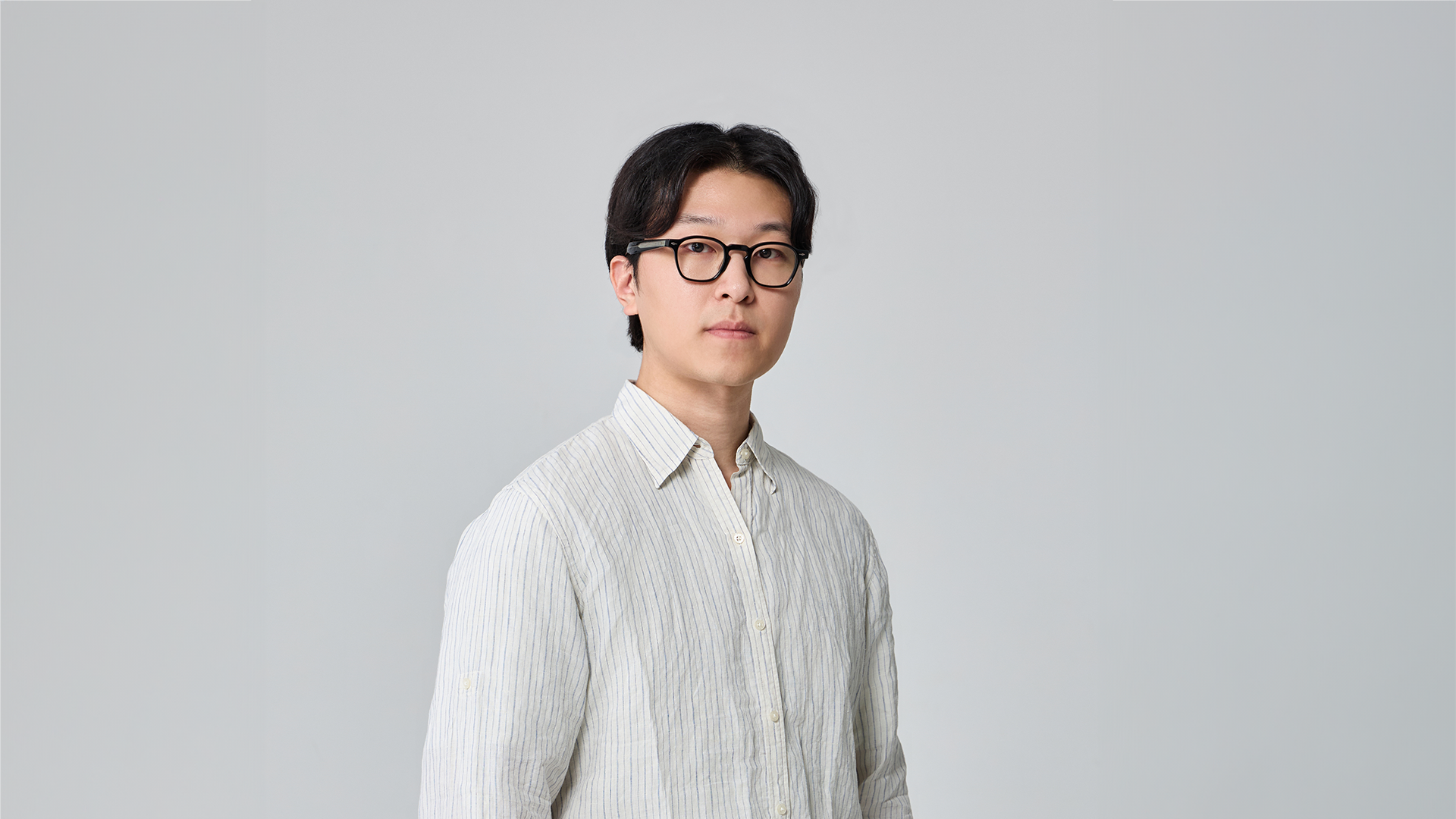
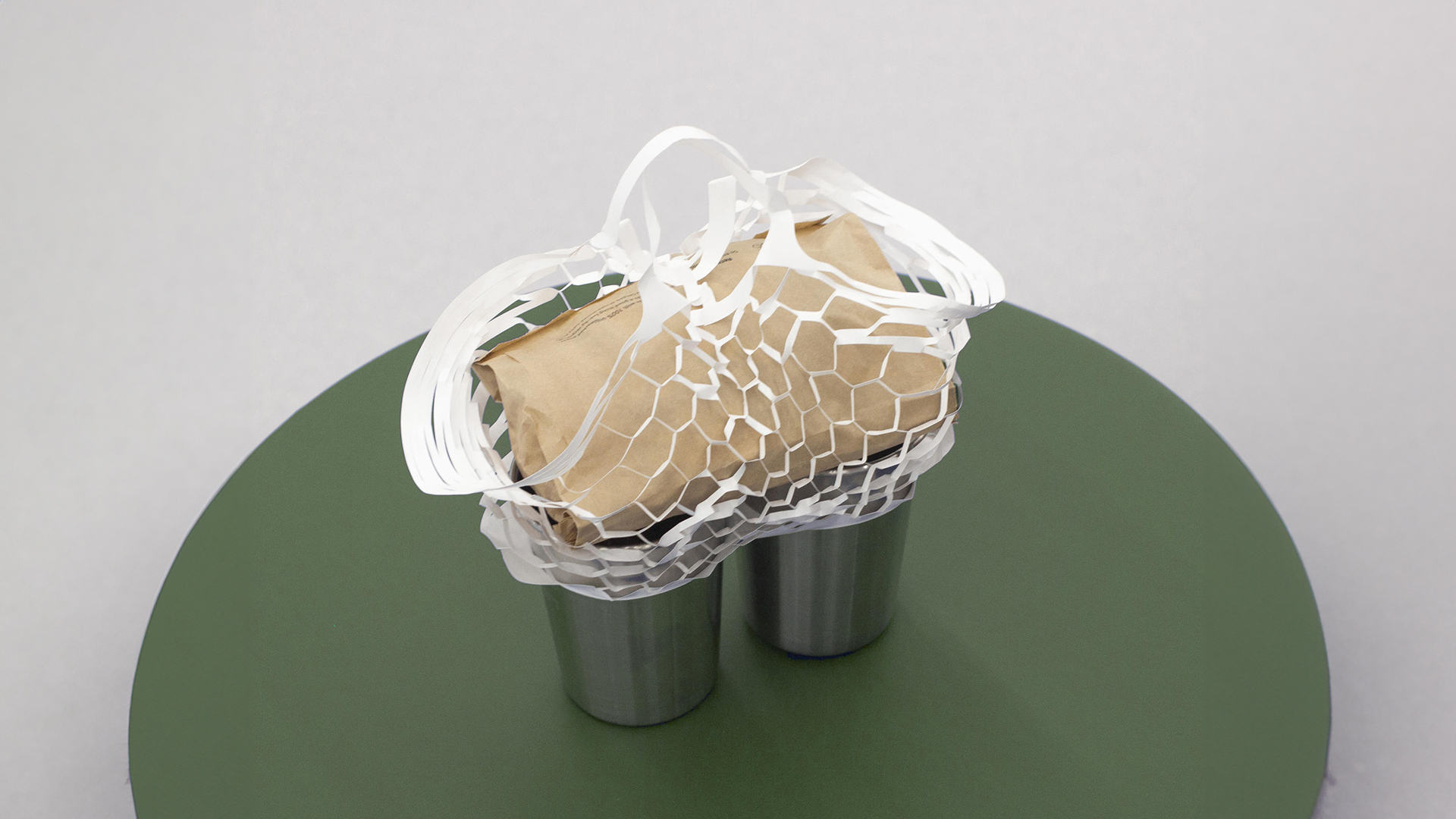
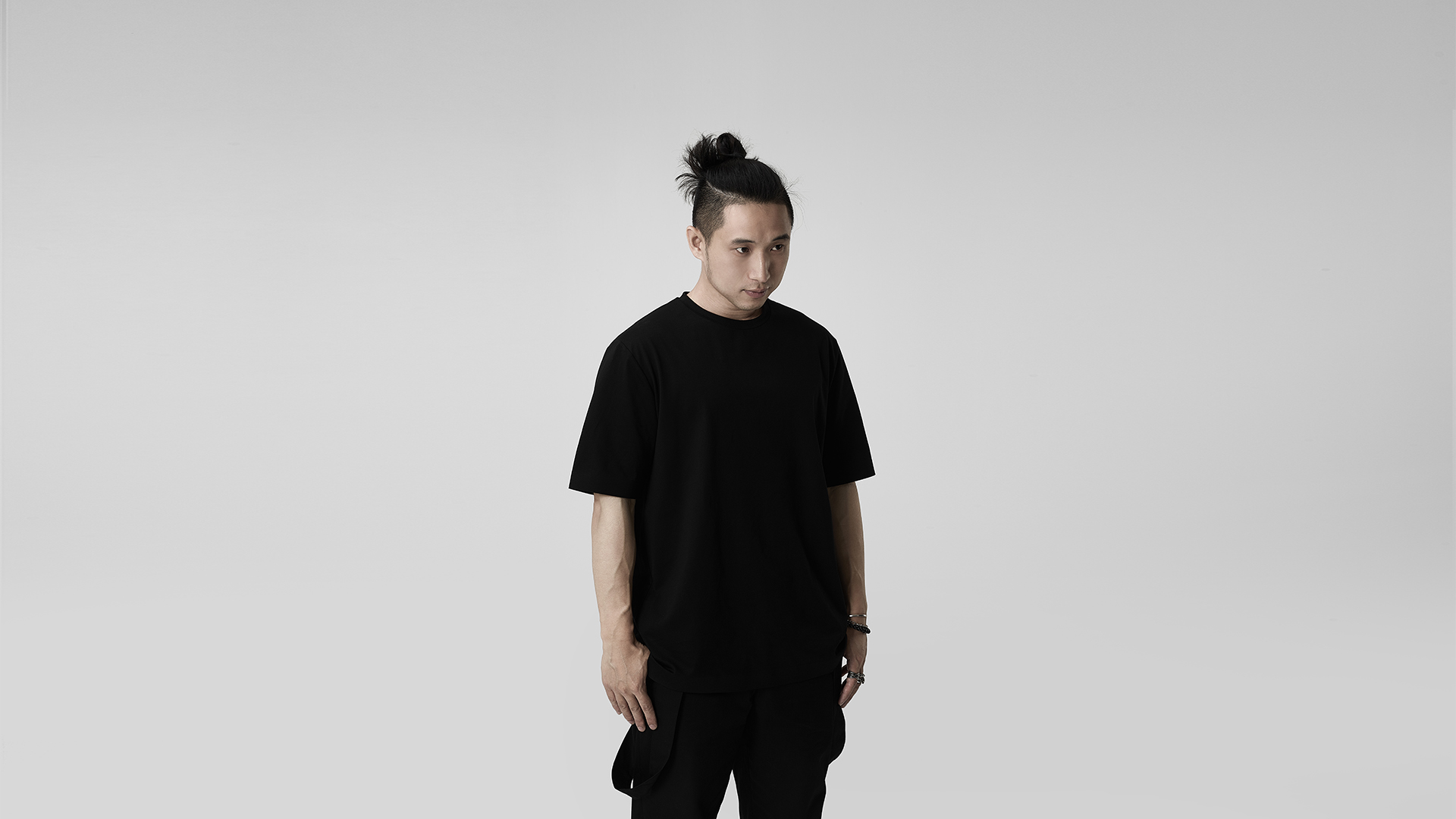
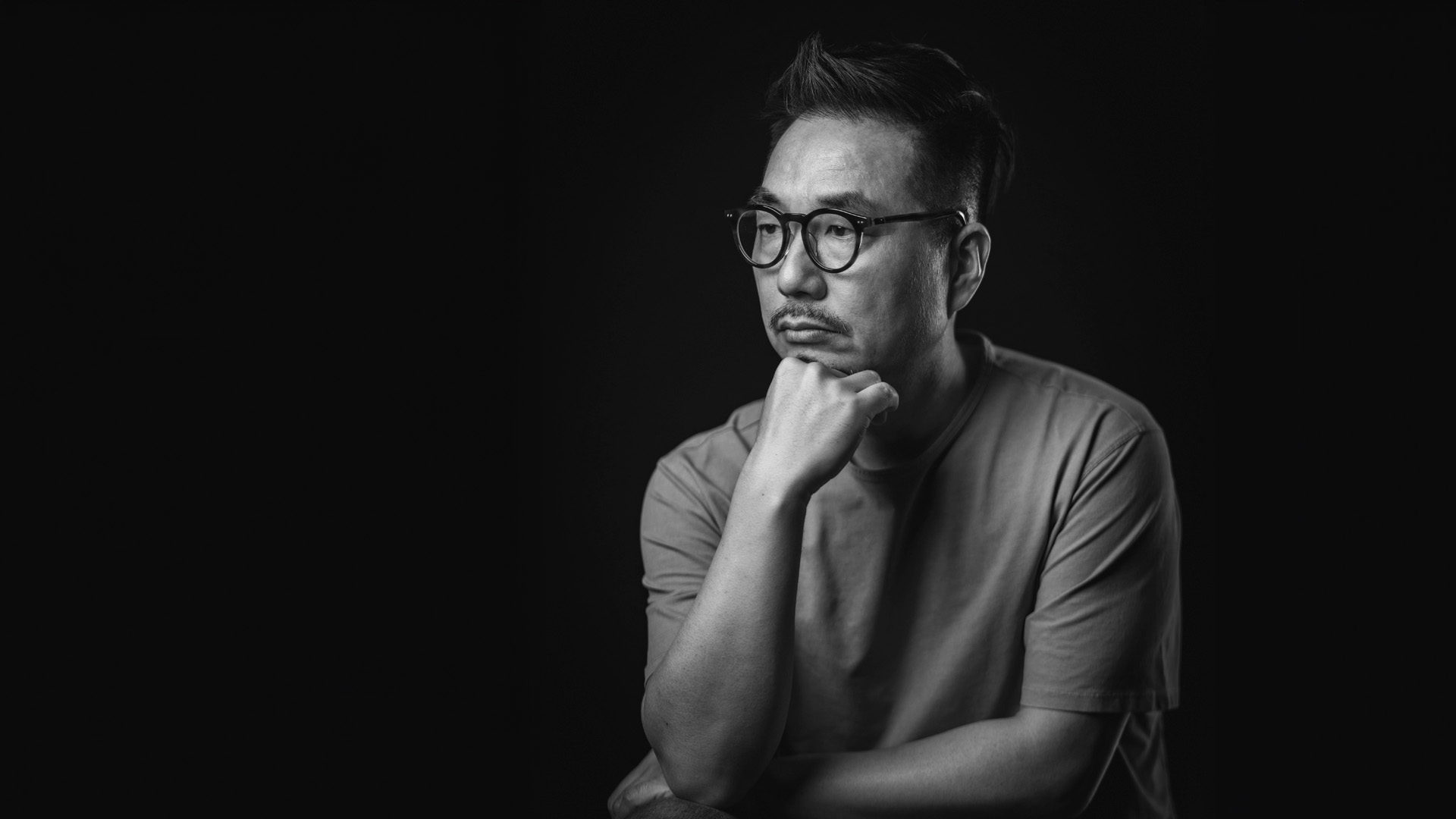
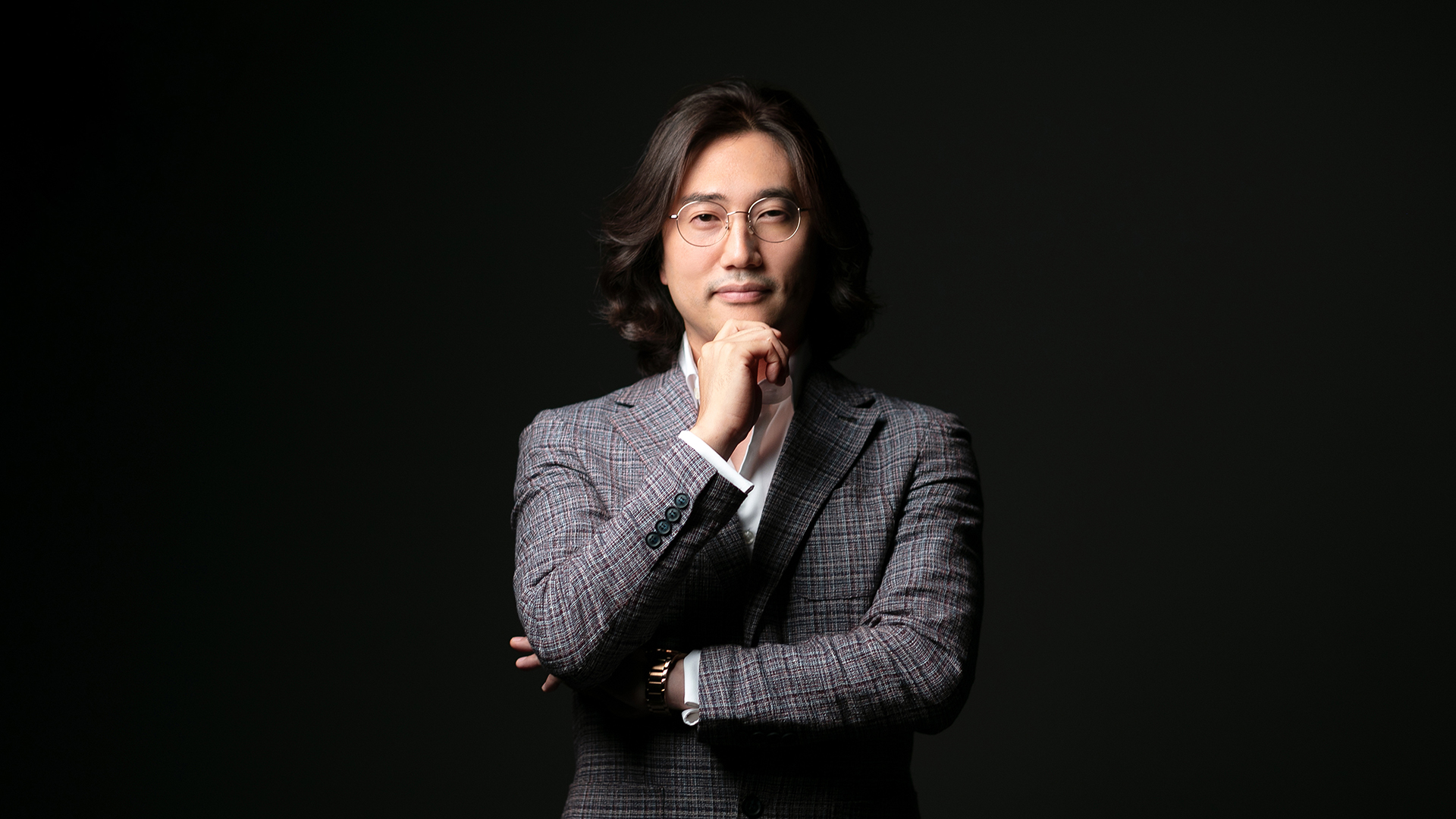
I’m Seongmuk Lim, Director of DSLSM, a studio dedicated to sustainable design. We operate the brand DLS, which specializes in eco-friendly goods and packaging. Over the past few years, we’ve collaborated with more than 100 companies and brands to produce and supply sustainable merchandise and packaging solutions. Our products are recognized for minimizing environmental impact while maintaining a high standard of design. In addition, DSLSM offers B2B services that span planning, development, and design—working closely with partners across various fields to create value rooted in sustainability.

Please tell us about your most memorable achievement.
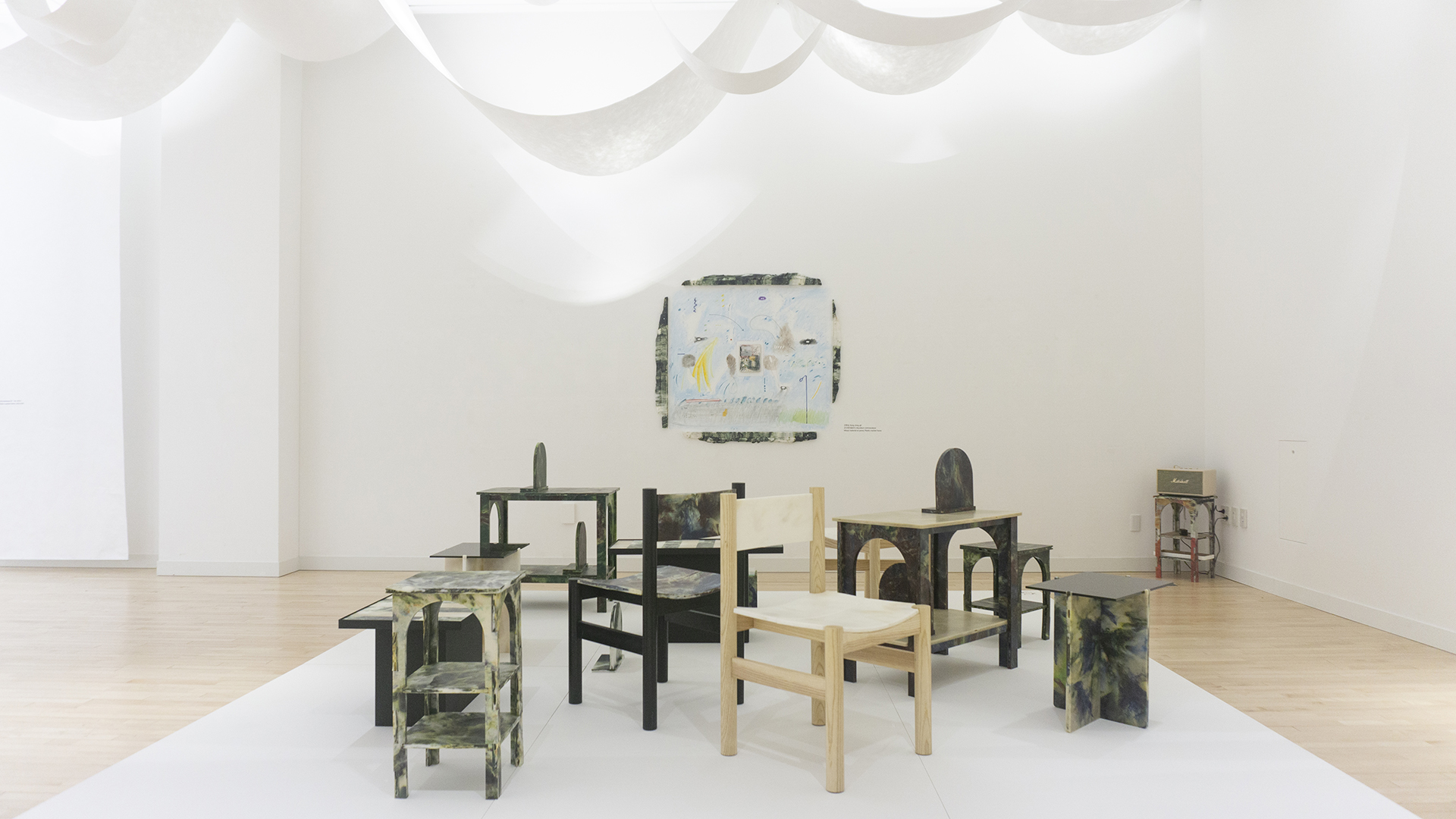
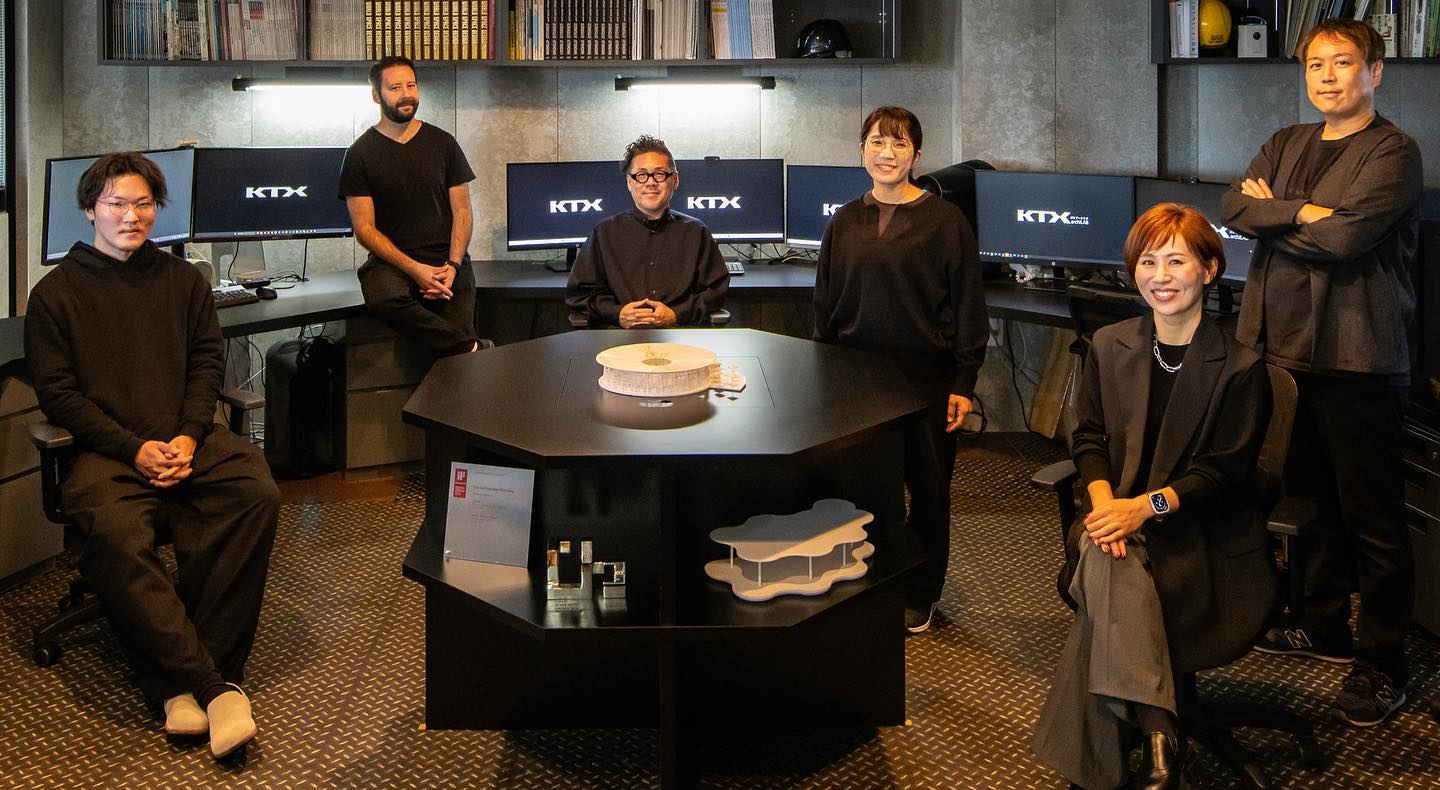
One of the most memorable projects in recent years was the Volvo Pavilion. Under the direction of architecture firm STUDIO HEECH, we at DSLSM participated in the planning and partially in the production, contributing our perspective on sustainable design. While we’ve primarily focused on eco-friendly goods and packaging, this project allowed us to expand our services into a wider range of areas—including merchandise, fixtures, printed materials, and the pavilion itself. It was especially meaningful because we successfully scaled up our existing design concepts into a larger, more complex format. Given the tight deadlines and multiple vendors involved, the project was quite high in difficulty. But through bold and efficient collaboration, we were able to deliver results that were both functionally sound and visually strong. It opened up new possibilities and case studies in the field of sustainable design, and has since led to new opportunities to collaborate with other brands and companies.
What is your definition of design, and in which direction do you pursue it?
At DSLSM, we pursue sustainable design. This approach stems from our belief in maintaining “the right values for us, even 10 years from now.” Sustainable design considers environmental, social, and economic factors to create lasting value that remains meaningful over time. It’s not about following short-term trends, but about embedding enduring purpose and meaning into design. Sustainability spans every stage—from material selection and production to usage and disposal—ensuring eco-friendliness and social responsibility throughout. We believe that design has the power to leave a positive legacy for future generations.
DSLSM also values creativity and innovation. We aim to solve problems with fresh ideas and new technologies, providing people with unique and inspiring experiences. Through these efforts, we believe design can play a vital role in shaping a better future. At DSLSM, we define design as making something better in line with its purpose. This doesn’t just refer to aesthetics or functionality, but also to the broader impact and value it creates for people. Clearly understanding the objective and improving the interaction between the user and the object is, in our view, at the heart of meaningful design.


Could you share your working process? What is your personal approach to design?
The most important element in my design process is context. Whether a design is driven by logic or intuition, if the context isn’t clear, the meaning becomes vague and the message fails to be delivered effectively. Context refers to the interaction and understanding between the environment in which a design exists and the audience it targets. That’s why, at the start of any project, we prioritize fully understanding its intent and purpose. We clarify what message needs to be communicated and what kind of experience we want to create—then we begin embedding that context into the design. This means we also need to consider how users, consumers, or viewers will perceive and interact with the work. By reflecting user-centered context when choosing and arranging design elements, we’re able to provide more meaningful experiences for them.
Context also plays a vital role in shaping the overall direction and clarity of a project. Establishing it clearly from the beginning helps prevent design inconsistencies or confusion later on. My process places a strong emphasis on continuously collecting and incorporating feedback to refine the context and increase the design’s overall completeness. Through this method, we ensure a deep understanding of the project and create design outcomes that are truly engaging and relevant to the people who experience them.
Have there been any brands or media that recently inspired you or caught your attention?
Lately, I’ve been drawing inspiration primarily from B2B-focused brands. Companies like YKK, Yoon Design, and PayPal provide essential elements—such as components, typefaces, and systems—that power other products and services, all based on their core technologies and design expertise. What these brands have in common is their ability to offer indispensable value across diverse industries, rooted in deep specialization.
Observing how they build strategy and apply design thinking in scalable, foundational ways gives me a lot of insight. At DSLSM, we aim to grow DLS into a global brand specializing in sustainable goods and packaging solutions. To achieve this, we closely follow the success stories of these B2B leaders—learning how they leveraged core strengths and thoughtful design to establish meaningful differentiation in the market. As for media, I frequently read HYPEBEAST and Heynews, both of which provide thoughtful coverage of social and cultural trends.
Do you have a personal design philosophy or belief? And what is your vision for the future?
I believe that design should be used as a means, not an end, in business. It’s a tool for delivering better products and services—not the goal itself. My design objective is to meet business needs while also creating high value for users. That means optimizing structure and information, and always designing with user experience in mind. With this approach, our vision is to grow DLS into a global brand in sustainable goods and packaging. We want to collaborate with diverse companies and brands to create lasting value, while emphasizing the importance of sustainable design. Ultimately, we aim to take on a leading role in shaping a more responsible design landscape on the global stage.















#14057, 905 49, Beolmal-ro 102beon-gil,
Dongan-gu, Anyang-si, Gyeonggi-do, Korea
Business Registration Number: 454-86-01044
Online Sales License No.: 2021-Anyang Dongan-1081
Copyright © DESIGNSORI Co., Ltd.