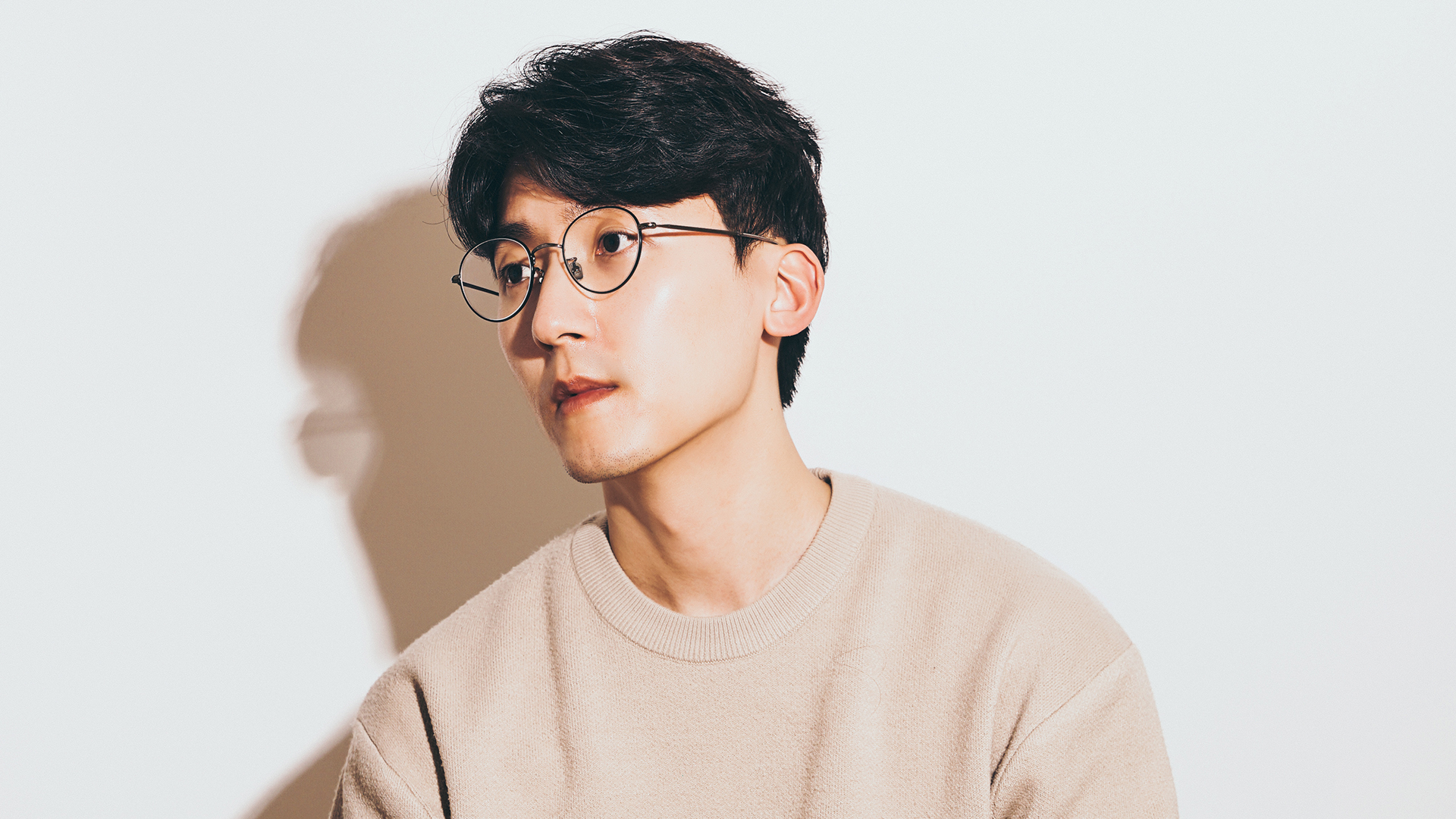
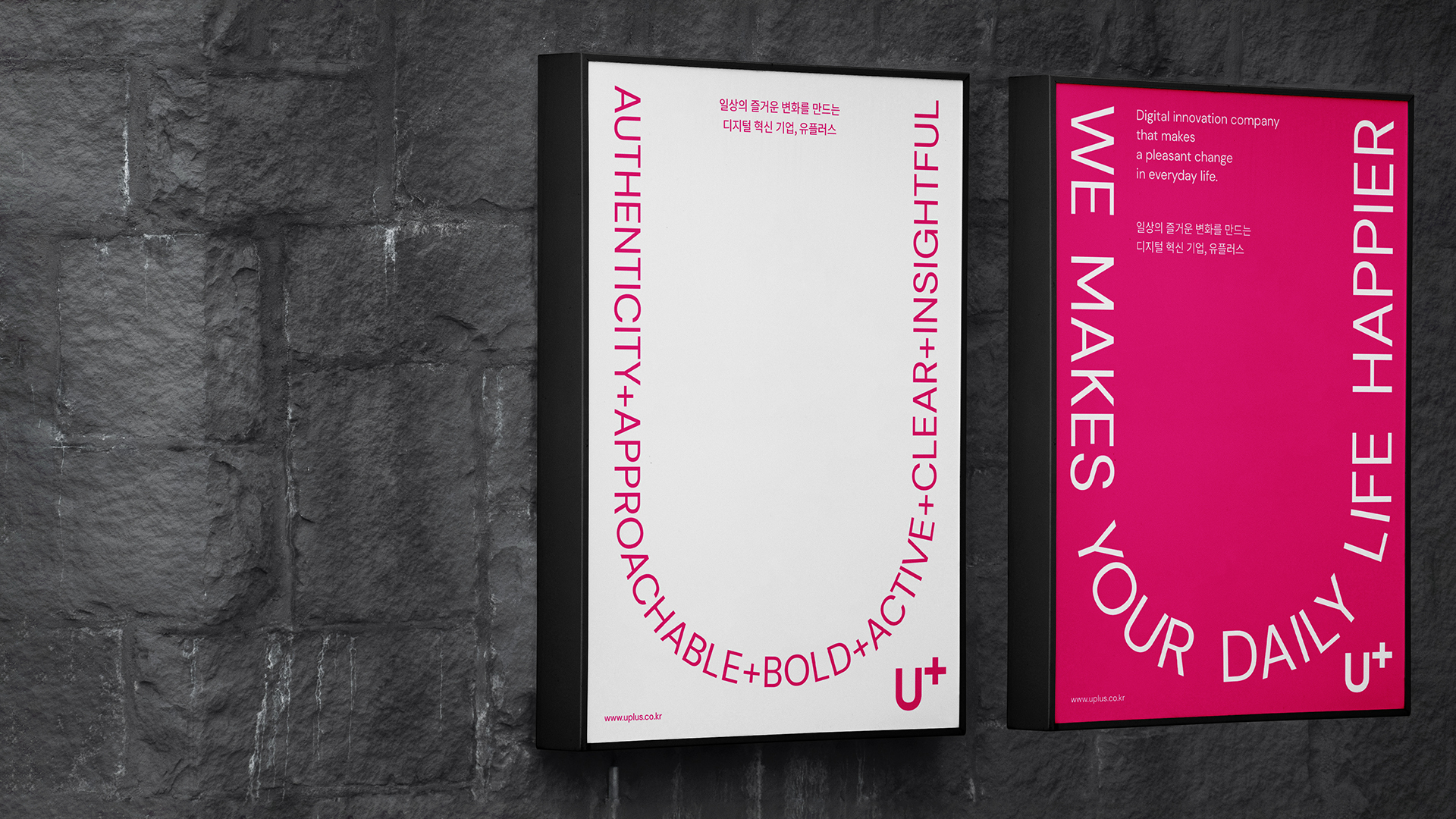
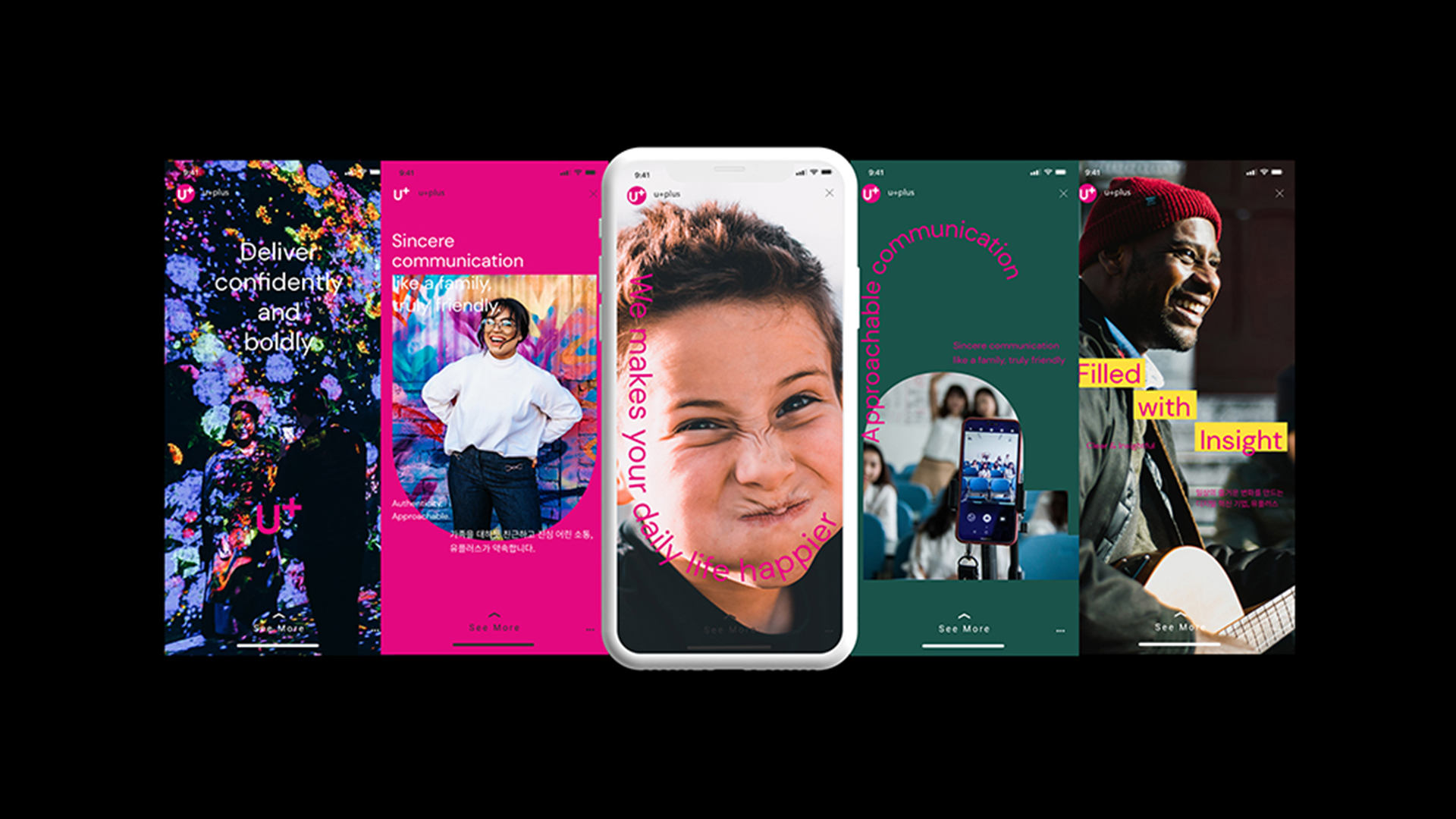
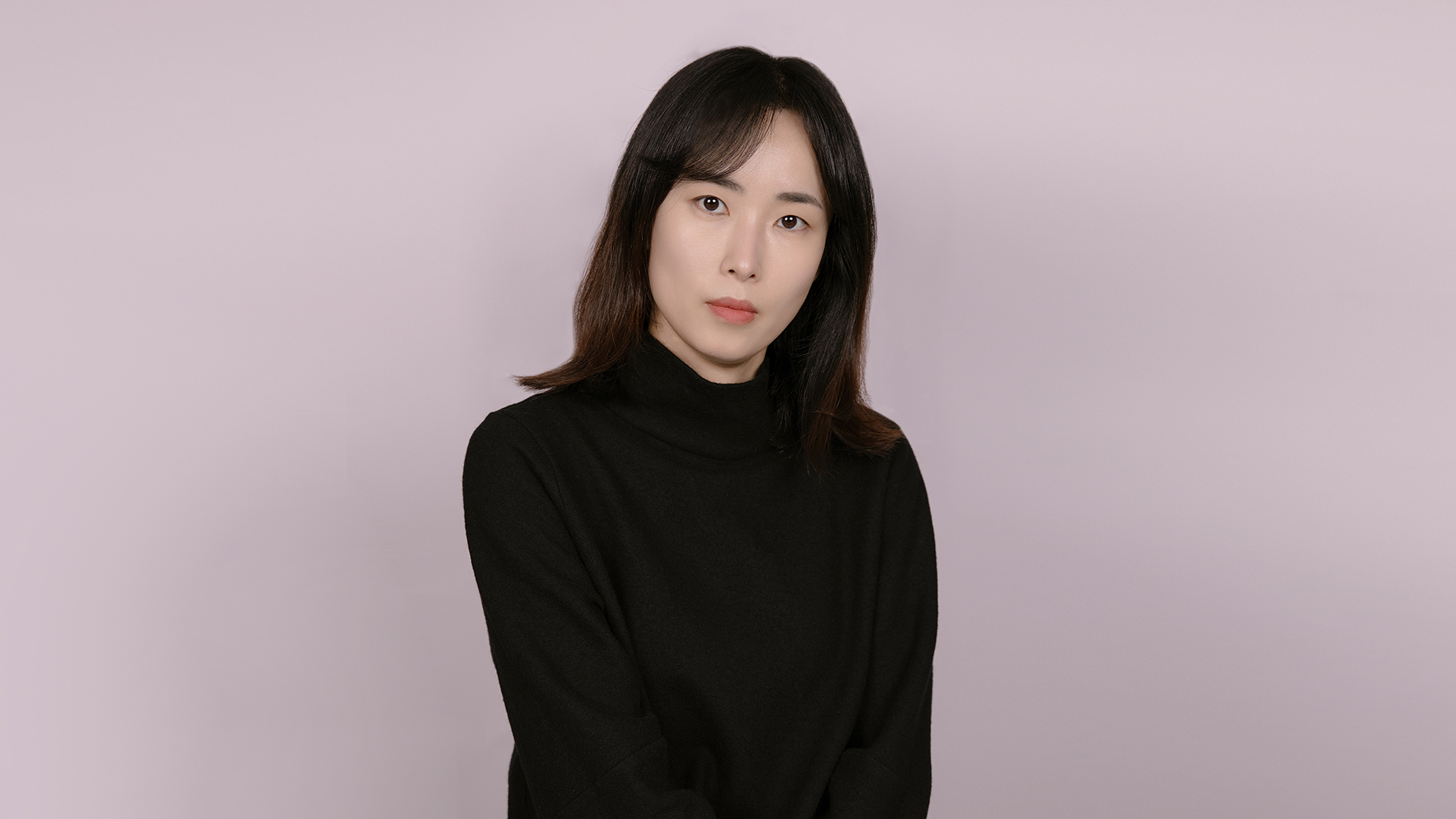
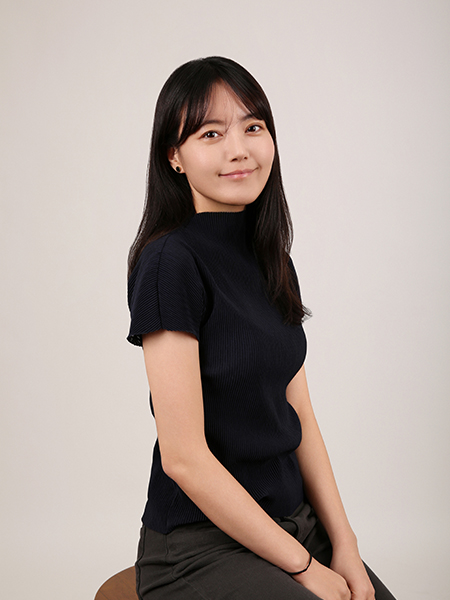
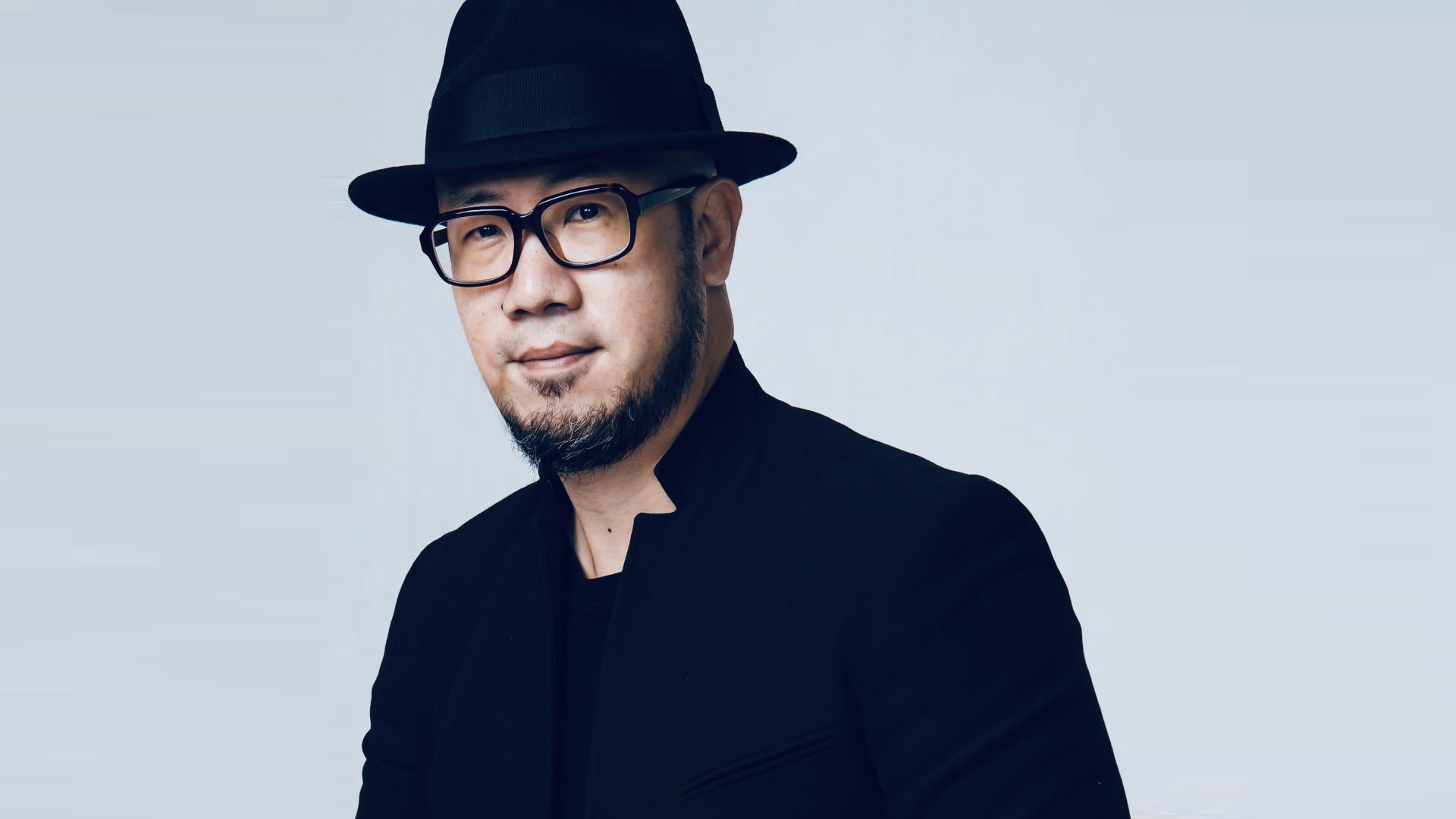
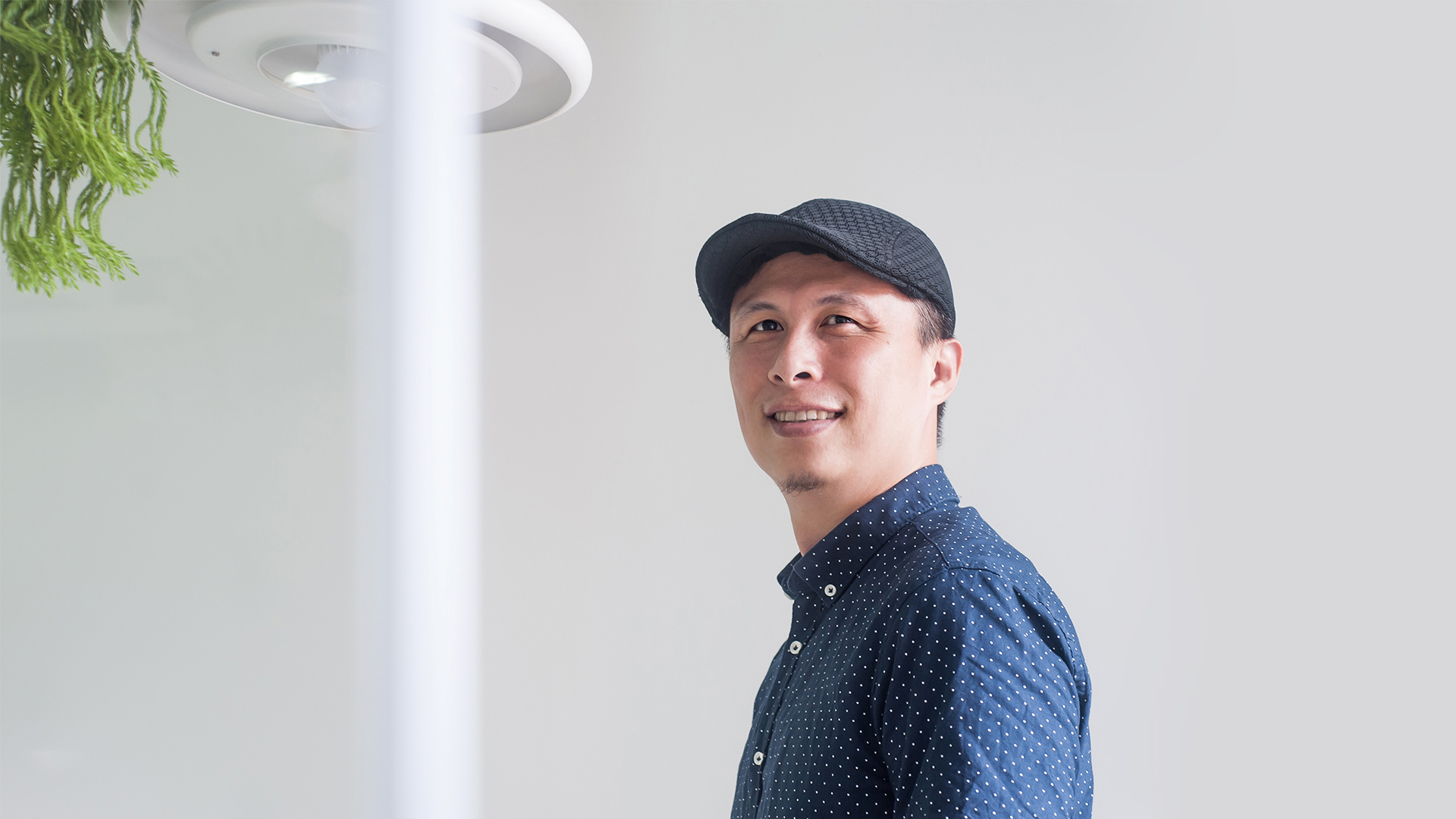
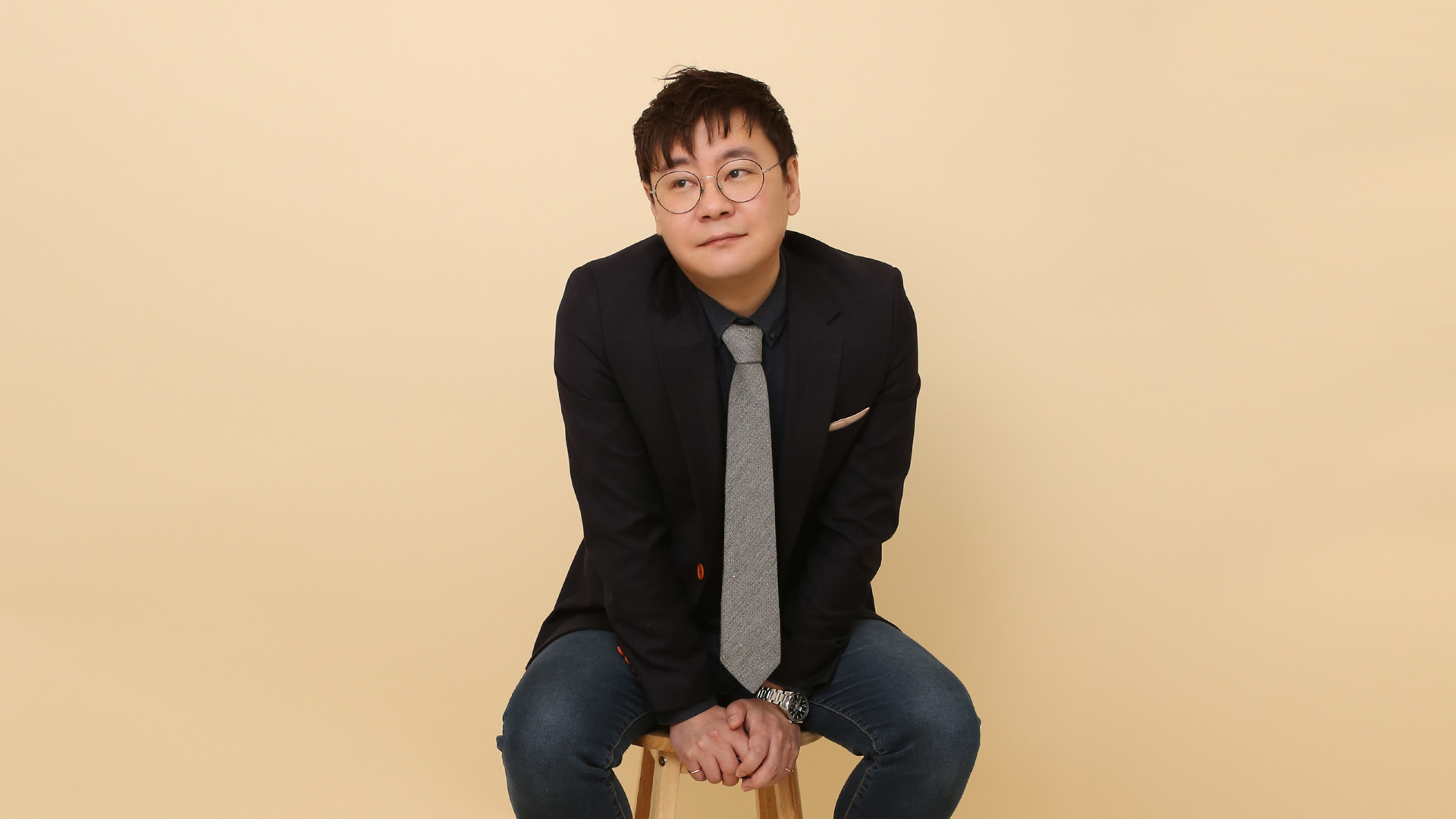
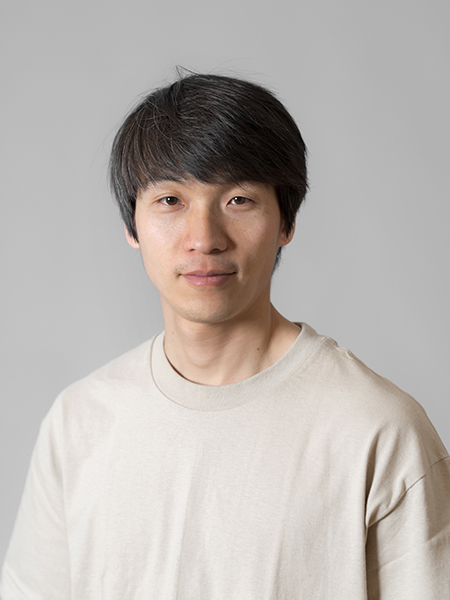
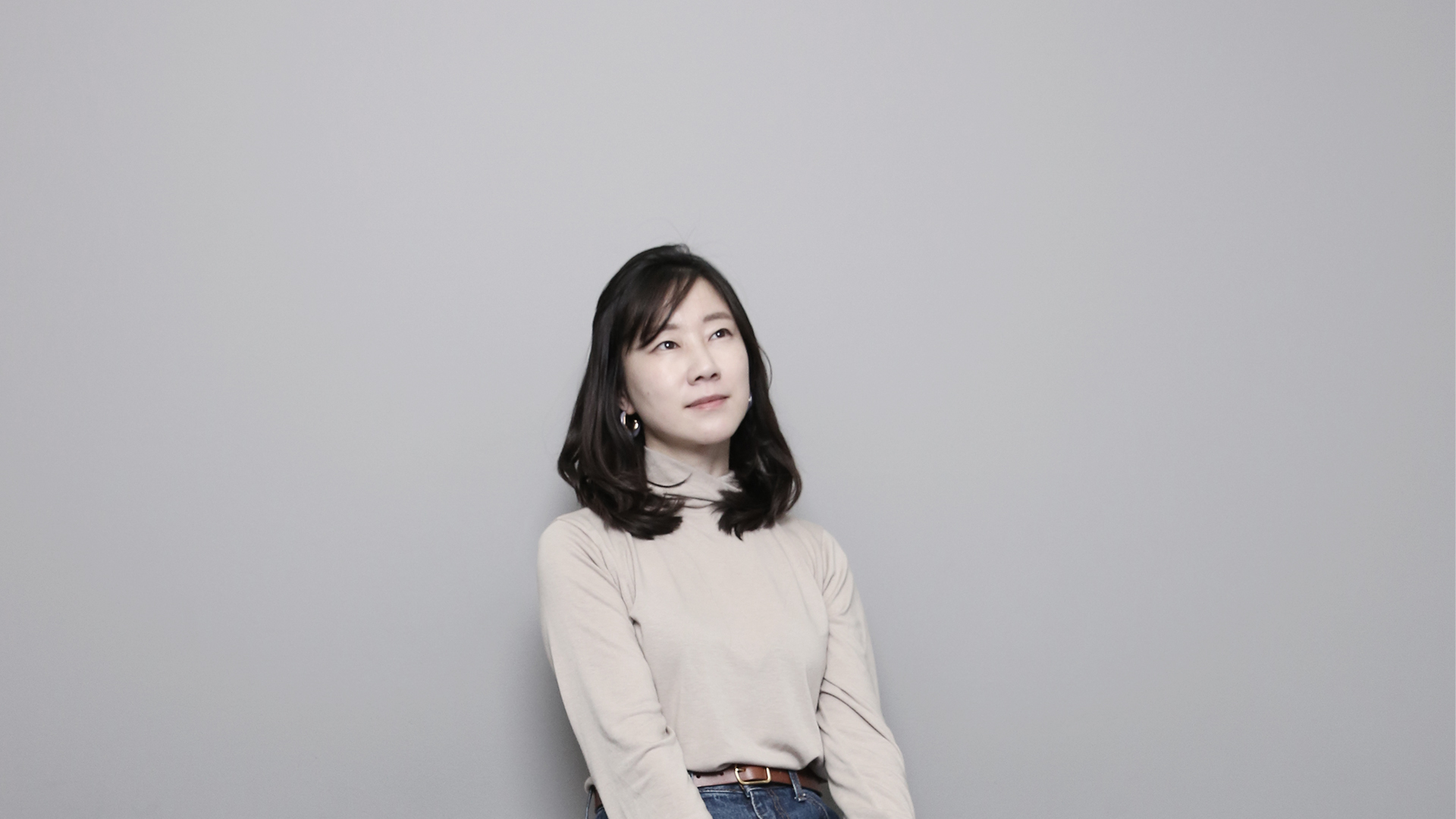
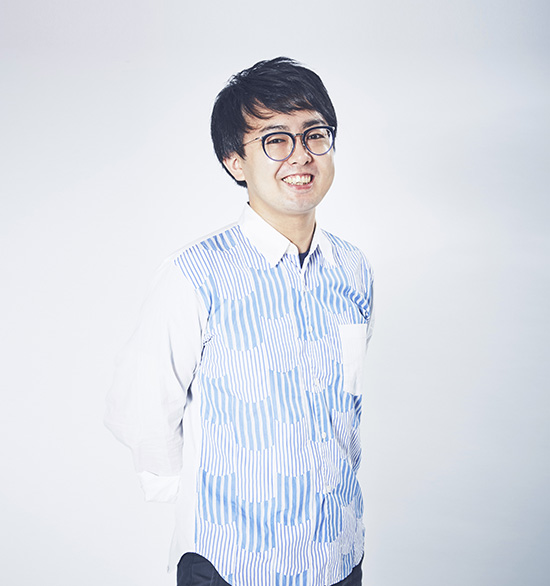
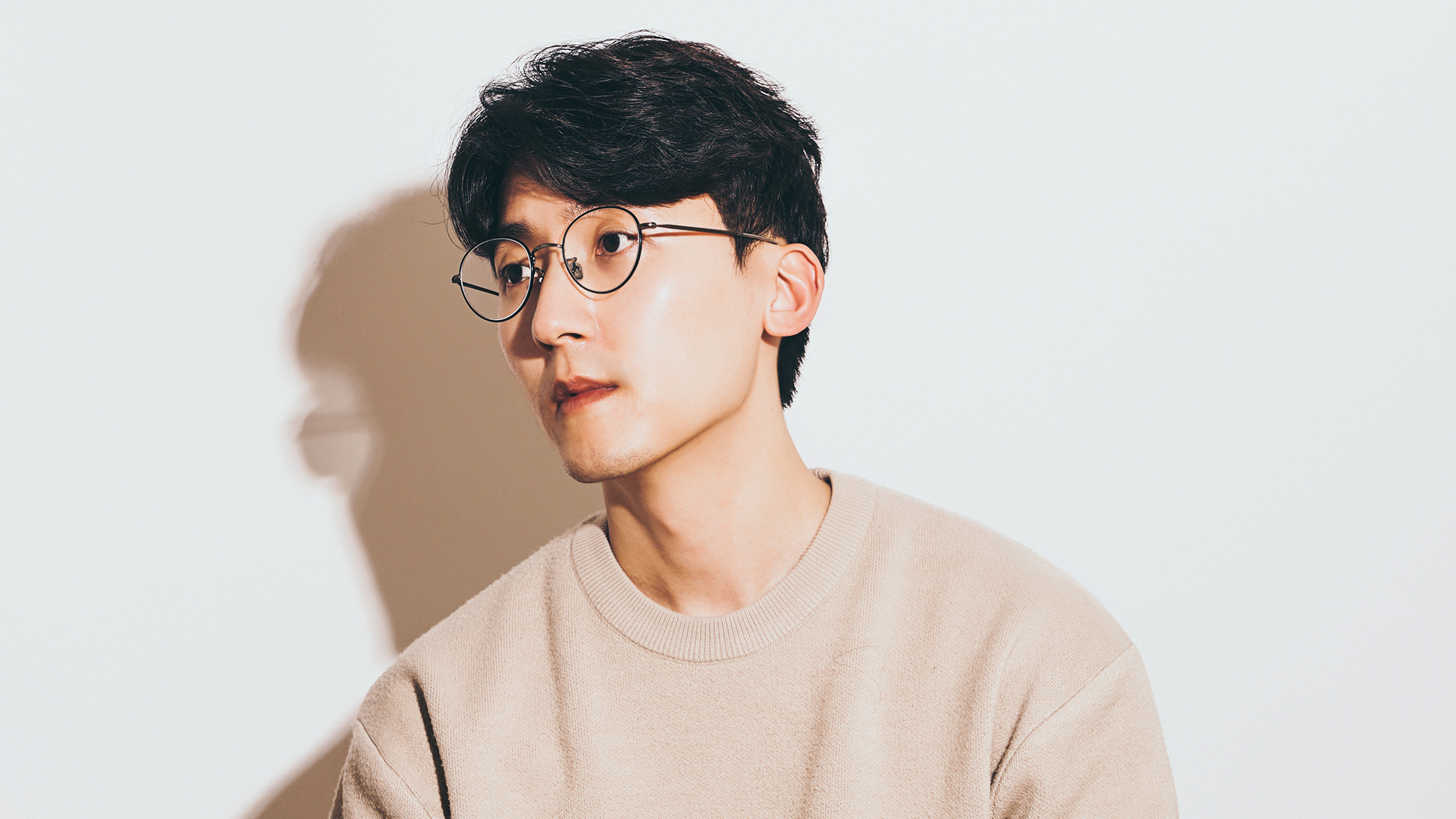
My name is Woo Haneul, and I run ist Studio. The name "ist" draws inspiration from the suffix used to describe specialists in a particular field. It reflects our intention to function as professionals who offer practical support—like determining which design form best fits a given intention, or identifying the most suitable production method within a limited budget—knowledge that often comes only with experience. I began my design career in 2006 as a freelance book designer, later evolving into a one-person studio, and officially founded ist Studio in 2014. Over the past decade, we’ve designed brand experiences and graphics for corporations, art institutions, exhibitions, and events, working with clients such as CJ Logistics, LG Uplus, the National Gugak Center, the National Museum of Modern and Contemporary Art, and COEX.
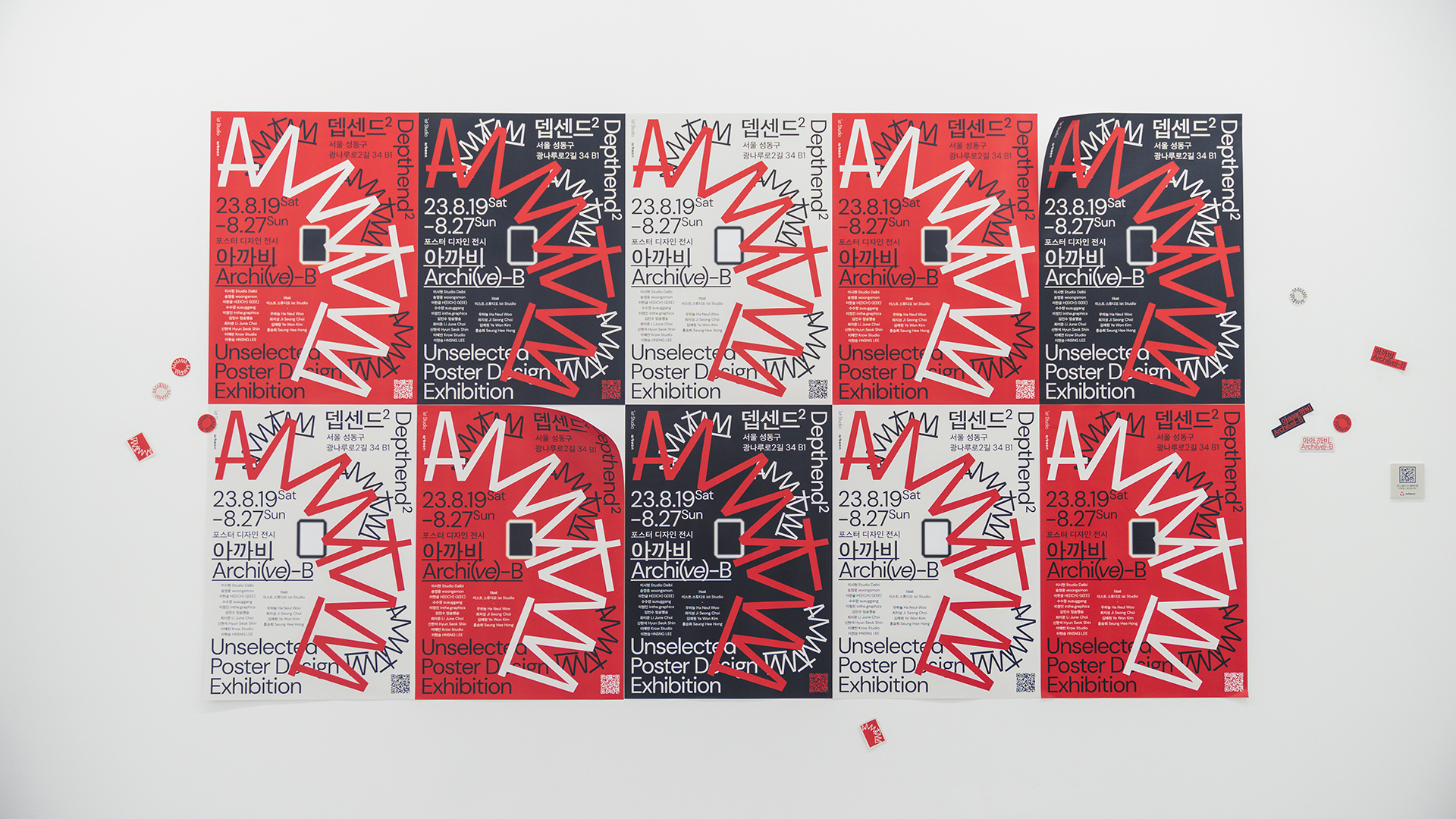
Some of our projects have been recognized by the Asia Design Prize 2022, and featured in several publications. Recently, we also organized and hosted an exhibition titled “Archi(ve)-B”, which featured only B-cut posters—a part of our ongoing efforts to stay resilient as a small independent studio.

Please tell us about the most memorable or enjoyable project you’ve worked on.
One of the most memorable projects for me was the exhibition "Archi(ve)-B." It was a small-scale project that showcased B-version posters—design drafts that inevitably arise during client work but often go unseen. Projects with major companies or award-winning outcomes are typically born from client jobs, and because of that, the studio’s voice and intent are not always fully reflected in the final designs. Many of those unused designs can’t be shared due to contractual obligations, or they simply end up with no place to go despite the time and affection poured into them. That’s how the idea started—to give those B-version posters a platform. A total of 14 designers, including those who showed interest through our studio’s Instagram, participated in the exhibition. In the spirit of the concept, we even exhibited the B-version of the exhibition’s promotional poster itself. Each designer had a chance to showcase their personal interpretation of the B-version through their poster, and it was a meaningful opportunity to build new connections through an original piece of content.
On a more personal note, the story of how I began designing is also quite special and memorable. I still remember the exact date—November 16, 2006—when I received my first freelance offer. Back in school, I used to casually design banners for a genre fiction website's community forum. I had no formal training, so the designs were rough, but driven by my love for the stories, I made over a hundred banners. Eventually, a publishing house reached out to commission a book cover, and that’s how I started as a genre fiction book designer. Despite challenges due to my young age and non-design background, I managed to hang on—thanks largely to the fast-paced and image-driven nature of the genre. That led naturally to running a one-person studio, and from there, I’ve learned everything by tackling both creative and business challenges head-on. Compared to my current projects, those early works were less conventional, but without a doubt, they laid the foundation for my design style today.
Is there a principle you never compromise on as a designer?
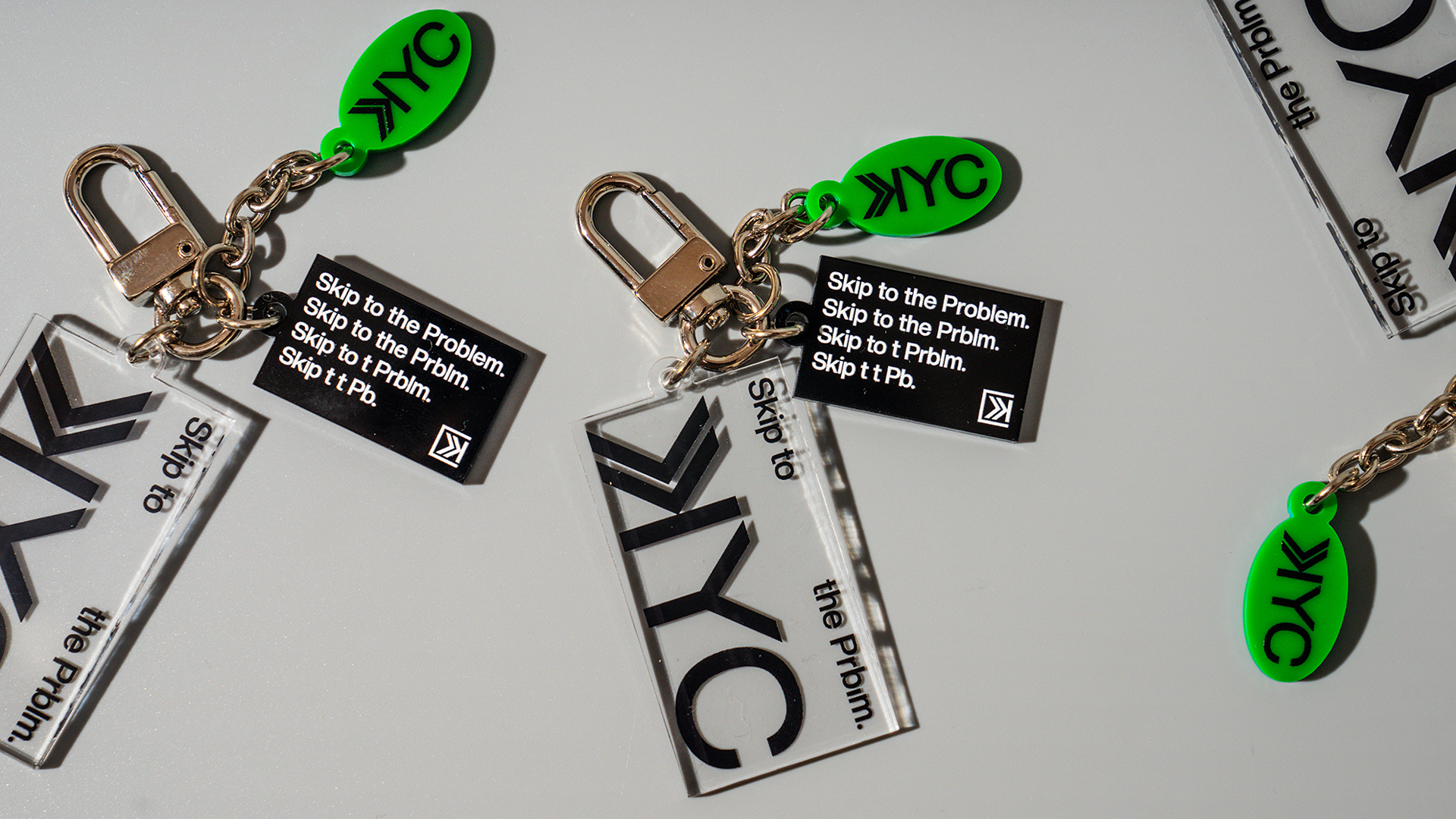
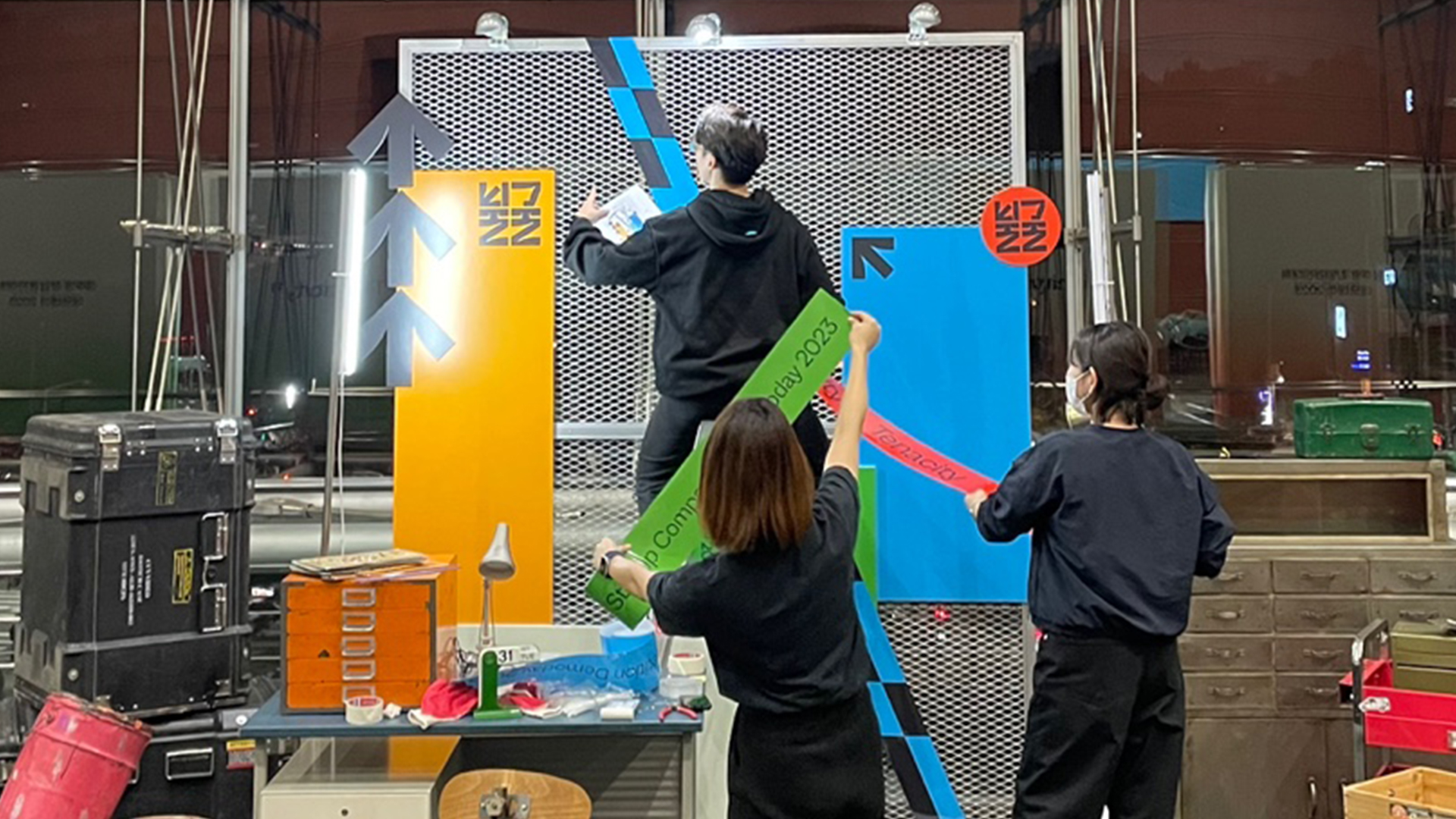
Ultimately, design is a service industry. Because money is involved, the most important thing is to honor the promises made to clients. If I hadn’t kept that principle, I don't think I would’ve been able to survive as a designer until now. Recently, when collaborating or hiring staff, the key trait I look for is a strong sense of responsibility. There are times when I need to work with other freelance designers or illustrators during a project, and I’ve been surprised by how often some collaborators abruptly stop working or suddenly become unreachable without any explanation. When that happens, if there’s enough time internally, we try to find alternatives—but if deadlines are tight, I believe the best approach is to proactively inform the client, explain the situation, and suggest solutions as quickly as possible. Regardless, the work must always be completed. Choosing to bring in collaborators is ultimately my decision and responsibility, and even if it doesn’t lead to further projects together, the minimum requirement is to not break trust. Maintaining reliability, even under pressure, is non-negotiable.
Are there any fields you’d like to take on or projects you’re eager to try?
In the short term, I hope to take on more projects where we can implement “space” in a way that closely reflects our original design intent. I’m also particularly interested in regional-scale projects that improve tourism content and visitor experiences. Since we recently held our own exhibition, I feel a stronger desire to do it even better next time. We’ve even discussed the idea of holding a 10th or 15th anniversary show for the studio. Admittedly, with such impressive precedents like Workroom’s exhibition, it’s a bit intimidating (laughs), but I deeply admire how they’ve archived and documented such an extensive body of work over the years.
In the meantime, we’ve experimented with various efforts—exhibitions, design classes, meetups, and more. These often emerged as responses to situational needs, but looking back, they’ve allowed us to explore different directions. I wanted to support designers who didn’t have a clear place to ask questions, so I started online meetups and design classes, thinking I might be able to offer mid-level guidance based on my experience. Projects like our own studio exhibitions not only helped us reach external clients but also raised our profile within the design community. I believe this visibility has played a meaningful role in boosting the studio’s survivability.
How have design or marketing strategies changed from the COVID-19 pandemic to the endemic era?
The pandemic was a truly difficult time. Before that, all of our projects came through referrals from existing clients. We were complacent, assuming that good work alone would naturally keep the studio running. But when work nearly came to a halt, I belatedly started an Instagram account for the studio. I linked and consistently updated 5–6 platforms, including our website and portfolio sites, and that eventually helped us find a breakthrough. These days, I often emphasize to fellow designers and aspiring creatives how important it is to proactively share and archive their work. Now that we've entered the endemic phase, those consistent efforts to document and promote our projects have begun to pay off in terms of securing more project opportunities. That said, our marketing still has plenty of room for improvement, and it’s something we know we need to keep working on consistently.
Do you have a personal philosophy or belief as a designer? And what is your vision going forward?
I focus on creating accessible, easy-to-understand graphics. I often describe my goal as making designs that “anyone could sketch.” I believe designs that are memorable for both clients and users are also visually simple. Of course, even simple graphics must still be distinctive, carrying their own character and clarity. It’s equally important that the designer can easily explain the intention or meaning behind the work, and that the audience can grasp it without effort. Not every graphic can be simple, and not every concept can be summed up in one or two lines—but navigating that space between simplicity and complexity is part of the designer’s role. It’s about finding balance.













#14057, 905 49, Beolmal-ro 102beon-gil,
Dongan-gu, Anyang-si, Gyeonggi-do, Korea
Business Registration Number: 454-86-01044
Online Sales License No.: 2021-Anyang Dongan-1081
Copyright © DESIGNSORI Co., Ltd.