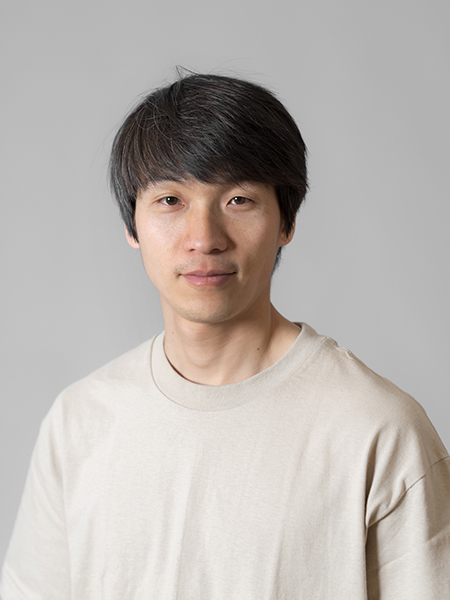
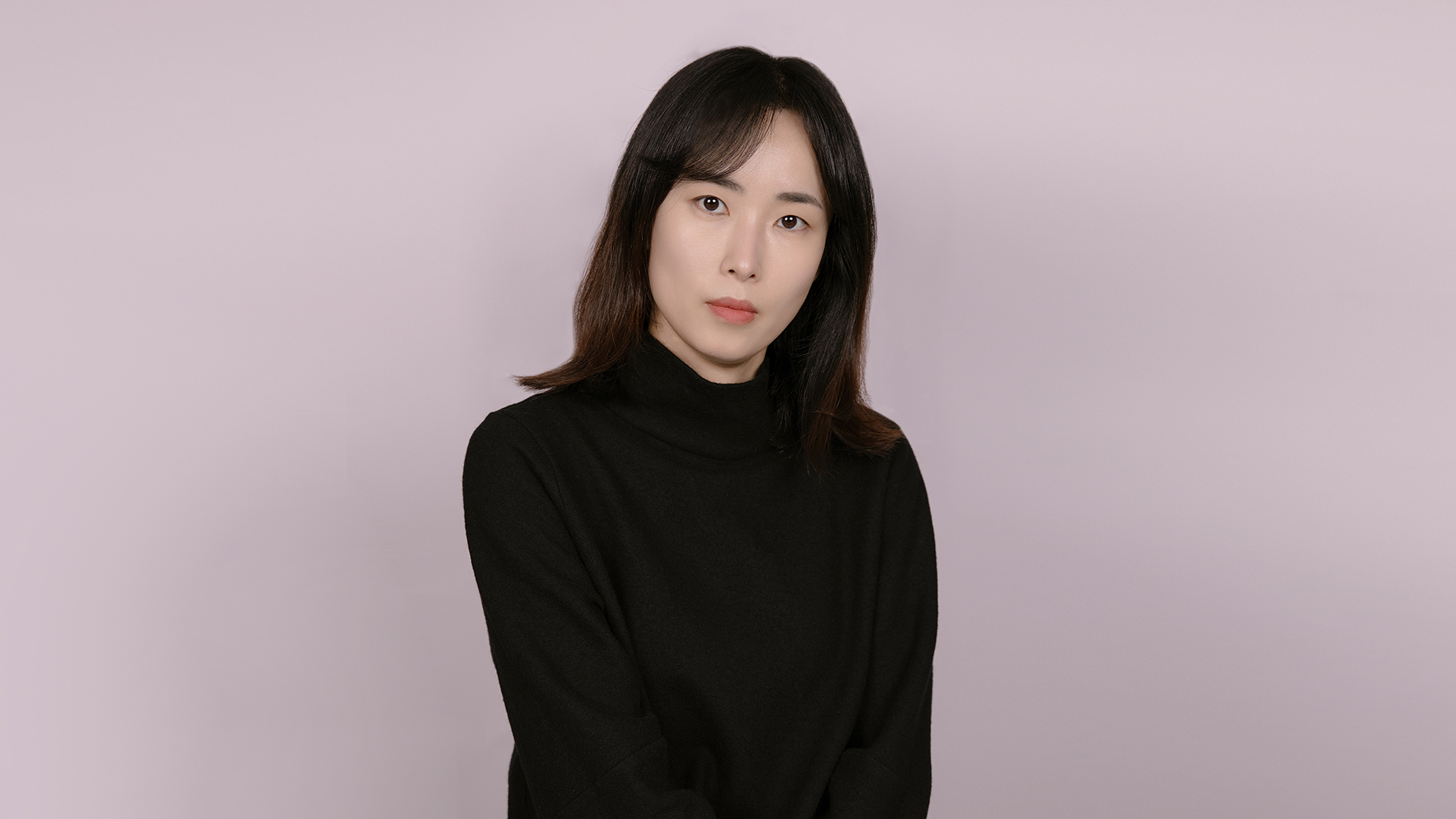
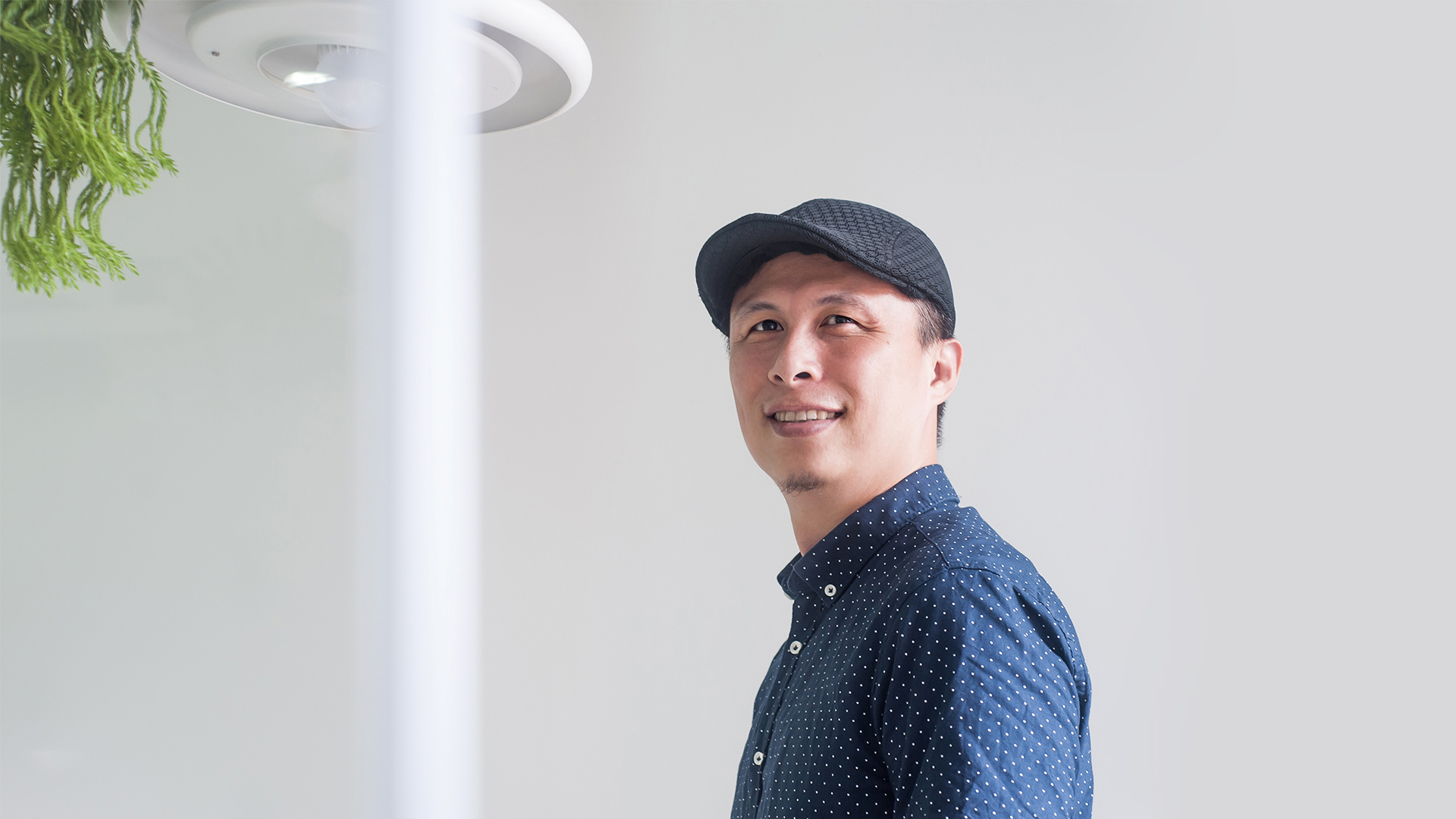
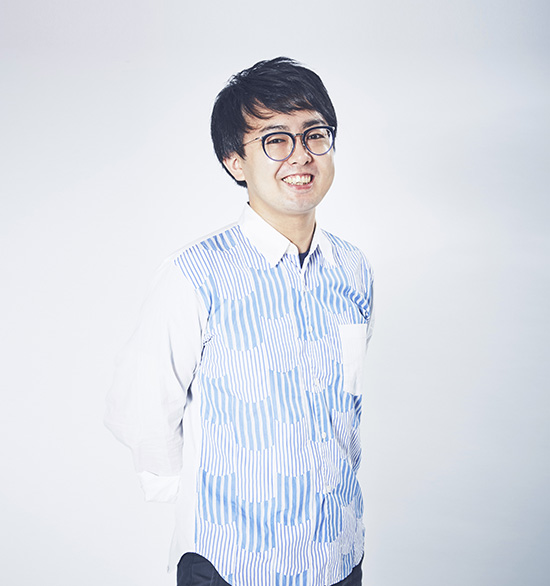
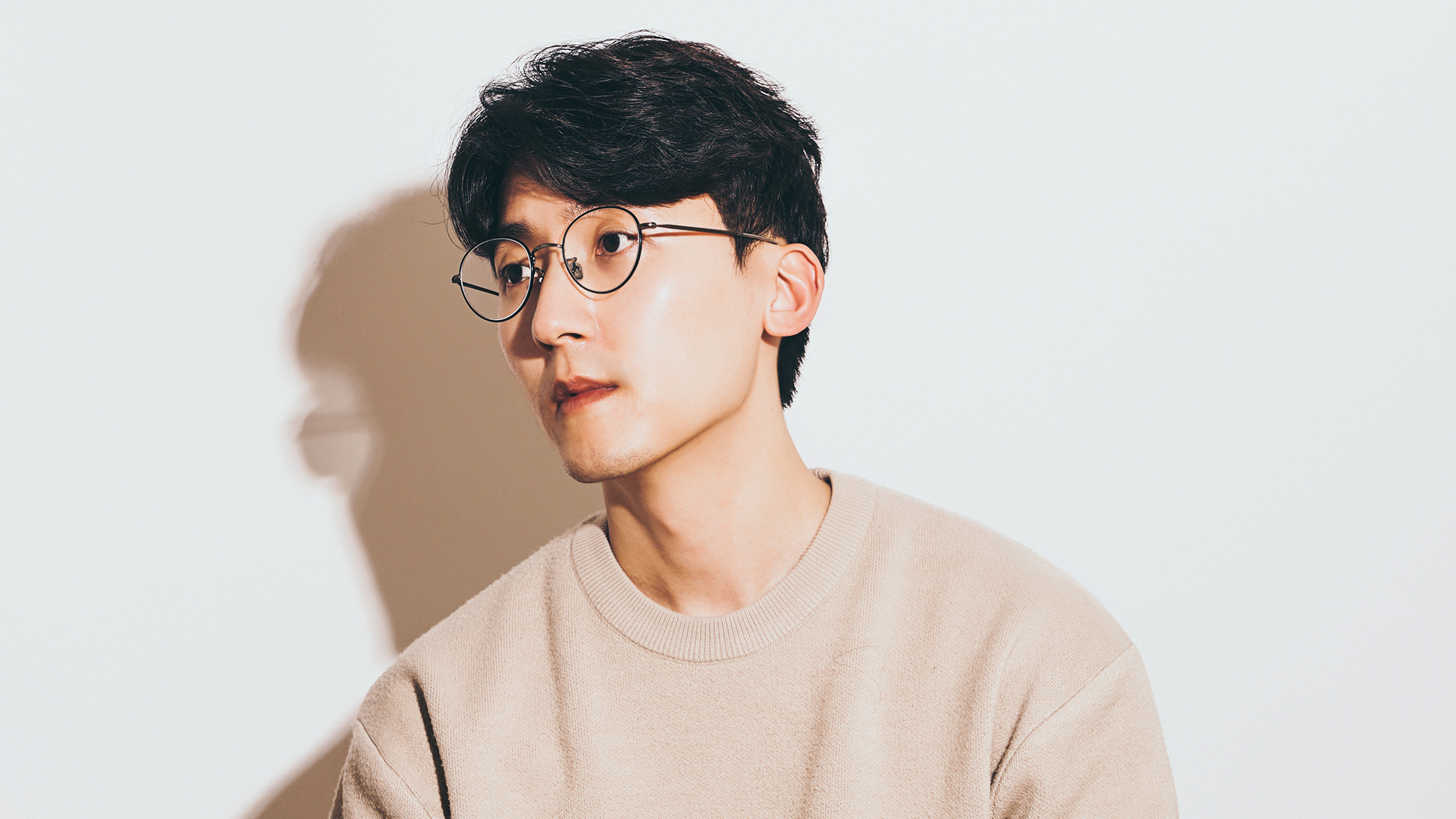
Hello, I’m Yoonha Ryu, founder of the furniture brand Standard A. I studied wood sculpture and furniture design at Hongik University and later worked at the design firm Second Hotel. While working there, I felt both fulfilled and conflicted—developing, producing, and selling interesting items was fun and gratifying, especially knowing that my designs could bring joy to others. At the same time, I questioned whether I was simply adding to the overwhelming number of disposable products already flooding the world. Feeling the need to pause and reflect, I spent a year in Berlin on a working holiday visa. During that time, I deeply considered the idea of long-life products and envisioned a new kind of brand. This led me to launch Standard A at the end of 2011.
Standard A is grounded in a love for well-made, long-lasting wooden furniture for everyday life. We design and build each product with the belief that the effort of both the designer and the maker should translate directly into the longevity of the piece. By making thoughtful choices in materials, function, and design, we aim to offer satisfying experiences—experiences that bring a sense of balance to people’s solid, everyday lives. That is the guiding principle of Standard A.
Please tell us about one of your most memorable achievements or experiences.
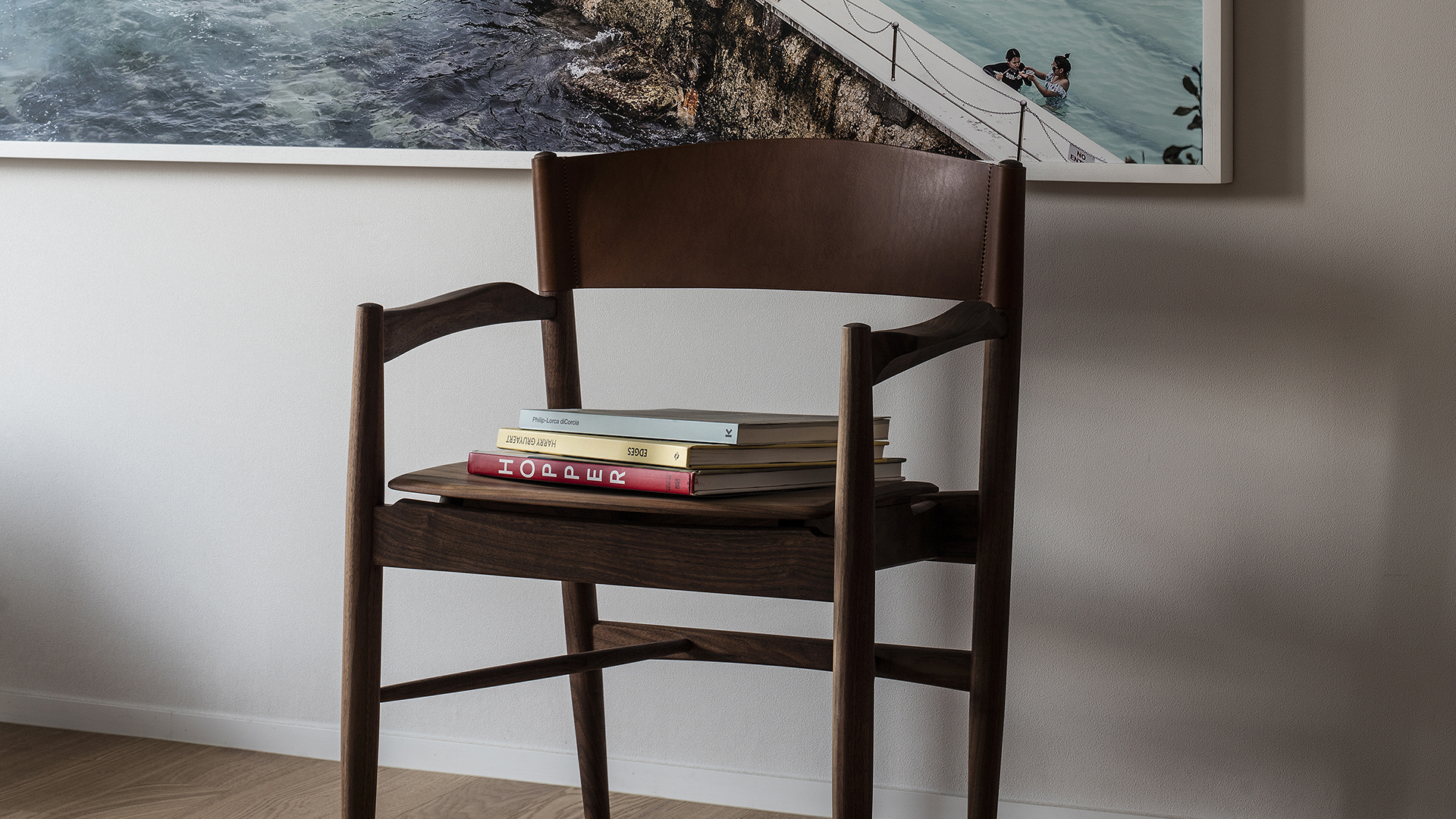
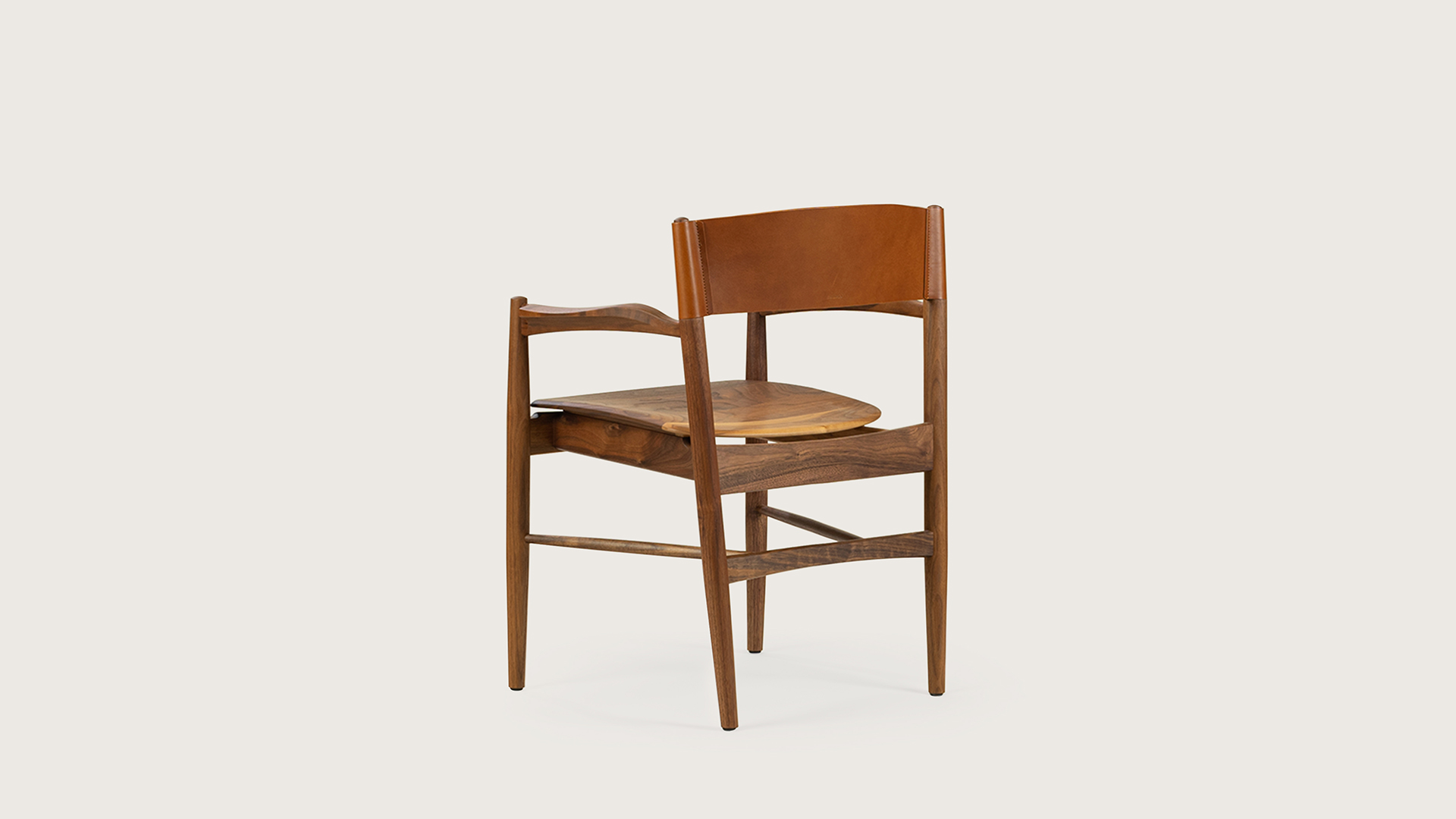
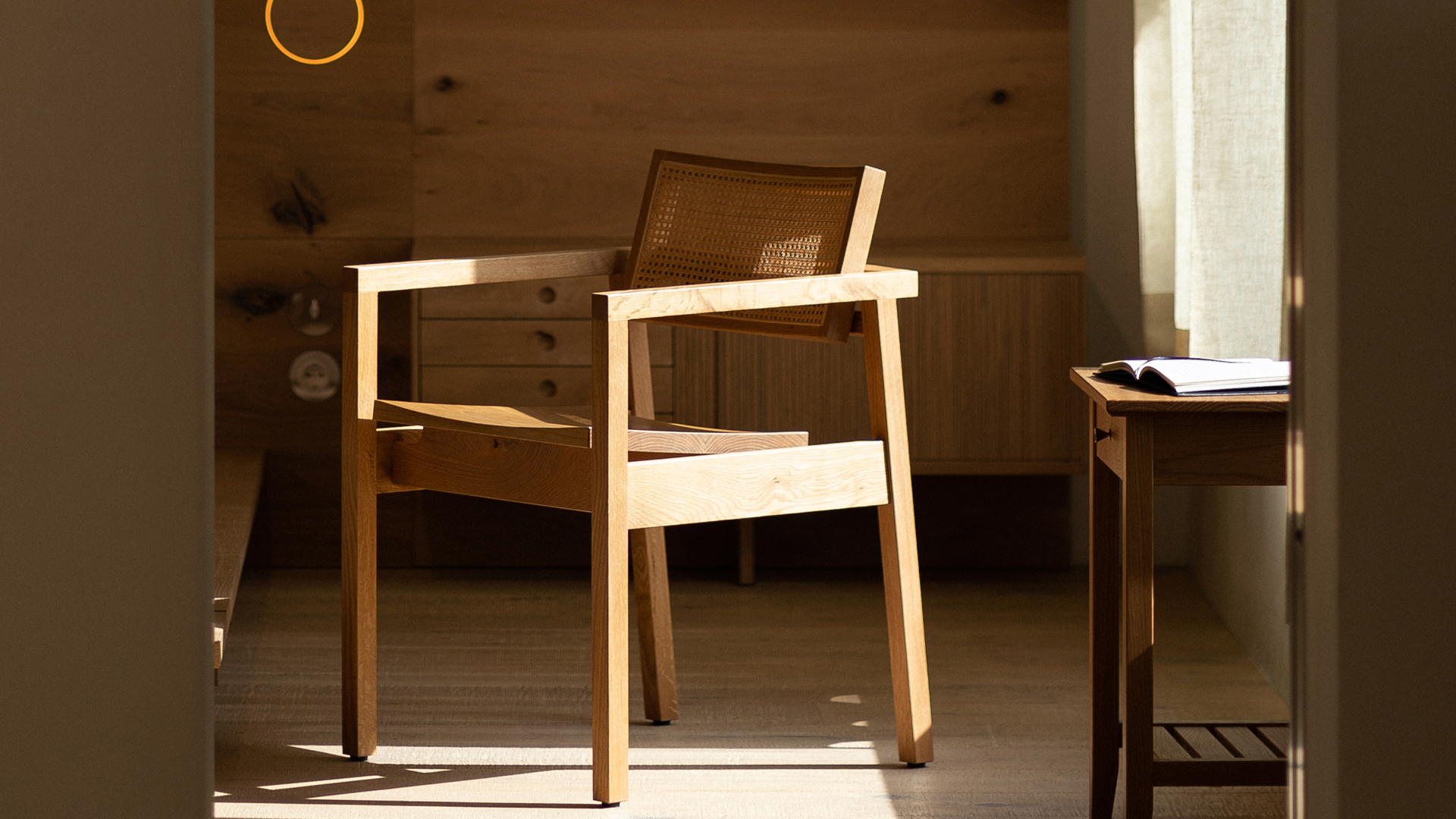
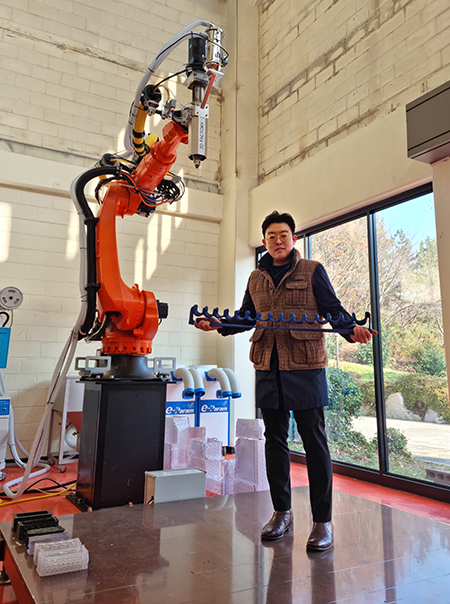
At Standard A, we focus on everyday furniture that balances sculptural value with practical use. Over a decade ago, we launched with a line of slim-profile hardwood furniture—setting ourselves apart from the wave of DIY softwood products dominating the market at the time. Since then, we’ve gradually built recognition through steady operations and collaborations with various brands and architects. In particular, we’ve developed around five original wooden chair models—a rare achievement in Korea due to the unfavorable cost structure of domestic chair production. One example, Chair 07, was created to rival the quality of long-established European furniture brands. To achieve this, we relocated our production facility and adopted a 5-axis CNC machine—an advanced technology almost never used in the Korean furniture industry—to produce high-precision, high-quality pieces.
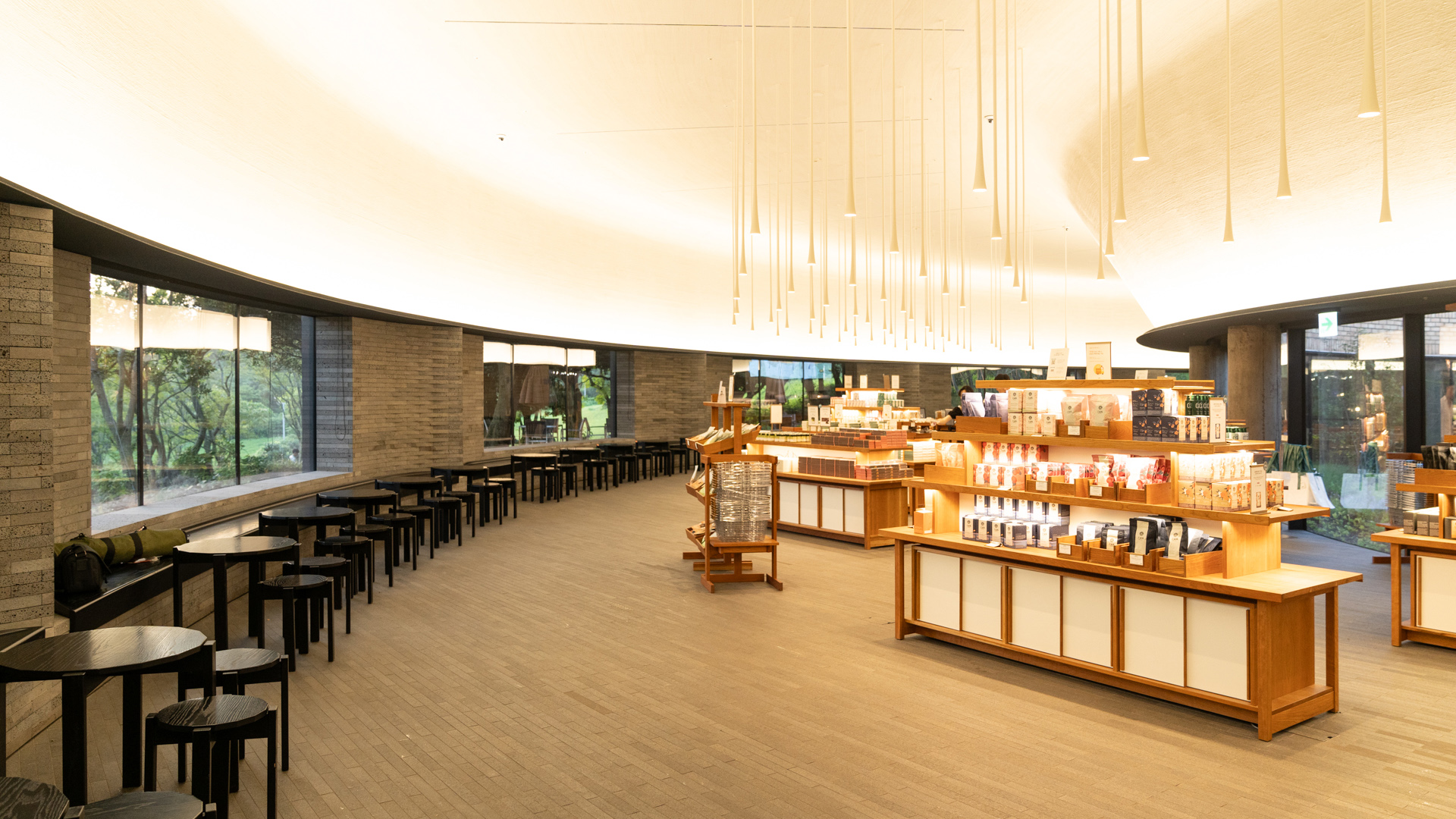
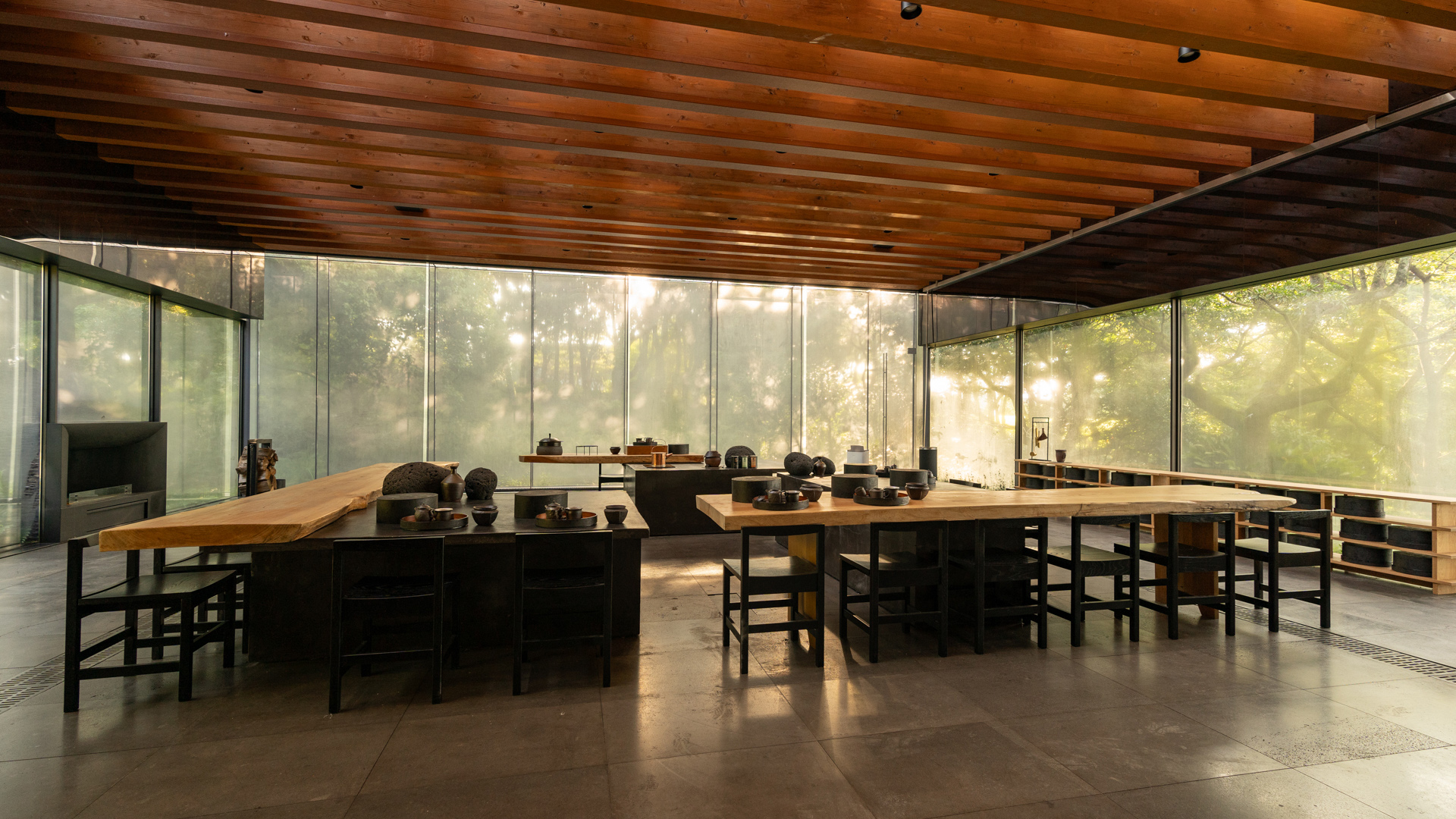
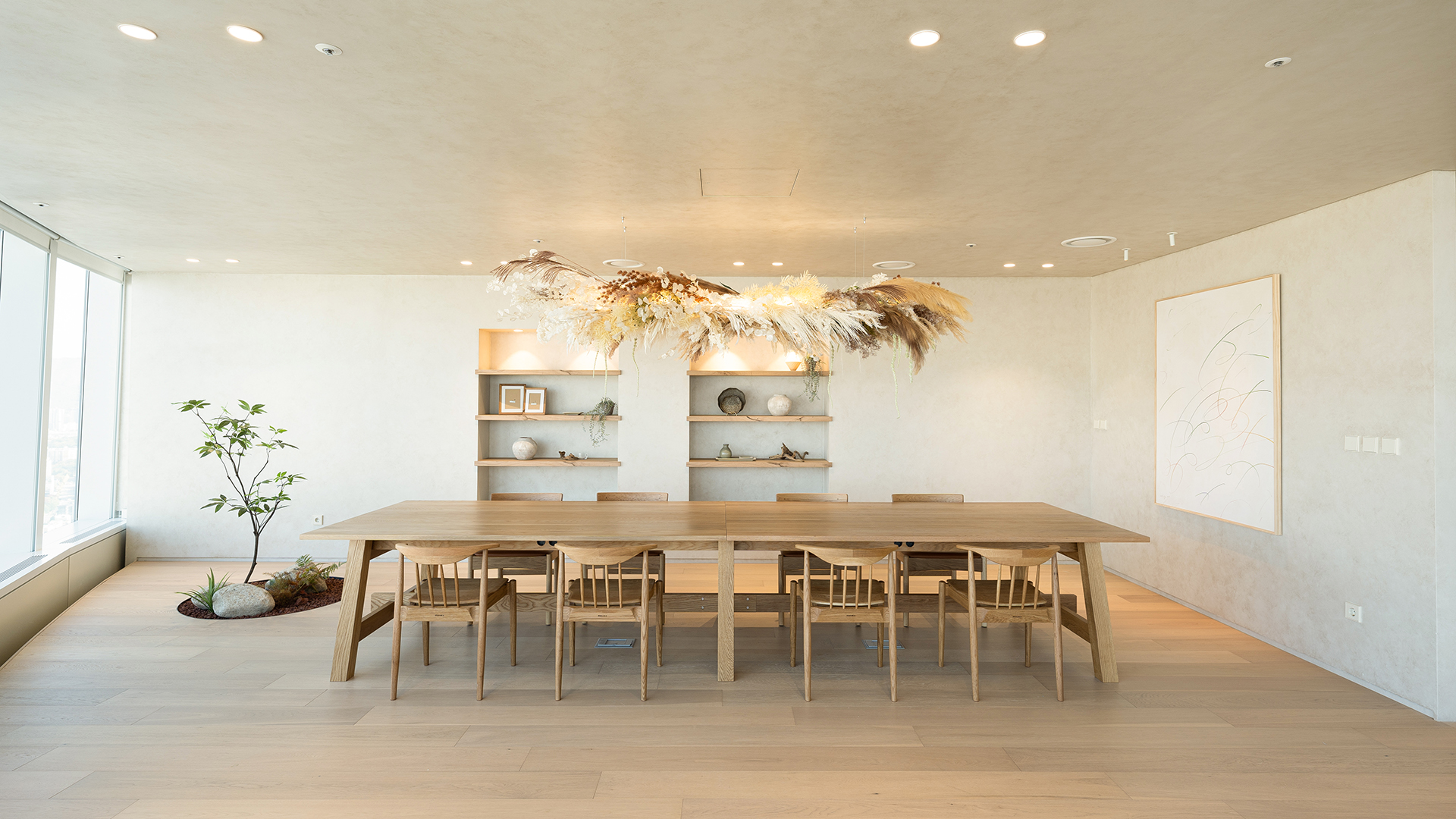
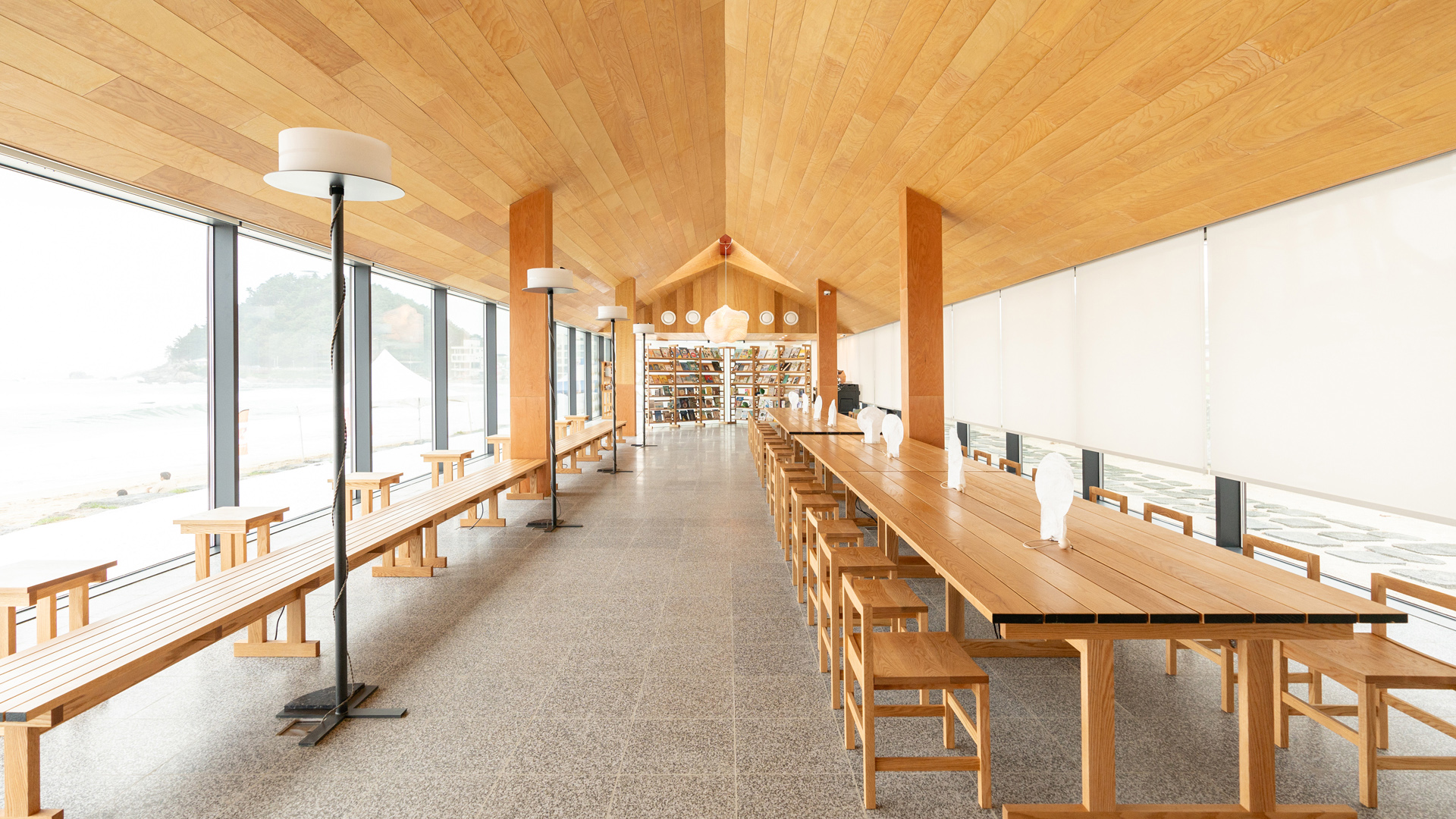
In recent years, we’ve expanded beyond residential products to work extensively in commercial spaces. Notable projects include furniture for Amorepacific’s Osulloc flagship stores in Jeju, Hannam, and Gimpo Airport; the headquarters of Baemin (Woowa Brothers); and SK’s Ji-gwan-seo-ga Library project. We’ve also designed furniture for offices at GS, Lotte Fine Chemical, POSCO, and for religious spaces such as Won-Buddhism’s Wonnam Church and Ssanggyesa Temple. Recently, we even collaborated with Mass Studies on the restoration of the staircase railing in the Kim Chung-up Hall at the French Embassy, extending our expertise beyond furniture into architectural preservation.
Through these diverse collaborations, I’ve come to realize just how profoundly space affects our emotions and well-being. The interplay of openness and closure, lighting and ventilation—all of these elements influence how we feel in a space. This awareness has only deepened our commitment to designing furniture that not only supports daily life, but also uplifts and enhances the spaces it inhabits.
Could you share the most difficult moment you experienced as a designer, how you overcame it, and how it influenced your approach to design?
It was during my time at a small design company. Because of the size of the team, I had to handle everything from planning to launching the products, and each quarter, several series of our designs would be put to the test in the market. Since this was quite a while ago—before online platforms were the norm—sales depended entirely on in-store visitors, so we could immediately see how customers responded. I still remember developing playful camera covers for disposable film cameras at a time when digital cameras were all about megapixels. We also worked on the design of what’s now known as the “Spooner”—a spoon-shaped bottle opener that later ended up being sold at the MoMA Design Store in New York. That period was full of creative exploration, but also personal struggle.
The biggest challenge for me was realizing how differently consumers interpreted my designs from how I had intended. As a newcomer to the industry, I found myself constantly swayed between my own taste and what the public seemed to prefer. It was incredibly difficult to define a direction—should I follow my instincts, or design for popularity? After leaving the company to start my own brand, I came to understand how crucial it was to establish a clear center—a foundation I could keep returning to. Reflecting on my earlier experiences, I realized the core issue had been starting the design process by asking, “What will sell?” That mindset created a disconnect between my vision and the end result.
Now, I believe the right answer for me lies in patiently building a brand with its own design language, and letting that identity organically attract its audience. With that shift, I began developing products that aligned with my brand’s philosophy and carried out branding that complemented those designs. I’ve continued to grow the brand along that path ever since—letting design and branding evolve hand in hand.
Do you have a principle that you never compromise on as a designer?
I wouldn’t say I’m a designer with such strong convictions that I never bend my principles. As a designer who also runs a company, there are inevitably times when I’m forced to make decisions that balance ideals with reality. That said, there is one thing I do try to uphold: I always make sure I can fully convince myself before finalizing a design. I ask questions like, “Is this truly better than what already exists?” and “Does this design offer something meaningfully different?” If I can’t answer those questions confidently, or if something still feels off, I won’t release the design as an original product. In the case of bespoke items that follow a made-to-order system, customer preferences tend to take priority. When those cases arise, I make sure to thoroughly explain any limitations or concerns before moving forward.
From a broader brand perspective, one principle I continue to uphold is archiving. Since Standard A’s inception, we’ve consistently documented our journey through projects like the Hobby Life Project, workshops, and Log—our internal magazine that captures our process and stories. We believe that joyful making leads to better quality, and we try to reflect that in everything we do, even by sharing our team’s day-to-day with the outside world. Occasionally, long-time customers come up and say, “I really enjoy reading what you share.” I believe they’re referring to our archives, and that always makes me feel incredibly proud.
Is there a particular field, brand, or project you would love to take on?
After selling for over a decade, I've started to sense shifts in demand and new needs emerging. One clear change since the pandemic has been the rise of remote work, leading to a noticeable increase in orders for large tables used for both dining and working. As the boundaries between living and working spaces blur, we've seen a rise in stylish “workation” centers and evolving office environments—especially within IT companies. Standard A has been involved in several of these transformations, such as furnishing offices for Baemin (Baedal Minjok), GS, and POSCO. Still, most offices are dominated by conventional furniture brands like Fursys and Koas. I understand that steel-legged LPM desks with laminated film are often the most cost-effective solution—but it’s disheartening to see office spaces look so uniform.
I truly believe that changing the space and the furniture can make work more enjoyable. I’ve had clients working on office projects confess, half-jokingly, “I wish this were my home.” That kind of reaction shows how uplifting a thoughtfully designed space can be. Moving forward, I’d love to take on more projects that create inspiring, comfortable offices—places where people genuinely want to spend their time working.
Do you have a personal philosophy or belief as a designer? And what is your vision for the future?
I believe that good design is design that doesn’t get thrown away. That’s why I focus on creating simple, enduring designs and using solid construction methods. Maintaining the value of a brand is also crucial. When people move homes and have to decide what to keep or discard, two key factors often influence their decision: function and story. Just like we don’t throw away appliances that still work, we also tend to keep objects that hold memories. Items with stories tend to survive the longest—this is part of the reason people love vintage furniture.
At Standard A, we strive to create products that embody three things: timeless, unpretentious design; structural durability that ensures long-term use; and a compelling brand narrative that makes our products hard to part with. While it's the buyer’s lifestyle and taste that ultimately guide purchasing decisions, as producers, we must consider long-term value as well. Creating something new is, in a way, a debt to future generations—so both the buyer and the maker must share in the responsibility of its continued existence. I believe that all the actions taken to preserve a product’s value—even after purchase—are part of design. Brands that go beyond form and function to care about longevity and meaning will be the ones that last. That’s why we’re also deeply invested in thoughtful branding.













#14057, 905 49, Beolmal-ro 102beon-gil,
Dongan-gu, Anyang-si, Gyeonggi-do, Korea
Business Registration Number: 454-86-01044
Online Sales License No.: 2021-Anyang Dongan-1081
Copyright © DESIGNSORI Co., Ltd.