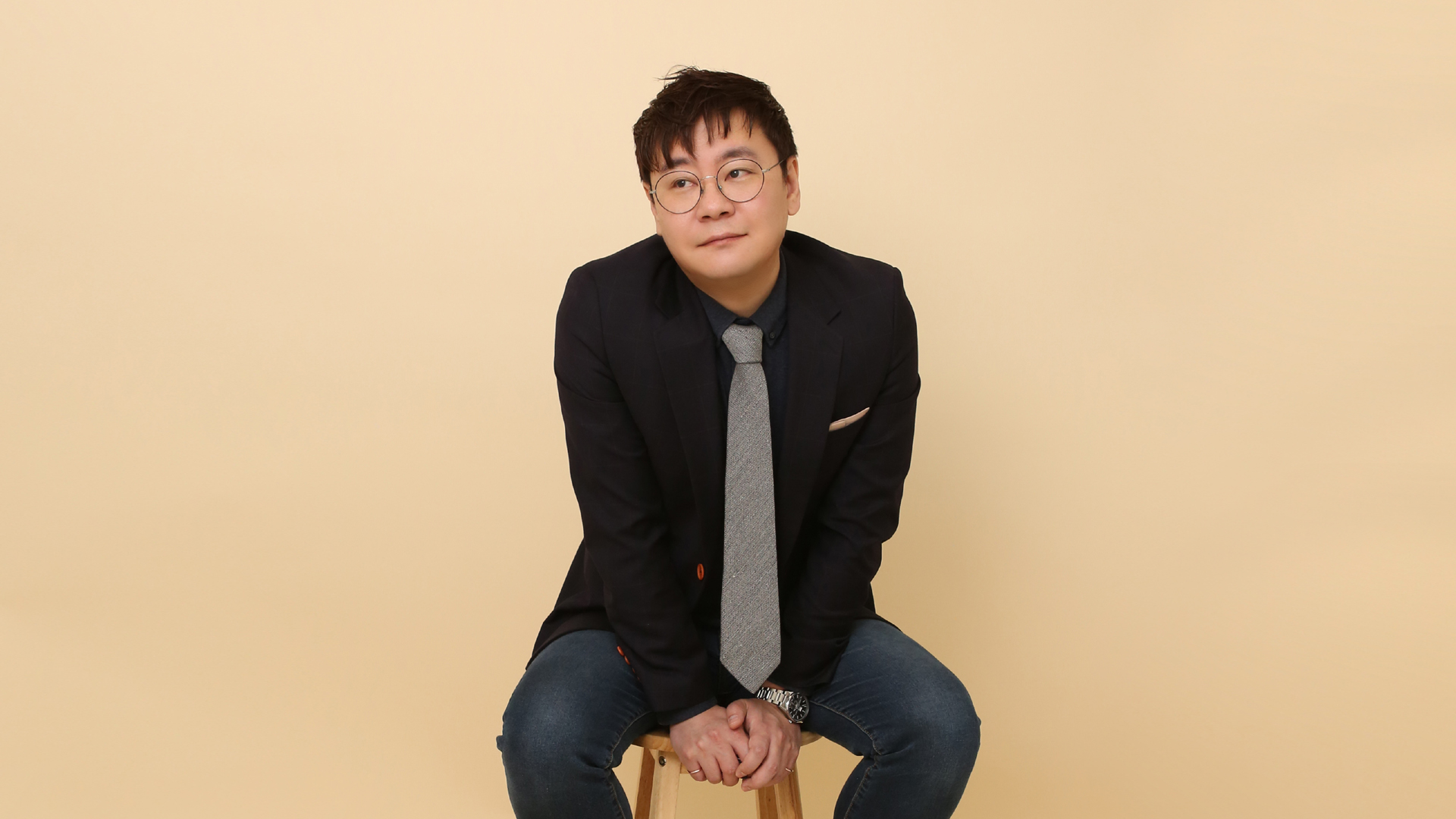
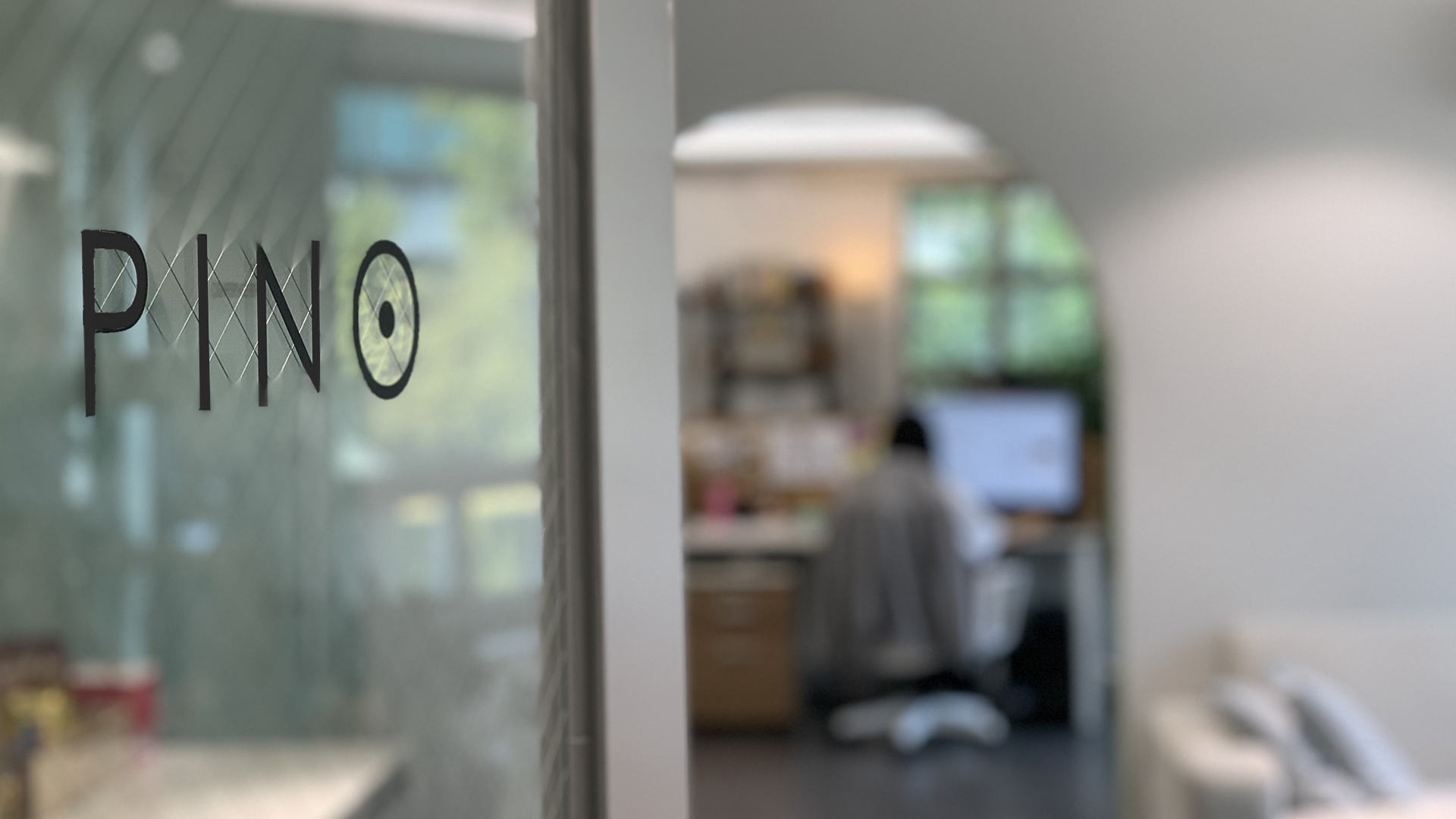
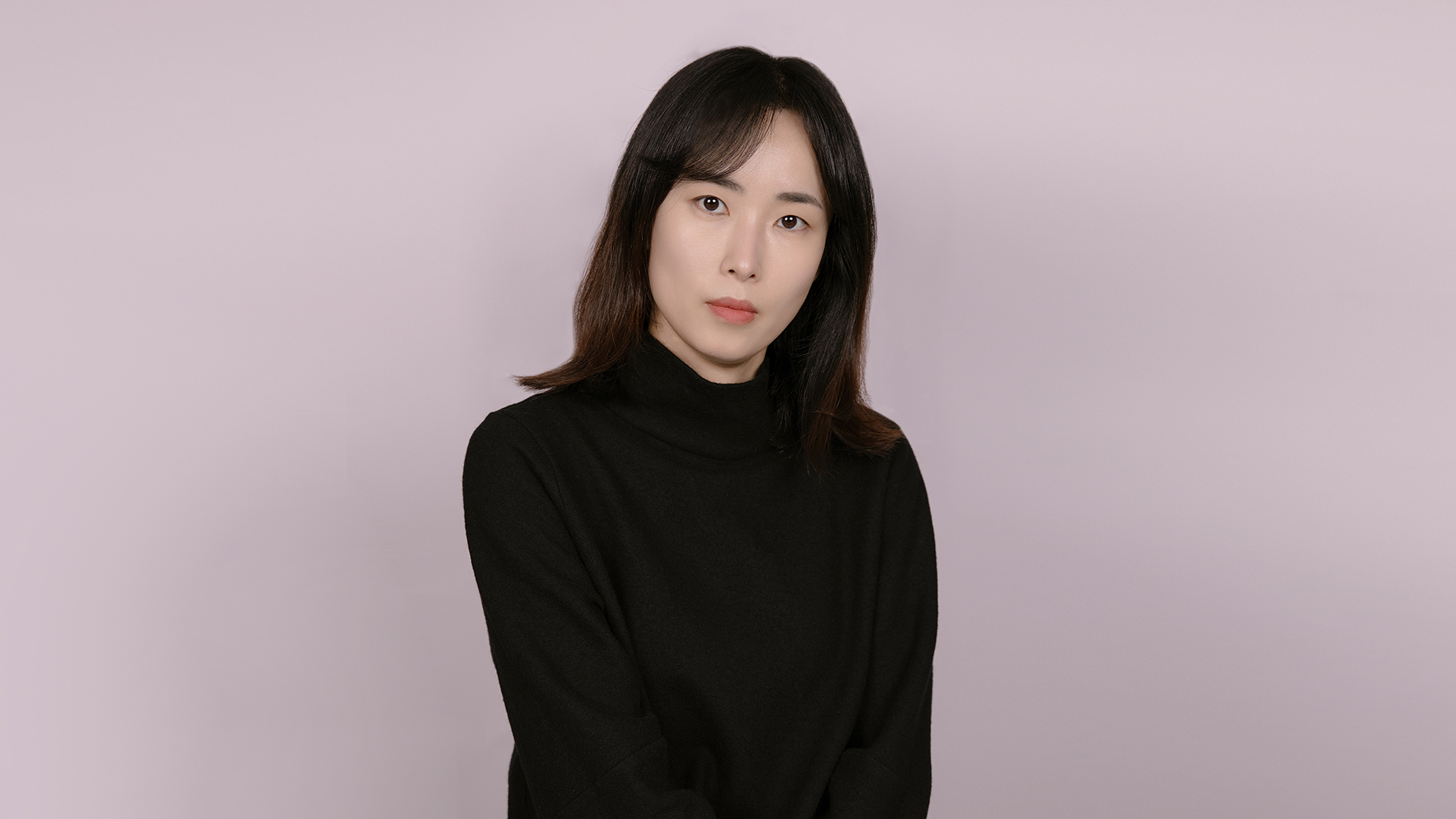
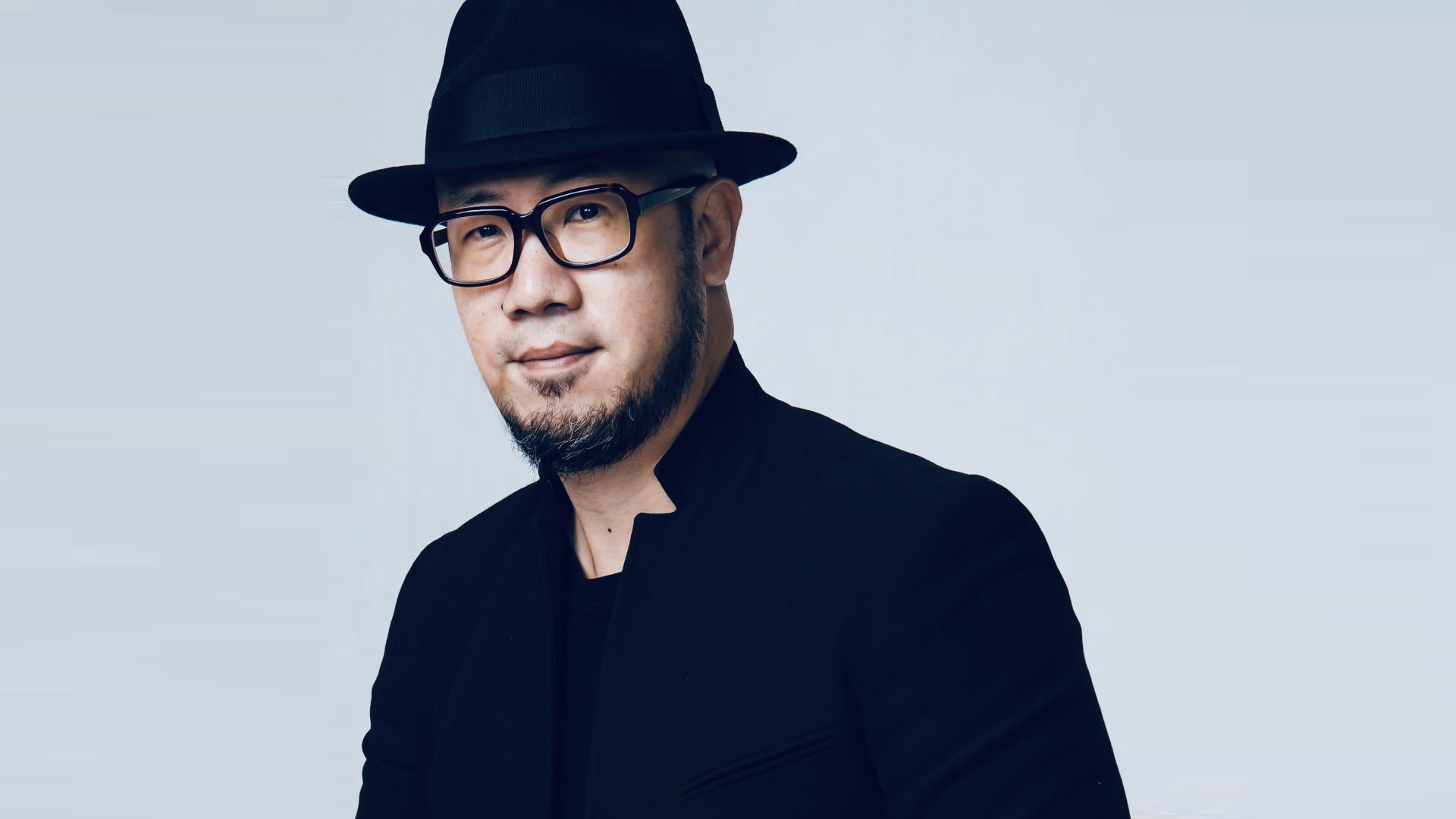
I am Bumho Park, the founder and CEO of the industrial design firm PINO. I earned my master’s degree in Industrial Design (Product Design) from the Graduate School of Industrial Arts at Hongik University. Based on my professional design expertise and a wide range of experiences, I now run a studio specializing in industrial design. PINO focuses primarily on medical devices, but we do not limit ourselves to a single field—we actively work across various industries as a versatile industrial design studio. The name "PINO" comes from the Portuguese word for “peak” or “pinnacle,” symbolizing excellence. The dot inside the “O” in our logo signifies a pin, representing the idea of firmly anchoring or fixing something in place.
At PINO, we go beyond aesthetics. Our goal is to understand how the tangible outcomes of our designs affect users emotionally and how they are ultimately experienced. We place emphasis on designing with meaning—creating products that resonate on both functional and emotional levels.
Please share a particularly memorable achievement or experience as a designer.
One of my most memorable experiences as a designer was my first visit to MEDICA in Germany. The sheer scale of the exhibition—approximately six times larger than COEX in Seoul—was truly overwhelming. Seeing and experiencing such a vast array of products in person made a much deeper impression than simply viewing them online or in books. Since then, I’ve attended MEDICA every year (except during the COVID-19 period), and those visits have consistently broadened my perspective and inspired fresh, innovative design ideas. I believe this continuous exposure has helped PINO distinguish itself from other companies.
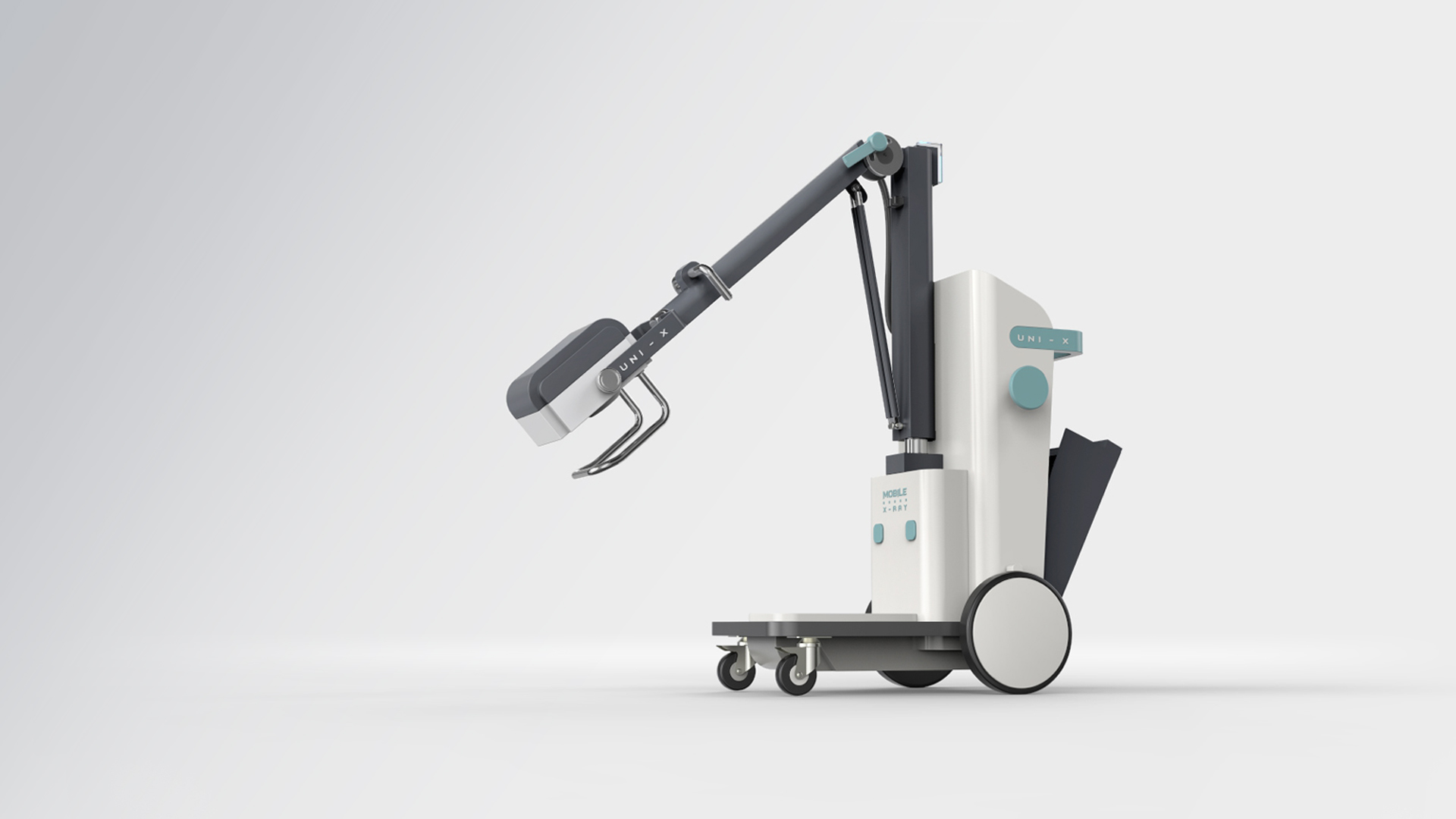
I also recall our first entry into a global design award—the K-Design Award—with our project Smart Mobile X-ray. During the challenging COVID-19 period, PINO, like many others, faced great difficulties. As I thought about how to navigate through the crisis, I decided that demonstrating our capabilities through a design award could provide objective validation. It was our first attempt, and we simply said, “Let’s give it a try!” To our delight, we won the Gold Winner award. That success was followed by several other awards, which further proved PINO’s capabilities. Our clients also began to take notice of our accolades, which contributed to our growth. Turning a crisis into an opportunity became a defining moment—and I believe it laid a strong foundation that will keep PINO steady no matter what challenges we face in the future.
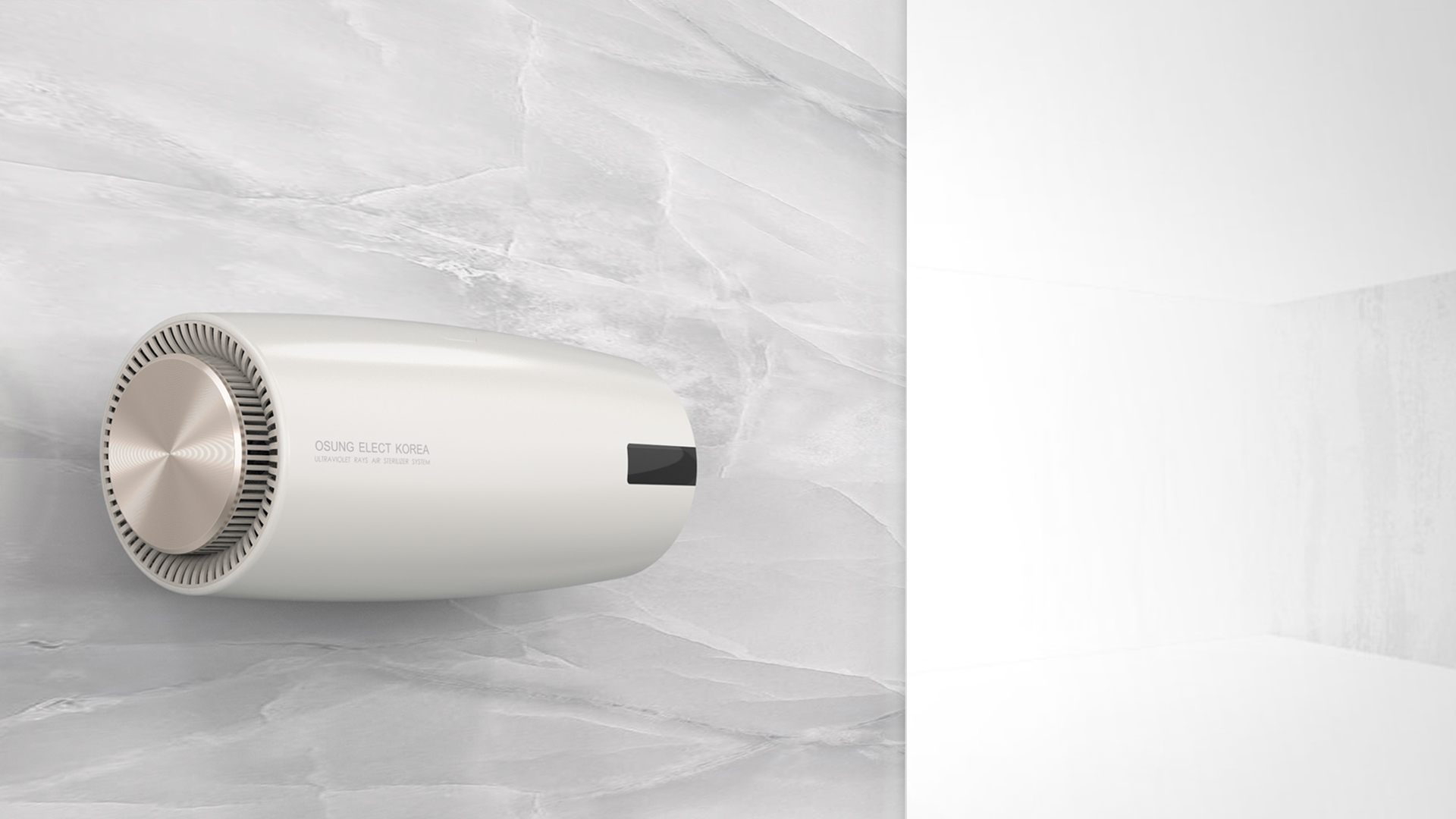
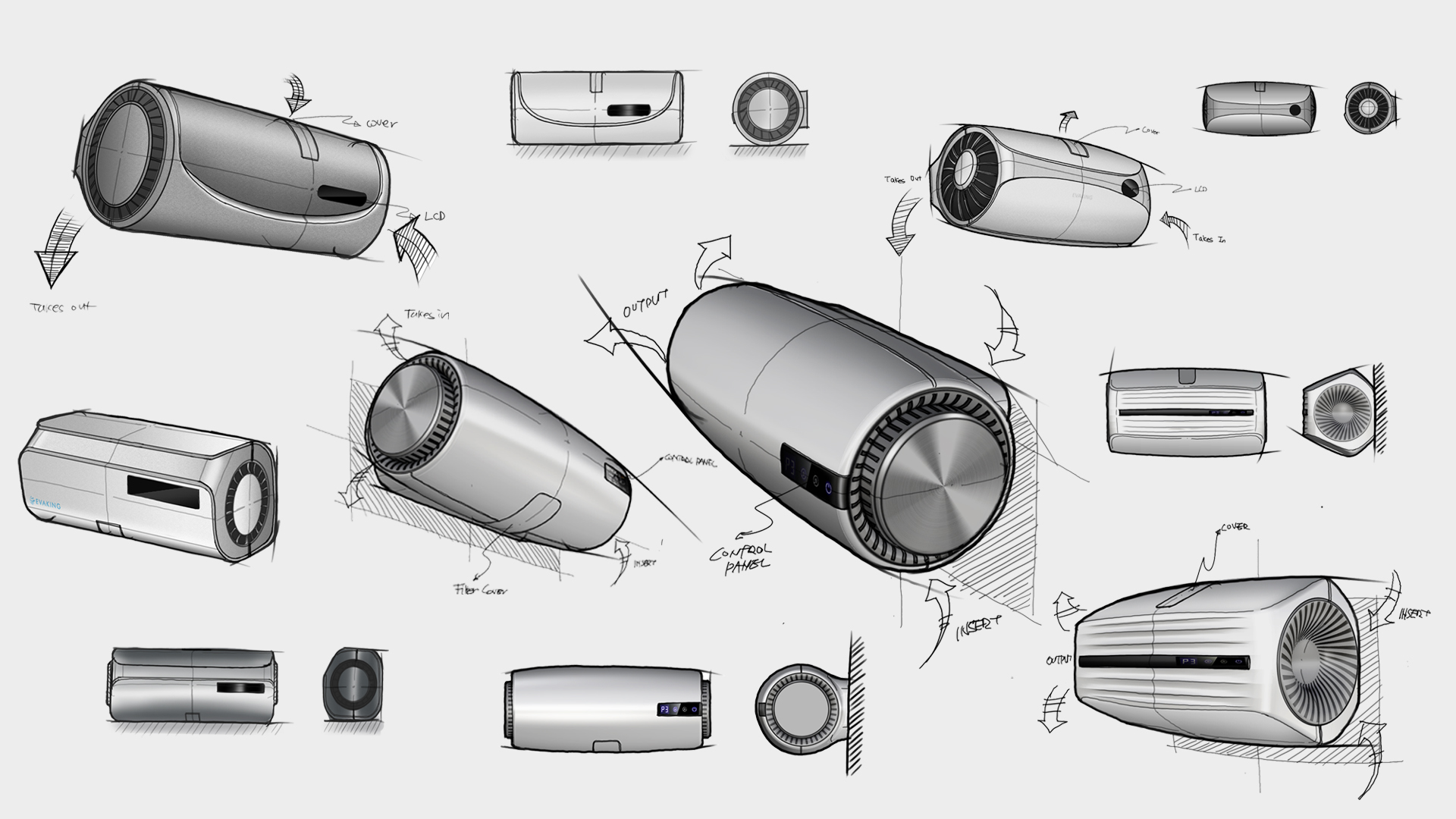
We’d love to hear about your working process. Could you share PINO’s unique design workflow?
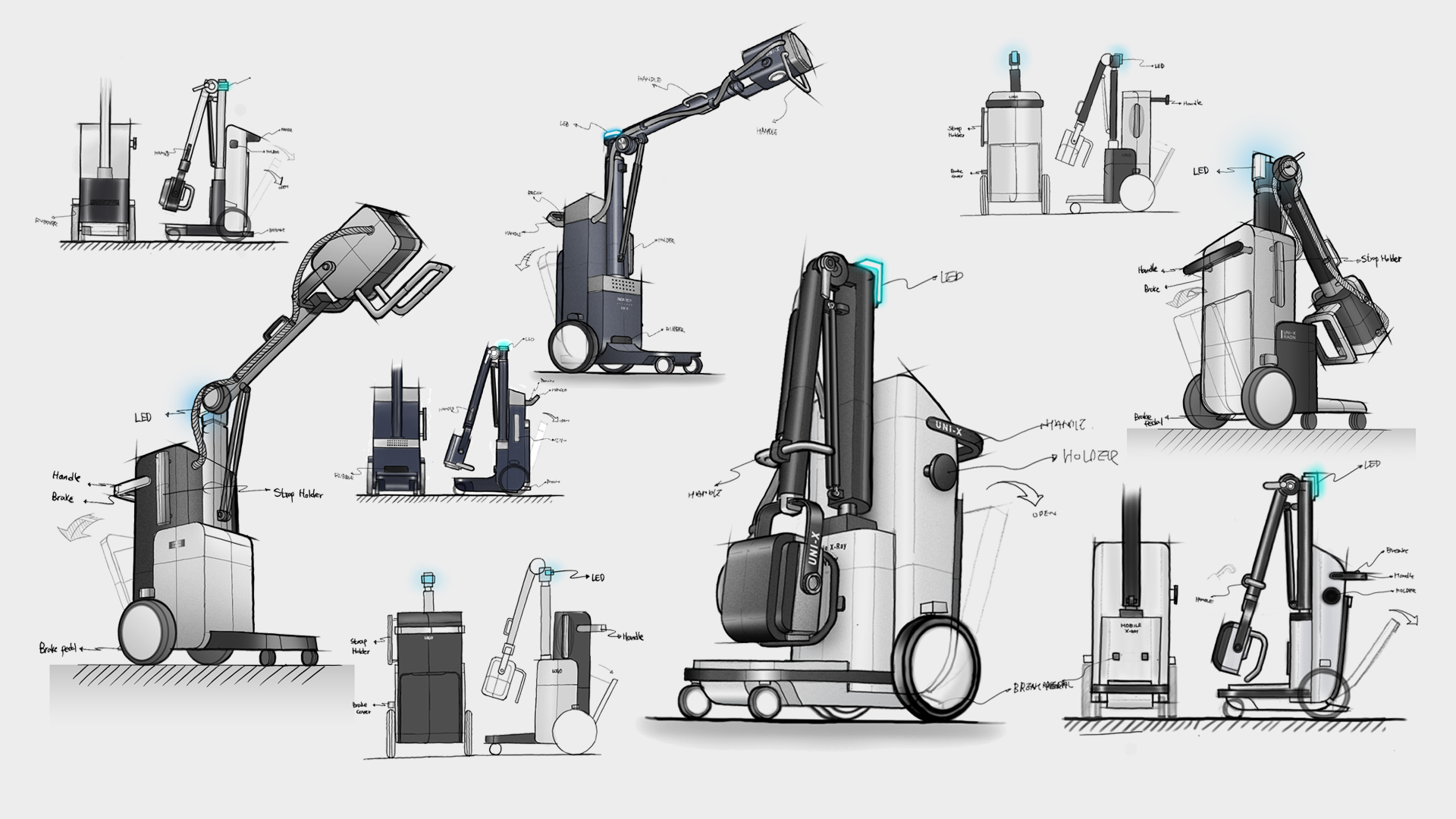
Unfortunately, many entry-level designers today seem to underestimate the importance of sketching. I believe that the stronger your foundation, the better the final outcome. At PINO, we put great emphasis on the sketching phase, and every initial design meeting starts with sketches. Clients who first contact us often find it difficult to choose from the sketches because we provide more options and a wider range of directions compared to 3D models. However, after working with us on several projects, many clients begin to show genuine interest in the sketch stage and actively share their thoughts. It’s always rewarding to see how our commitment to solid groundwork resonates with them.
Of course, before sketching begins, we carefully consider materials—especially since we specialize in medical device design. While it’s easy to design something beautiful on the surface, that alone isn’t sufficient for the medical industry. A design that doesn’t account for cost, usability, or manufacturability is nothing more than a picture. Particularly in medical equipment, design must comply with industry certifications. We prioritize material selection, product strength, safety, and user environment, carefully balancing productivity and aesthetics. By thoroughly researching these elements, we identify potential issues and analyze the context from the outset. At PINO, we address uncertainties early through robust sketching. This minimizes errors and revisions during the modeling and rendering stages. As a result, we can improve the design efficiently and deliver final 3D renderings to our clients in a much shorter time frame.
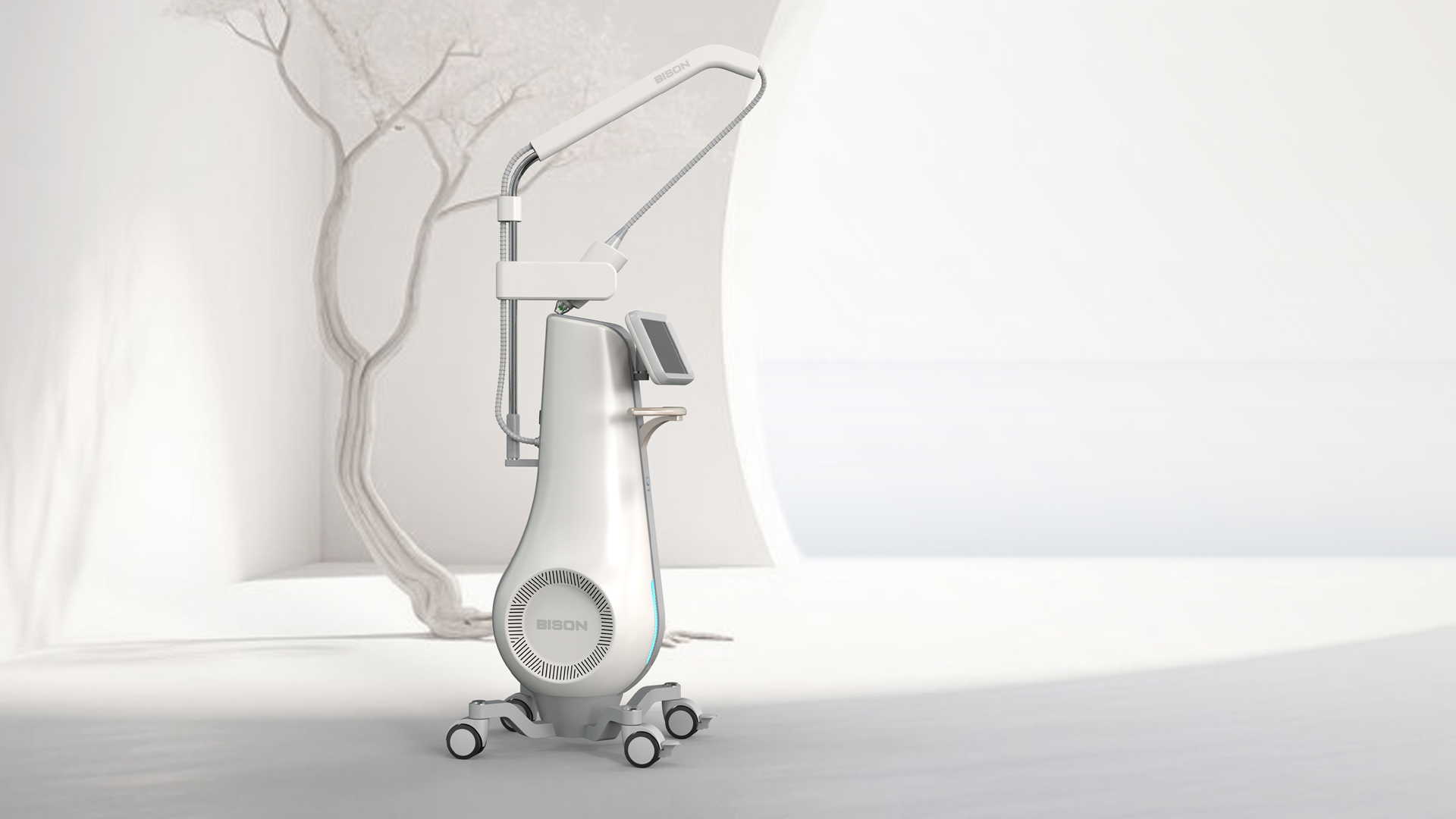
Could you share a fun episode from a past project or some insights into your communication approach?
Sometimes during a kick-off meeting, a client will request something along the lines of “an iPhone-like” or “Apple-like” design. Whenever I hear this, my mind momentarily goes blank—it’s hard to know exactly what they mean. I’m sure many other design studios experience the same challenge. In such cases, we try to figure out what specific aspects of the “iPhone” or “Apple” aesthetic the client is actually referring to—whether it’s the simplicity, smoothness, or modern appeal.
We try to infer the desired image from reference materials or guide the conversation to draw out what the client values most. If we can’t pinpoint what the client wants, we reflect on their perspective. After all, the phrase “something-like” inherently centers on the client’s own frame of reference, but at the core of innovative design lies the user. Designs that provide a comfortable user experience or feel intuitively attractive often win over clients as well. By focusing on the user’s environment, experience, and emotional response, and aligning it with PINO’s philosophy of staying true to the fundamentals, we can uncover meaningful design solutions that resonate with both the client and end users.
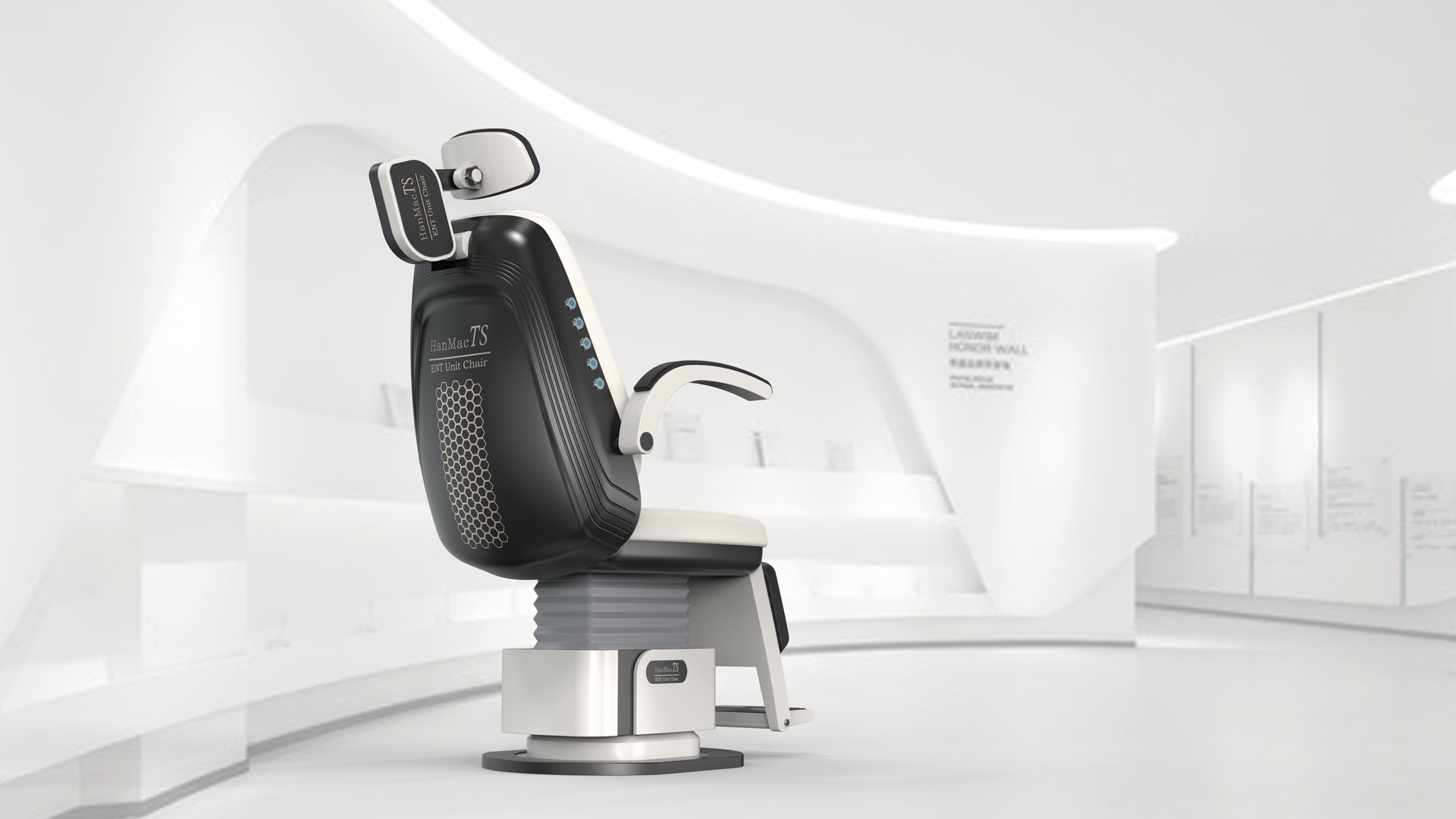
What is the meaning and direction of the “design” you pursue?
When founding PINO, I embedded the core design values we pursue into the word “P.I.N.O”: Promise, Improve, Necessity, and Opportunity. We aim to design what is truly necessary—designs that are needed by anyone, anywhere, to establish identity. We pursue this through thorough research, analysis, and problem definition, developing concepts that create meaningful interactions between the product and the user. The result must satisfy both aesthetics and practicality, touch the user’s emotions, and be viable in production. Through this, we strive to improve the quality of outcomes, and promise to use each irreplaceable opportunity to prove the value of our design.
At PINO, we focus on a design process that is faithful to the fundamentals while seamlessly incorporating the client’s brand characteristics. Rather than merely addressing product function or essential user experience, we seek to optimize the full spectrum of interaction between the user and their environment. Our goal is to break free from fixed ideas and biases, helping clients and users reframe their thinking. We aim to deliver designs that not only meet real needs but also emotionally resonate.
Are there any brands or media that have recently inspired or caught your attention?
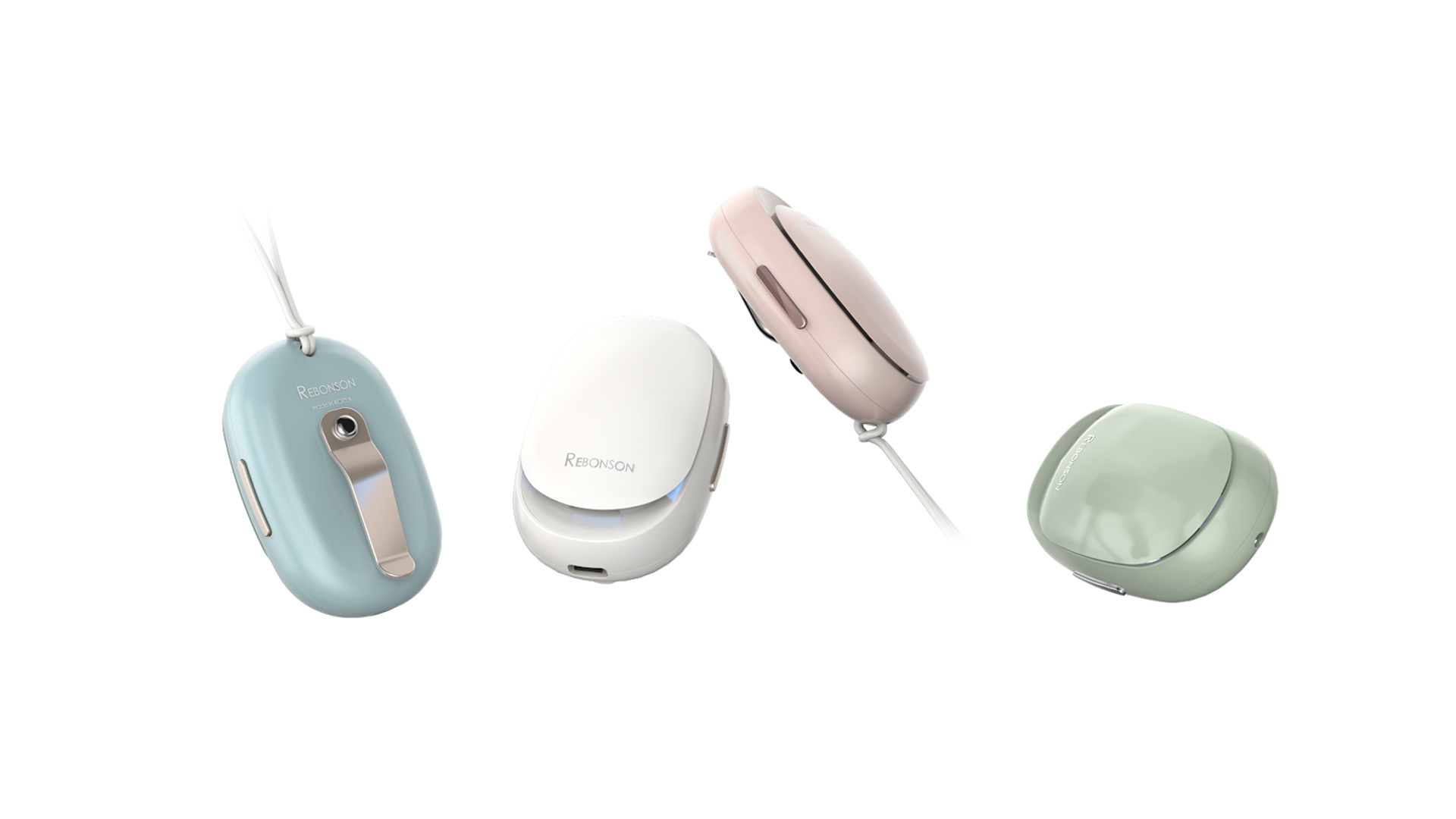
While not a product line, I find Hyundai Genesis particularly inspiring. It clearly conveys its design identity—what makes a Genesis, a Genesis. Under the overarching philosophy of “Athletic Elegance,” the signature two-line headlamps express both aesthetic appeal and a cohesive identity, achieving harmony across the vehicle's exterior. Seeing how each detail contributes to an elevated sense of luxury reminds me of what we aim for at PINO: to infuse each medical product we design with its own personality, while applying our studio’s distinct style to help clients build a strong brand identity.
Many small to mid-sized medical device companies still struggle to establish a clear design identity. This is often because their products are developed primarily around manufacturing efficiency and immediate functional requirements. But by reframing problem-solving to include user experience, aesthetics, usability, functionality, and cost-effectiveness, we believe it’s possible to reimagine and elevate medical device design. With the right analysis and direction, even medical products can achieve the kind of design quality that has long been missing in the field.
Do you have a personal philosophy or belief as a designer? And what is your vision for the future?
While I was in graduate school, my advisor introduced a concept called the “Purple Ocean”—a blend of Red and Blue Oceans. It refers to a market where creative ideas are added to existing products to create differentiation, or where the strengths of disparate products are combined and reimagined with a fresh branding and design strategy. Though the medical device industry is saturated like a Red Ocean, I believe a new Blue Ocean is emerging through the development of diverse medical devices and the global shift following the endemic era. At PINO, we aim to navigate toward this Purple Ocean by adhering to a design process grounded in fundamentals, while injecting refined detail and bold perspective shifts to solidify our own unique design style. We may not yet be at the top of the medical device design industry, but by maximizing the strengths of our guiding principle—“The most beautiful design is the one faithful to the basics”—we aim to live up to the meaning of our name, PINO, and become a leading studio in the field.
Additionally, during our visit to the 2023 MEDICA International Medical Device Exhibition in Germany, we gained valuable design insights and new client opportunities. Until recently, our outreach was limited to Seoul and the metropolitan area, but we hope this momentum will help spread PINO’s name nationwide. Our goal is not only to catch the eyes of users but also to touch their hearts. A visually compelling design is powerful, but a heartfelt design fosters long-term emotional connection with the product. To win people’s hearts, we always stay grounded in our core belief—design rooted in the basics.









#14057, 905 49, Beolmal-ro 102beon-gil,
Dongan-gu, Anyang-si, Gyeonggi-do, Korea
Business Registration Number: 454-86-01044
Online Sales License No.: 2021-Anyang Dongan-1081
Copyright © DESIGNSORI Co., Ltd.