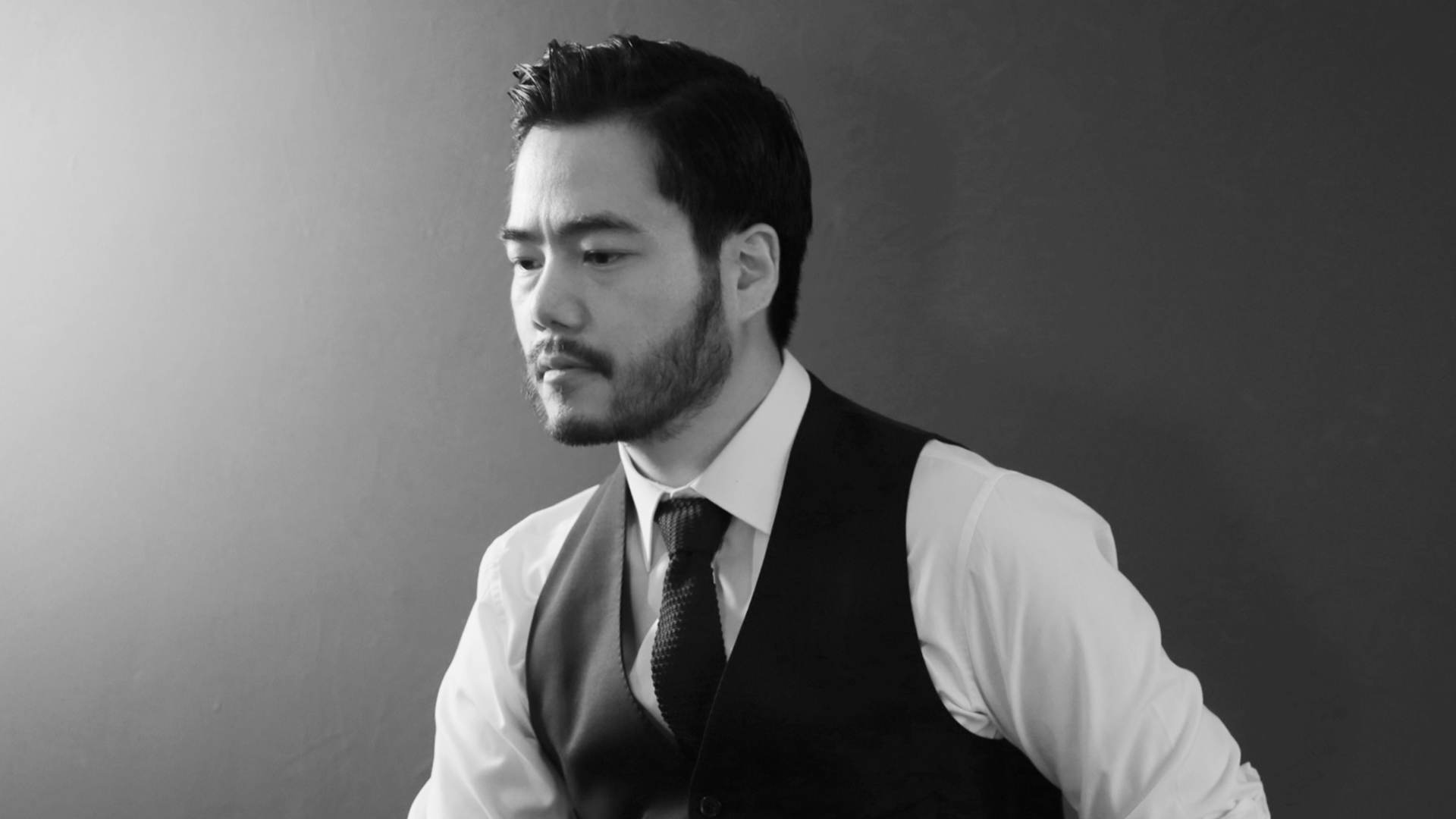
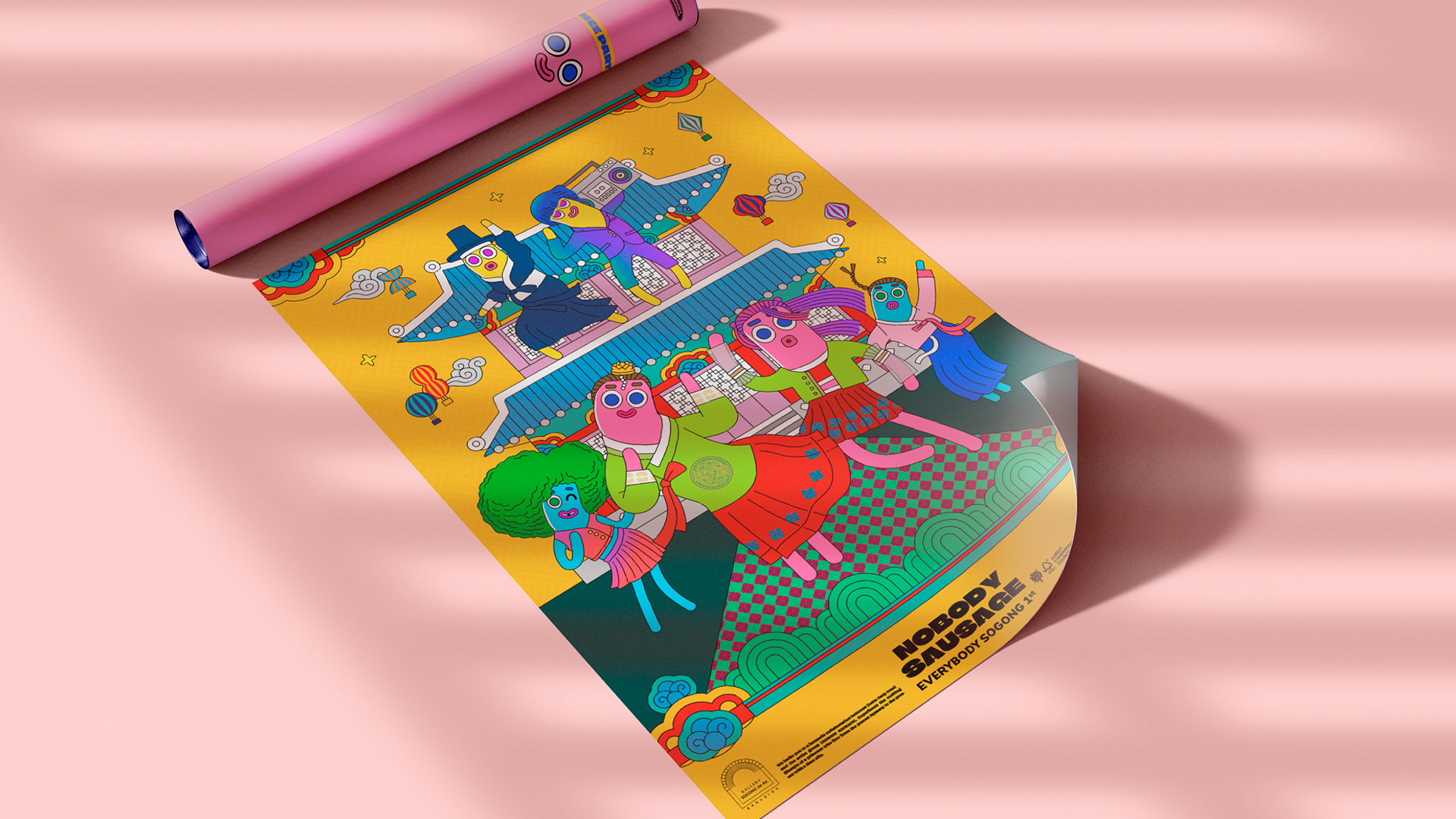
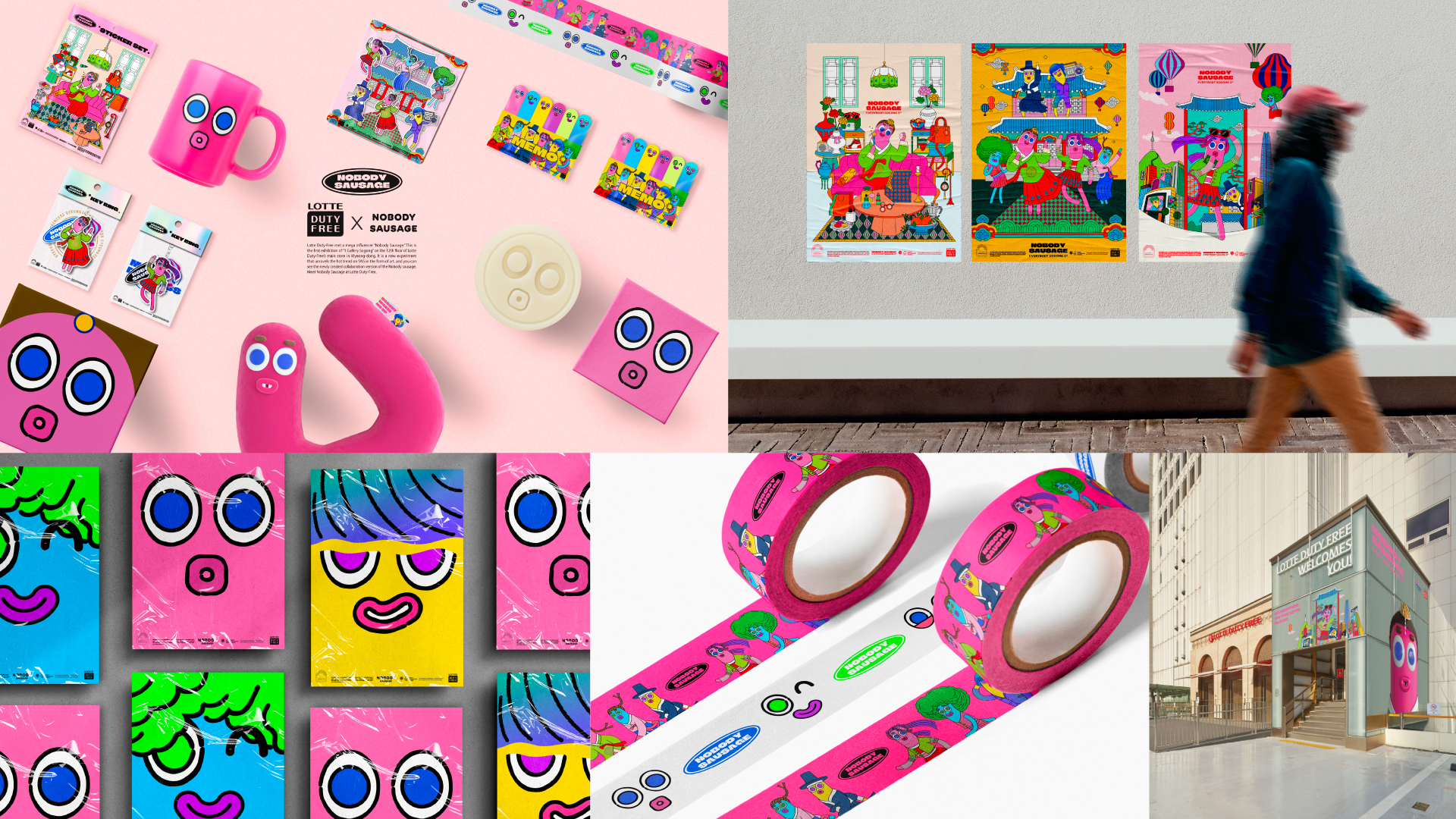
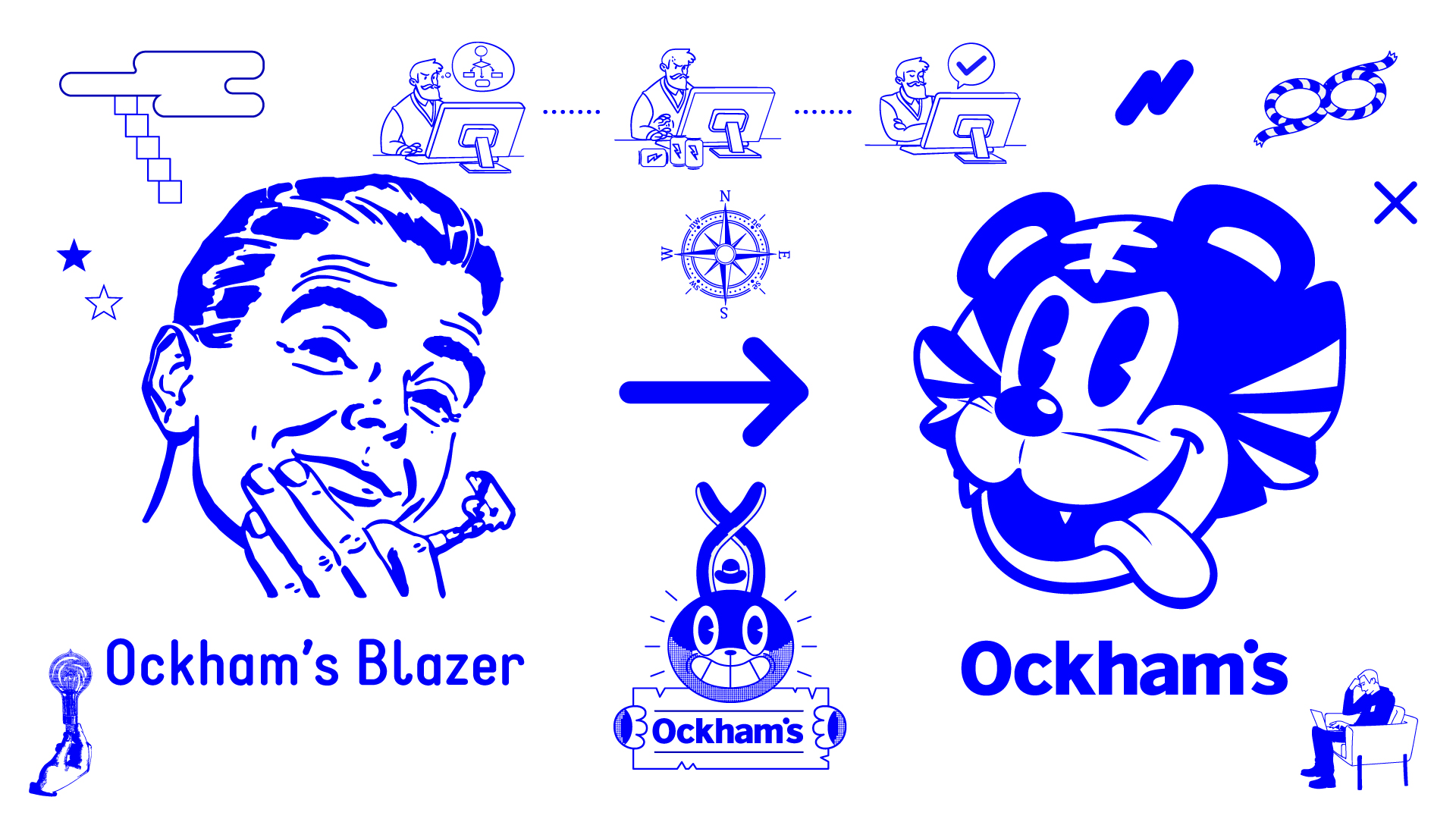
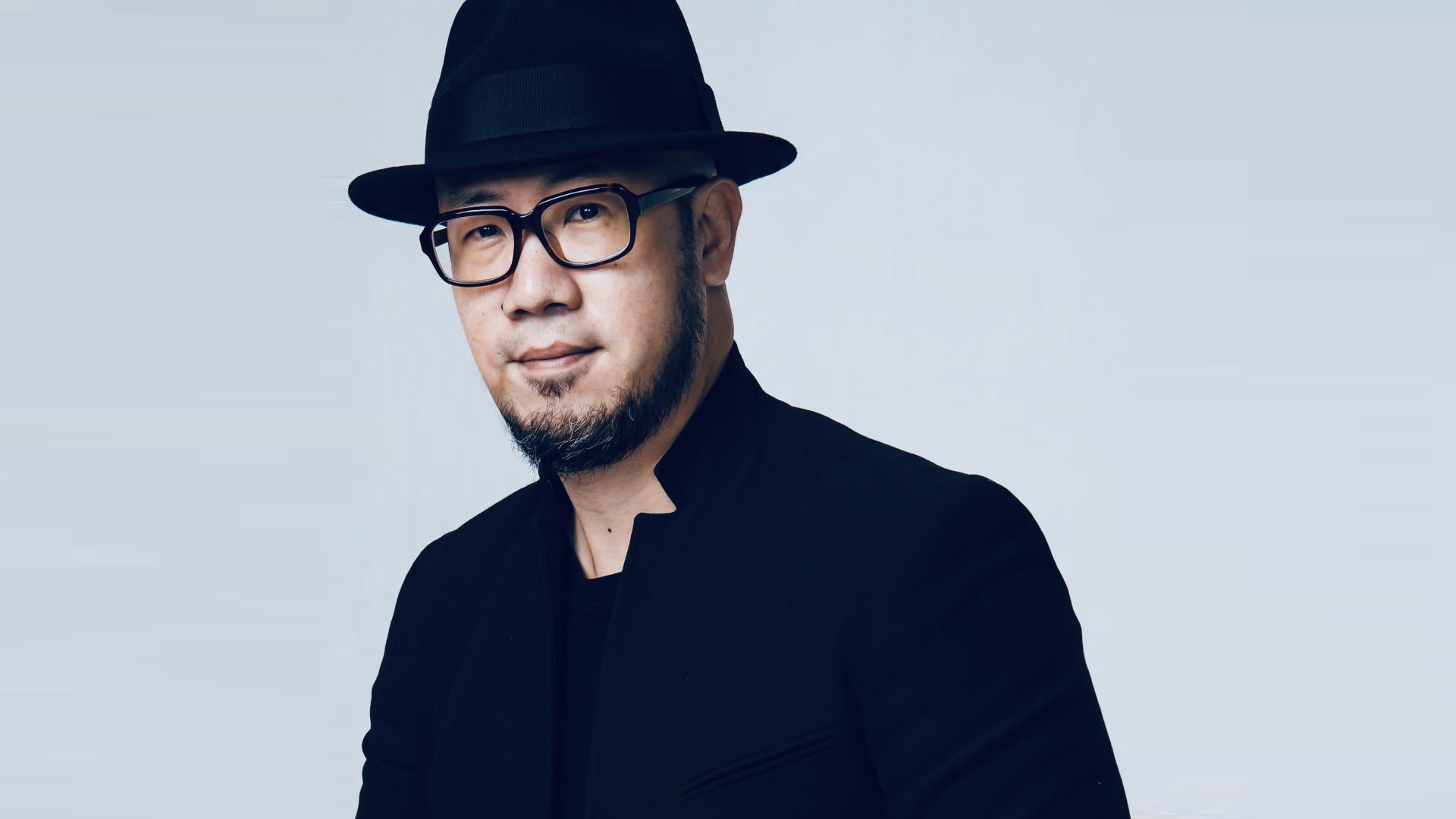
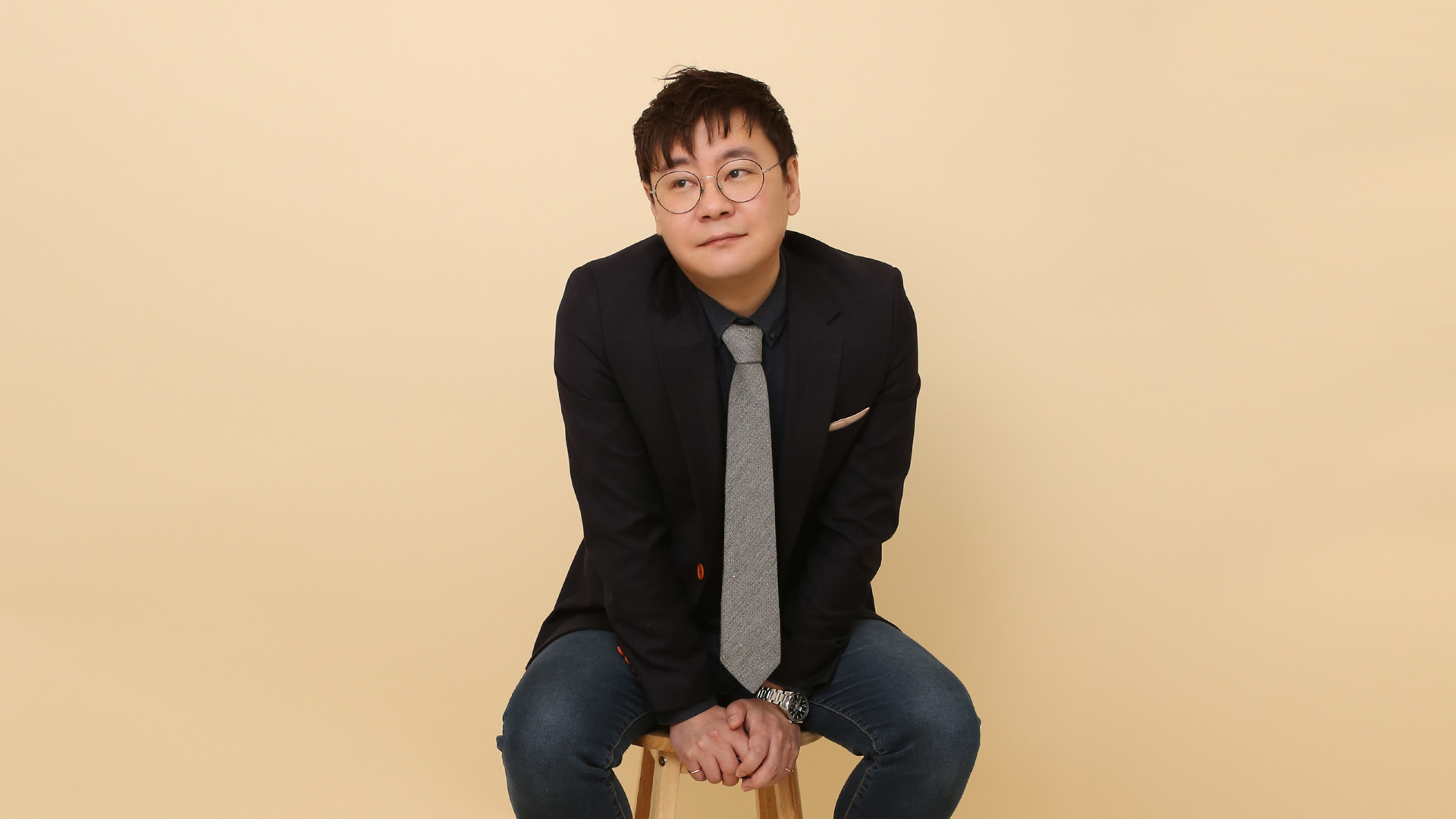
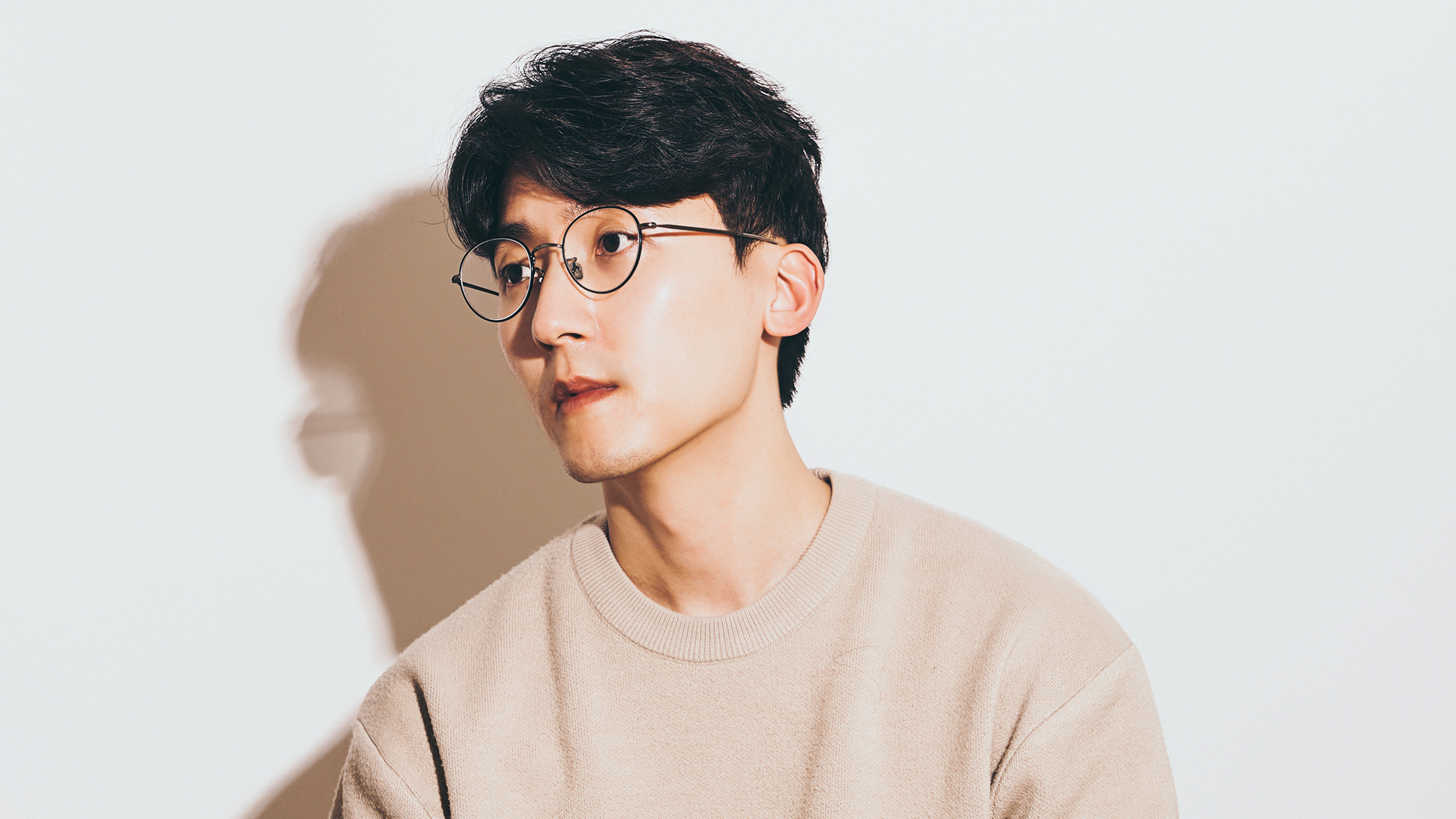
Hello. My name is Yonghyuk Lee, and I am the CEO and lead designer of OCOMMZ Inc. I specialize in brand design, and I am currently pursuing a Ph.D. in Design at the International Design School for Advanced Studies (IDAS) at Hongik University. My academic background in consumer behavior, psychology, and marketing during my master’s program has significantly influenced my current methodology, which focuses on data-driven branding and design. I apply this approach across both collaborative projects and research initiatives. My research focuses on the integration of AI into design workflows. Until recently, I also served as a vice president at a startup, where I contributed to the development and design of an AI-based chat service app. Some of my key projects include the rebranding of Windsor Global, the collaboration design for Lotte Duty Free and Nobody Sausage, and the branding of Naebyeonsan Brewery in Buan.
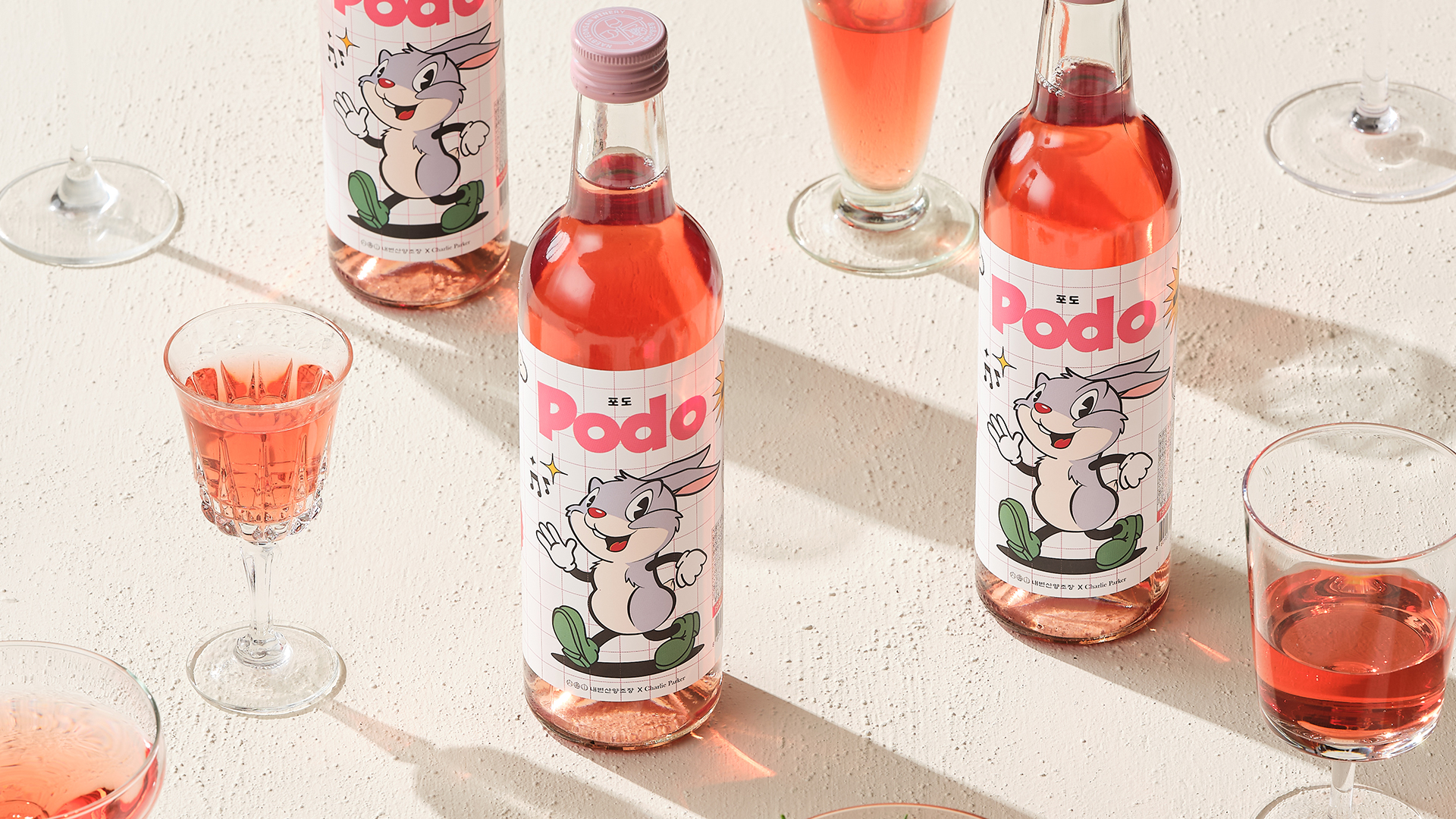
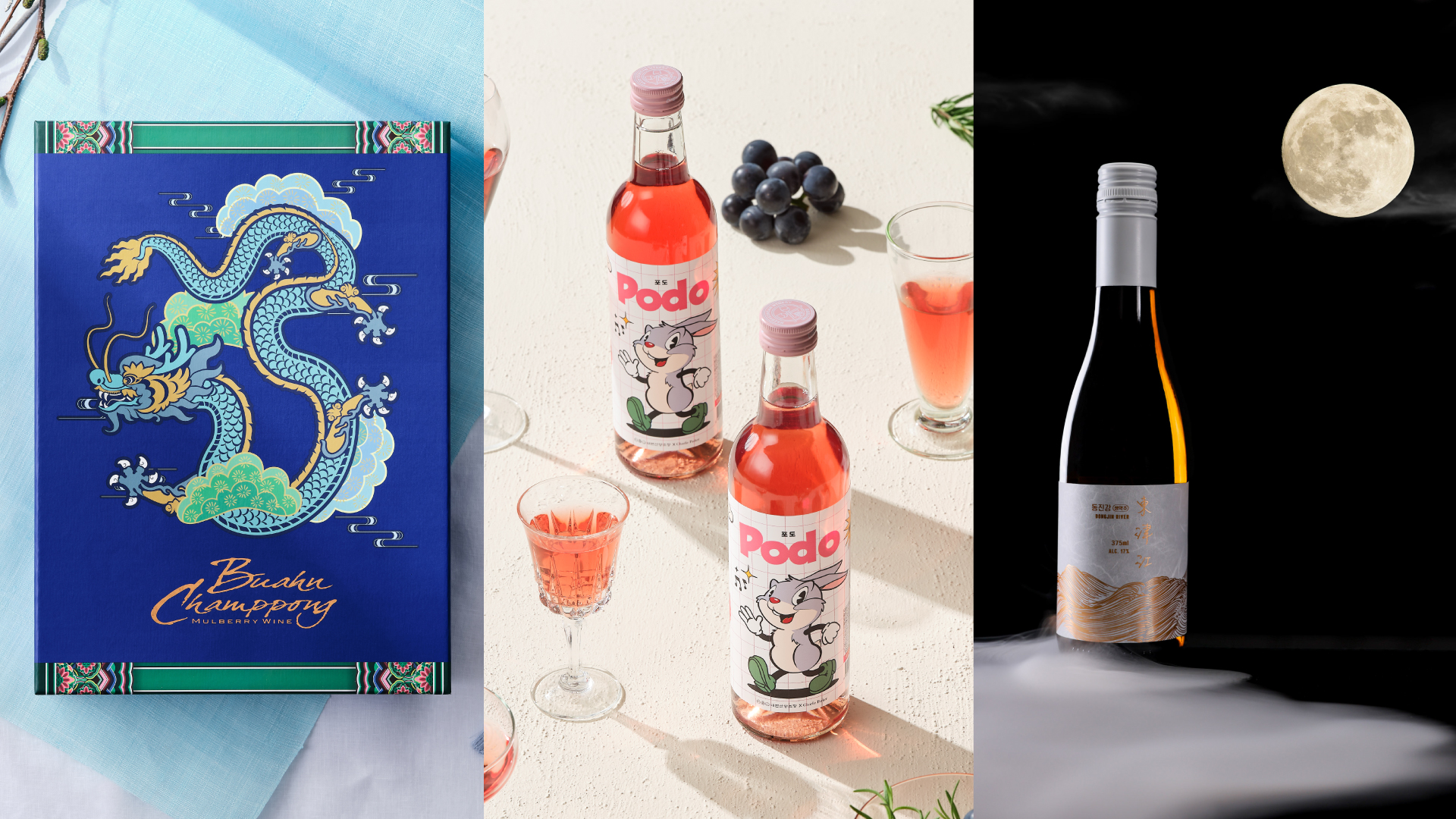
Please tell us about your most memorable achievement or experience.
One of the most memorable accomplishments in my career is closely tied to the unique two-phase system I apply to all branding projects. When initiating a project, we begin with Phase 1, which focuses on strategy and concept development leading up to the brand launch. Phase 2 involves a brand management program — akin to a monthly subscription model — in which we continuously share sales trends and customer feedback with the client. This helps us steer the brand's trajectory and build consumer loyalty through ongoing adjustments.
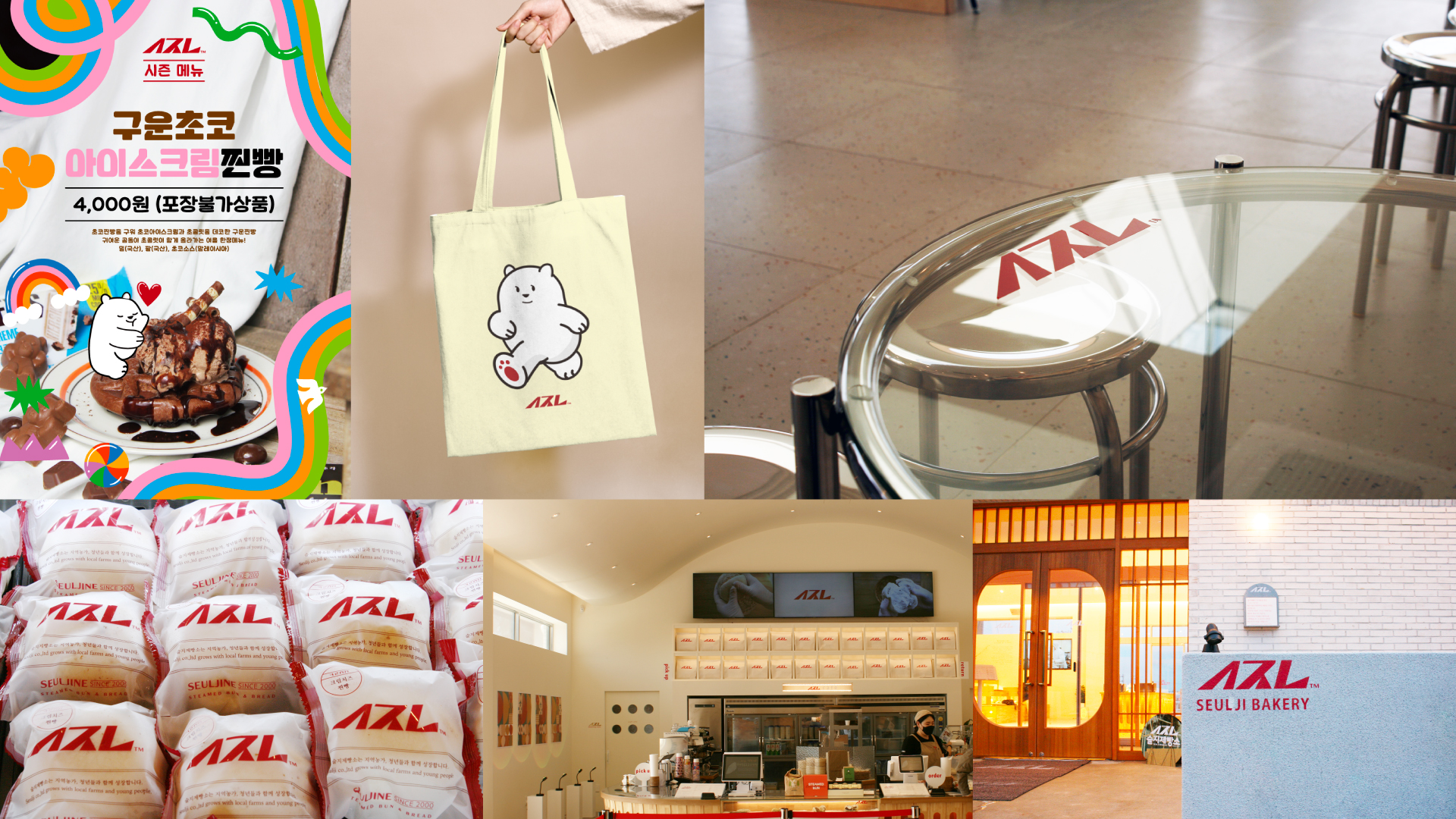
A prime example of this approach is our work with Naebyeonsan Brewery, a traditional Korean liquor brand. It’s currently maintaining the top sales position on Kakao Gift, one of Korea’s major e-commerce platforms. To retain visibility and performance on such a platform, we implemented a strategy centered around strong visual thumbnails and seasonally refreshed packaging designs tailored to the target demographic. Rather than relying solely on a designer’s intuition, we interpreted consumer responses through data — analyzing traffic shifts and sentiment toward new designs — to define future creative directions. This data-driven strategy has been a key factor in sustaining the brand’s strong performance.
What is your creative process like? Could you tell us about your unique design methodology?
Due to the nature of branding work, where persuasion and strategic planning are essential before diving into design, I employ an integrated research-based methodology. My process follows three core stages of triangulated validation:
1. Academic Research – I start by consulting academic studies and scholarly sources to deepen my understanding of the subject and gather organized insights. 2. Big Data & AI Analysis – I then extract key elements using big data research, combined with tools like ChatGPT, to identify essential factors and patterns. 3. Competitor Benchmarking – Finally, I conduct standard studio-level research, such as competitor analysis and comparison matrices, to map overlaps and differentiators.
Based on the findings from these three phases, I develop brand design directions that are strategically grounded — including brand messaging, key colors, and target end-users — to ensure a goal-oriented branding outcome. This structured approach not only strengthens client buy-in but also positions me as a leading expert on the project. I’ve named this methodology DDD: Data-Driven Designing, and it’s become the foundation of how I lead branding projects.
What does “design” mean to you, and what direction do you pursue through your work?
Personally, I define commercial design as an agency-based service that helps brands successfully enter and grow in the market. A designer’s role is to offer professional services rooted in expertise in marketing and visual strategy, executed through formal contracts with clients. This means we must not only guide clients through strategic planning and concept development with care but also propose cost-effective solutions and anticipate post-launch scenarios. An essential part of a designer’s job is persuading — first the client, then the end consumer. Each designer has their own persuasion method; for me, it’s about using objective data and academic references to back up my decisions.
Some still believe design simply means delivering a subjective image that lives inside a monitor. But if that belief doesn’t change, the systemic issue of low compensation for designers will never be solved. Design is not about just making things look good — it must be strategic, evidence-based, and outcome-oriented.
Is there a brand or media you've been particularly inspired by or paying attention to lately?
We are undoubtedly living in the age of AI. Although we are currently inundated with generative AI and related information, I believe its meaningful impact on the design industry remains to be seen. Looking back through history, whenever a new technology emerges, a paradigm shift only occurs when the corresponding hardware and software successfully persuade consumers. At this stage, it still feels like we're merely witnessing the emergence of technology without a fully realized ecosystem.
Lately, I’ve been keeping a close eye on a brand that I believe could encapsulate the future of AI: Humane and its product, the AI Pin. It represents a significant shift from conventional interfaces to Voice User Interface (VUI), proposing a future where user behavior fundamentally changes. What’s impressive about the AI Pin is how it replaces traditional touchscreens with palm-based visual feedback and relies heavily on AI functionality. This marks a radical departure from the interfaces we’ve been accustomed to. As hardware evolves in tandem with AI, I believe the design industry will experience a major transformation. That’s why I’m closely observing how this new direction unfolds.
As a designer, do you have your own philosophy or belief? And what is your vision going forward?
I believe design work is a professional service. A designer’s artistic talent must be adaptable—able to express aesthetics that suit the brand and situation of each client. At the same time, I believe designers must possess strong business acumen. As we move into 2024, my vision for OCOMS is to scale our brand management system into a full-fledged platform service that can be provided nationwide. I see this as a way to respond to the decreasing population in their 20s and 30s, as well as the shrinking number of jobs in the design industry. We are currently preparing to expand this brand design platform to include AI assistant functions, aiming to create a future-ready service model that balances creativity, practicality, and scalability.













#14057, 905 49, Beolmal-ro 102beon-gil,
Dongan-gu, Anyang-si, Gyeonggi-do, Korea
Business Registration Number: 454-86-01044
Online Sales License No.: 2021-Anyang Dongan-1081
Copyright © DESIGNSORI Co., Ltd.