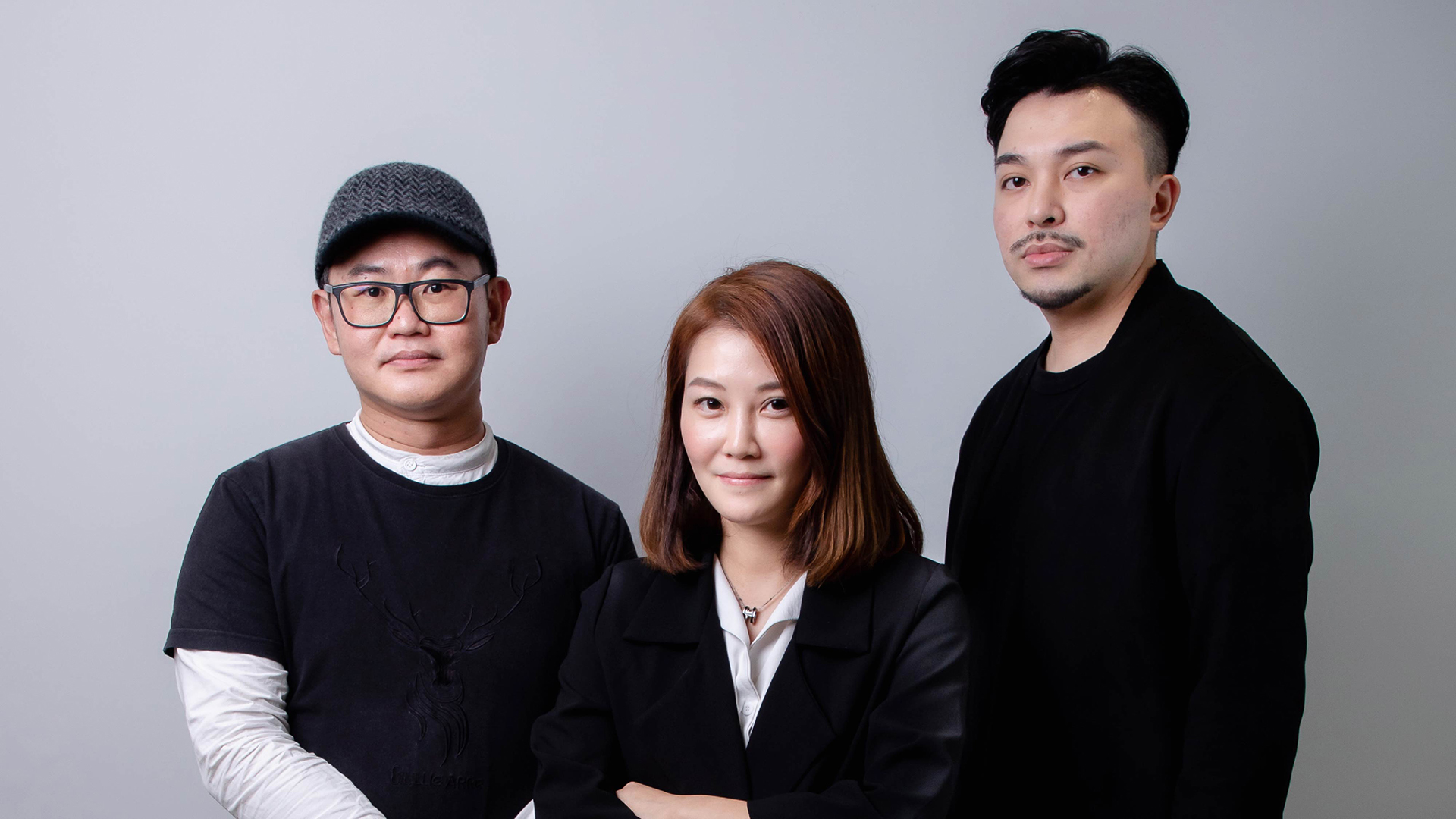
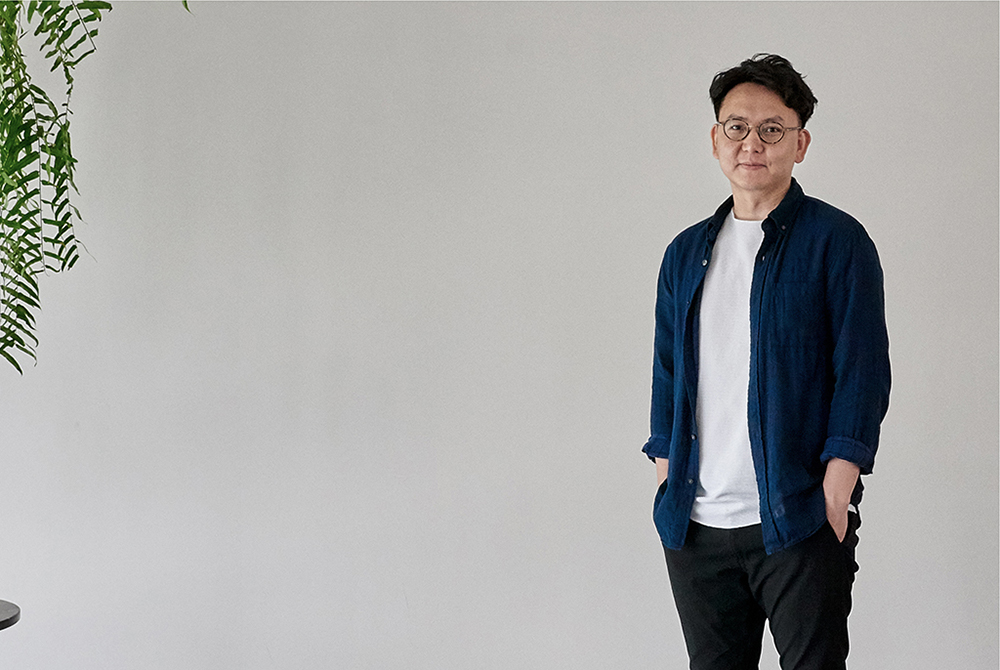
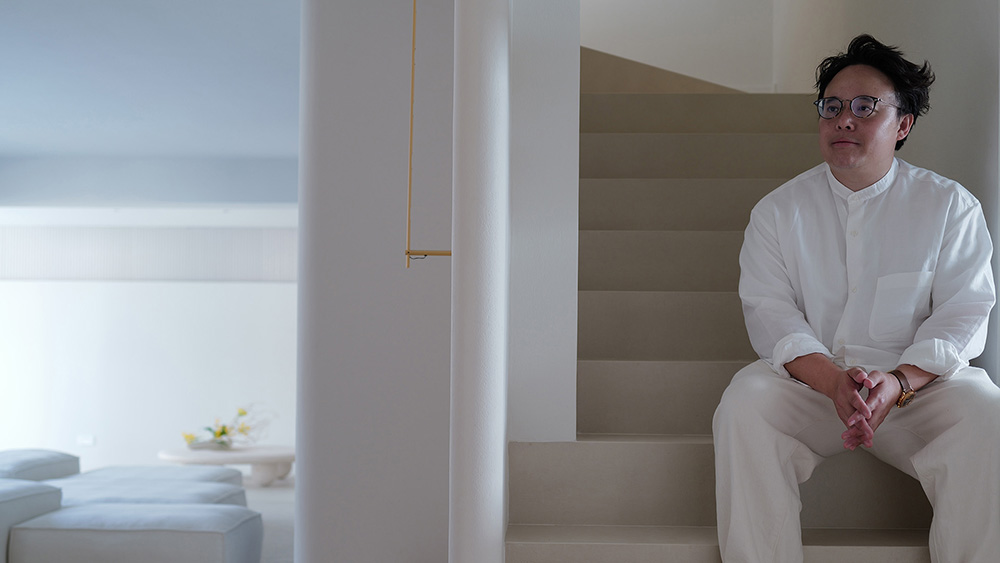
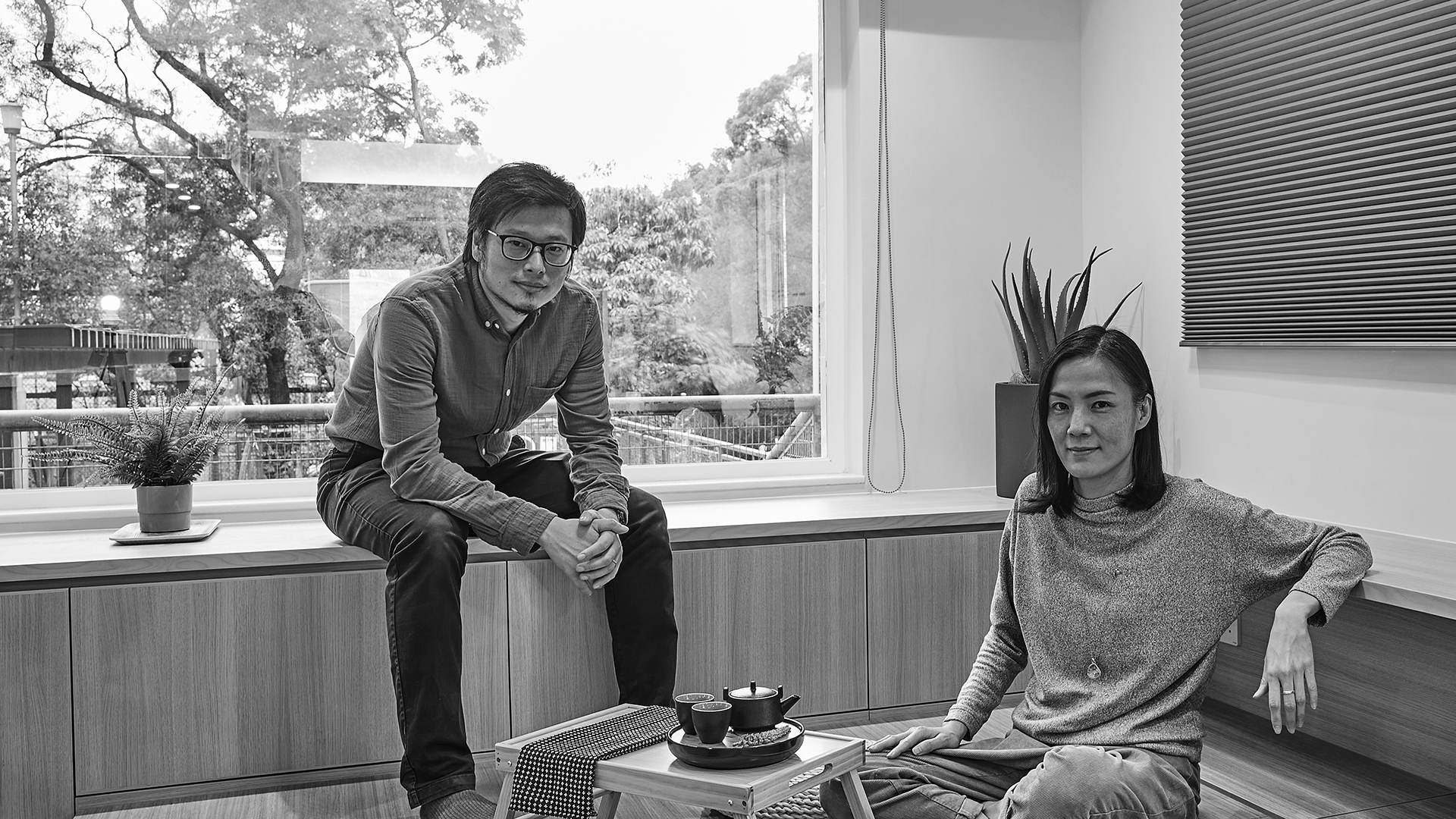
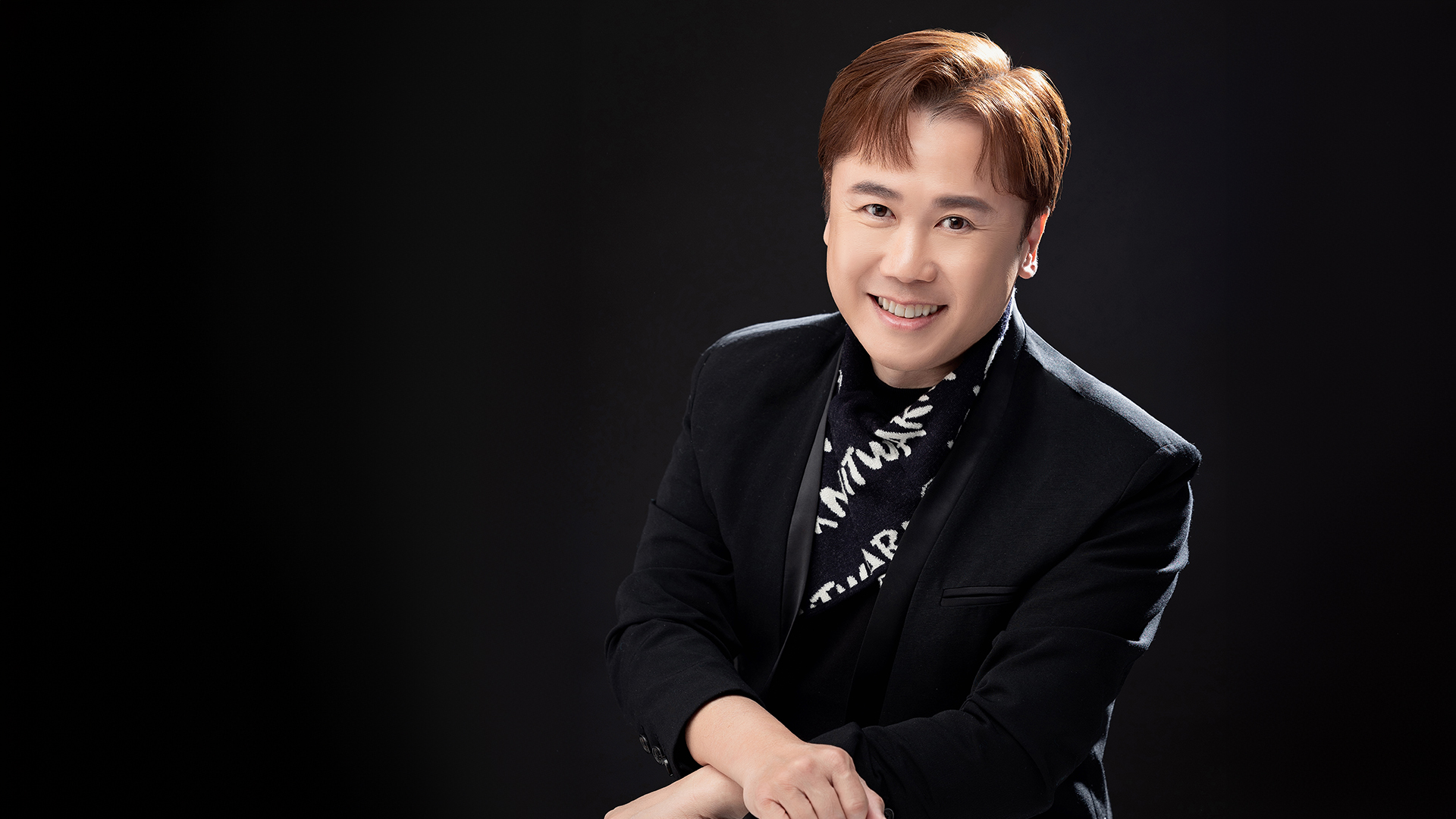
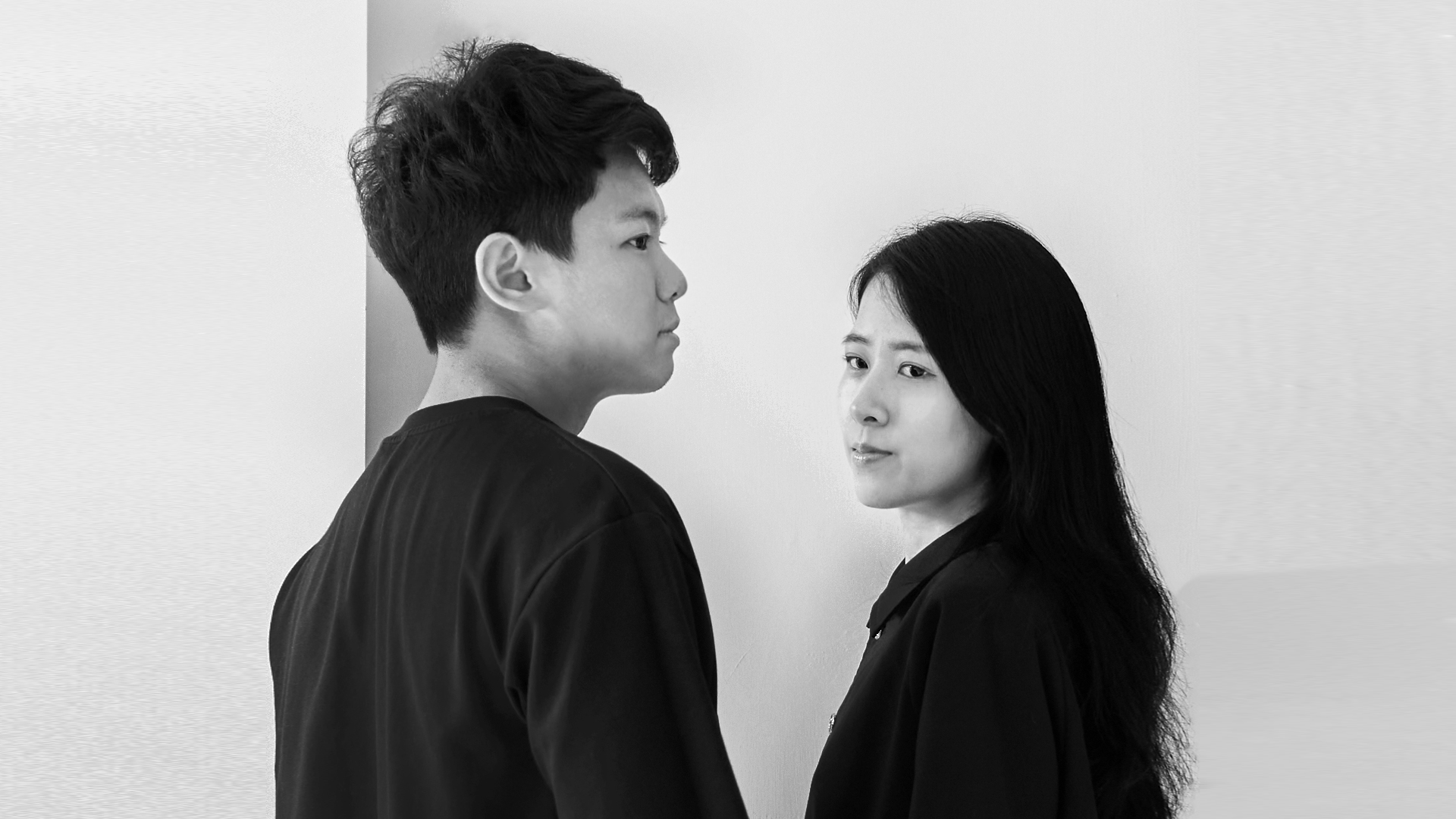
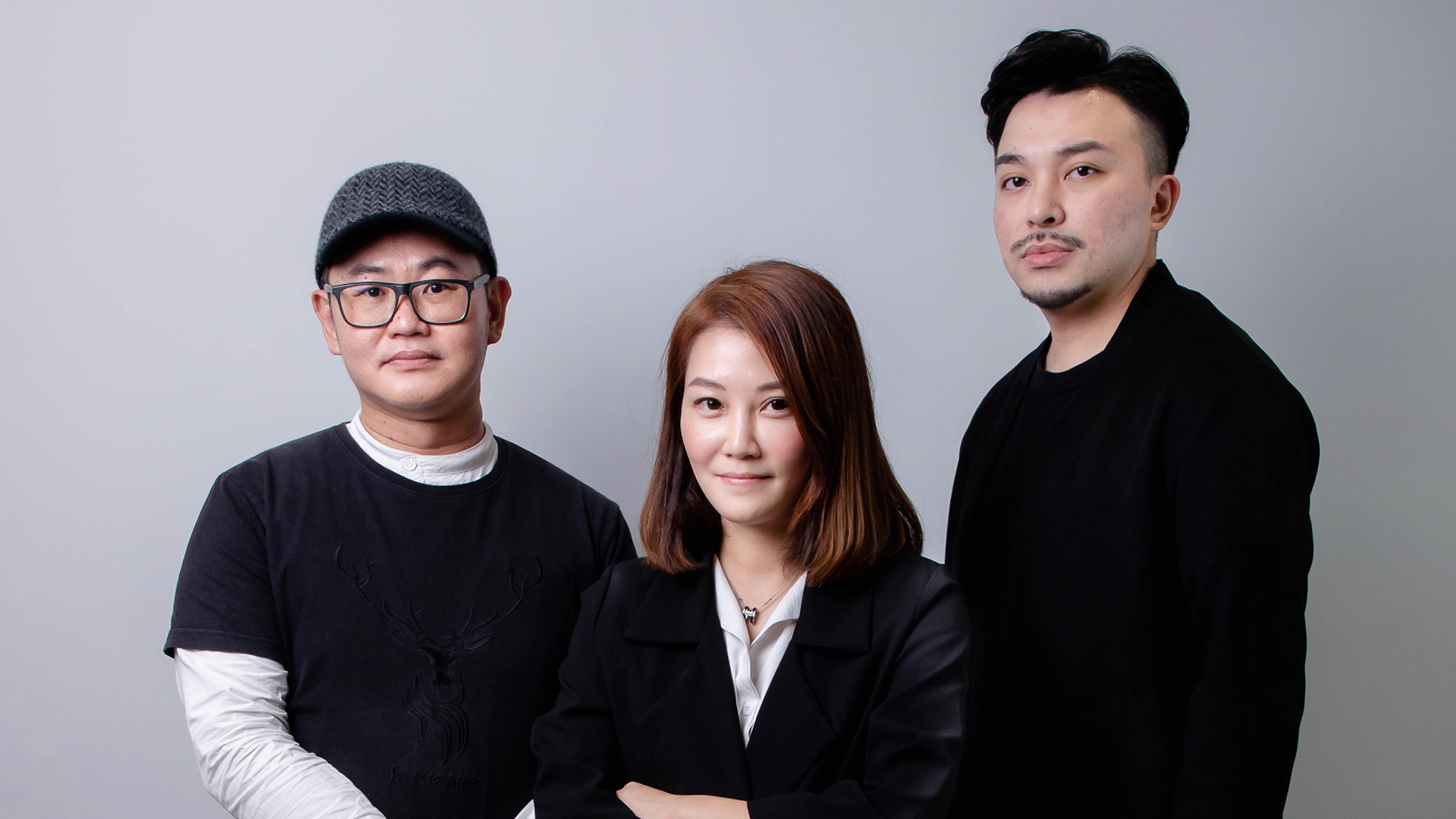
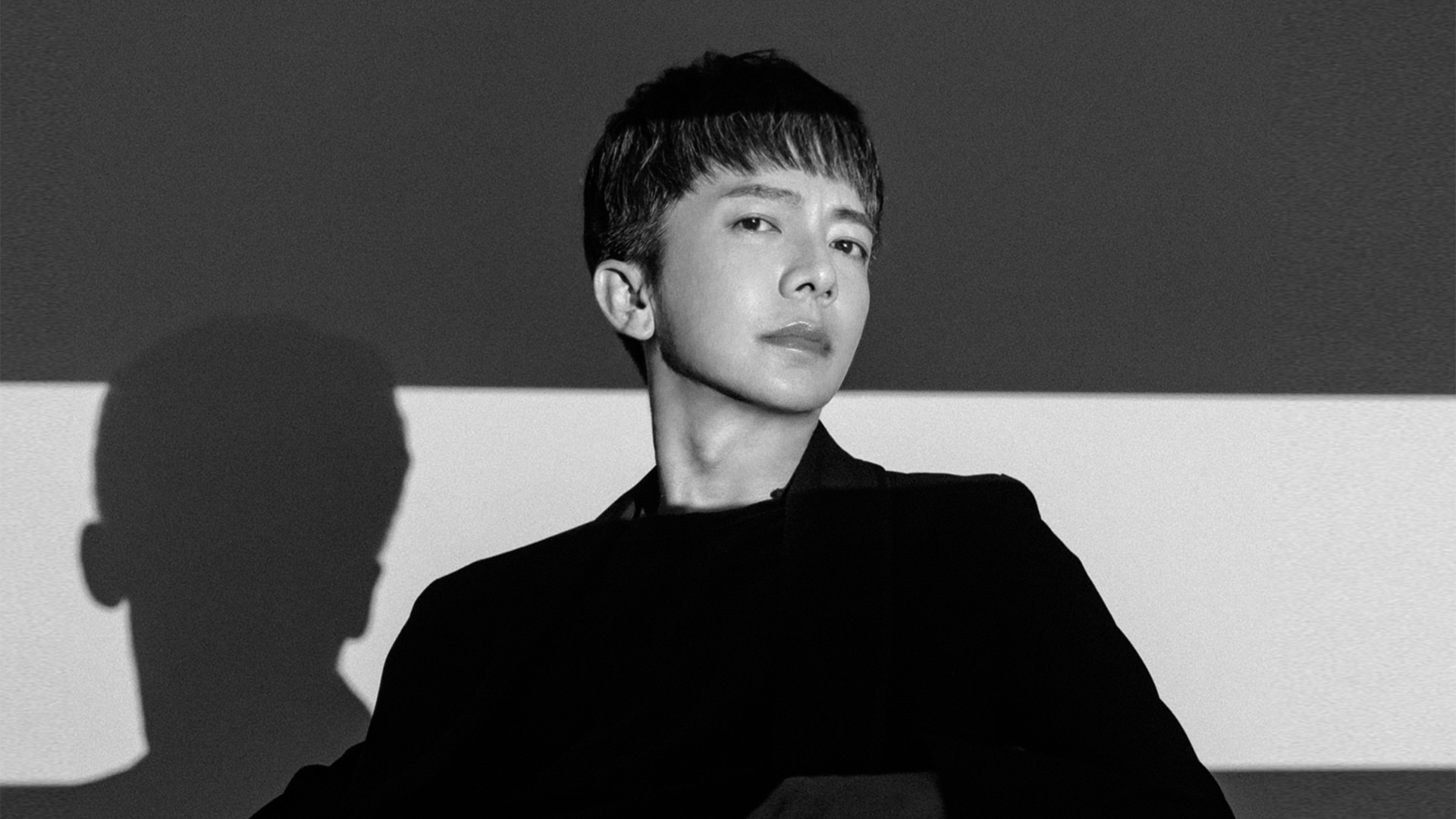
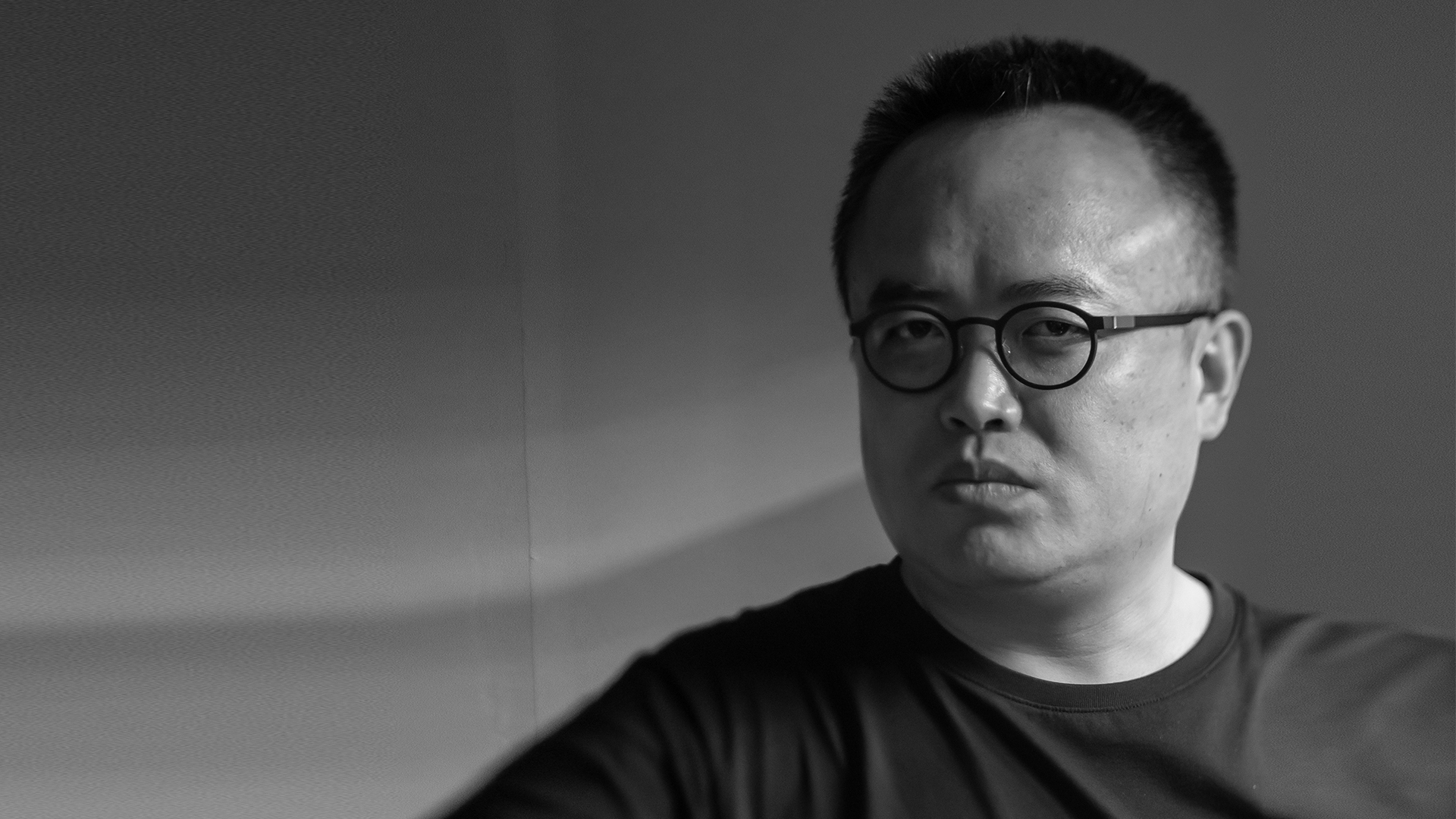
I’m designer Yunchu Chen from NorWe Interior Design. At NorWe, our design philosophy lies in the fusion of intuitive emotion and rational contemplation. We create visual experiences that are simple and clear, layering warmth over a calm palette of achromatic tones to reveal the emotional texture of life within serene and cozy spaces. Through the careful accumulation of emotional and rational details, we sculpt intellectual environments that reflect each resident’s life and experience. A home can never be complete without people—and we, too, are incomplete without a home. Finding happiness is not complicated. With natural lines, warm tones, and a sense of ease, NorWe Interior Design brings forth sincere and gentle spaces that quietly deliver happiness.
Please introduce a representative project.
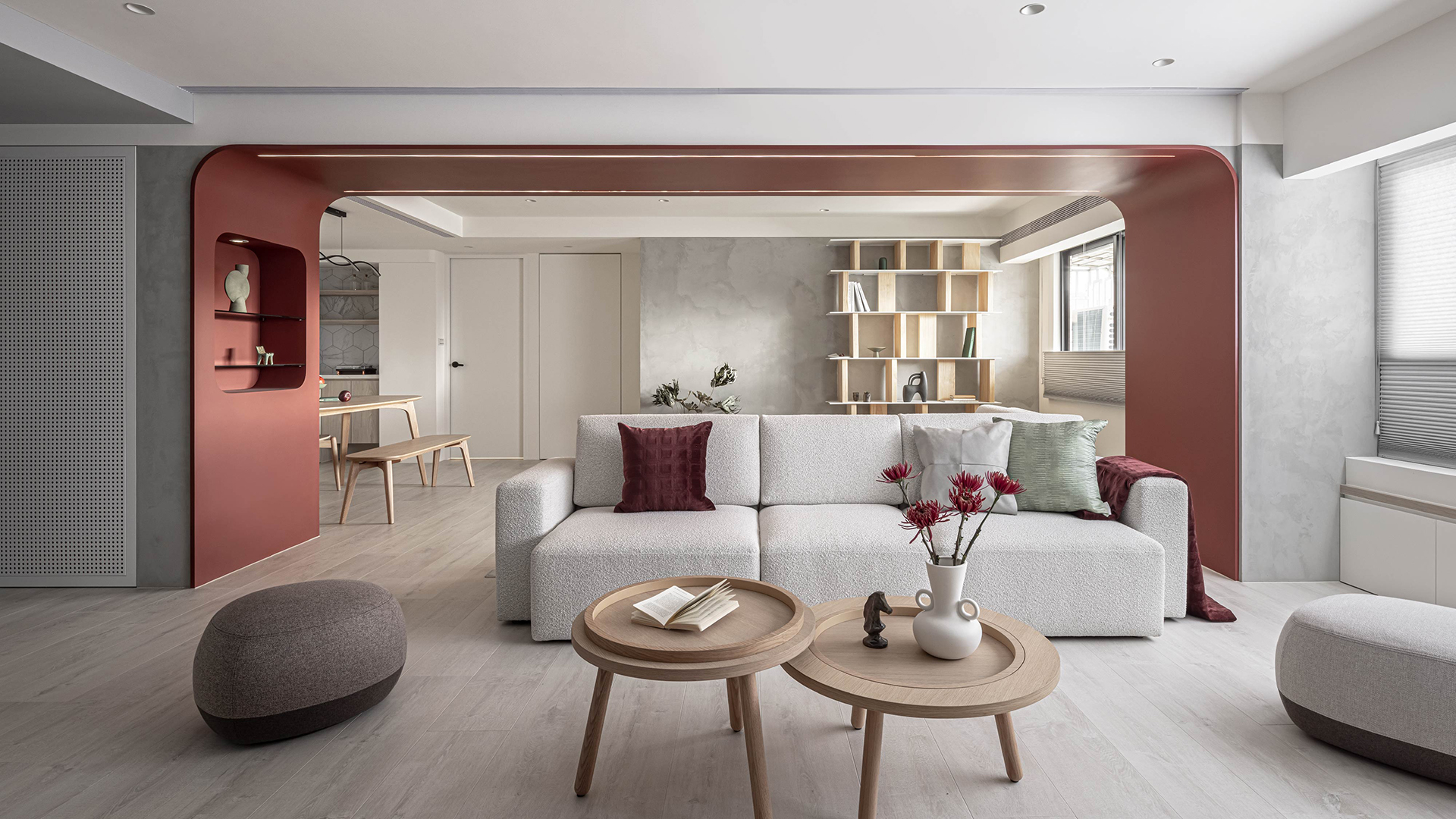
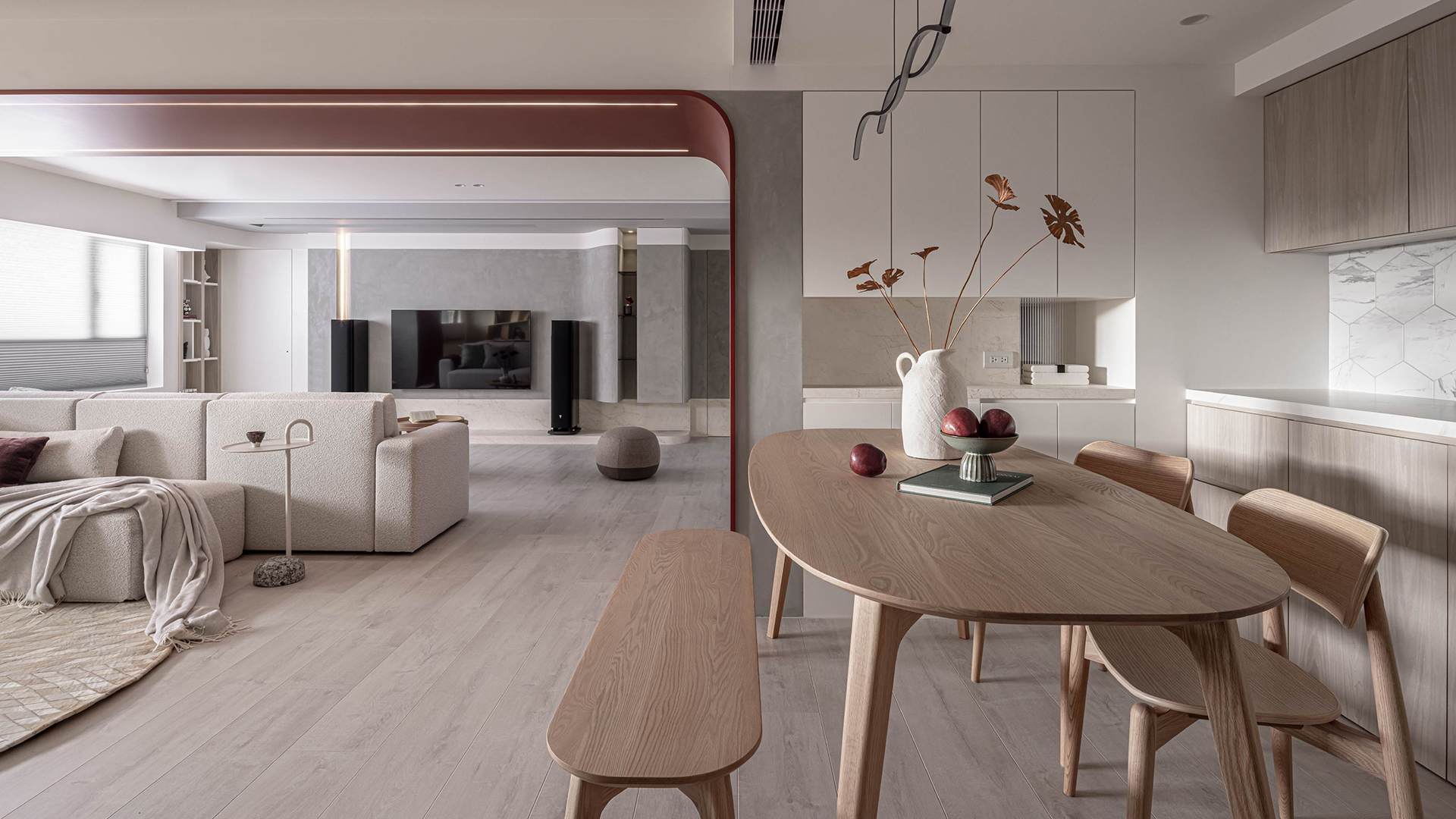
Let me introduce “Morii,” winner of the K-DESIGN AWARD 2023. Morii is a 40㎡ Japanese-style residence that features a contemporary Scandinavian aesthetic. A low-saturation gray palette sets the foundation, with bold red accents to enhance depth and color layering. In the shared living area, contrasting red beams and columns subtly divide the space, creating a clear distinction between the living room and reading nook—while preserving overall spatial unity. Layered panels paired with thick wooden planks form open shelving that lends the area a sense of openness and intellectual calm. In the private zone, the master bedroom uses partial partitions to separate the dressing area, while an extended side table merges seamlessly into a vanity, offering a smooth and unobstructed flow. Abundant lighting highlights this free-form layout. The guest bedroom features lotus pink as the primary color and uses arched design elements on the ceiling, headboard, and storage to create a warm and gentle atmosphere.
What was the most important consideration when designing Morii?
This home is shared by multiple generations—grandparents, a couple, and children—so the lifestyle and needs of each family member were the top priority. We restructured the layout to better suit the dynamics of a multigenerational household. The homeowner valued shared spaces, so we expanded and connected the living room, study, and dining area into an open-plan layout that serves as the social and emotional hub of the home. For elderly residents, specific accommodations were made, such as replacing steps at the guest bathroom entrance with a gentle ramp and adding handrails and safety features throughout. We design spaces to match the “temperature of happiness” that each resident seeks, crafting a home where every family member feels comfortable and truly at ease.
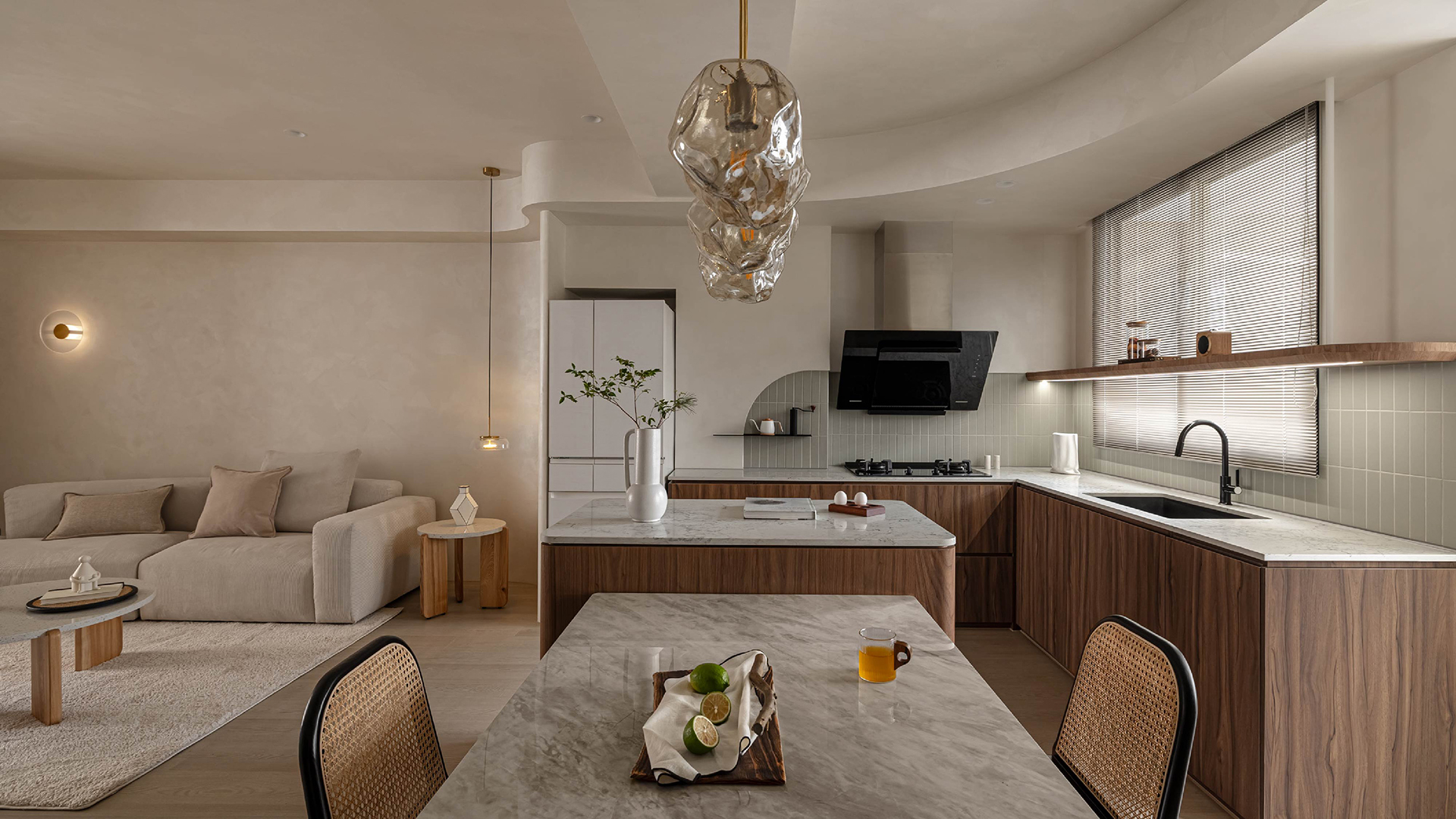
What does “the temperature of happiness” mean to NorWe Design?
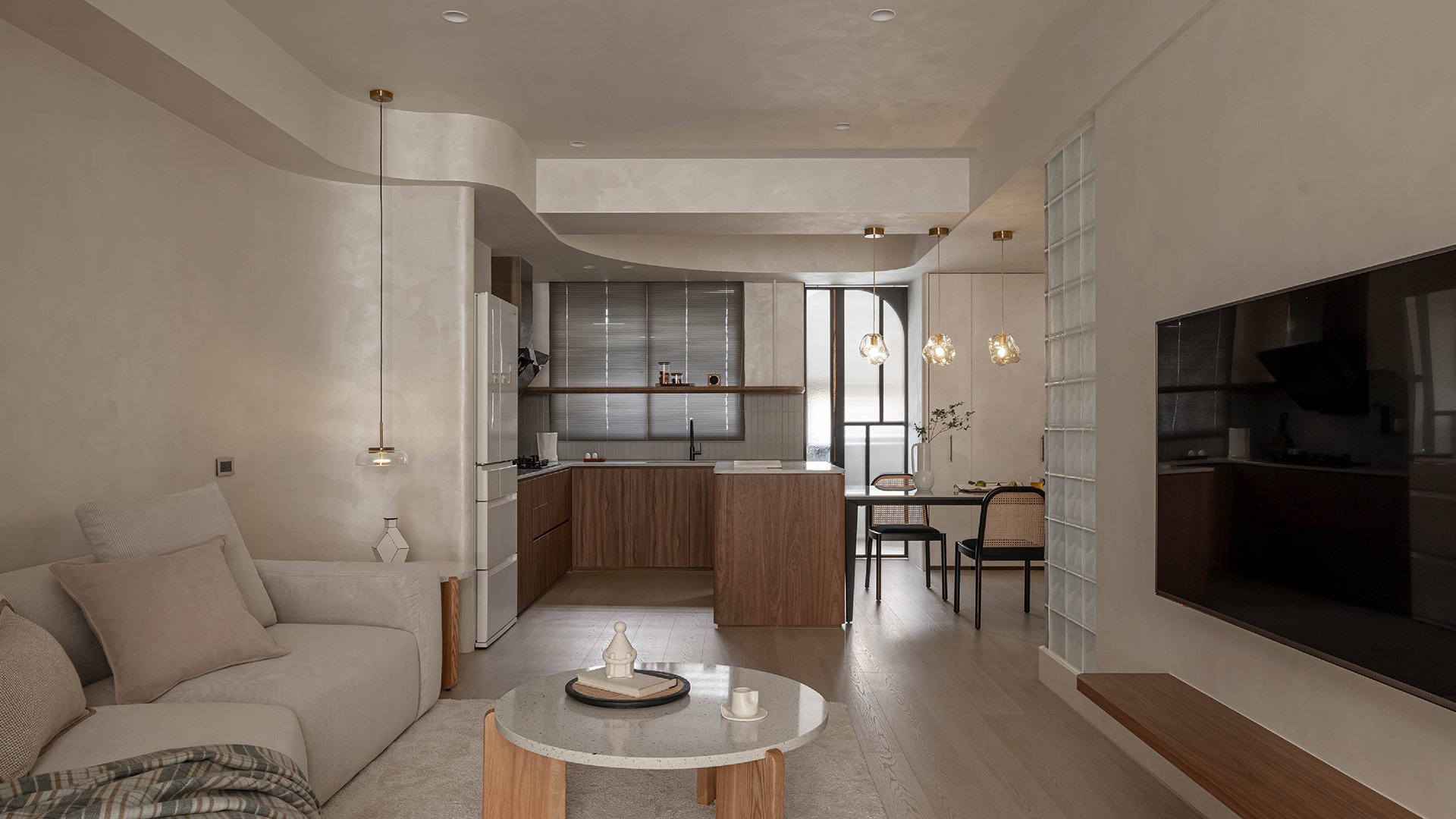
“The temperature of happiness” is the core mission of our company—to design spaces that align with each resident’s unique lifestyle. At NorWe, we use natural lines, warm color temperatures, and a comfortable atmosphere to create spaces where people can truly feel happiness. In communication with clients, we offer professional insights while maintaining residential functionality and proposing designs tailored to their habits. We incorporate the latest technologies and materials to ensure that the design tone and direction match our aesthetic. Every residential space we create is unique, yet always carries our design signature. NorWe Design aims to go beyond just creating homes—we want to deliver emotional satisfaction and warmth. Our designs are meant to grow with our clients for 5, 10, even 15 years. The greatest gift we can give is a space that exceeds all expectations. Every design carries meaning, and every function is thoughtfully and rationally executed.
What is your approach to communicating with clients?
When there are differences in opinion, we rely on our experience and professional judgment to analyze and provide feedback on each idea. Our goal is to find a balanced solution that respects both perspectives. A typical scenario is when clients show us reference images from overseas homes and want a similar result. In these cases, we simulate how such designs might differ in reality based on their space or additional photos. We also highlight the strengths and uniqueness of our design approach to build trust. When clients bring up technical suggestions they’ve seen online, we first clarify any misunderstandings and then propose multiple practical alternatives that suit their specific project, helping them avoid unnecessary losses.
For example, in some Taiwanese households, there’s a desire to incorporate traditional elements like ancestral altars or use bold red colors. These can sometimes clash with modern aesthetics or the preferences of younger family members. We respond by blending traditional and contemporary elements through thoughtful material and color choices—using red in a way that feels energetic and harmonious. By offering creative yet functional solutions, we earn the client’s trust and achieve designs that meet expectations on all fronts.
What are your future goals and vision?
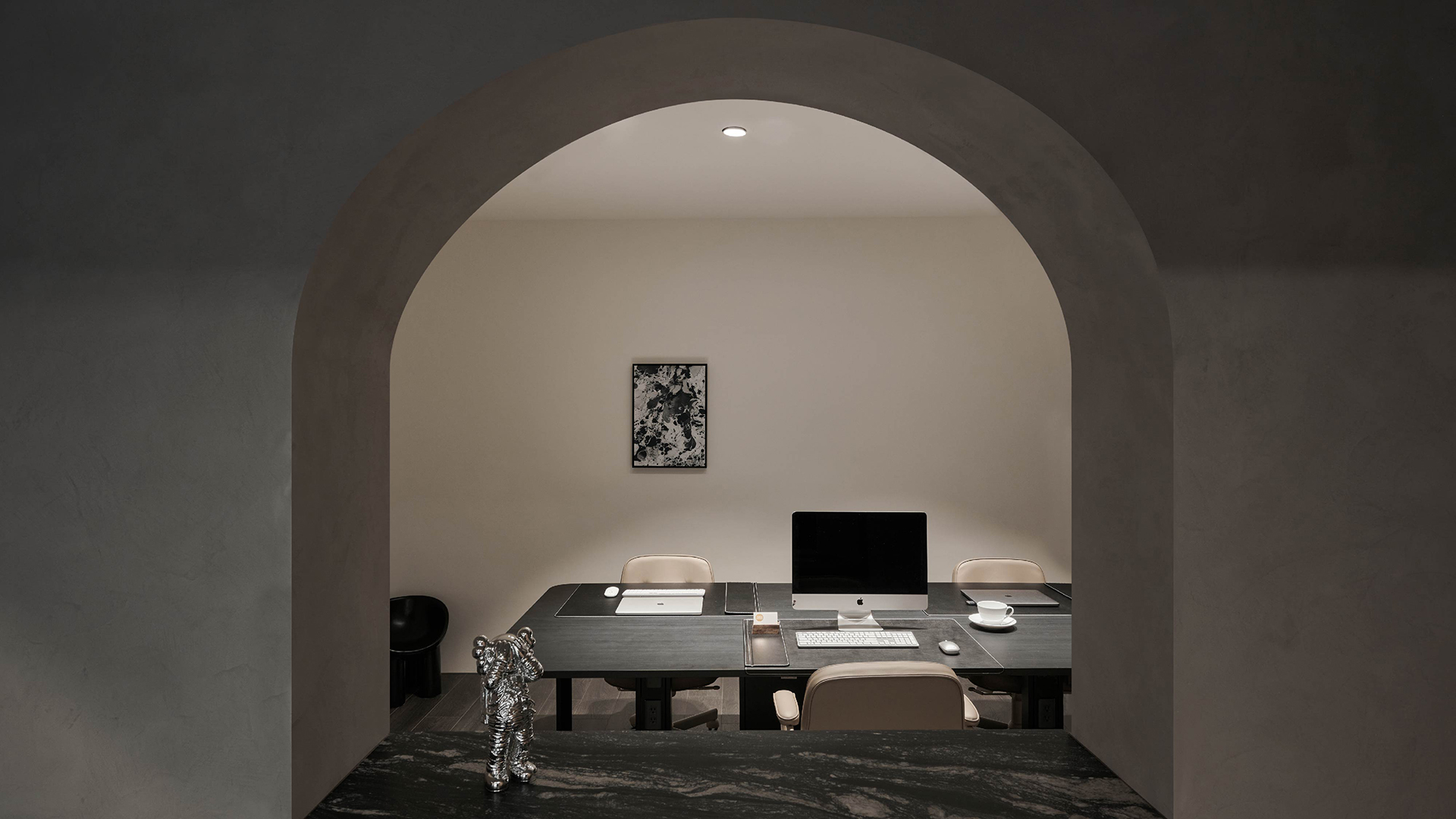
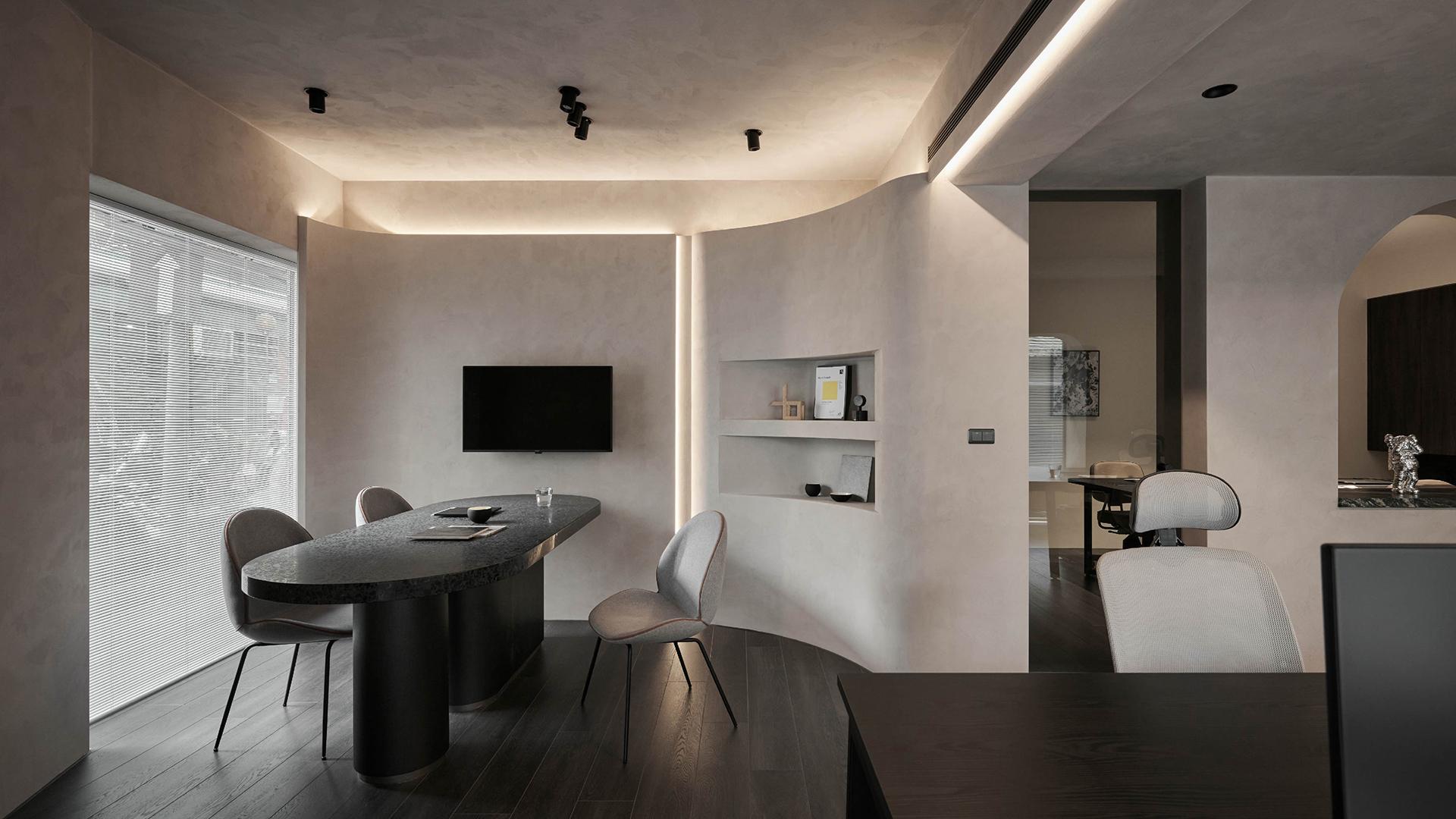
As NorWe Interior Design celebrates its 10th anniversary this year, we’ve been exploring new approaches to meet the evolving needs and expectations of our clients. Looking ahead, we aim to stay in step with rapidly changing trends and demographics—such as smart home technology and housing solutions for the elderly. We will continue to study our clients’ lifestyles, embed meaning into each design, and ensure that every function operates with thoughtful rationality. These efforts are part of our mission to create more human-centered designs and to meet a wide variety of client needs. We remain committed to constant innovation and to improving the lives of those who live in the spaces we create.












#14057, 905 49, Beolmal-ro 102beon-gil,
Dongan-gu, Anyang-si, Gyeonggi-do, Korea
Business Registration Number: 454-86-01044
Online Sales License No.: 2021-Anyang Dongan-1081
Copyright © DESIGNSORI Co., Ltd.