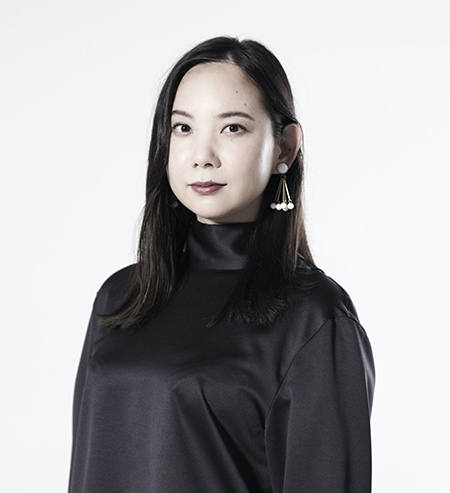
I’m Haruka Hashimoto, a graphic designer and art director. I currently work as a lead designer at I&CO Tokyo, a business invention firm. I&CO is known for its integrated approach that spans from business strategy to design, covering a broad range of areas including graphic design, CI/VI branding, UI design, product design, and spatial design. Personally, I place great importance on visually expressing a company’s philosophy and the core values of each project. From the initial ideation stage to final execution, I rigorously validate each step to realize the vision shared with both the client and my team. Rather than simply creating beautiful visuals, I strive to deliver strategic designs that effectively communicate the unique message of each project.

Could you share the most memorable achievement or experience in your career?
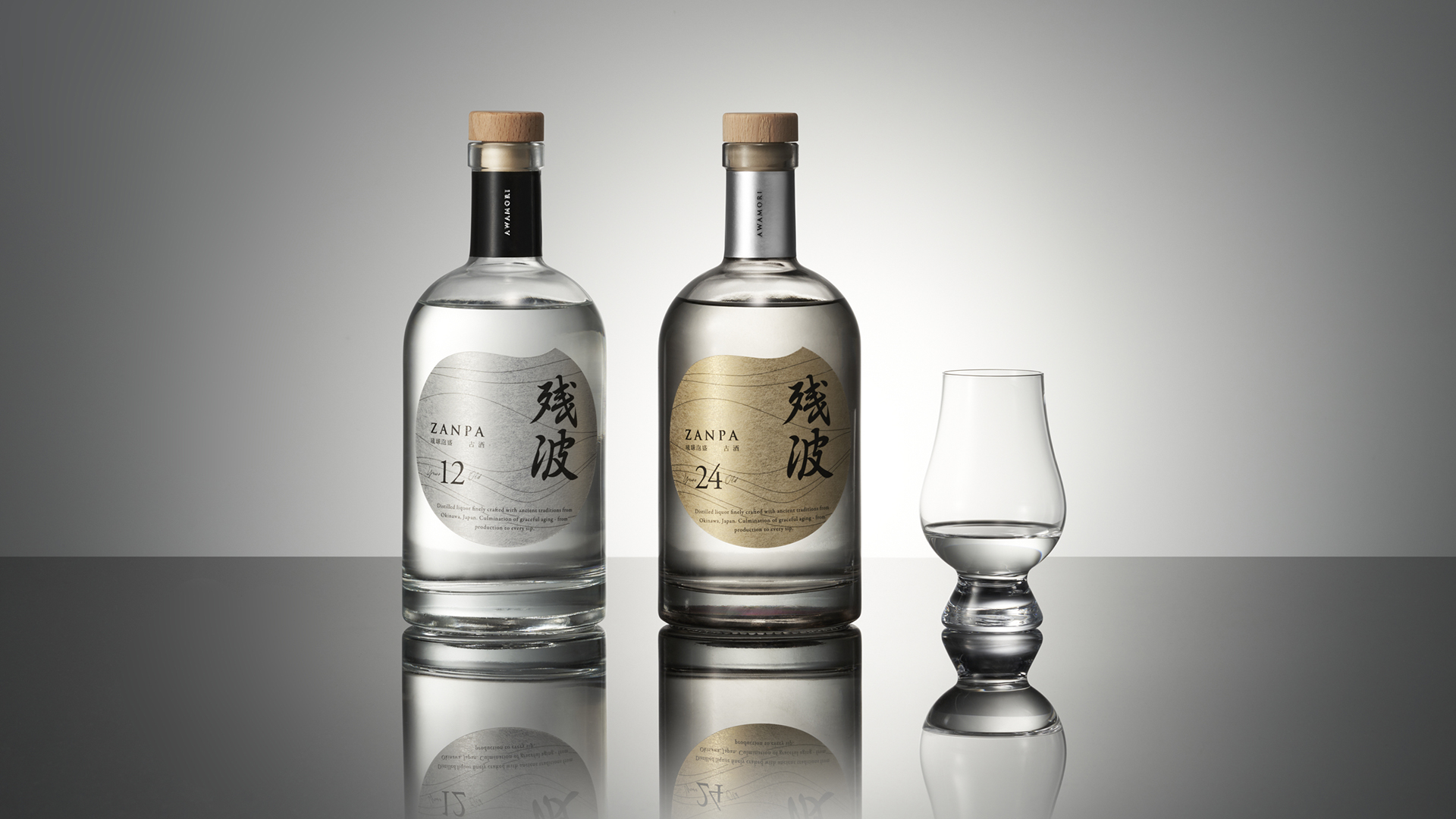
Two projects stand out as especially memorable in my career. The first was redesigning the bottle packaging for two brands of Ryukyu Awamori—Kaminokuni and Zanpa, Japan’s oldest distilled liquor. Awamori is deeply rooted in Okinawa’s climate, nature, and culture, with a production process that is closely tied to traditional craftsmanship. While it has long been loved within Japan, global awareness of the drink was relatively low. Our team was tasked with creating a new bottle design specifically for overseas export. We aimed to highlight the value and appeal of Ryukyu Awamori by reinterpreting its traditional essence through a contemporary design lens. This project was not only a design challenge but also an opportunity to introduce this heritage spirit to an international market—marking the beginning of a new era for Awamori.
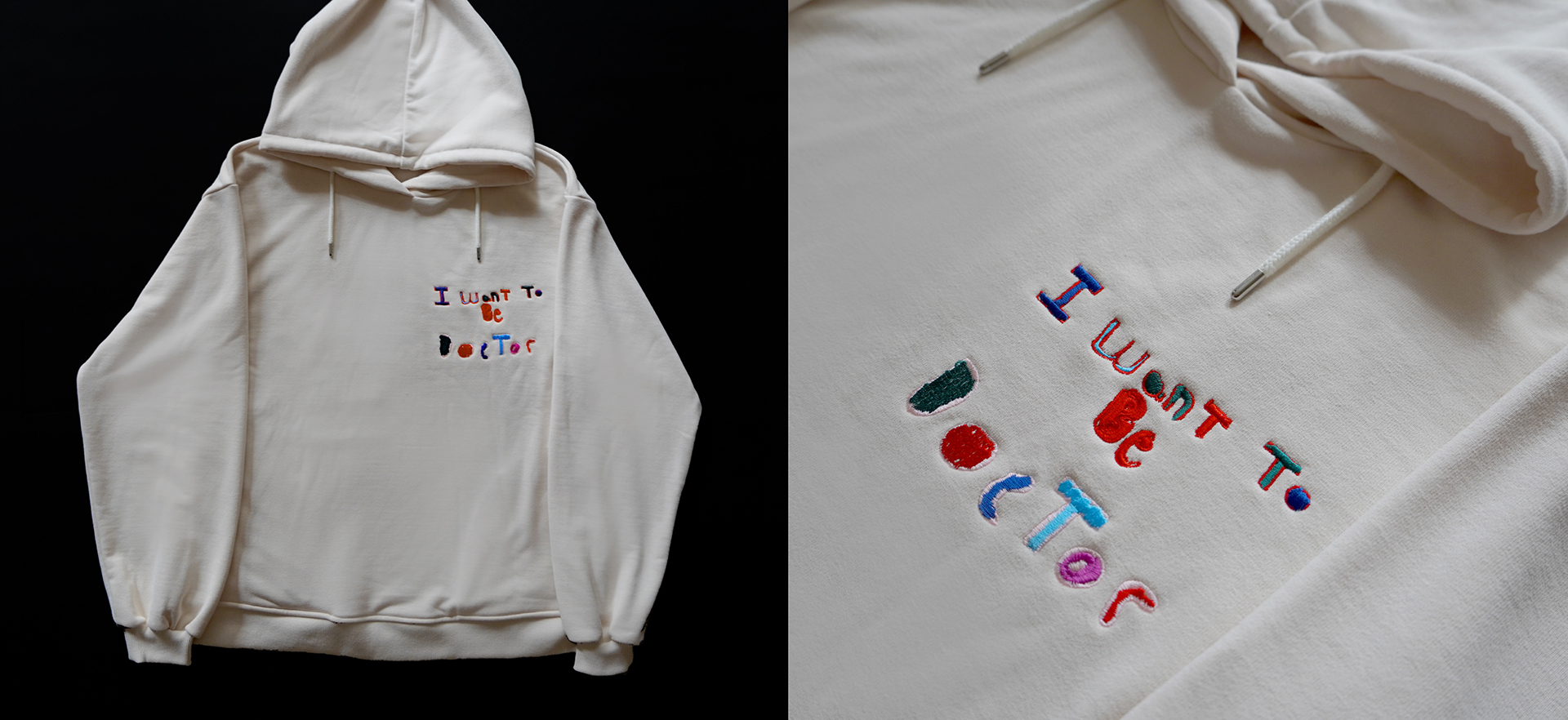
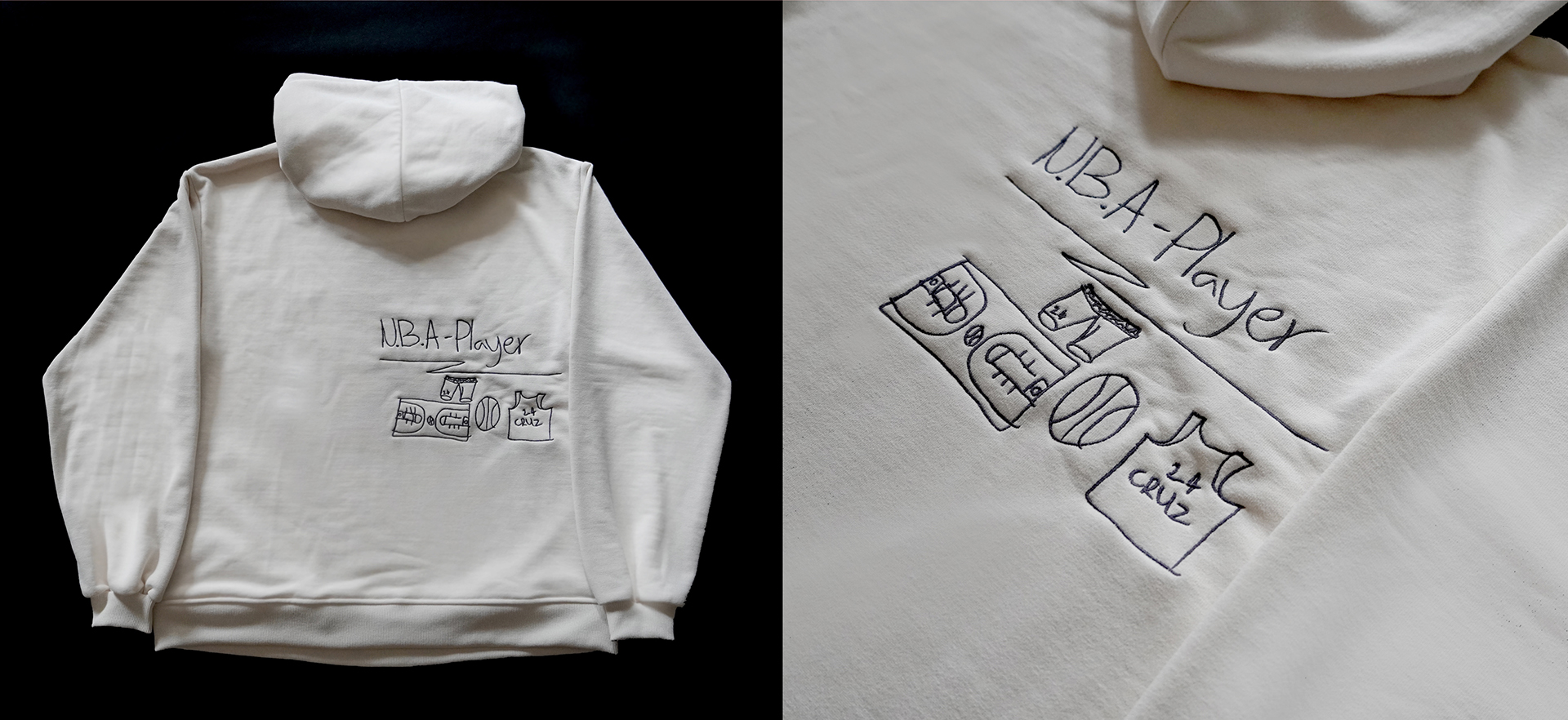
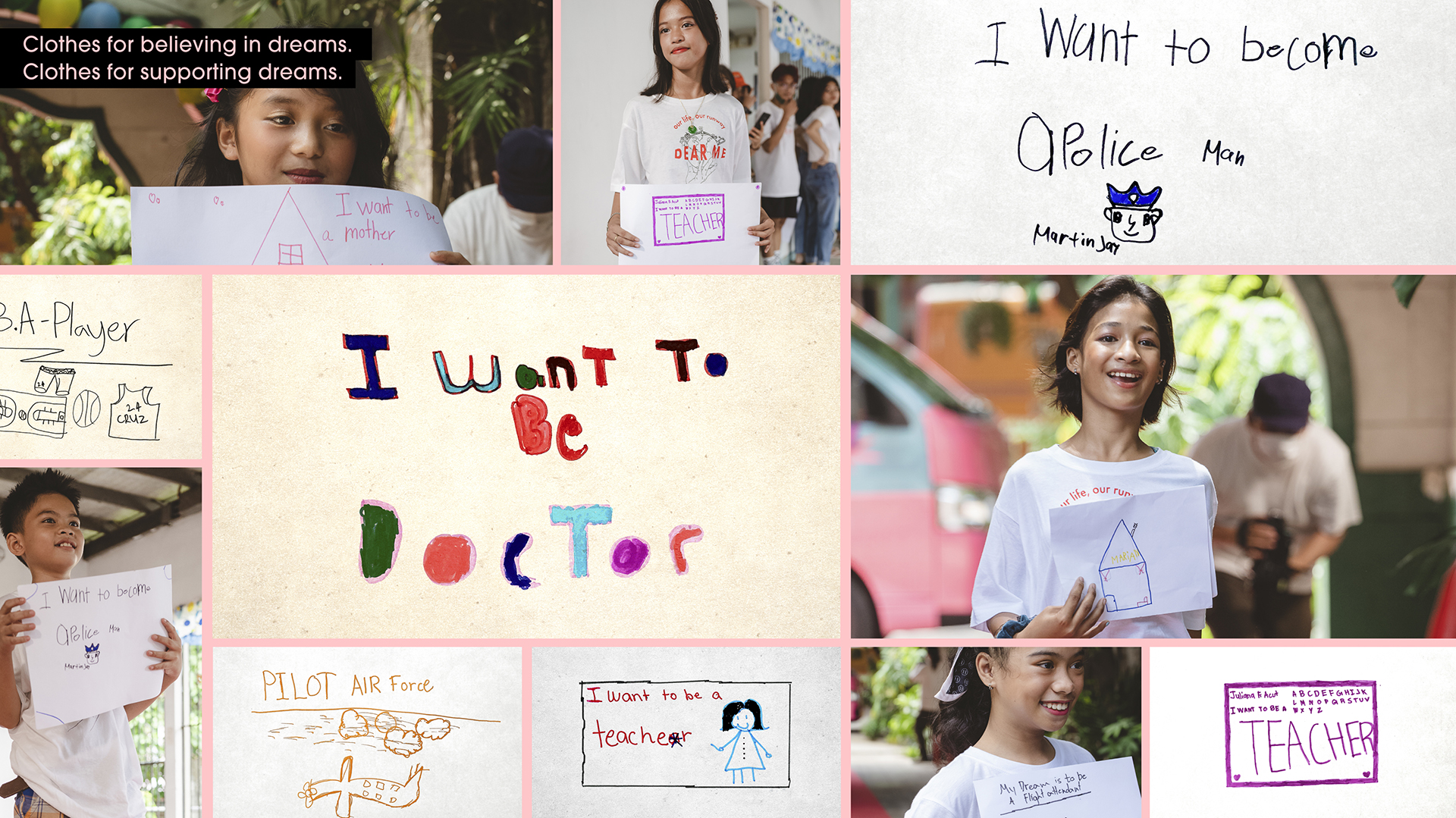
The second project was a donation-based clothing initiative aimed at raising funds to build a school for children in impoverished areas of the Philippines. In these communities, unemployment is high and 23.7% of the population lives below the poverty line. Believing that education and employment are key to breaking the cycle of poverty, we envisioned a school where children could learn design and sewing skills. The concept was simple yet impactful: by purchasing clothing printed with children’s dreams and drawings, buyers would directly contribute to the school’s construction. The garments were made from recycled materials and produced locally in the Philippines—supporting both the environment and local employment. The project gained wide attention through TV and social media, attracting support from people around the world. The school officially opened in July 2023 and now provides education to about 15 students. This initiative has been a deeply meaningful experience for me—combining design with sustainable development, education, and real-world impact.

Can you tell us about your design process? Do you have a unique approach to your work?
At I&CO Tokyo, we have a culture of sharing ideas across departments, which is a cornerstone of our creative process. Designers often lead the direction of a project and present a clear vision, which is then further developed in collaboration with strategists and planners. The process begins by gathering a wide range of references and clarifying the project’s goals. From there, we expand on ideas and refine them through each design phase. Sometimes, unexpected discoveries arise, and these can offer fresh perspectives that lead the project in a new and better direction. Through ongoing discussions with clients, we merge their vision with our creative expertise to bring the final product to life. At I&CO Tokyo, we are committed to this thoughtful and collaborative approach, delivering strategic and innovative design through every step of the process.
Is there a designer you admire? How have they influenced you?
The designer I respect most is Leo Lionni, a graphic designer and picture book author. His work demonstrates that design is not only about technical skill but also about creativity and social impact. His ability to convey complex ideas through minimal lines and forms perfectly embodies the core principle of design: "less is more." He taught me the power of simplicity in delivering profound messages. Lionni’s picture books also show that design can go beyond aesthetics to hold educational value. Reading his books as a child and then again as an adult reveals new discoveries each time. That layered richness and the evolving appreciation of his work speak to the depth of his storytelling and visual language. Through his work, I’ve come to deeply understand the designer’s role—not only in creating visuals but also in influencing society and education through thoughtful, meaningful design.

How do you think the design industry will change in the next 10 years? And what are you personally doing to prepare for it?
With advancements in technology, shifting market dynamics, and growing awareness of environmental issues, the design industry is expected to undergo significant transformation. But what truly matters is how design can influence user perception and behavior—beyond mere aesthetics. While the evolution of technology and trends can certainly broaden the scope of design, they also risk steering us away from its core purpose. Speaking personally, I moved from Tokyo to a more rural region in Japan three years ago, which marked a turning point in my design journey. The challenges faced in urban and rural areas in Japan are vastly different. To address them, designers need the ability to deeply understand local complexities, select the best ideas from a wide array, and have the execution power to bring them to life. That’s why I focus not only on staying informed about emerging technologies and trends, but also on reflecting on what role design should play in society. Over the next 10 years, my goal is to contribute to building a better society through design.
Do you have a personal philosophy or belief as a designer? And what is your vision going forward?
I believe that deep expertise in graphic design, combined with interdisciplinary collaboration, is the key to generating truly innovative design. Understanding core values and transforming ideas into form—this is a crucial approach in today’s design landscape, where a wide variety of outputs is expected. My career is deeply rooted in graphic design, particularly in CI and VI. Collaborating with team members at I&CO who have diverse backgrounds allows us to spark creativity and take on new challenges together. Moving forward, I want to continue exploring new possibilities that can contribute to people and society, grounded in the core strength of graphic design.













#14057, 905 49, Beolmal-ro 102beon-gil,
Dongan-gu, Anyang-si, Gyeonggi-do, Korea
Business Registration Number: 454-86-01044
Online Sales License No.: 2021-Anyang Dongan-1081
Copyright © DESIGNSORI Co., Ltd.