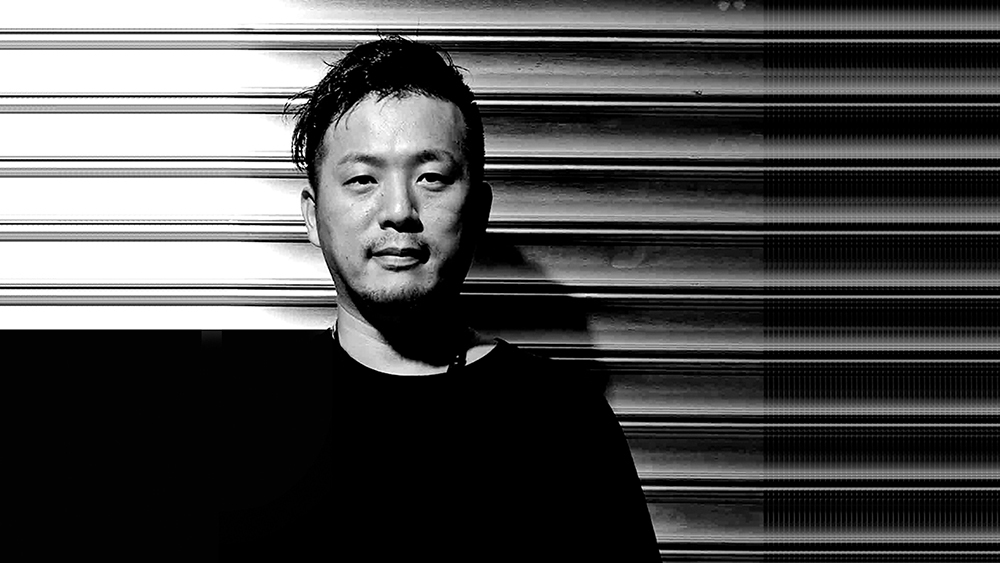
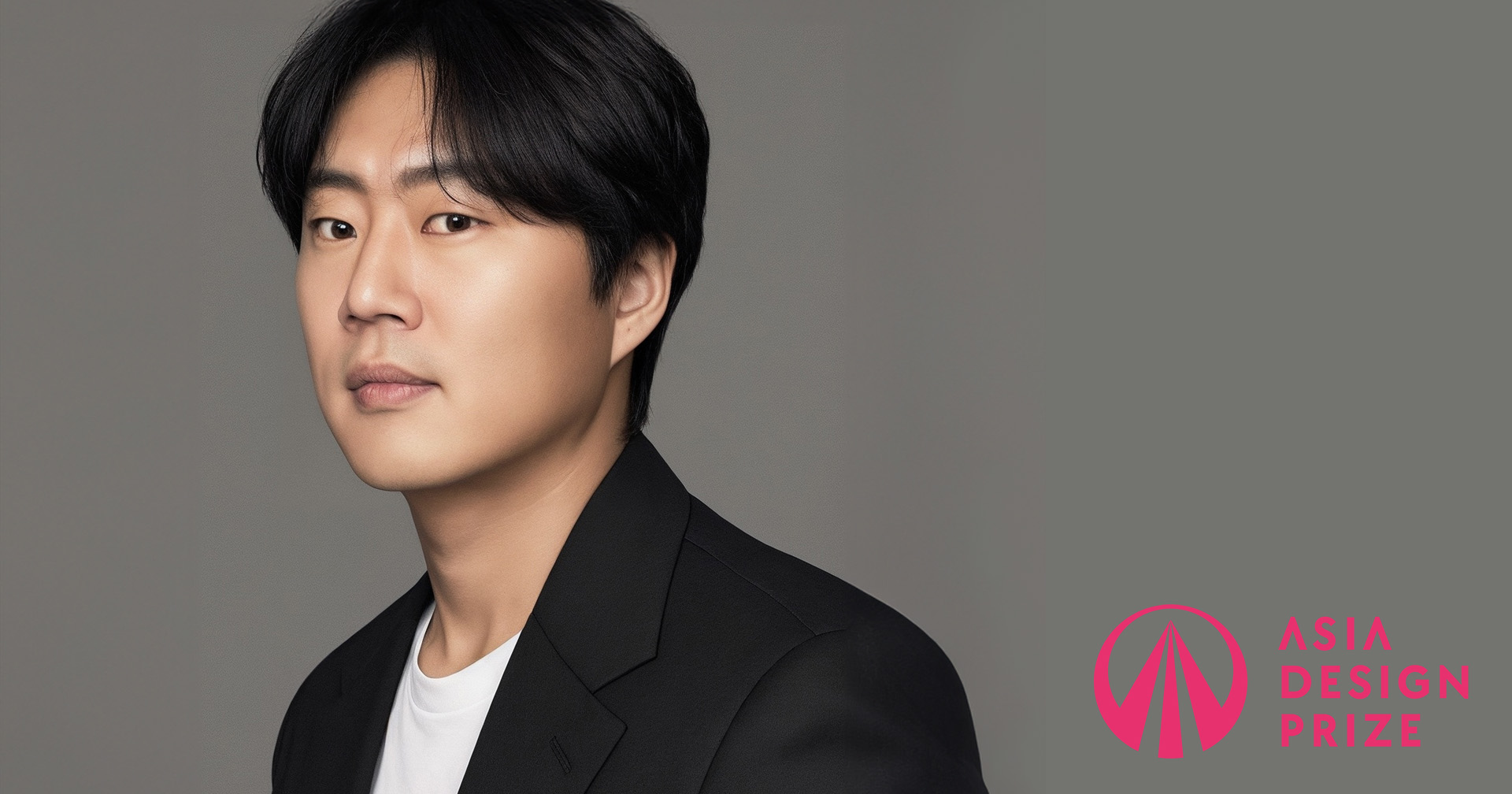
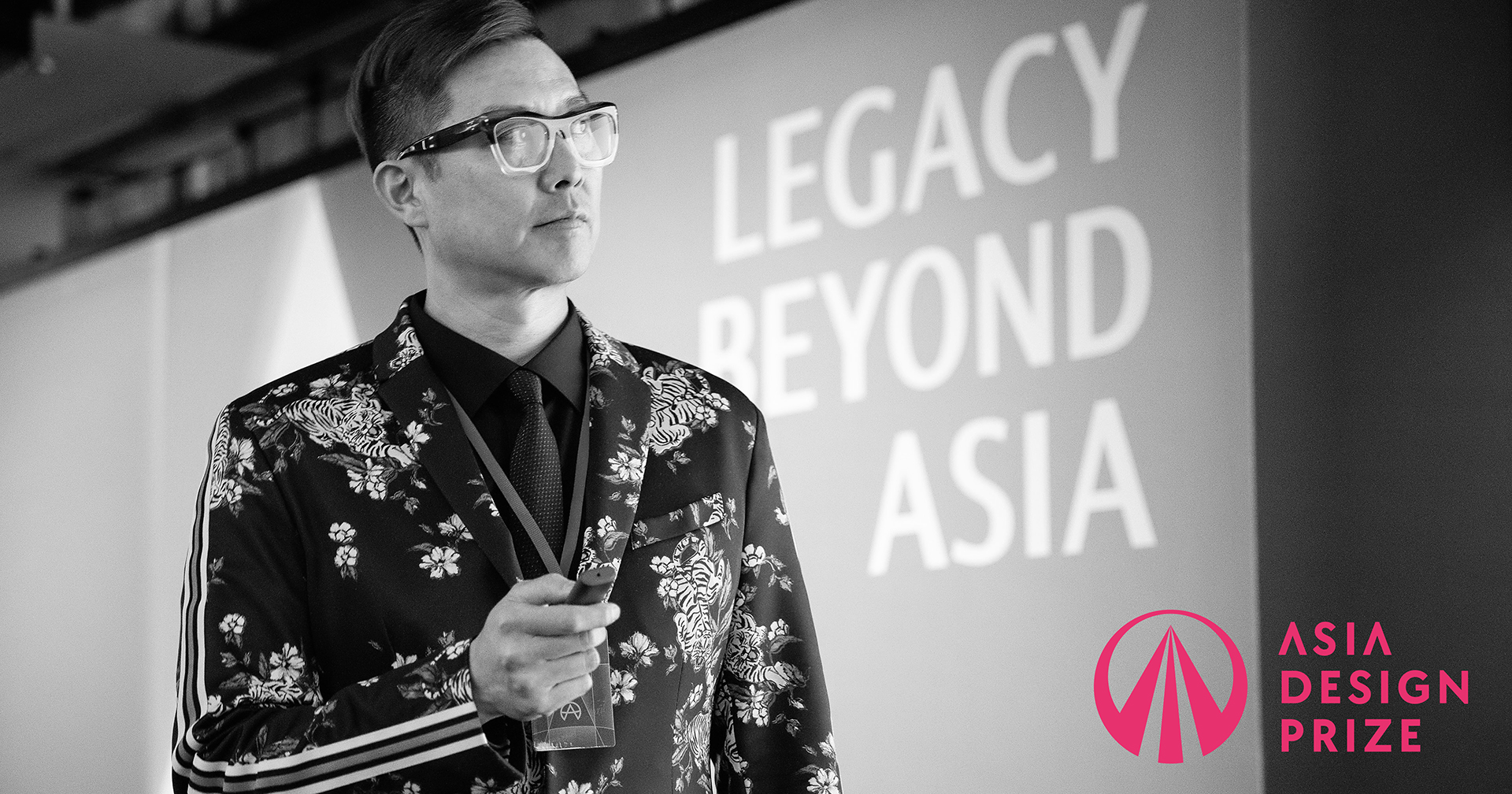
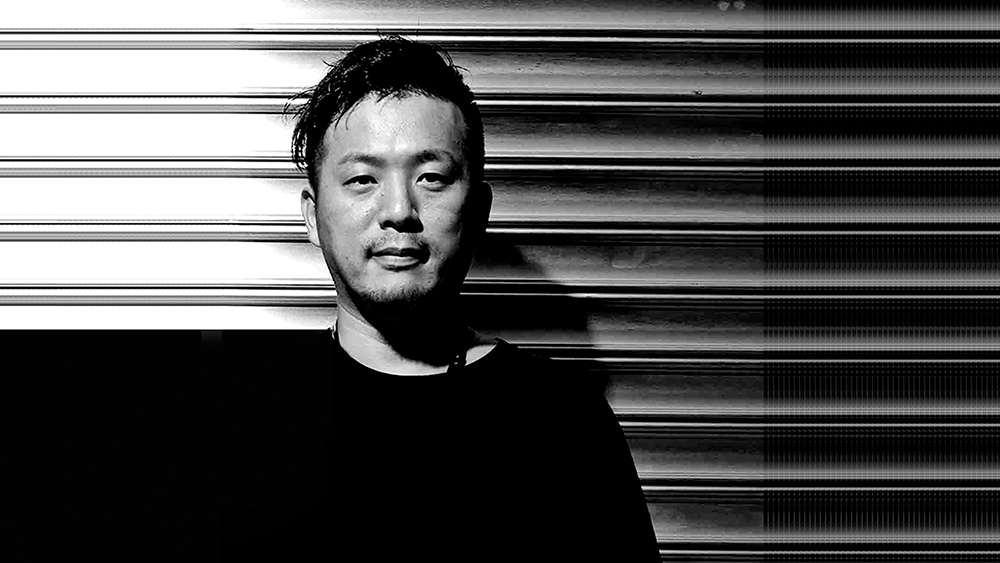
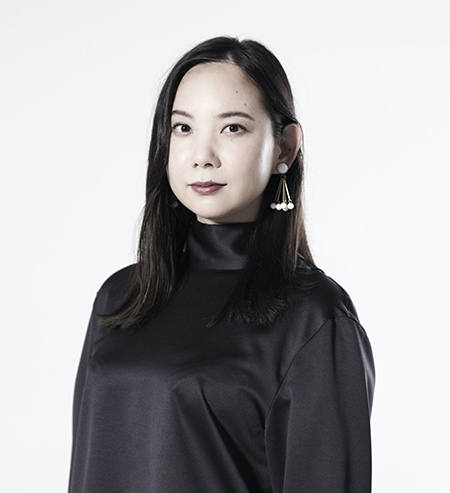
I’m Akihiro Ikegoshi, Art Director and Graphic Designer at GWG, a graphic design studio based in Tokyo and Osaka, Japan. GWG handles a wide range of projects, including branding, visuals, and products. I gravitate toward warm, human-centered design, with a focus on fashion and music. I work with both domestic and international brands and manufacturers, as well as various industries such as professional baseball, J.League, V.League, B.League, boxing, skiing, road biking, gaming, television, and even sushi restaurants.
We’d love to hear about a project that best represents your work.
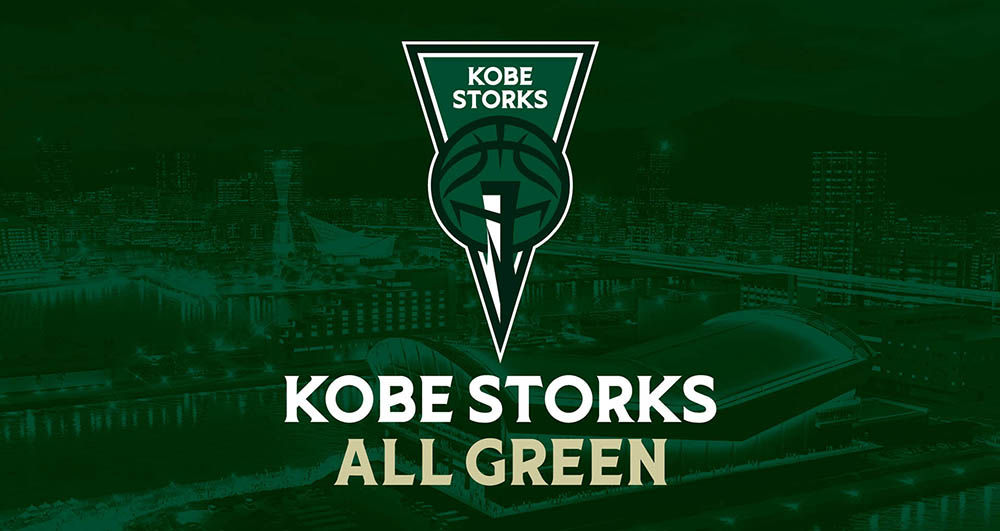
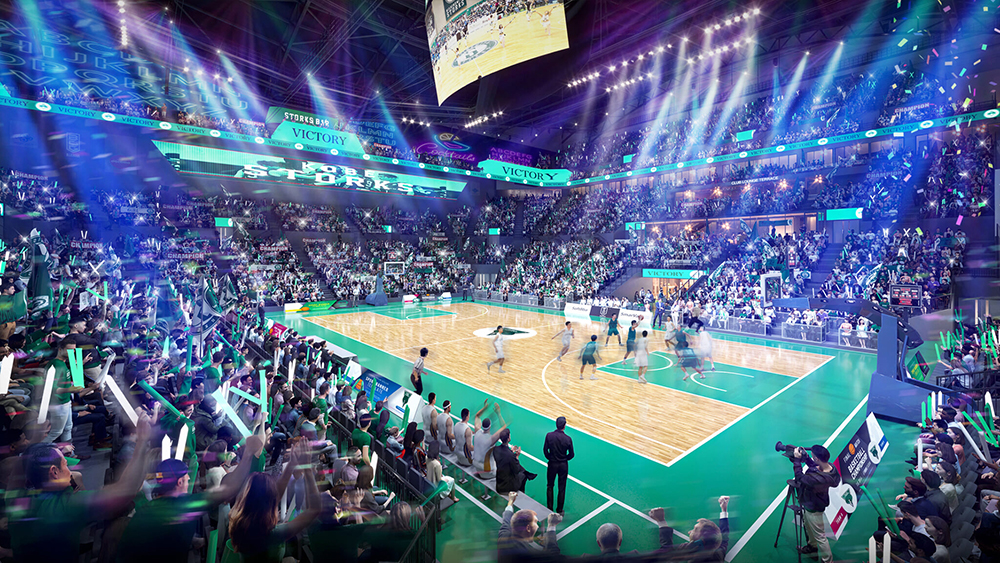
KOBE STORKS :
Kobe Storks is a team in Japan’s professional basketball B2 League, with a history of championship success. However, the team had been losing the passion and vision needed to unite its players and fans. We were tasked with transforming Kobe Storks into a modern, globally recognized club. The result was a bold, confident, and visually impactful new brand identity. Together with the citizens of Kobe and the fans, we launched a new journey forward.
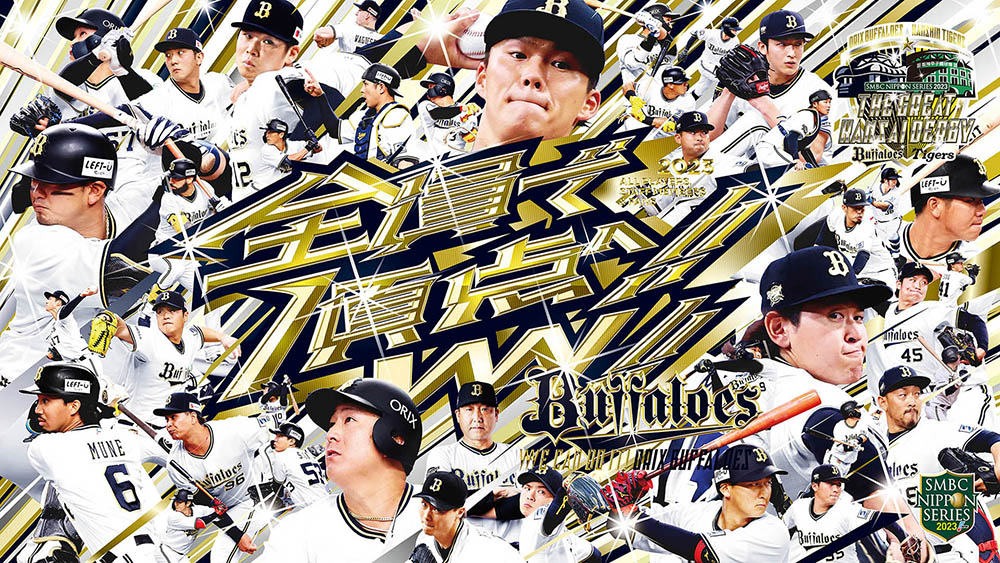
ORIX BUFFALOES :
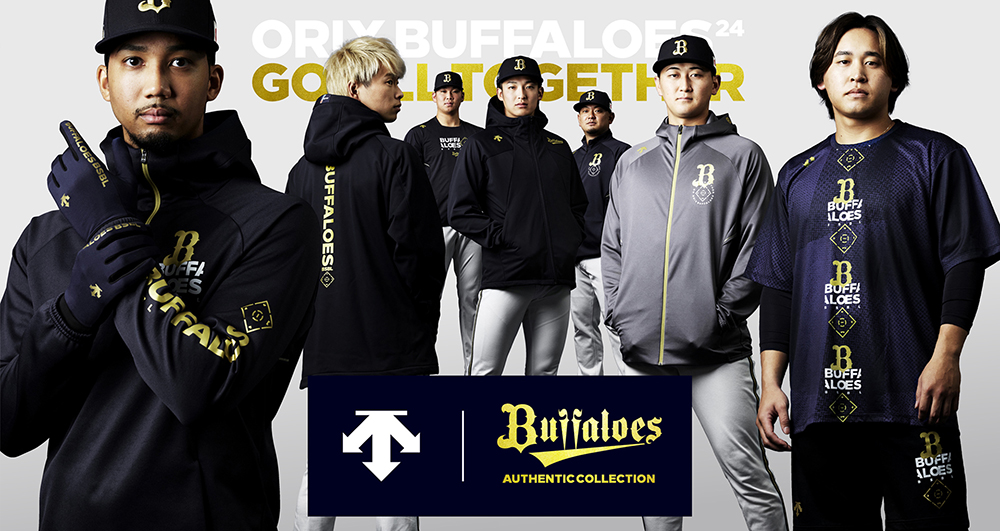
The Orix Buffaloes are one of Japan’s top professional baseball teams, with three league championships to their name. Each year, the team sets its sights on becoming national champions, and we've helped visually express that vision through design. As a championship team, the Buffaloes embrace the challenge of reinventing their visual style each season. This has resulted in a powerful and bold brand image that expresses confidence and energy. Let’s move forward, together!
What was the most enjoyable part of the project for you?
ORIX Buffaloes is the team in Japanese professional baseball that places the greatest importance on design. GWG had been preparing this project for years, with a long-term vision in mind. We worked hard to showcase various aspects while maintaining a consistent design language. Our goal was to create an environment that was approachable for fans, easy to manage, and inviting for player participation. Gathering feedback from fans of all ages was challenging, but it was always an exciting and rewarding experience.
When the team wins, more than 30,000 fans erupt in cheers and celebration in the stadium. On the other hand, when the team loses, fans sometimes criticize the team, saying they should focus more on practice than on design. I’ve heard fans talking about the uniforms and visual branding near the stands—it was fascinating to hear both their praise and criticism. I even felt a moment of joy when I saw fans wearing the uniforms I designed at a game in San Diego. And of course, it's incredibly rewarding and fulfilling to see players I’ve worked with—like Shohei Ohtani and Yoshinobu Yamamoto—succeeding in Major League Baseball (MLB).
Sports is such a dynamic field—it must offer many exciting design opportunities. Could you share more about your collaborations with sports teams?
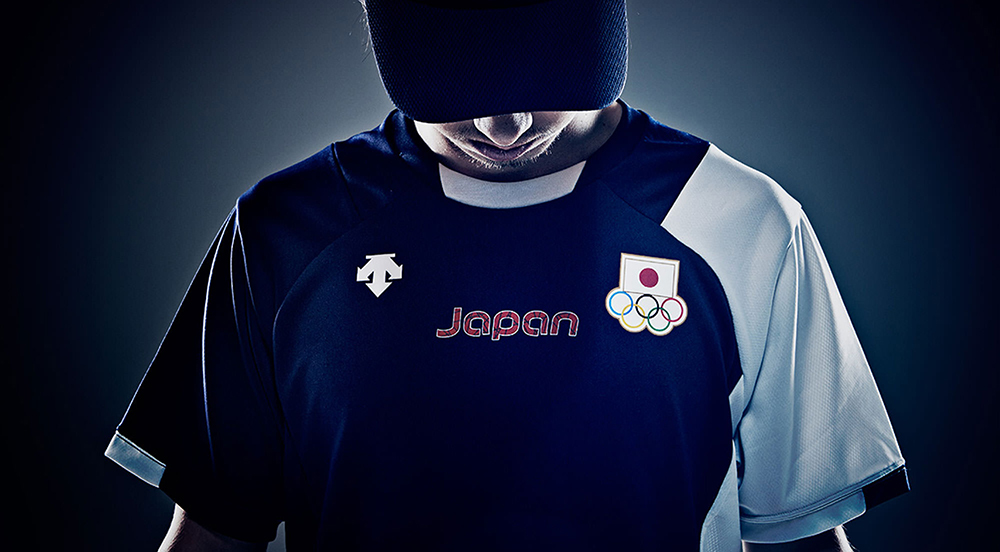
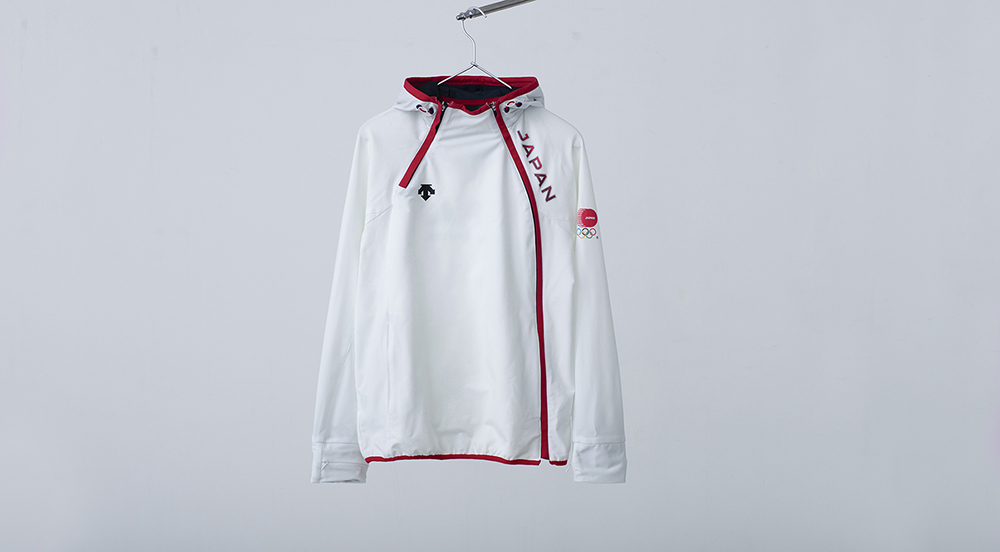
I began my journey in sports design by creating visuals and printed logos for ski and snowboard advertising. After designing the logo for Japan at the Vancouver Olympics, I became involved in professional football design, which eventually led to projects across a wide range of sports—mixed martial arts, volleyball, basketball, swimming, and more. I believe that being able to understand and express both sports and fashion is quite rare. I prepare a variety of designs, such as “designs for victory” or “designs for great brands.” What sets sports branding apart from regular branding is the mindset centered around winning. It’s essential to convey the message not only within the stadium but also to the broader region. I'm constantly thinking about how a local sports brand can grow to be respected and recognized, like a famous fashion brand—how it can move forward toward that goal.
How did you come to design the Japan logo for the Vancouver Olympics?
I was invited to participate in the Japan logo presentation through a recommendation from the brand DESCENTE. When designing a logo that represents Japan, the most important factor was ensuring it harmonized with the uniforms worn by the national team. The logo had to be symbolic of Japan as a nation, capturing its emotions and significance. At the same time, I wanted to infuse a sense of individuality. Since I hoped the design would reflect my personal expression, I approached the work with complete confidence and no regrets. Through the logo design, I wanted people to see how the uniforms and the logo could come together as one, and feel the spirit of Japan through that design.
What are your thoughts on the relationship between region, brand, and designer?
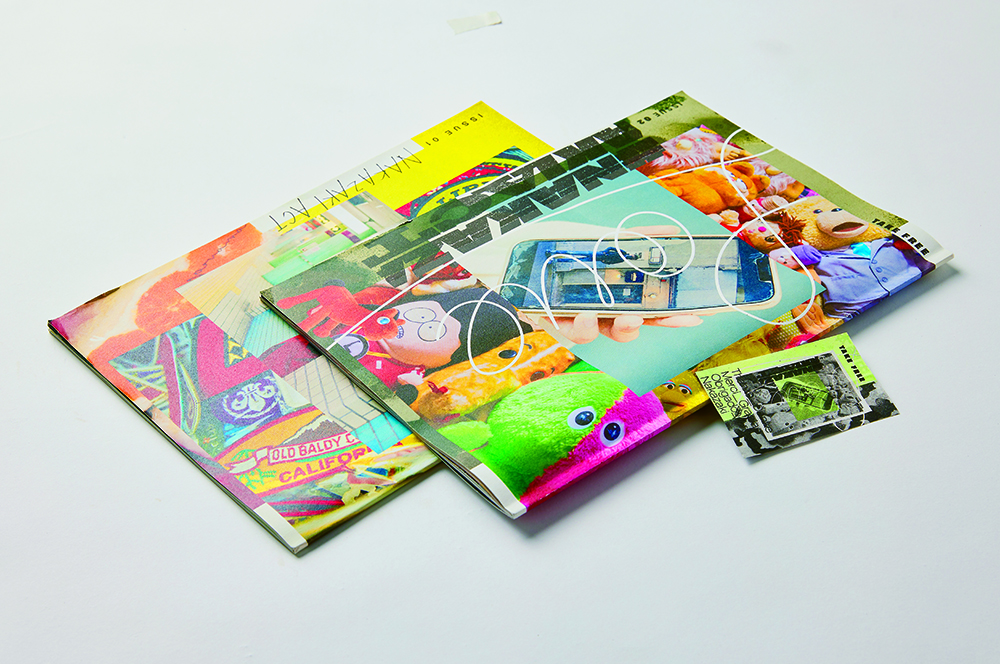
I believe it is important to carefully consider what a particular region and brand truly need, then define a clear direction and bring it to life. While it's possible to gather images and information from the internet, the atmosphere and vivid impressions you get on-site cannot be replicated. There are things that can only be felt by actually being in a place—such as how people move, the distances between places, the temperature, the smells, and the unique atmosphere. Among the places I’ve visited, the ones that felt most different from their online impressions were Kumamoto and Hokkaido in Japan, and Canada and the United States abroad. Without actually visiting and experiencing them firsthand, I wouldn't have been able to establish the correct design direction. As designers, our goal is to express each region’s distinct vision clearly and concisely, so that it can be solidified into a strong brand.
As a designer, what goals do you hope to achieve in the future?
I want to become a designer who is truly essential to the region and brand I work with. I also hope to create more designs that are universally understood and appreciated across different countries. Ultimately, I want to design for the world—creating work that transcends cultures and backgrounds, and brings a positive impact to people’s lives. If you entrust a project to me, I’ll make it fun! I promise to bring joy through my work!











#14057, 905 49, Beolmal-ro 102beon-gil,
Dongan-gu, Anyang-si, Gyeonggi-do, Korea
Business Registration Number: 454-86-01044
Online Sales License No.: 2021-Anyang Dongan-1081
Copyright © DESIGNSORI Co., Ltd.