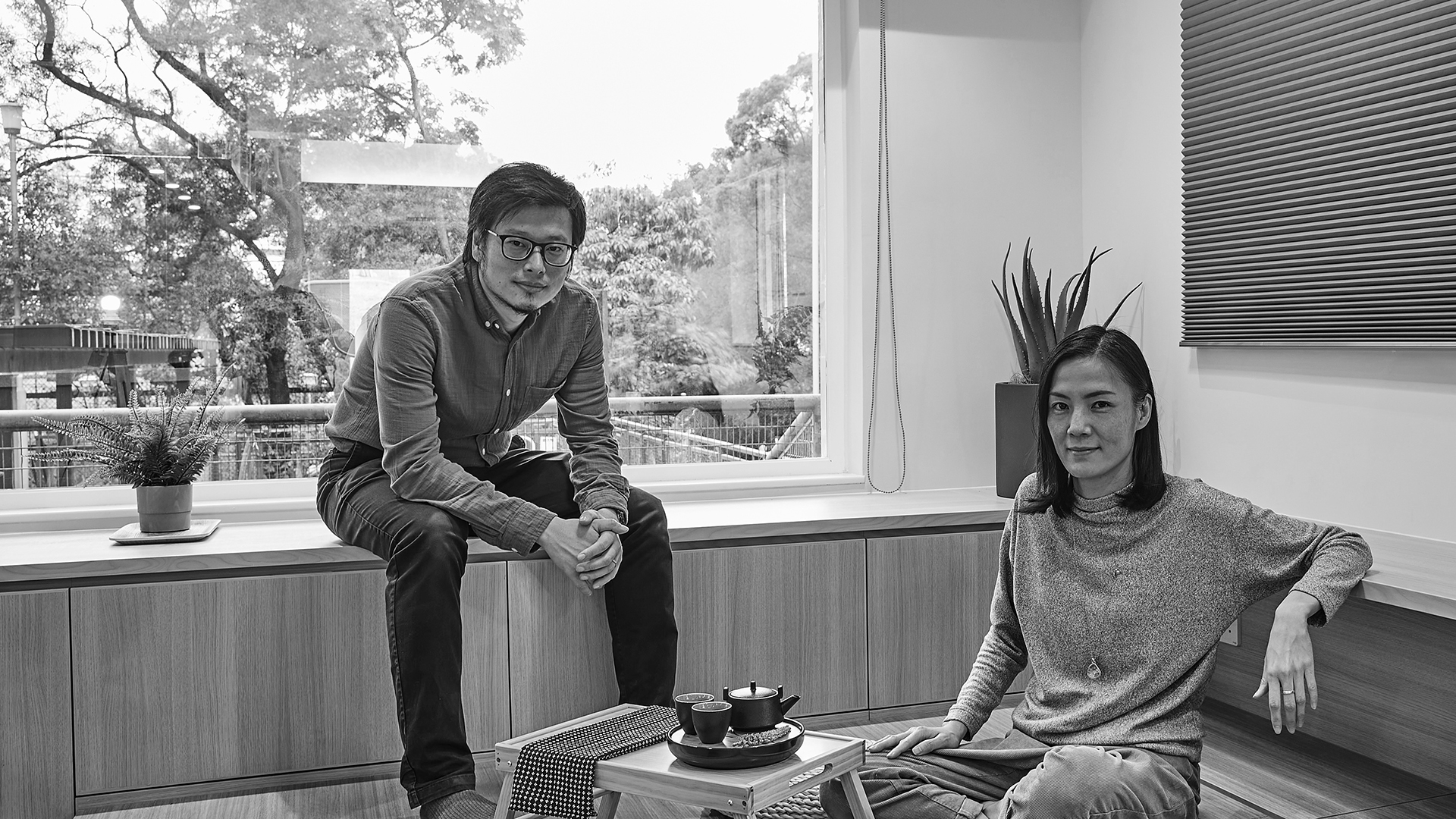
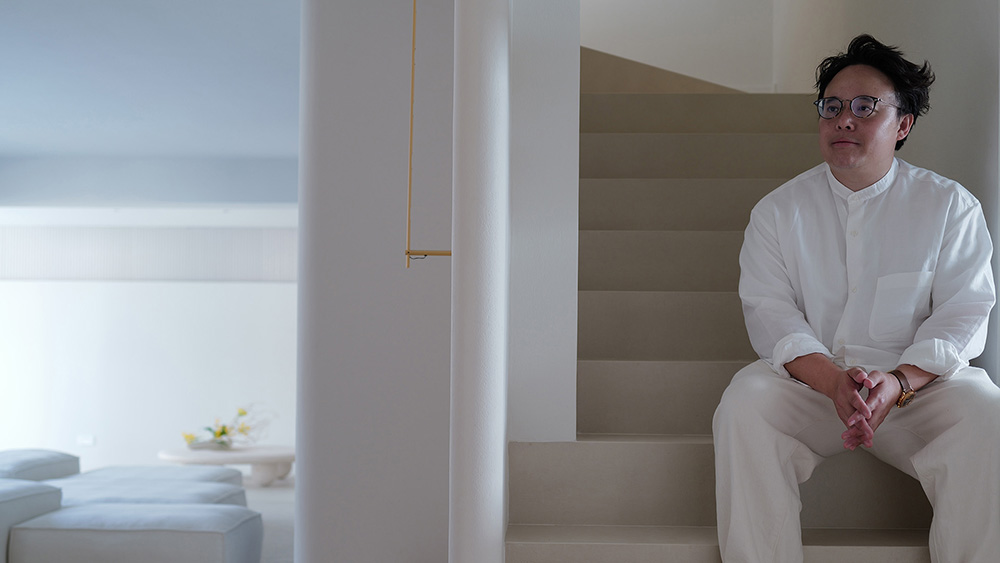
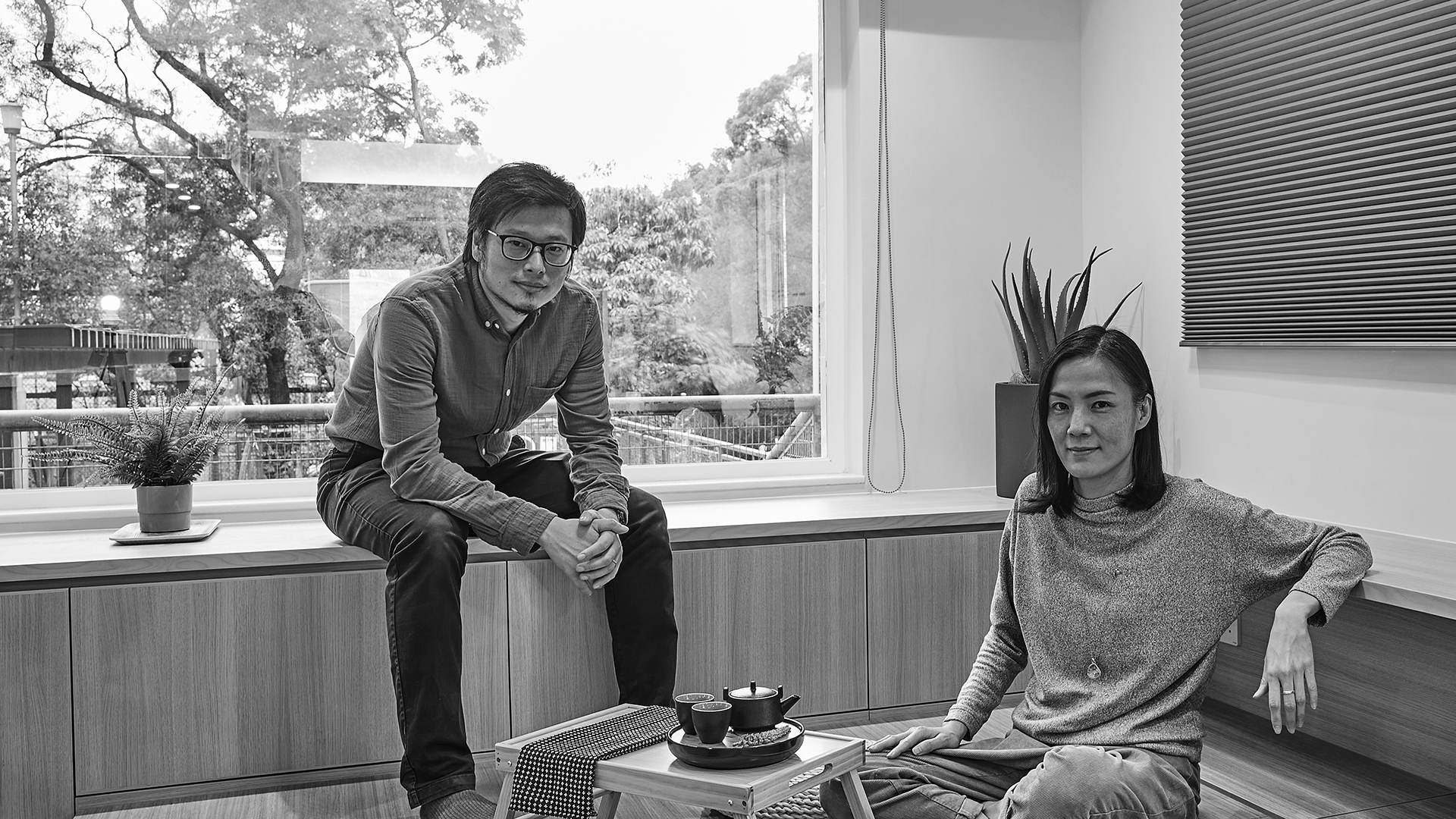
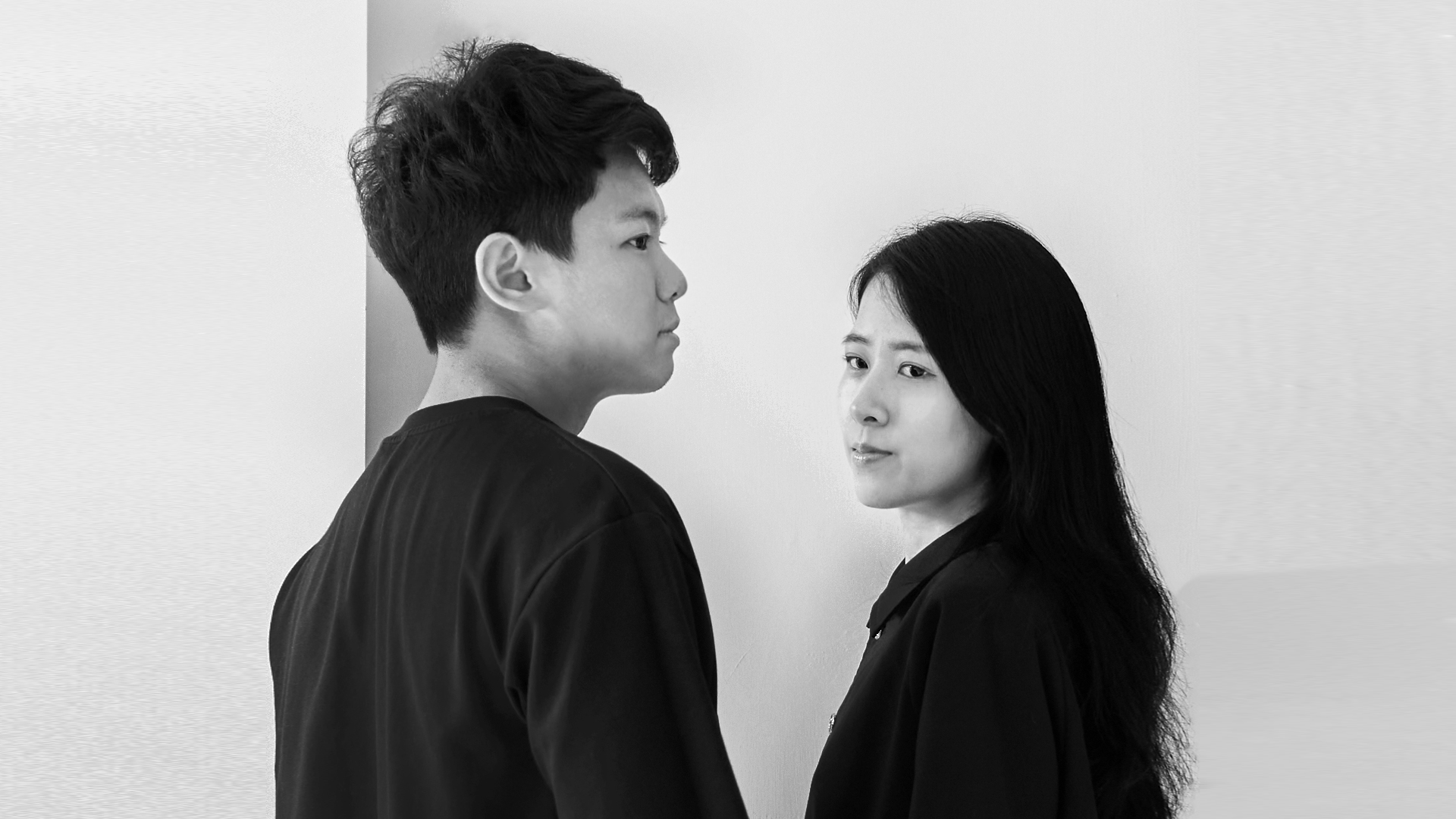
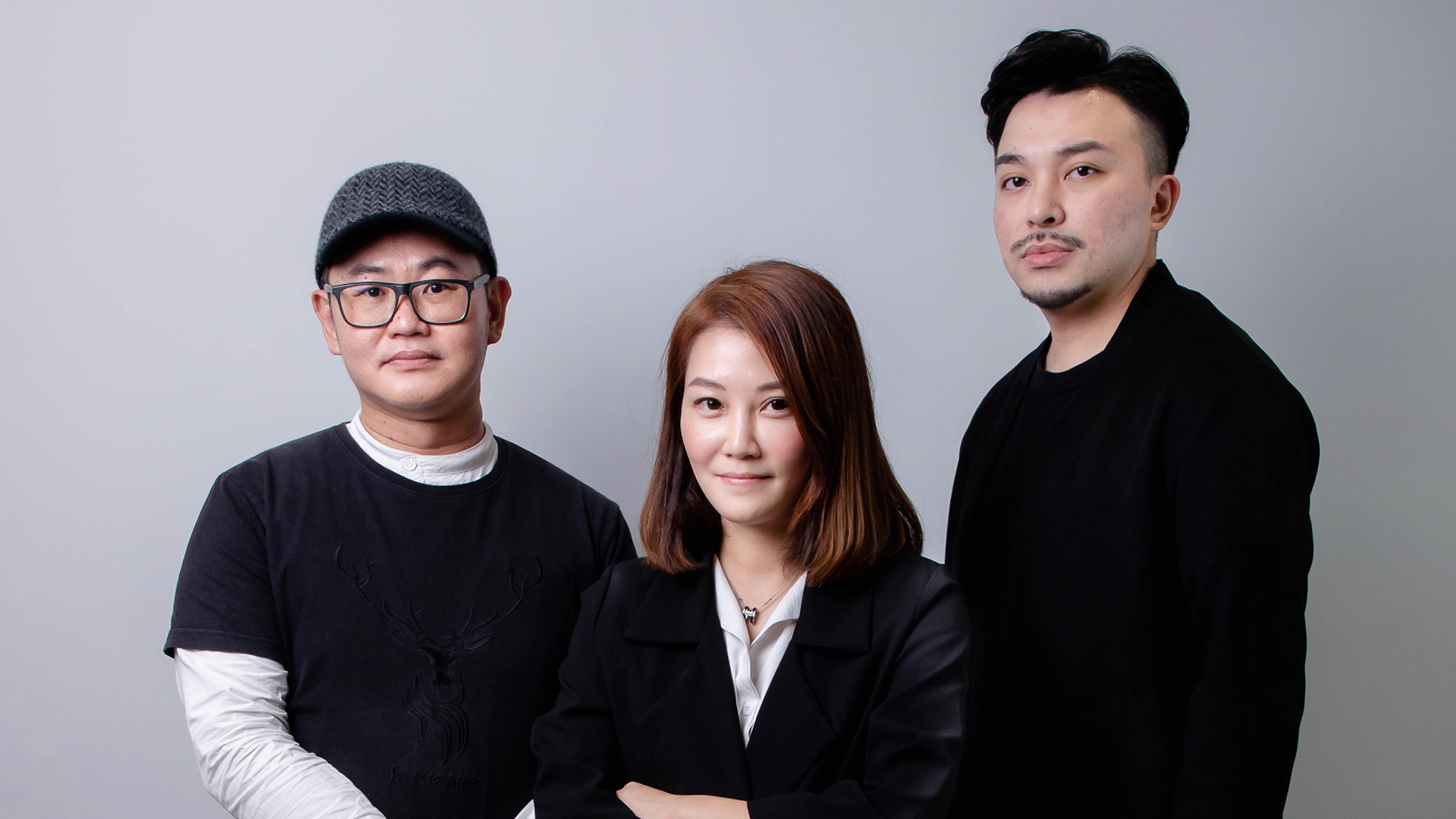
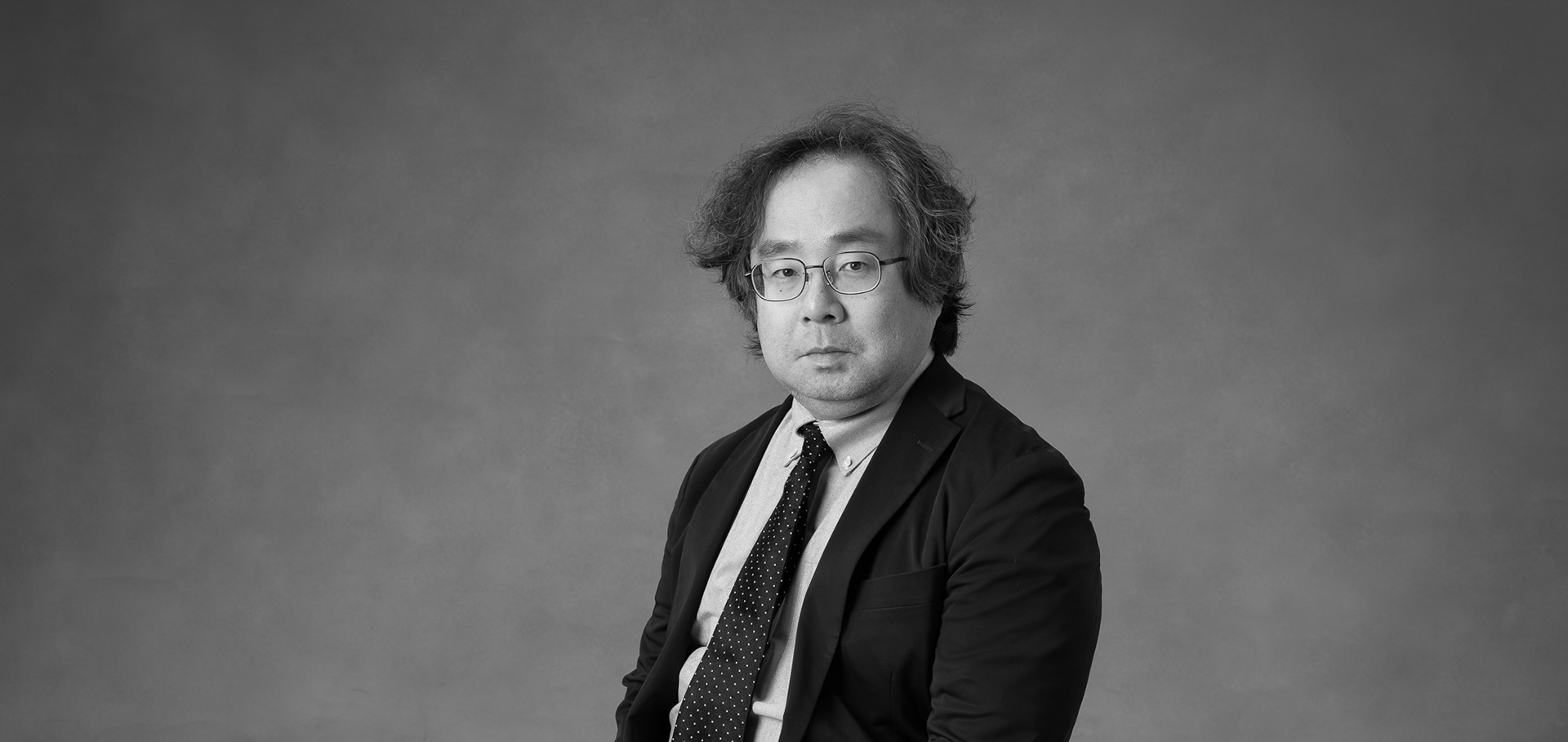
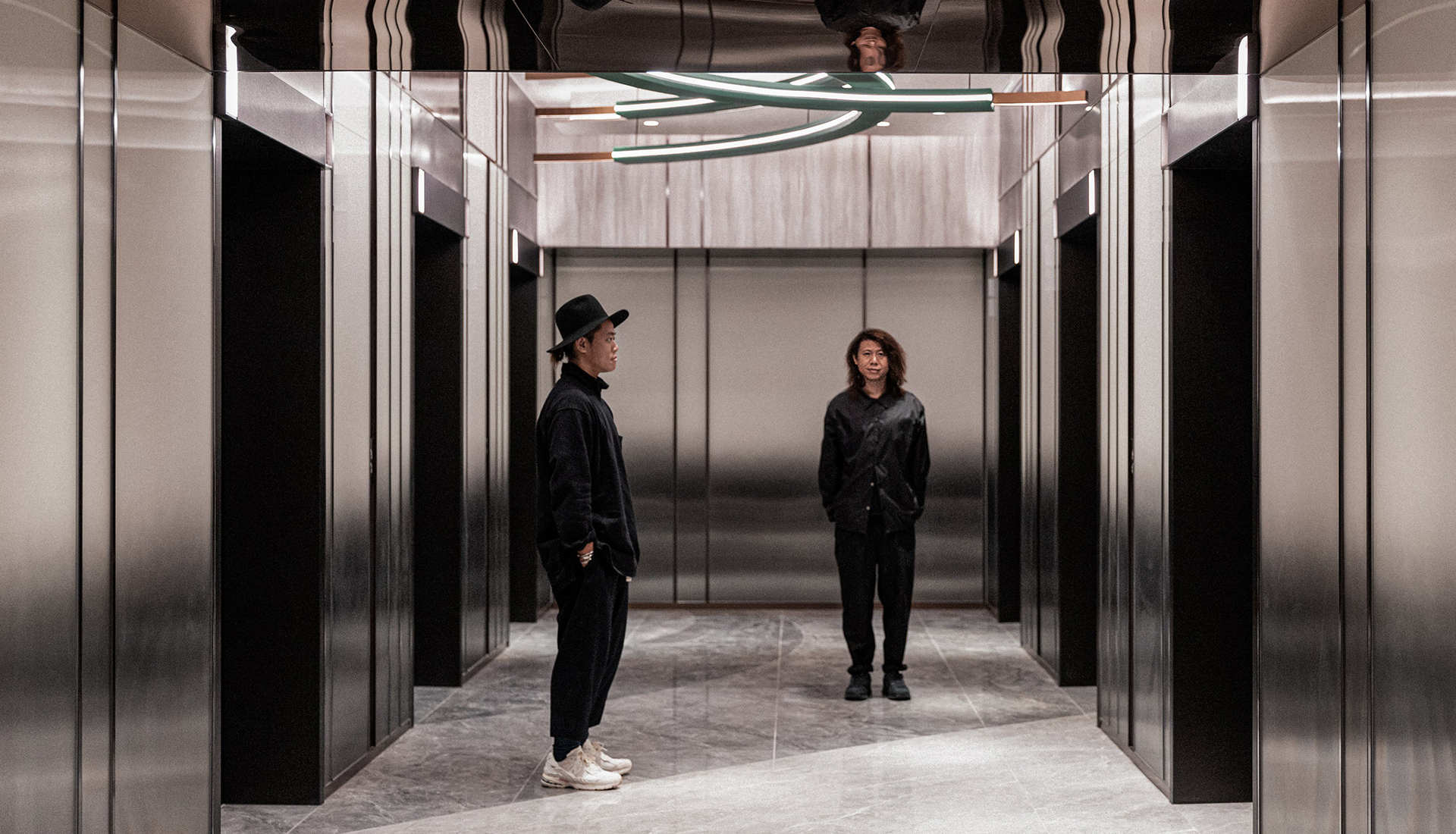
I’m Eric Liu, a design director based in Hong Kong. In 2008, I co-founded Littlemore Interior Design with my partner, Ada Wong. We started with F&B projects and gradually shifted our focus to residential interior design. In every project, we strive to strike a balance between detailed interior elements and the overall spatial experience, ensuring the design feels intuitive and natural for the end user. One of our main priorities is to create spaces that bring comfort and joy to those who inhabit them. We believe interior design should respond closely to the owner and evolve with their lifestyle—making their everyday life a fundamental part of the project. Hearing that our clients are happy and content in their homes brings us the greatest satisfaction.
Please introduce a representative project.
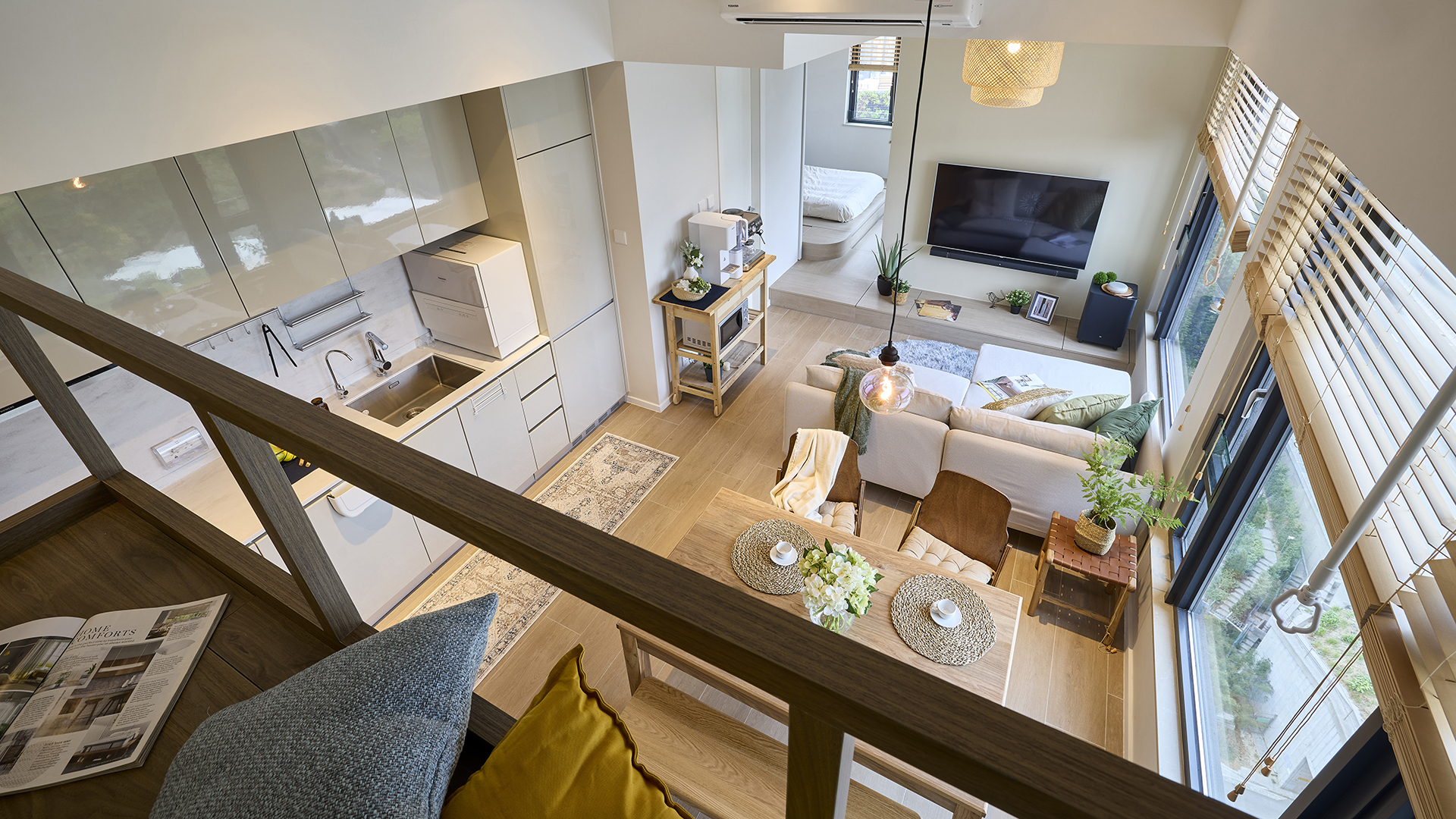
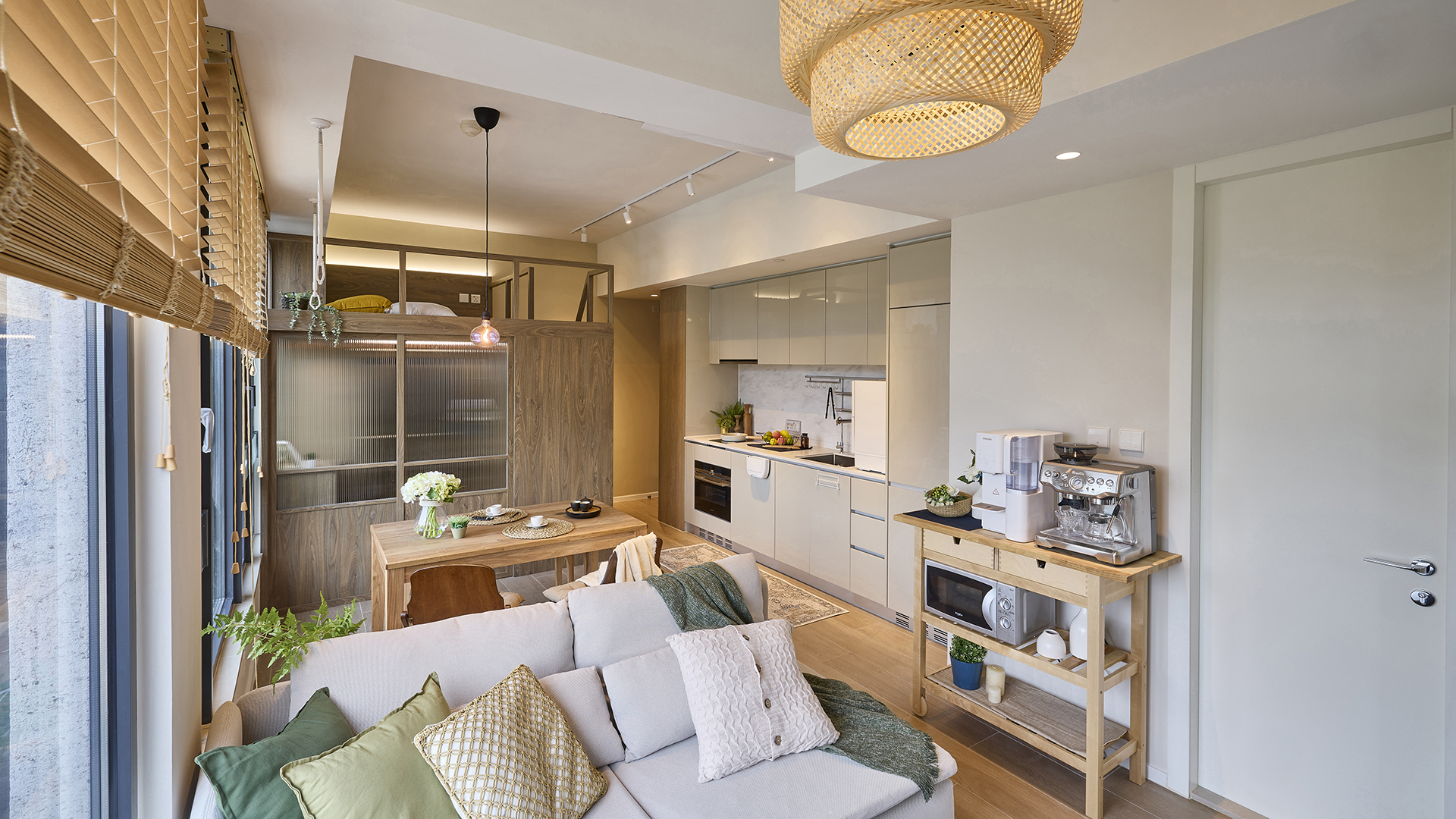
Two of our signature projects—“A Retreatful Ryokan Home” and “Wooden Lookout”—stand out for their transformative floor plan alterations that brought a joyful atmosphere to each home. Ryokan Home was designed for a young family with a baby, focusing on strengthening family interaction and connection with the surrounding greenery. The layout was carefully crafted to allow various activities to unfold naturally, creating an ideal environment for shared happiness. Wooden Lookout introduced a new spatial dimension by elevating a multifunctional platform, allowing the family to fully embrace the apartment’s high ceilings. Rather than using walls to define areas, we shaped the flow of the space with different levels, giving each zone a unique identity.
What was the biggest challenge during the design process?
The greatest challenge was accommodating the clients’ diverse programmatic needs within a limited floor area. For example, in the Wooden Lookout project, we centered the design around a multifunctional wooden box at the rear of the apartment to take advantage of the ceiling height—while keeping the windows unobstructed. This box houses a walk-in wardrobe and makeup area below, while the raised platform above serves as a cozy retreat for reading, relaxing, cat lounging, or even as a guest bed. The stairs double as shoe storage and help define the entryway. Generous storage platforms were seamlessly integrated throughout the living and sleeping areas, while sliding partitions maintained a smooth spatial flow. Every element was carefully designed to organically fulfill the clients’ needs and harmonize with their lifestyle.

You must have met many different clients through various projects. Could you share a memorable story?
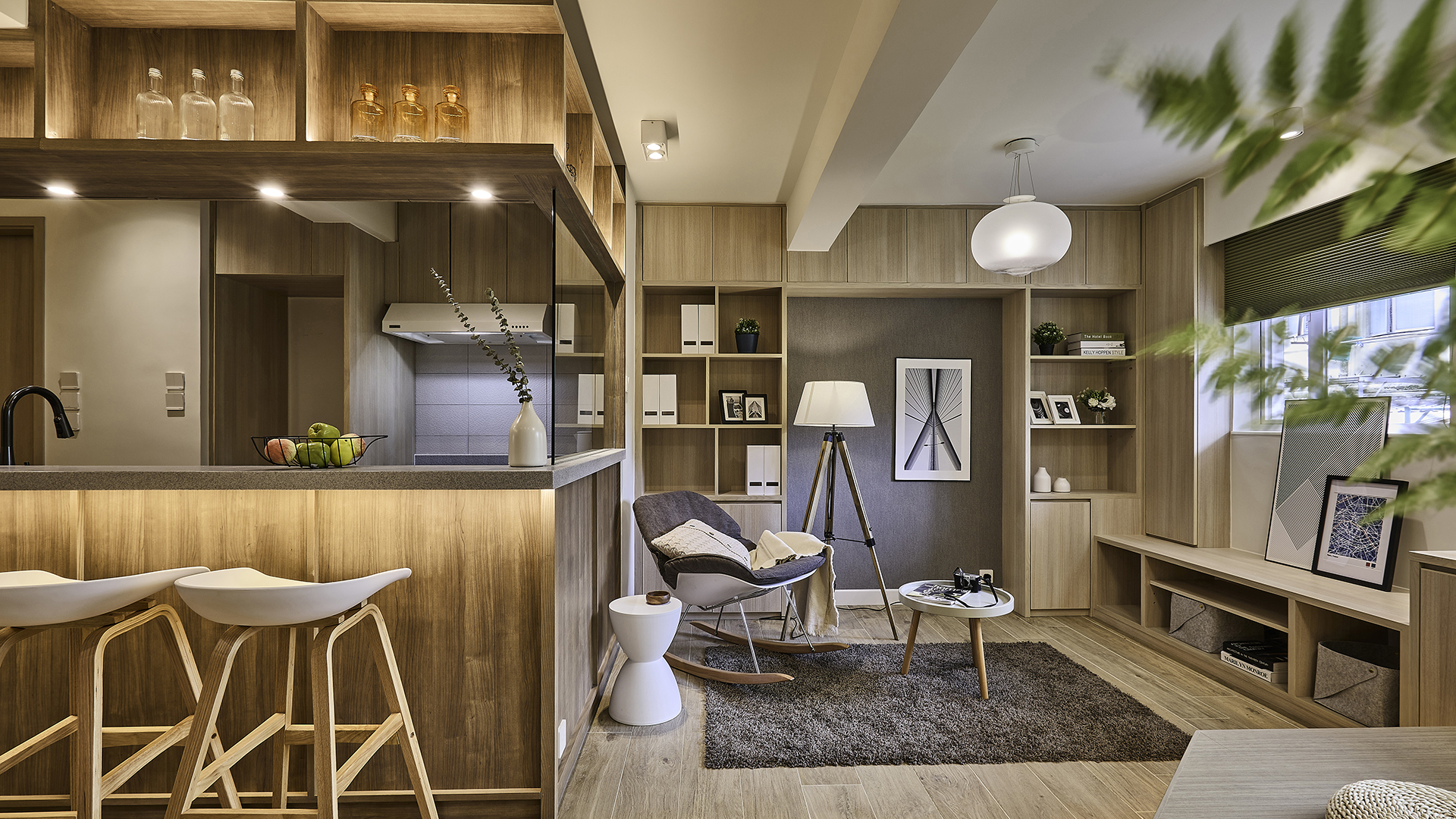
A few years ago, a young couple came to us asking to renovate an old home they had lived in for over 20 years. It was a deeply emotional project—especially for the wife, who had lived there since childhood and had recently lost her father. The home held countless cherished memories of her family. One of her specific requests was to preserve a wall that still bore pencil marks tracking her height as she grew up. Unfortunately, after assessing the condition, we found the wall was structurally too weak to save. Instead, we made it a priority to preserve and incorporate other sentimental items—such as the old sofa, clock, and cabinet—into the new design. These elements were carefully integrated into the renovated space. The project was completed successfully, and the clients were truly pleased. Their new home became a space where cherished memories remained alive while also embracing a fresh beginning.
What message or value do you hope to convey through your spatial design?
We always hope to bring positive energy into people’s lives. In Hong Kong, where Littlemore is based, the pace of life is incredibly fast, and the population density is high—often leading to stress and overwhelming challenges. When we design homes, our goal is to create a peaceful sanctuary where clients can recharge and truly be themselves. It's not about maximizing storage or fitting in as much furniture as possible. What truly matters is whether the space allows people to enjoy life and feel emotionally connected to it. We believe comfort comes from the emotional attachment people have to their space. At Littlemore, we focus on the subtle details that turn a house into something more than just a place—it becomes a personal haven that supports a joyful, free, and comfortable life at every stage.
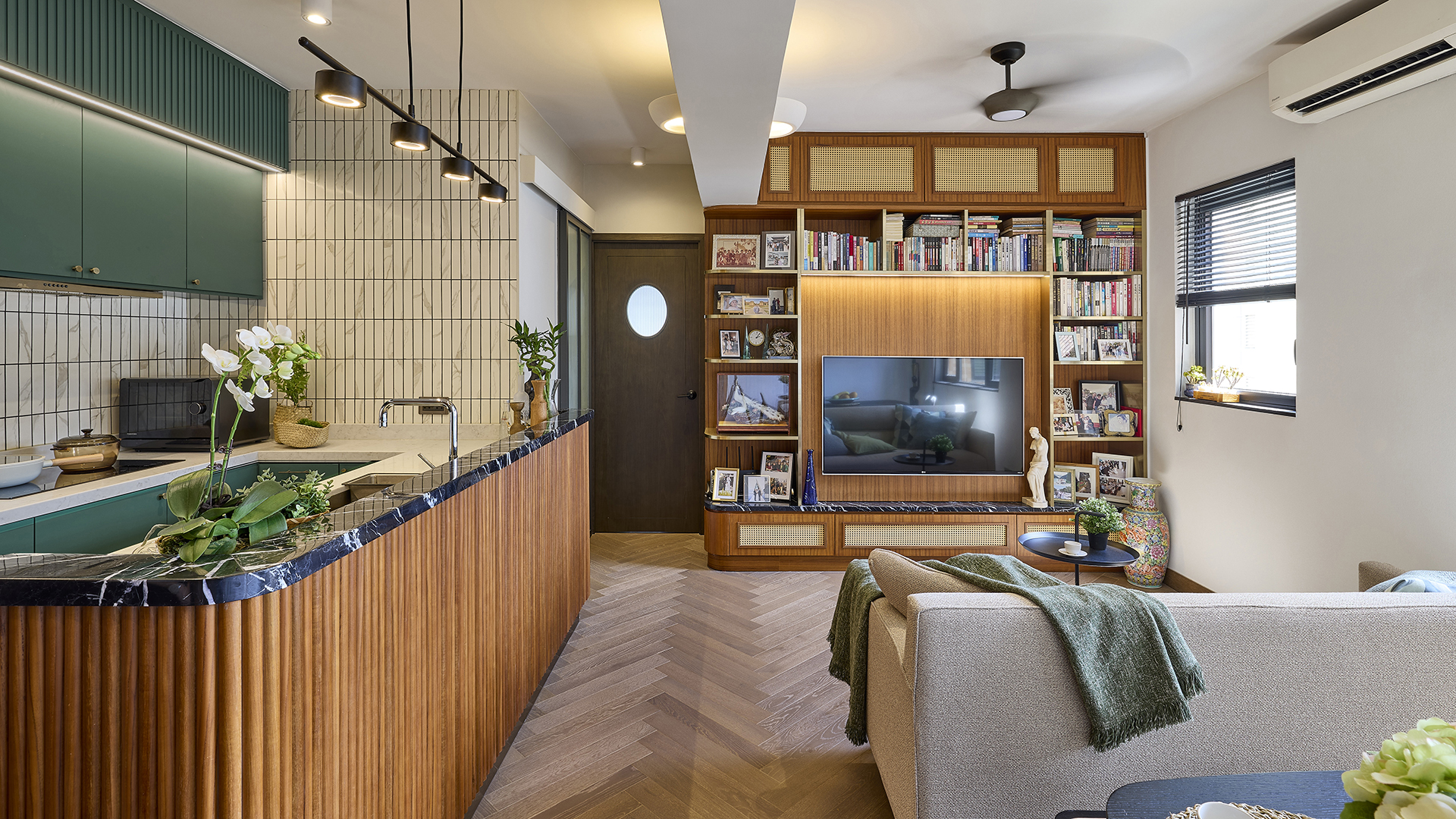

Your residential and commercial projects seem to have very different styles. What criteria do you use to design each type of space?
When we design residential and commercial spaces, we always begin with the purpose of the space and its users. Residential spaces are deeply personal, so it’s important that the design reflects the owner’s lifestyle and preferences. Commercial spaces, on the other hand, must take into account brand identity, spatial efficiency, and in the case of restaurants, factors like the number of tables and turnover rate. While our design approach is fundamentally similar, the details and execution differ depending on the context. Residential spaces are used daily and require more subtle, long-lasting design choices. Commercial spaces, where a customer may only visit a few times a month, often call for stronger visual impressions and more impactful detailing.
What is Littlemore Interior Design’s goal?
We hope that when people think of Littlemore Interior Design, they associate us with joyful moments and comforting spaces. Whether it’s spending time with friends and family or enjoying peaceful moments alone, we want our designs to create meaningful experiences. Looking ahead, we dream of having our studio located in a tranquil setting—perhaps by the sea, in a forest, or even aboard a yacht. Such inspiring environments would help us design homes that truly embody ease and enjoyment. We also value building friendly, collaborative relationships with our clients, ensuring the design process is satisfying and engaging. Ultimately, our goal is to create spaces that offer comfort and inspiration, and we hope to continue working with more clients in serene, nature-filled locations in the future.














#14057, 905 49, Beolmal-ro 102beon-gil,
Dongan-gu, Anyang-si, Gyeonggi-do, Korea
Business Registration Number: 454-86-01044
Online Sales License No.: 2021-Anyang Dongan-1081
Copyright © DESIGNSORI Co., Ltd.