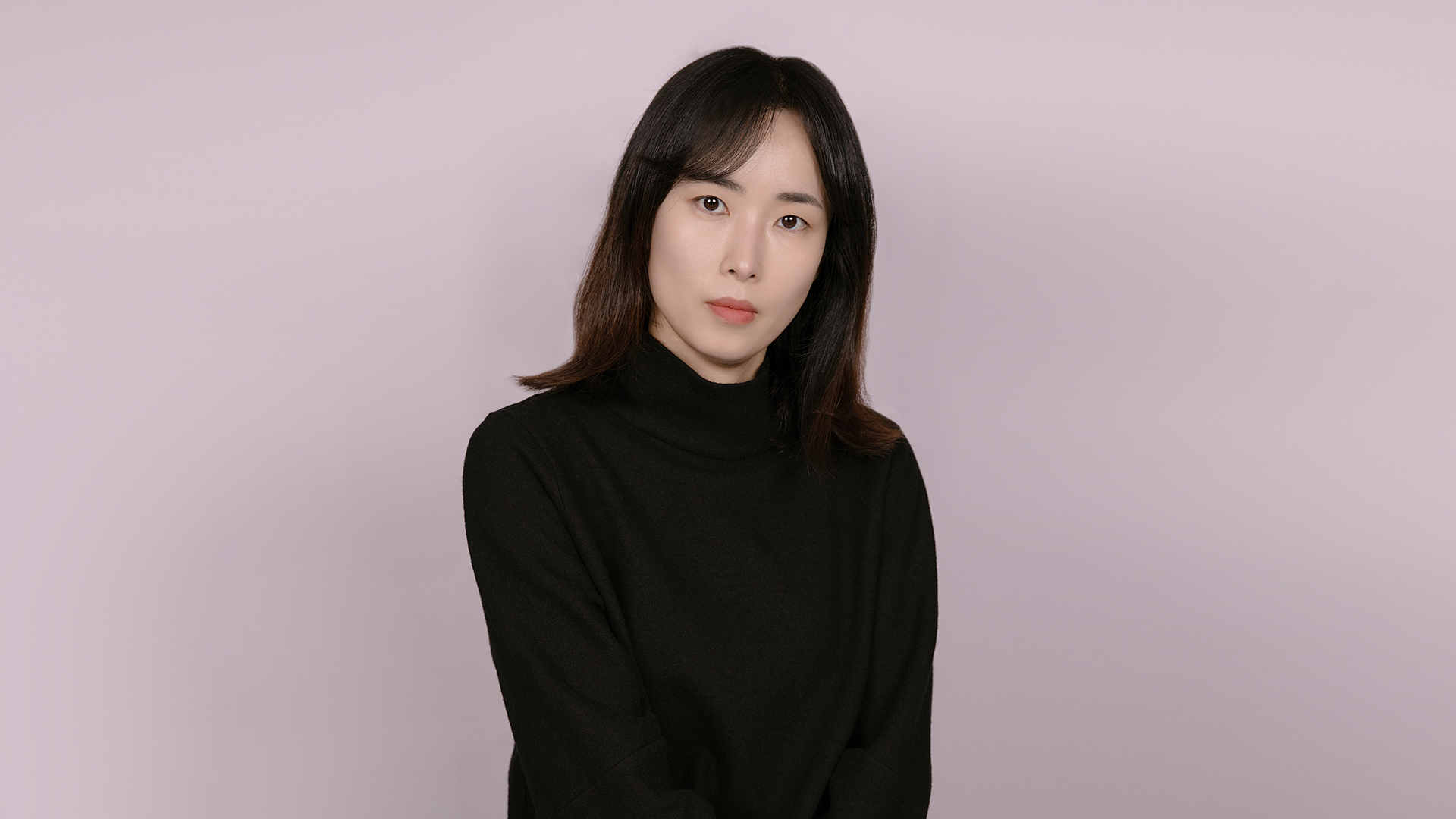
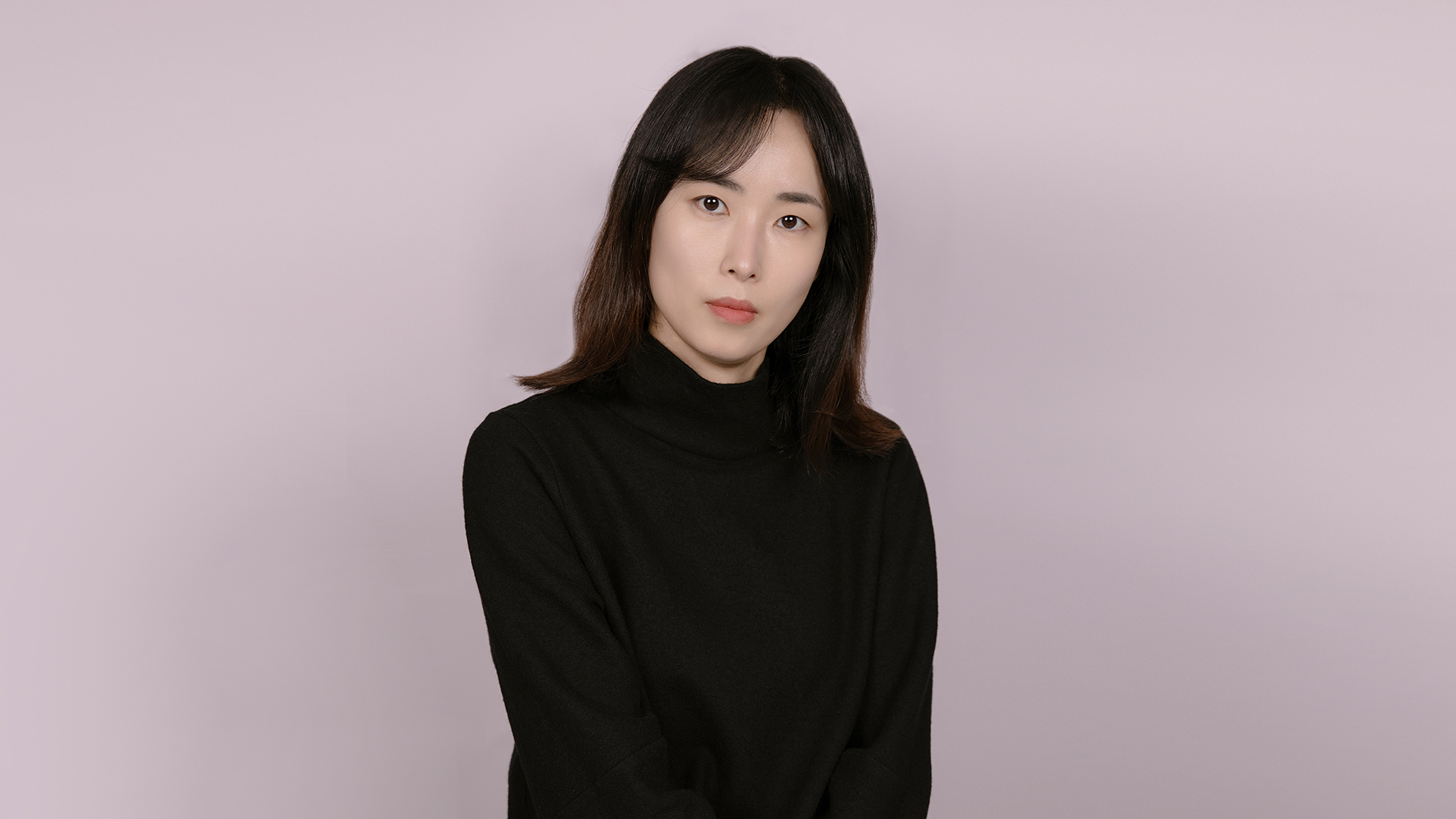
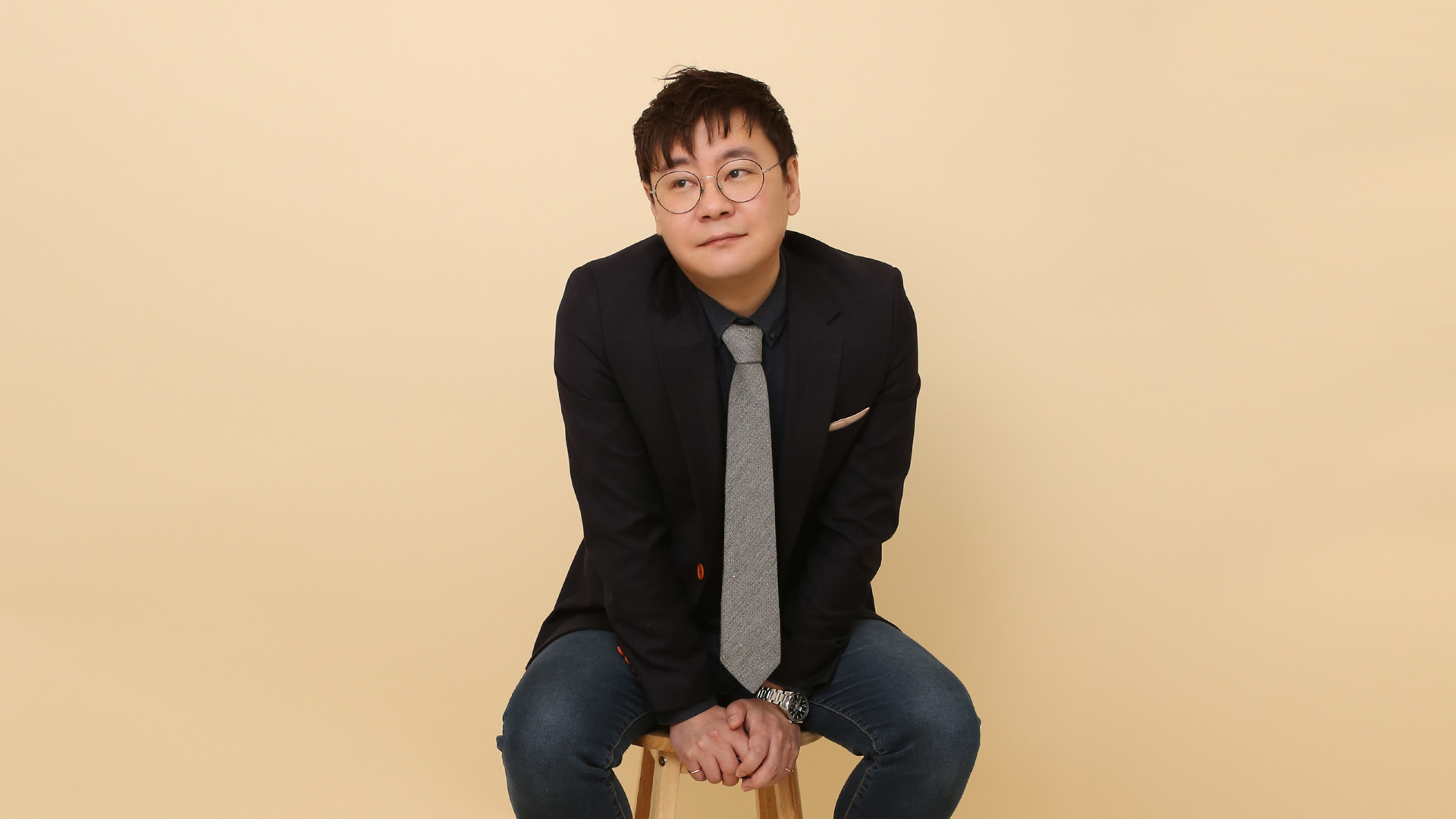
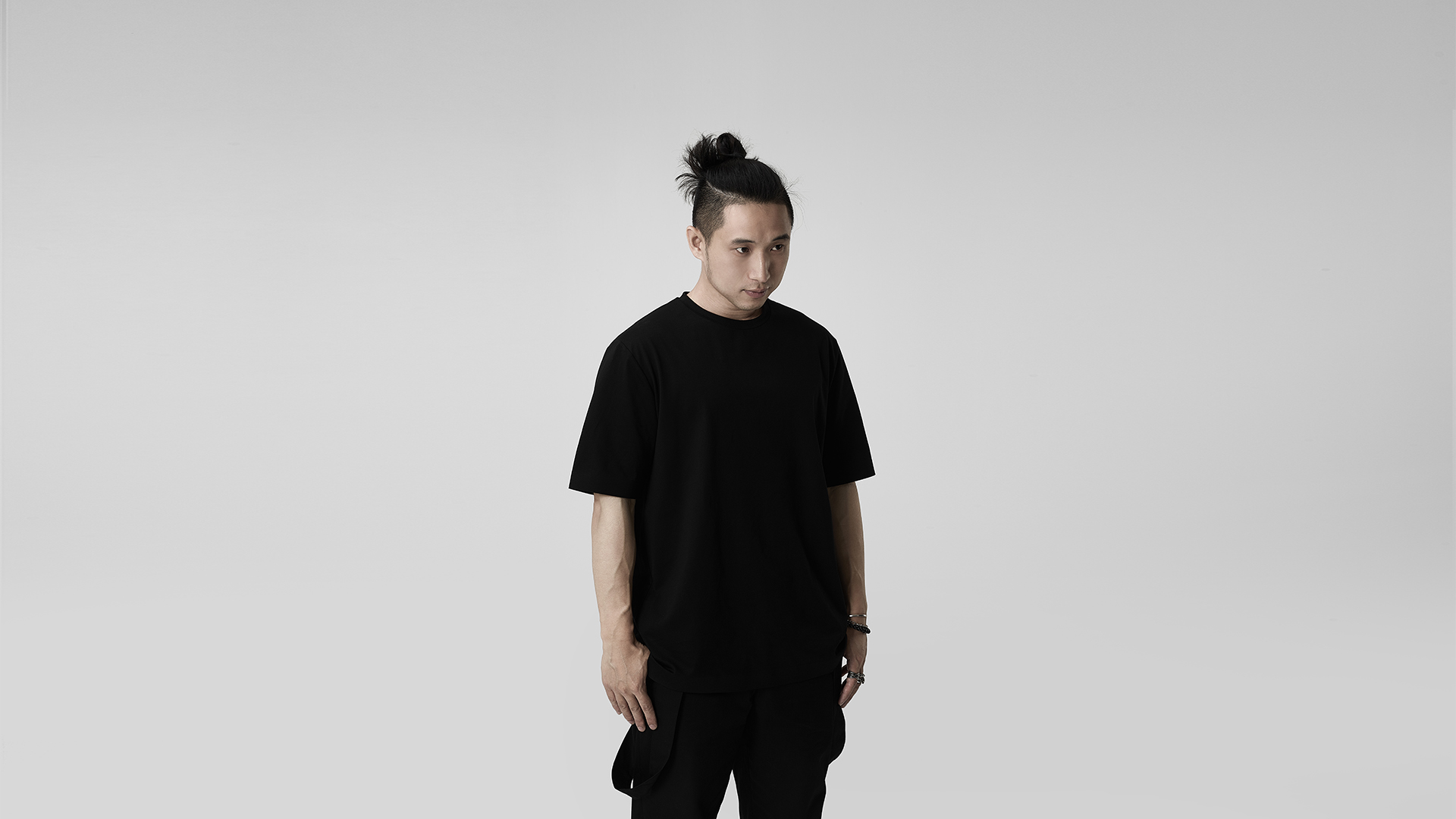
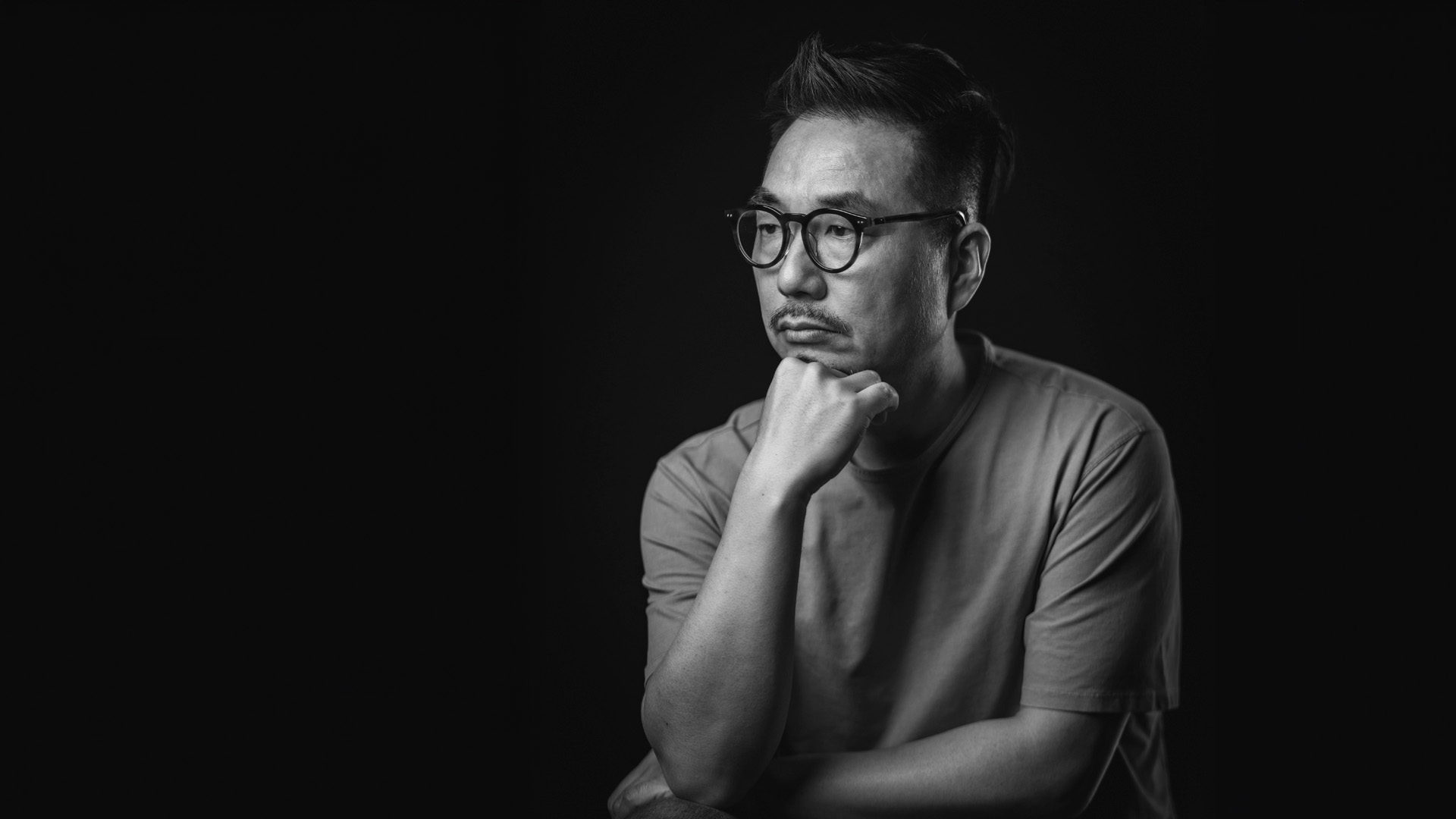
Hello, I’m Miyoung Cho, a designer and project manager at MOABO. I studied architecture and furniture design in Italy, where I was trained in an engineering-focused program that emphasized industrial and structural processes. Being immersed in a country renowned for design allowed me to see and experience a wide range of aesthetics, which has become one of my greatest assets. At MOABO, I feel I’ve come to embody the idea that “beauty is the ultimate function.” With a founder who has a deep appreciation for art and Italian culture, and myself being a designer rooted in engineering and a love for furniture, our differing perspectives often lead to varied opinions during the creative process. However, it’s precisely these differences that bring about strong synergy, as we always reach a powerful consensus in the final stages.
At MOABO, every piece of furniture is treated as a work of art. We are uncompromising in our pursuit of perfection, investing generously to achieve a level of craftsmanship that meets European standards.
Please share one of your most memorable achievements or experiences.
The Poel Table began with a design sketch I created several years before MOABO was founded. It featured the thinnest possible top and legs—reducing the essential elements of a table to their most minimal form. When we began seriously preparing to launch the brand, we revisited this early concept and refined the proportions and materials through several rounds of discussion. After digital simulations suggested the design was structurally sound, we met with manufacturing partners to begin production—only to discover that the reality was far more complex. Many factories told us it was impossible due to machinery size constraints, unfamiliar fabrication techniques, or simply because the design was too unconventional.
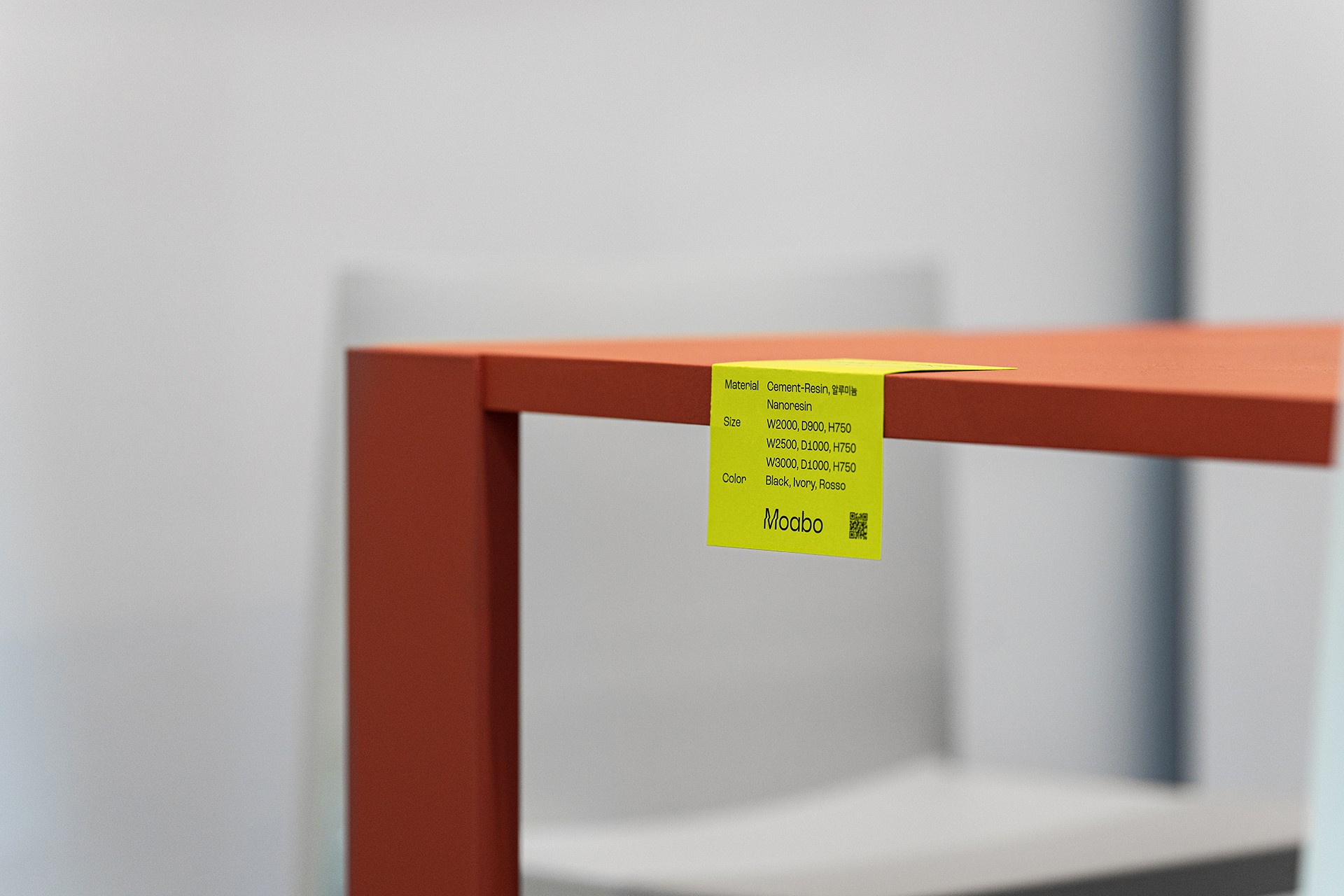
Despite all the "no’s," our founder’s unwavering belief in the piece kept the project alive. Fortunately, we encountered a few key collaborators who were intrigued by the design and willing to take on the challenge. Even with this “dream team,” new technical issues arose at every stage. We traveled throughout Seoul, Gyeonggi, and Chungcheong Province creating multiple prototypes. When we finally received news that the final version was ready, I rushed to Hwaseong to physically test its durability and finish. For the table’s surface, we used cement resin—a material typically seen in high-end European furniture. It required intensive hand-finishing, and we had to go through several rounds of adjustments to achieve the desired quality.
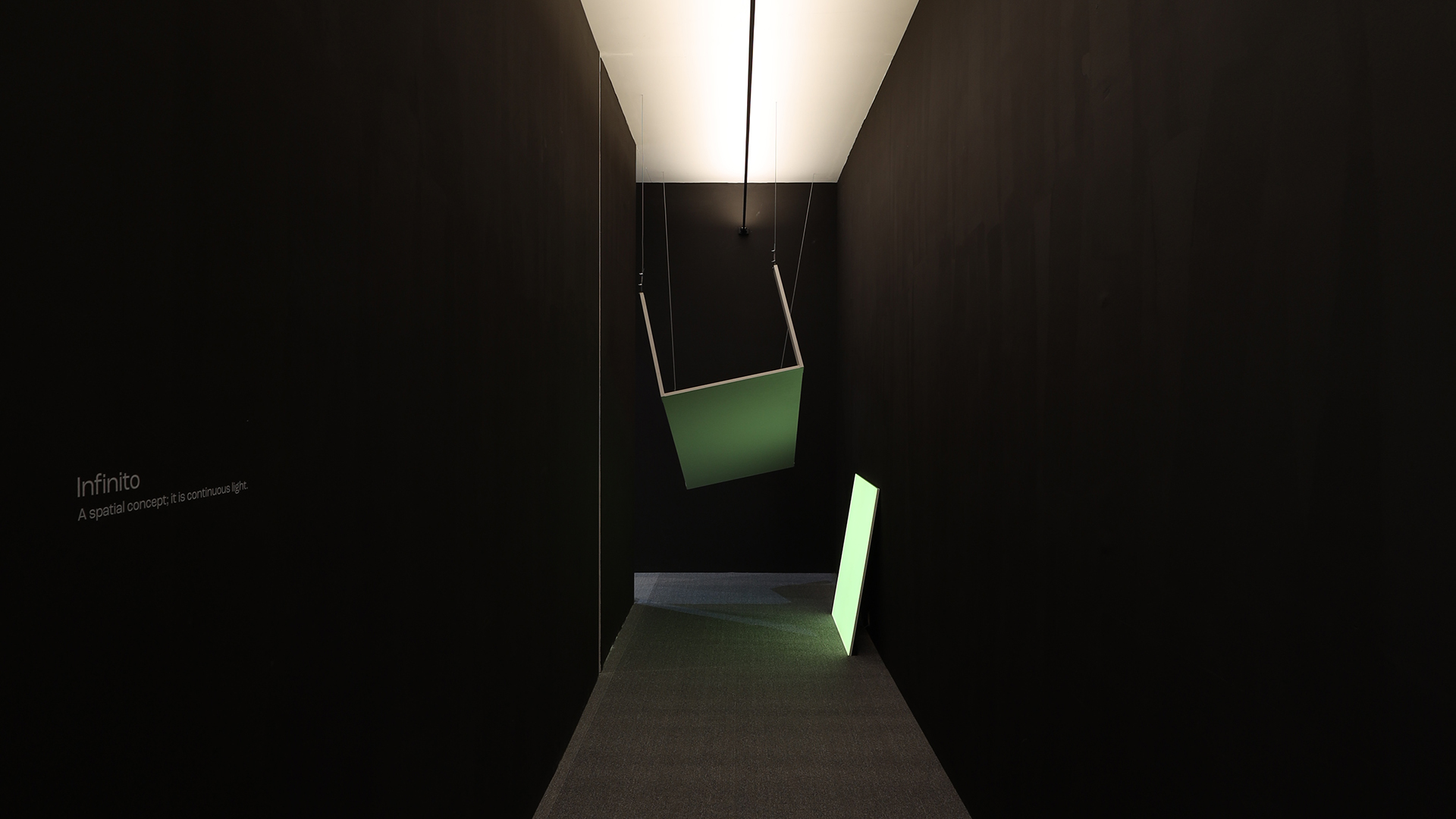
We wanted more than just internal satisfaction—we needed to hear feedback from experts and the public directly. So we presented the Poel Table at the 2023 Seoul Living Design Fair, where it became the centerpiece of our exhibition. A bold 3-meter red table was placed at the front to emphasize its length, and in a separate dimly lit space, we hung the table upside down. What may have appeared to be an unusual display was, in fact, a deliberate choice to highlight the beautifully clean underside of the table—like a minimalist canvas—and to showcase its impressive lightness. It was a statement of confidence in both form and function.
Could you share your creative process? What is MOABO's design workflow like?
At MOABO, we usually distinguish between the designs we want to do and the designs the market demands. For the former, there’s always a risk of becoming too immersed in one’s own vision. So after establishing the basic design direction and conducting structural reviews, I make it a point to consult with professionals from various fields—such as factories and material suppliers—to gain practical insights. In most cases, production realities like efficiency or manufacturing limitations require design modifications. However, thanks to the support of our founder—who is also a designer—we are often able to persist and explore alternative solutions, even when mass production seems difficult.
We frequently build detailed models with slight variations in the design to test and refine our ideas. Once we feel that the design holds up from every angle, we begin evaluating its feasibility, production costs, and marketing appeal. Our workflow typically goes through the following steps:
Market research → Design sketch → Structural review → Production meetings → Design adjustments → Prototyping → Feedback → Production.
While it’s impossible to completely separate design from commercial viability, I strive to stay informed on broader trends beyond the furniture industry. Still, even within these constraints, we do our best to preserve MOABO’s unique brand identity throughout every stage of the process.
What is the meaning and direction of the design you pursue?
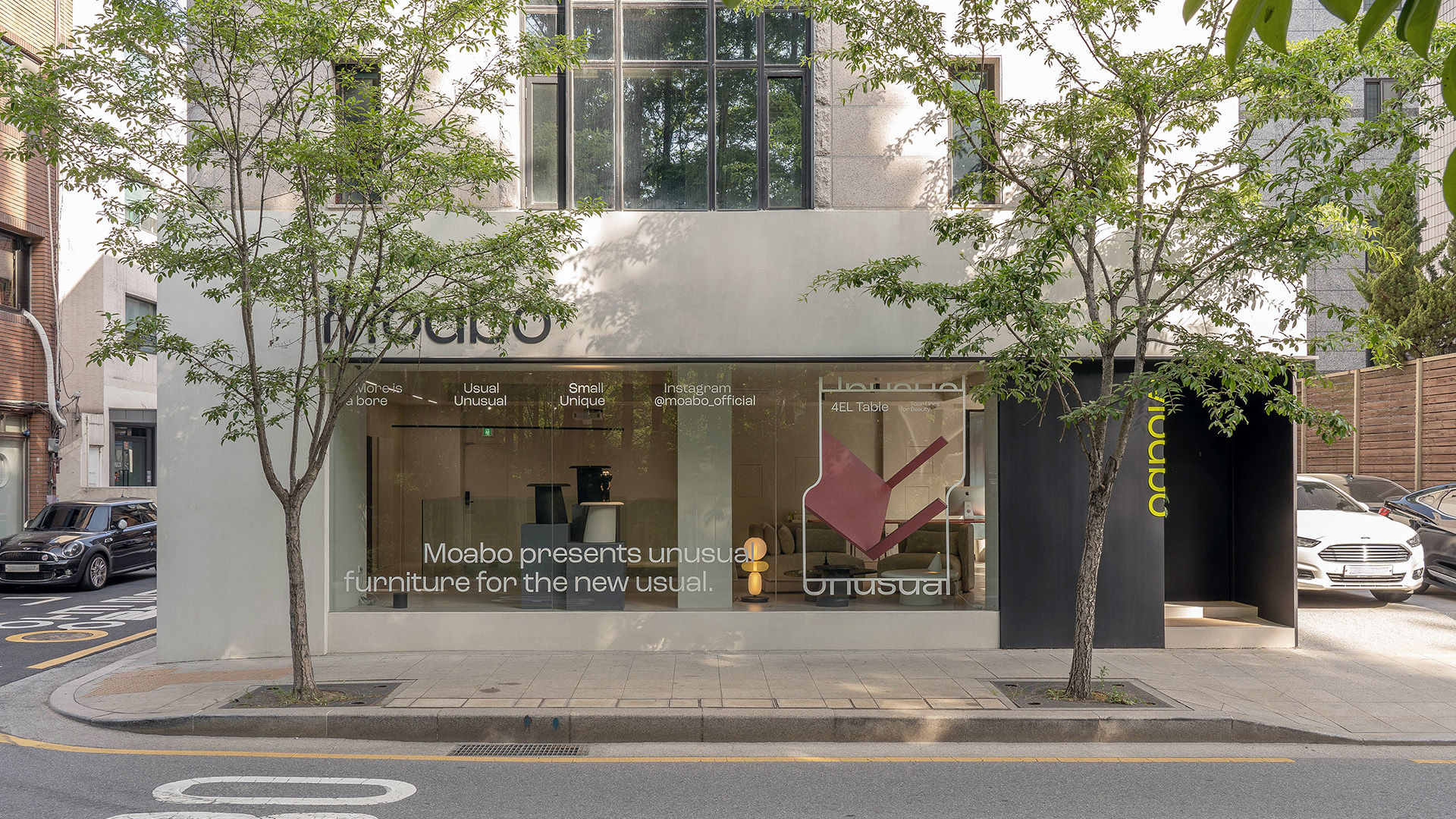
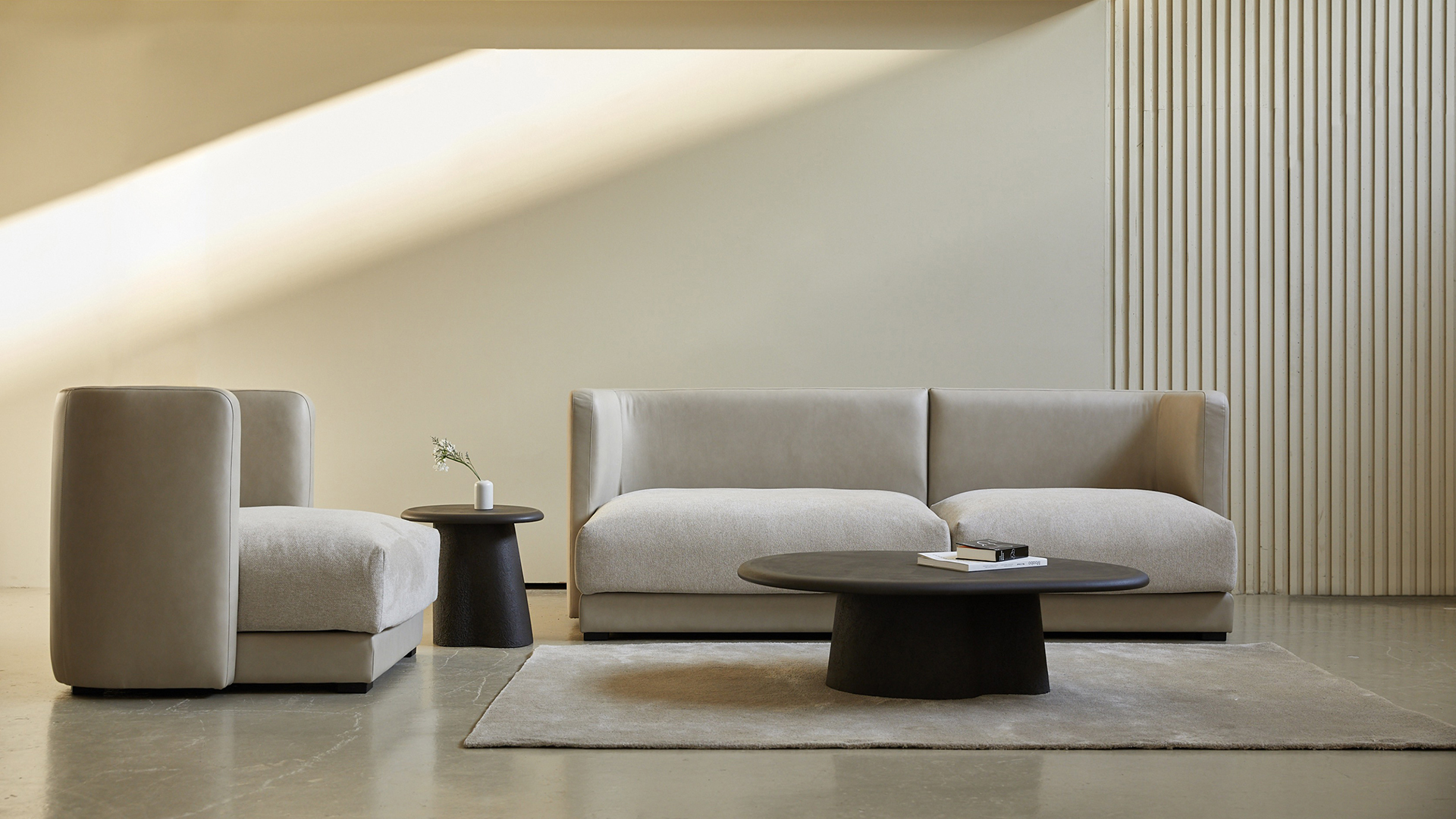
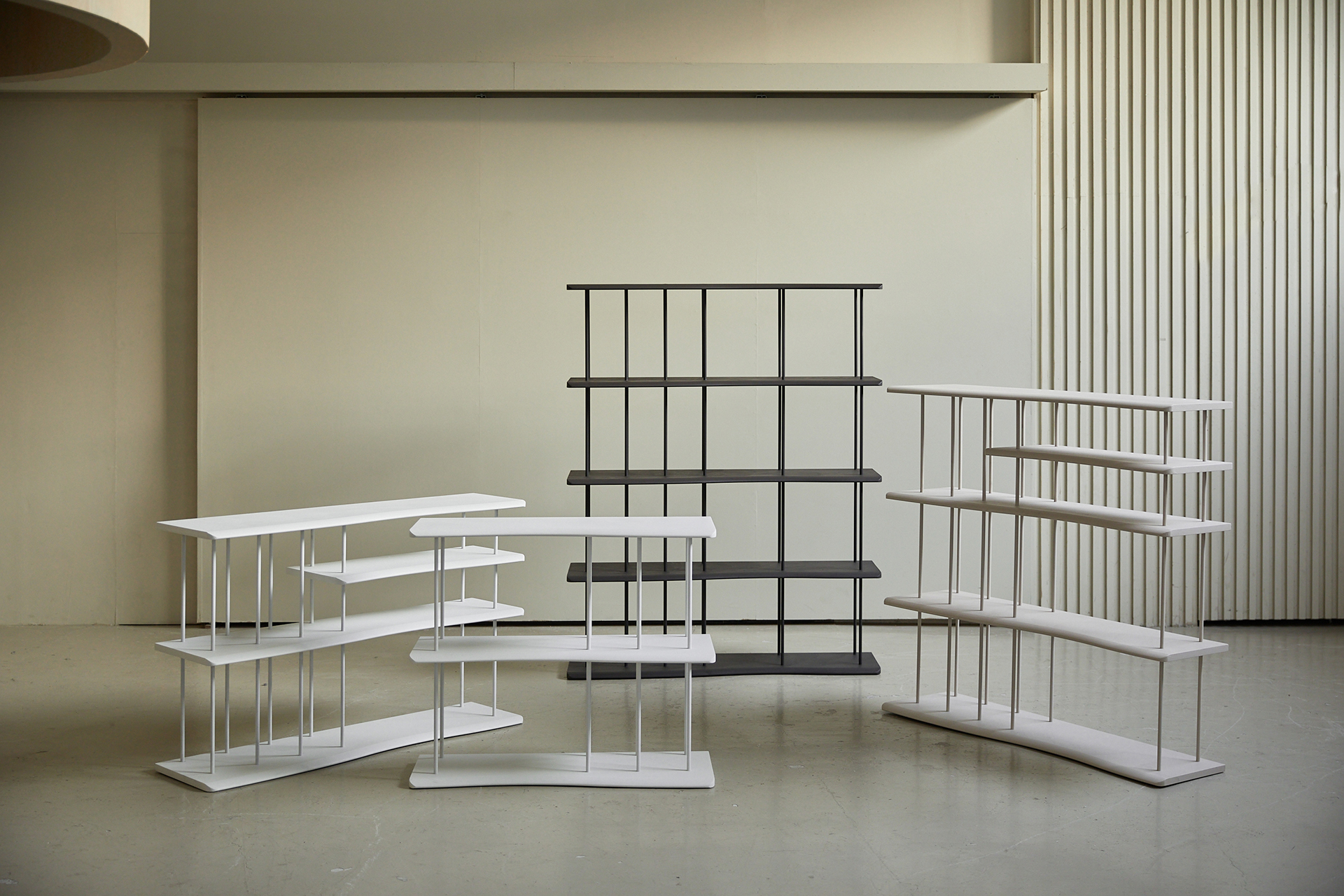
"More is a bore!" MOABO’s name reflects our philosophy of minimalism. It's a tongue-in-cheek twist on the phrase "Less is more," reinterpreting the counter-message "Less is a bore and more is more" with a bit of wit. Our brand slogans—Small Unique and Usual Unusual—represent our aim to create refined, minimal designs that are anything but boring, always with a subtle yet striking edge.
Rather than embellishing with decorative elements, we pursue restraint—stripping away the unnecessary. While it may sound simple, designing within essential constraints, resolving structural challenges, and navigating production realities are far from easy. We consciously step away from overused design tropes, easily manufactured forms, and conventional methods. Through constant exploration and experimentation, we aim to ensure that even challenging ideas are attempted and brought to life—never left behind just because they’re hard to make. Though it can be a more difficult path, we believe design is not art—it must resonate with and be embraced by others. That’s why we strive to create designs that are not just personally fulfilling but widely appreciated.
Are there any brands or media you’ve recently found inspiring?
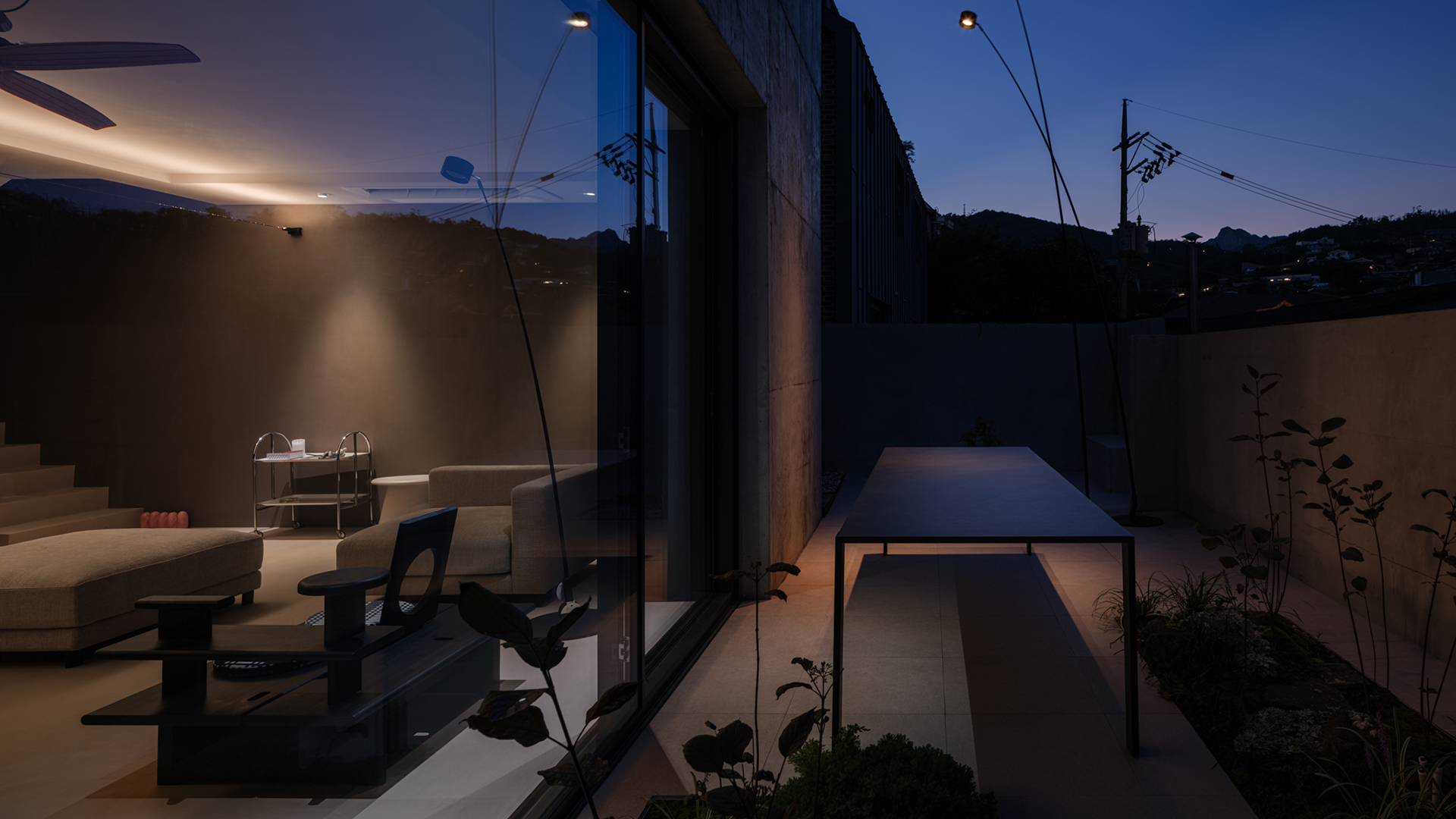
Lately, I've been diving into the work of Davide Groppi (both the brand and the designer) and Elisa Ossino. Groppi’s designs are architectural and minimal, yet filled with unexpected moments of wonder—his pieces pair beautifully with MOABO’s furniture, so I find myself referencing his work often. I especially admire how he prefers the phrase “I invent” over “I design,” which shows a refreshing and thought-provoking mindset. As for Elisa Ossino, I kept noticing her name popping up as the designer behind standout pieces for brands like Cimento and Dieffebi. Her use of color and the way her pieces integrate harmoniously into spatial compositions—rather than standing alone—really leaves an impression.
Among the many great brands out there, I was recently blown away by Desalto’s latest catalog. Their approach of renewing existing pieces with fresh finishes, or incorporating industrial elements like H-beams into table designs, felt incredibly fresh. Even the catalog itself—its photography, use of textures like stone and foliage, and refined graphic design—reminded me how every detail contributes to how a product is perceived and elevated. As for media, Archiproducts is a favorite. It’s especially helpful for browsing European high-end furniture and lighting across categories, and it’s always up to date.
Do you have a personal design philosophy or belief as a designer? And what is your vision for the future?
As the boundaries of design continue to blur—between furniture, space, product, and graphics—I’d like to share my thoughts from the perspective of a furniture designer, since that is where my work often begins. I believe that furniture, being intimately connected to the human body, must above all be safe. While it varies from person to person, we spend the most time in our lives on beds, and much of the remaining time at tables, seated in chairs to study or work. Safety, therefore, is the most essential element when designing furniture.
The second most important value is beauty. Since we spend so much of our lives with furniture, I want to enhance people’s quality of life by making that time more beautiful. When we see something well-designed and visually pleasing, we naturally feel drawn to it—it makes us feel happier. I want to be a designer who can create and share that happiness through beautiful objects. Looking ahead, I hope to nurture my team and support younger designers, expanding the space where people who love design can gather, create meaningful products, and share their thoughts. Ultimately, if I can contribute to bringing greater recognition to Korean furniture design on the global stage, that would be the greatest honor.












#14057, 905 49, Beolmal-ro 102beon-gil,
Dongan-gu, Anyang-si, Gyeonggi-do, Korea
Business Registration Number: 454-86-01044
Online Sales License No.: 2021-Anyang Dongan-1081
Copyright © DESIGNSORI Co., Ltd.