
For a small brand, the first thing to secure in the market is not capital or technology. It is trust. Capital can run short and technology can be copied. Trust cannot be won overnight, yet once it is earned it becomes a powerful asset. The strongest lever a small brand holds is how quickly and how deeply it can build that trust. Trust begins at the very first point of contact. In its early days, Baedal Minjok, known as Baemin, could not match the spending power of larger rivals. Instead, it spoke to customers with honest and witty language and made its attitude visible in every touchpoint. People were not only ordering food. They were responding to a philosophy and a sense of sincerity. Those experiences accumulated into repeat visits, and over time trust became the brand’s growth capital. For a small brand, steady tone and honest messages outperform flashy campaigns. Trust is the most reliable way to build advantage.
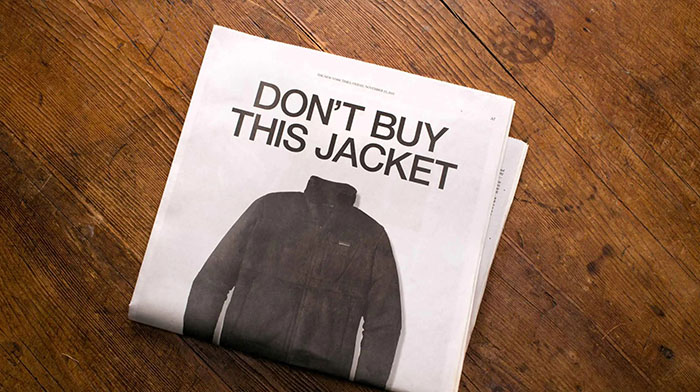
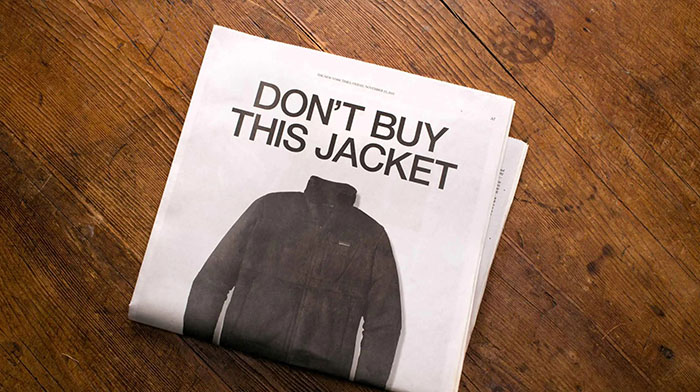
< Image source: Patagonia >
Patagonia in the United States took “environmental protection” beyond a slogan and made it an operating principle. The famous message “Do not buy this jacket” is a case in point. The line surprised consumers, yet it carried a consistent philosophy. In the short run it could have depressed sales. In practice, customers trusted the brand more, and a highly loyal base formed over time. When philosophy becomes action, trust converts into enduring equity.
MUJI in Japan shows a similar logic. The company has stayed true to the idea of a “brand without a brand.” Instead of loud logos or inflated claims, it focuses on the essential value of the product. Customers do not simply buy goods. They align with a way of living that removes the unnecessary and pursues the essential. Trust is built through repeated experiences, and for smaller brands that authenticity is felt even more strongly.
Allbirds in New Zealand is another clear example. Many brands talk about sustainability, but Allbirds applies it in materials, production, and even distribution. When customers wear Allbirds, they feel they are participating in a sustainable value chain, not just purchasing shoes. That trust allowed Allbirds to earn presence in a market dominated by global sports companies.
Trust does not come only from product quality. It is formed through attitude, philosophy, and action. When a small brand puts trust at the center, that trust compounds over time and becomes a powerful asset. Trust is not simply a good reputation. It is a contract and a promise between brand and customer. Does the product deliver the quality it claims. Does the service respect the customer’s time. Does the brand hold to its principles in moments of pressure. A large company can sometimes recover from mistakes with capital. A small brand cannot. That is why it must protect trust with even greater discipline. The authenticity forged in that process becomes competitive strength. This remains true in the age of AI. Technology is accessible to all, and products and content appear and disappear overnight. Trust cannot be copied. The promises you keep today and the philosophy you uphold today remain your assets tomorrow. In a fast changing world, trust is the safety net that sustains a small brand.
The conditions for survival can be summarized in three priorities. Trust over capital. Consistency over scale. Sincerity over speed. These are not slogans. They are operating standards. A brand that turns trust into an asset does more than survive. Its influence grows with time. A small brand today can become a leading voice tomorrow if it accumulates authentic trust. The essential question every small brand must ask is this. How are we building trust. A brand that can answer that question already holds the foundation for growth. Trust is the strongest and most enduring advantage. The path from small brand to super micro brand begins with trust.




















#14057, 905 49, Beolmal-ro 102beon-gil,
Dongan-gu, Anyang-si, Gyeonggi-do, Korea
Business Registration Number: 454-86-01044
Online Sales License No.: 2021-Anyang Dongan-1081
Copyright © DESIGNSORI Co., Ltd.