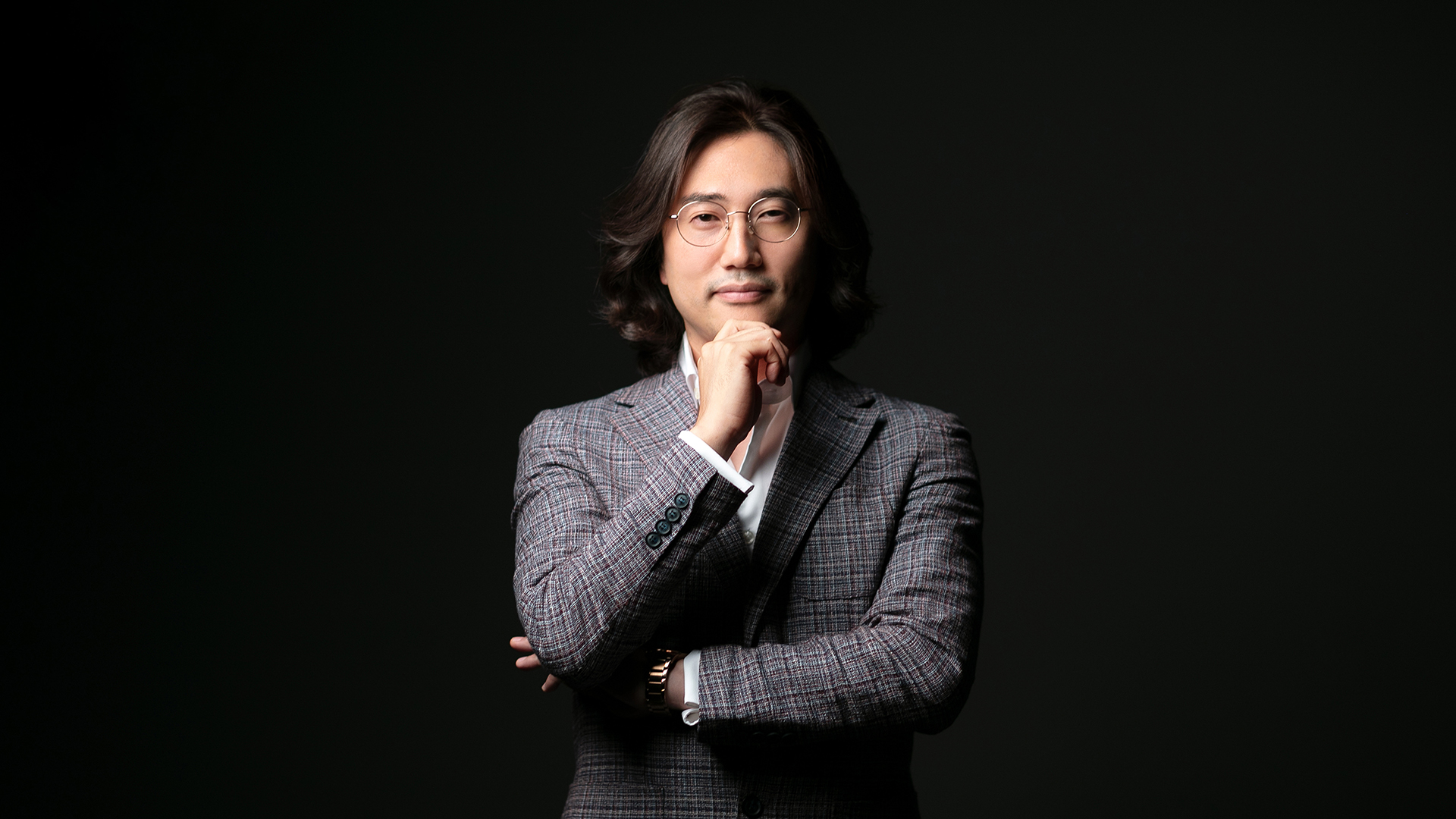
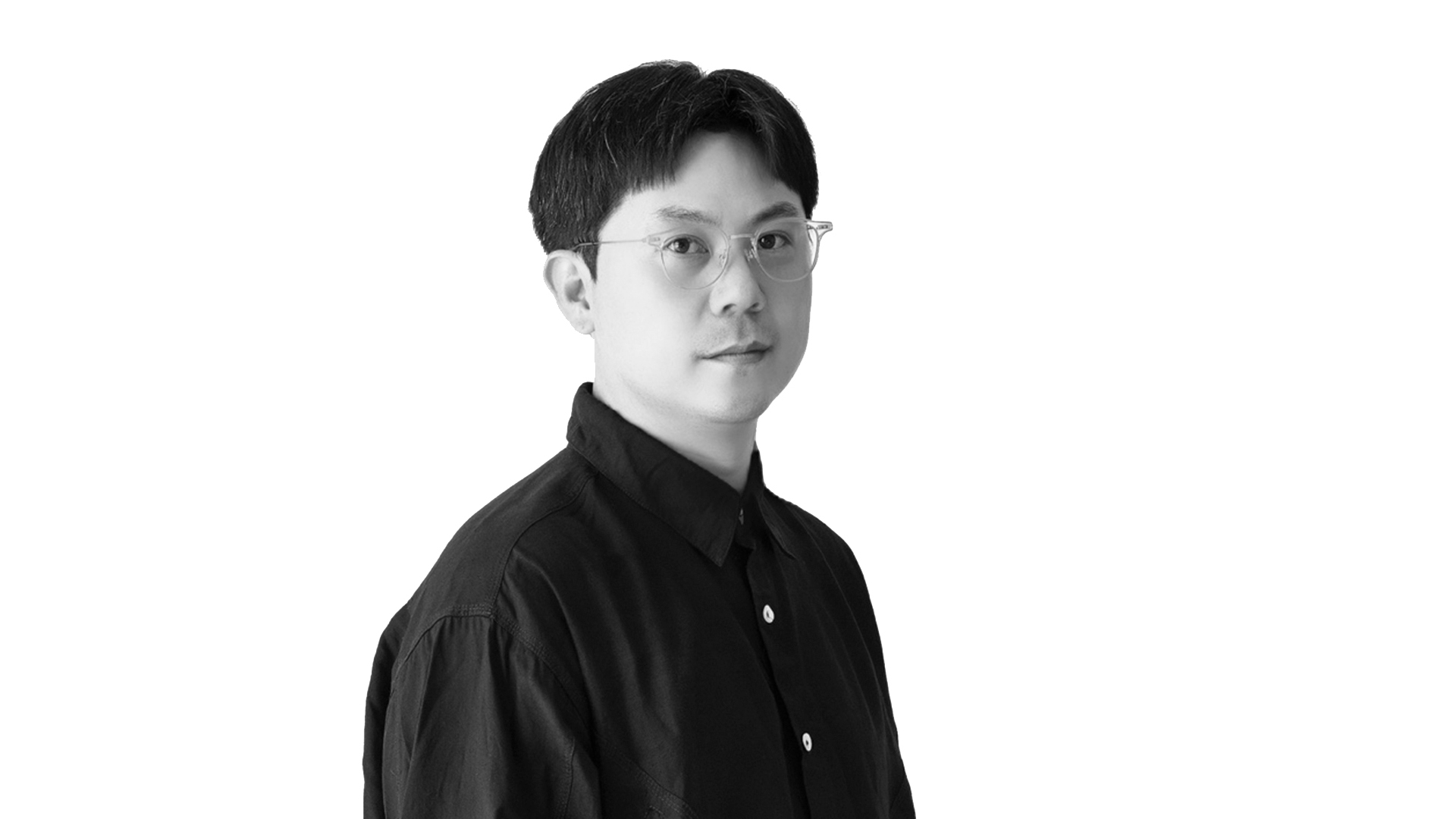
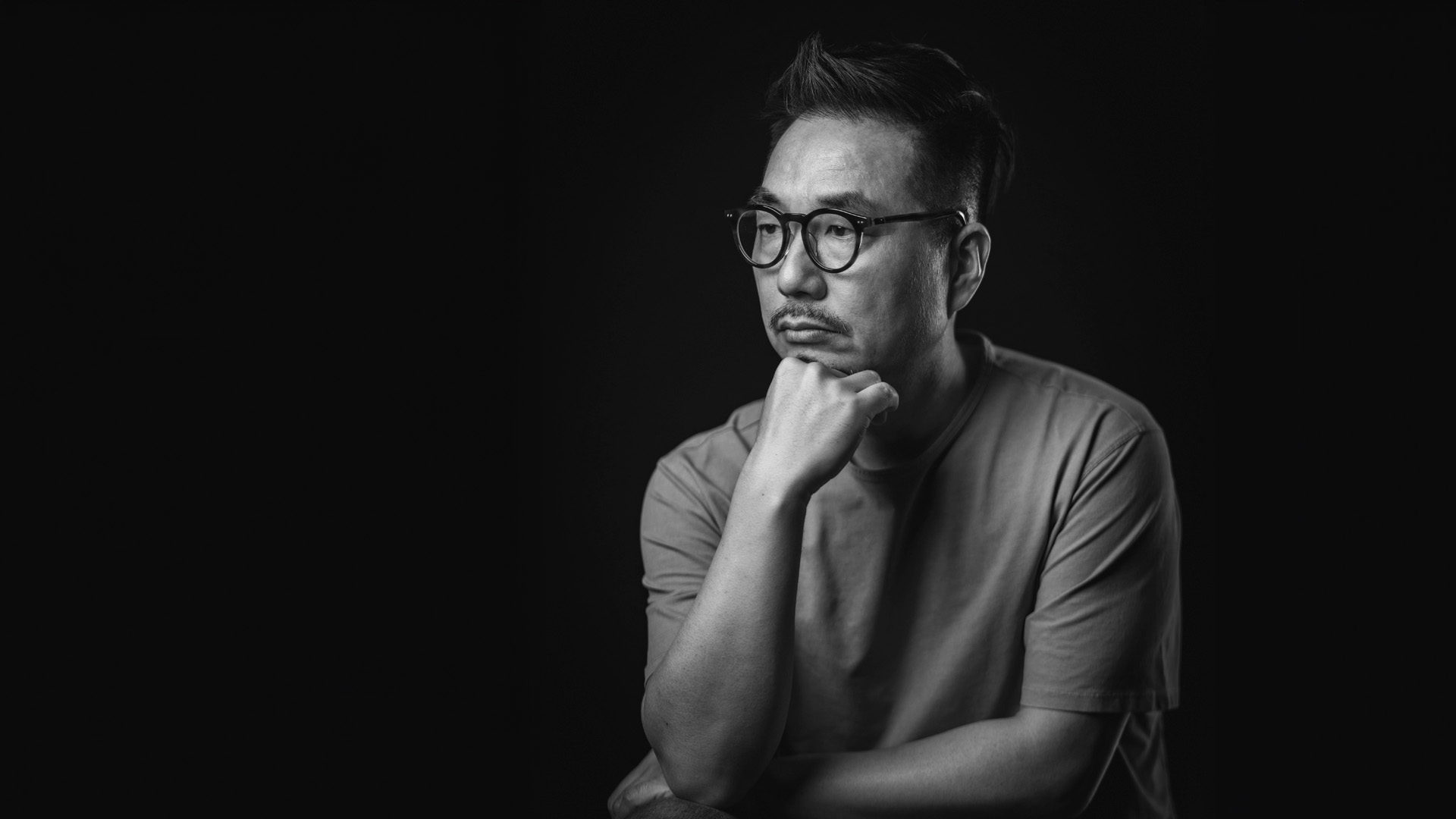
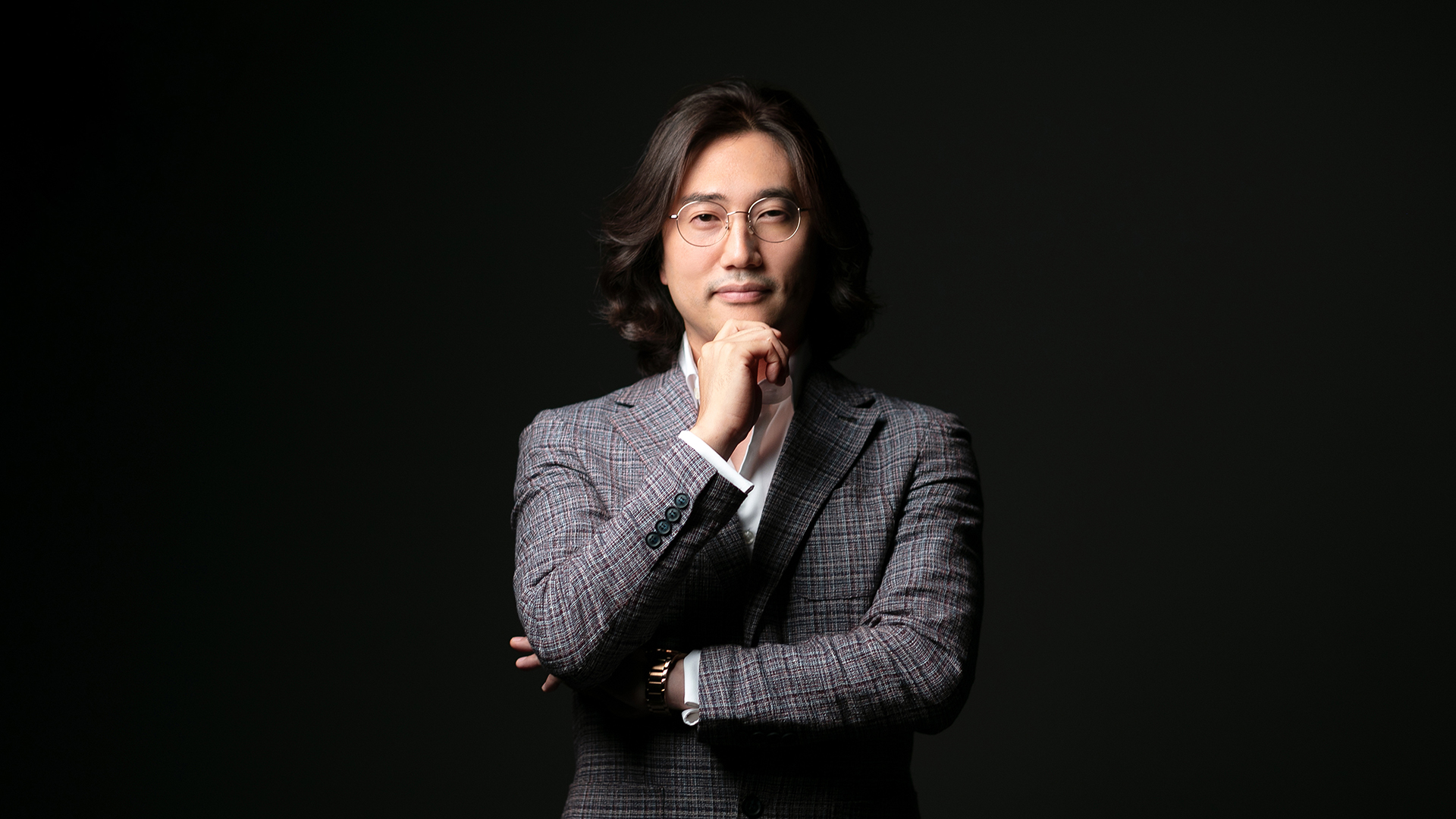
My name is Kyunghoon Kim, Principal Architect at JUNGLIM Architecture (JPA). Celebrating its 56th anniversary this year, Junglim is the oldest architectural design firm in South Korea and has played a pivotal role in shaping the nation's built environment. I was selected as one of the “100 Architects of the World” and an invited artist at the Korea Architecture Awards in 2012, and have since grown as an architect within Junglim Architecture. I have served as a visiting professor at Soongsil University and Hongik University, and have also been a juror for the Gyeonggi Architecture Culture Awards. Currently, I am an active full member of the Korean Institute of Architects (KIA), where I serve as Chair of the Student Committee. In addition to my architectural practice, I engage in academic and professional exchange through various roles, including Vice Chair of the Student Committee at the Architectural Institute of Korea, and as a member of the Korean Society of Culture and Space Architecture, the Korean Association of Architectural Policy, and the Korean Urban Design Institute. Drawing on a broad spectrum of experience across a wide range of project types and scales, I am committed to creating healthy architectural environments that reflect Junglim’s core values and design philosophy.
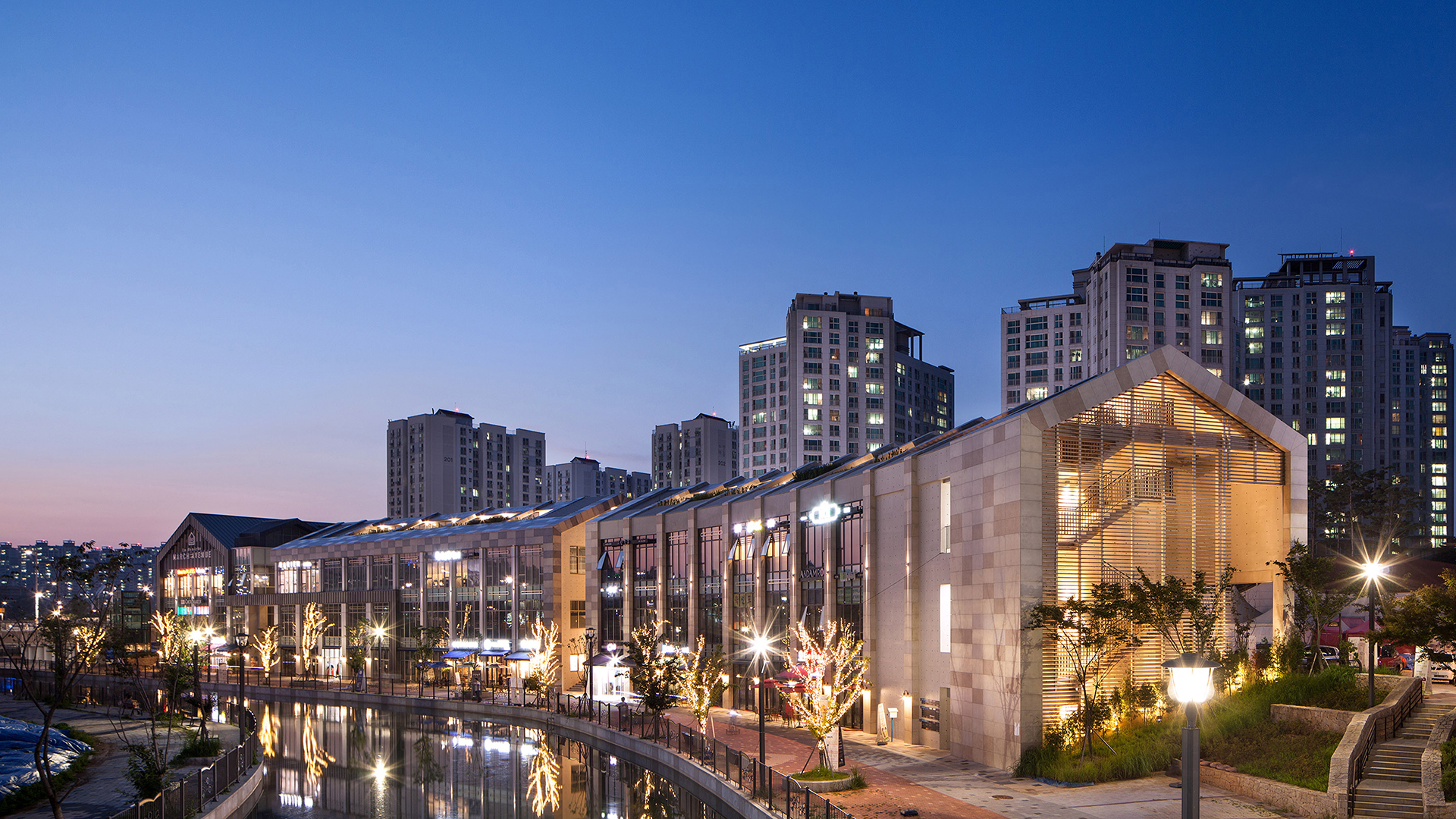
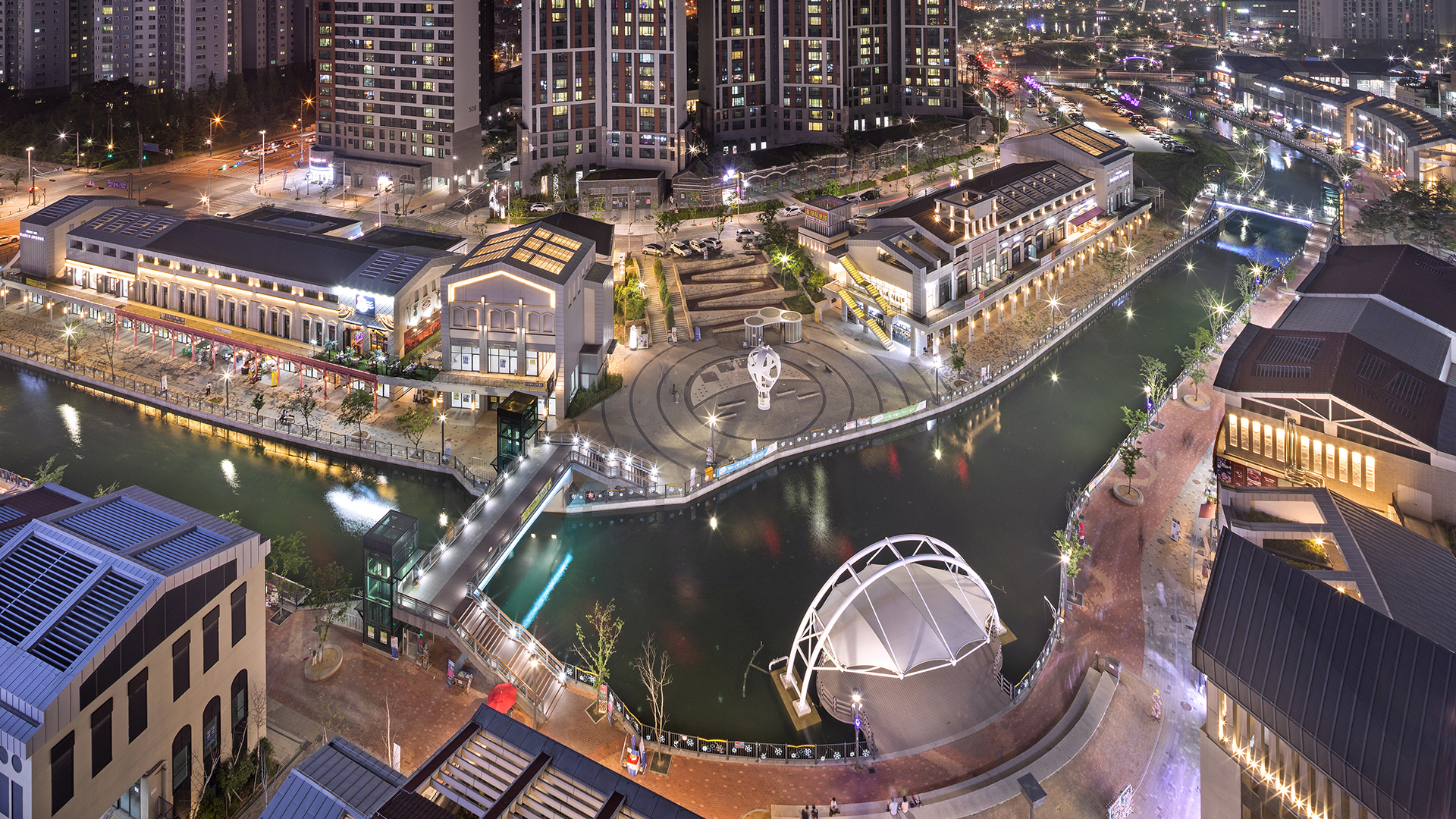
Could you share the most dramatic moment in your life?
The first moment that comes to mind was during my early years as a junior designer. I had just been assigned my very first main project—an open competition for the design of a courthouse. The timeline was extremely tight, and we ended up finalizing the work only on the very last day of submission. On the day of the deadline, a serious issue occurred with printing the presentation panels. As you can imagine, missing the submission deadline would result in immediate disqualification. At the time, the printing shop was in Chungmuro and the submission location was the Supreme Court complex in Seocho, quite a distance away. We barely completed the work and managed to submit it just in time via express delivery. In the end, the project won the competition, marking my first win as a lead designer. Looking back, it was a nerve-wracking experience—but one that gave me the confidence to endure the fierce competition of architectural design.
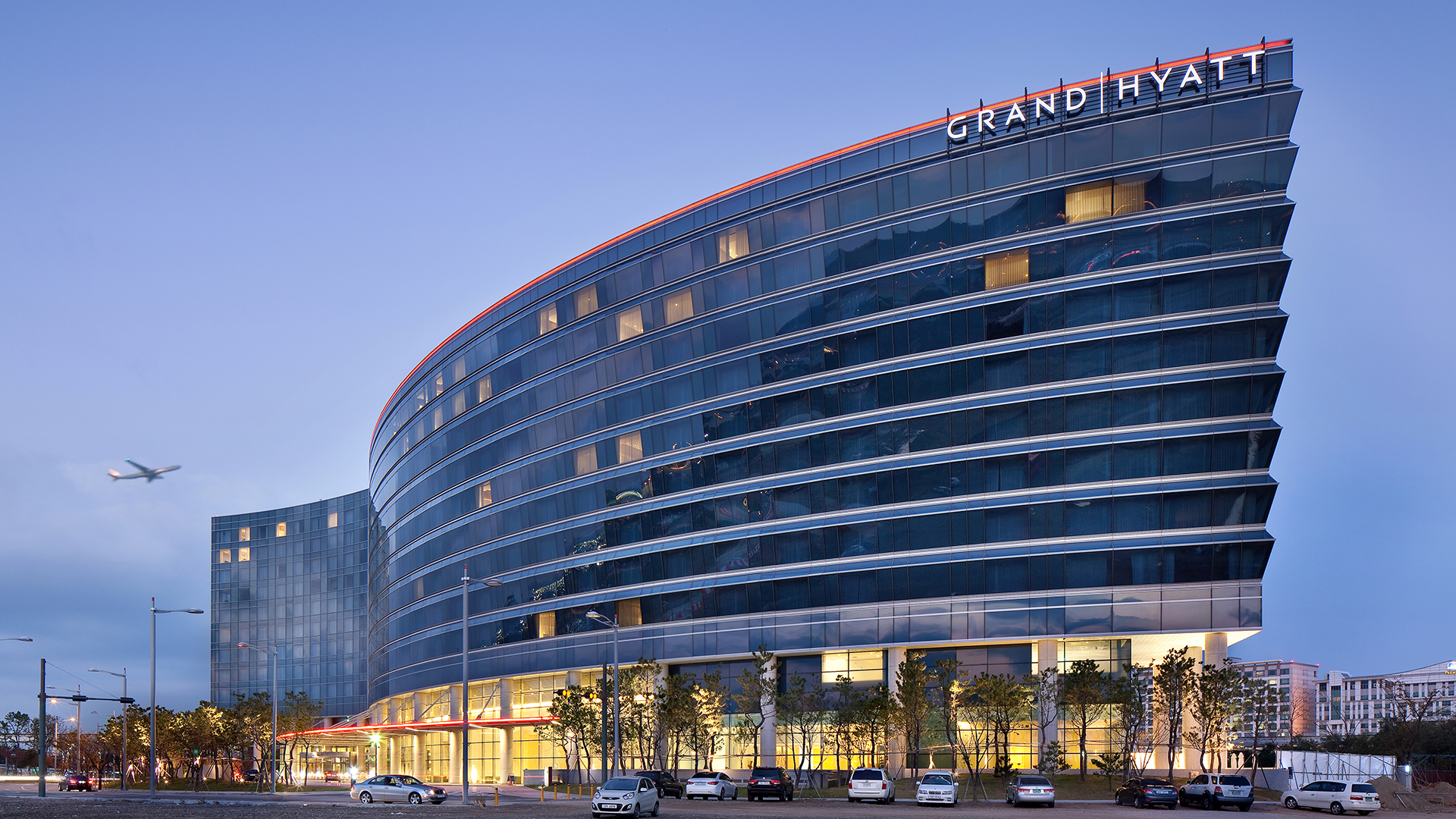
The second dramatic turning point came from three clients I’ve worked with over the years—each of whom profoundly impacted my journey as an architect. For any architect, meeting a great client is an extraordinary stroke of luck. While every architect aspires to create good architecture, I believe that among the many necessary conditions, the most important is mutual understanding with the client. Michael Osborne once said, “Good design is not that difficult, but great design requires a great client.” In order to bring an architectural vision to life, ongoing communication with the client is essential. Accurately interpreting and realizing the intentions of both the client and the users is, I believe, one of the most vital competencies for an architect.
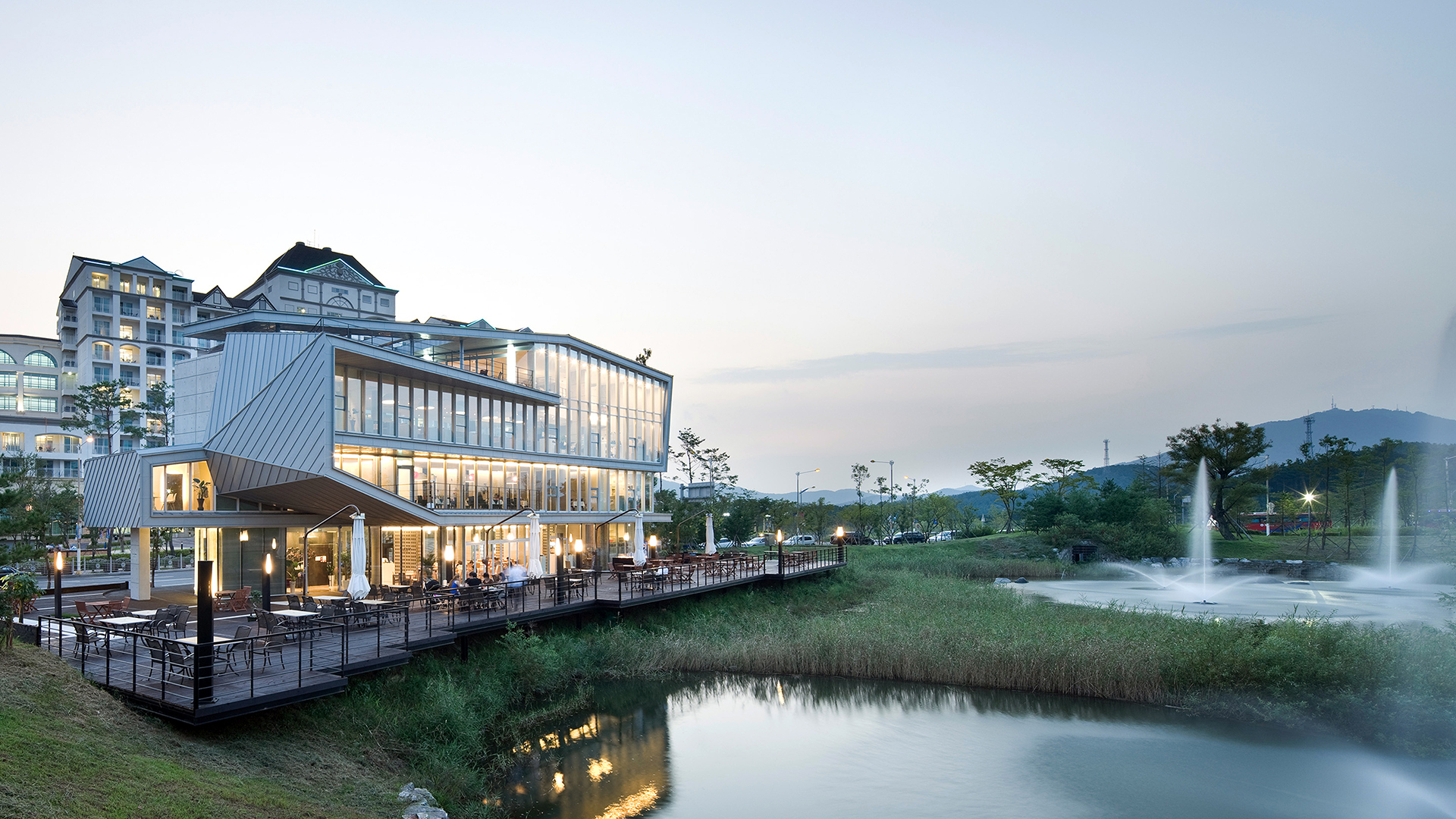
As an architect, what kind of solutions do you think can help address social issues?
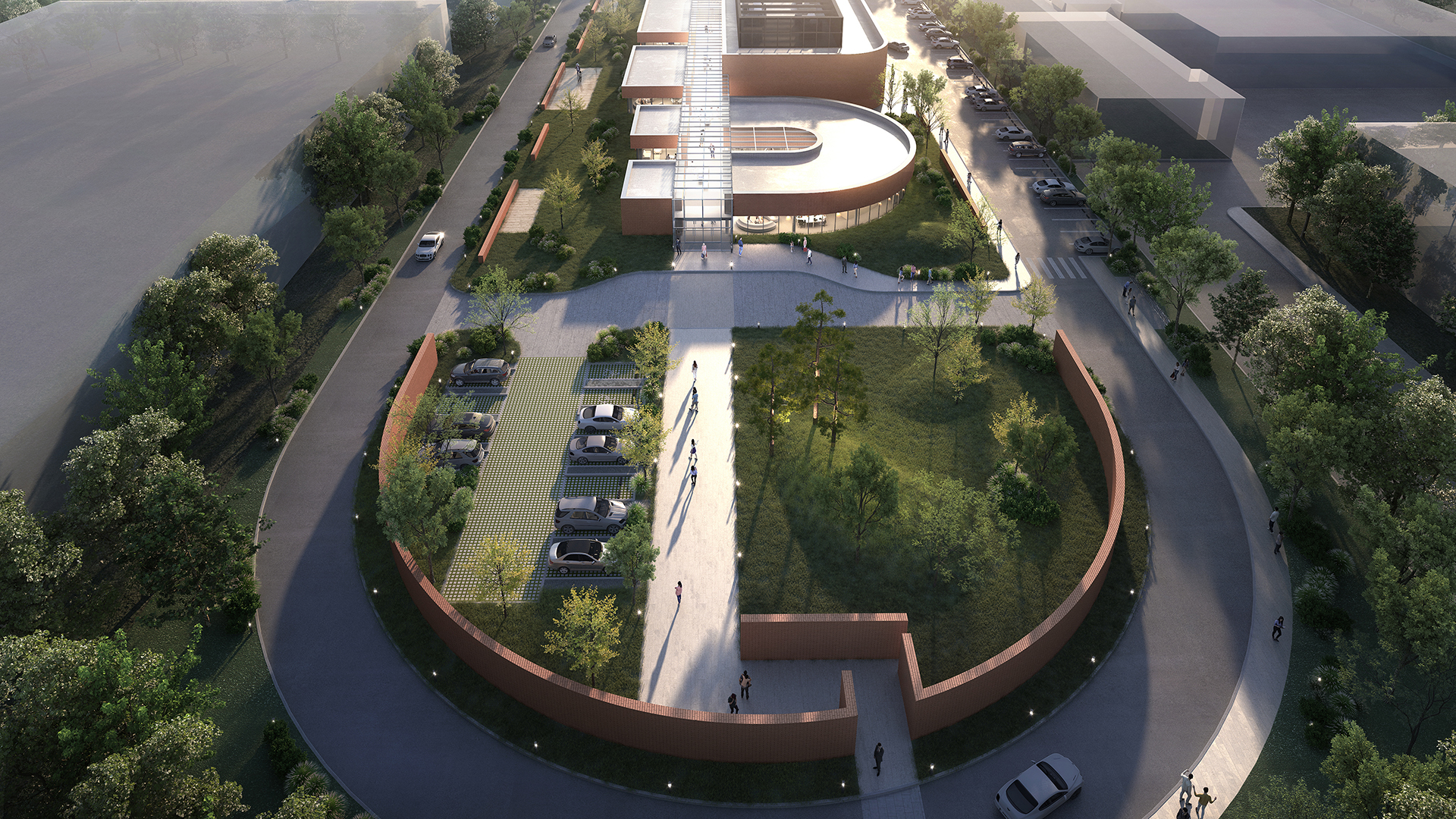
To me, architecture is not about creating something out of nothing—it’s about forming new relationships out of what already exists. These relationships connect the present with the past and the future, the land with the people who live on it, and ultimately foster a sense of living together. The role of an architect is to realize these connections through spatial design. It’s not just about creating beautiful spaces, but about embedding each space with its own philosophy, purpose, and cultural value—elements that may not be visible, but that make the place meaningful and attractive to people. That, in essence, is what I believe space branding is all about. The ability to shape a space into a brand that resonates with people and guides them toward an ideal direction—perhaps that is the new responsibility of architects today. After COVID-19, our systems and values have shifted, and people now face uncertainty about the future. One of the most profound changes has been the restriction of space and mobility. The pandemic forced us to confront what it feels like to lose the freedom of time and space that we once took for granted. People are no longer just searching for safe and livable environments—they're now deeply interested in how spaces can serve diverse and evolving purposes.
From this perspective, one of the social challenges we face is the need to change how we perceive the urban and architectural spatial environment. At present, space is often viewed simply as a measure of wealth, power, or hierarchy. But if I could help shift that paradigm, I would suggest ways to enhance the inner, qualitative value of spatial structures. This isn’t just about making better buildings—it’s about creating new types of spaces and contributing to a new industrial and social ecosystem. That’s the model I envision for a successful architectural contribution to society. In this context, architects must reinterpret the world through new lenses. We need to explore how recent societal changes and trends have influenced space, and how future spaces can embody deeper values. The challenge lies in designing environments that elevate the qualitative experience of space—spaces that are not just used, but felt.
What do you hope to leave behind in this world?
It may sound like an old-fashioned question, but I often find myself reflecting on it: “What is the meaning of my life? What can I leave behind in this world?” Perhaps that’s one of the reasons I became an architect—because more than any other profession, architecture allows you to leave something behind through space. Every architect creates with a vision or a dream unique to them, and through that process, they leave their mark. For me, designing new spaces is also a personal journey of self-inquiry—a way of exploring who I am and what matters to me. That’s how I try to find meaning in my life.
We can't choose how time passes—but we can choose our spaces. In that sense, the spaces we inhabit reflect the lives we live. If people can find comfort, inspiration, and a sense of fulfillment in the spaces I’ve created, there is nothing more I could ask for. To me, great architecture is about building connections between people. As architects of this era, I believe it is our role—and my personal vision—to pursue and realize a higher value of space that holds and shapes our lives. I truly believe that a healthy spatial environment has the power to change the world. Seeking out that value is where everything begins. It is why I exist.












#14057, 905 49, Beolmal-ro 102beon-gil,
Dongan-gu, Anyang-si, Gyeonggi-do, Korea
Business Registration Number: 454-86-01044
Online Sales License No.: 2021-Anyang Dongan-1081
Copyright © DESIGNSORI Co., Ltd.