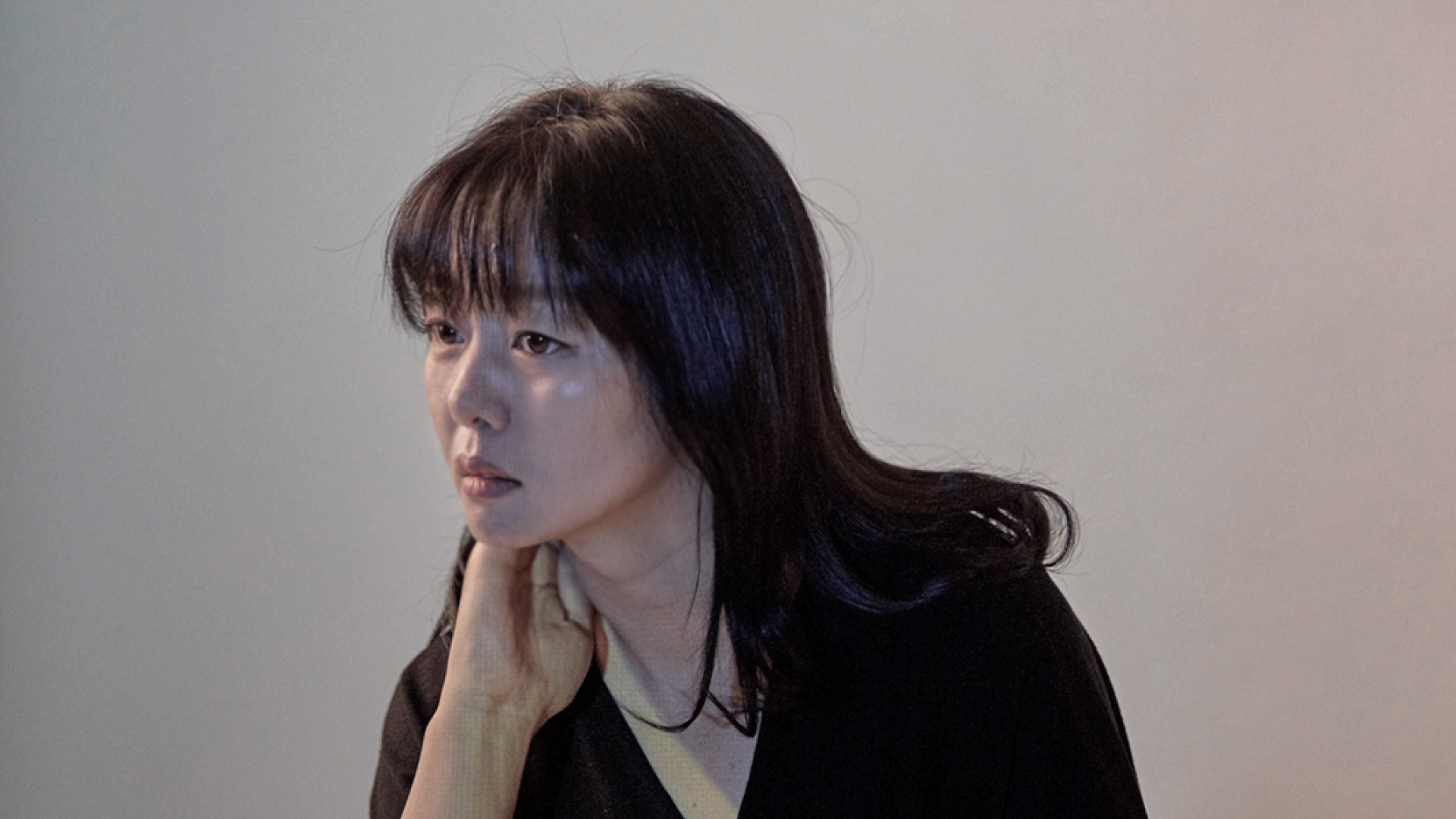
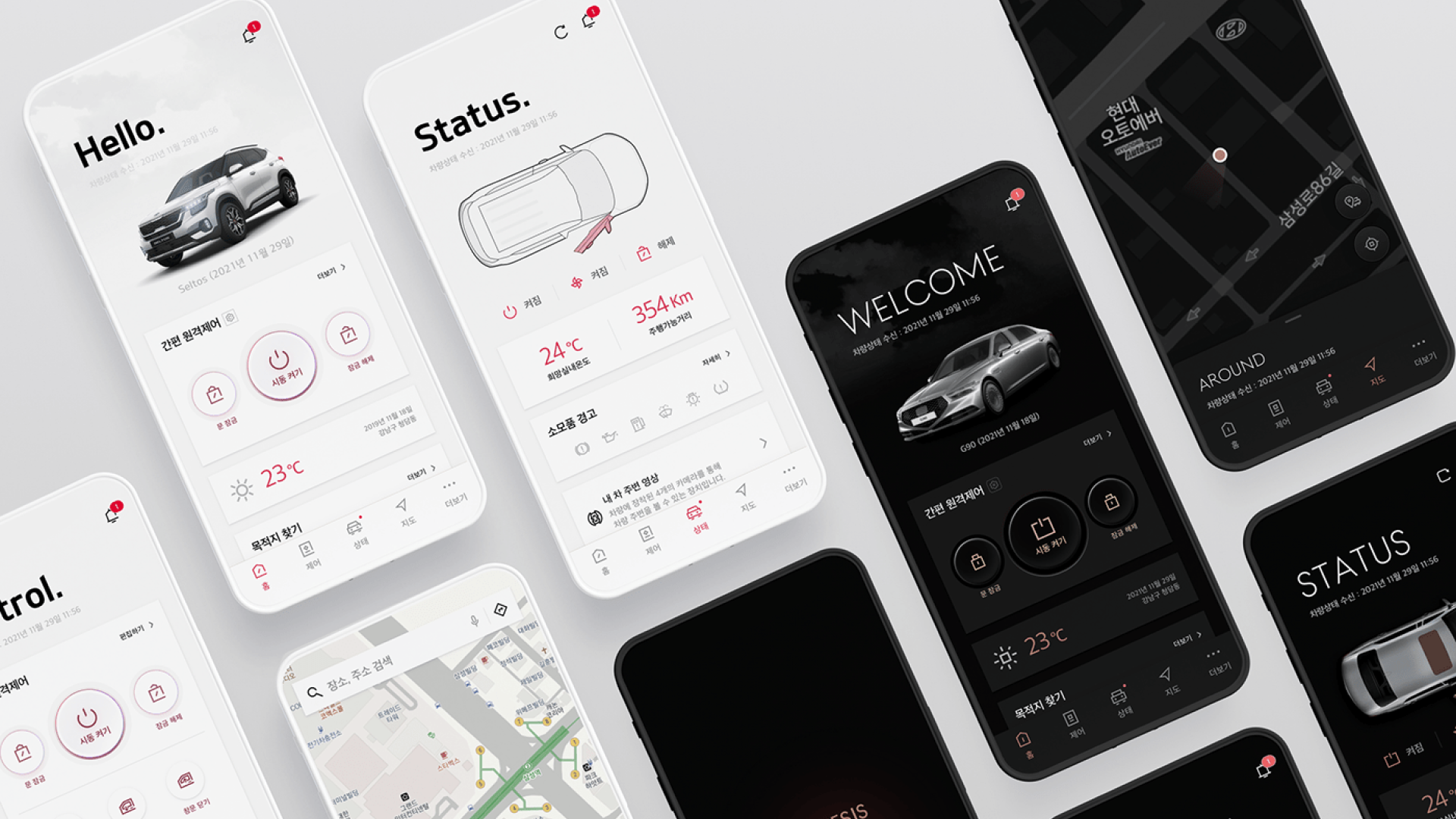
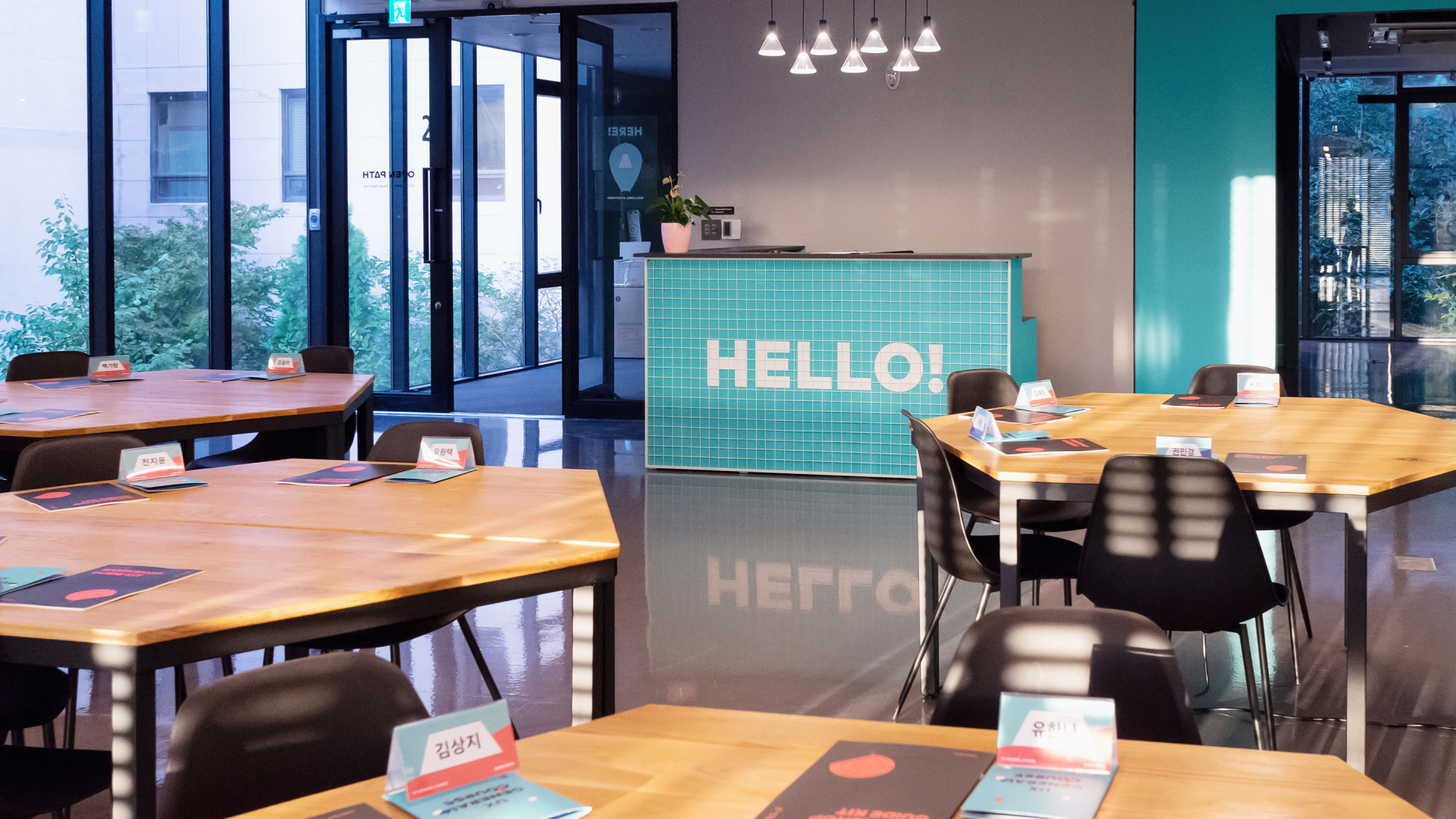
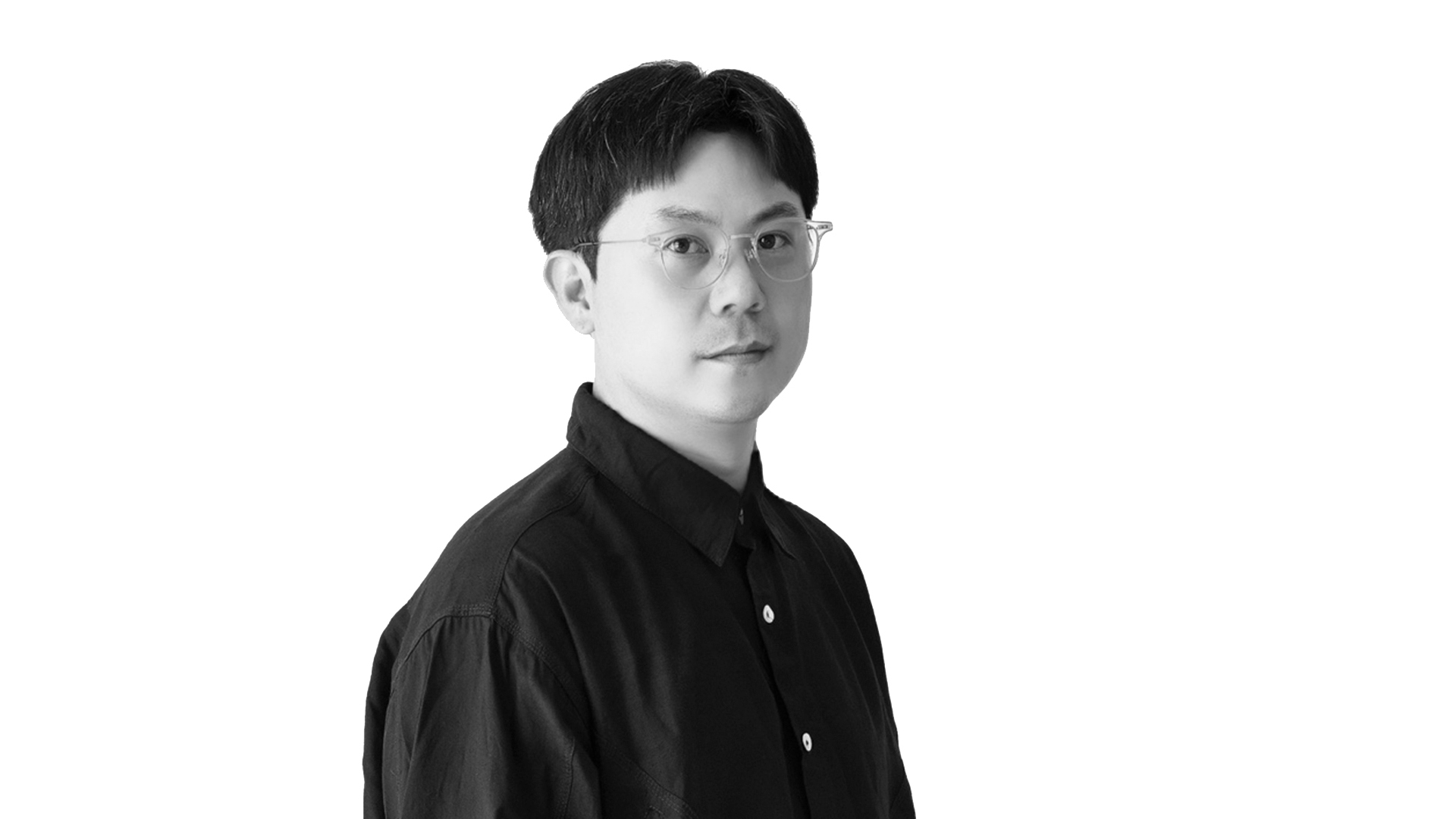
My name is Dayoung Jung, Co-founder and Creative Director of Duotone. I’ve been working in the design field for nearly two decades, mainly as a visual, UI, and UX designer. Currently, I run Duotone, a digital-first studio specializing in UX and UI consulting and implementation. In addition, I’ve launched Openpass, an educational brand for designers under the CIC model. At Duotone, I lead UX strategy and consulting projects grounded in user research, as well as design system initiatives. Our most representative work revolves around building design systems—such as for LINE’s gaming platform, Samsung Electronics' P6.com, and Hyundai Motor’s CCS application and infotainment system. Alongside these, we continue to collaborate with many remarkable brands on meaningful design system projects.
A Defining Turning Point
If I had to name the most pivotal moment in my life, it would be the founding of Duotone in 2018. At the time, I was working at Samsung Electronics' Mobile Division, while my co-founder, Byungyong Song, was at NAVER. Leaving stable jobs at leading companies to launch a new venture was a bold move—many around us tried to dissuade us, and frankly, we were deeply anxious. Working within a large organization and contributing to significant projects was, of course, meaningful. I gained invaluable experience and felt a sense of gratitude and fulfillment. Yet, there was always a lingering sense of inertia, unease, and creative thirst quietly gnawing at me. At some point, I realized I could no longer ignore it. I needed to make a decision—before it was too late.
I've always strived to be someone who embraces new challenges and roles across different fields, who listens closely to the voices of users, and who identifies and solves problems to improve user experiences as a designer. Above all, I’ve dreamed of sharing the insights and knowledge gained through these experiences in a healthy and constructive way with the design ecosystem—so that we can all grow together. Though I was fortunate to work at great companies, I often found it difficult to engage in open knowledge-sharing due to constraints such as security policies. That was frustrating for me. This led me to ask myself an important question:
“How can I, as a designer, continue to gain diverse, real-world experience and share it meaningfully to help others grow?”
For me, the answer was founding Duotone and Openpass.
Your Expertise and a Solution to Social Design Challenges
Although perceptions around design have improved significantly, many people still tend to define designers as those who simply add visuals to pre-planned screens. In reality, even in large organizations, there is often a lack of systems that enable designers to collaborate efficiently. As a result, designers are forced to expend unnecessary energy on trivial issues. I recall a time when both international and domestic agencies worked together on the same project, yet Korean agencies were frequently assigned more executional and mechanical tasks. There were even complaints suggesting that they only did what was asked of them, without taking further initiative. But every designer I’ve met—without exception—has never wanted to be limited to making things look pretty on a screen. None of them were passive. If designers were given the opportunity to be involved throughout the entire project process—from initial research and planning to design, prototyping, and developer collaboration—and if they were empowered to speak up regardless of their experience level, within a culture of healthy dialogue and open discussion, would they still remain passive decorators? If strong design systems—or even just clear style guides or brand manuals—had been in place, would designers still have to pull all-nighters just to revise hundreds of screens because a single color changed, or be thrown off course by fragmented feedback at every step? I truly don’t think so.
That’s why, from the very beginning of Duotone, I’ve been intentional about upholding a culture where all designers are involved in every part of the project from start to finish, with the understanding that their contributions may vary in depth based on their expertise and experience. At the same time, even for the smallest projects, we make it a principle to build well-structured design systems or style guides in parallel. I’ve always had a particular obsession with design systems—perhaps that’s why Duotone has become known as an agency with deep strengths and experience in this area. I believe that expanding the scope of designer participation and establishing more efficient workflows may be small solutions on the surface, but they hold the power to resolve many of the frustrations designers still face today.
What I Hope to Leave Behind — My Mission as a Designer
Over the years as a UX designer, I’ve had the privilege of meeting many brilliant individuals who truly excel at crafting meaningful user experiences. And I began to notice a certain pattern—something intangible yet consistent—that they all seemed to share. It wasn’t just about academic knowledge or technical skill, although those are certainly important. Rather, at the very core, they all had something fundamental: a deep curiosity and affection for people. The best UX designers I know care—not only about the product they're building, but also about the company, the team, their colleagues, and most importantly, the users. Their concern isn't limited to identifying pain points through user interviews or iterating on features. Instead, their work begins with a sincere interest in people, shaped by thoughtful observation and quiet empathy.
In our field, user research methods like in-depth interviews, eye tracking, and contextual inquiries are common practice. But over time, I began to wonder—could this habit of deeply observing others begin to affect not just our design process, but how we live our everyday lives? We start out wanting to understand who our users are, what environments they live in, and in what context they engage with our products. But eventually, that same mindset begins to shape how we interact with clients, partners, other teams, and our own teammates. We find ourselves paying close attention to how others work, what they’re good at, how they prefer to communicate—all in service of building a better collaborative experience. And so, perhaps it sounds a bit grand, but I do believe that the more designers we have who are thoughtful and caring in their UX practice, the more we contribute—bit by bit—to a more considerate, human-centered world. A world where people pay closer attention to one another, where empathy becomes part of how we work and live. That’s the kind of UX designer I strive to be. And if I can contribute even in the smallest way to creating that kind of world, I’ll consider it a meaningful legacy.













#14057, 905 49, Beolmal-ro 102beon-gil,
Dongan-gu, Anyang-si, Gyeonggi-do, Korea
Business Registration Number: 454-86-01044
Online Sales License No.: 2021-Anyang Dongan-1081
Copyright © DESIGNSORI Co., Ltd.