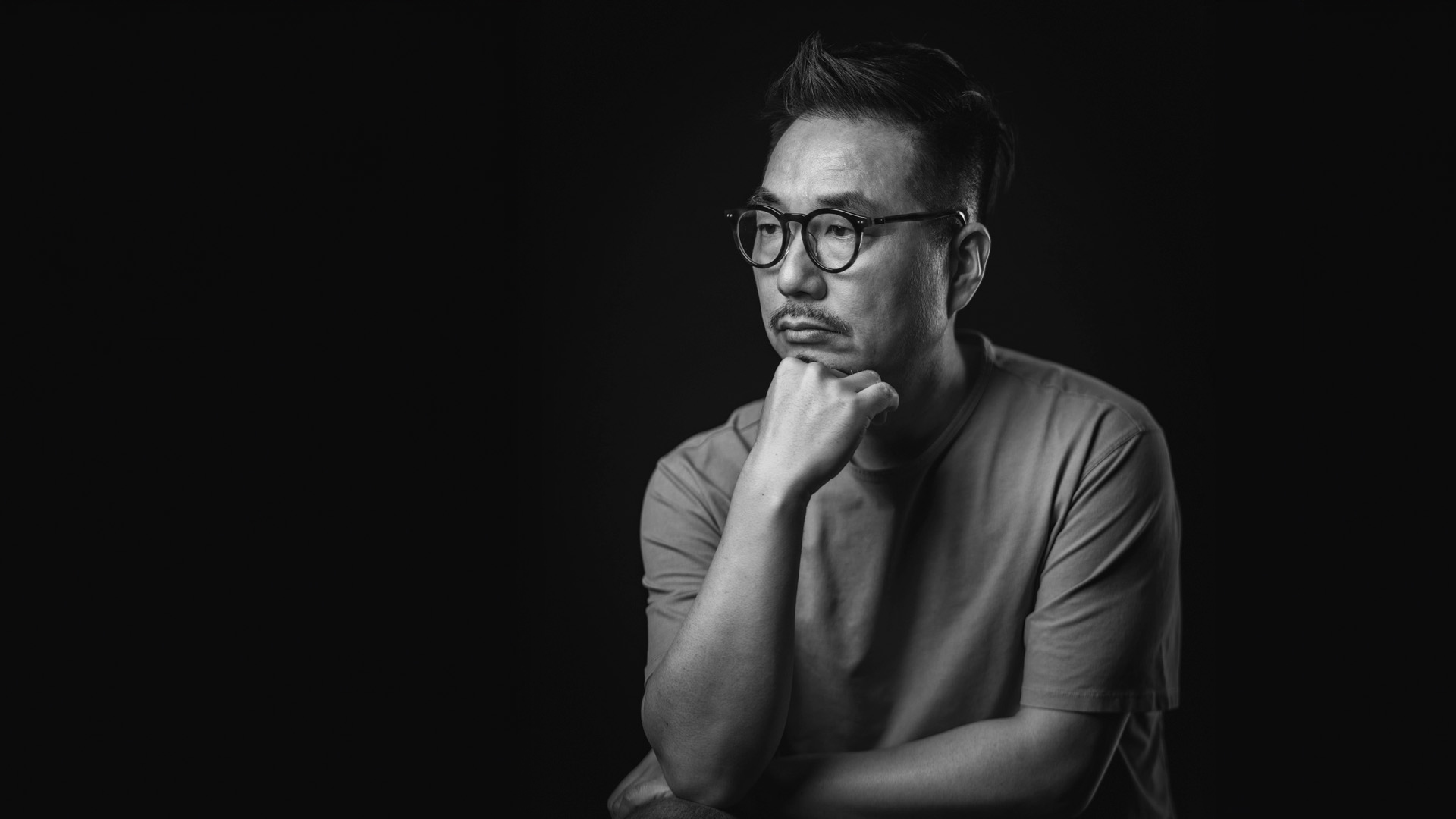
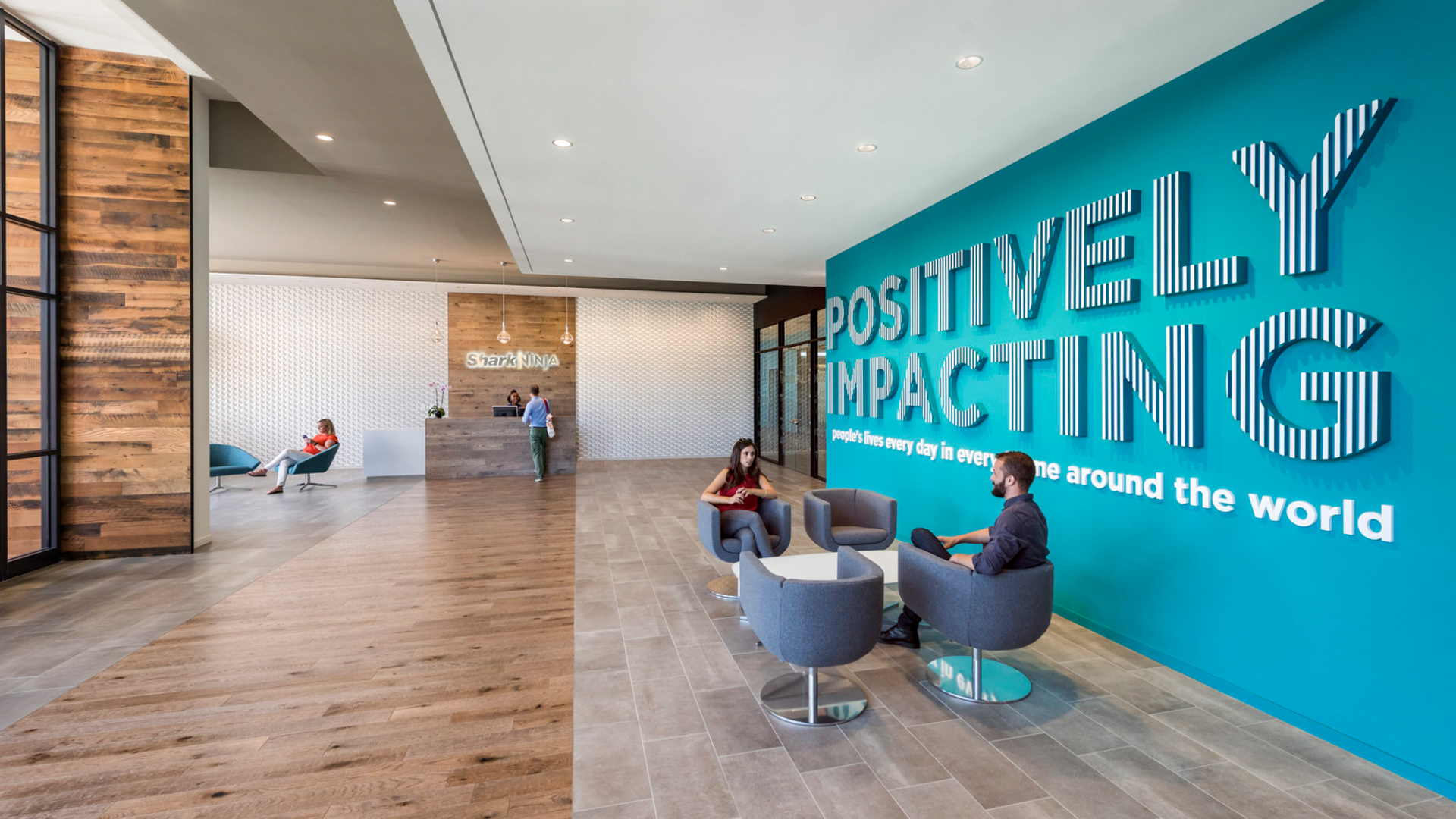
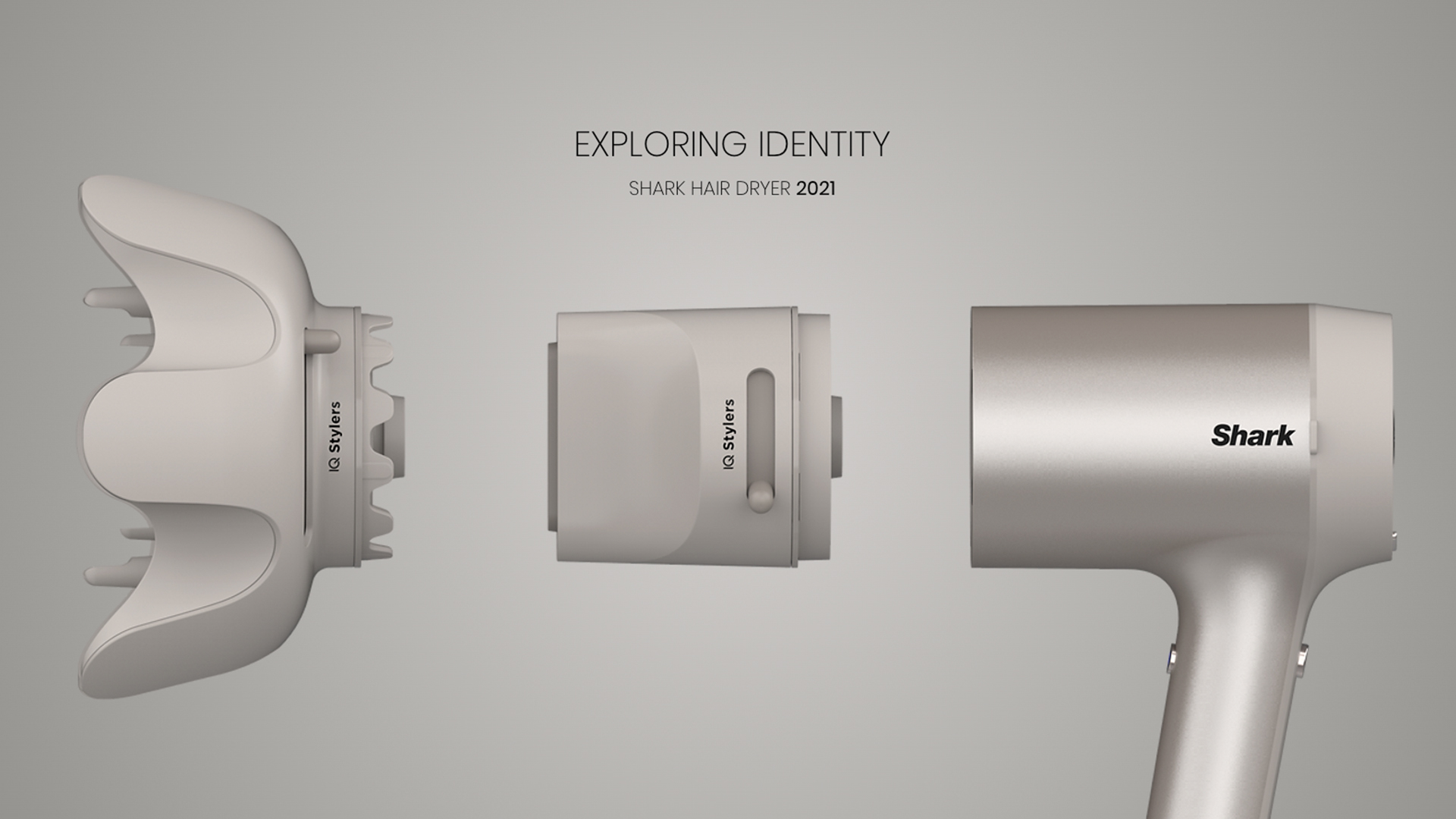
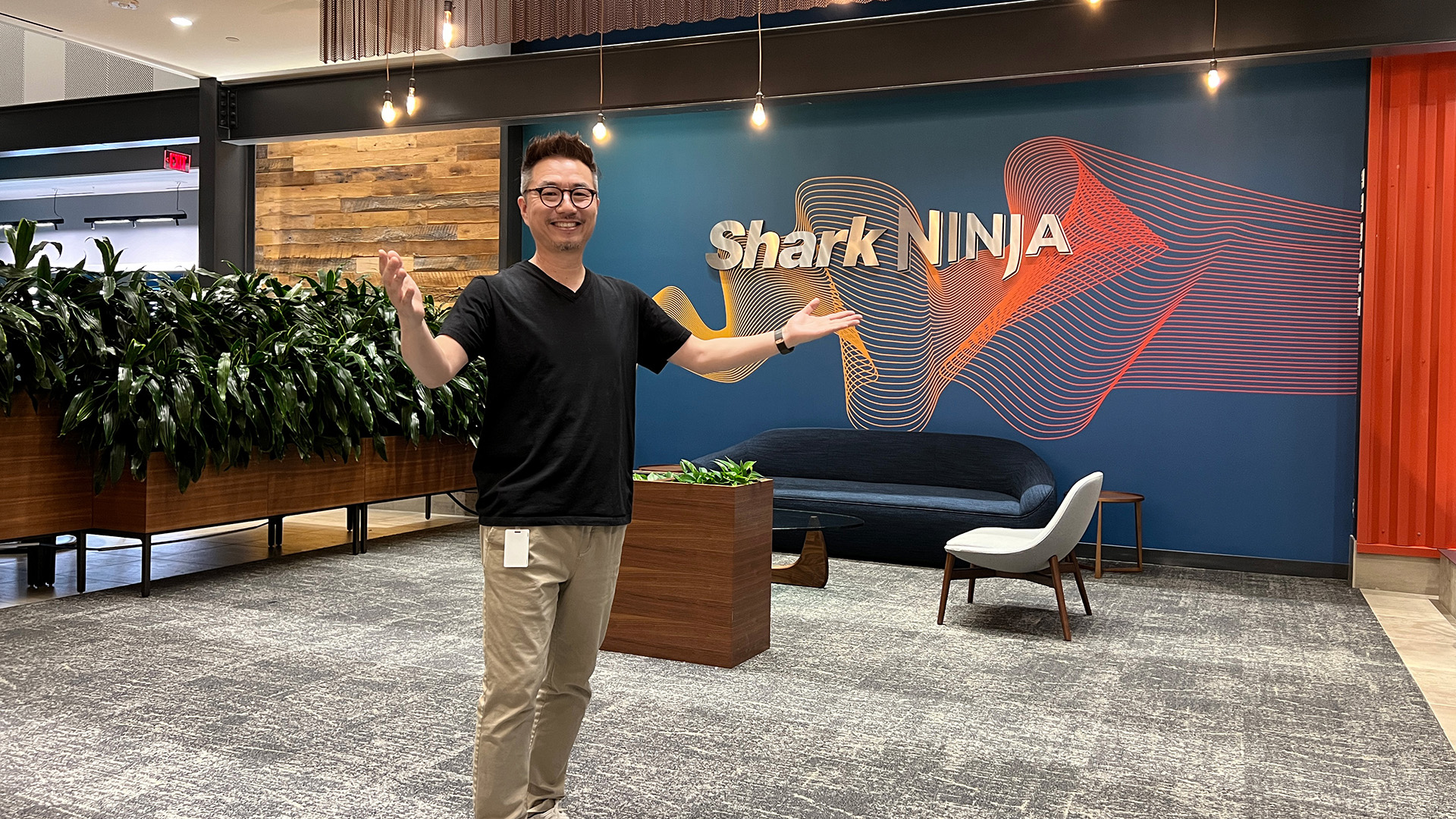
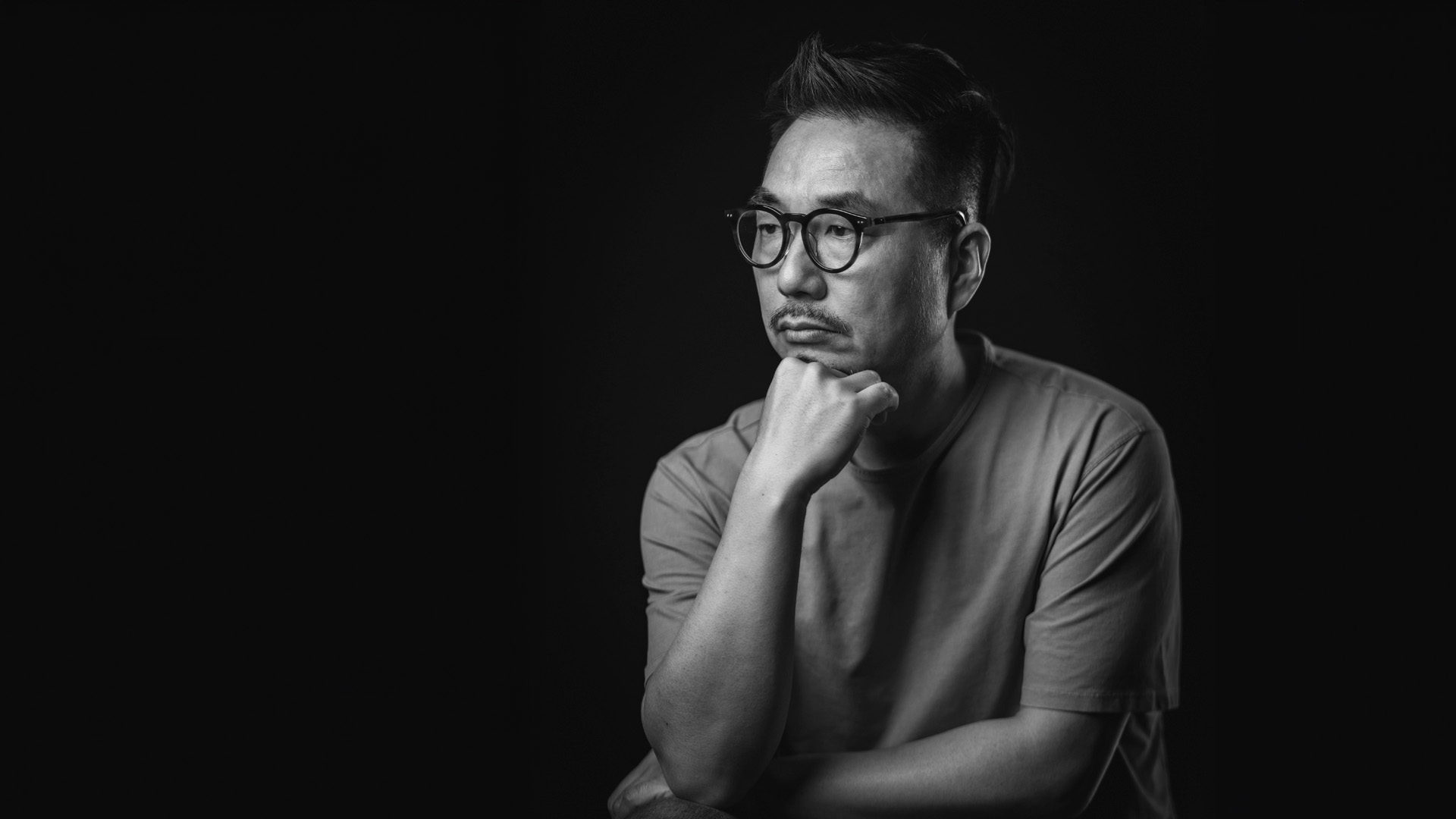
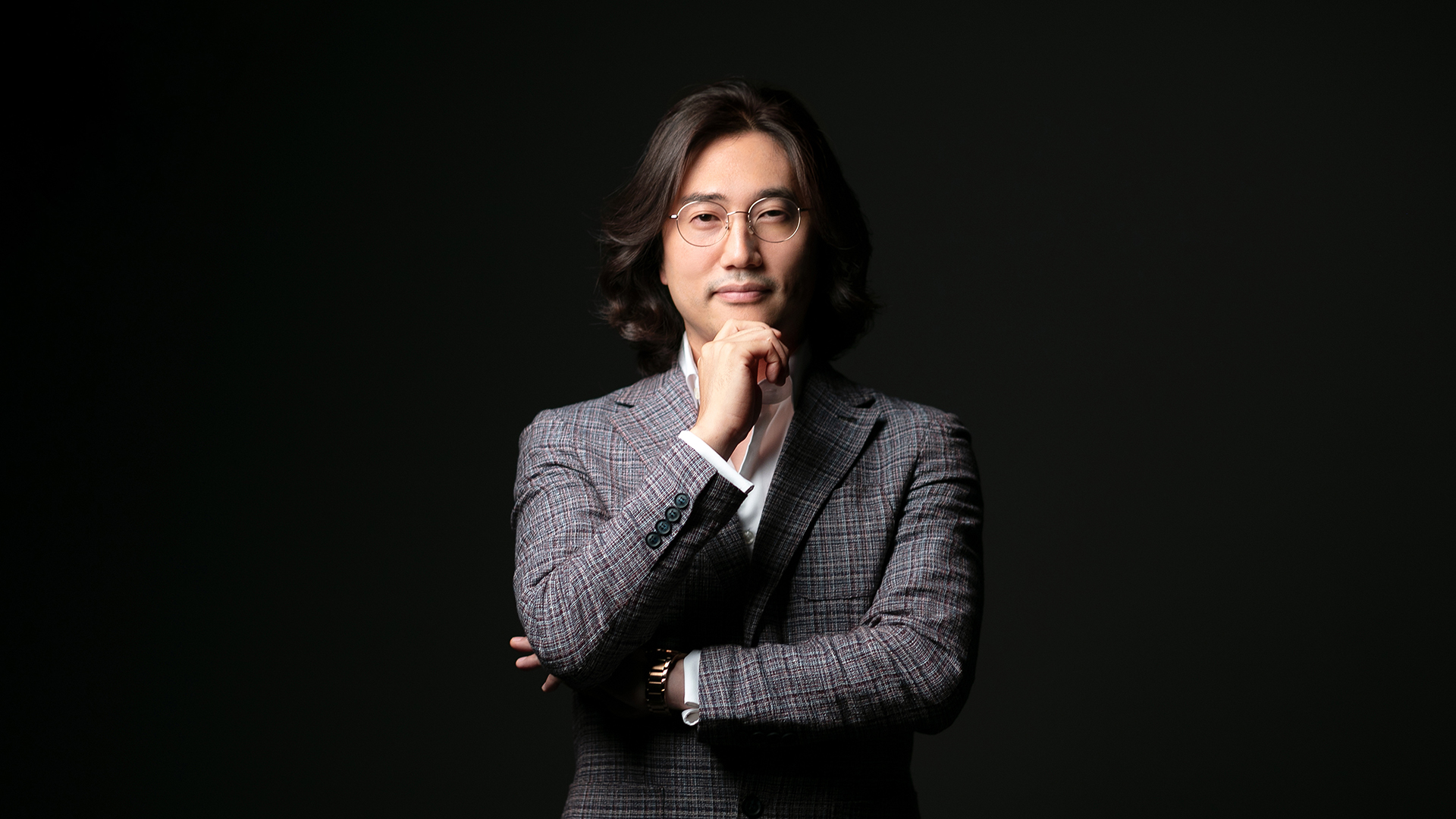
My name is Kyuseop Lee, and I currently serve as a Senior Manager of Product Design at SharkNinja in Boston, USA. SharkNinja is one of America’s leading home appliance companies, known for delivering innovative products in the household and kitchenware categories. Since earning my degree in Industrial Design from Pratt Institute in 2011, I’ve spent over a decade working as a product designer for consumer goods companies based in New York and Boston. My work has spanned a wide range of everyday items—from headphones, earphones, and speakers to chargers, hair dryers, and vacuum cleaners. These practical, user-focused products have launched across global markets, including the U.S., and have been well received by consumers. From 2014 to 2017, I also contributed to the Youth Startup Support Program run by the Small & Medium Business Administration (SMBA) USA, where I was invited to serve as a mentor and seminar speaker, offering guidance to aspiring entrepreneurs. In 2023, I founded Lemonade Story, a venture that connects Korean small and medium-sized businesses with U.S. sales representatives, helping them enter the American market and expand globally.
Can you tell us about the most memorable experience in your career?
I began my journey as a designer relatively late in life—at the age of 36. After graduating from design school at 41, the path to becoming a successful product designer has been filled with countless stories, lessons, and turning points. One of the most important things I’ve learned through this journey is that design is not limited to products—we have the power to design our own lives, too. While I’ve found deep fulfillment in creating products that bring joy and utility to others, the road hasn’t been easy. The toughest time came during the year after graduating from design school, when I struggled to stay afloat through contract work at various agencies. I applied to over 150 full-time design positions and was rejected from all of them. That year tested me deeply—I questioned my abilities, my value, and even whether I should continue pursuing this dream. Still, I kept going. I worked on personal projects, honed my skills, and never stopped preparing for the opportunity I believed would eventually come. When I finally landed my first full-time role, it felt like the beginning of everything I had hoped for. Since then, I’ve continued challenging myself and expanding my capabilities. That’s why I always tell junior designers and students who are feeling lost or discouraged: don’t let your life drift passively—design your future with intention, creativity, and courage. Designing products is a meaningful job, but designing your own life—that’s something truly powerful and beautiful.
What is the design direction pursued at a global company like yours?
At SharkNinja, the core philosophy behind our design and product development is user-centered innovation. To meet each product’s functional goals, we go through what can feel like an excessive number of testing and iteration cycles. This process constantly challenges the design team to strike the right balance between practicality and aesthetics. Creating a design that appeals to everyone may seem ideal, but it often risks being perceived as merely “safe” or unremarkable—making it a far more difficult task than it appears.
The product development process at SharkNinja generally follows a structure similar to that of other home appliance companies. First, before we begin designing, we receive a comprehensive brief from the product development (PD) team—defining the product’s purpose, value, positioning, marketability, and essential features. Next, we conduct design and market research to develop initial concept directions. Once a concept is selected, we build it upon the product’s functional structure in collaboration with engineering. From there, we work side by side with engineers to resolve problems as they arise. We then develop prototypes, conduct rigorous testing, and refine the design iteratively—repeating this cycle many times until the product is ready for mass production. Finally, we move into tooling and review several sample rounds before finalizing a product that’s ready for market launch.
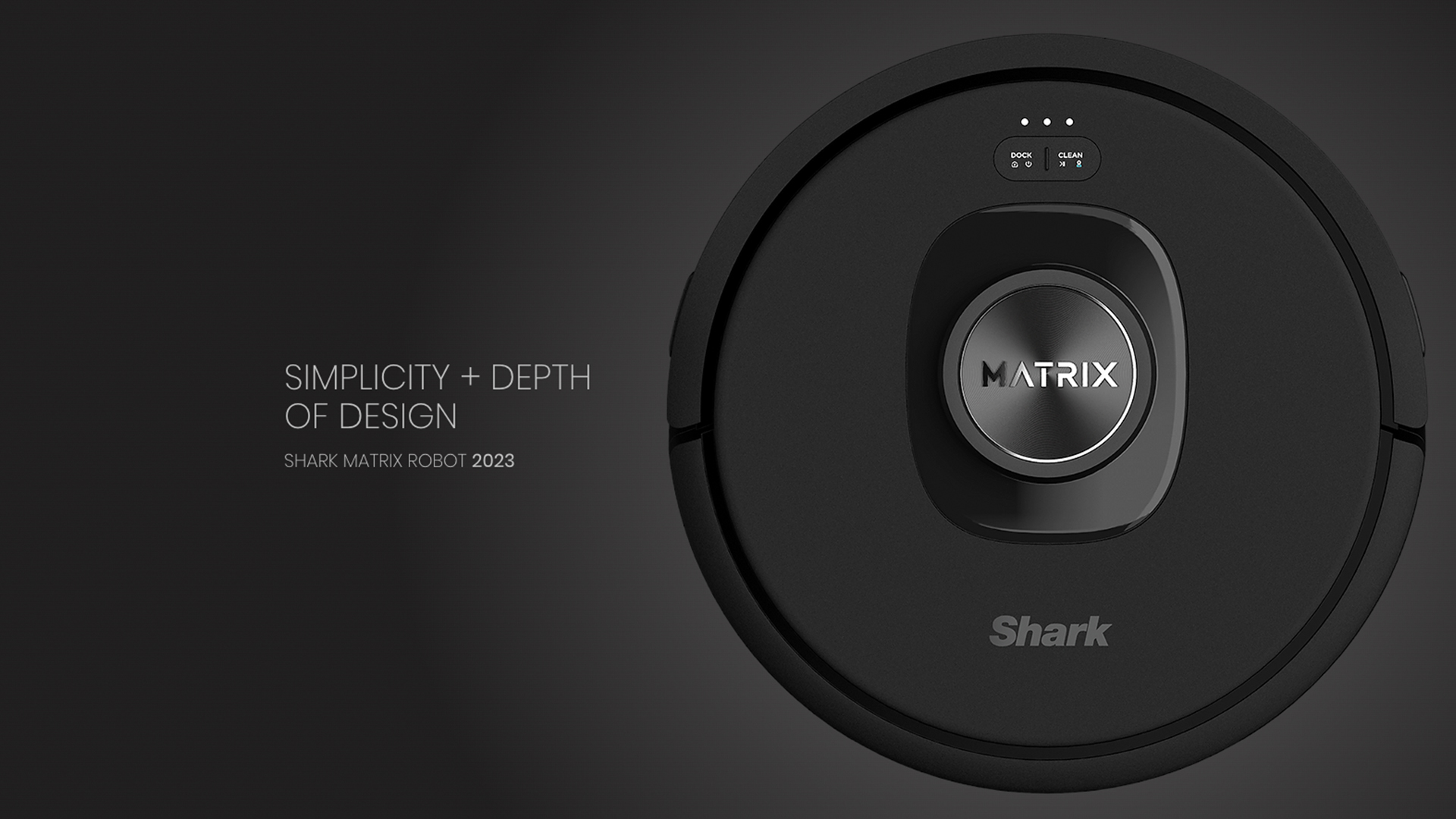
Within this process, I personally strive to pursue what I call "design with depth." While every project has its own stylistic and functional demands, I can't simply approach them in my own preferred style. So instead, I aim to add depth to any design—regardless of style—through careful detail and the thoughtful harmony of design elements. In my view, that’s where truly meaningful design resides.
Who is the designer you respect the most, and how have they influenced you?
First and foremost, I deeply admire Chris Bangle, the first American Chief of Design at BMW. His story of becoming a designer gave me tremendous courage, especially because, like me, he entered the field later in life. He originally studied humanities at the University of Wisconsin with the dream of becoming a Methodist minister, but later pivoted to automotive design, attending ArtCenter College of Design in Pasadena to pursue his passion. I found his unconventional path especially relatable, as I, too, once attended seminary in preparation for ministry before becoming a designer. Beyond his personal journey, Chris Bangle also led bold and groundbreaking design initiatives at BMW that redefined the brand’s identity. He broke away from the traditional BMW design language and introduced a new visual direction—one that initially drew harsh criticism from automotive journalists. But the very same year, BMW posted record-breaking sales, silencing critics and proving the power of bold, visionary design.
While Chris Bangle’s life story inspired my path as a designer, the person who had the most direct influence on my design thinking was Linda Celentano, a professor at Pratt Institute. Through her 3D Sculpture and Form Study courses, I developed a deep understanding of the relationships between design elements and the aesthetic qualities of surfaces. Professor Celentano inherited the design philosophy of the Bauhaus through her own mentors and passed on that legacy to generations of students. One thing she often said still guides me in my professional life: “Analyze beauty. A designer must be able to explain why something is beautiful.” That principle continues to shape how I approach design, every single day.
How do you think the design industry will evolve over the next 10 years?
In the field of product design, mass-produced, standardized goods will likely continue to dominate the market. However, I believe the demand for personalized and customizable products will increase significantly. For example, when ordering shoes online today, you can choose the colors and graphics to create your own custom design. I expect this level of personalization will expand to many other product categories in the next decade. Secondly, I foresee a deeper focus on convergence and interconnectivity between devices. Rather than preferring a single device that does everything, users will increasingly want multiple specialized products that work seamlessly together. Lastly, as virtual and digital interfaces take on more importance, the physical form of products will become increasingly minimal. This means product designers will need to cultivate the ability to add depth within simplicity. Regardless of changing styles, I personally aim to keep developing this skill—designing with meaning, no matter the aesthetic direction.
What is your personal design philosophy and future vision as a designer?
Appropriateness. While terms like “innovative” or “original” are often used to describe great designers, I believe the word “appropriate” is just as important. Creating a design that appeals to many people—a design that feels familiar yet thoughtful—is far more difficult than it sounds. In fact, designing something universally likable can be even more challenging than creating a unique, personal style. My long-term dream is to design a product that people will remember for years to come.












#14057, 905 49, Beolmal-ro 102beon-gil,
Dongan-gu, Anyang-si, Gyeonggi-do, Korea
Business Registration Number: 454-86-01044
Online Sales License No.: 2021-Anyang Dongan-1081
Copyright © DESIGNSORI Co., Ltd.