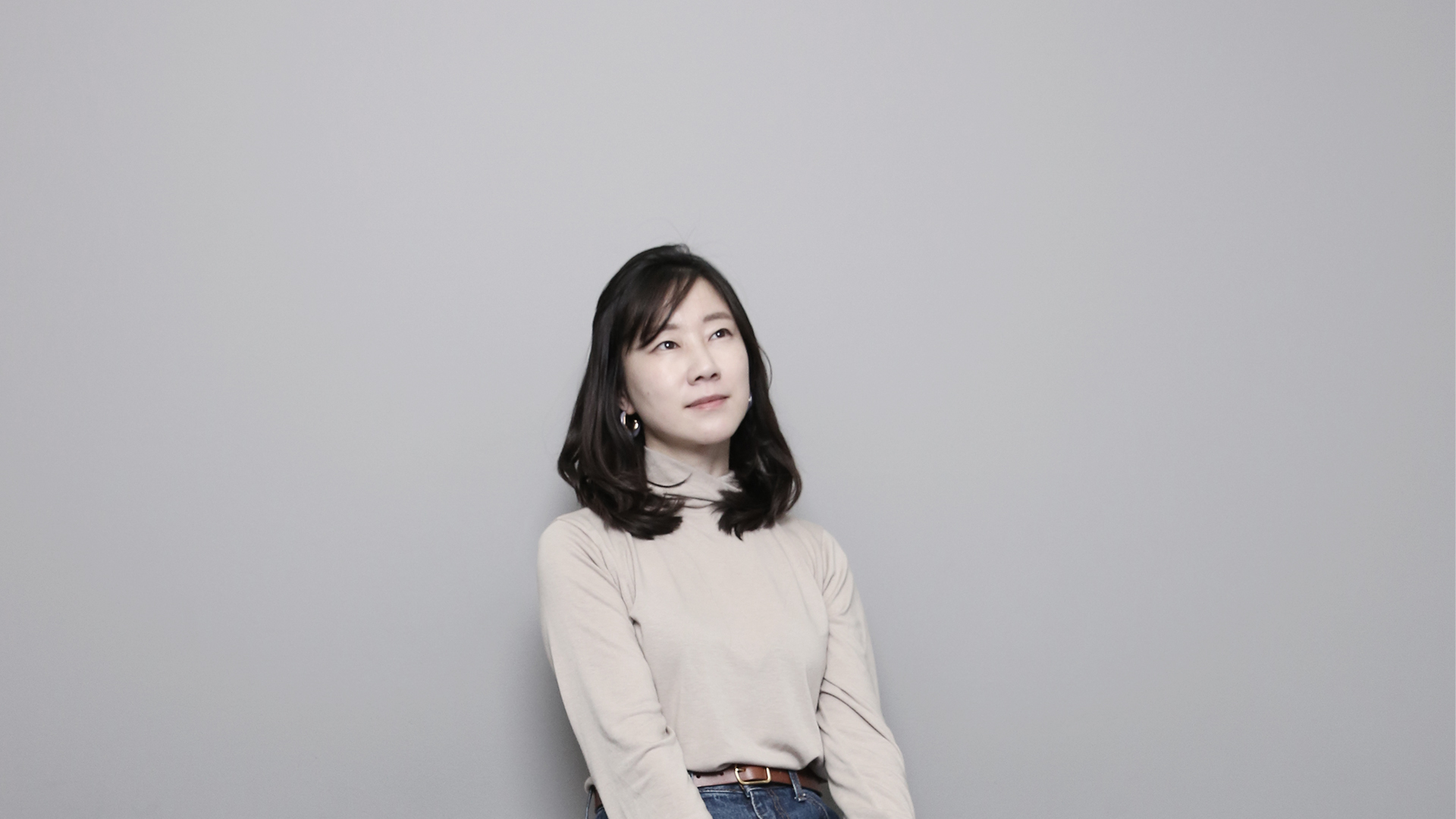
Kim Ji Yoon Studio is a design studio led by industrial designer Ji Yoon Kim. The studio focuses on thoroughly understanding the client's brand status, business goals, and intentions, and on delivering optimized integrated solutions through its unique design methodology, Communication-Centric Contextual Design. Rather than stopping at presenting simple concepts or ideas, the studio strives to create meaningful objects that align with broader social contexts. It actively collaborates across various sectors with both domestic and global clients, including BAT, LG Electronics, American Standard, Amorepacific, and CESCO.
Please tell us about one of your most memorable achievements or experiences.
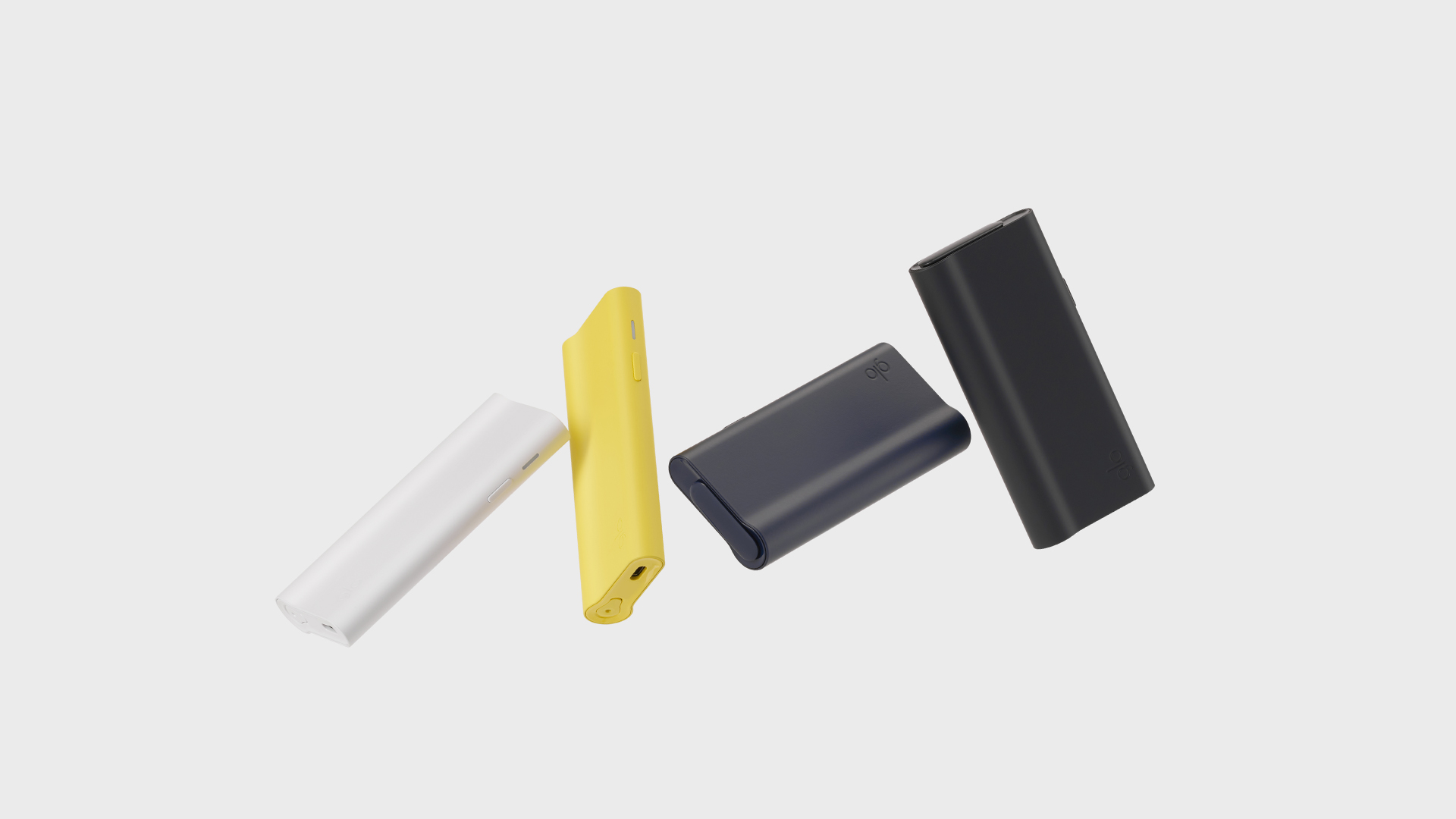
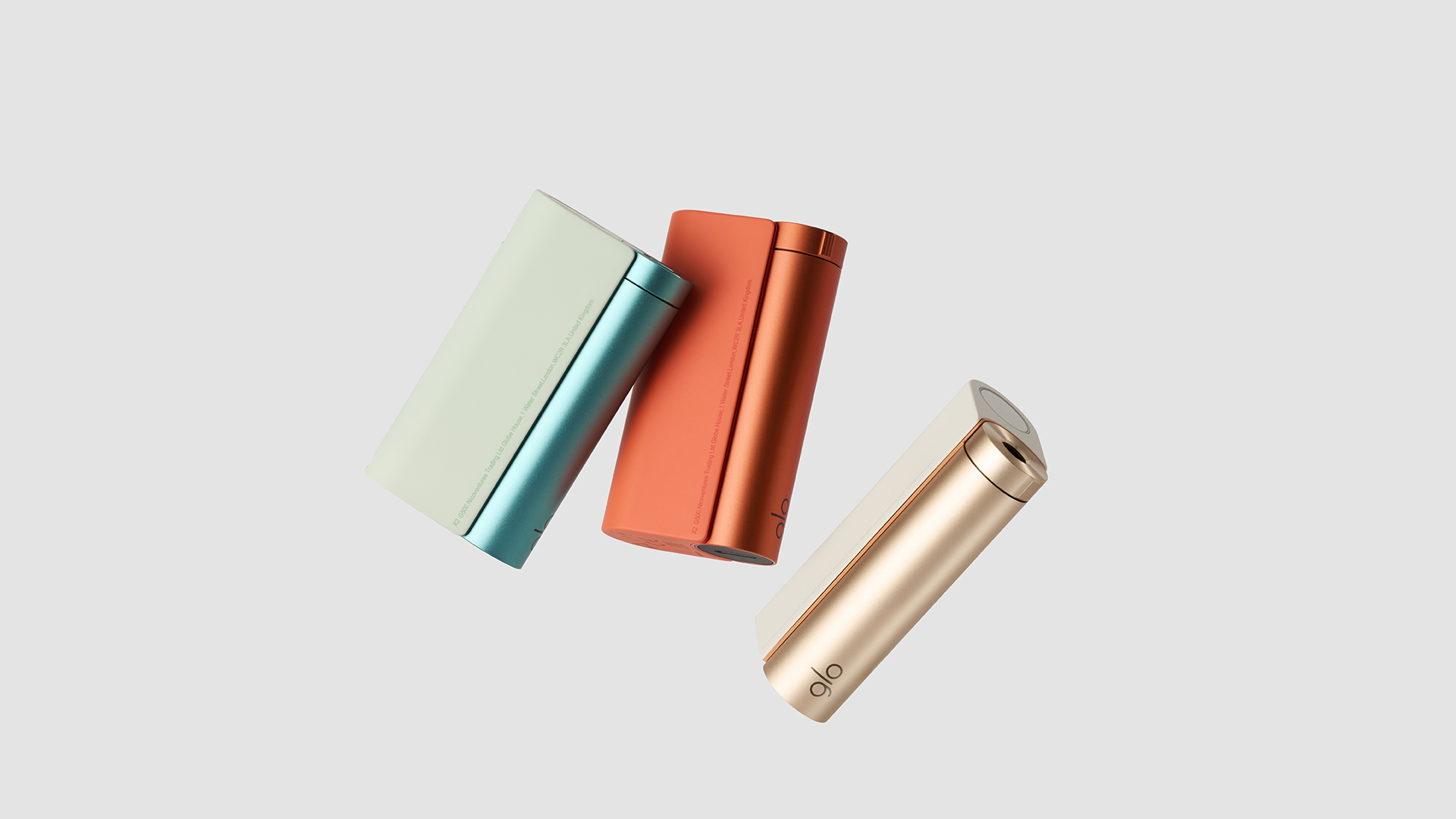
One of the most memorable projects would be our design collaboration with BAT on the Glo series. At the time, the main markets for the Glo THP (Tobacco Heating Product) series were East Asian countries like Korea and Japan, and BAT was looking for a new design partner tailored to the market. Competing against well-known design firms from Europe and North America, our studio’s proposal was selected and carried through to mass production. I believe that our portfolio from the first-generation lil product design project with KT&G played a decisive role. When we first started the project with BAT, their London design team hadn’t yet been fully established. So our role extended far beyond concept development—we handled everything from internal presentation materials and CMF proposals to consumer survey samples, various design supports required for engineering and development, packaging structure design, and even final limit sample approvals. In the Glo Pro Slim project, we worked closely with BAT’s design team like an in-house unit, involved in every stage of product development.
Due to the nature of BAT’s heating engine module, the heating area had to be thicker than that of competing products. Previous Glo devices had used a soft, unibody cubic form, which made the product feel bulky and outdated. Together with the UK team, we proposed using a thinner battery and turned the thickness contrast between the battery and heating area into a design feature. We created numerous prototypes to explore that balance and ultimately arrived at a distinctive, appealing design language. I still remember how the yellow color—something I had strongly advocated for—received the most positive response after launch. Since then, we’ve maintained a close partnership with BAT, and have collaborated on several models including the Pro Slim, X2, and Hyper Air, all released in 2021.
How do you manage global projects, such as your collaboration with BAT Rothmans?
Most of the projects at Kim Ji Yoon Studio—both domestic and international—begin with clients reaching out to us first. I believe this is becoming more common across many studios. Unlike in the past, active sales or outreach are rarely necessary now. Thanks to the growing number of platforms, websites, and social media channels, it’s become much easier to promote our work and be discovered by potential clients. Because we’re active across various online platforms, overseas clients can also find and approach us more easily.
That said, global projects do come with challenges—mainly due to the physical distance. Exchanging prototypes, for instance, requires significant time and cost. And when communication is handled through conference calls or email rather than face-to-face meetings, misunderstandings can occur more easily. To prevent this, we make sure all visual materials and documents are extremely detailed and precise, with carefully annotated images to avoid miscommunication. Additionally, we’ve found it incredibly helpful that many Korean designers are currently working within corporate design teams in the U.S., Europe, and China. Their presence often provides valuable support when navigating cross-cultural collaborations.
Is there a principle you never compromise on as a designer?
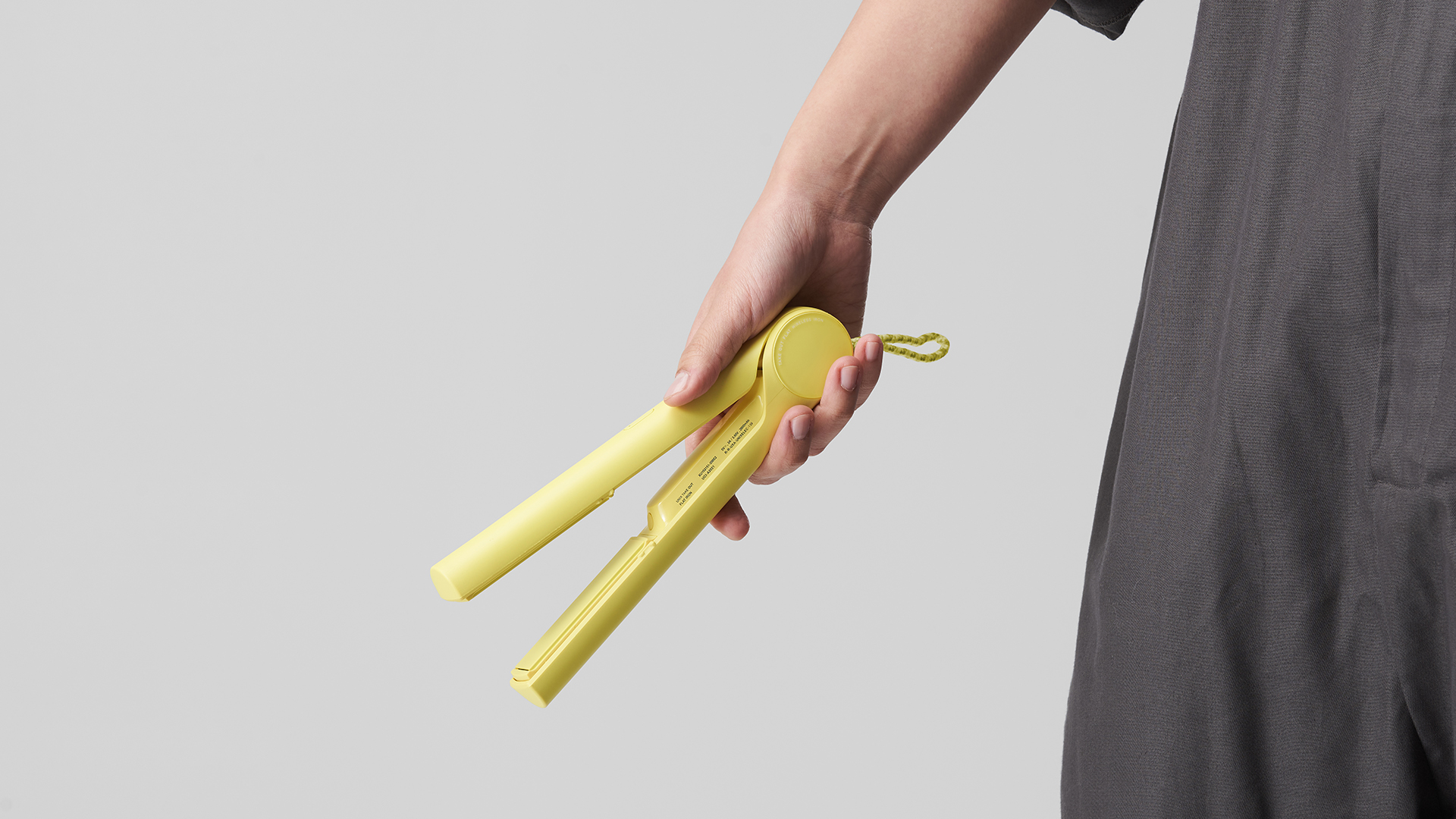
When working with companies across various industries, projects often tend to focus solely on form and CMF. That’s typically what’s expected of industrial designers. However, when approached this way, each product becomes fragmented, and the overall vision and character of the brand can lose cohesion. That’s why we focus on building contextual, persuasive narratives about why a design should exist. Instead of approaching a project from a purely formal perspective—triangles, squares, circles—we strive to ground our work in social and cultural context. We call this process CCCD, or Communication-Centric Contextual Design. Before determining form, usability, or color, we begin by asking fundamental questions like: Why should this object exist? and How will we explain its purpose to people? We then translate those answers into a design outcome that connects back to its context, resulting in a compelling and meaningful story.
From the pandemic to the endemic era, how have design or marketing directions changed?
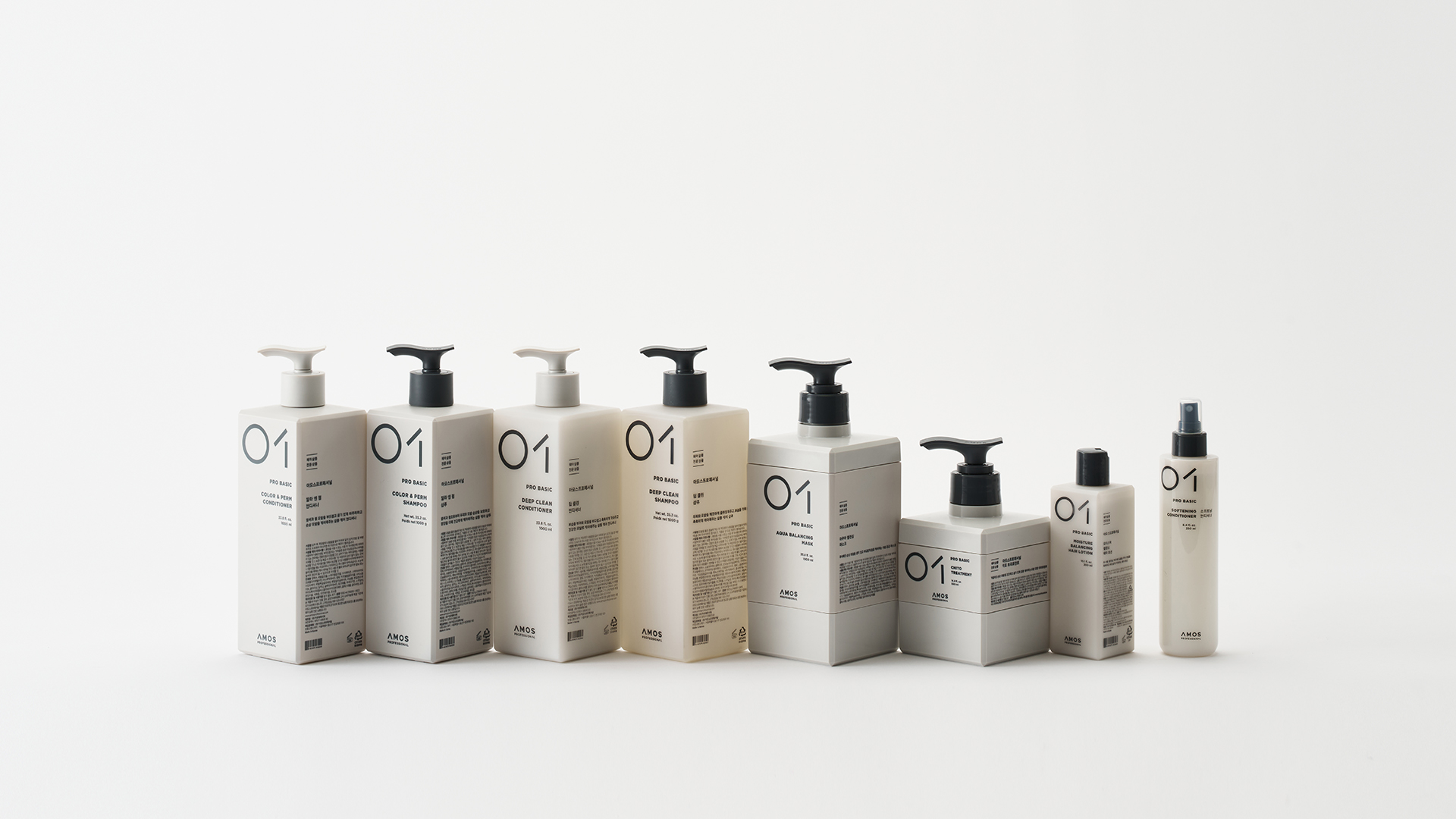
We’ve seen significant shifts across many sectors—from remote work services and antiviral materials to the rapid growth of the hygiene product market. One major change we've observed is that consumer needs have evolved. Consumption has become more experience-oriented, with greater emphasis placed on personal value rather than simply owning physical objects. In the past, owning a “good product” often relied on socially agreed-upon standards like luxury or status. Today, emotional resonance plays a larger role. Consumers now care more about how responsibly a brand operates, how sensitively it communicates its values, and what kind of attitude it holds toward its industry. This shift can’t be attributed to the pandemic alone. It’s the result of increasingly personalized and sophisticated media environments intersecting with a new generation that came of age during COVID-19—amplifying these behavioral shifts.
How is Kim Ji Yoon Studio evolving in response to these changes in consumer demand?
When designing as a company, there’s always the risk that design becomes reduced to a tool for profit or simply a way to generate appealing images. But what we’re really doing is shaping tangible things in the real world—using the planet’s resources. That’s why we believe design should always come with a sense of social responsibility. And by social responsibility, we don’t just mean the typical ESG narrative. We mean that every object, service, or brand we help create must have clear intent, meaningful context, and a compelling rationale for existing. We believe that the mindset and values a designer must have are aligned with the evolving expectations of today’s consumers. This is the core principle that Kim Ji Yoon Studio consistently pursues.
Do you have a personal philosophy or belief as a designer? And what is your vision for the future?
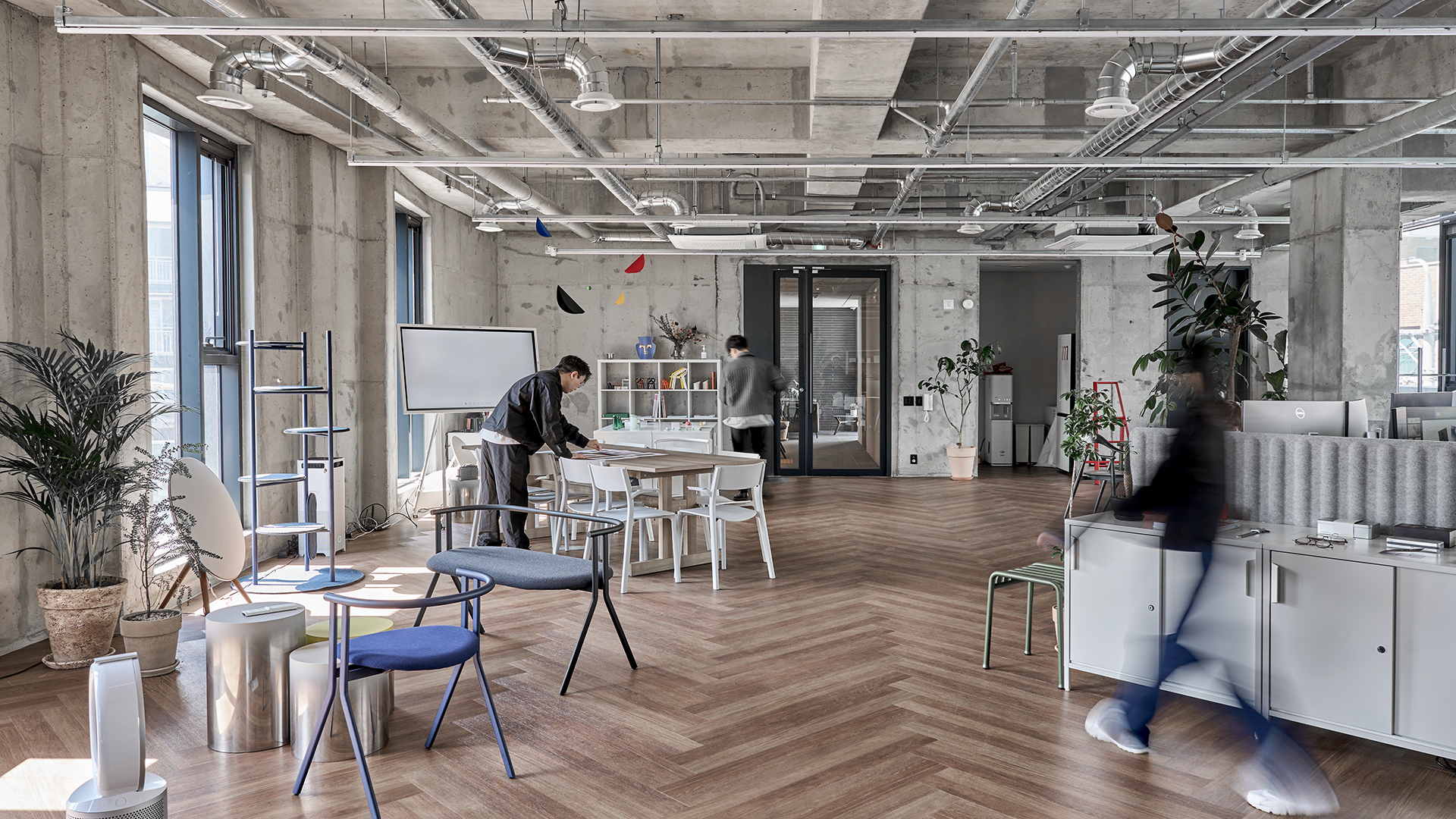
At our studio, we don’t believe in assigning fixed roles. In the past, visual design and product design were clearly separated, but today’s projects require a more integrated perspective—where designers must define brands and make visual, formal, and strategic decisions all at once. In that sense, the scope of what’s expected from designers has expanded significantly. We’re now responsible for everything from high-level strategic thinking that shapes the foundation of a project or business, to the tiniest details that are often hard to notice but make all the difference. Every project we take on is challenging, but that’s exactly why I love what I do. I’m happiest when I’m immersed in this work. My hope is to keep designing for a long time—without burnout—by continuing to obsess over details while always maintaining a wide perspective that seeks contextual completeness.





















#14057, 905 49, Beolmal-ro 102beon-gil,
Dongan-gu, Anyang-si, Gyeonggi-do, Korea
Business Registration Number: 454-86-01044
Online Sales License No.: 2021-Anyang Dongan-1081
Copyright © DESIGNSORI Co., Ltd.