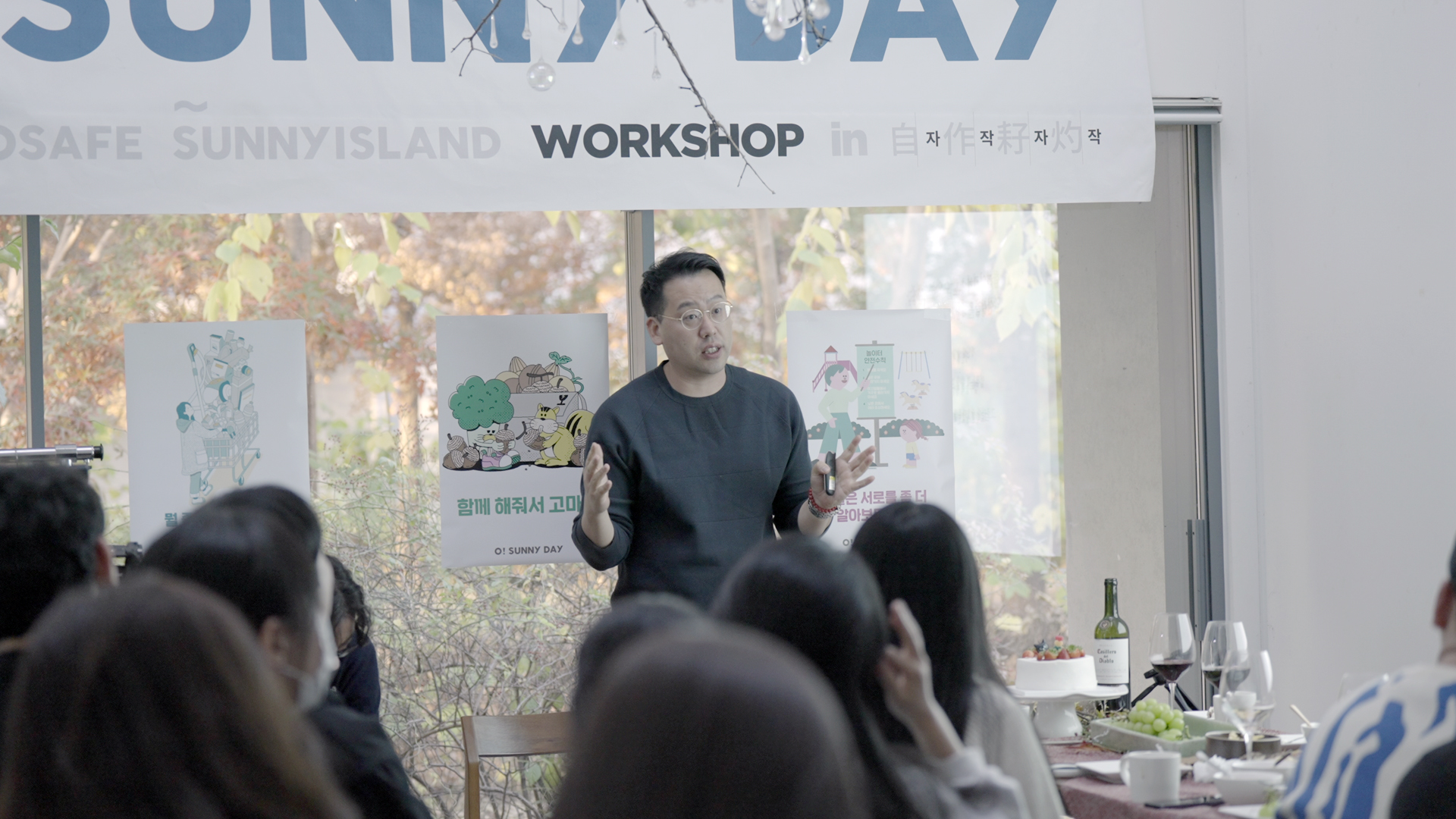
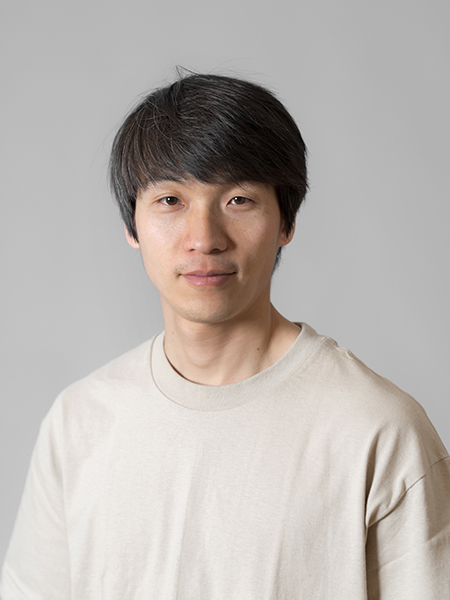
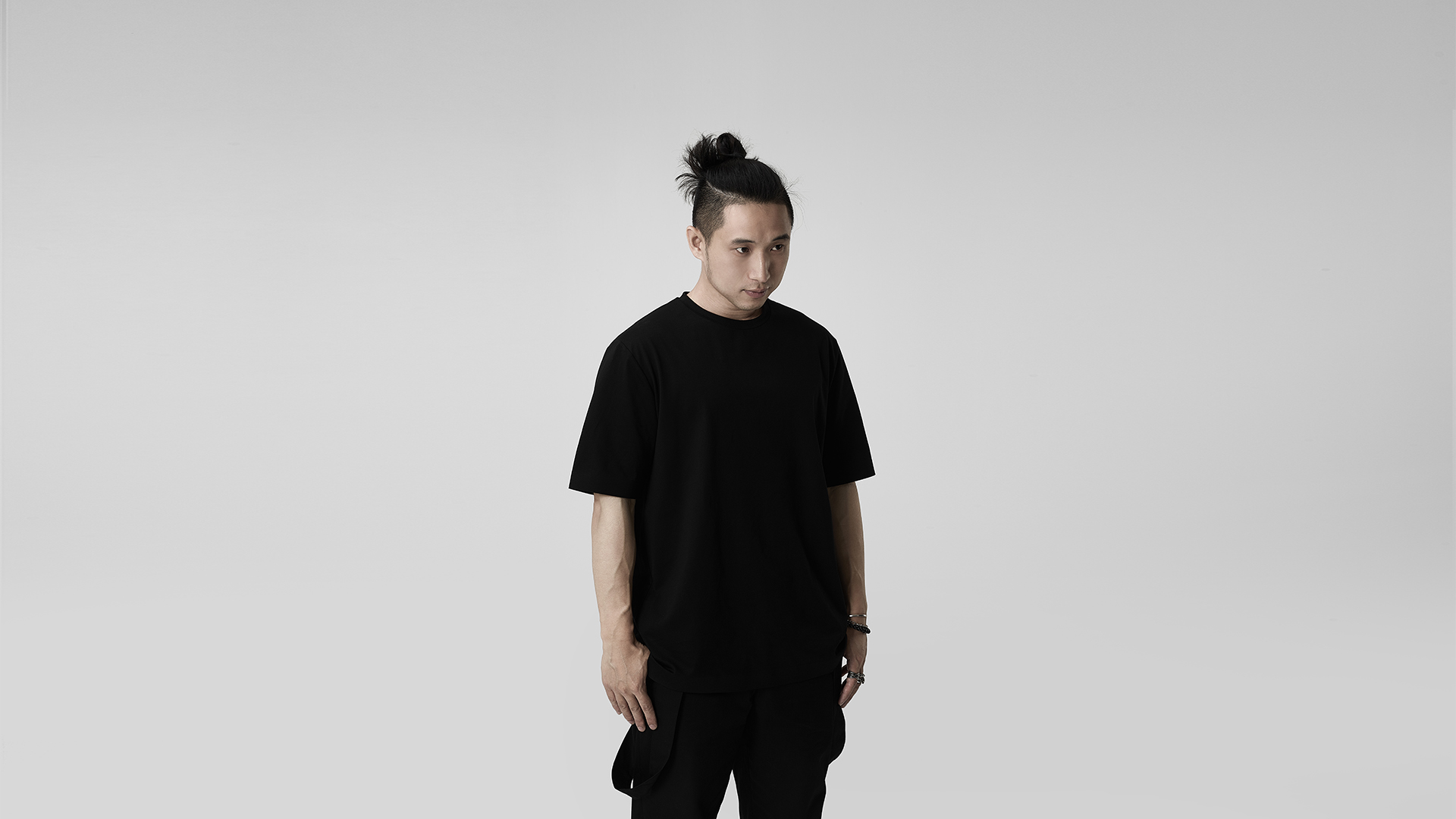
I’m Junwoo Shim, Director of the design studio SunnyIsland. Since our founding in 2012, we’ve been carrying out a wide range of design projects, including brand development and various creative executions. We’re currently based in Mapo-gu, Seoul, but we work across regions—taking on projects related to local brands, tourism, campaigns, and advertising without geographic limitations. While the majority of our revenue comes from client projects, we also operate our own in-house campaign brand, through which we produce and sell magazines and goods. Our strongest expertise lies in brand development and graphic design, which we’ve been focused on since the early days. More recently, we’ve expanded our scope by building a dedicated team for video, motion graphics, campaign planning and execution, and social media management.
Please share one of your most memorable achievements.
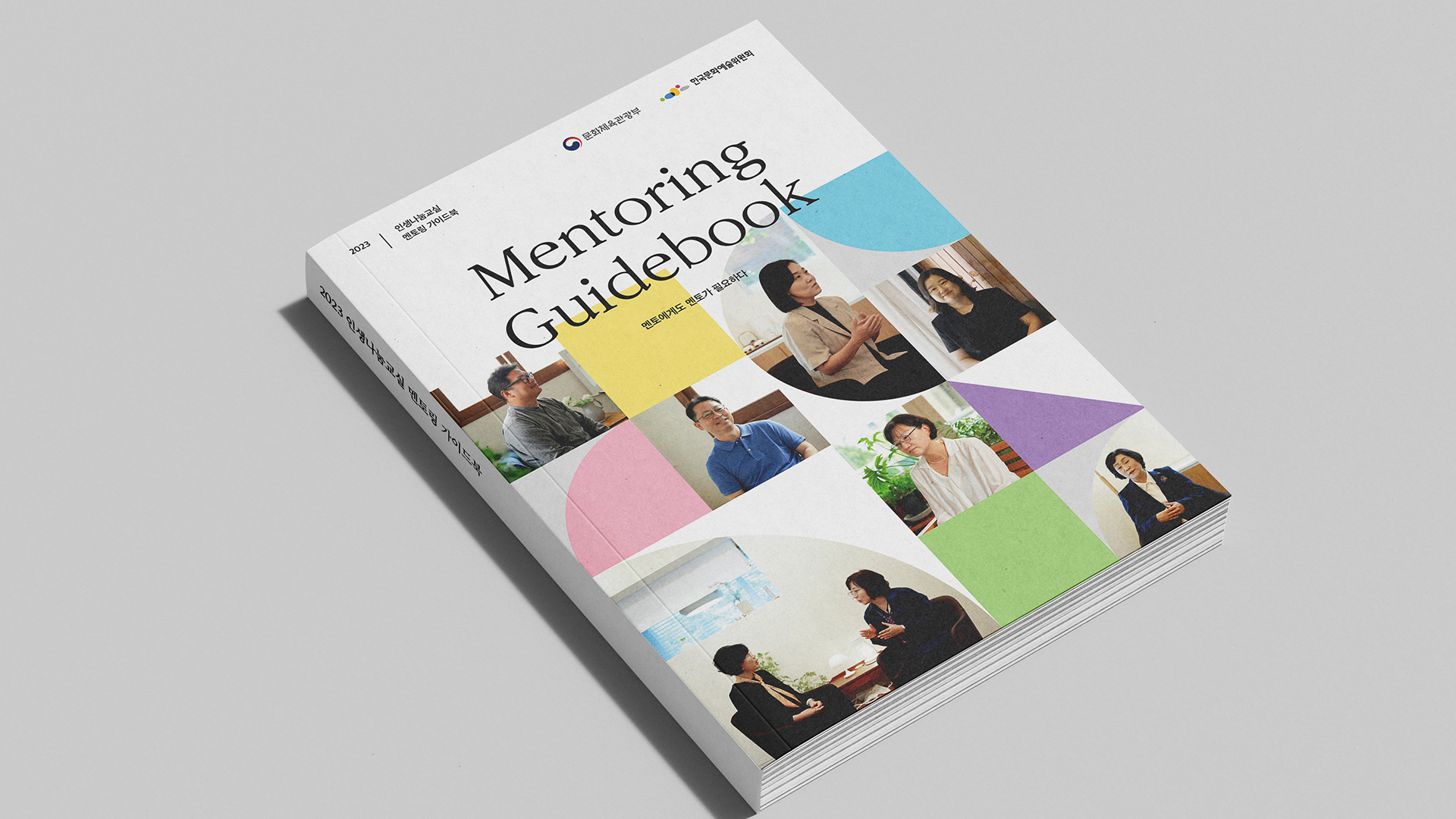
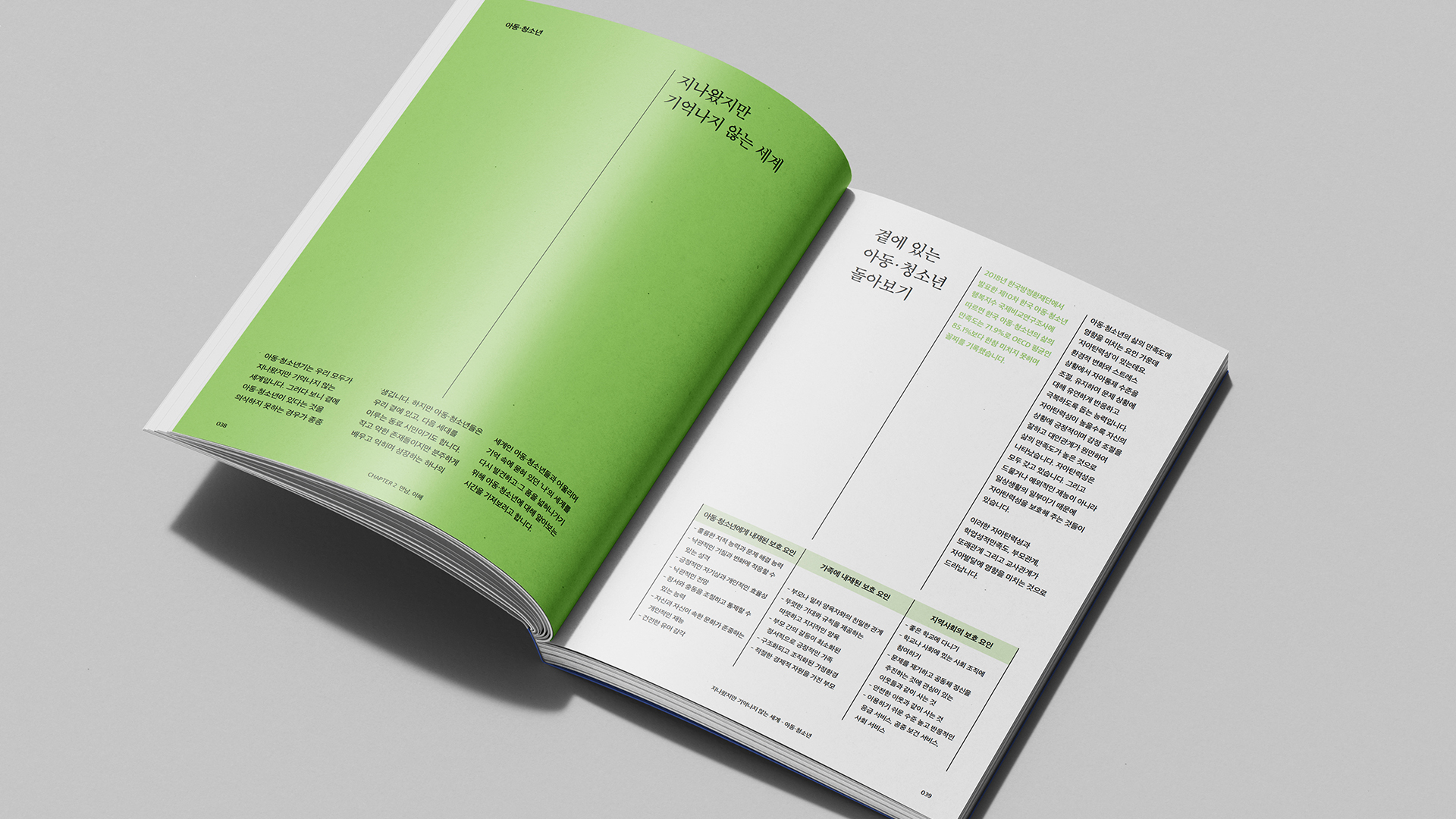
One of our most memorable projects was the “Life Sharing Program: Guide Content for Mentors”, which we carried out in collaboration with the Arts Council Korea. The Life Sharing Program selects mentors aged 50 and above and connects them with mentees in need—creating meaningful relationships and encouraging mutual growth. Unlike traditional mentoring programs that focus on passing down skills or knowledge, this one emphasized empathy and connection through a humanities-based approach. Our role was to plan and create content that would support these mentors throughout their mentoring activities. We helped define what kinds of content were needed, how to gather and analyze the material, and how to express it meaningfully. We approached the project from multiple design angles and produced a range of deliverables, including videos and printed materials. This included interviewing relevant experts to provide professional insights and guidance, especially for new mentors who needed both encouragement and practical support.
Throughout the Life Sharing Program, we were involved in every step—from coordinating interviews and managing collaborations, to deciding the final form of the output—allowing us to fully apply design thinking. Rather than simply producing graphics, we took on the role of identifying challenges and developing solutions. Internally, this process helped us grow significantly as a team. And since then, it has opened doors to even more diverse and meaningful projects. For us, design is about identifying problems and finding the most efficient solutions using broad, systemic design methodologies. It’s not just about making something visually appealing—it’s about addressing the full process of problem-solving and delivering meaningful results.
What is SunnyIsland’s unique design process?
Just as projects come in many forms and personalities, we don’t insist on a single, fixed process for everything. At SunnyIsland, we aim to stay flexible—developing and adapting different processes depending on the project, and working closely with clients to shape those processes together. That said, one consistent feature of our approach is holding in-depth communication sessions before a project begins. In these early stages, we align on key items like deliverables, timelines, and the overall project blueprint. (Of course, this doesn’t apply in cases where the deliverables themselves are meant to be discovered collaboratively during the process.)
We clarify questions like: At what stage are we entering the client’s overall project timeline? Are the key decision-makers internal or external? What resources do we have? And what goals are we expected to achieve? By collaboratively designing the project framework with the client, we’re able to define the starting point, the end goal, and everything in between—and then build a fitting process to deliver it.
What are your strategies for dealing with issues that arise during project negotiation?
Not everything can be negotiated perfectly, but a reasonable framework is essential. Since most of what we create is based on creativity and involves producing something that didn’t exist before, it’s inherently difficult to quantify design outcomes—especially for solution-oriented projects. That’s why it’s important to have a clear discussion in advance about the client’s internal situation, the project goals, and the level of solution they expect. Sometimes, this discussion brings up new items that the client hadn’t considered, or it results in narrowing the project scope compared to the initial expectations. One issue that can arise is when deliverables and project costs are agreed upon during these discussions, but the project ultimately doesn’t go forward. Another challenge is when both sides include planning costs in the project scope, but later realize they have differing expectations about the outcome—leading to awkward situations.
To prevent this, it’s critical to clearly define the deliverables and include detailed cost breakdowns in the proposal. It also helps to have extensive experience handling a variety of project types, as well as the expertise to navigate these nuanced discussions. In short, transparency and seasoned judgment are key to aligning expectations and preventing miscommunication.
Is there a designer who inspires you? What kind of influence have they had on you?
There are so many designers who inspire me. Honestly, I often find myself thinking, “How are there so many great designers out there? Will I really be able to stay competitive and continue making a living through design?” But if I had to name one designer who gave me the inspiration to keep going without giving up, it would be Sølve Sundsbø. I first encountered his work through a university assignment. At the time, I had a rigid view of what design categories were supposed to be. Sølve broke down those boundaries—demonstrating that a designer can lead projects and produce a diverse range of creative outcomes across different disciplines. As a student, seeing his work opened my eyes to the idea that design isn’t limited to a single format or medium. He inspired me to challenge myself in broader areas of design and helped me believe that I, too, could pursue a more versatile and self-directed path.
How do you think the design industry will change in the next 10 years, and how are you preparing for it?
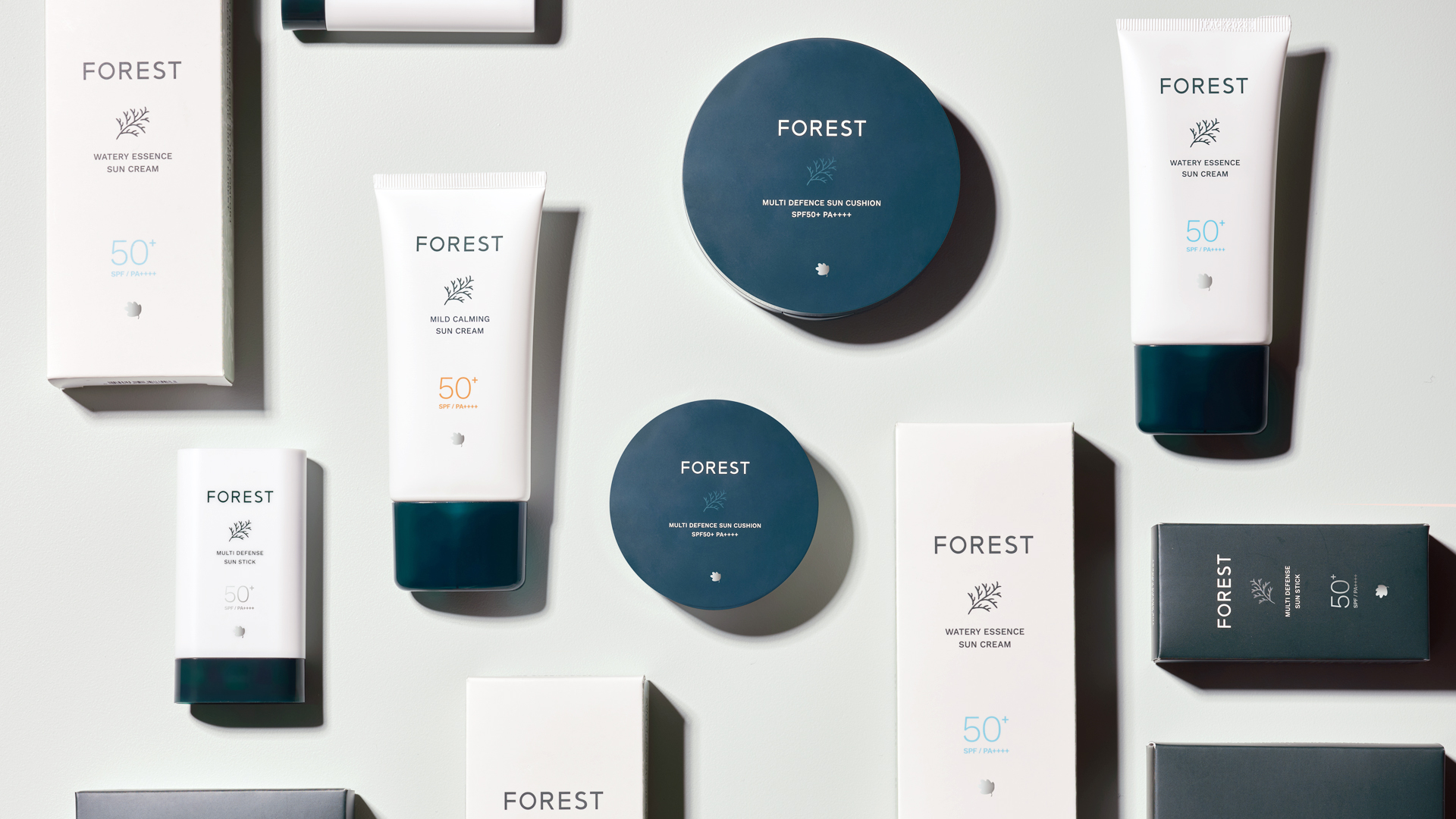
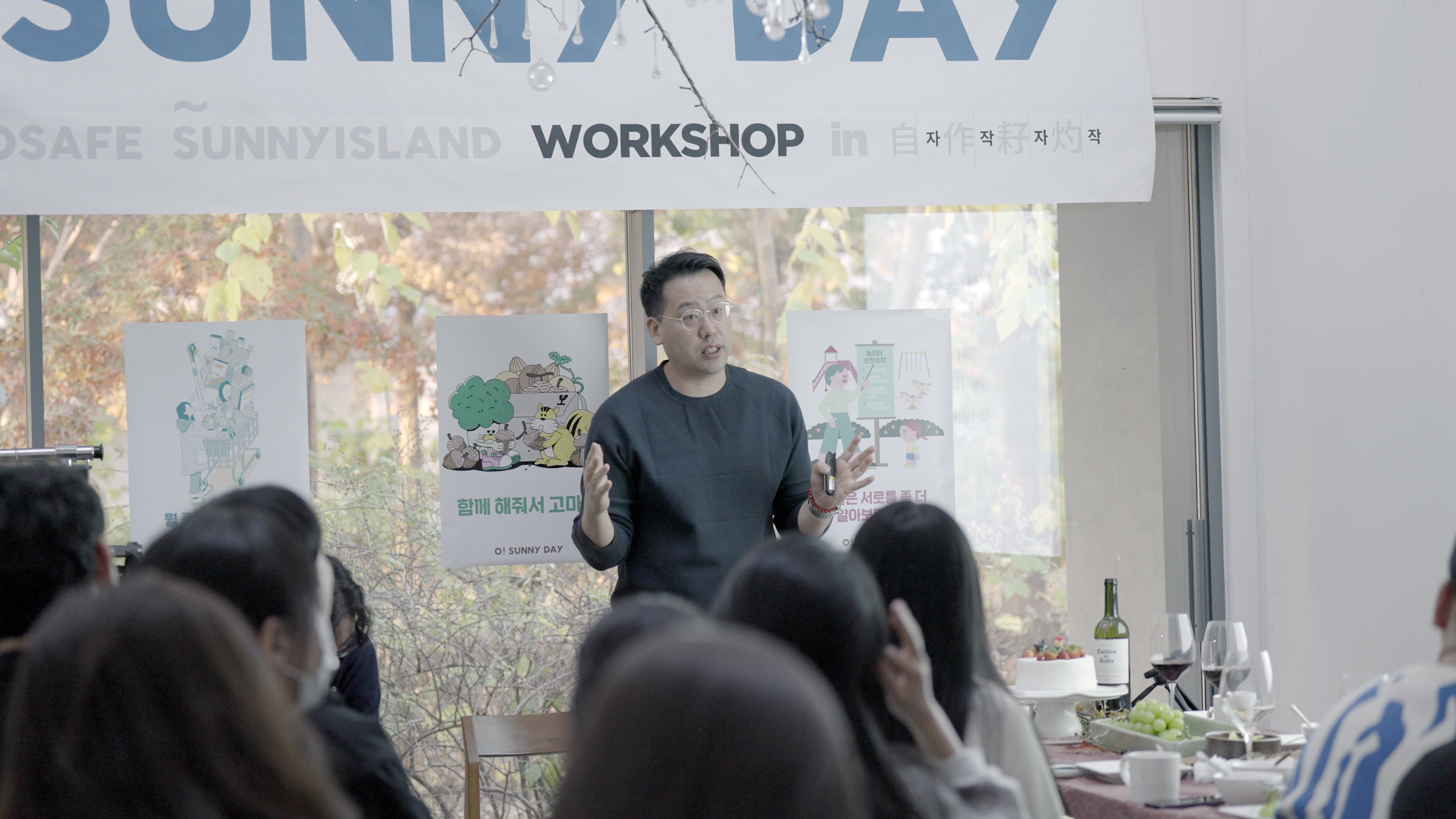
I believe the scope of what we call the “design industry” will continue to diversify. From a designer’s perspective, it could even become polarized. A key factor will be how much—and how effectively—we use AI. AI has already established itself as a design tool, so a designer’s value will increasingly depend on how well they leverage these tools. We’ll also see more crossover between design disciplines. To attract and engage audiences across exhibitions, performances, advertising, apps, and social media, specialists from various design fields will need to collaborate more than ever. In response to this shift, SunnyIsland continues to position itself as a branding and graphic design company, while also launching O-SAFE, a specialized division focused on safety and public design. Our goal is to deepen our expertise in those areas. We’re also prioritizing team growth by focusing on hiring, internal training, and the development of a more structured internal process.
What values and vision does the O-SAFE initiative represent within SunnyIsland?
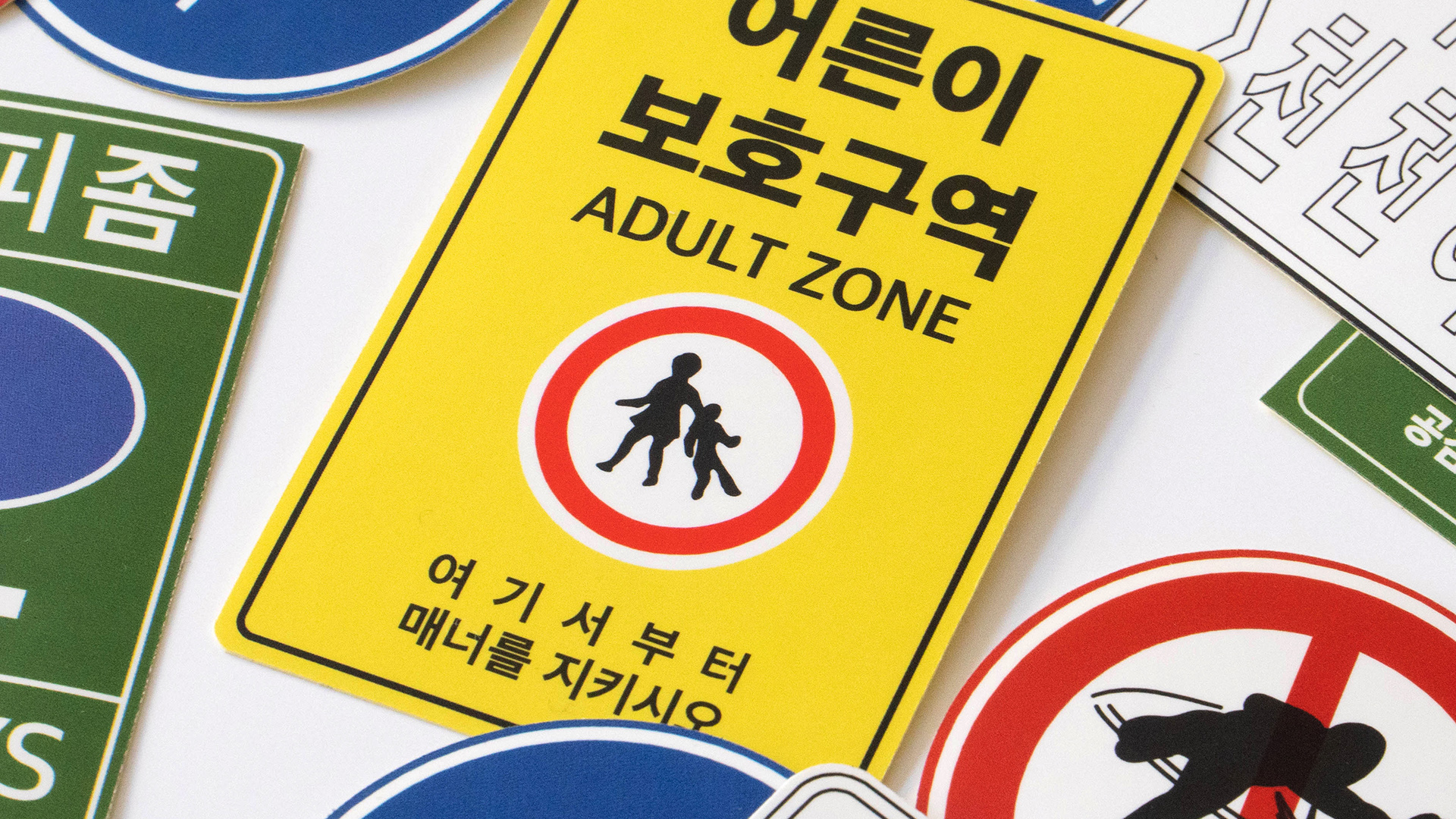
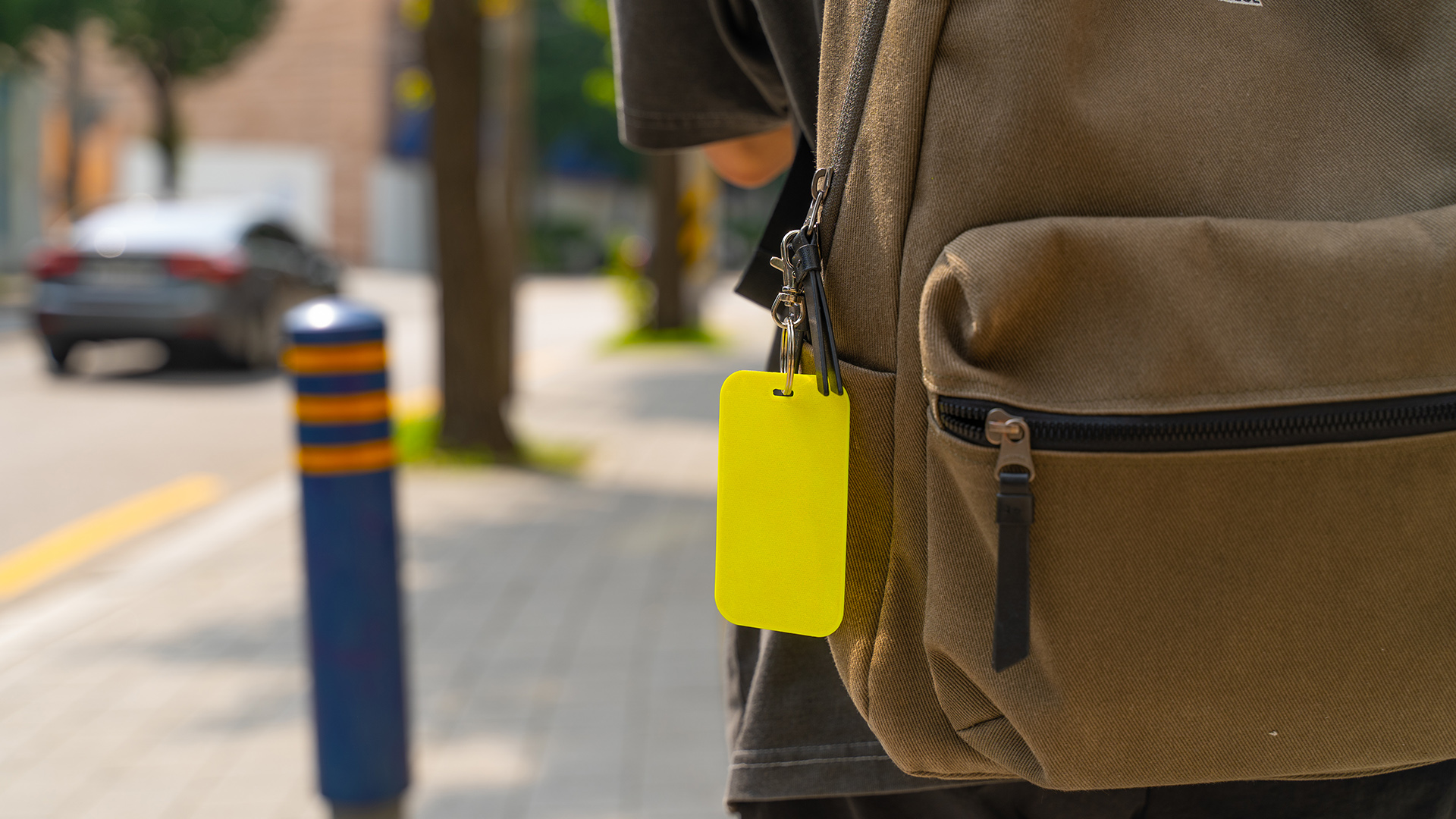
Since 2014, SunnyIsland has been creating and sharing content under the theme of “safety.” To take this further, we developed and now operate the O-SAFE brand. We’re actively strengthening our capabilities in public design and public-interest campaigns through internal training and workflow improvements. Our goal is to become a team of professionals that can make a positive social impact. I believe designers must continue growing as professionals. Designers help shape trends and have a significant influence on society. That’s why we should strive to create value and make a meaningful impact on more people. As one of those designers, I want the work I do to be rooted in responsibility—not just for ourselves, but for the society we’re part of.















#14057, 905 49, Beolmal-ro 102beon-gil,
Dongan-gu, Anyang-si, Gyeonggi-do, Korea
Business Registration Number: 454-86-01044
Online Sales License No.: 2021-Anyang Dongan-1081
Copyright © DESIGNSORI Co., Ltd.