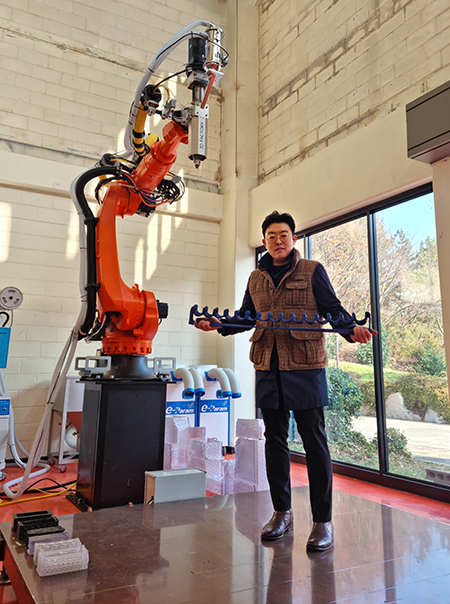
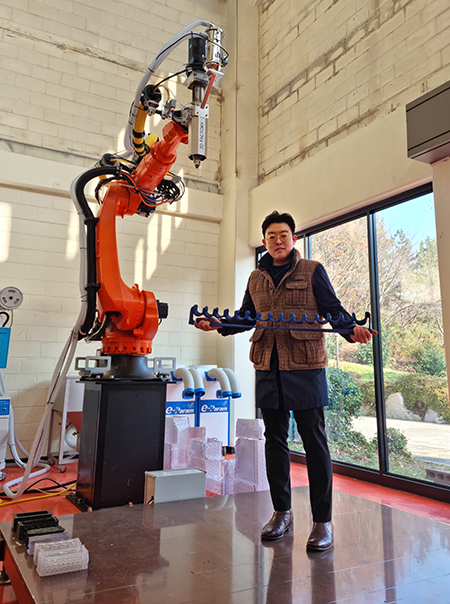
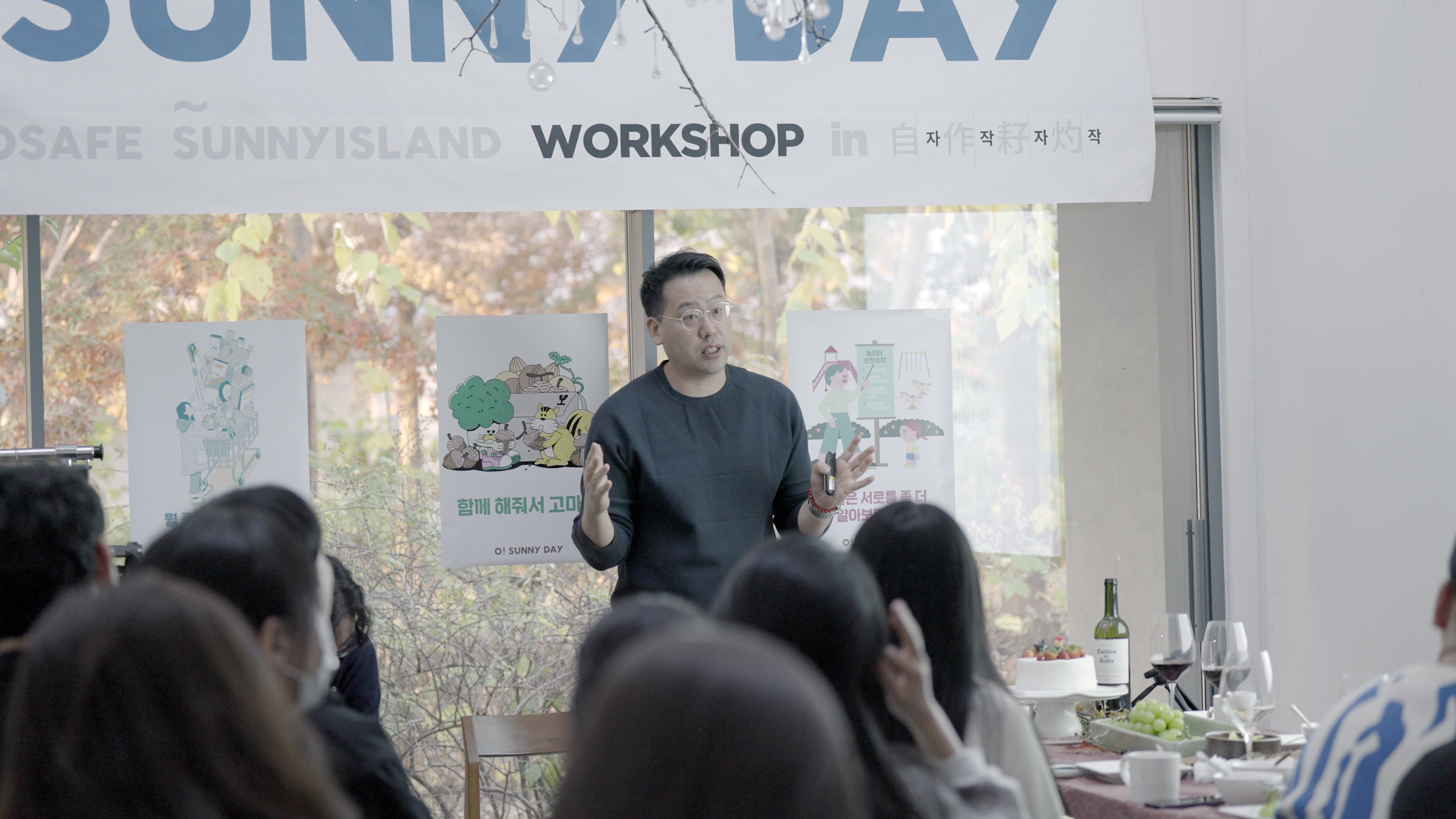
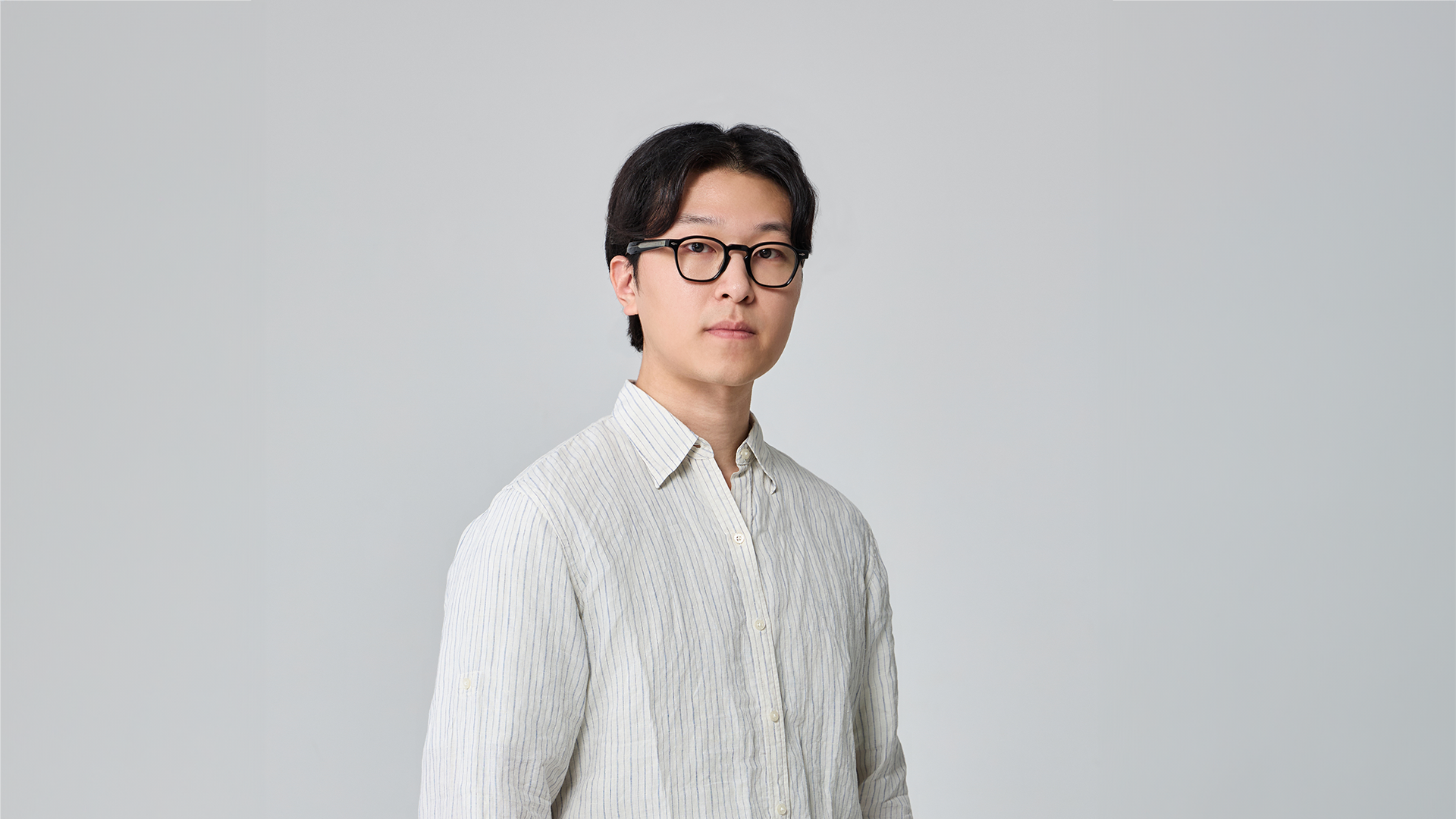
I am Professor Beomgwan Kim from the College of Design and Architecture Convergence at the University of Ulsan. While teaching design and architecture, I also work as a researcher, designer, and architect. I studied industrial design in Korea and architecture in the UK. During my industrial design studies, I developed a growing curiosity about human-scale product design, living spaces, architecture, cities, industry, and the environment, which naturally led me to architecture. Currently, I have established the FD/DF LAB (Future Design/Digital Fabrication_Laboratory for Innovation in Design, Architecture, and Digital Manufacturing), where I pursue challenging and experimental interdisciplinary clinical research in architecture and spatial design. My work involves architectural design using advanced manufacturing technologies such as large-scale 3D printing, wood architecture design, development of convergent design materials (C.M.F), regional branding for spatial design, and content development. I am also pioneering practical education that meets the demands of a changing era by integrating design, architecture, engineering, and content technologies.
What challenges have you taken on as a designer, from past to present?
Growing up in Ulsan, I began my journey of challenges by attempting to overcome the limitations of my region through participating in countless design competitions. Although I faced numerous rejections and failures, I continued to persevere and gradually gained valuable experience. Over time, I began placing in competitions, eventually achieving major accolades—including the Prime Minister’s Award at the Korea Industrial Design Exhibition, a first for a university student at the time. These accomplishments led to my selection for the “21st Century Outstanding Talent Award” by Korea’s Ministry of Education, and I was invited to the Blue House for a luncheon with the President, receiving a presidential medal. This experience sparked my curiosity for a broader world and motivated me to study abroad in the UK.
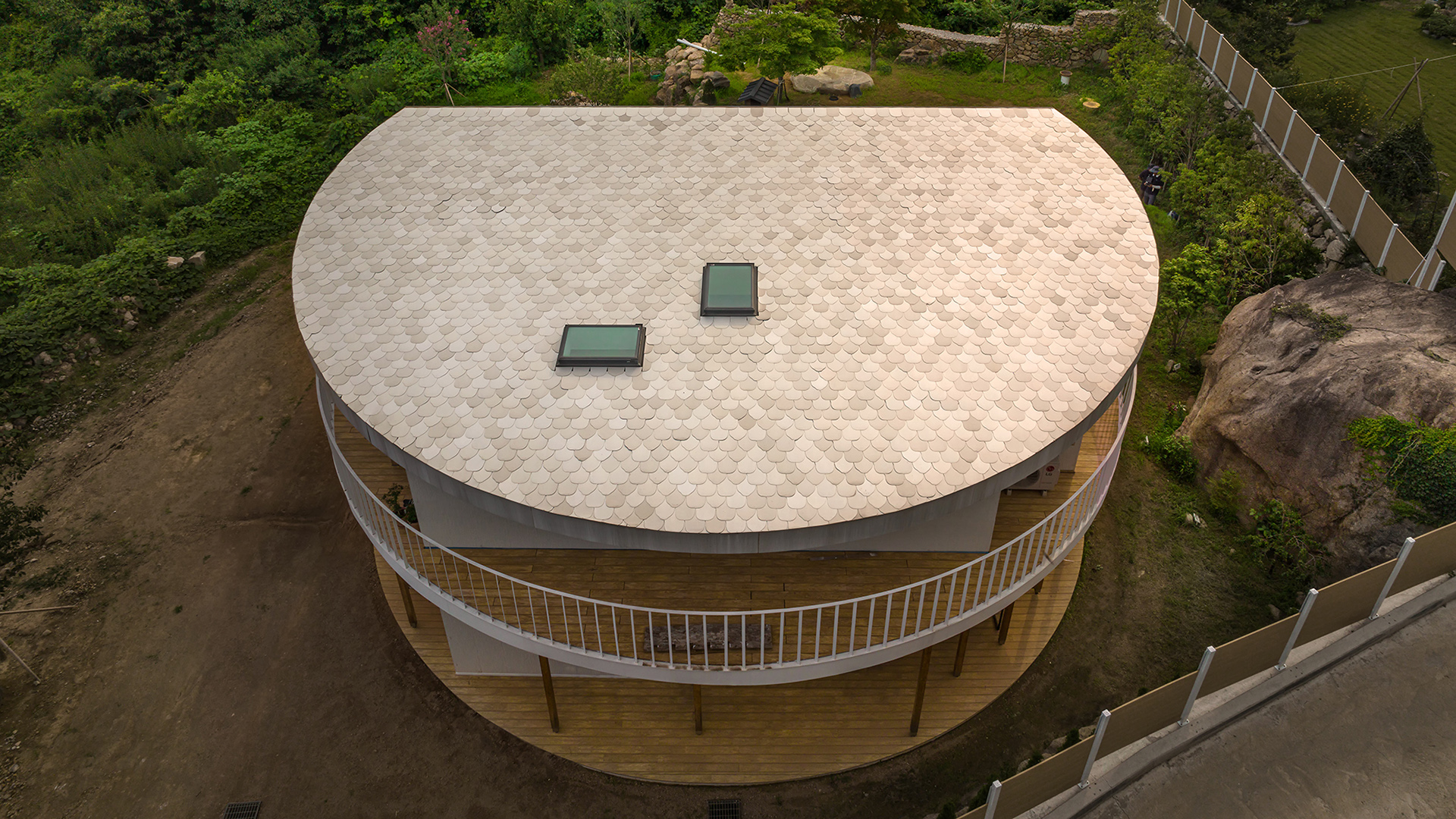
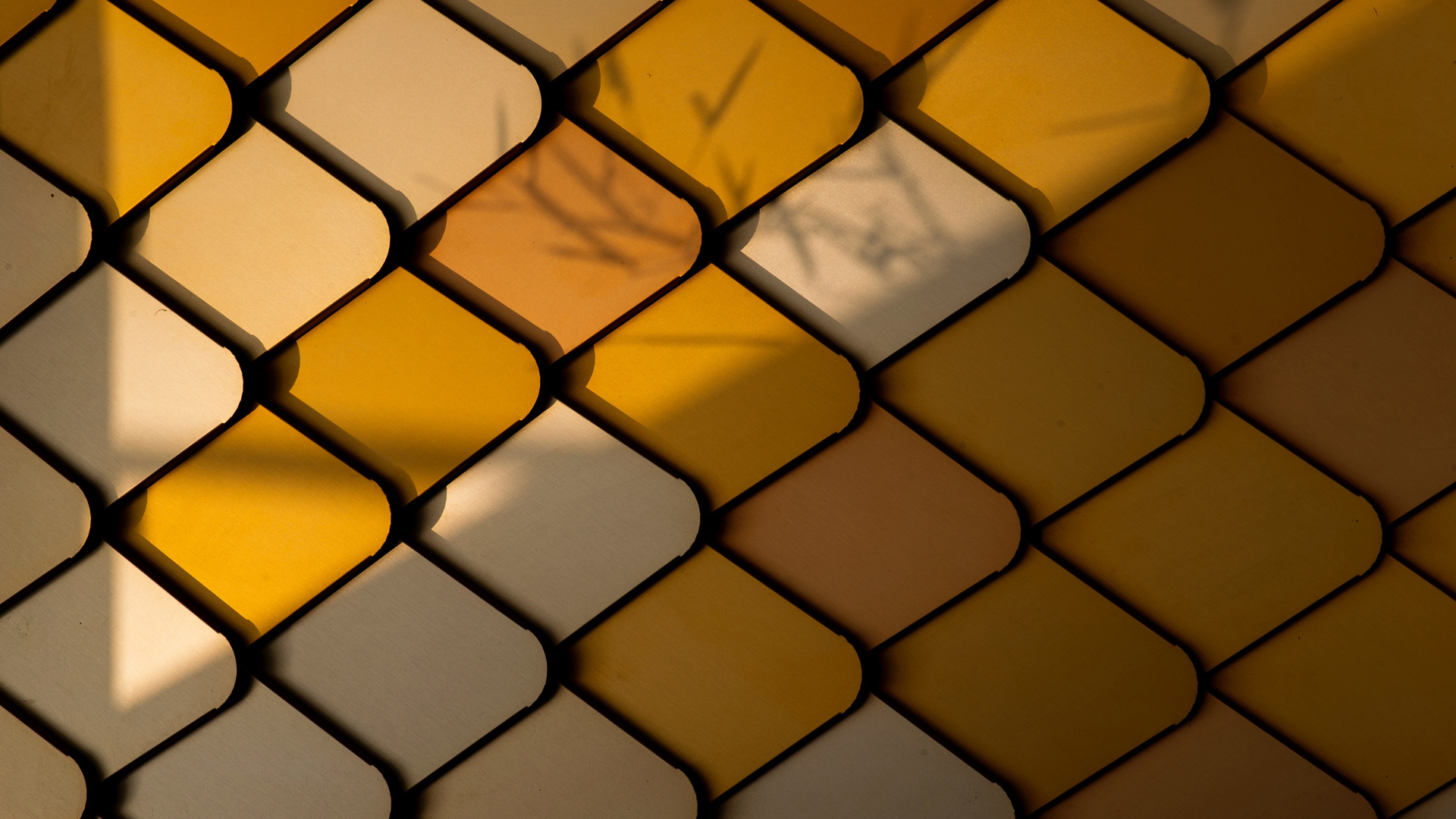
Despite cultural and language differences, I challenged myself once again and graduated with top honors from the Architectural Association School of Architecture (AA School), one of the most prestigious architectural institutions in the world. During my 10 years in the UK, I had the privilege of learning directly from globally renowned architects and designers and participated in various international projects. Looking back, while degrees were important, the real assets were the many challenges and experiences I had accumulated. In 2015, I returned to Ulsan as a professor. With fresh eyes informed by global experience, I saw Ulsan not as the “boring industrial city” I had remembered, but as a place full of hidden potential. As the saying goes, “You see what you know.” I began research focused on integrating Korean culture and local industries with design and architecture. However, I soon faced limitations in materials and techniques required for conceptual and expressive architectural design. This led to yet another challenge: developing architectural materials that reflect Ulsan’s identity by leveraging the region’s advanced manufacturing technologies and materials used in automotive, shipbuilding, heavy industry, and chemical sectors.
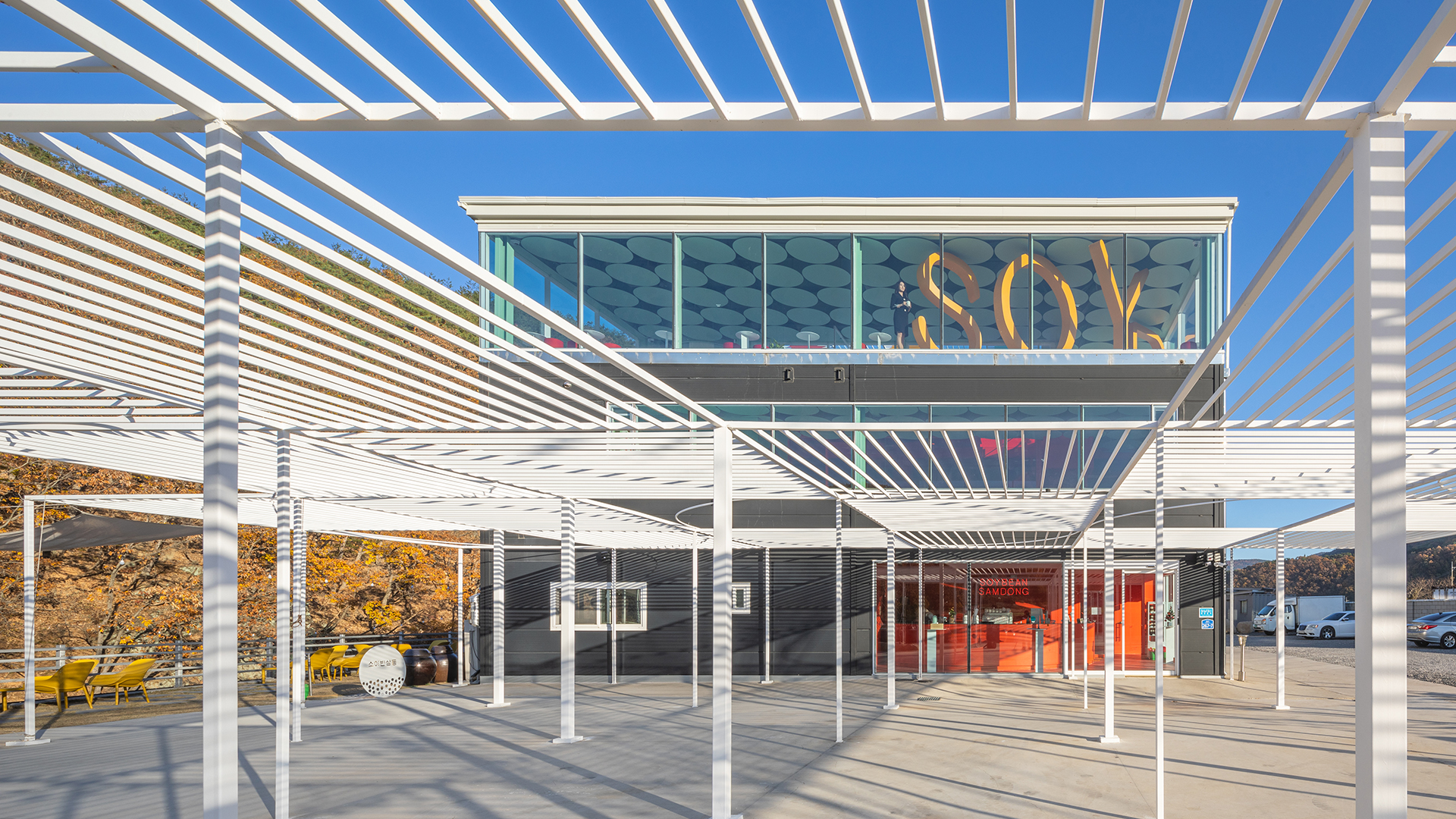
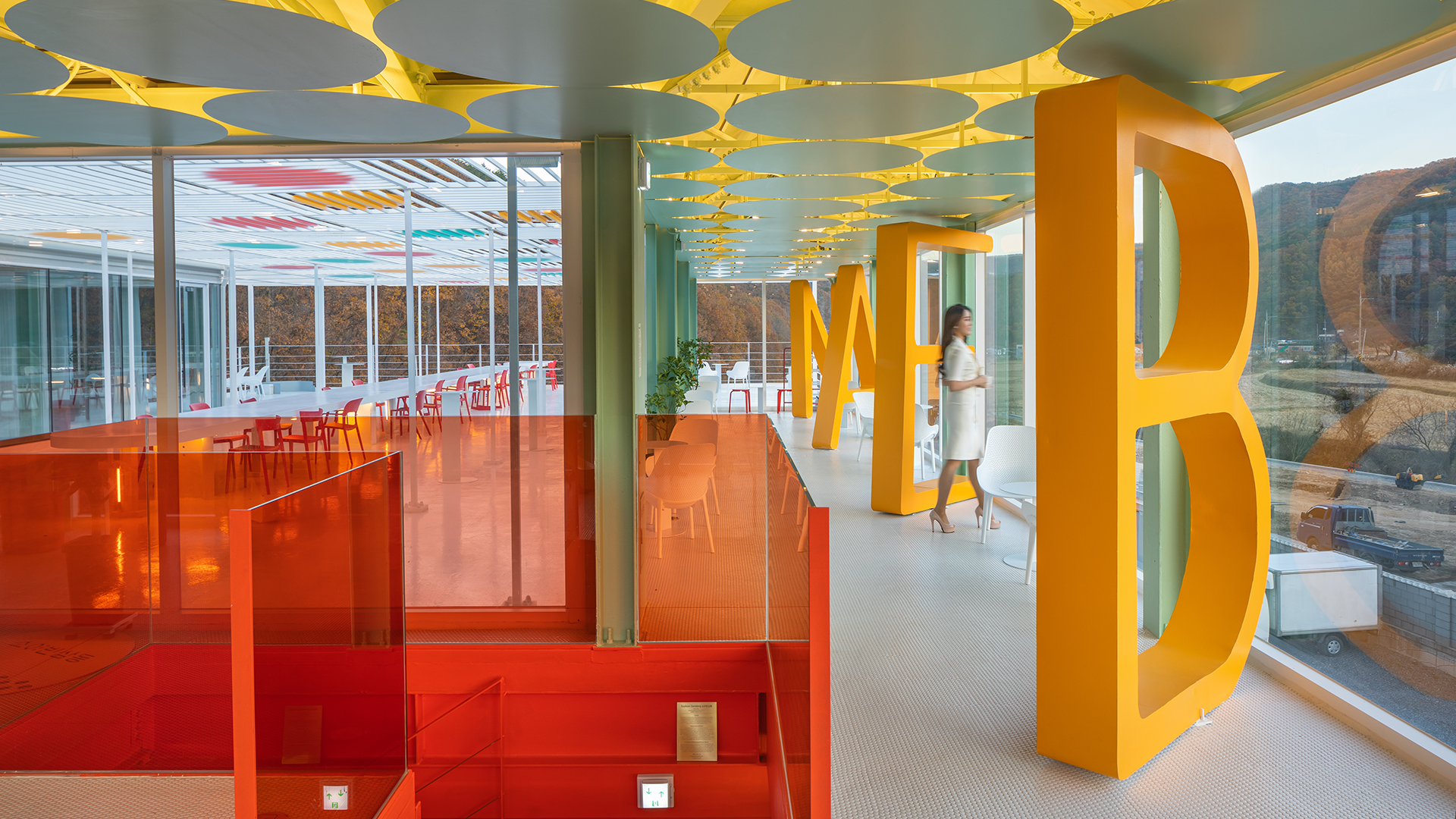
One of my first attempts, The Eternal Golden Leaf, inspired by Ulsan’s dense forests and autumn foliage, won the 2020 Asia Design Prize. The Environmental Responsive Rice Panel, a design exterior cladding expressing regional identity, won the 2020 K-Design Award. The architecture that employed this material, Ari Jujin, also won a Main Prize at the 2020 Korea Wood Architecture Awards. In 2021, I received the K-Design Award for Soybean Samdong, a conversion of a traditional soybean paste factory into a sixth-industry service space. My wood residence project in Hadong, reflecting the local identity, received the Gyeongnam Governor’s Commendation in 2022 and another Main Prize in the 2023 Korea Wood Architecture Awards.
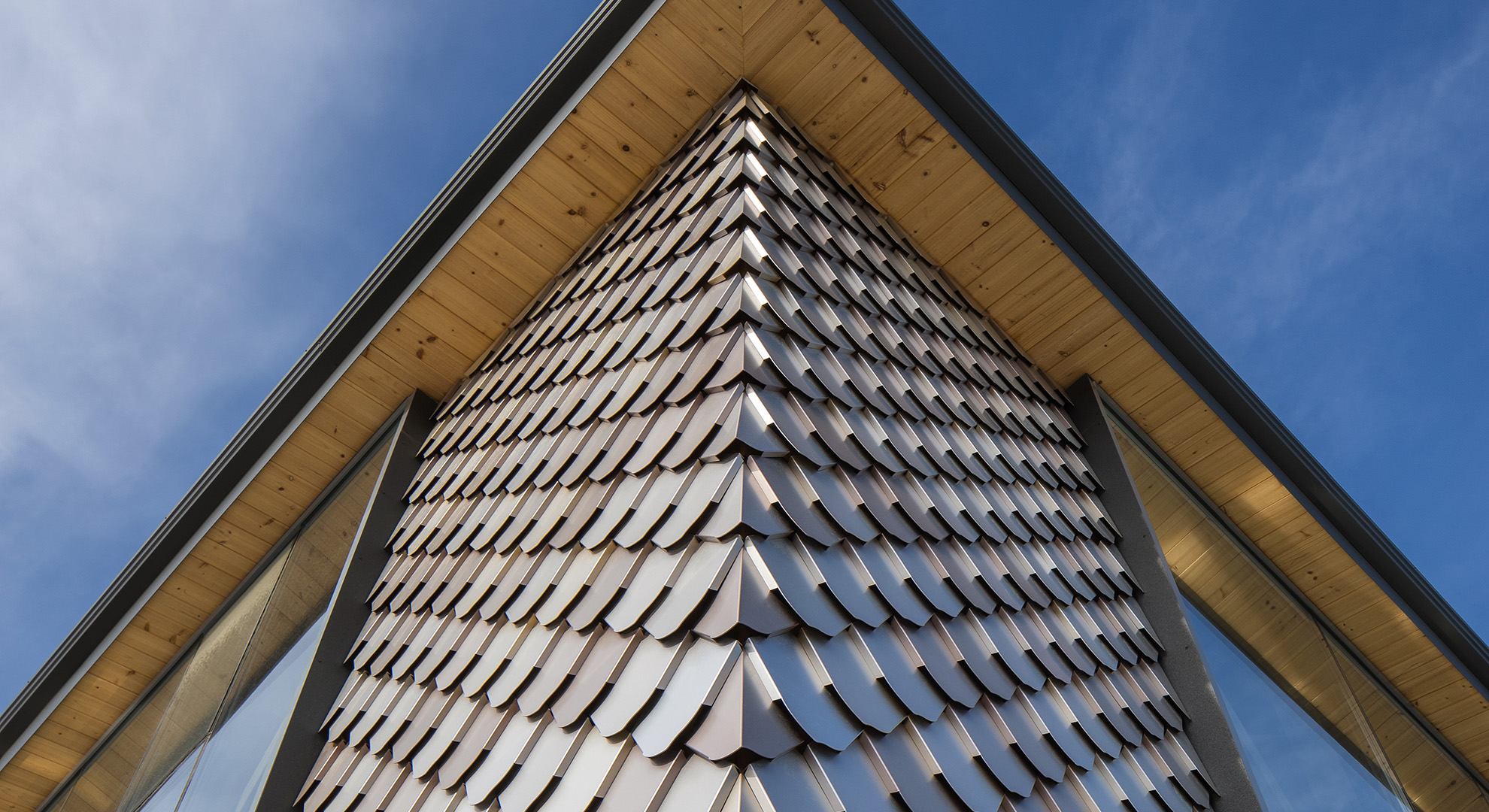
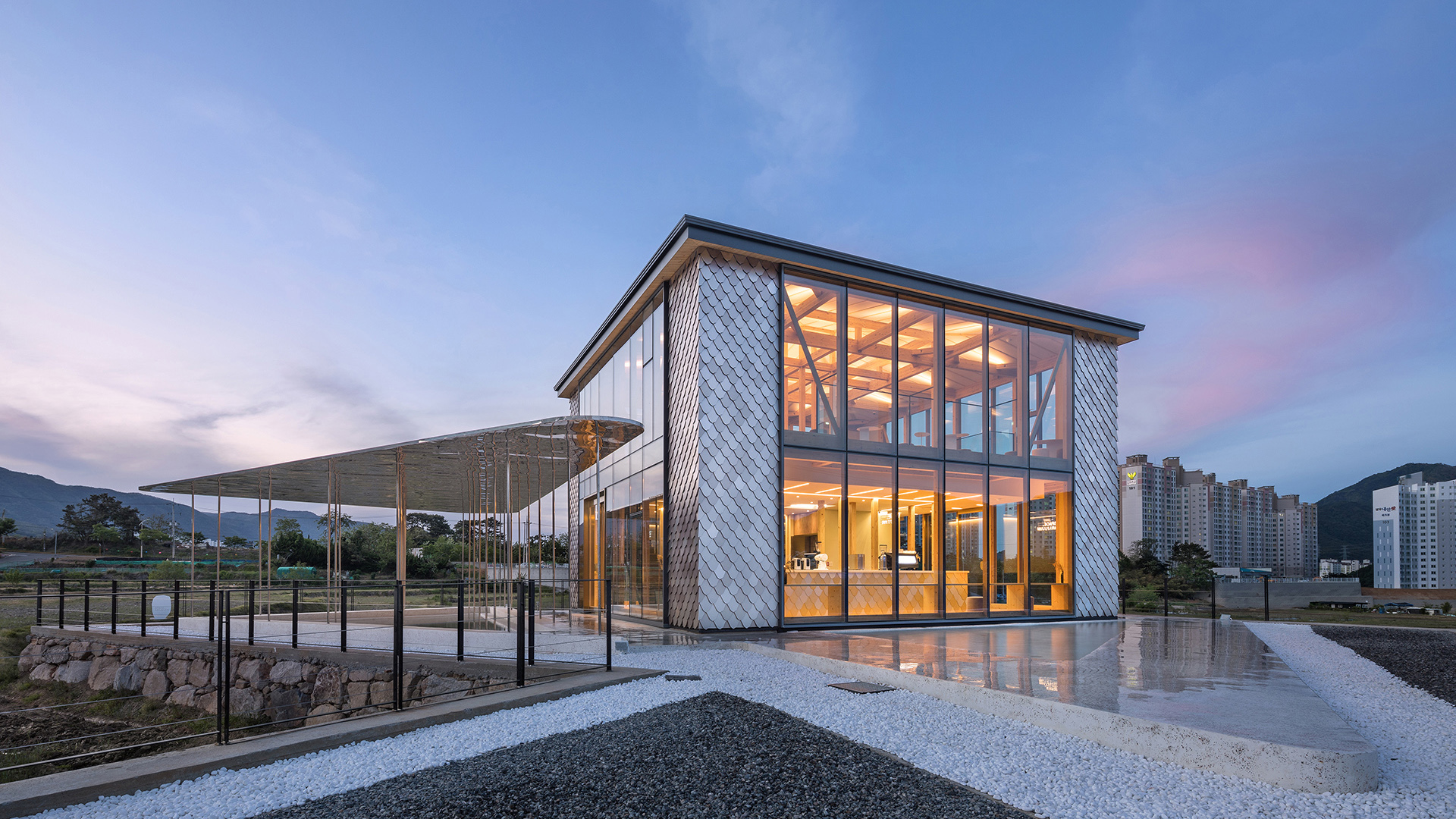
These challenges and accomplishments have proven the potential for new and diverse methods of architectural expression. As a result, I’ve come to be known by new titles such as “a professor and researcher who develops and designs architectural materials,” and “an architect and designer who creates materials and integrates them into architectural design.” With growing recognition of my research, I was awarded support from the National Research Foundation of Korea to acquire the nation’s only large-scale robotic 3D printing equipment. This marked the beginning of yet another challenge.
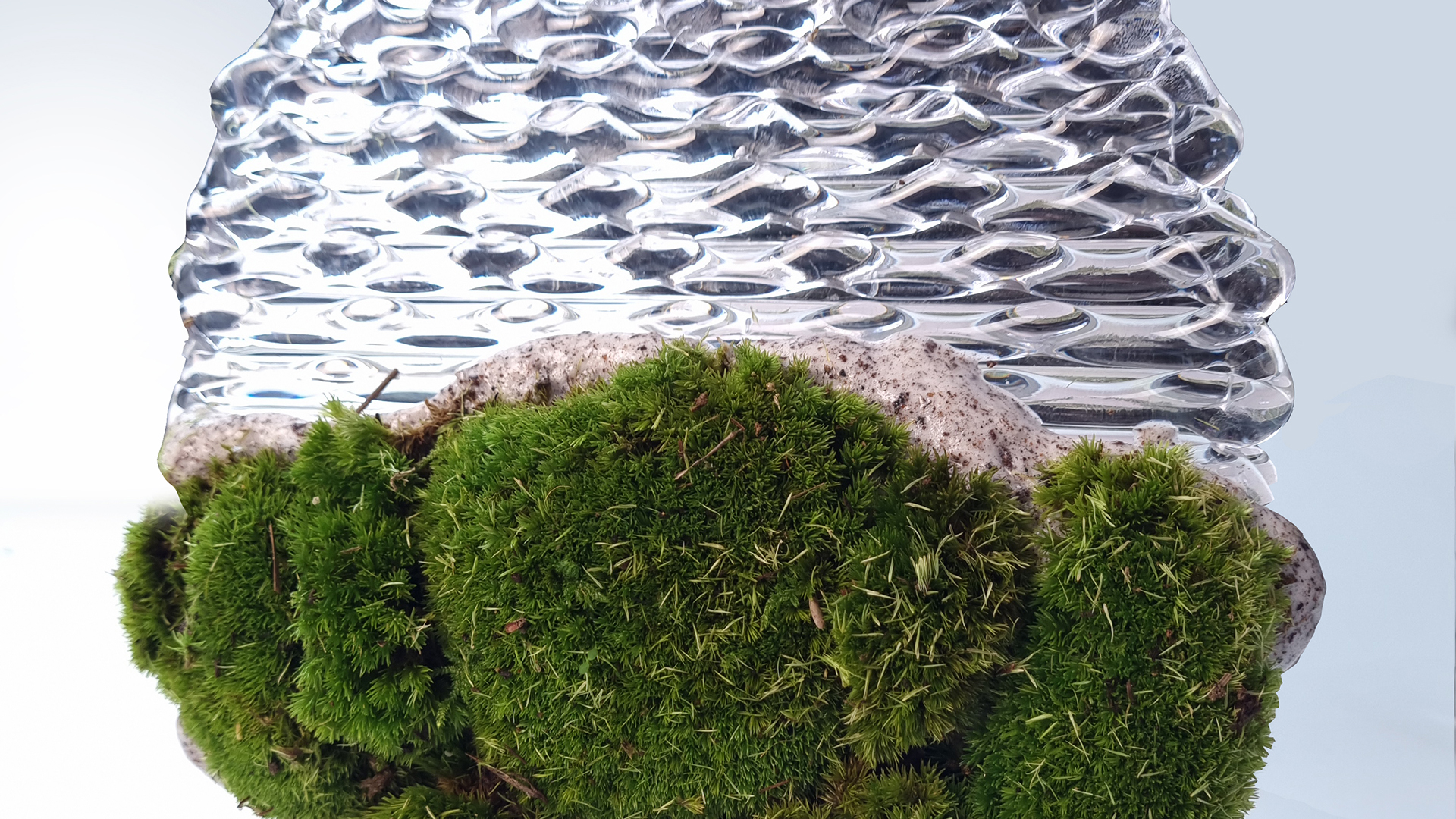
Currently, I am leading a research project funded with 1 billion KRW from Korea East-West Power, a national energy corporation, to develop the country’s first solar-integrated, non-standard architectural cladding. I am actively engaged in the development of sustainable future materials—such as eco-friendly composites, ceramics, and concrete—using digital fabrication technologies. Moreover, I am pioneering collaborative convergence research projects in partnership with experts in electrical engineering, physics, advanced materials, biotechnology, and the humanities. But my journey is far from over. I believe I will spend my entire life as a designer and architect—continuously exploring, challenging boundaries, conducting research, and educating the next generation.
Could you share your creative process? What does your unique design methodology look like?
My design process is grounded in habitual imagination and inquiry inspired by daily observation—paired with experimental cross-disciplinary clinical trials and unconventional validations. To offer a metaphor, it’s like getting dressed every day, but constantly changing the order and method—sometimes wearing the inner layers on the outside or layering different materials and functions in unorthodox ways. I test how people react to these variations through direct experience.
While each project demands its own approach, the steps I value most and repeat habitually are observation, imagination, and questioning—all rooted in daily life. Architecture and spatial design are ultimately for people, and created within the spaces we inhabit. Everyday life may seem repetitive, but it is rich with form, color, sound, and texture from various individuals. I enjoy imagining scenarios and raising questions in response to these subtle variations. These daily rituals—of interest, observation, imagination, and questioning—are my source of inspiration. When I begin new research or a new project, it naturally evolves into clinical experimentation based on these daily observations. I also enjoy trialing and verifying experimental processes using local materials and industrial techniques in unorthodox ways.
Is there a designer you respect or admire the most?
At this point in my life, I think the word “respect” fits better than “admire.” Many designers I know have become sources of healthy envy and creative stimulation—serving as fuel for continuous curiosity and wild imagination. In my early days, I admired star designers, those making socially influential work or earning high salaries. But now in my 40s, I find myself seeking out designers I can respect—and through that respect, comes admiration. Design and architecture have no answer keys or perfect solutions. That’s why I believe all designers who courageously tackle new topics and pursue novel processes and methods are worthy of both respect and admiration.
How do you think the design industry will change in 10 years? How are you preparing for it?
The evolution of technology is virtually synonymous with the evolution of the design industry. Today, we live in an era where design heavily relies on emerging technologies. I first encountered the iPhone in 2006 while studying in the UK, and now it's hard to imagine daily life without a smartphone. This device has also driven the convergence of countless compact electronics. Since the rise of deep learning in the 2010s to the release of ChatGPT and generative AI in the 2020s, the world has seen rapid and diverse transformation. While the advancement of high-tech tools is important, I believe the human element and our evolving social context are becoming even more critical. Alongside technical development, design must take on ethical and social responsibility.
Design today is no longer just about aesthetic criteria—it must become a tool that uses diverse technologies ethically to address the demands of a new era. That's why we, as designers, need to become collaborative, empathetic, and integrative thinkers capable of pioneering new possibilities in the design industry.
Do you have a personal design philosophy or belief? And what is your vision for the future?
“Don’t rush, don’t stop.” This is a phrase written in calligraphy and gifted to me by my 10-year-old son. I believe philosophy and belief interact with each other—belief is shaped through personal experience, while philosophy helps maintain that belief. Through fearless imagination, continuous challenges, and persistent effort, I’ve gained various experiences and achievements, which have become my belief. And my guiding philosophy to sustain that belief is to never rush, never stop. Looking ahead, I hope to become a collaborative and integrative designer and researcher who can apply emerging technologies ethically in response to societal needs. My goal is also to develop competitive educational programs based on this research process and its outcomes. I want to cultivate designers who can adapt to rapidly evolving technologies and become global talents—going beyond regional and national boundaries—proving that sustainable, cross-disciplinary research can lead to truly future-ready education.
















#14057, 905 49, Beolmal-ro 102beon-gil,
Dongan-gu, Anyang-si, Gyeonggi-do, Korea
Business Registration Number: 454-86-01044
Online Sales License No.: 2021-Anyang Dongan-1081
Copyright © DESIGNSORI Co., Ltd.