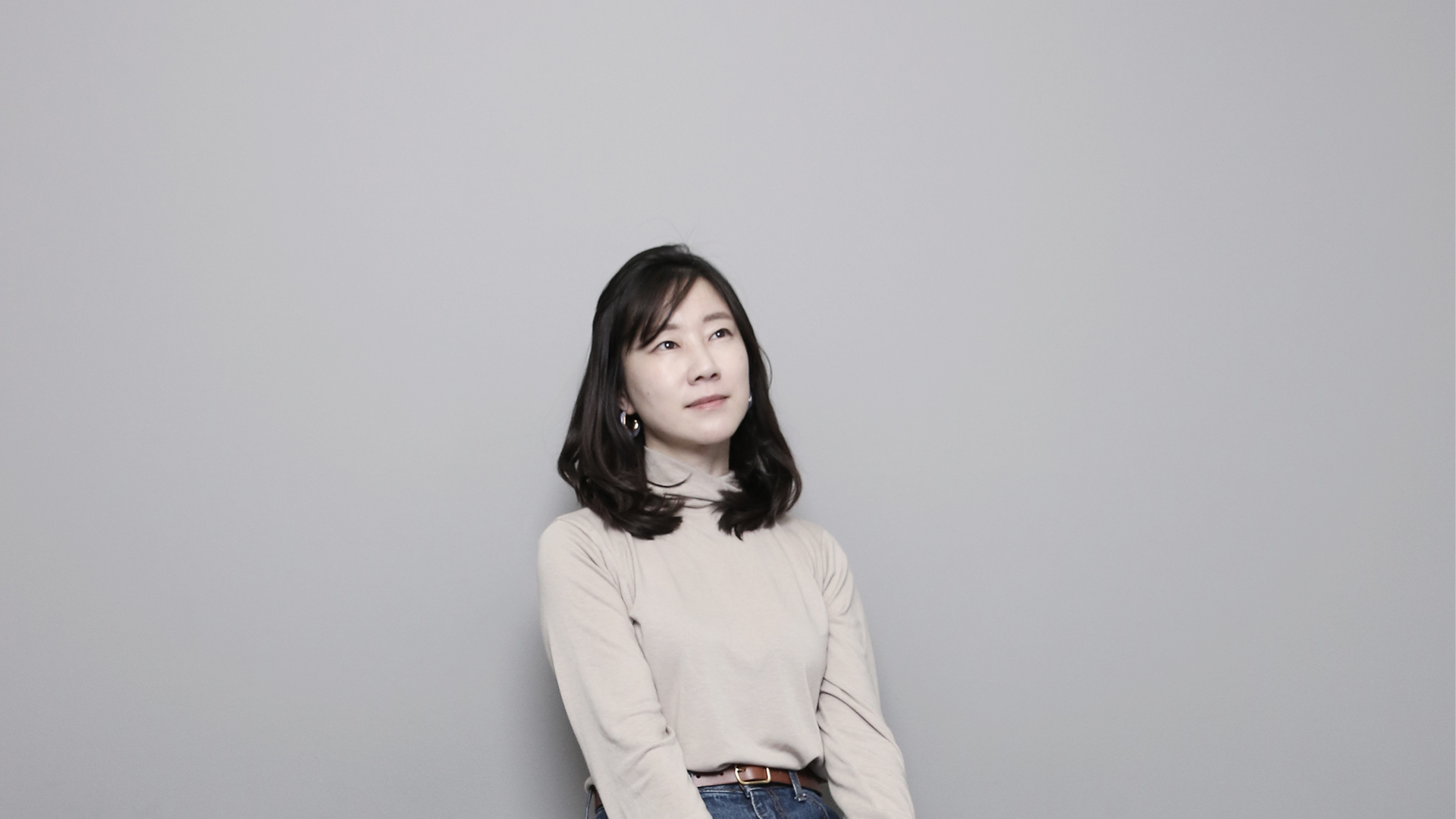
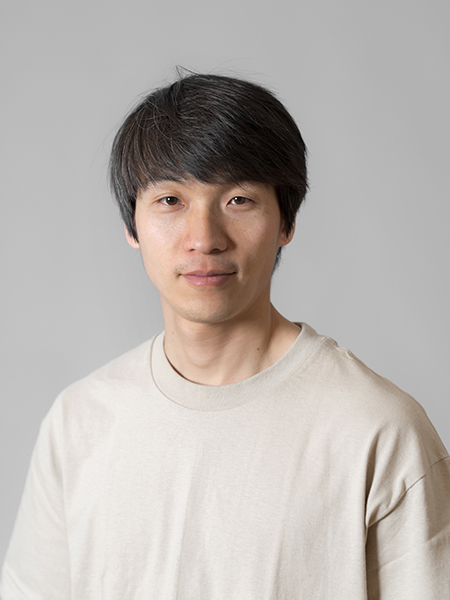
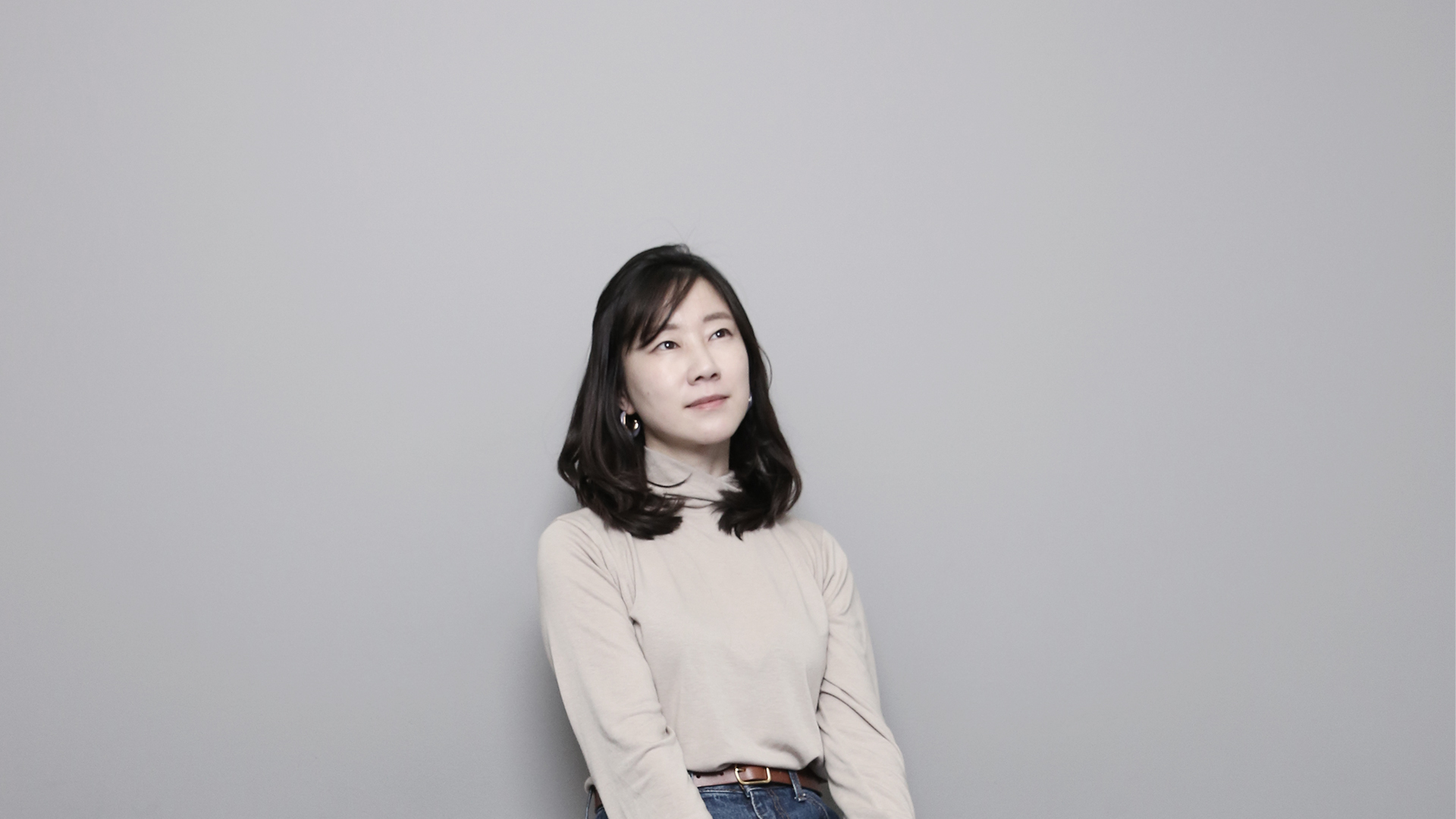
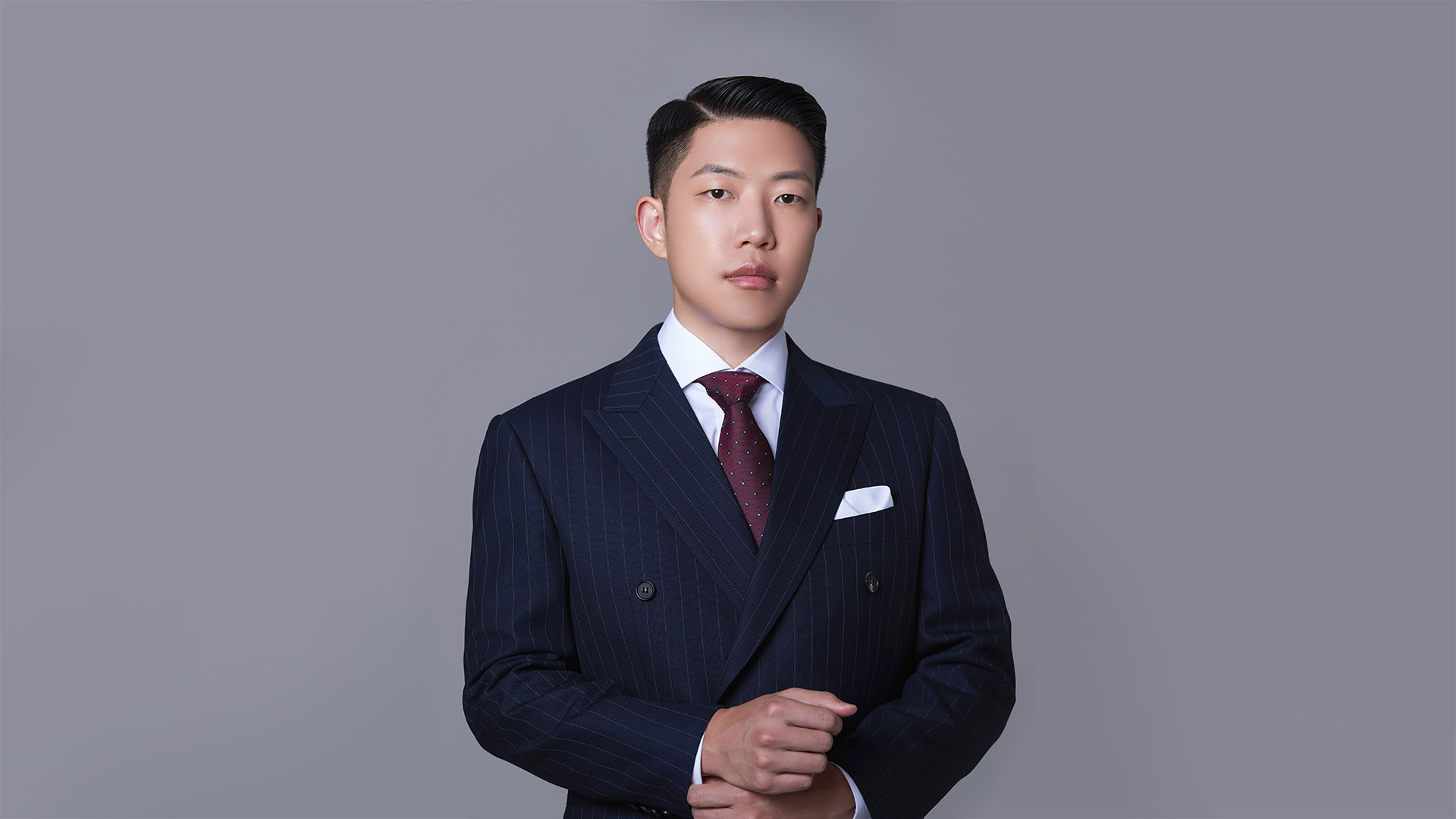
Hello, I'm Bongjin Ko, the design director of “GeuRohKae Cafe Ga DoenDa” (That’s How It Becomes a Cafe). I oversee all design operations. Our company name holds our history. Dreaming of becoming a filmmaker like Hirokazu Kore-eda, known for Like Father, Like Son, I spent 8 years in the film industry, working on set design and concept art for 15 commercial films. During that time, we also operated a café under the name “That’s How It Becomes a Cafe.” One day, the bakery Boulangerie Copain came to us for help launching their very first store. Thinking casually, “Well, designing a store is just like building a film set,” we took on the project—and that space became a hotspot in Mangwon-dong, leading to a wave of new requests.
As a result, our café gradually filled with tools and paint cans, and interior design naturally became our main business. Now in our 9th year, we’ve completed over 160 projects. We've evolved into a dedicated F&B design studio, handling branding, spatial design, and interior construction for various commercial spaces. To be honest, I still find terms like “scene” or “production” more natural than “construction.” Just like analyzing a script and its characters to craft the perfect mise-en-scène, our goal is to design spaces where each client’s moment feels like the best scene in a film.
Could you share one of your most memorable achievements or experiences?
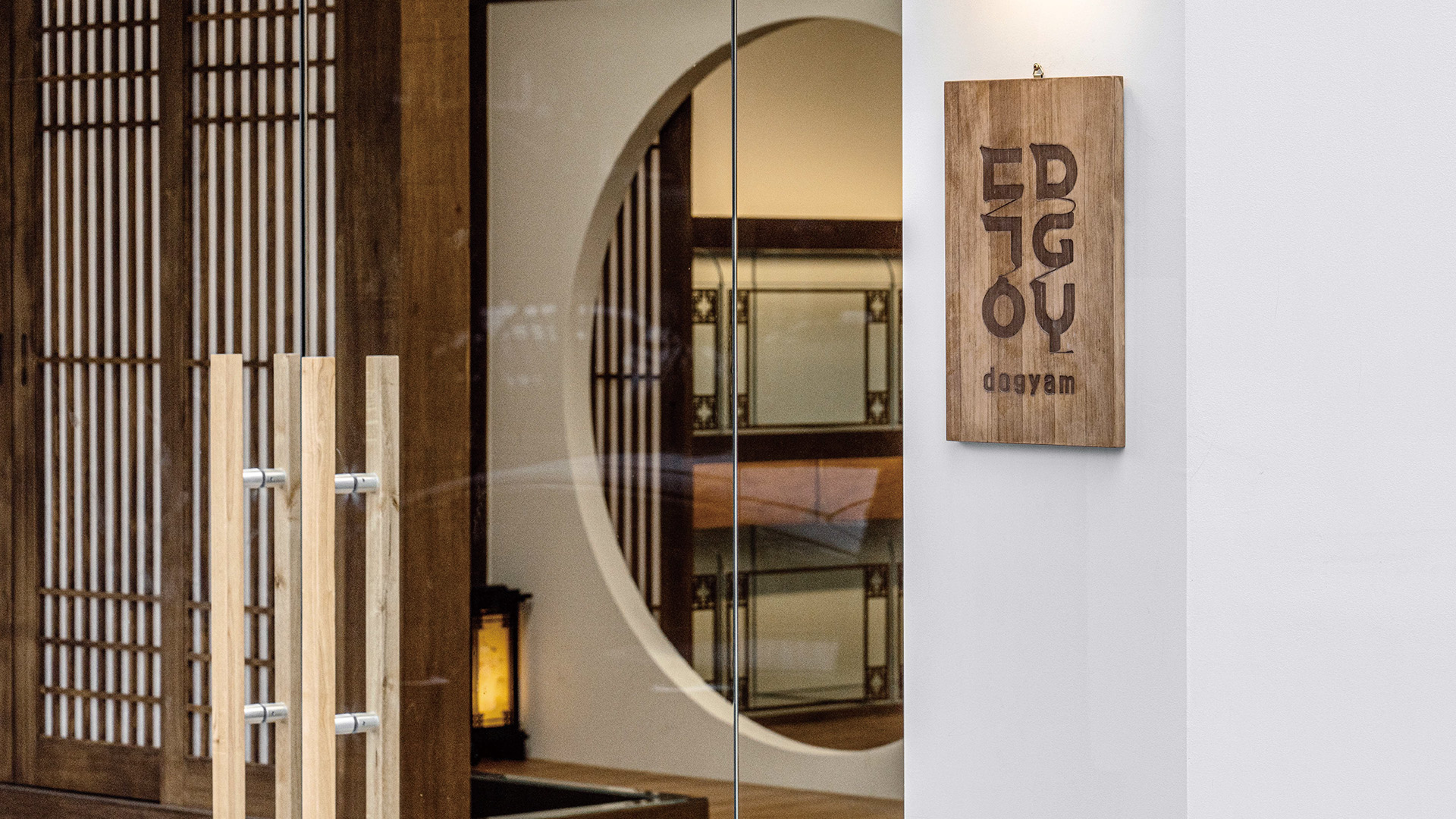
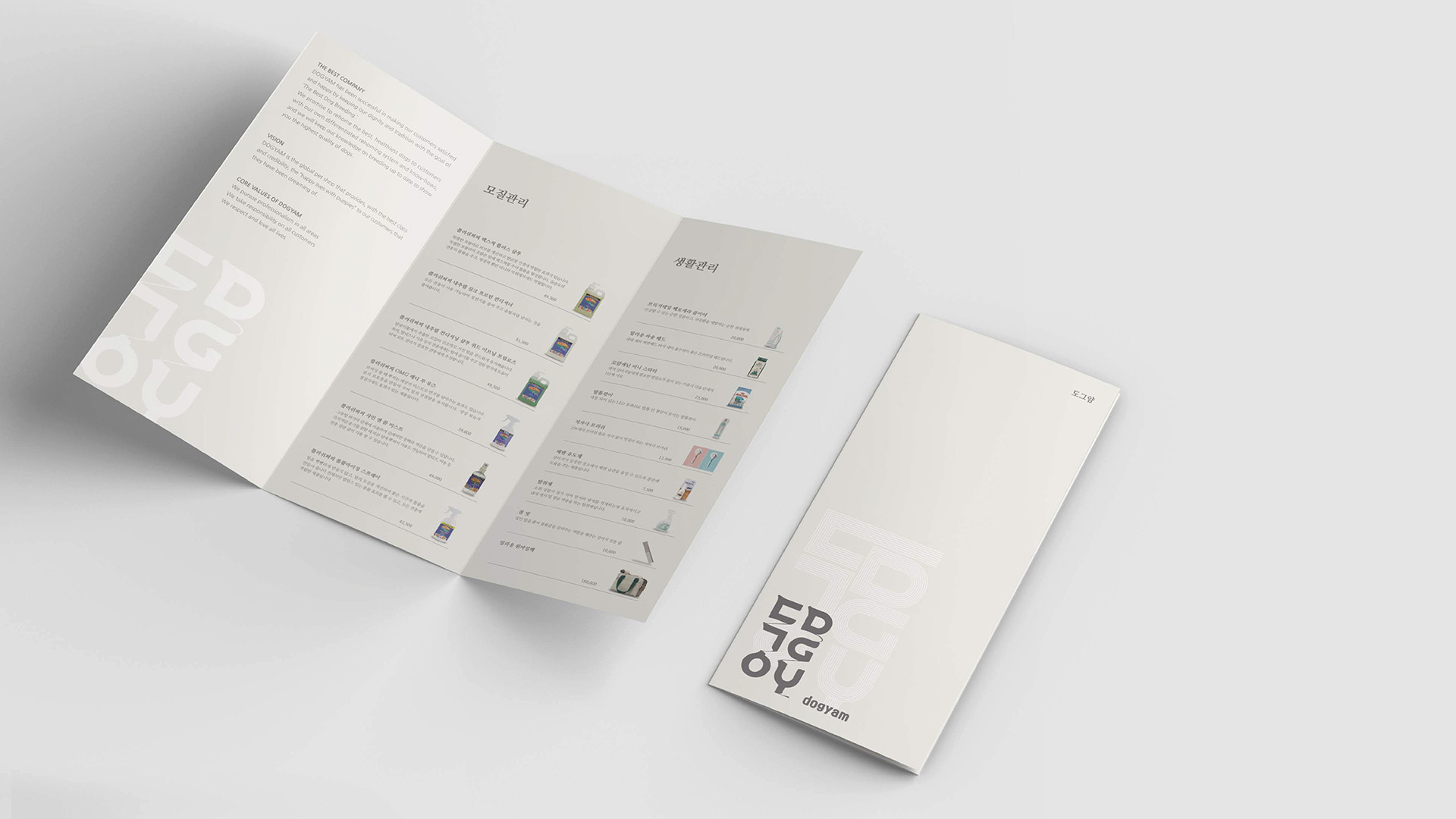
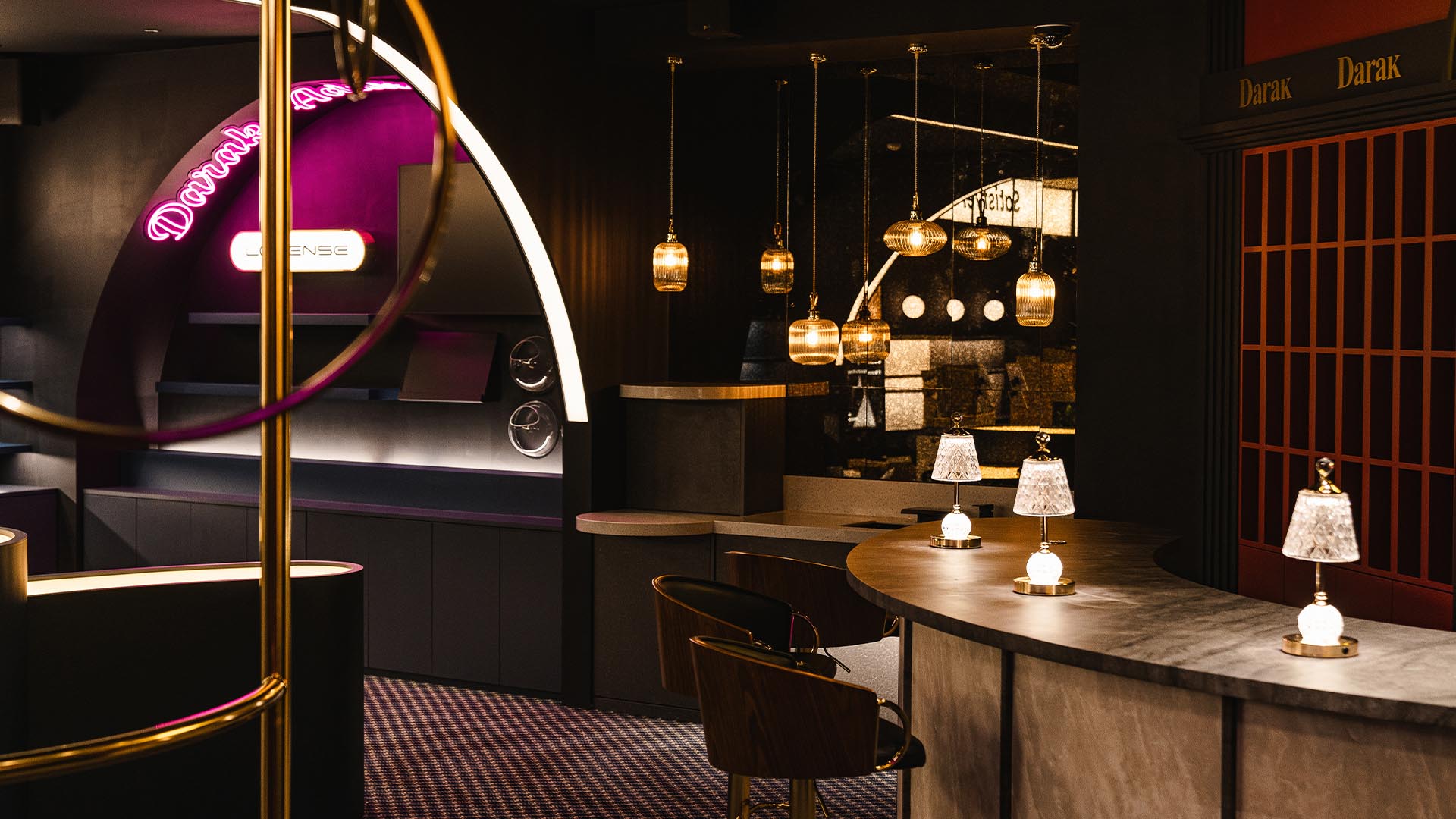
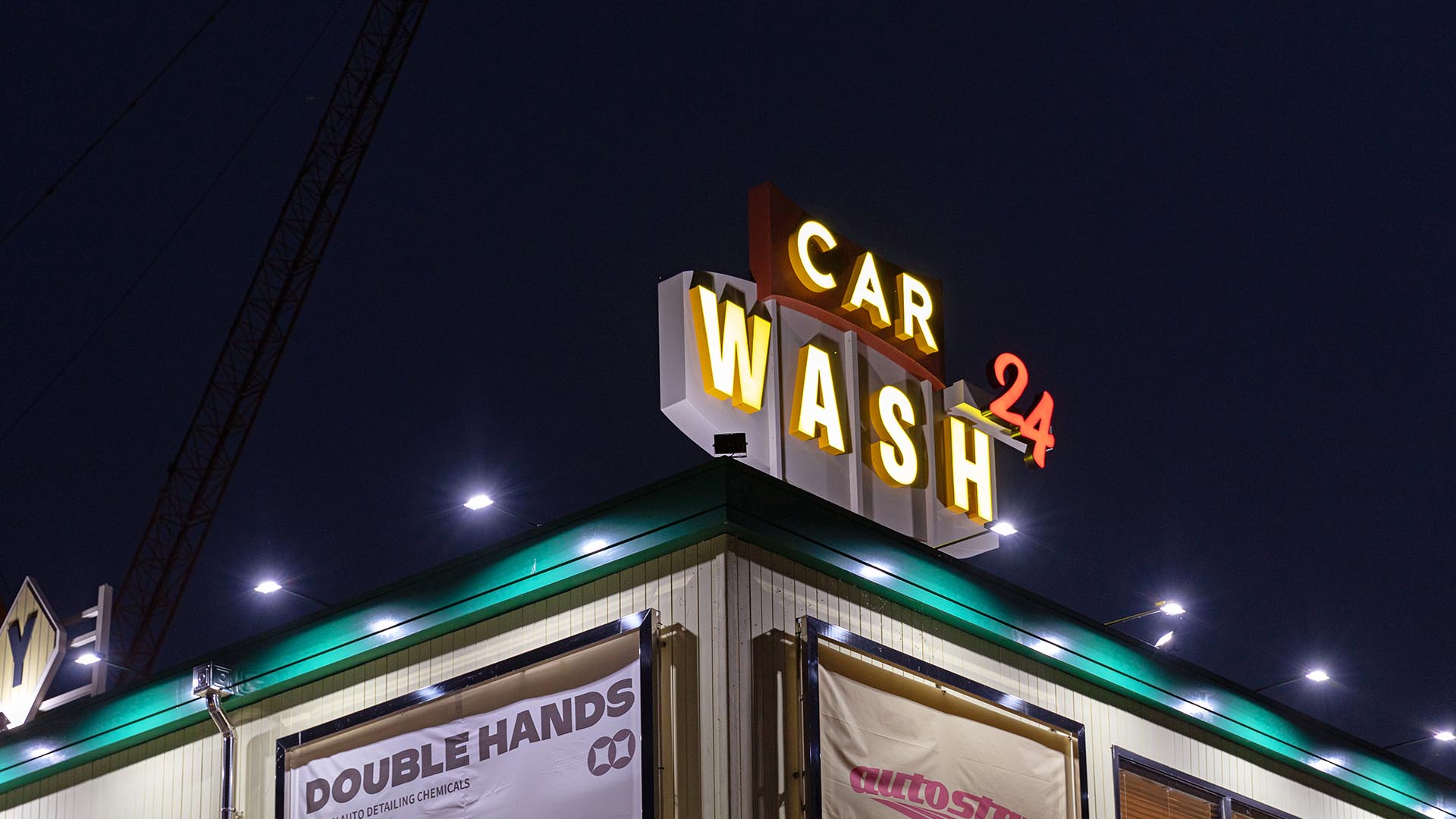
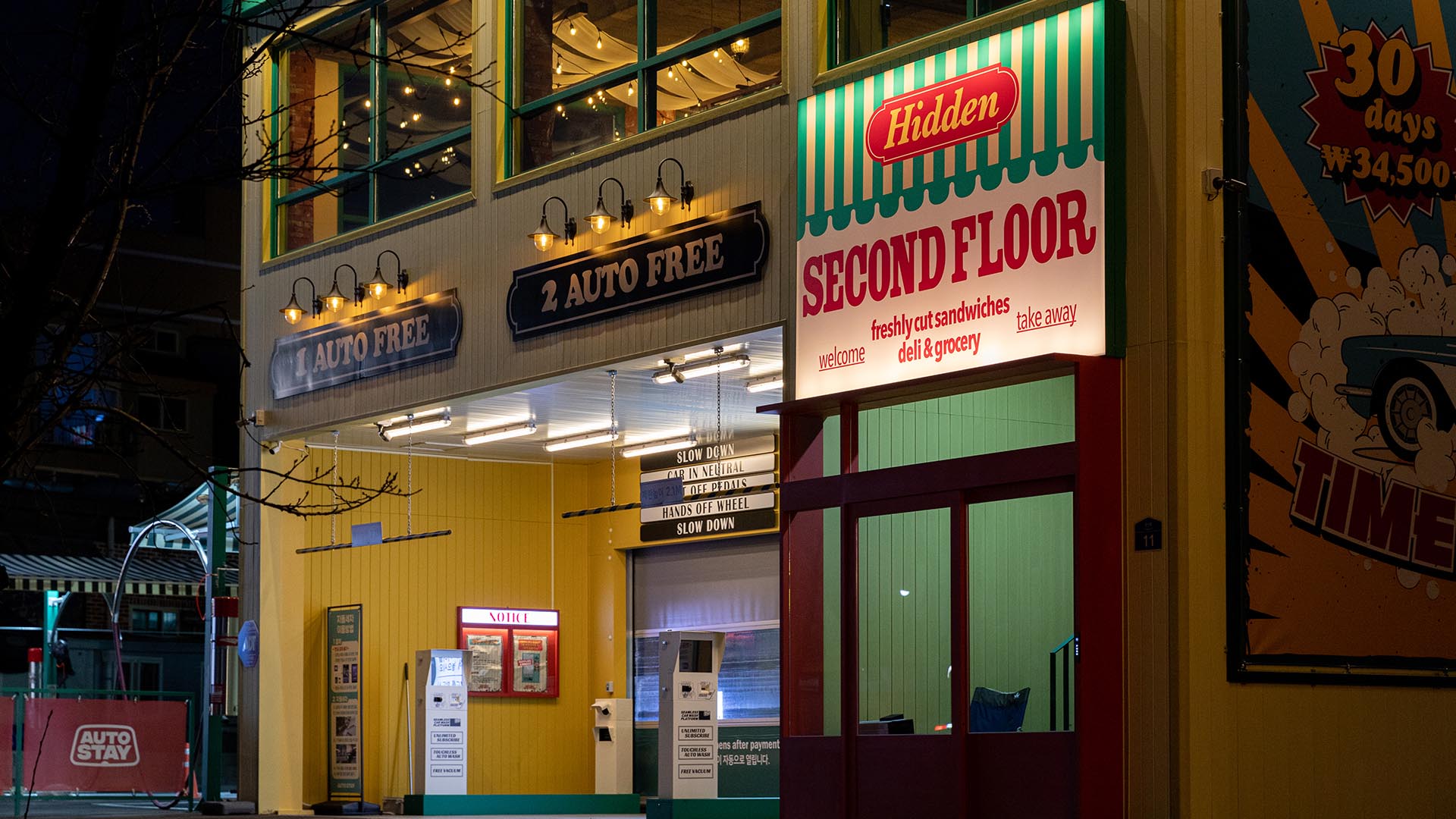
Many of our projects involve fresh attempts that are hard to find in existing industries. For example, we created a family-friendly car wash experience by combining a no-brush car wash with F&B, and we designed a pet shop targeting foreign buyers, integrating Korean traditional culture and architecture. One particularly fun and innovative project was an adult shop showroom located on the main street of Songpa. It was a distinctive and bold endeavor, even rare in the global market, and definitely an unconventional challenge. In Korea, the adult retail market had evolved from its first generation—selling out of van trunks—to the second and third generations, such as household goods stores or dessert cafés that incorporate adult products. However, building a stable offline presence remained difficult.
While many competitors focused on bringing sexuality into the mainstream, we questioned that very premise: Why haven’t street-level adult stores expanded further? Does sexuality really need to be "mainstreamed"? We believed that the most primal and fundamental desires are often fulfilled in private, even secretive settings—and that these qualities could be elevated into a fantasy-driven, immersive experience. We envisioned a space where passing through a door or a corridor felt like entering your imagination, a place that said, “Here, it's okay.”
We wanted customers to feel like the protagonists in films such as Peeping Tom, American Psycho, or Fifty Shades of Grey the moment they stepped in. After the store launched, observing how customers reacted exactly as we had intended and watching the space be consumed in the way we had envisioned was incredibly rewarding. Because of our background in film and our unusual, creative approach to spatial planning, more and more clients are coming to us with projects that demand unique and imaginative concepts—ones that go beyond what is typically seen in commercial environments.
What was the most challenging moment for you as a designer, and how did it influence your approach to design?
Opening day for a store is just as nerve-racking for me as it is for the client. I still remember the early years, nervously watching from an alleyway to see how people responded. In the film industry, you can spend over a year on a project only to see it disappear from theaters in just a week or two if it doesn't succeed. That can feel incredibly hollow and disheartening—but I was just one of many crew members, so the burden of responsibility was lighter. Interior design, however, is very different. For most clients, launching a store is a major turning point in their lives. If there are no customers, I lie awake at night wondering where my design might have gone wrong.
These days, the success or failure of a new F&B business is often determined within one or two weeks of opening, and keeping up with such a rapidly changing trend cycle can be exhausting. It’s impossible to create a blockbuster every time. When I see designs that are little more than copies of trendy elements, and spaces that exist only to go viral on social media, I begin to feel disillusioned. If we chase trends too blindly, we risk being trapped in the very "hot place" label we're trying to achieve. Just as there are films that may not reach ten million viewers but are remembered and loved for a long time, I believe that spaces that slowly earn affection and remain in people's memories hold just as much value. Rather than focusing on short-term hype, I aim for long-term success—designing spaces that become cherished memories in our clients' lives.
Do you have a principle that you never compromise as a designer?
F&B planning always starts with five fundamental questions: Who is selling, what are they selling, where, to whom, and how? Among these, the most crucial point is not how the design stands out, but whether the project is successful. Just like a great movie shines brighter than the director, a commercial space should be planned around these five core elements. Only then can branding and spatial design lead to genuine success.
When a project begins, I visit various competitors to deepen my understanding of the item, analyze foot traffic and target demographics around the future store site, and observe how customers behave while dining at the client’s current establishment. I look for pain points and solutions. I also extract key insights from long conversations with the client. My principle as a designer is to understand and love both the project and the client. When love becomes the foundation, it allows for persistent communication and deeper thought. No matter how challenging the project may be, I can approach it with consistency and care. Mutual understanding and trust with the client are essential to a project's success. If love is the foundation, we can achieve greater quality and creativity.
Are there any fields you would like to explore or dream projects you are eager to pursue?
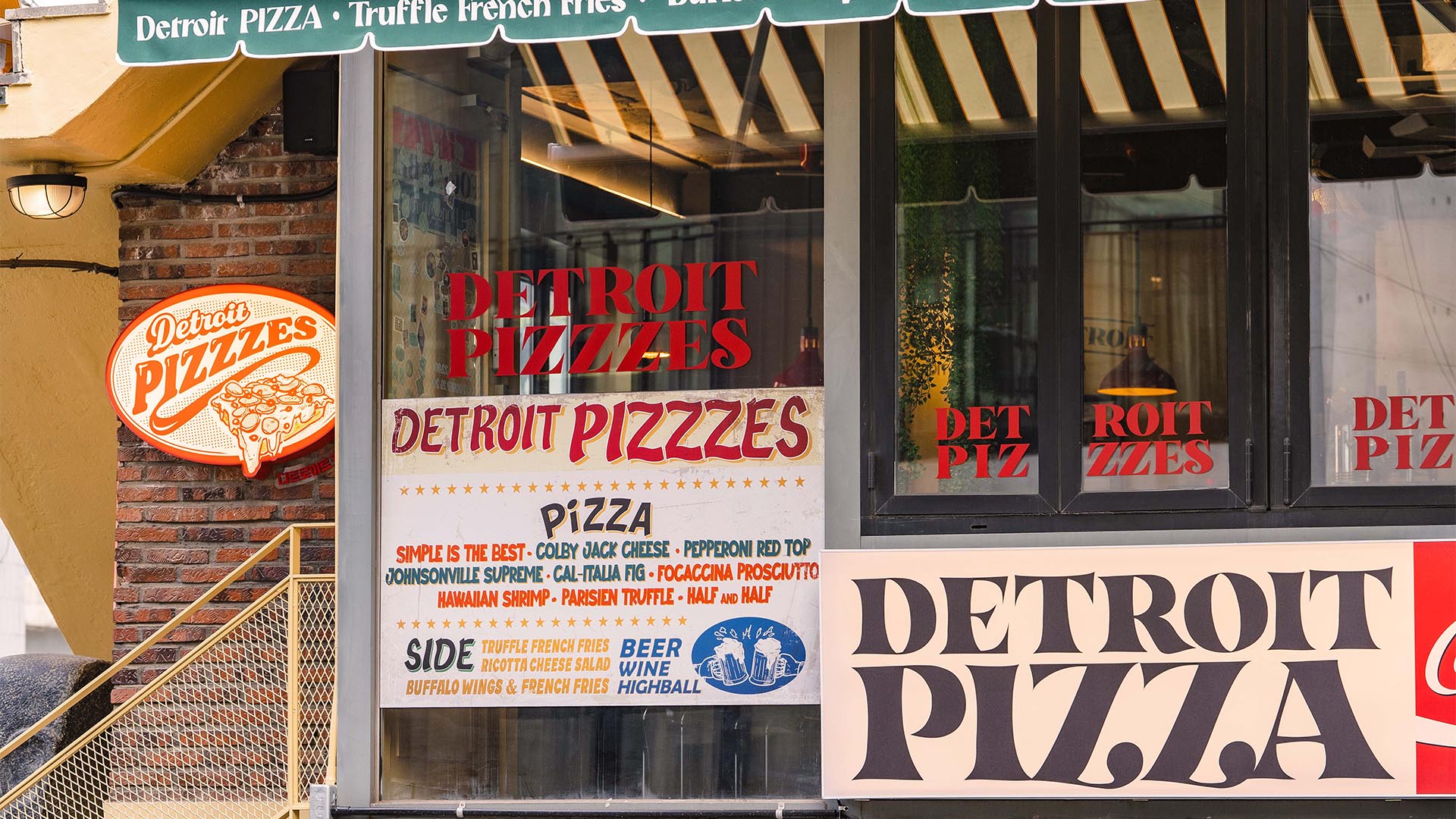
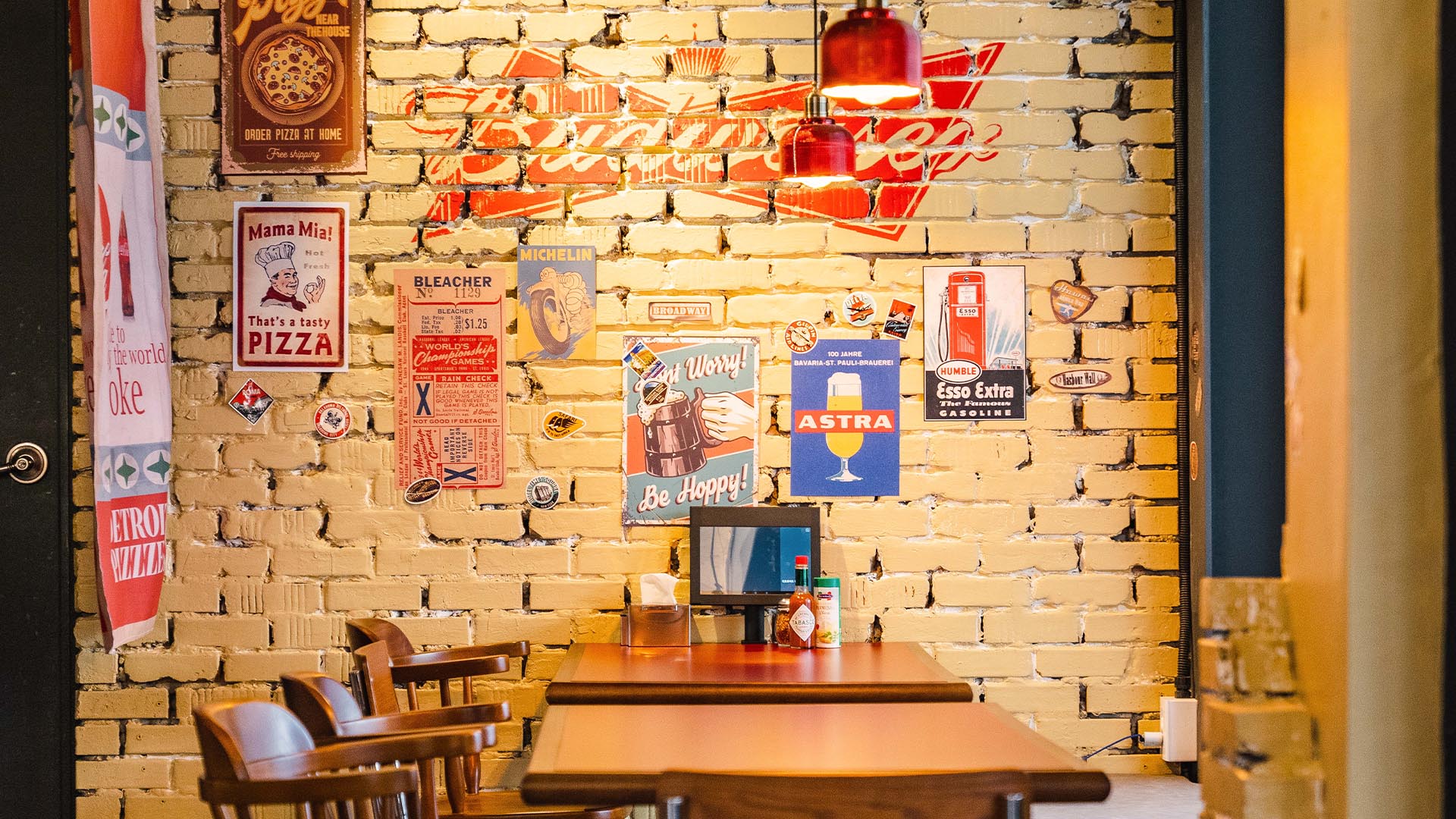
Recently, I’ve been working on a café project in Wolmido, Incheon. As I observed the area’s decline—so many buildings deteriorating behind the amusement park that still draws crowds—I found myself lost in thought. Most of our work involves commercial spaces, and since we’ve run our own café in the past, even just seeing a “closed” sign hits close to home. It reminds me of a pizza restaurant renewal project we did in Yeonnam-dong during the first half of 2023. The client came to us in desperation, saying there were more days they didn’t sell a single pizza than ones they did. After we completed the rebranding and reopened the shop, their sales increased twentyfold, and the restaurant started selling out daily.
These are the kinds of projects I want to take on—where the food is delicious and the talent is there, but branding and planning are lacking. I want to show how powerful design and branding can be in turning things around. As our portfolio expands beyond F&B, we’ve naturally started to bridge clients for collaboration. For example, we’ve connected a wine distributor with a premium beef restaurant, helping them strike a great pricing deal; linked a cheese distributor with a takoyaki vendor to launch pop-up stores in various malls; and introduced a bakery expert to a dessert shop founder to pass on valuable operational insights. Acting as a bridge between our clients has sparked new synergies, and one of our key goals this year is to create more of these exchanges—especially during a time when it’s harder than ever to survive alone.
Another exciting goal is to launch our own brand. We’re exploring fields that everyone on our team is passionate about and confident in, and we’re looking to create something that can organically connect with the various projects and collaborations we’re already involved in. We hope this leads to an innovative brand powered by shared creativity and trust.
How has your approach to design or marketing changed from the pandemic to the endemic era?
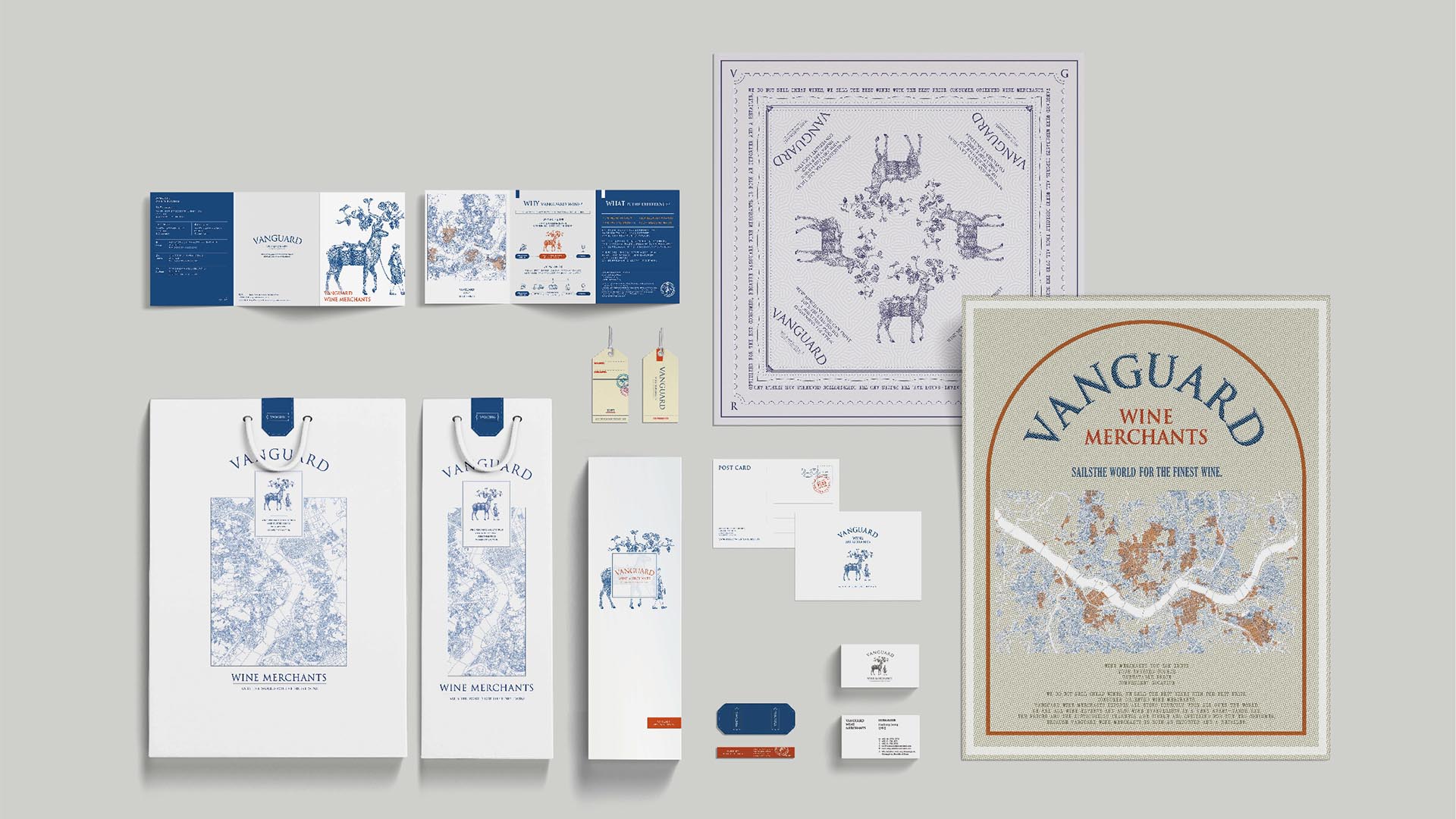
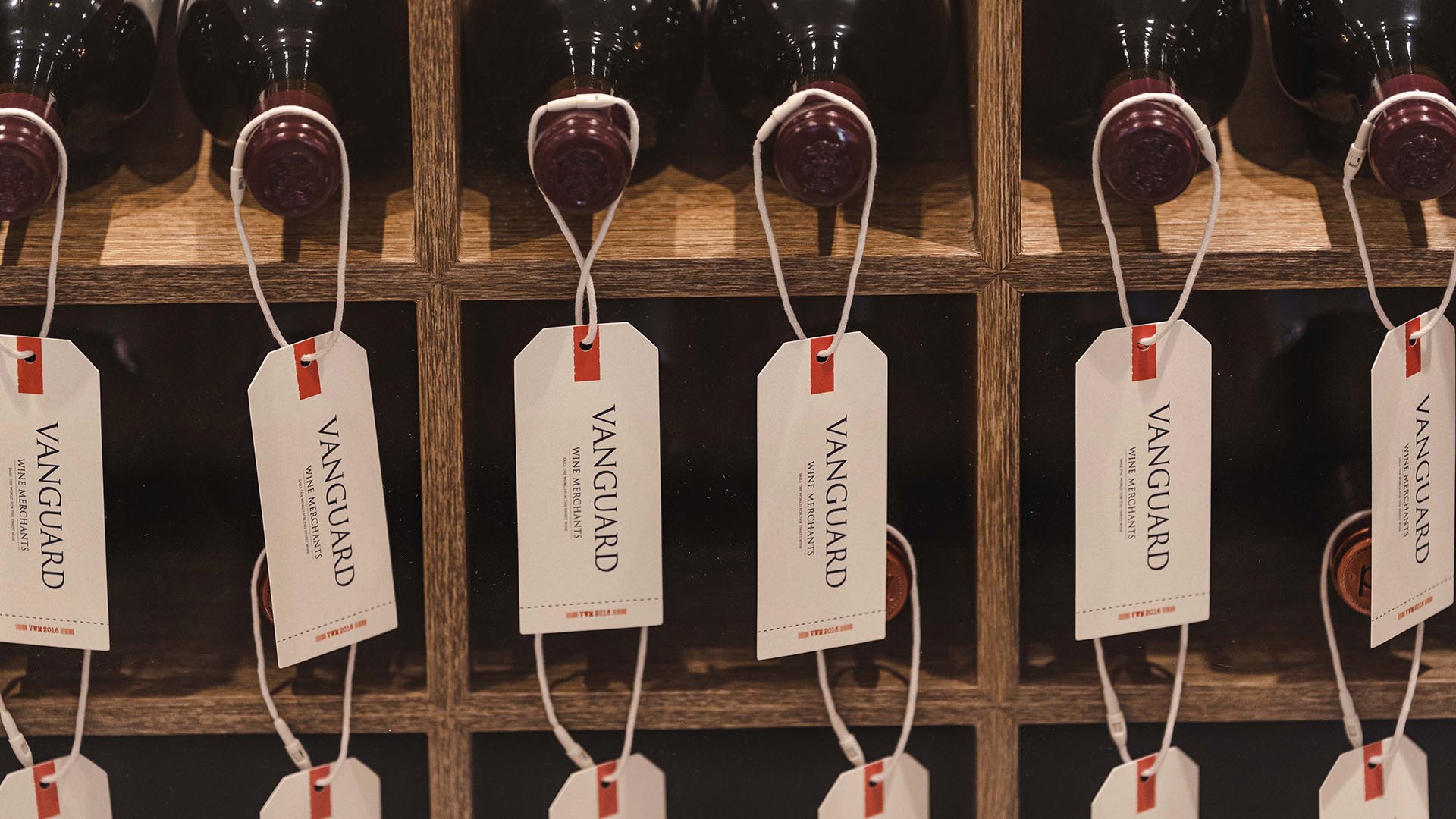
During the COVID-19 pandemic, the decline in offline retail significantly shifted our focus toward branding and packaging for online sales. One representative project from that time was the branding work for Vanguard Wine Merchant, a wine import and distribution company. Since wine is often given as a gift during holidays and seasonal events, we focused on packaging that would elevate its value as a present. We conceptualized wine drinking as a form of travel—an experience of another country. With that in mind, we designed the packaging and wine wrap to resemble souvenirs you might find in a European gift shop, like scarves or tourist maps. The goal was to make the wine feel like a postcard or keepsake from a distant journey—something that would deliver both memory and comfort to the recipient.
The pandemic also impacted spatial design, influencing how dining environments are structured and operated. For example, restaurants began incorporating more private rooms, and spatial separation through higher partitions became essential. While younger demographics and entertainment districts have since relaxed these changes post-pandemic, office and residential zones still maintain them. We’ve also observed a trend toward shorter stays and reduced food and alcohol consumption, likely influenced by both pandemic behavior patterns and inflation-driven shifts in consumer spending.
Additionally, design elements like detachable acrylic dividers became common in tablescapes. In one fitness studio project, we expanded the concept to offer hourly space rentals, allowing users to book the entire facility for themselves. Looking ahead, should another global pandemic occur, we expect to see a greater rise in hyper-personalized spaces—such as single-person dining or private-use rentals. That’s why we believe it’s crucial to begin preparing for new formats in spatial design and service models tailored to individual needs.
Do you have a personal design philosophy or belief as a designer? And what is your vision going forward?
I’m a fan of Quentin Tarantino’s films. He’s often described as a director who successfully balances critical acclaim and mass appeal—an ideal positioning, in my opinion. In spatial design, especially in the F&B sector, we work with environments that are closely intertwined with people’s everyday lives. Eating, drinking, feeling, and judging are experiences accessible to everyone. That’s why I believe it’s more important for a space to be intuitively enjoyable than intellectually understood. Personally, I’m not fond of overly conceptual “film festival-type” cinema, nor do I gravitate toward design jargon used only among designers. When I enter a space, I’m not moved by things like material symbolism, flawless edge finishing, or subtle cues meant only for the trained eye. I may simply not be that kind of designer. Instead, I value the emotional response that comes from immersive, lived experiences. My goal is to create spaces that may not be conventionally “beautiful” but are so overwhelmingly atmospheric that they leave a lasting impression.
During a business trip to Hong Kong, I visited The Fleming Hotel, designed by A Work of Substance. It was just past dusk, and as I walked through the city’s dimly lit streets, the building emerged slowly through the urban smog. It took my breath away. It felt like Gotham City straight out of Batman. The structure was intentionally positioned behind an overpass to create a framed view, and even the city’s smog seemed to become part of the design narrative. Inside, it was another world—so captivating, it felt like I had stepped into a completely different dimension. That experience was unforgettable. It was a moment that crystallized for me what the true purpose of commercial spatial design could be. Since then, that encounter has become my compass. My guiding principle is simple: “Design spaces that move me. Spaces I would want to linger in.”














#14057, 905 49, Beolmal-ro 102beon-gil,
Dongan-gu, Anyang-si, Gyeonggi-do, Korea
Business Registration Number: 454-86-01044
Online Sales License No.: 2021-Anyang Dongan-1081
Copyright © DESIGNSORI Co., Ltd.