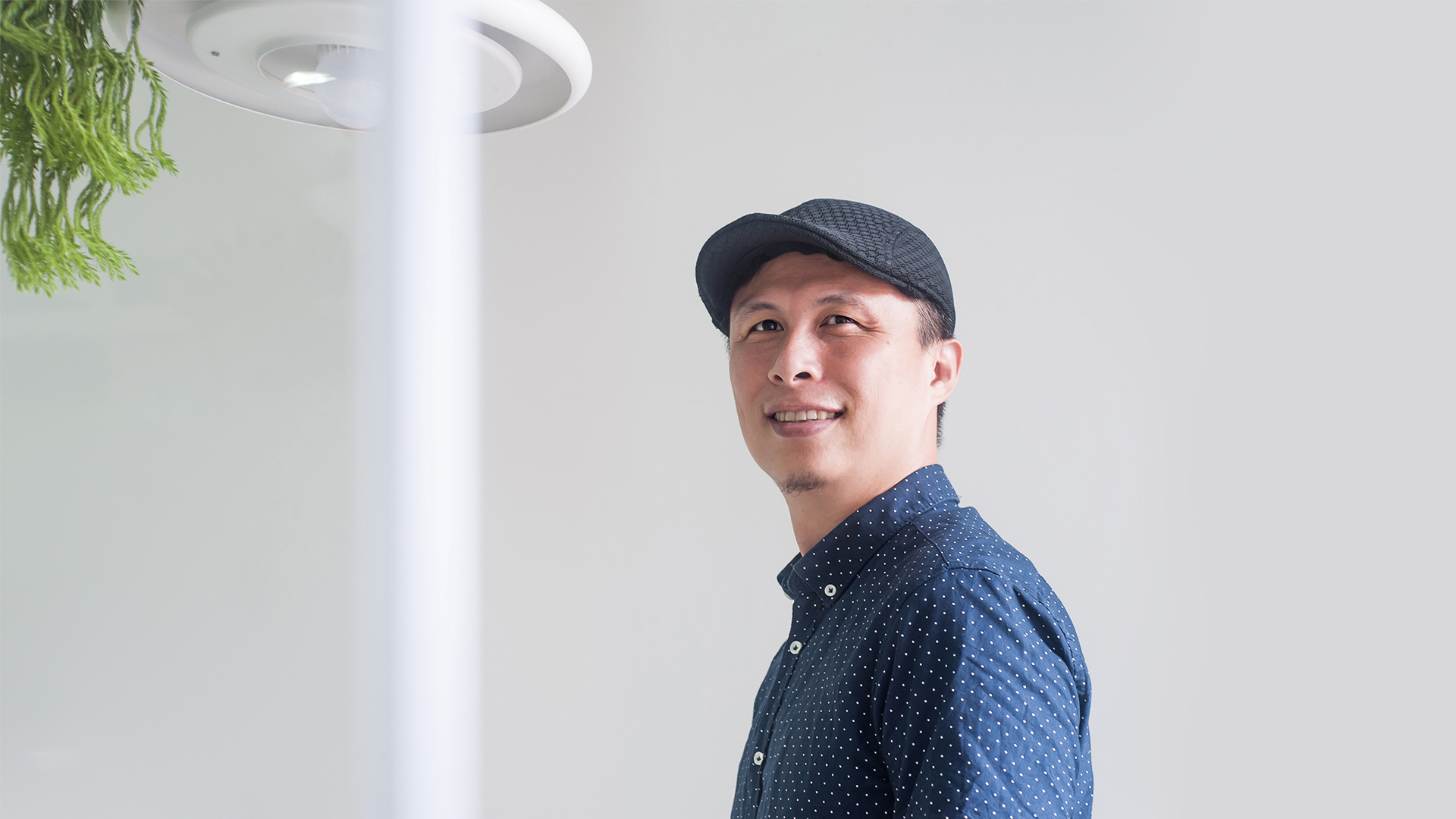
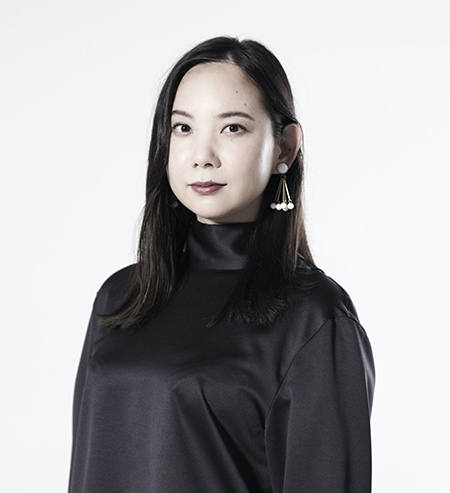
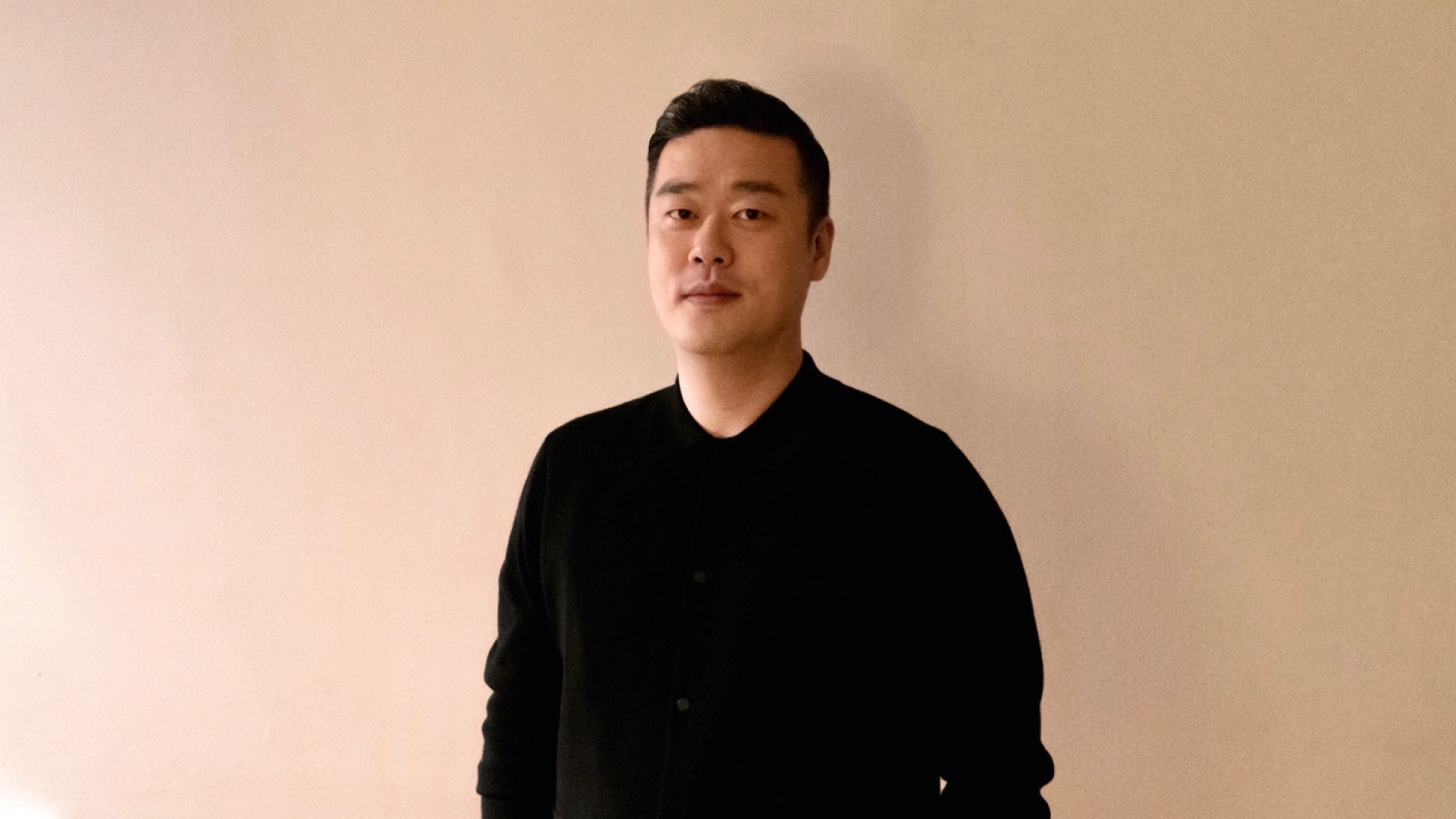
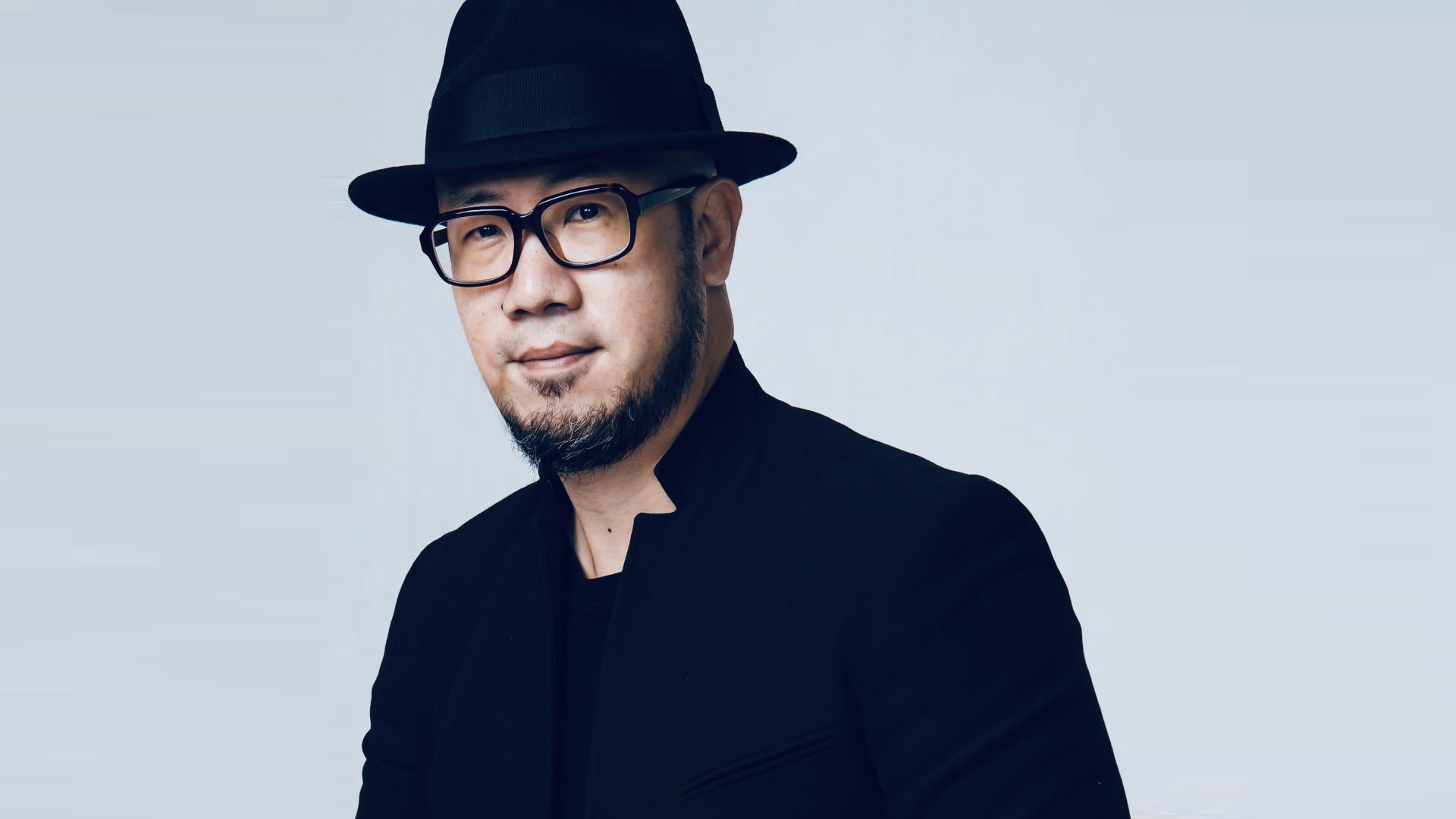
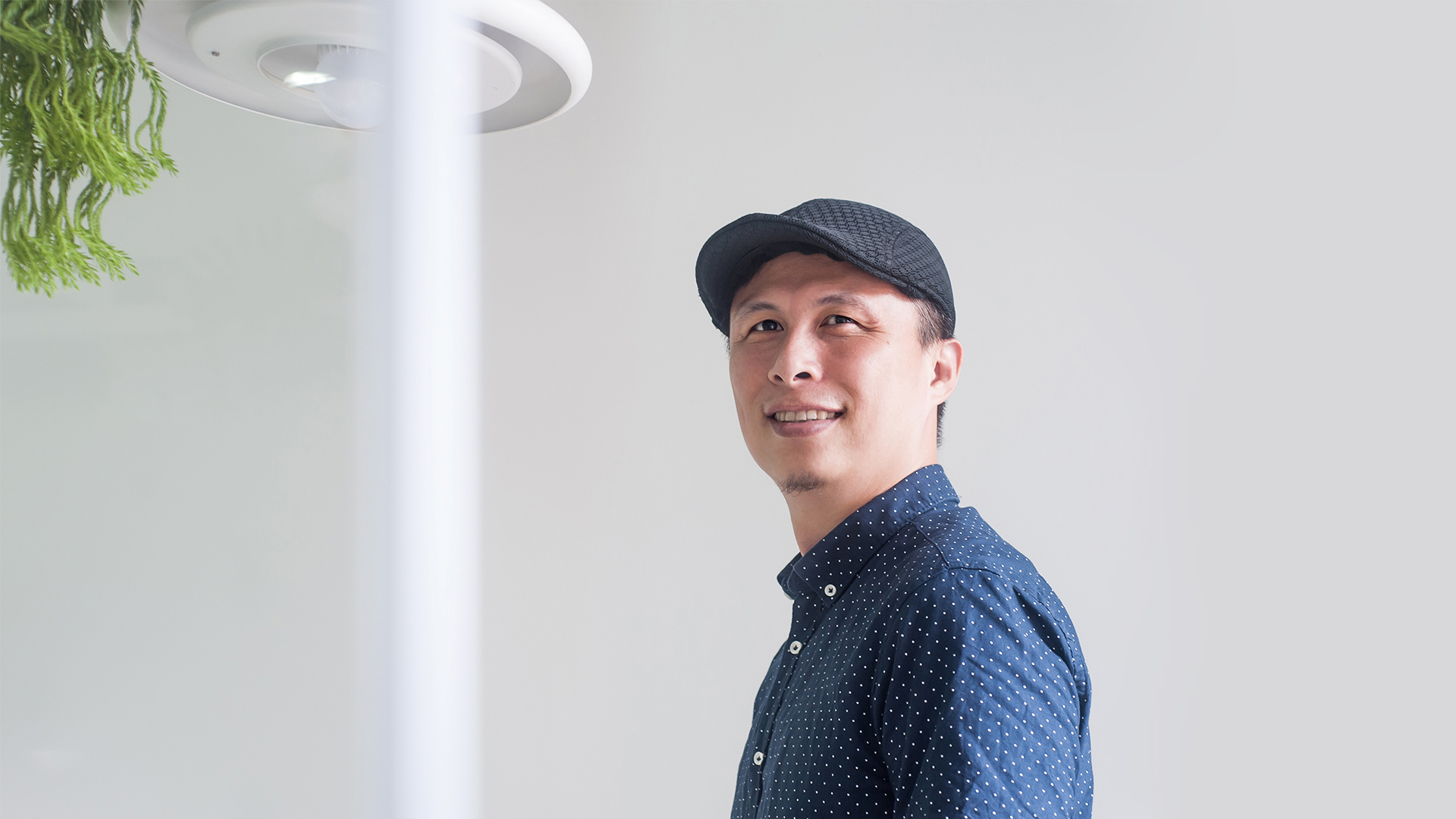
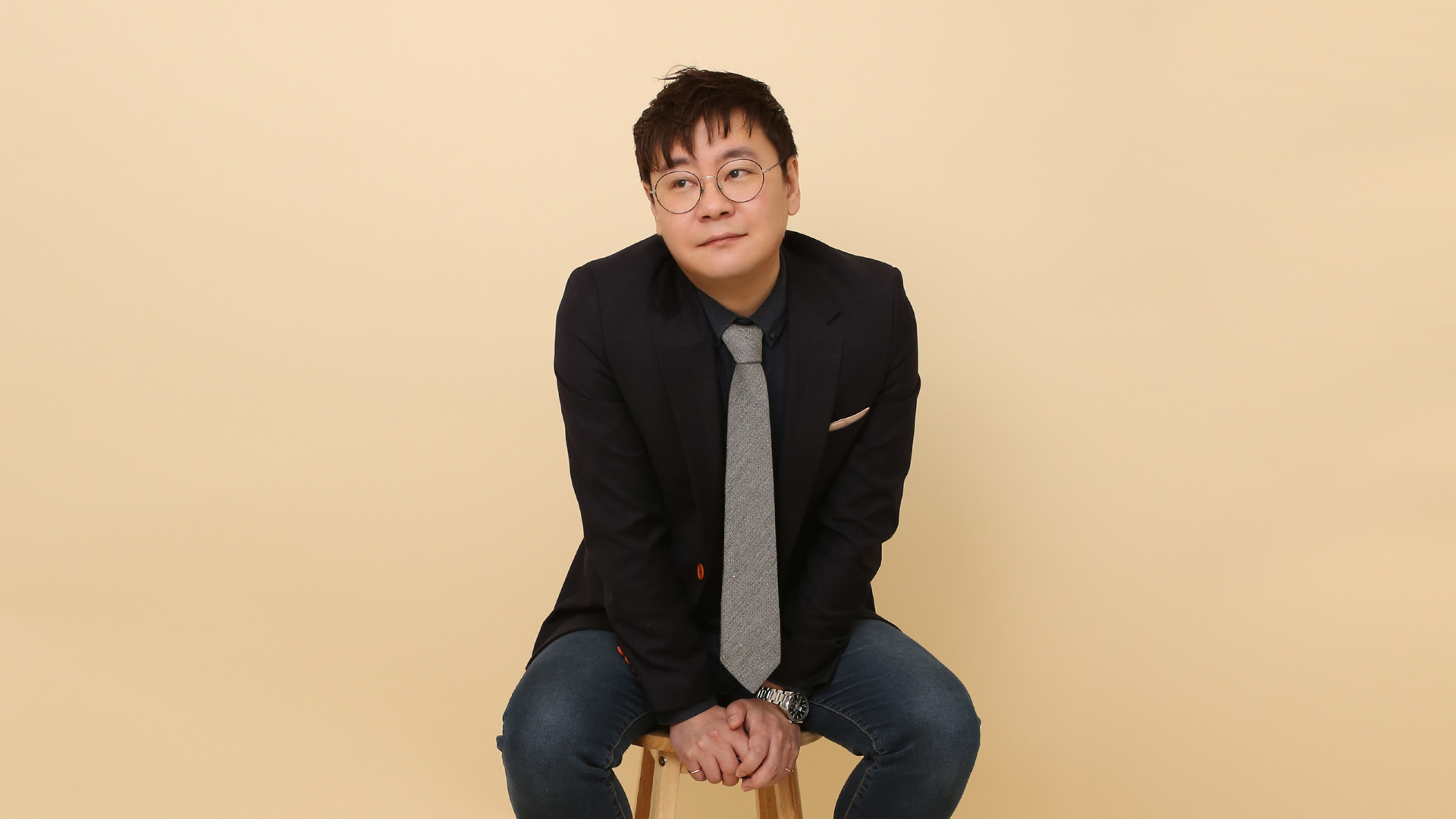
Hello everyone. I’m Chang Chun-Chieh, a multidisciplinary professional working as a designer, brand consultant, university lecturer, and illustrator. I am also the founder and creative director of Sparkly Identity, a brand identity design firm based in Taipei. My passion for brand-building led me down the path of identity design from a young age. In 2008, I established Sparkly Identity, which focuses on brand consulting, strategy, identity, and integrated design services. Our clients span across various industries, including finance, technology, healthcare, fashion, leisure, food, agriculture, and government sectors. In addition to serving mid- to large-scale brand clients, our firm is dedicated to empowering local Taiwanese industries and marginalized communities. We help them build, structure, and revitalize their brands through thoughtful design integration and strategic development.

Tell us about your most memorable achievement or experience.
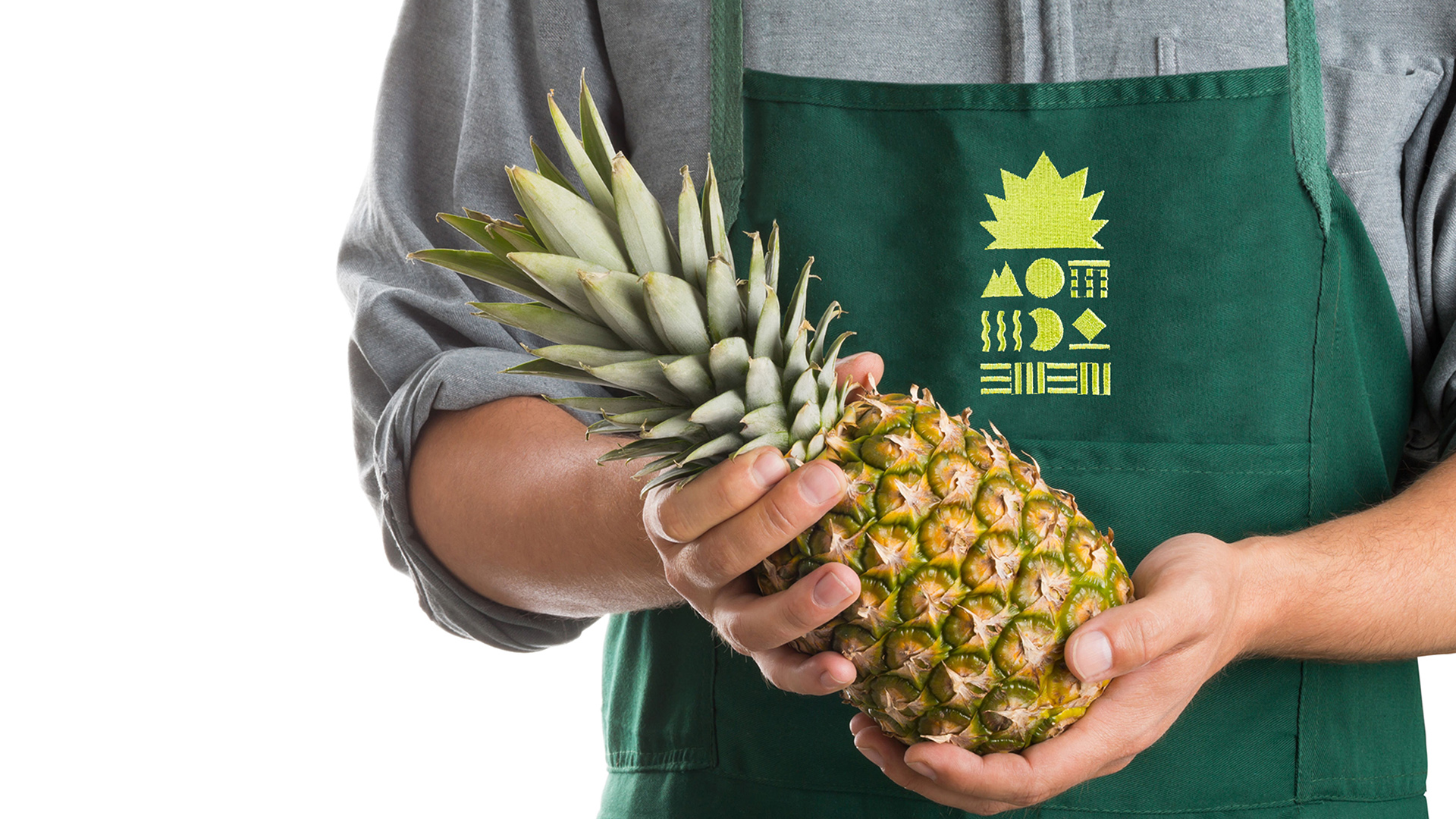
After Taiwan joined the World Trade Organization, agriculture became one of the more vulnerable sectors. Many high-quality agricultural enterprises struggled to enter international markets due to a lack of branding power. In response, the government initiated a program aimed at helping local agricultural products build stronger brands to compete globally. This collaborative initiative brought together government agencies, advisory organizations, and design teams to support local agricultural development through branding. As a brand designer, I was honored to be invited to participate in this meaningful project. Our design team traveled to Dongshi Township in Yunlin County, central Taiwan, to visit the farms and speak directly with local producers. We observed their farming operations and listened to their challenges and needs. After learning about their production limitations and tight budgets, we crafted tailored marketing strategies and branding solutions.
Thanks to our brand planning, international buyers began to take notice of this emerging agricultural brand. The brand transformation not only led to increased crop production but also enabled the products to successfully enter the global market—bringing significant revenue and benefits to local farmers. It even became one of the region’s signature specialties promoted by the local government. This successful project was widely covered in the media and led to many speaking invitations. Many small-scale and disadvantaged farmers began reaching out, hoping to replicate this model. More than just a branding upgrade, this experience represented a deep respect for the value of farmers’ labor and a meaningful design journey that made a real difference.
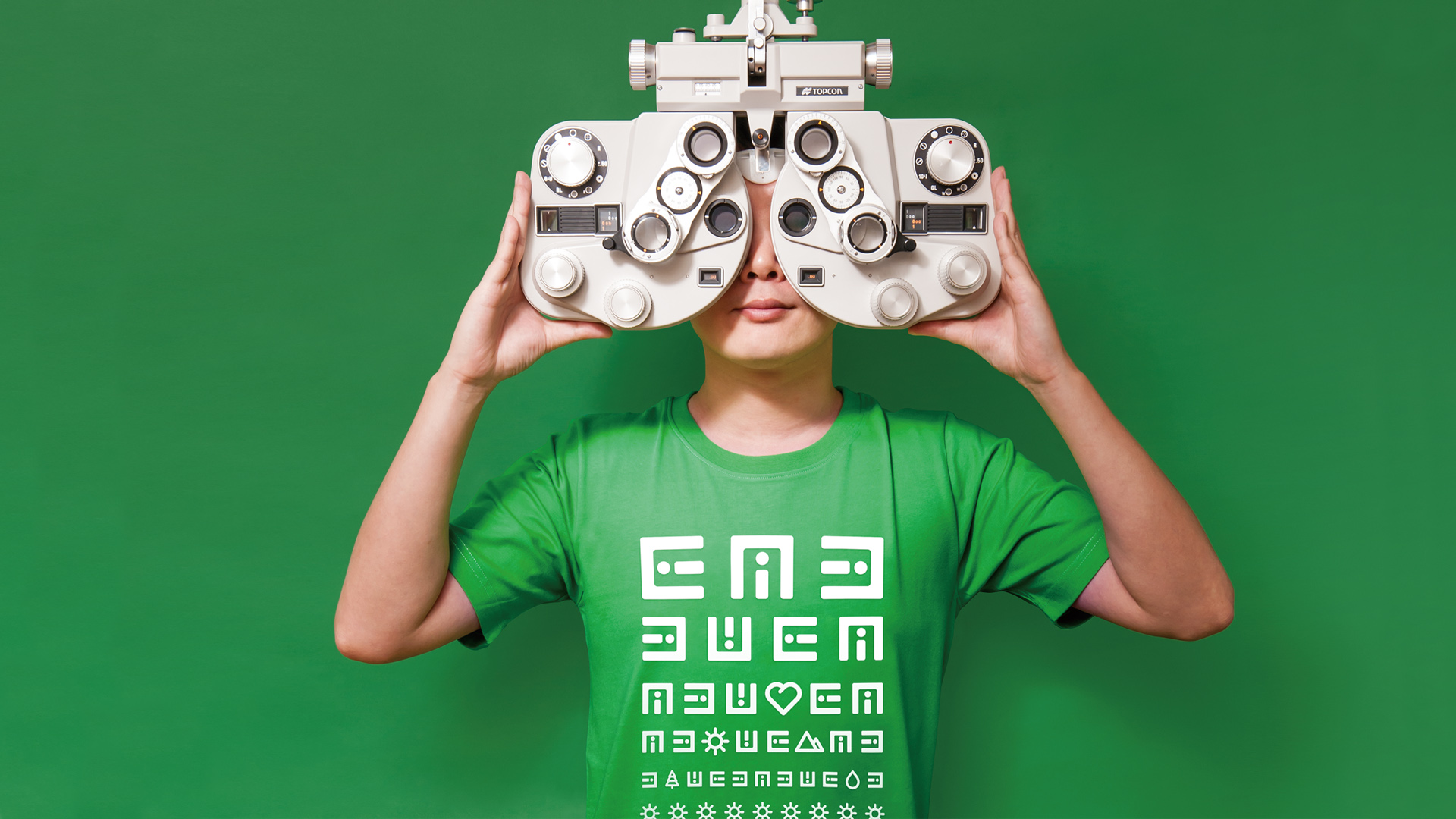
Do you have your own unique design process?
In the early stages of my career, especially when starting my own business, I relied heavily on intuition. I depended on instinct and visual experience to spark creativity—believing that only projects with engaging and distinctive content could ignite meaningful design ideas. When receiving a new client brief, if I couldn’t visualize a clear design blueprint or imagine a compelling concept, I would often politely decline the project. Back then, I depended greatly on intuition during pre-contract discussions, so mutual trust and chemistry between the two parties were essential for the project to progress smoothly.
However, as we began working with more large-scale brand clients, I realized that intuition alone wasn’t enough. Service design required thorough market analysis and strategic evaluation. That’s why we now incorporate market research into the design blueprint as a foundational part of our process. Design work typically involves collaborating with various professionals, and I prioritize working with partners who can spark creative synergy. I also tailor partnerships depending on the client’s industry, drawing from the strategic direction outlined in the initial blueprint.
As a design entrepreneur, I’ve learned that offering flexible service models is crucial. While a standardized process might seem ideal for helping clients tackle market challenges, every industry and client brings different branding issues. A flexible approach allows us to adapt to each client’s manpower, budget, and resources, and to offer branding design services that are not only effective but also realistic and customized.
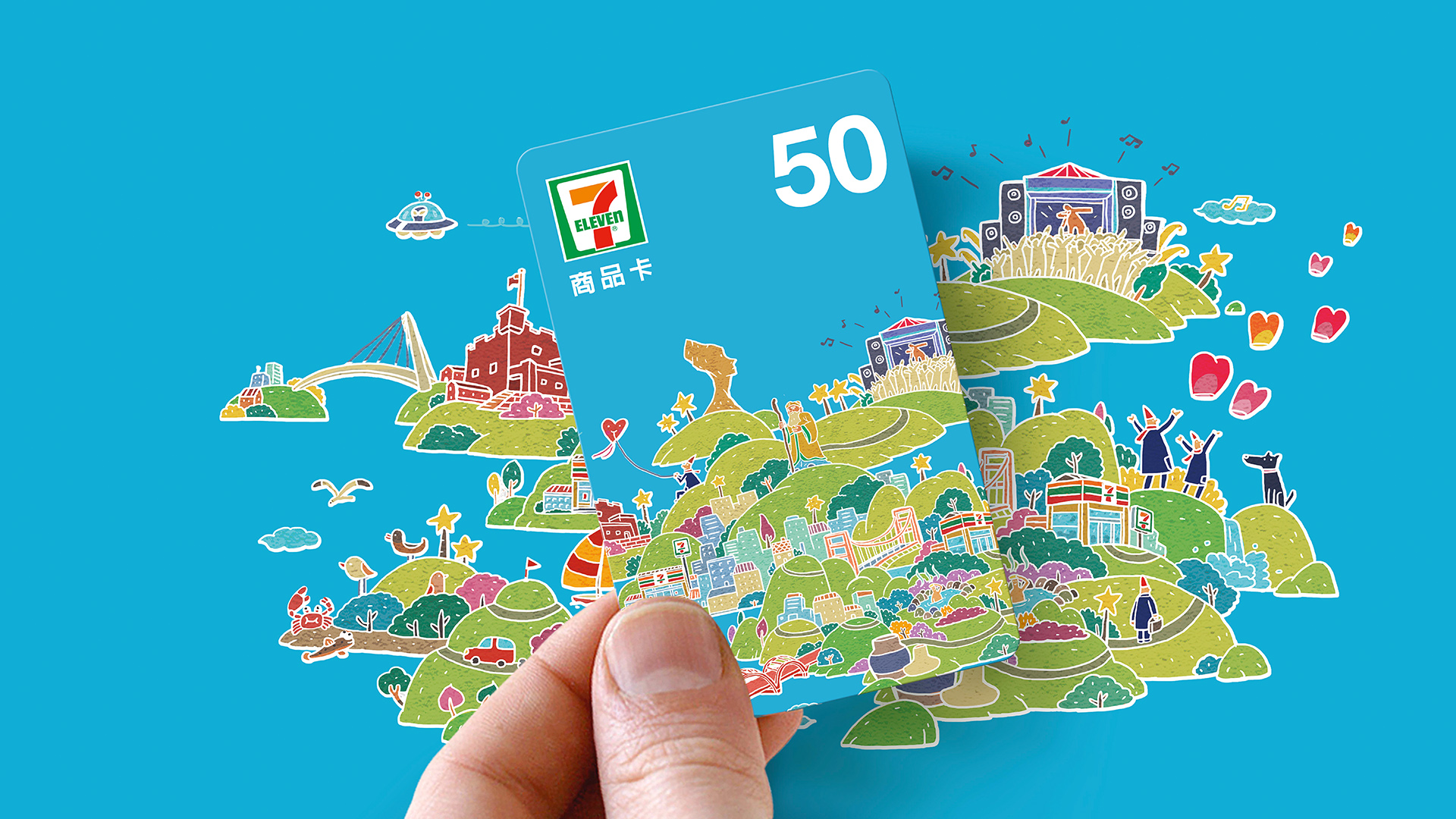
What is the design direction you pursue, and how does it differ from other designers?
In today’s digital era where the internet and computer tools are rapidly evolving, the barriers to entry in traditional design practices have lowered significantly. As a result, the design industry is filled with passionate individuals who create using digital tools but often lack professional training—particularly in their understanding of color and visual motifs. This has led to an oversaturation of over-designed branding materials in the Taiwanese market.
The design direction I pursue focuses on brand integration and precise communication. This approach is more likely to help clients achieve their intended goals. In a time where client needs are increasingly diverse, my design philosophy emphasizes solving clients’ existing problems by offering tailored solutions at each stage of their brand journey. Most clients are dealing with issues like declining sales, outdated brand images, or the need to reenergize their market presence. Whether they are large corporations or local businesses, performance and product growth are crucial. Therefore, whether branding design can genuinely support business growth becomes a critical factor in determining if the client will continue to collaborate with a design firm.
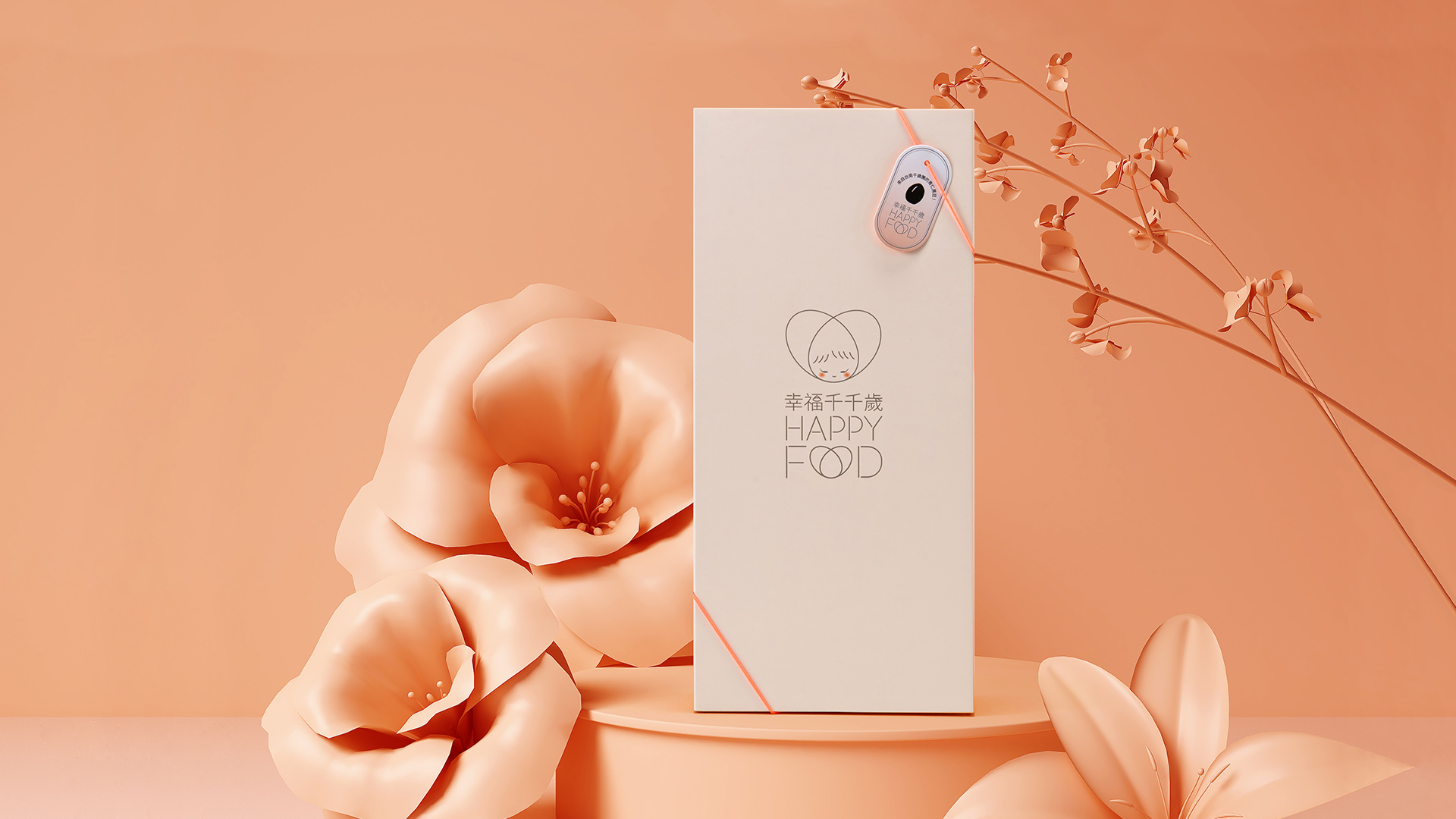
Where do you find design inspiration?
Traditional markets, small and medium-sized supermarkets, convenience stores, and department stores are my main sources of design inspiration. Especially when I travel abroad—whether for work or personal reasons—I make it a point to visit local commercial markets to go "treasure hunting." These places often reveal interesting products. Commercial environments typically follow a set of market rules, which leads to a certain uniformity in product design. But I enjoy discovering items that break away from the norm. Analyzing their business models, product features, and the creative strategies behind them is part of my daily routine to accumulate design inspiration.
Many designers have abundant inspiration, brilliant creativity, and impressive portfolios—but may struggle with communication and presentation. I too have faced this challenge in the past. Rather than just chasing creative sparks, I focus more on communication within design projects. I've noticed that clients often have vastly different understandings of branding and design. That’s why I spend more time honing my communication skills—explaining and presenting design concepts systematically, articulating the value of creative branding, and emphasizing the importance of investing in design and brand development. This remains one of the biggest ongoing challenges in my design practice.
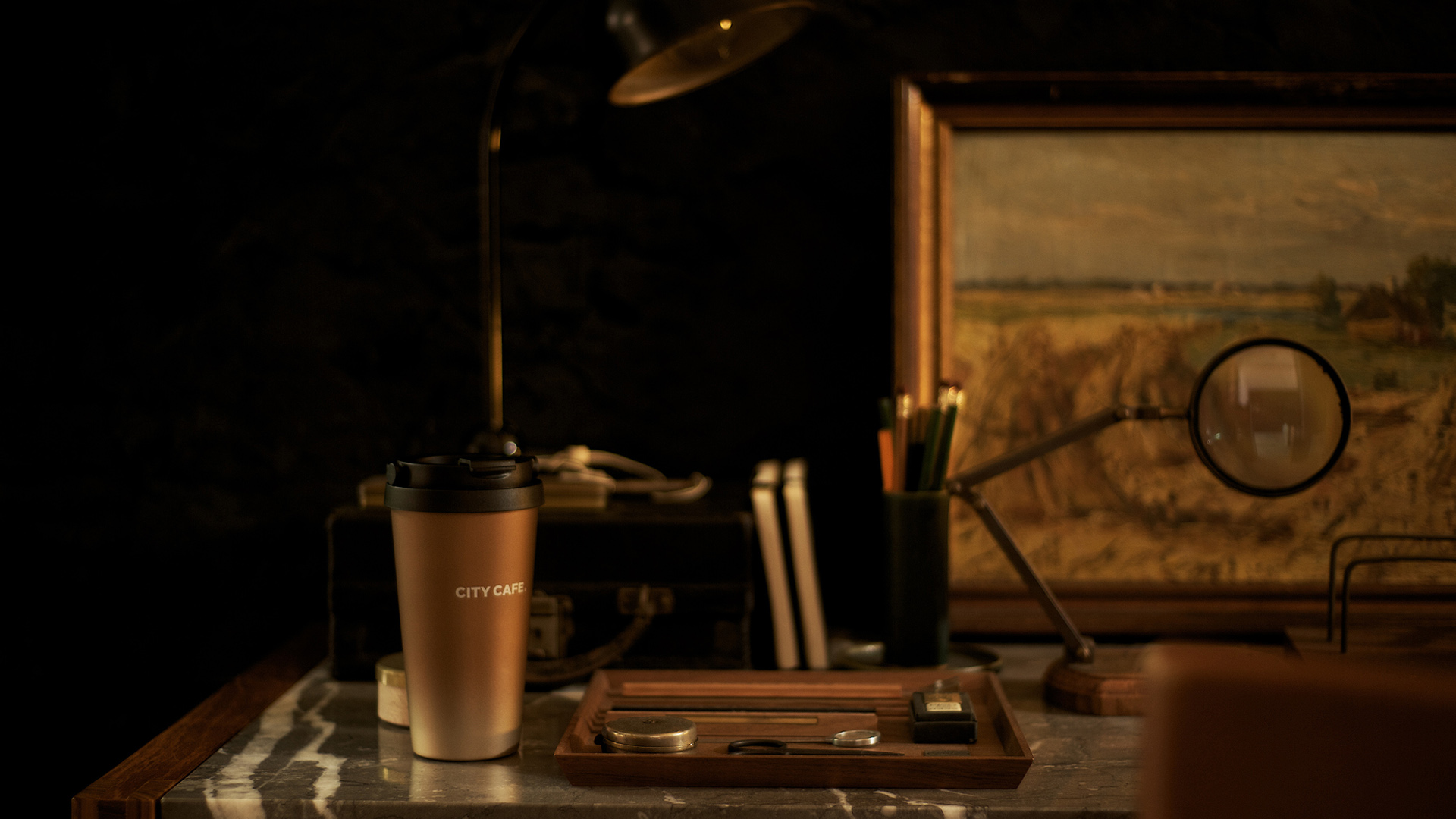
Have you noticed any changes in the design market throughout your project experience? If so, what has changed from past to present?
Absolutely. As society evolves, the way people absorb information has also changed, which presents new challenges in the tools and techniques designers use. Traditional print media such as posters, newspapers, and magazine ads—which were dominant over two decades ago—have gradually faded from the mainstream. Even ten years ago, clients had already begun reducing their budgets for such media. In recent years, aside from designers using posters and other traditional formats for personal creative expression, these types of projects have nearly vanished.
The nature of design projects has also shifted significantly from the past to the present. This is largely due to changes in media formats and communication channels. With the evolution of how people communicate, the shifting demands clients face in their markets, and the expansion of business operations, I’ve found it necessary to continuously recruit and train new designers. These designers must be able to keep up with the company’s pace, maintain project quality, and produce high-level work that contributes to the company’s success.
The role of a designer within a team has become increasingly diverse. Designers are now expected to collaborate with various talents and integrate different skill sets. In today’s rapidly changing world, staying ahead of the curve is essential. I believe designers must constantly observe, explore, and expose themselves to different experiences in order to adapt to changes and carve out new paths.
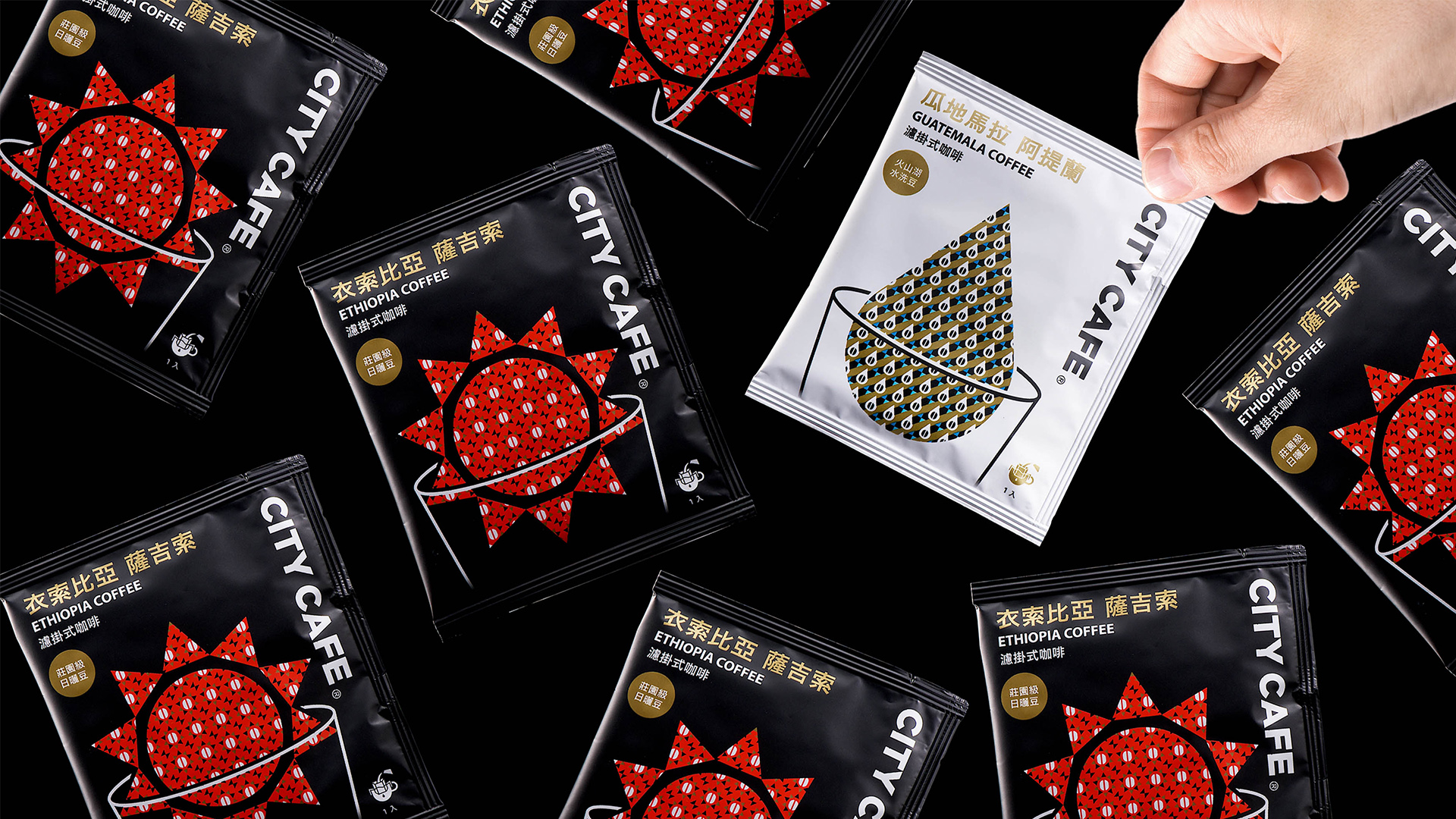
What changes do you foresee in the design market 10 years from now, and how are you preparing for them?
The rapid advancement of artificial intelligence is bringing significant transformation to nearly every industry, and the creative sector is no exception. While AI-powered tools are making design processes more accessible and efficient, they also lower the barrier to entry—meaning that more people can use similar tools at a fraction of the cost. In an era where "everyone can be a designer," professional designers must redefine their role. In the realm of commercial design, the unique advantages of creativity and emotional connection will become increasingly vital.
In recent years, Sparkly Identity has handled numerous projects from Taiwan’s eastern regions such as Hualien and Taitung. As a result, I’ve emphasized to my team the importance of human-centered and emotionally resonant design. Designers must be able to empathize with clients’ needs, craft thoughtful solutions, and communicate effectively with end consumers. While AI tools will continue to streamline workflows and offer efficient design outputs, the most effective way to truly engage both clients and consumers will always be through warmth, empathy, and human connection.
As a designer, what is your core belief or ideal? What is your vision for the future?
“There’s a saying that knowledge workers should use their expertise to support the underprivileged, not to exploit them with knowledge gaps.” This belief has profoundly shaped my values. I believe that designers should be advocates for social progress, not agents of inequality driven by expertise. Design is more than just visual output—it’s part of shaping society. Through my design work, I aim to make meaningful contributions to brand development and the growth of local businesses. At the same time, I remain committed to supporting the needs of marginalized communities, creating outcomes that achieve both social and economic impact.















#14057, 905 49, Beolmal-ro 102beon-gil,
Dongan-gu, Anyang-si, Gyeonggi-do, Korea
Business Registration Number: 454-86-01044
Online Sales License No.: 2021-Anyang Dongan-1081
Copyright © DESIGNSORI Co., Ltd.