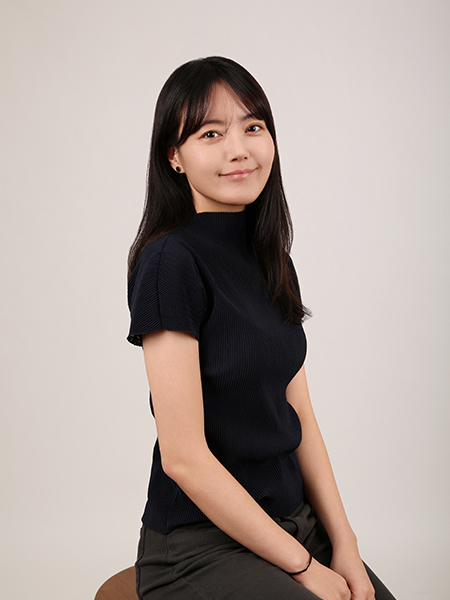
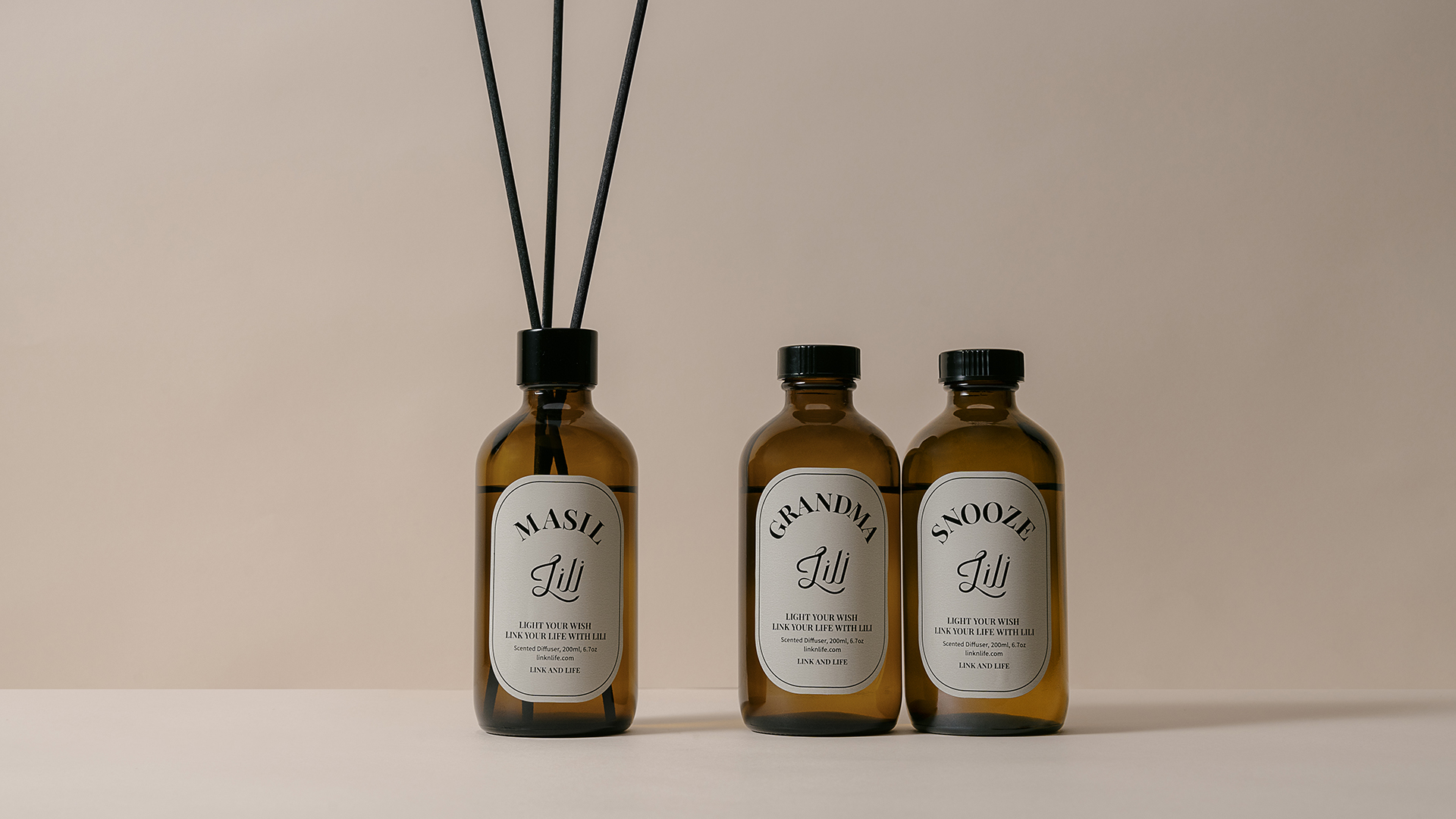
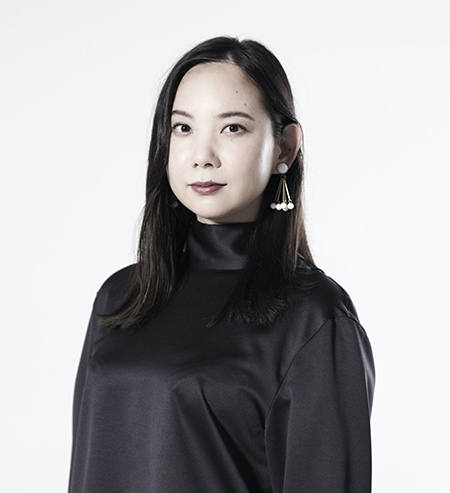
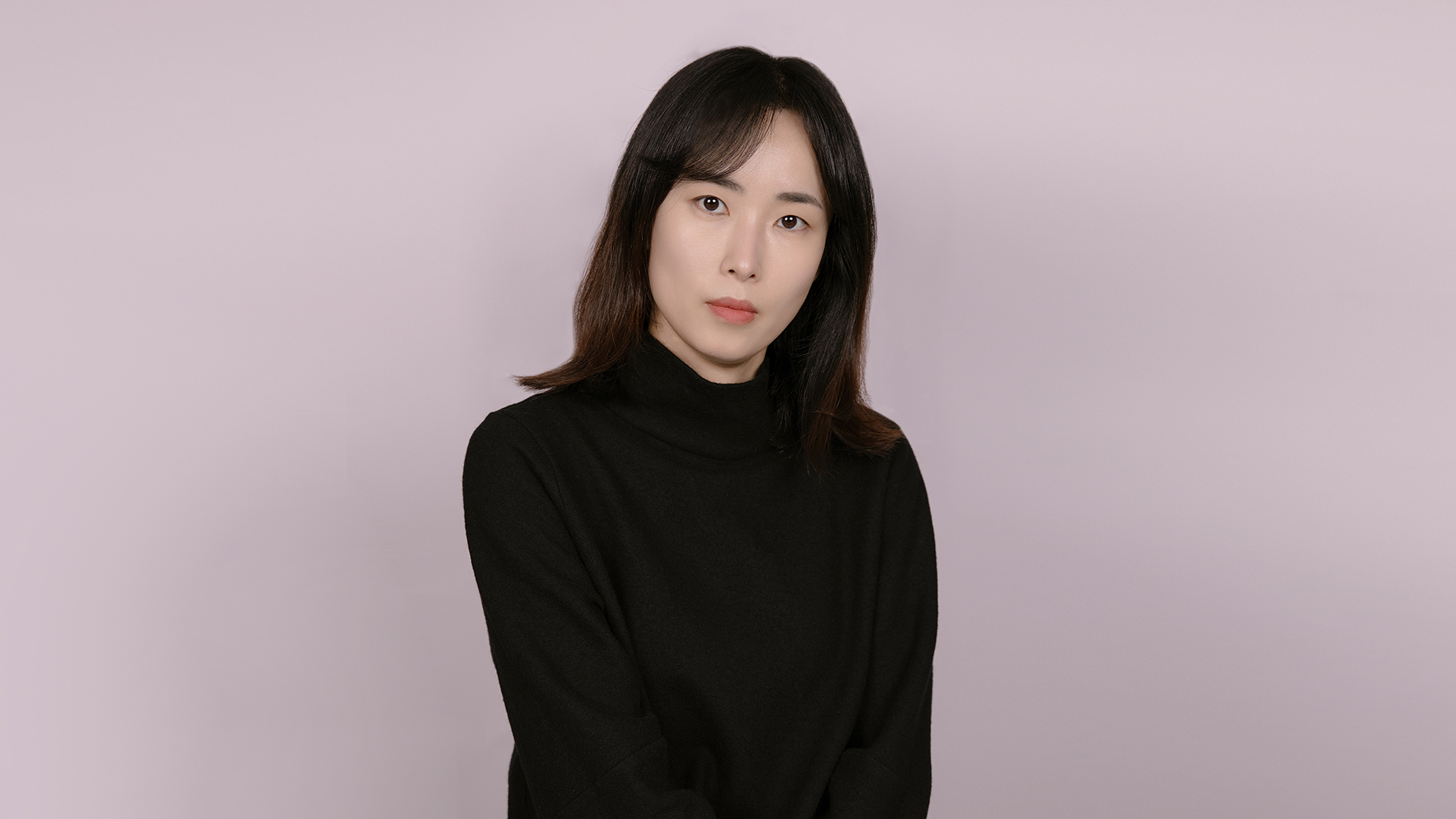
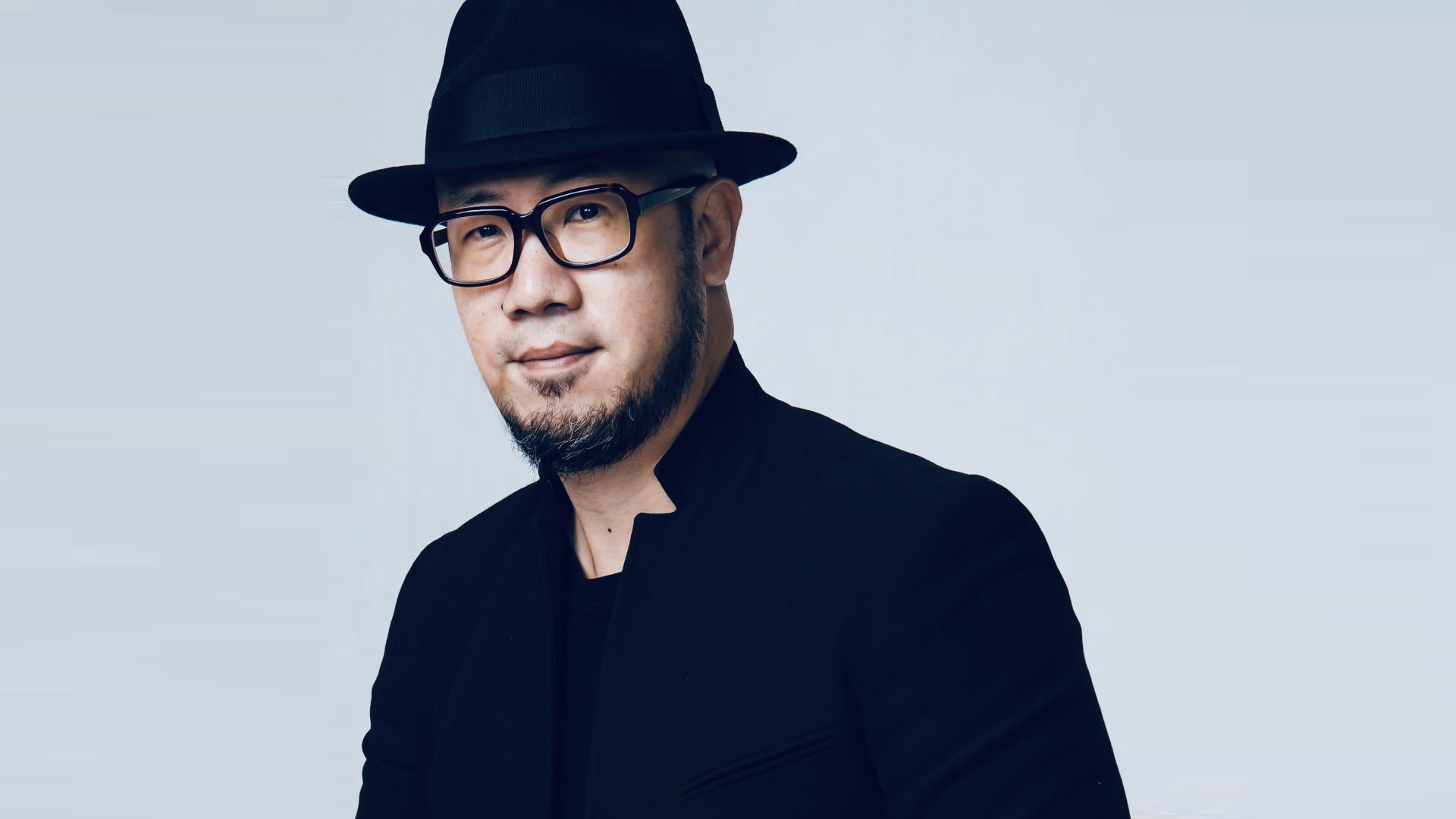
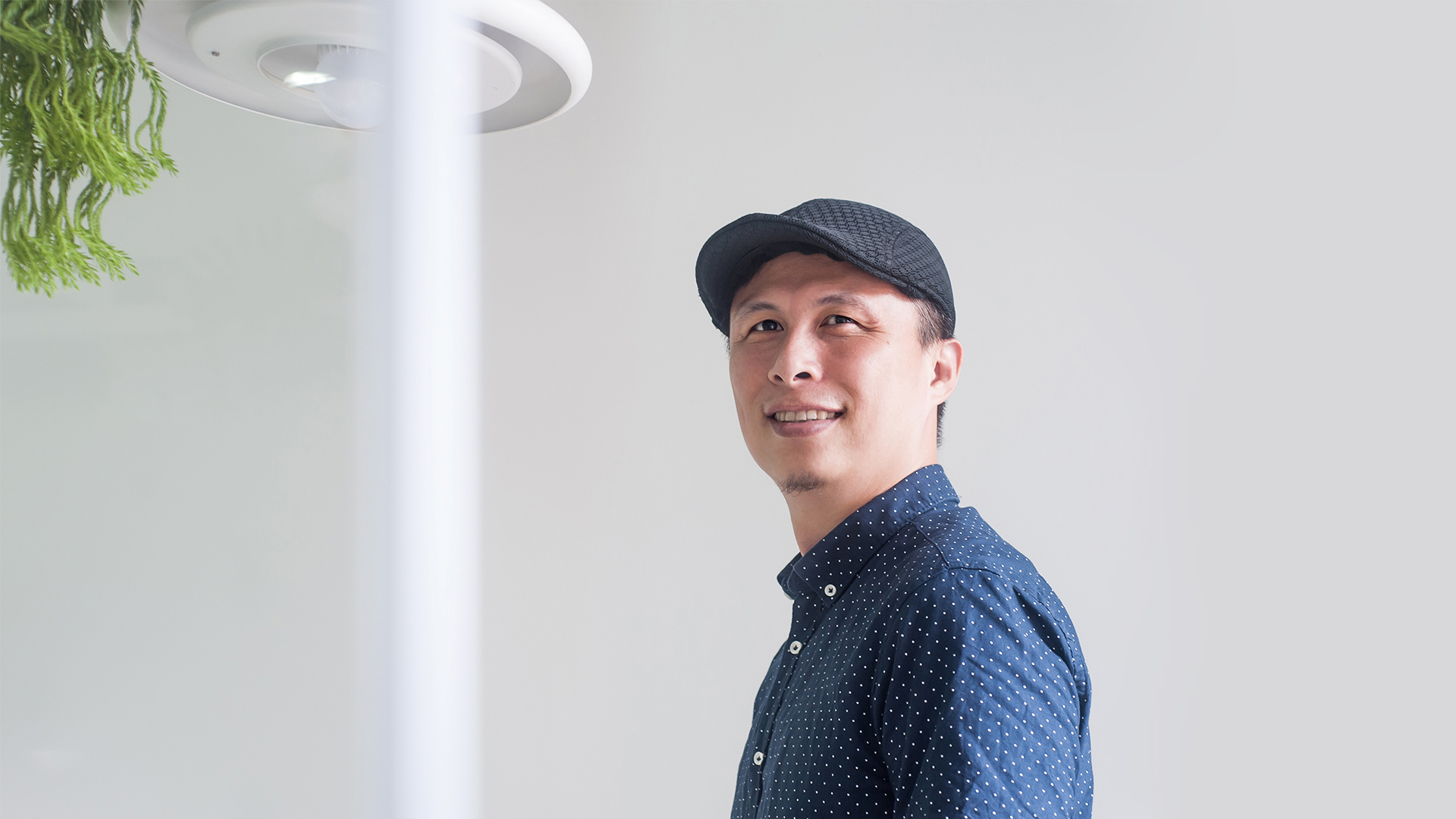
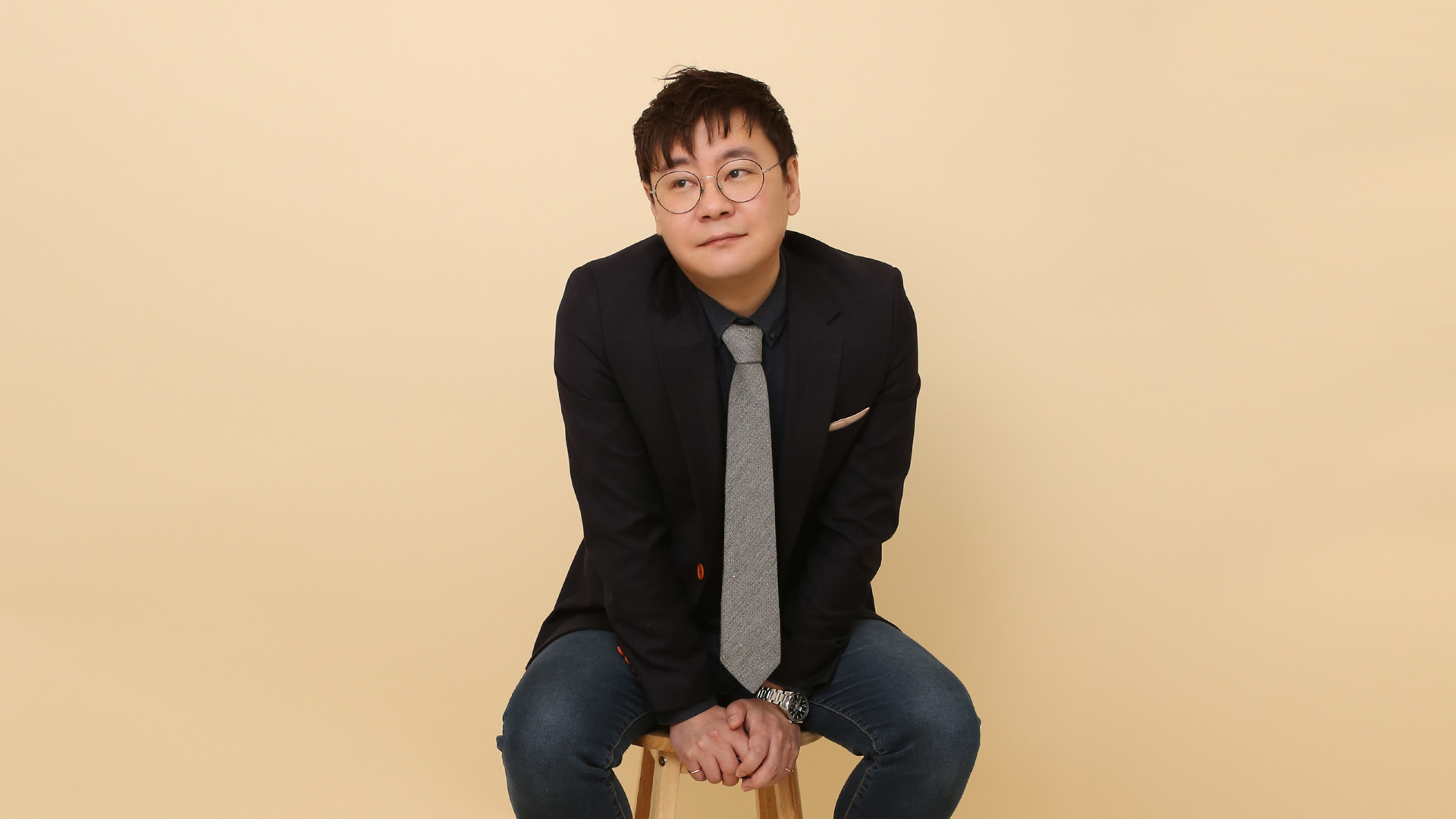
Hello, I’m Seunghwa Kim, Brand Director of Link&Life’s fragrance label, Lilly. Lilly is a fragrance brand based in Namsan Village, Cheonan, a quiet town surrounded by low buildings and gentle hills. With the brand vision of “connecting lives through life,” we create scent products that are warm and comforting—designed for everyday use. These products are developed together with the elders of the village, inspired by the tender and heartfelt experiences we share with them. I oversee all aspects of the brand experience, from product packaging and spatial design to social media and overall branding.
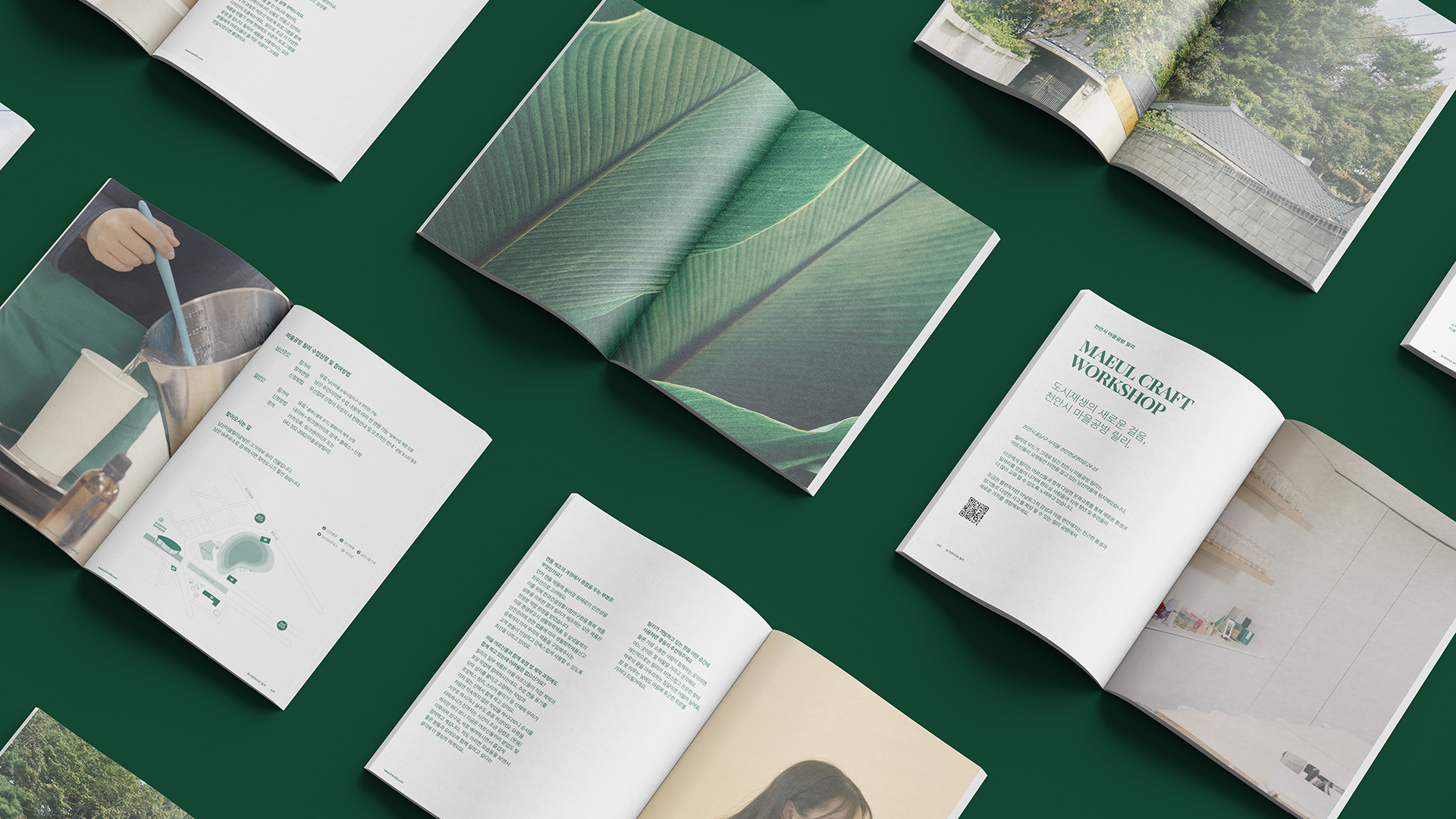
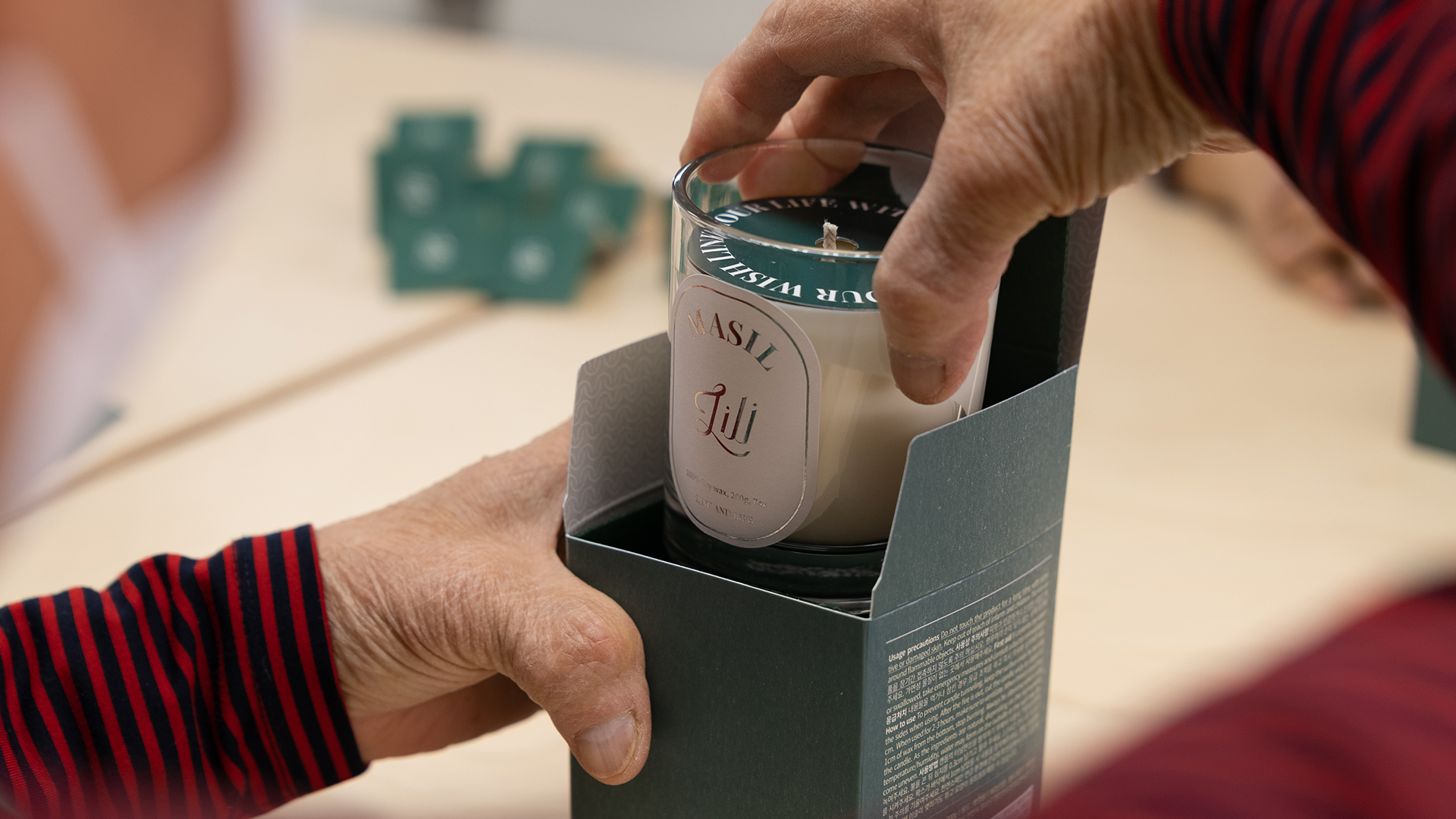
Please tell us about the most memorable achievement or experience in your work.
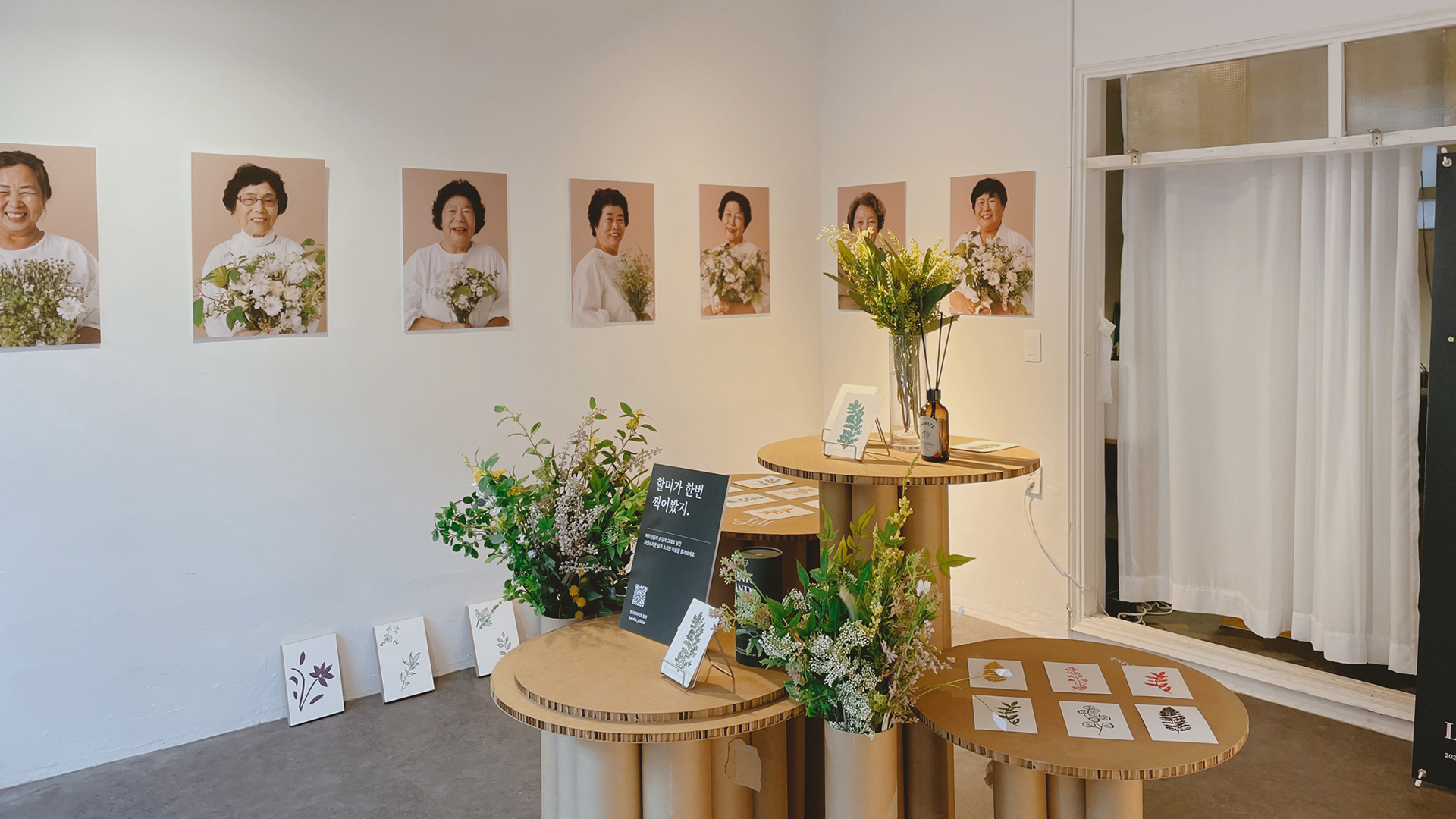
At Lilly, we place great importance on collaboration with the elderly members of our village. From product creation and photography to exhibitions and various community programs, we deeply respect their participation and lived experiences. For us, this approach goes beyond sales—it holds greater value. We believe that it also resonates meaningfully with the customers who support Lilly. One of our most memorable projects was a photo exhibition titled Flower Outing, which was organized as part of our cultural program funded through a portion of our revenue. In this project, we created floral bouquets with the grandmothers in our village and photographed them with their creations. Unlike previous fairs or pop-ups, this time we rented two small, cozy venues where the grandmothers themselves helped prepare the exhibition and even acted as gallery keepers. Seeing how much they enjoyed the experience made us feel equally excited and motivated. Of course, there were challenges along the way, but the opportunity to work together truly embodied Lilly’s values and allowed us to communicate our story in the most meaningful way.
What is your creative process like? Could you share your unique approach to design?
Just as well-written text is said to be easily understood, I strive for designs that are intuitive and accessible to everyone. I believe it’s especially important to consider the diverse backgrounds and abilities of users so that we can offer experiences that are easy to engage with. This approach not only enhances inclusivity but also helps us connect with a broader audience. In the past, I focused more on trendy visuals, technical design techniques, and striking graphics. However, since working with Lilly, I’ve come to value simplicity and clarity in design—copywriting that’s easy to read, typography that stands out, and layouts that are clean and intuitive. These choices also reflect our commitment to inclusivity for the elderly collaborators we work with.
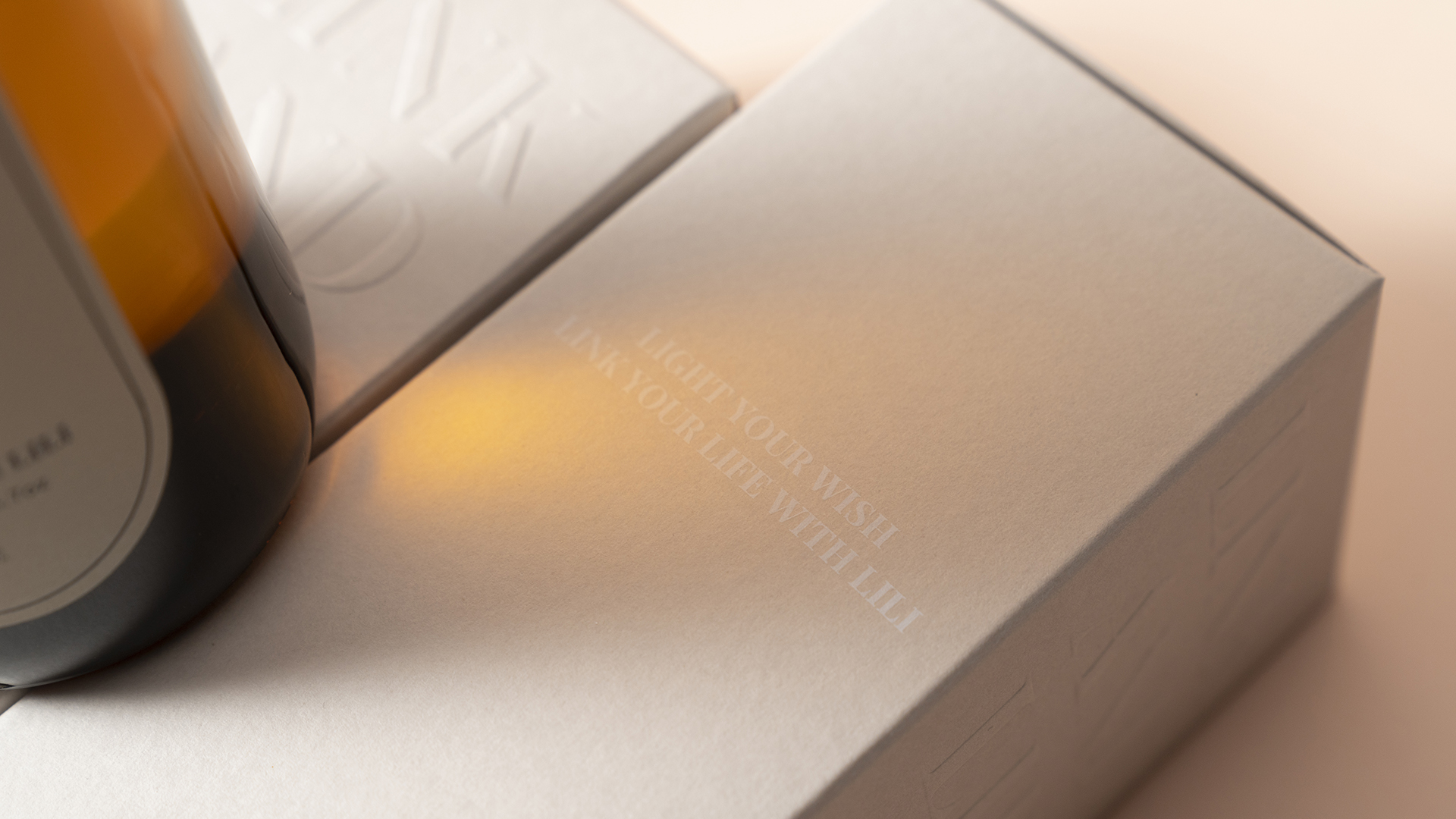
At the heart of Lilly is the desire to convey warmth and comfort—qualities we’ve experienced from the grandmothers in our village. This emotional tone is reflected in our design choices as well. Instead of bold, flashy colors, we use calming tones inspired by nature, and we pay close attention to the tactile materials of our packaging so that our customers feel the Lilly mood from the moment they receive a product. Ultimately, my design process always begins with one central question: how easy is this for someone to approach and understand? It’s all about increasing accessibility so that more people can experience and interact with what we create.
What does 'design' mean to you, and in which direction are you pursuing it?
The direction I pursue in design is to make it widely beneficial. What drew me to design in the first place was its potential to transform environments. Just as beauty can calm and uplift the mind, I believe design has the power to change the spaces and moods that surround people. That’s why I’ve been drawn to public branding, civic design, and social-value-driven brand projects like Link&Life, where I continue to expand the meaning and impact of design.
At the same time, I recognize that design is not equally accessible to everyone. In regions where survival takes precedence, or for those living hand-to-mouth, design can feel like a luxury. Applying design principles in such contexts is incredibly difficult. However, I firmly believe in the power and impact of design. That’s why my goal is to create design environments that are approachable and inclusive for everyone. Working on the Lilly brand at Link&Life has been a major source of inspiration in realizing this vision.
Is there a brand or media outlet you've been inspired by or paying close attention to lately?
This might sound a bit personal, but—I’m a fan of K-pop idols! Growing up, I started with H.O.T. thanks to my cousin, then moved on to Shinhwa, g.o.d, TVXQ, and more recently, MONSTA X. My taste may have changed over time, but idols have consistently been a source of joy for me. Naturally, I’ve also come across a wide variety of designs and merchandise from their agencies. Interestingly, many of these products have sparked ideas and creative inspiration. Looking back, I think the idol industry is at the forefront of trendsetting—constantly pushing boundaries with bold concepts and daring designs.
While this may seem the complete opposite of the work I do with Lilly, especially in terms of brand experience, I’ve found many insights in how these companies structure product lines and generate revenue beyond music and content. It makes me think about how similar strategies could be adapted for our brand as well. I also believe that without understanding the present, we can’t create design that’s truly grounded. Idol culture offers a fun, accessible window into what a specific audience values, what’s trending, and which brands they resonate with. Honestly, for meeting the emotional needs of teenage girls—who might be the most discerning audience of all—nothing matches the level of content that idols provide.
Do you have your own design philosophy or core belief? And what is your vision going forward?
Personally, I feel like the role of designers has only recently started gaining the recognition it deserves. Not long ago, when someone said they majored in design, older generations—especially those with more conservative views—often assumed it was a career path for people who didn’t do well in school, or that it was a job where you couldn’t make a living. I’m not even from a very distant generation, yet that was the perception.
But now, with design and branding increasingly intertwined with our social fabric, and with the growing awareness of aesthetics in everyday life, I believe the true value of design is finally being realized. That’s why I want to keep making design more beneficial, more accessible, and something everyone can enjoy. That’s also my vision going forward. For me, Lilly is a medium that allows me to pursue this dream. I want to continue working with elders and help create a world where we live connected—across generations—especially in the context of an aging society. Not a life of isolation, but of joyful togetherness. I feel like I’ve finally taken my first real step toward that goal!















#14057, 905 49, Beolmal-ro 102beon-gil,
Dongan-gu, Anyang-si, Gyeonggi-do, Korea
Business Registration Number: 454-86-01044
Online Sales License No.: 2021-Anyang Dongan-1081
Copyright © DESIGNSORI Co., Ltd.