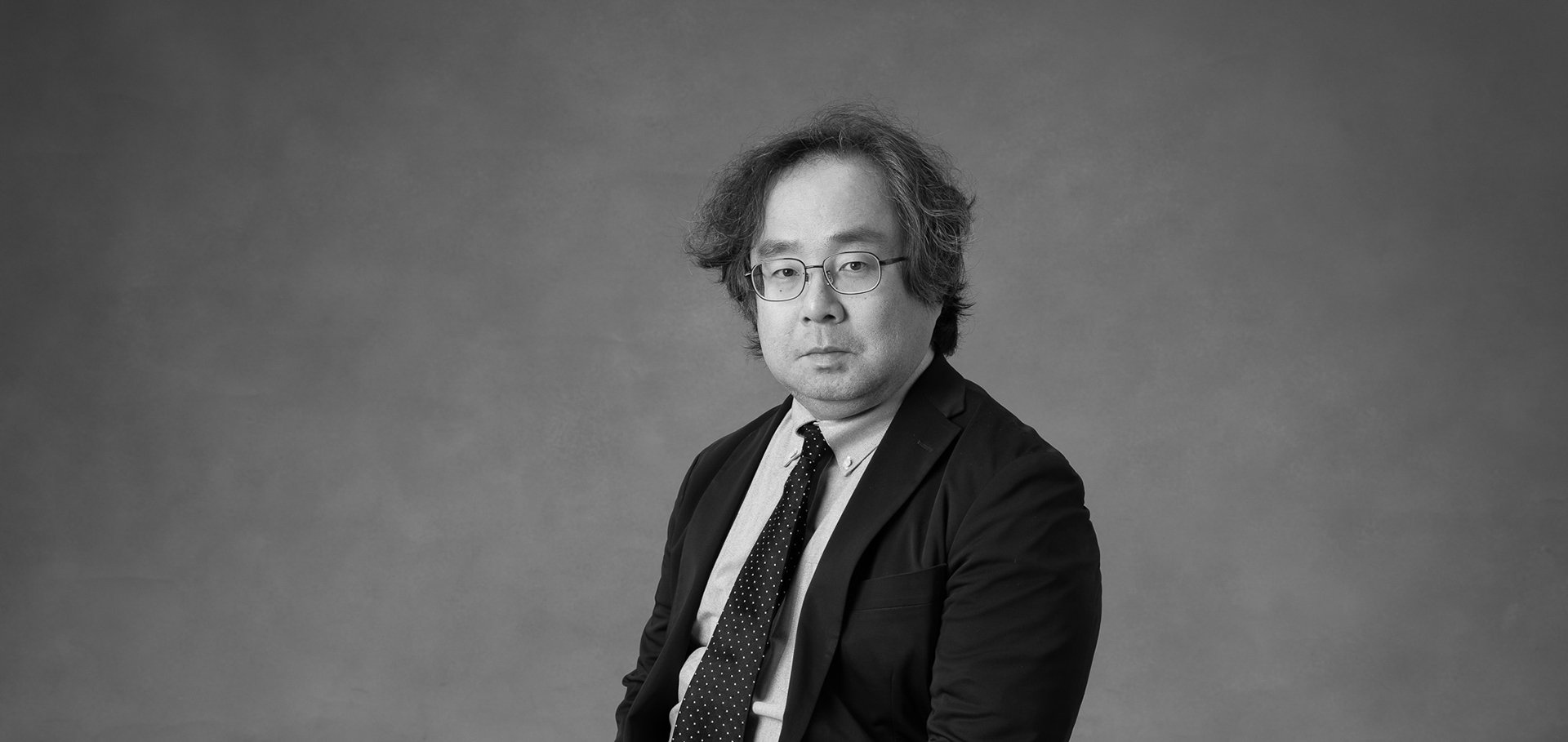
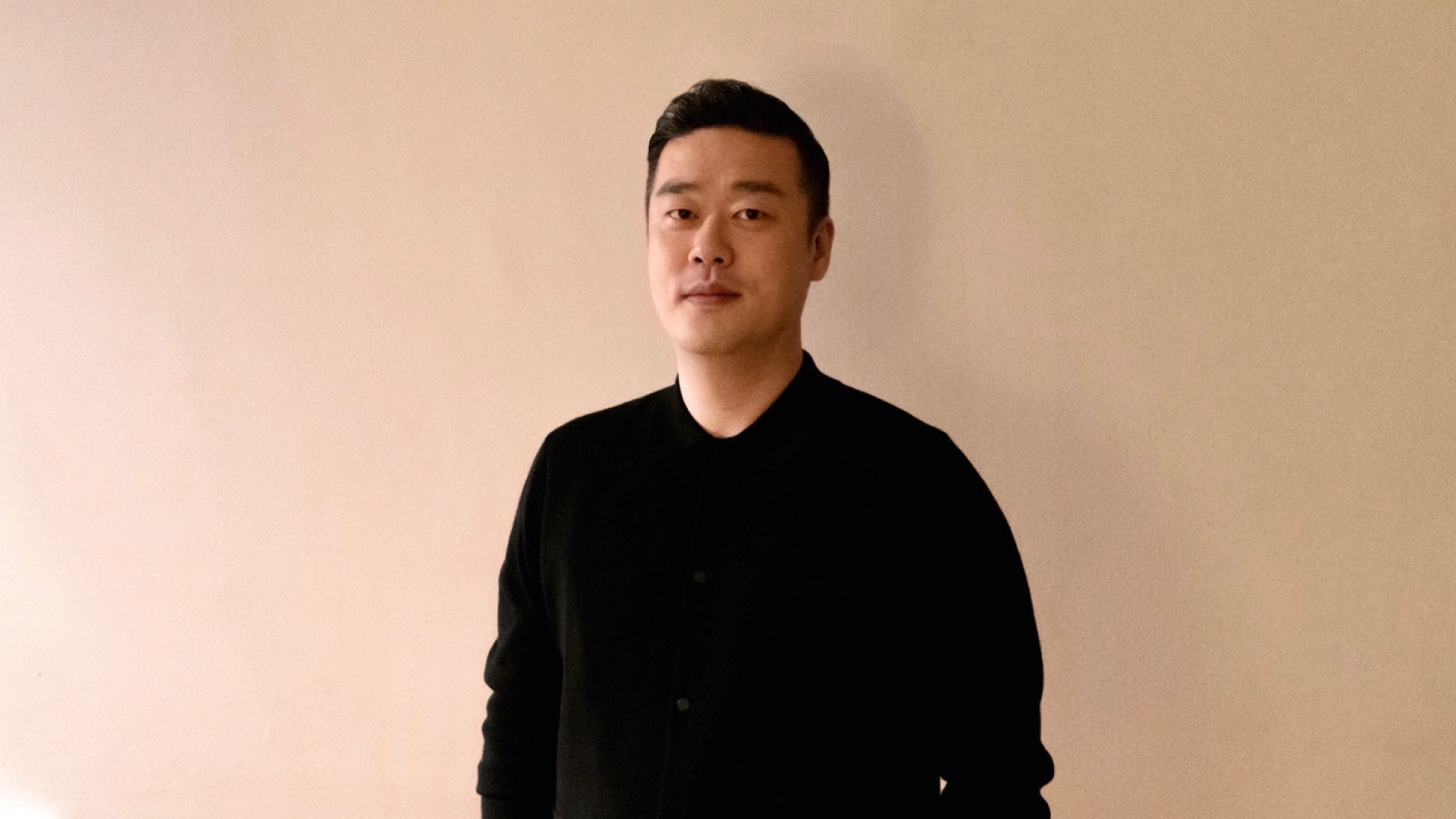
Hello, I’m Kotoaki Asano. I am an architect, artist, designer, and poet. At the heart of my work is the design of spaces with poetic sensibility. My goal is to create spaces that evoke poetic emotions in those who see and experience them. In other words, I aim to bring a new worldview—one that can be physically and sensorially felt—into reality. The spaces I design function as poetic instruments that respond sensitively to their environment. I strive to create places where visitors can experience the passage and transformation of time and space. These are physical experiences that blend naturally into the surrounding landscape while visually shifting and evolving. Moving forward, I intend to continue this journey across different parts of the world.
Please tell us about one of your most memorable achievements or experiences.
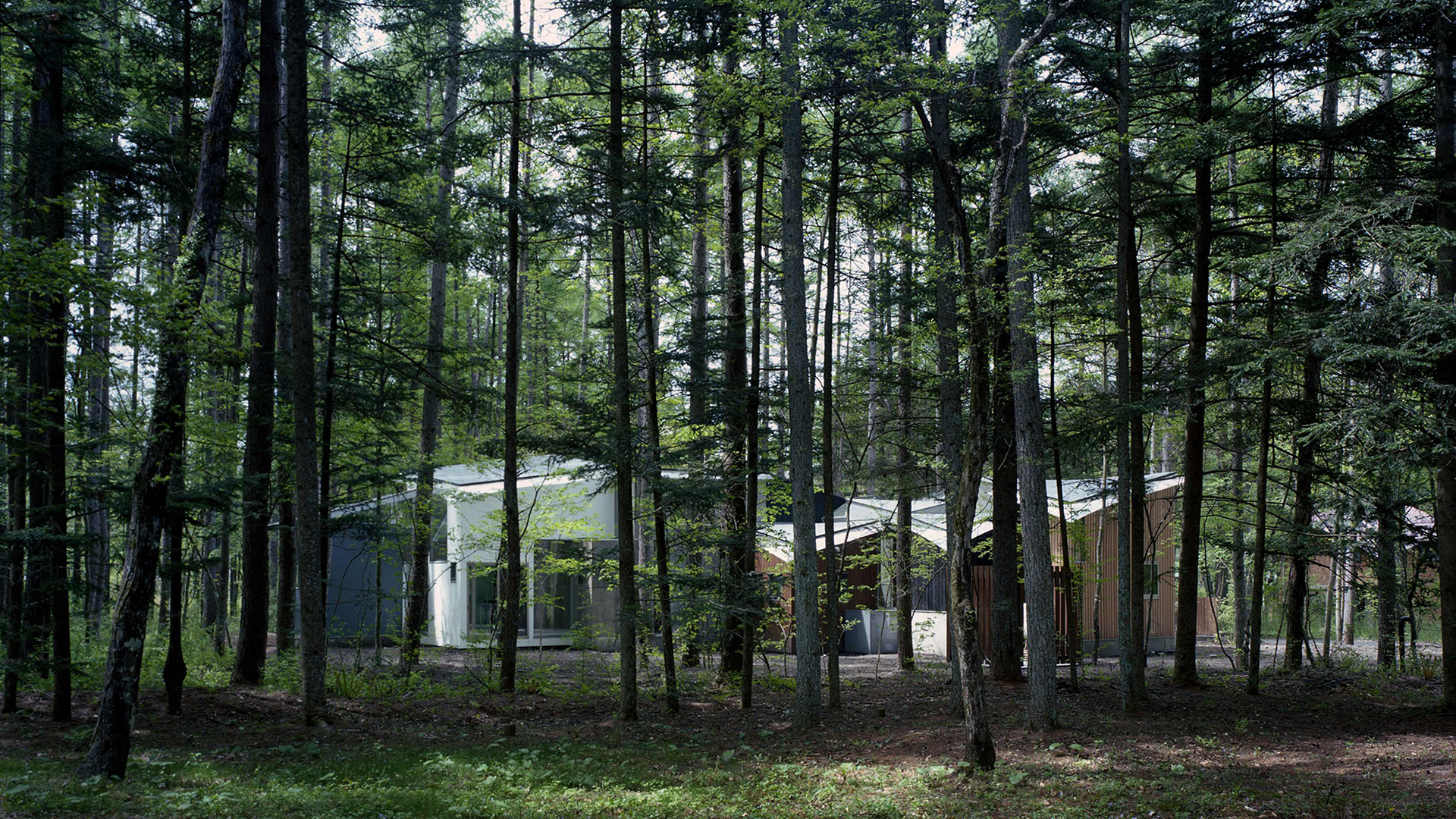
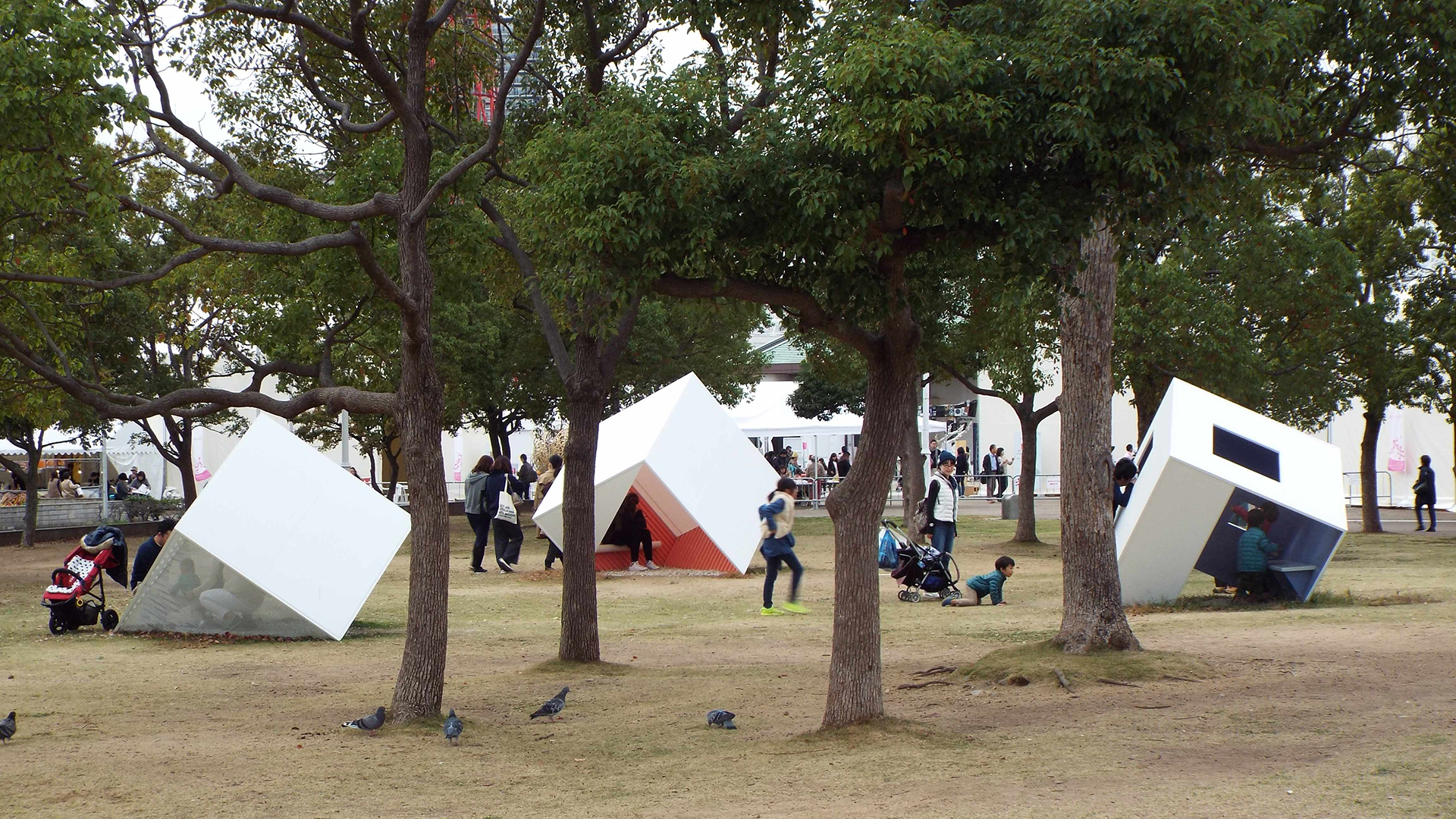
One of the works that holds special meaning for me is a villa titled Gradation of the Forest. This project is nestled within a forest and began with the idea of arranging cube-shaped spaces of varying sizes. By designing each cube and their interrelationships in diverse ways, the goal was to create a spatial experience that blends into the forest and transforms gradually over time. The concept of “Three Cubes in the Forest” was aimed at creating a place where people could gather and rest comfortably. Each of the three movable cubes was designed with a distinct character. While the exterior appears as simple cubes, the interiors reveal spaces with unique atmospheres and emotional tones.
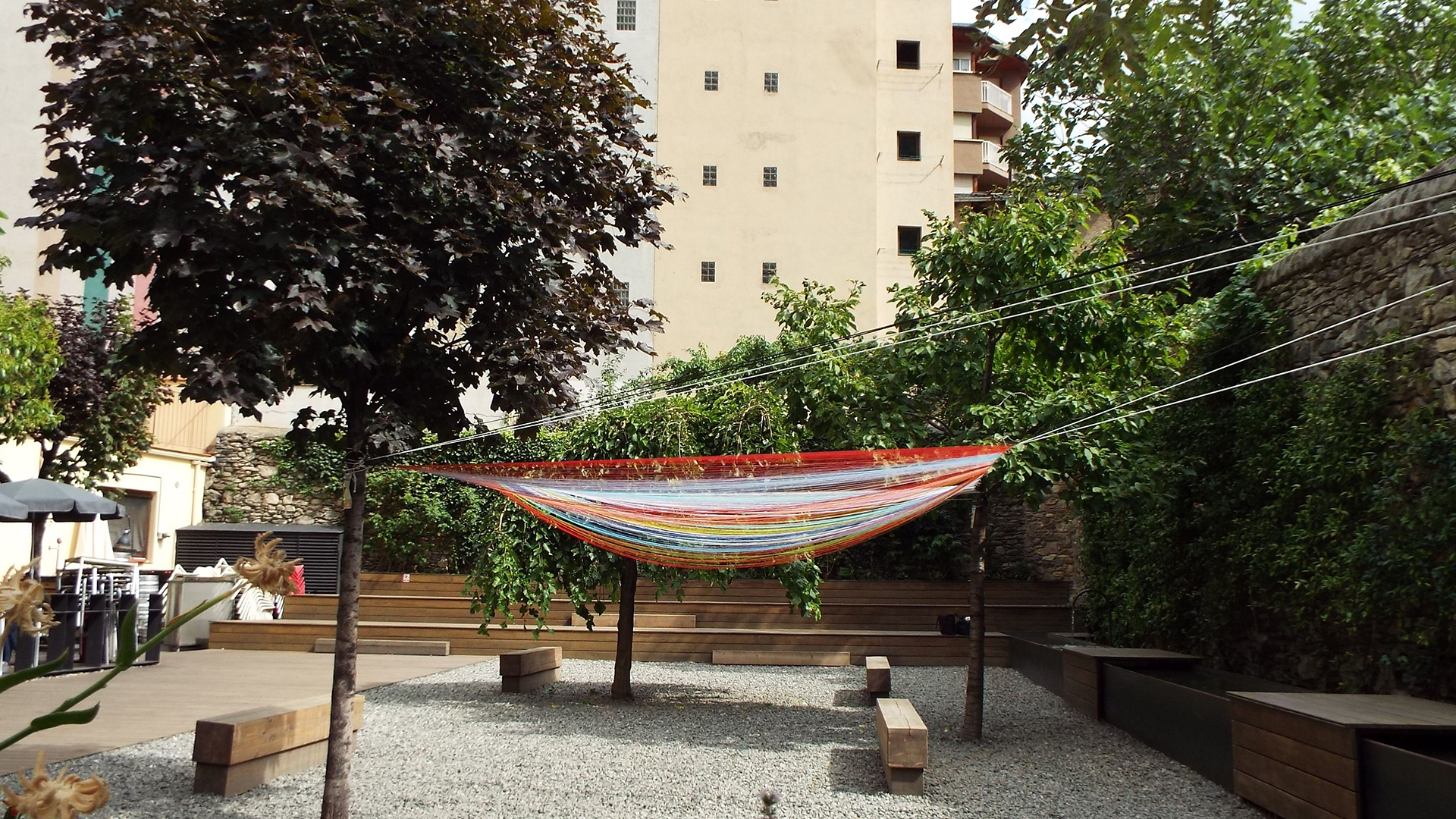
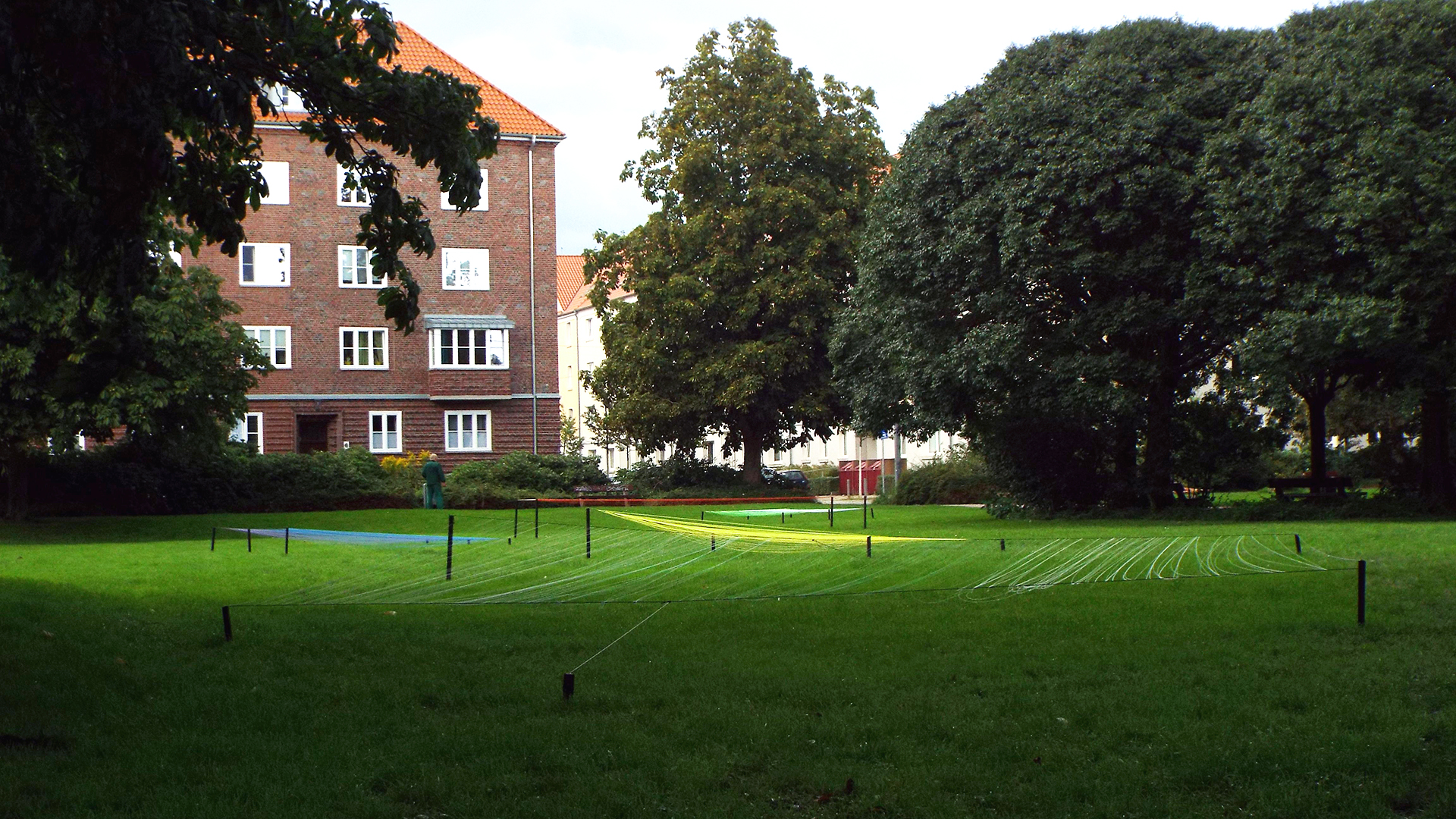
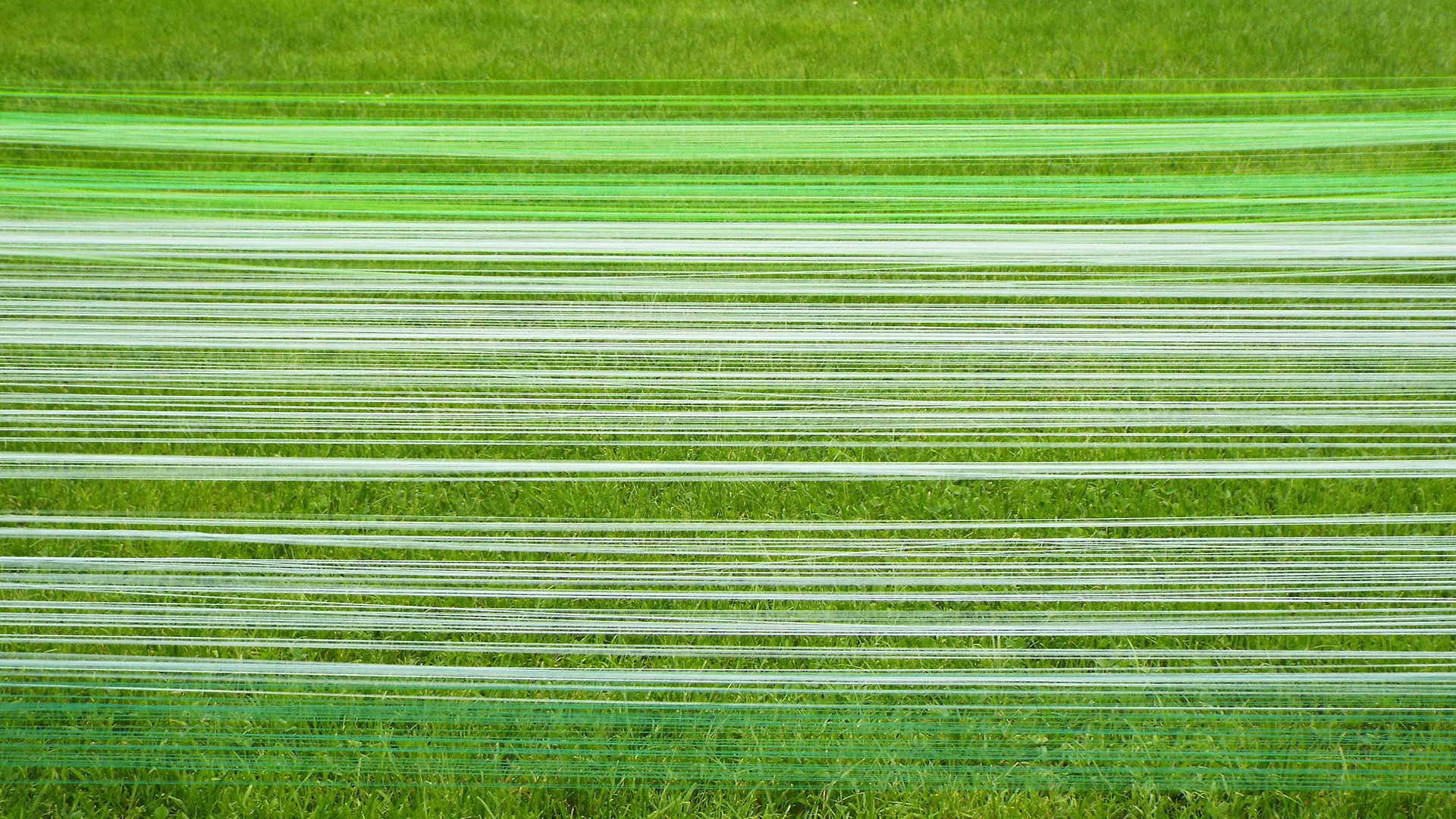
More recently, I have also explored a series of thread-based installations showcased at art festivals in Finland, Germany, Andorra, and beyond. These works involve stretching countless threads across frames or between trees to form screen-like structures. The intention was to craft soft, delicate compositions that shift and respond subtly to surrounding elements like light and wind.
Can you share your working process? Tell us about your unique design approach.
My design always begins from a poetic sensibility. The goal is to create spaces that appeal to the viewer’s poetic emotions—realizing a new worldview that can be experienced both physically and sensorially. I aim for my spaces to function as visual devices that interact with their surrounding landscapes. To achieve this, I make an effort to understand the characteristics of each site both intellectually and emotionally. I deeply value the dialogue with each location as I travel around the world. When working on projects that lean toward art, I purely explore the interaction with the site and the people who live there. In contrast, for projects closer to architecture, I carefully listen to the client's ideas and continue my dialogue with the location based on that understanding.
Who is the designer you respect the most? How have they influenced you?
I have great respect for the masters of modern architecture such as Le Corbusier, Gropius, Mies van der Rohe, Alvar Aalto, and the Eames couple. I’ve been deeply inspired by their broad approach to design—not limited to individual projects but encompassing architecture and the environment as a whole. Their sincere concern for social issues, like housing, greatly influenced my belief that design should not be merely the pursuit of aesthetics but an activity closely connected to society. I’ve also drawn immense inspiration from sculptors like Giacometti, Max Bill, Antony Gormley, and Brâncuși. Through their work, which distills the essence of the world into pure forms, they’ve helped deepen my perspective on spatial design.
How do you think the design industry will change in 10 years? And what are you personally doing to prepare for that future?
I believe that in 10 years, local and global perspectives will coexist more harmoniously. It may sound paradoxical, but I think regional identity and global sensibility will hold equal value and complement each other. In the field of spatial design, creative ideas can only emerge through dialogue with the specific characteristics of a place. That’s why I continuously work to refine my sensitivity toward different environments. I value staying rooted in my local community while also seeking opportunities around the world.
I believe architectural methods and design approaches that reflect the unique qualities of each region will become the new standard. For instance, if a design approach rooted in a specific locale reaches a global level of excellence, the role of architects will grow even more important. This will serve as a key principle for future design: one where local character is naturally embedded and becomes the benchmark for design quality. We are entering an era where design expression will transcend borders while simultaneously addressing the needs of small, close-knit communities—two extremes that will coexist and shape the future of design.














#14057, 905 49, Beolmal-ro 102beon-gil,
Dongan-gu, Anyang-si, Gyeonggi-do, Korea
Business Registration Number: 454-86-01044
Online Sales License No.: 2021-Anyang Dongan-1081
Copyright © DESIGNSORI Co., Ltd.