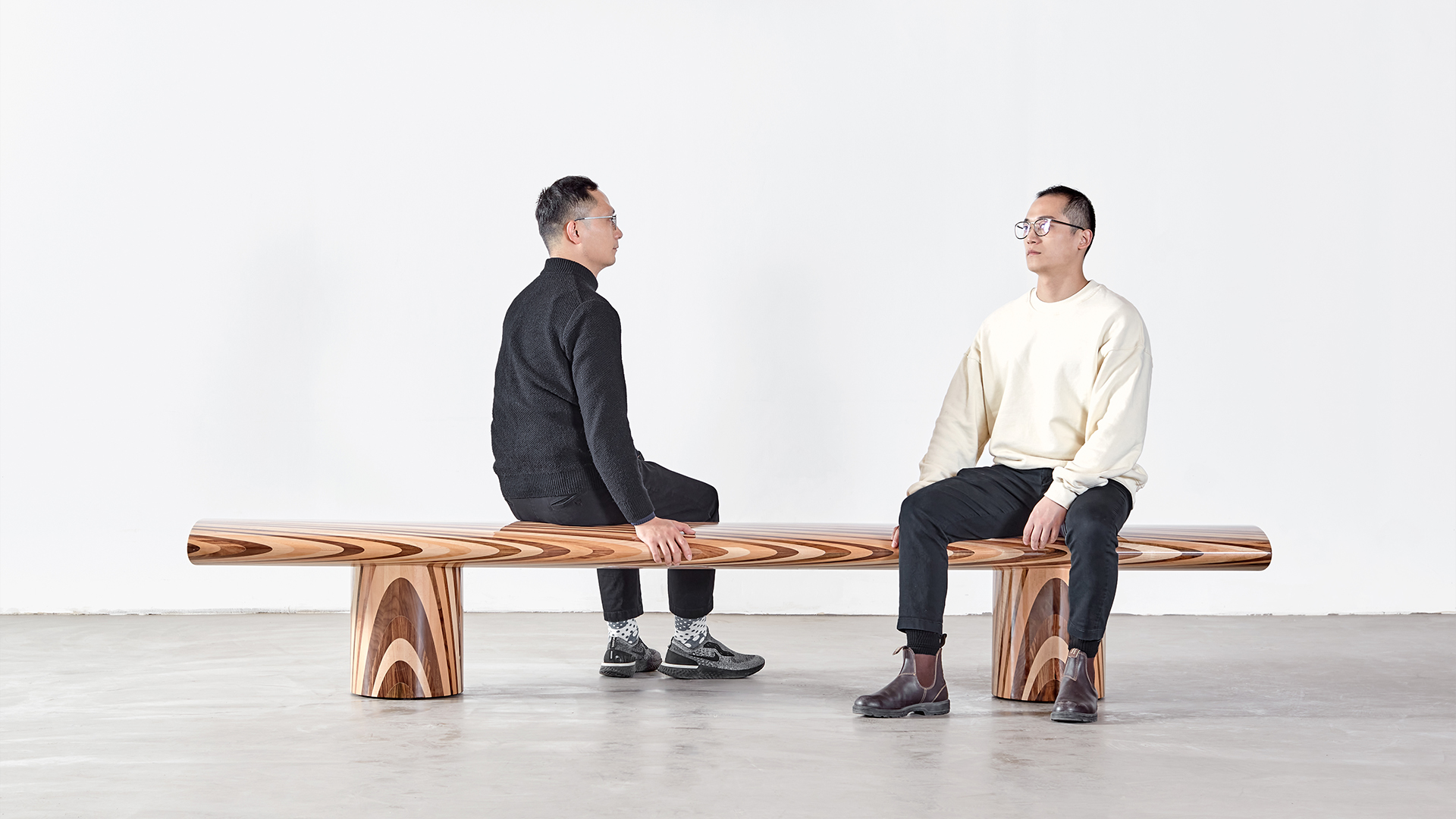
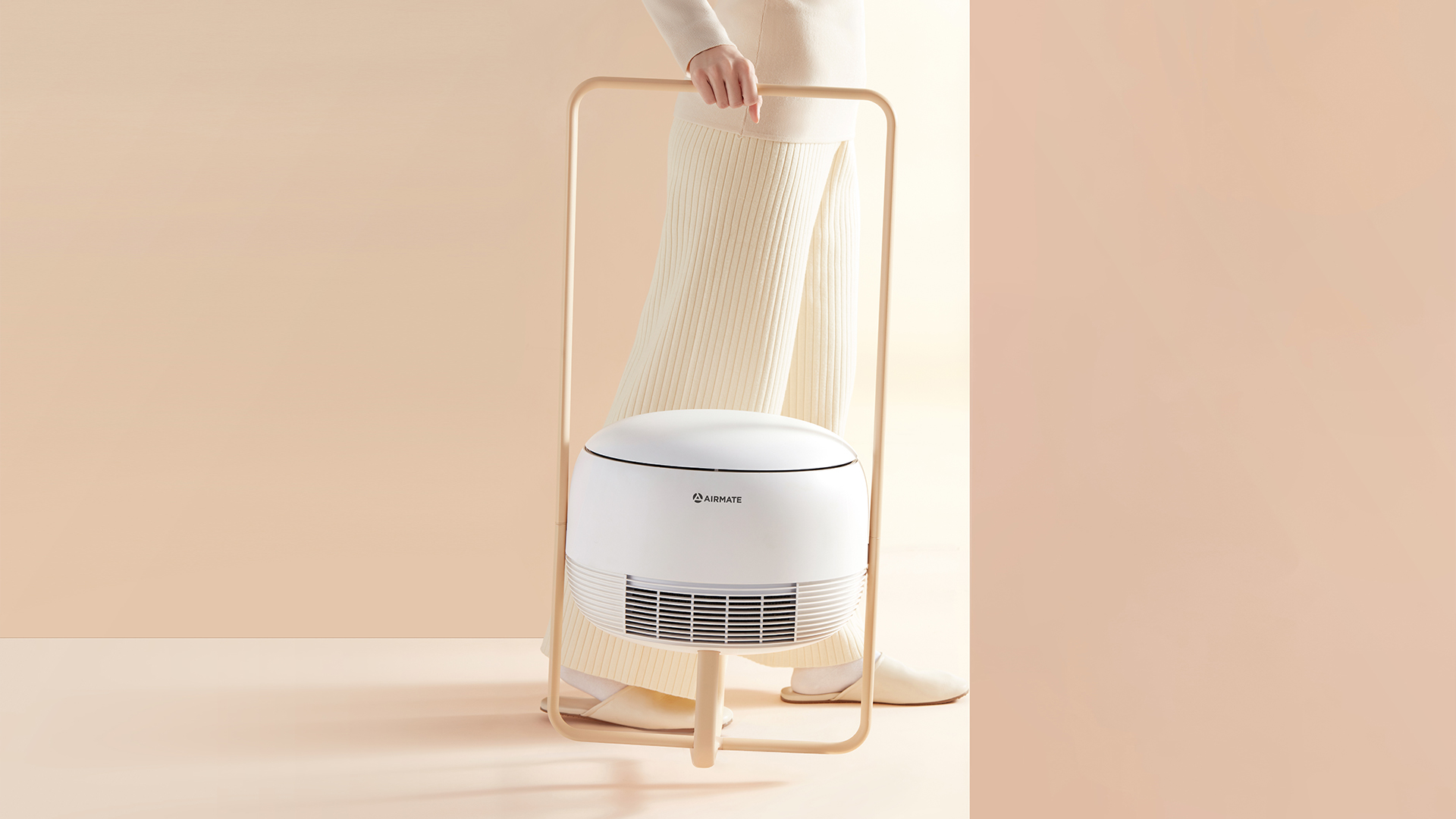
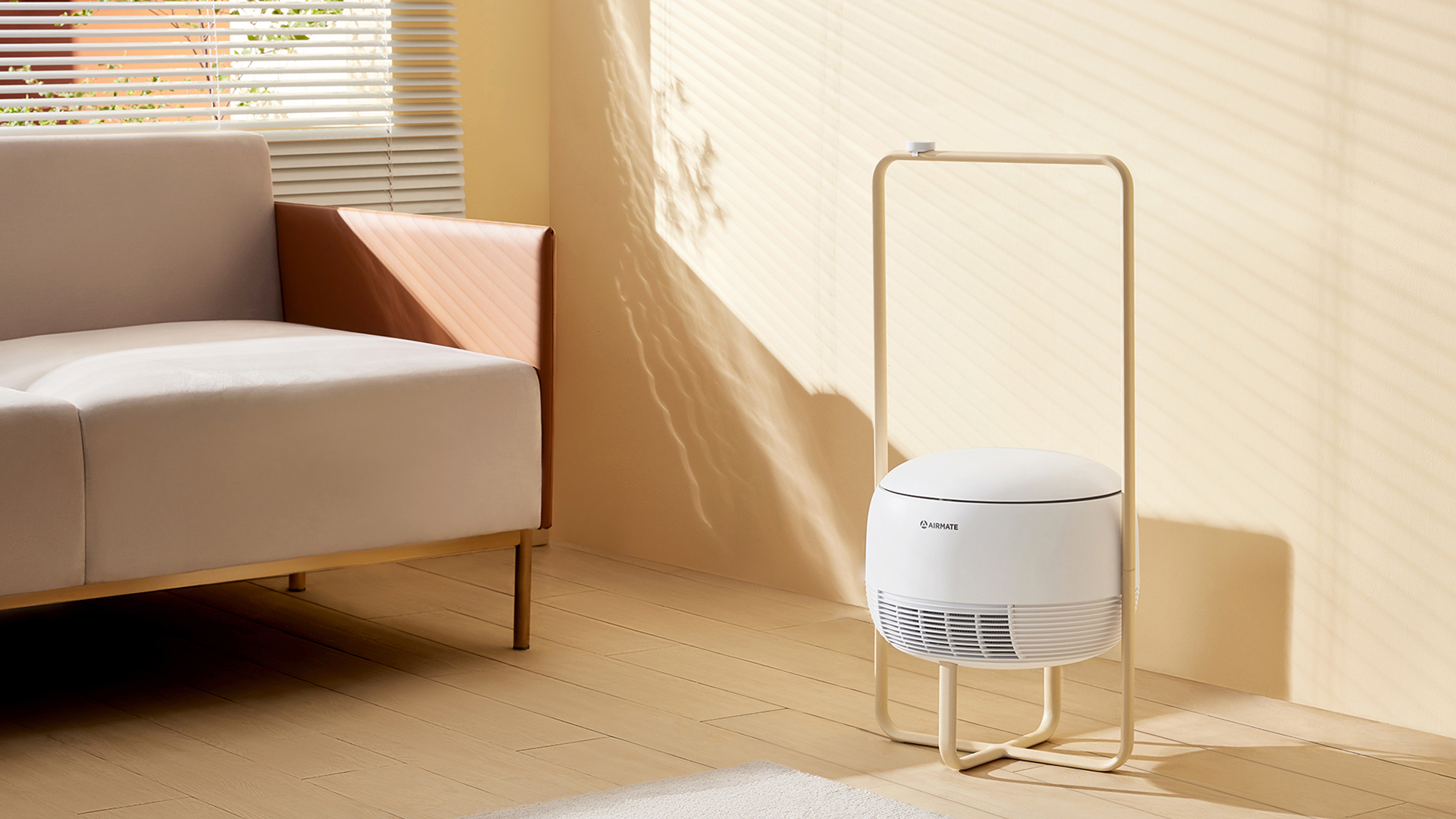
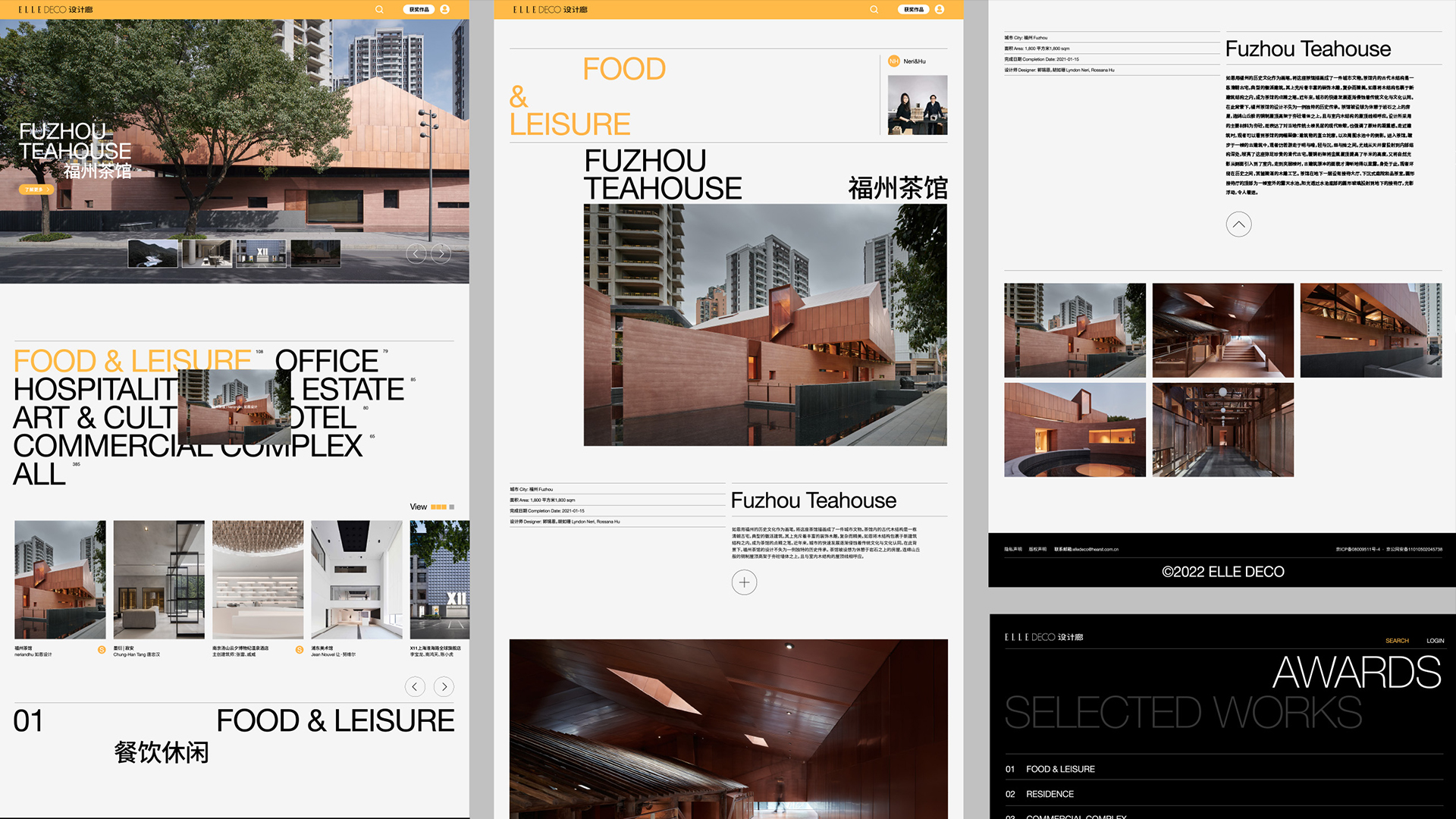
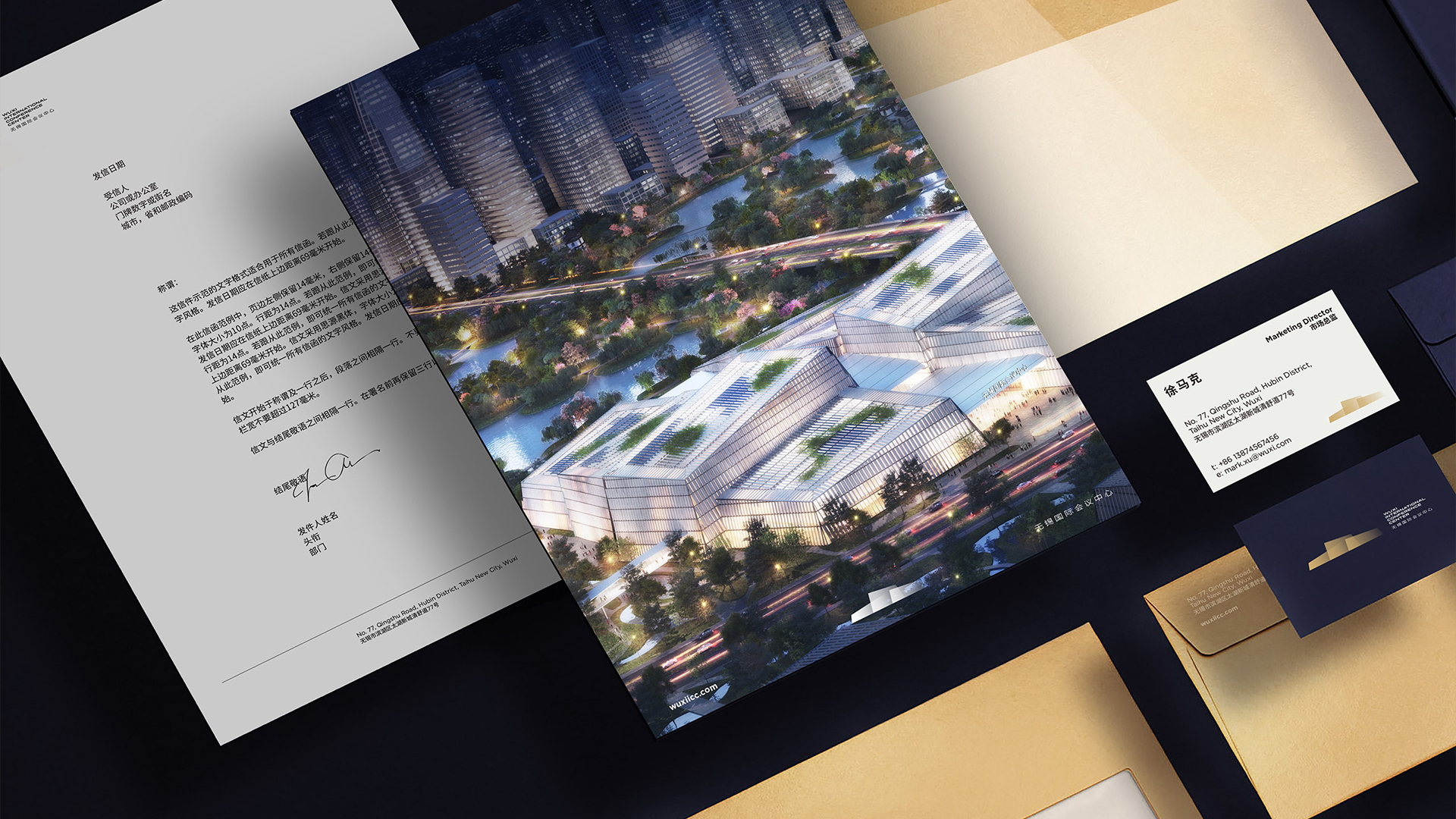
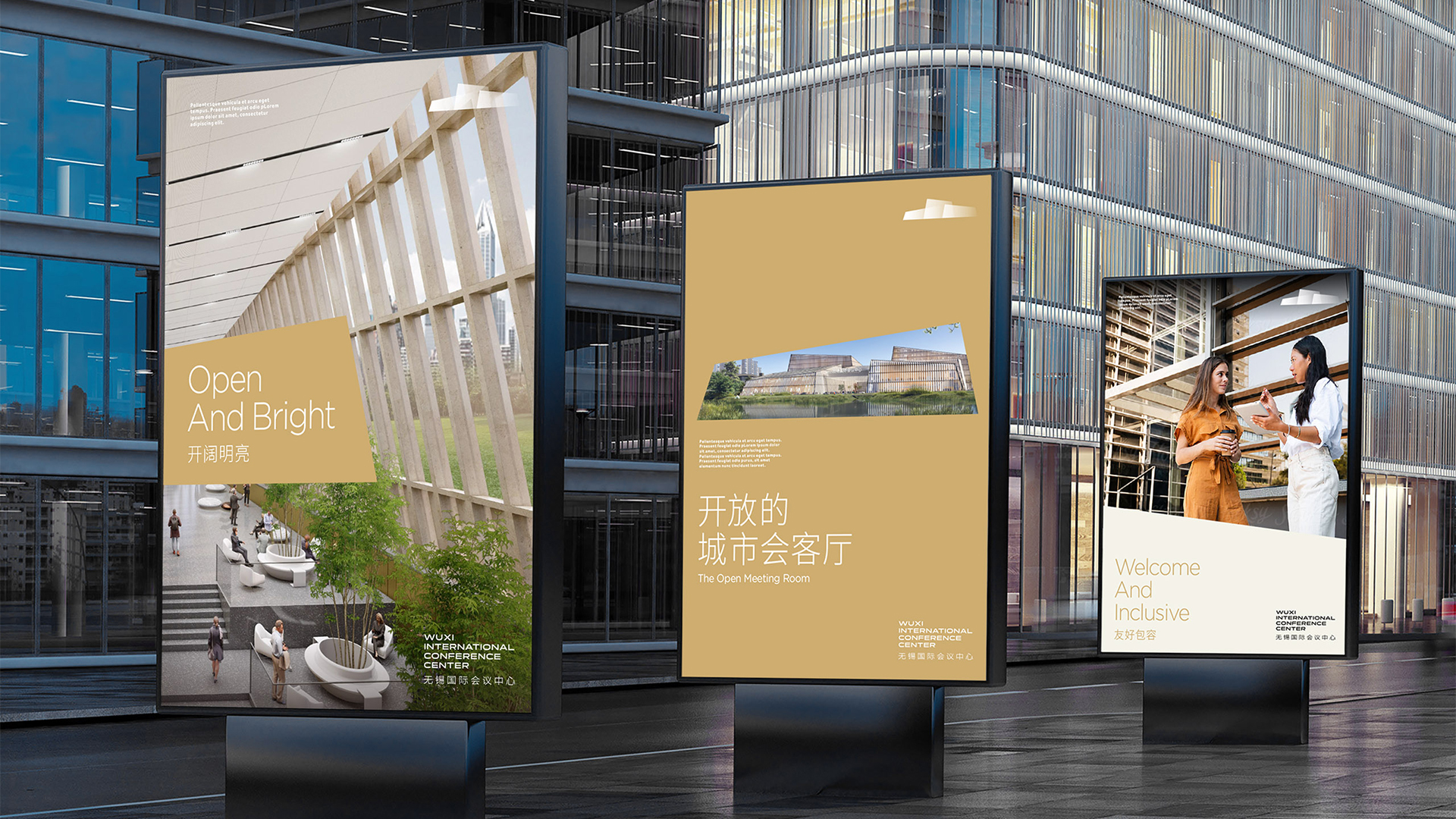
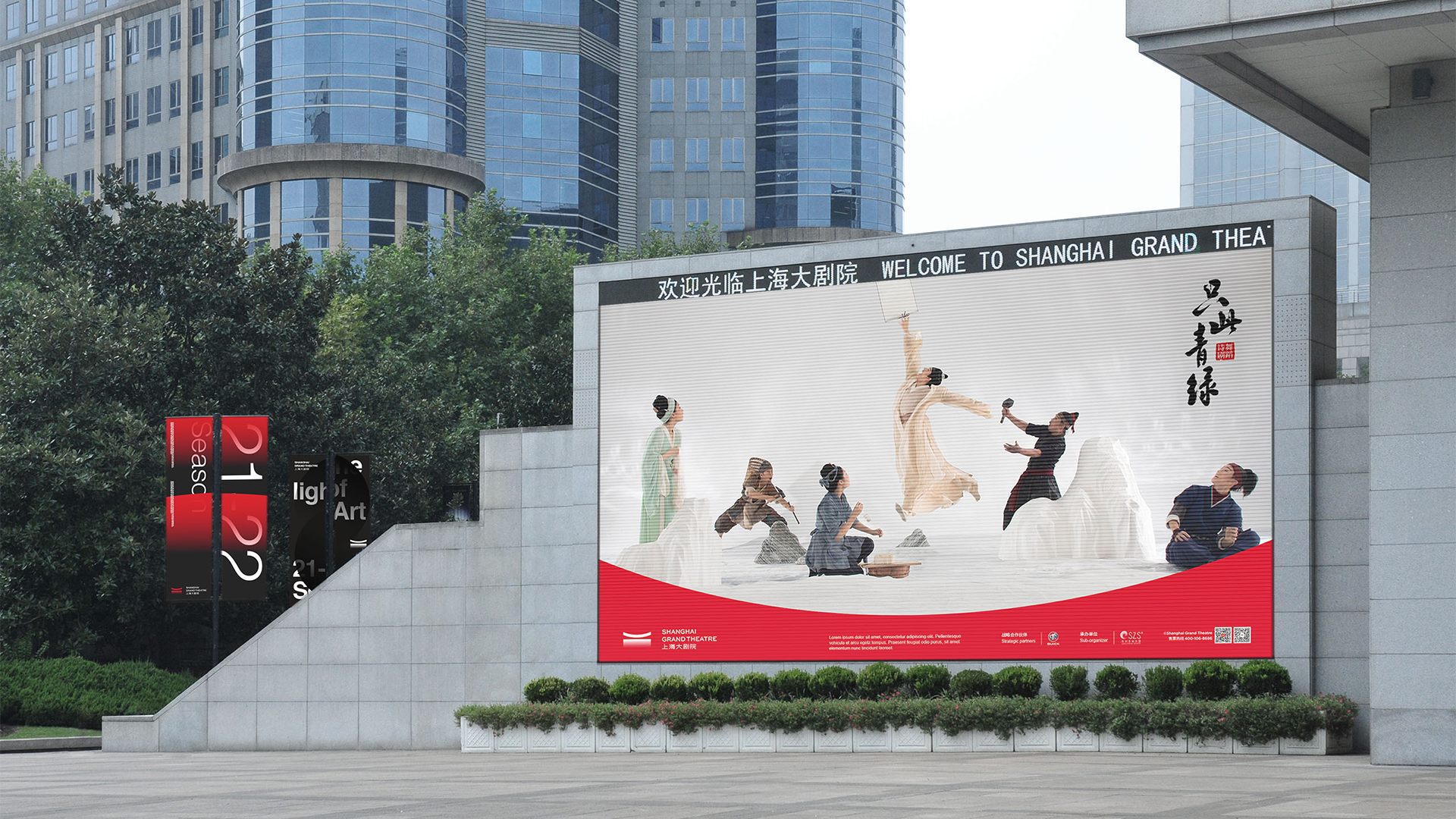
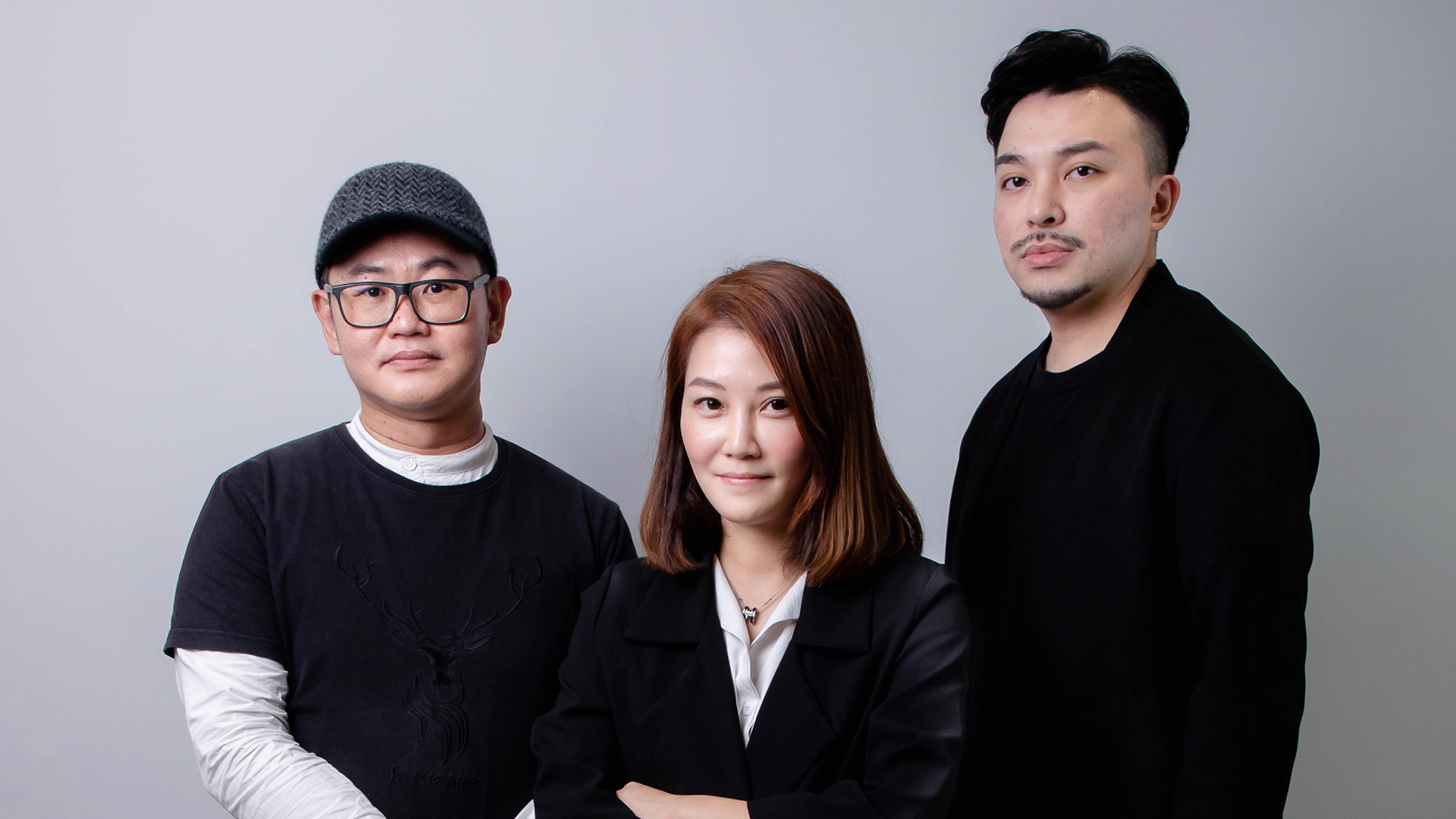
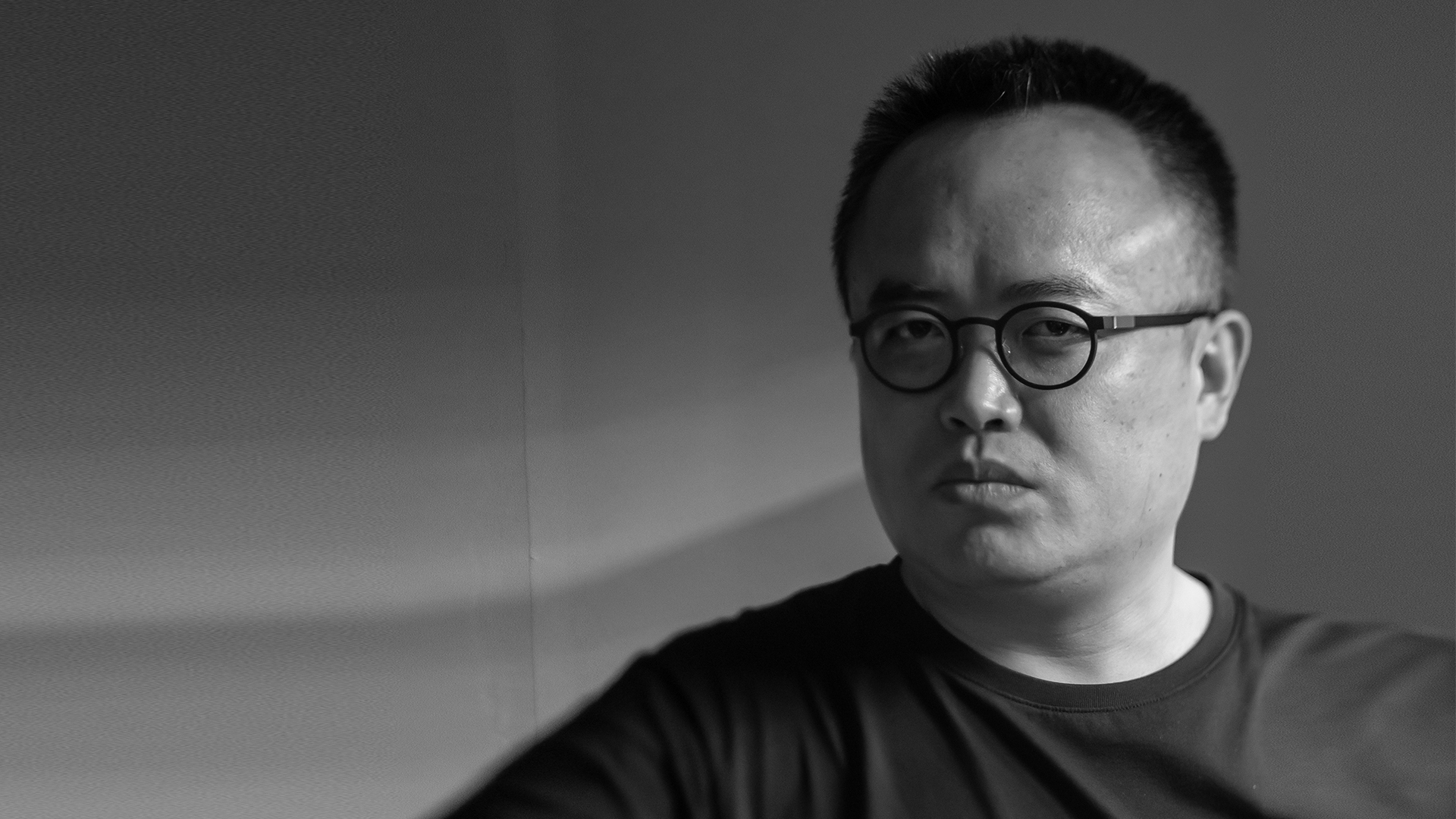
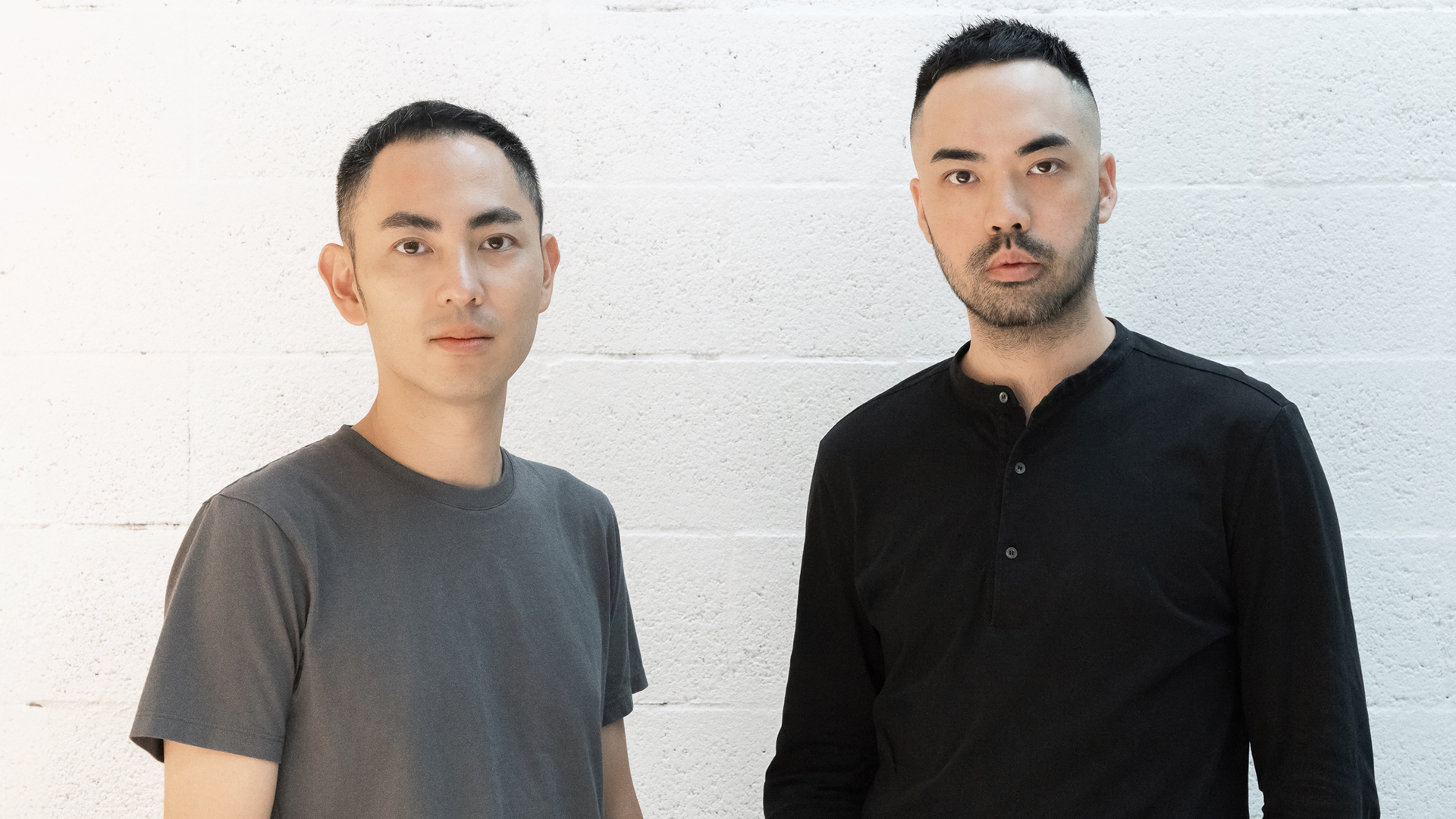
I’m QIU Sitao, Co-Founder and Creative Director of QIU DESIGN in China. QIU is a creative studio driven by "cutting-edge thinking." We specialize in brand and product design, and since our founding, we’ve worked on several major projects. One notable project was redefining the brand positioning and visual identity for the Shanghai Grand Theatre. Another was introducing a new brand strategy for AIRMATE, centered around the concept of "domesticating home appliances." We launched the high-end “Air” series under this strategy, which required not only product design but also a holistic strategic approach to branding. Through this work, we successfully achieved strong market differentiation. At QIU DESIGN, we consistently pursue innovative, forward-thinking design to maximize the value of our clients’ brands.
What is the most important element in your design approach?
Since its founding, QIU DESIGN has established its own design philosophy. We do not follow "design trends" — instead, we prioritize a mindset rooted in sustainability. Whether it’s the visual identity of a brand or the appearance of a product, every design decision should reflect a long-term, sustainable strategy. Chasing short-term trends can lead to excessive consumption of a brand’s identity, ultimately conflicting with its long-term growth. Each year, QIU carries out many non-commercial design research projects exploring materials, structures, and techniques. These deep research efforts fuel our passion for innovation and allow us to pursue experimental design practices. Such forward-thinking explorations also inform and expand our approach to commercial design.
What results have you seen from not following trends?
In most projects, clients often expect quick commercial success — especially when aiming for a major market breakthrough. They tend to seek fast results through design. Many brands also strive to break free from conventional industry images and establish a distinct identity, which requires breakthroughs across product design and overall branding. Simply following trends risks diluting a brand’s uniqueness. Our approach — refusing to chase trends — comes with both challenges and rewards. The most significant achievement is that we help clients achieve short-term success while preserving their long-term brand value. Designing with a focus on a brand’s intrinsic strengths, rather than market fads, allows our clients to stand out in a crowded marketplace with originality and authenticity.
Is there any emerging technology or trend you are excited about?
Artificial intelligence (AI) offers entirely new possibilities for creative professionals. As it continues to evolve and improve, its potential appears limitless. I’m particularly excited for the day when AI can truly understand the context and intent behind a creator’s direction — when it can accurately visualize what we imagine in our minds. However, I also have concerns. If AI becomes too powerful, it could start to constrain rather than support the creative space that designers rely on. There’s a real risk that it shifts from being a tool to being a limiting force — one that suppresses creativity rather than empowering it. My hope is that AI continues to serve as a beneficial tool for designers, enhancing our workflow while still respecting and preserving our creative thinking and design autonomy.
How has the advancement of AI technology affected design?
For us, design is a precise craft. Developing a product involves extensive research, insight, creativity, and manufacturing know-how. While current AI can generate aesthetically pleasing visuals, can it fully grasp evolving user needs? Can it understand and navigate the entire production process? These are essential elements in real-world design implementation. The role of AI should go far beyond producing attractive imagery — it should enhance each step in the product development chain by challenging personal bias, enabling breakthroughs, and improving overall efficiency across the design pipeline. AI is also closing physical distances, making collaboration across countries and global project participation more feasible than ever. To ensure AI plays a constructive role in the design industry, we must apply it thoughtfully and with precision.
How have QIU’s diverse global design activities contributed to the company’s growth?
Participating in international design exhibitions and events has played a crucial role in the growth of QIU DESIGN. These global engagements offer opportunities for our work to be evaluated by a broader audience, allowing us to gain new perspectives and reflect objectively on our creative output. They also serve as powerful platforms for professional exchange — enabling us to meet designers from various countries and cultures, learn from their processes, and gain fresh insights. These events are essential for showcasing the outcomes of our design research and have helped us connect with potential partners for future collaborations.
Our involvement in the global market has significantly accelerated QIU’s development. To support successful international partnerships, we’ve developed our own strategies tailored to different regions. Since each market operates within unique environments and consumer behaviors, it’s critical to approach design with both professional excellence and strategic clarity. To design effectively, we must identify the right strategy for the target market and audience — which requires in-depth market research and customer analysis. Moreover, understanding and respecting cultural differences is key. Designs that reflect local cultural traits and consumer preferences tend to resonate more deeply. Recognizing and integrating local trends and values into our design solutions has been essential to achieving meaningful connections and sustained growth in the global arena.
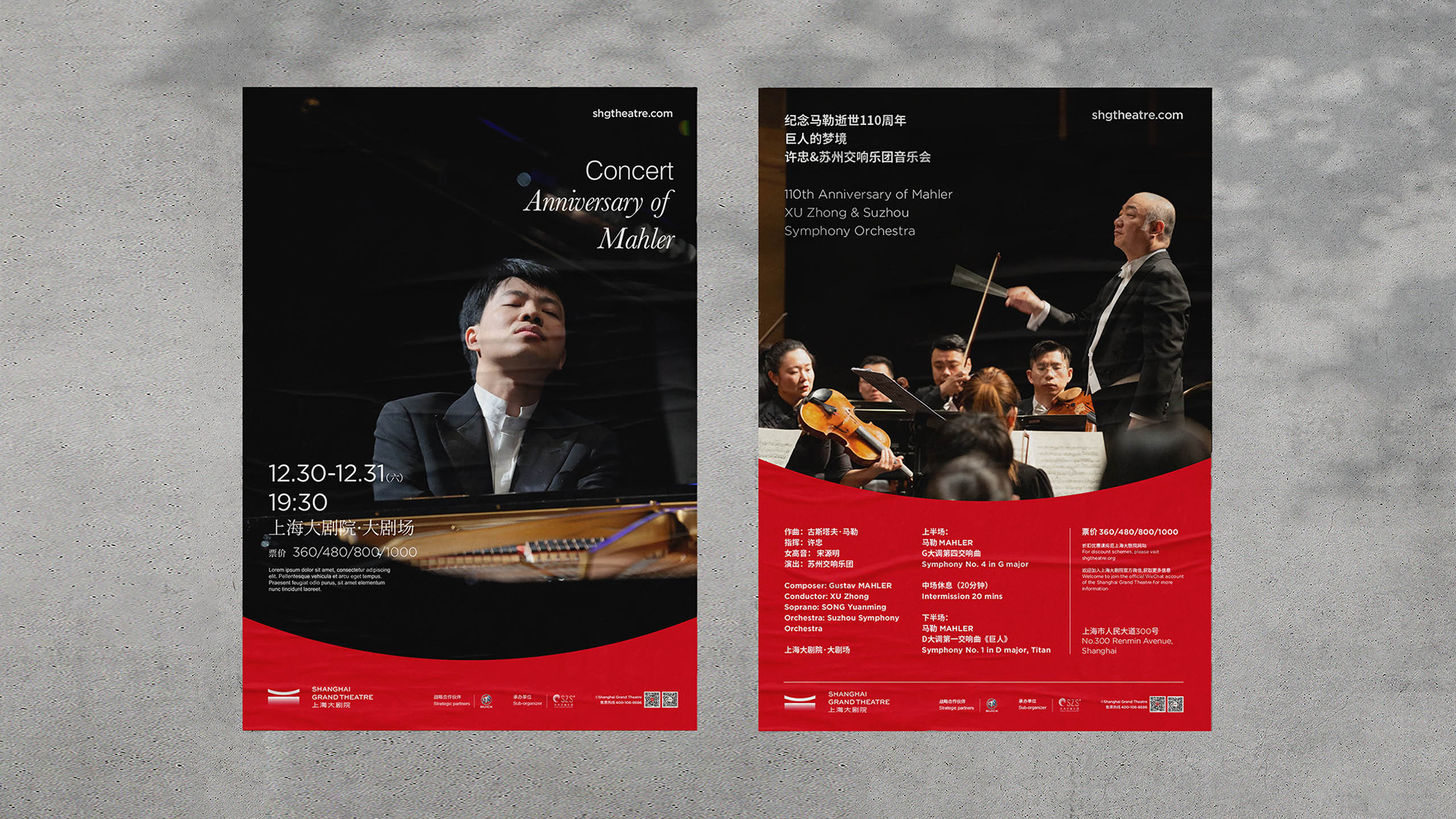
QIU DESIGN's Vision for the Future
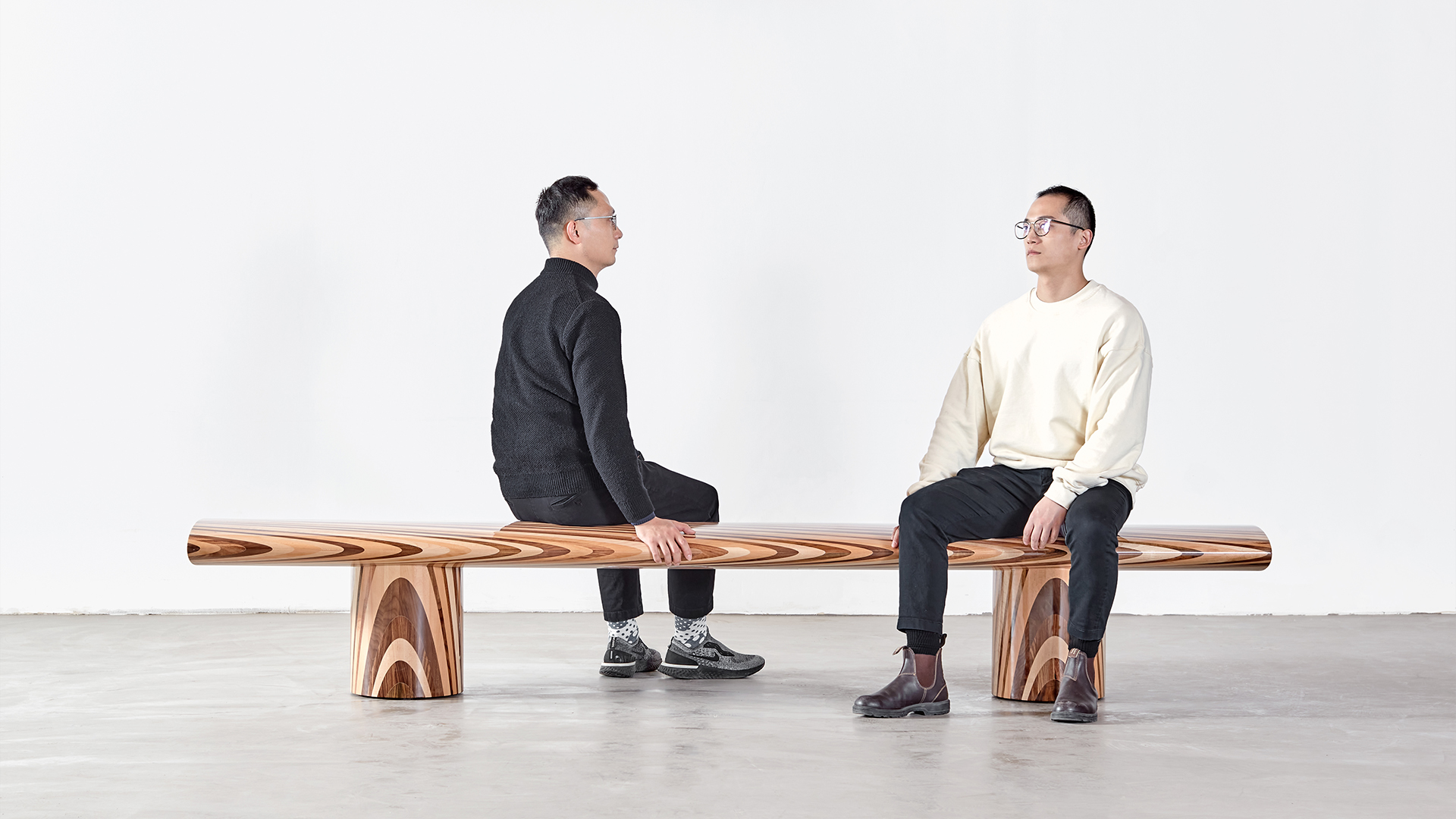
Returning to our core design philosophy, our vision is to offer clients a unique and refreshing perspective — one that does not blindly follow trends but instead champions a creative, independent approach. Ultimately, we aim to deliver design solutions that are truly meaningful to both our clients and the public. Beyond commercial projects, we will continue to pursue our own product design research initiatives. These projects focus on exploring the deeper value of materials and substances — not just in terms of visual form, but in uncovering the vast creative potential hidden within the materials themselves.













#14057, 905 49, Beolmal-ro 102beon-gil,
Dongan-gu, Anyang-si, Gyeonggi-do, Korea
Business Registration Number: 454-86-01044
Online Sales License No.: 2021-Anyang Dongan-1081
Copyright © DESIGNSORI Co., Ltd.