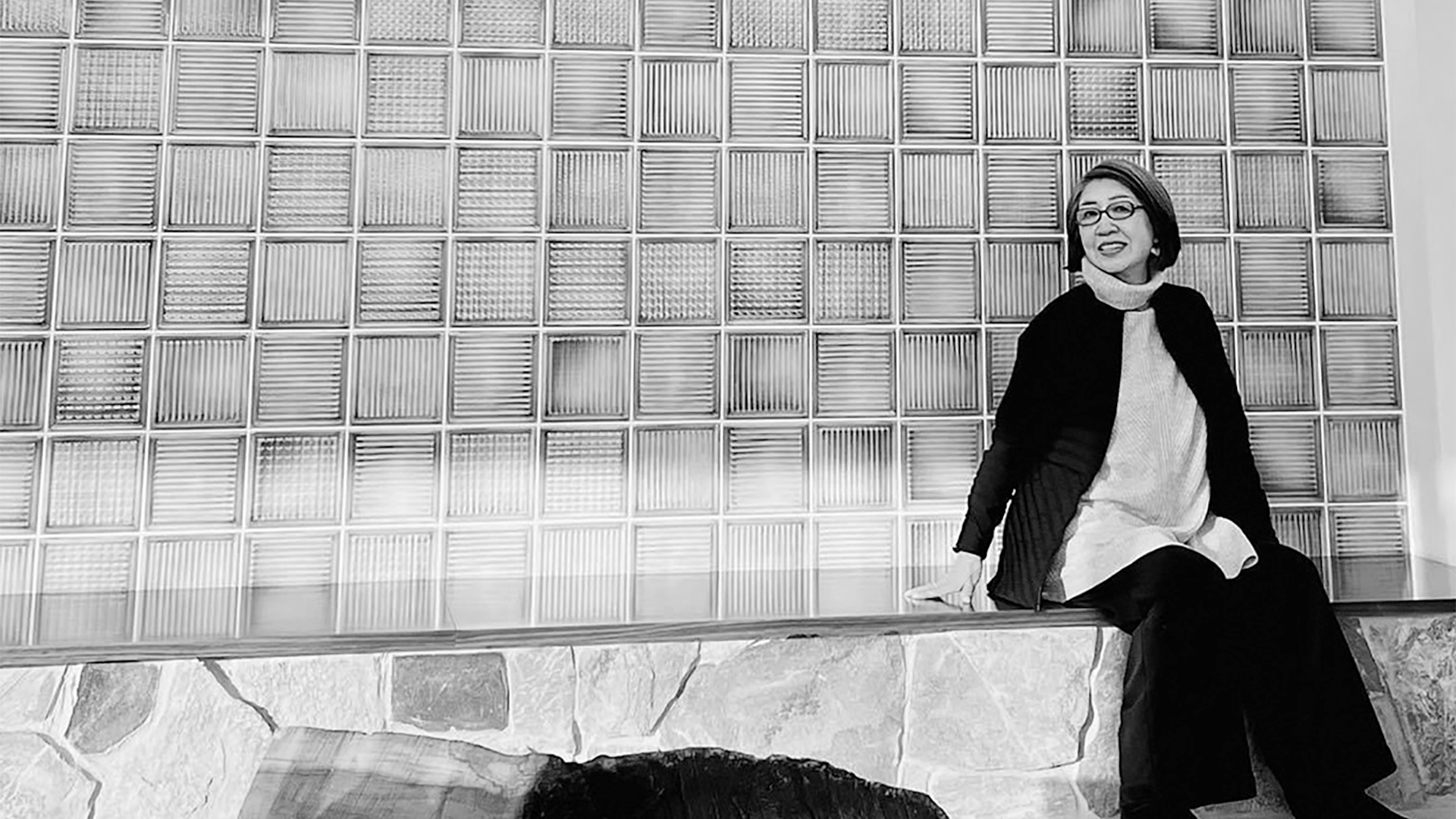
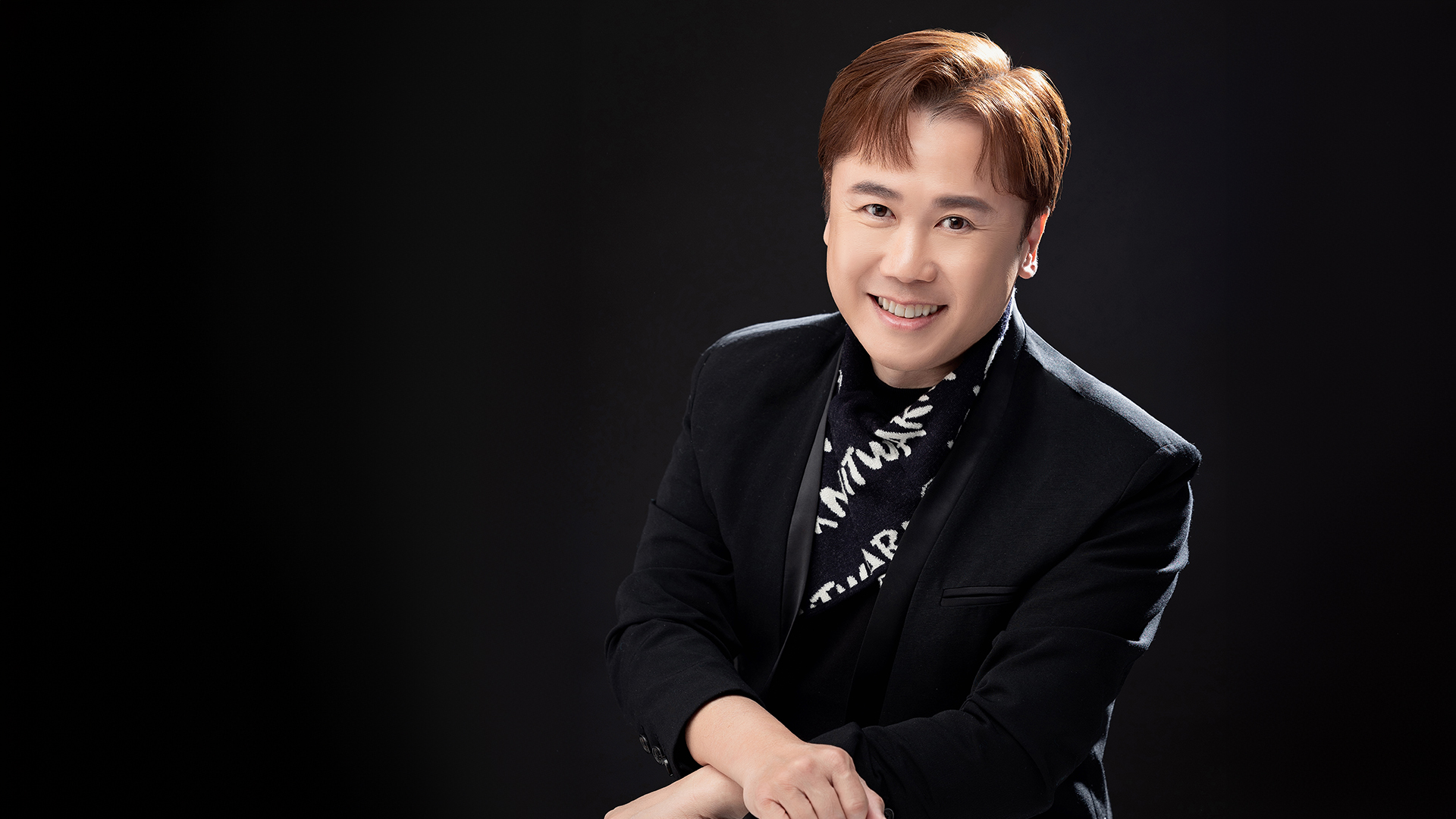
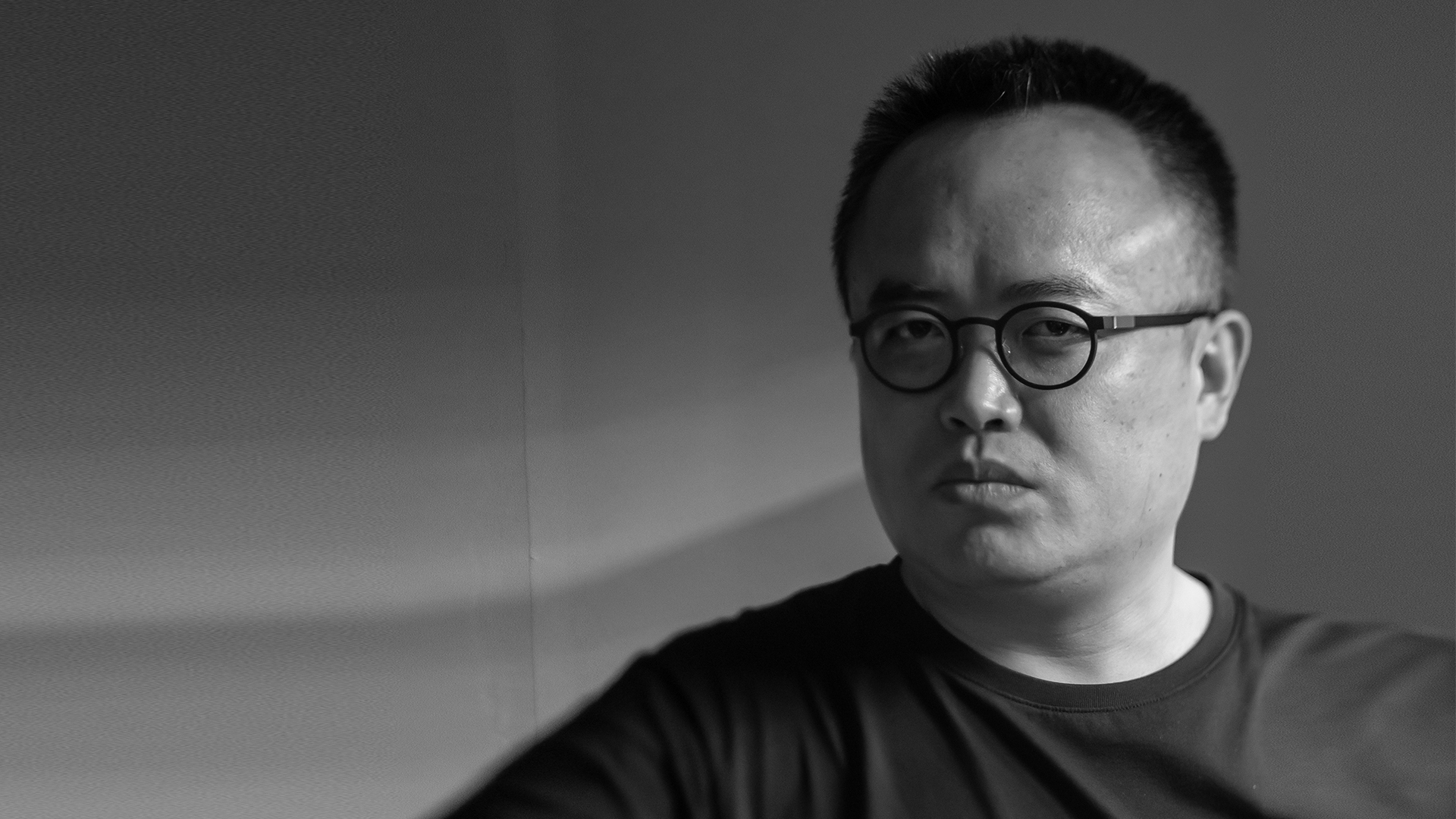
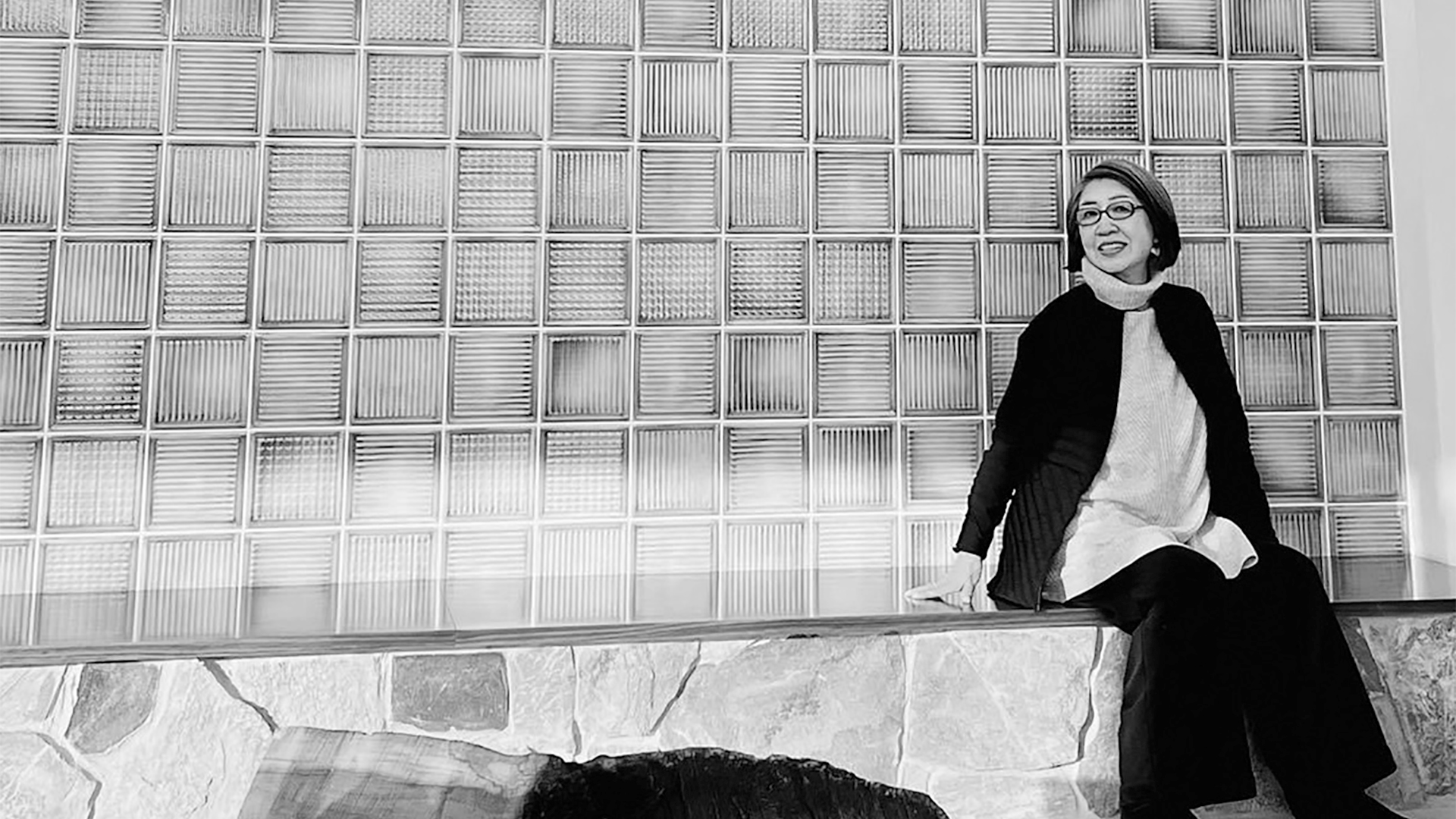
I am Kishun Kasuya, the founder of the Japanese design studio Contemporary Market. The word “contemporary” reflects both modernity and a constant pursuit of new meaning. Our name embodies our mission—to be “a marketplace of ever-evolving design ideas” that delivers ideal concepts and designs tailored to our clients’ visions. Our studio focuses primarily on interior design, product design, and branding strategy, offering comprehensive planning and design services. Recently, we've also launched a new line of work in home staging, responding to evolving market demands. On a personal note, since 1989 I have also been actively creating assemblage art under the title “Everyday and Extraordinary”, exploring the delicate balance between the mundane and the surreal in daily life.
What has been the most memorable project in your career, and why?
One of the most memorable projects in my career was designing the original stationery line “Contemporary Market” at the start of my studio in 1985. At the time, freelance creatives were seeking new, freer work styles, breaking away from traditional office settings. This project led to an unexpected opportunity—an invitation from Seibu Department Store to join the development team for LOFT as a creative director. Through this, I established the brand “Worker Supply” with a 15-square-meter shop designed around an industrial concept. It gained significant attention and attracted many customers to LOFT. I consider this project the origin of my brand development journey and the beginning of the “creative SOHO” trend in Japan. Later, I published a book titled Creating a Successful Workspace and was featured in media broadcasts, which helped introduce SOHO-style interiors as a design trend in Japan.
What specific strategies did you use when designing LOFT stores?
The original LOFT brand “Worker Supply” was designed with the concept of Andy Warhol’s vintage studio in New York—a classroom-like setting. We developed original fixtures using wood tabletops with steel legs, KEVI chairs, metal cabinets, and office supplies made from combinations of wood and aluminum or hammertone-painted surfaces. Based on our unique in-house VMD (Visual Merchandising) manual, we curated and displayed these items with a cohesive concept. By reinterpreting New York’s vintage feel in a modern way, we created a fresh shopping experience for customers. From brand concept and fixture design to product planning, original item creation, and display design, everything was carried out with consistency. This strategy helped LOFT stores provide a distinctive and stylish brand experience, leading to increased sales and stronger brand recognition.
How have your diverse design experiences influenced your later projects?
My experience at LOFT gave me comprehensive knowledge in concept development, interior design, product design, coordination, and display planning—all of which became my key strengths. These skills led to a new opportunity with BALS Corporation, the parent company of Francfranc. I was asked to serve as the creative director for a new interior store for adults called “AGITO,” which was set to open in Roppongi Hills. The project aimed to create a luxurious brand image and required developing a new retail format. I was also able to draw on my previous experience working with the Italian furniture brand “arflex.” AGITO demanded strong capabilities in concept development, product curation, and executing VMD planning. Thanks to my accumulated expertise across various fields, we successfully completed the project within a short period. AGITO is still remembered today as a legendary interior store in Roppongi.
Could you explain your approach to understanding and reflecting client needs?
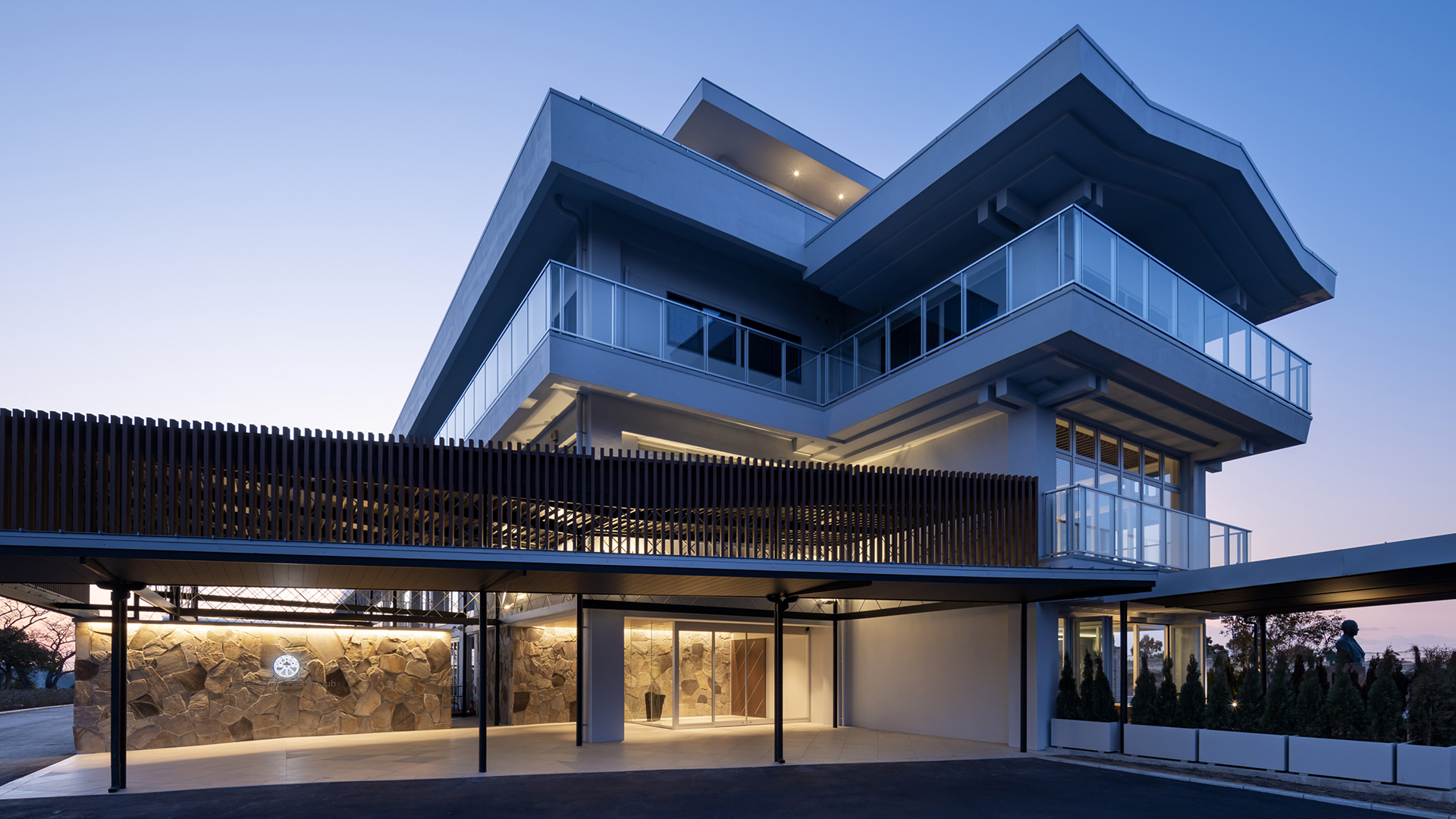
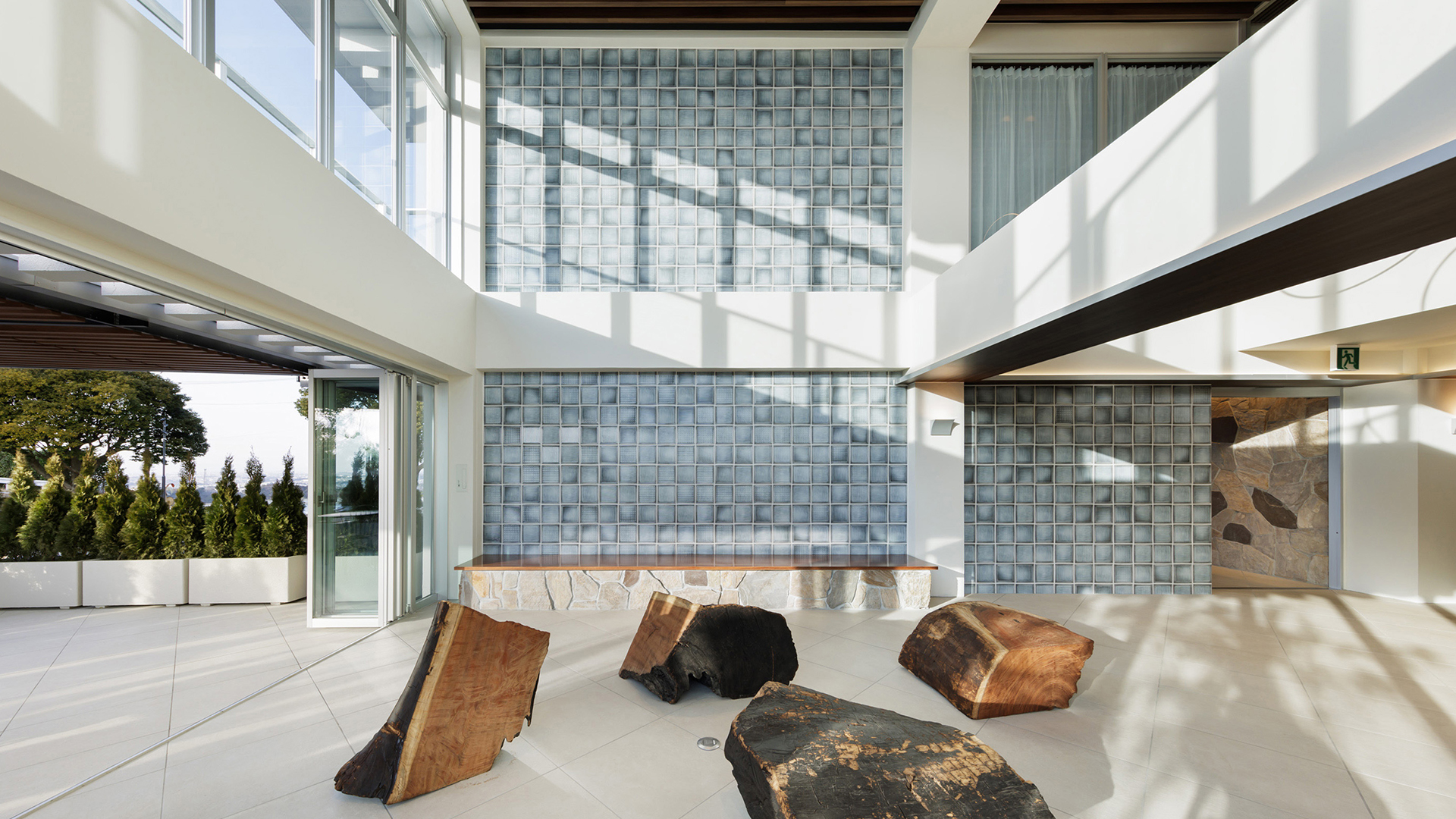
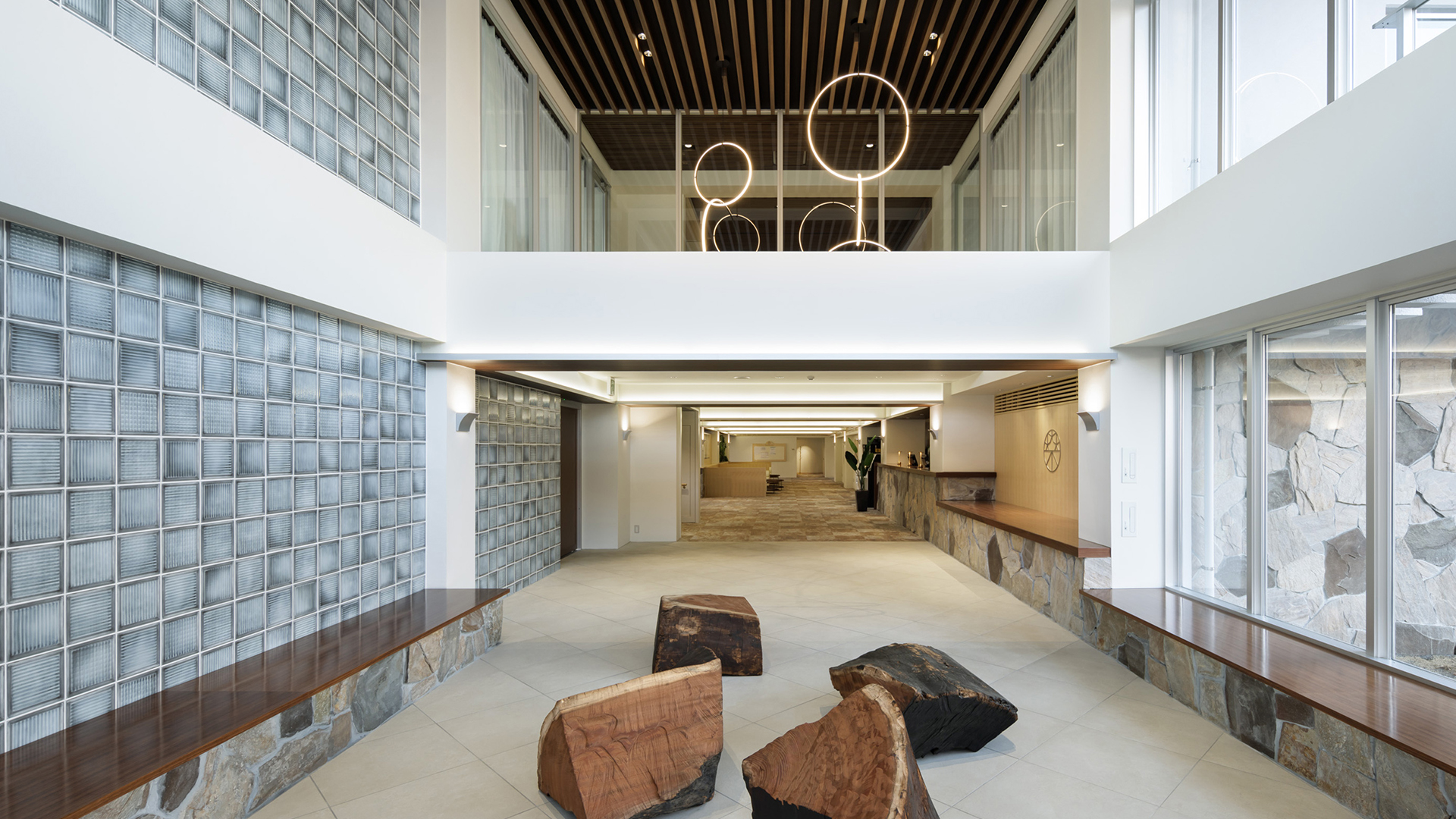
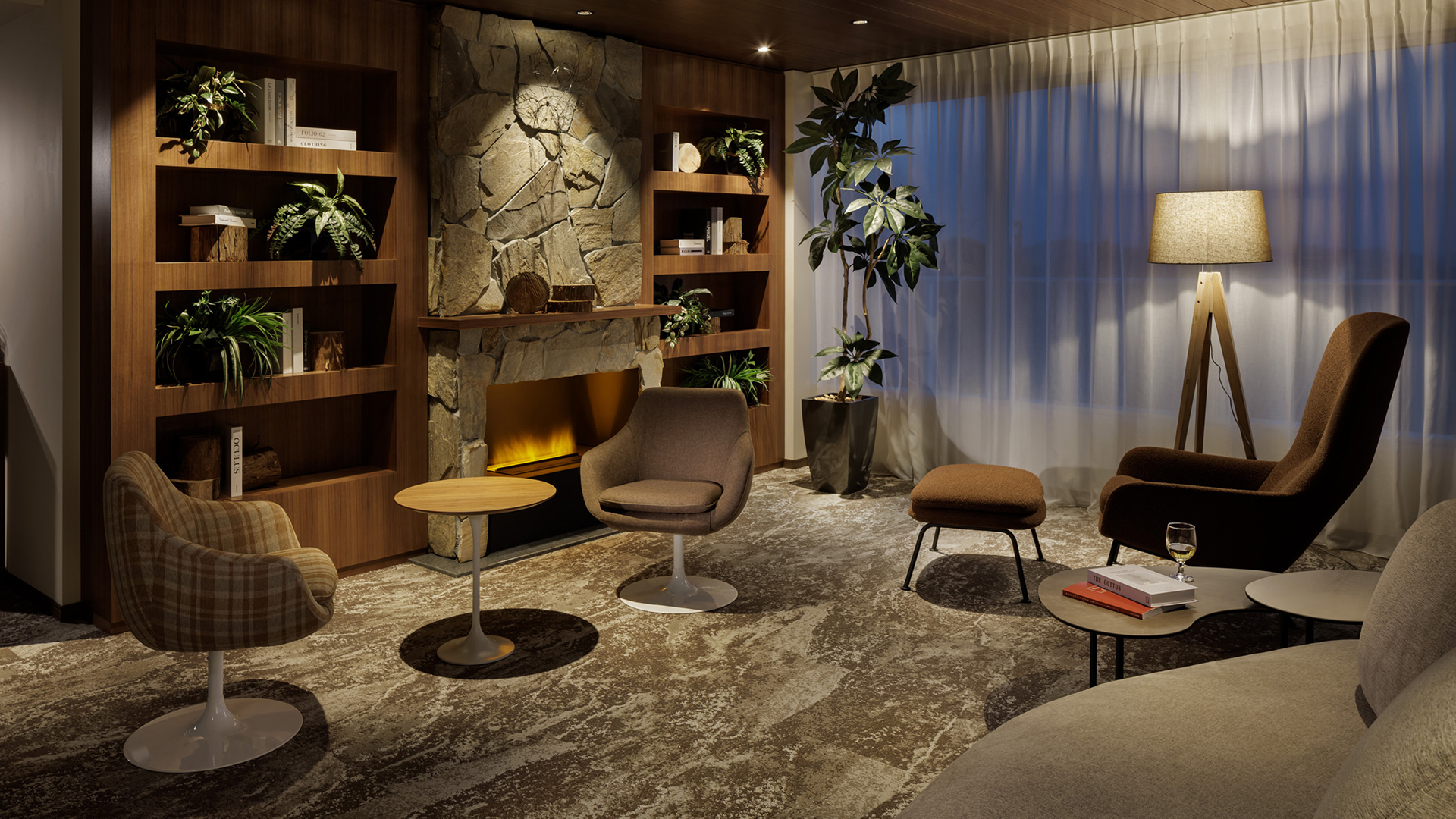
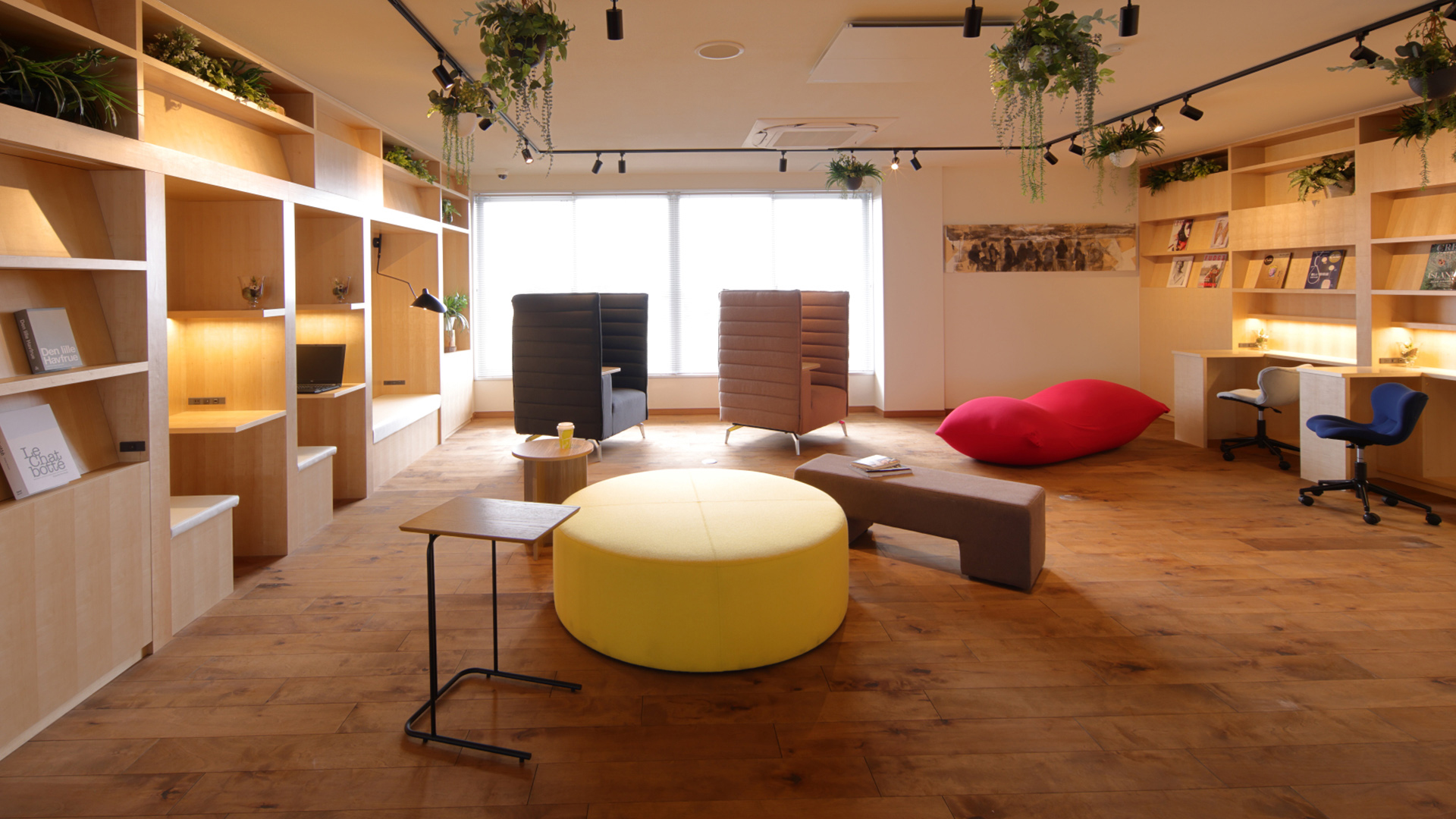
One of my recent projects, “Kamakura Country Club,” won multiple international awards including the ASIA DESIGN PRIZE 2024. This was the first full-scale renewal in the club’s 55-year history, and I was personally commissioned by the club’s second-generation owner three years ago. The client had previously operated a golf resort in San Roque, Spain, and had a deep understanding of how members appreciated clubhouses as comfortable, home-like spaces. With this renewal, the goal was to create a versatile club space that caters to modern Japanese golfers. To fully understand the client’s vision, I conducted numerous interviews. After carefully listening and analyzing their needs, I proposed a concept of “a space beyond golf,” designing a facility that offers a rich club lifestyle.
The first floor retained the traditional golf facilities, while the second floor was transformed into a multifunctional area featuring remote workspaces, study rooms, a fitness center, a club lounge, and a restaurant. The architectural concept drew inspiration from a “Tenshukaku” (castle keep), incorporating iconic stone walls as a design motif to link the exterior and interior. A minimalist chandelier in the high-ceilinged lobby represented the future, while a massive zelkova tree stump served as a symbol of heritage. Outdoors, we designed a driveway and a fountain with a mosaic-tiled logo, further enhancing the identity of the renewed facility.
Are there any notable changes or trends in recent Japanese interior design?
One of the most significant changes is the deeper integration of traditional Japanese crafts into contemporary interior design. This reflects a growing respect for history and increased collaboration with traditional artisans. In the past, traditional elements like ceramic wares, washi paper lighting, or shoji screens were used as standalone interior features. Today, however, these traditional craft elements are being incorporated more broadly—from wall finishes to intricate decor—creating refined and refreshing spaces. Influenced by the SDGs (Sustainable Development Goals) movement, there’s also a renewed focus on natural materials such as wood, bamboo, earth, and washi paper, contributing to this evolving trend. This fusion of tradition and sustainability is expected to evolve even more excitingly in the future.
Another emerging trend is “Japandi,” a blend of Japanese and Scandinavian aesthetics. It combines the simplicity of Scandinavian interiors with the quiet elegance of Japanese minimalism. This style, based on natural materials and clean design, has been gaining popularity even outside Japan and is now being reimported and celebrated within the country. The Japandi style also resonates with the current sauna boom in Japan, making it a widely embraced interior direction.
What are your future plans and goals?
The work of a designer is to create something from nothing—to bring a client’s dreams and hopes to life. The solutions we offer don’t always take a physical form. In my case, the work I’ve proposed to address a client’s needs has sometimes been interior design, and at other times it has evolved into full-fledged branding. In every case, the starting point was to find a fundamental solution. I often say that “the role of a designer is to solve problems,” and I approach my work with that mindset. Moving forward, I want to remain flexible and unbound by rigid definitions of my field. I will continue to respond wholeheartedly to clients’ aspirations, providing thoughtful and meaningful solutions with care and dedication.














#14057, 905 49, Beolmal-ro 102beon-gil,
Dongan-gu, Anyang-si, Gyeonggi-do, Korea
Business Registration Number: 454-86-01044
Online Sales License No.: 2021-Anyang Dongan-1081
Copyright © DESIGNSORI Co., Ltd.