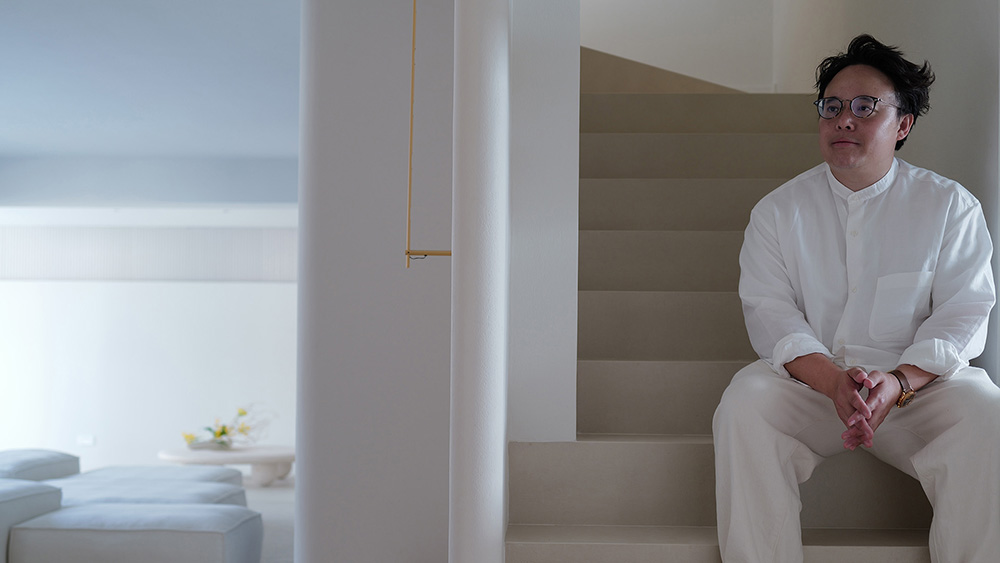
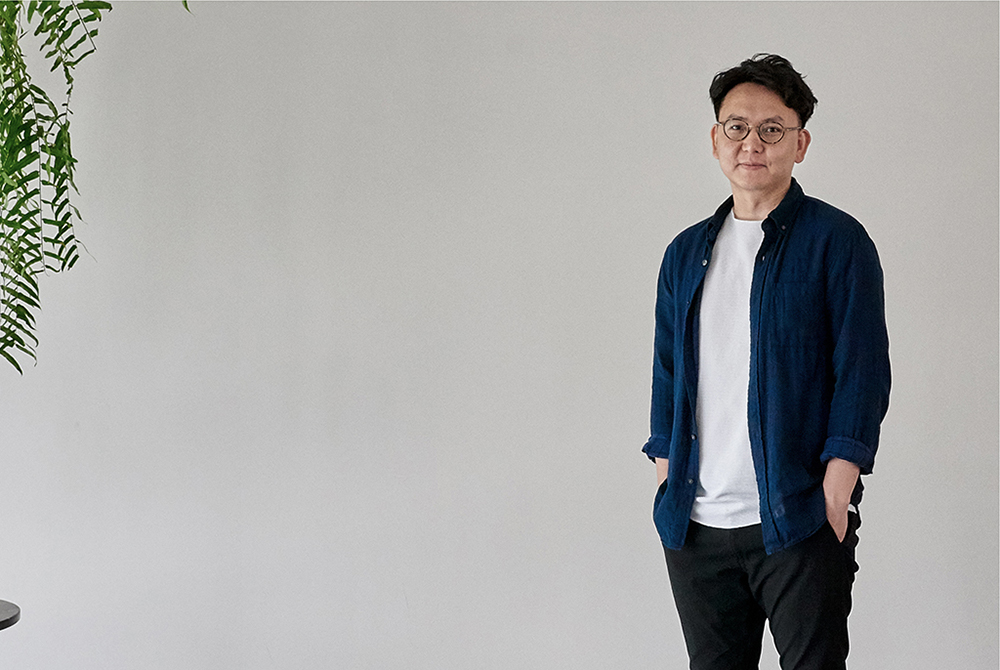
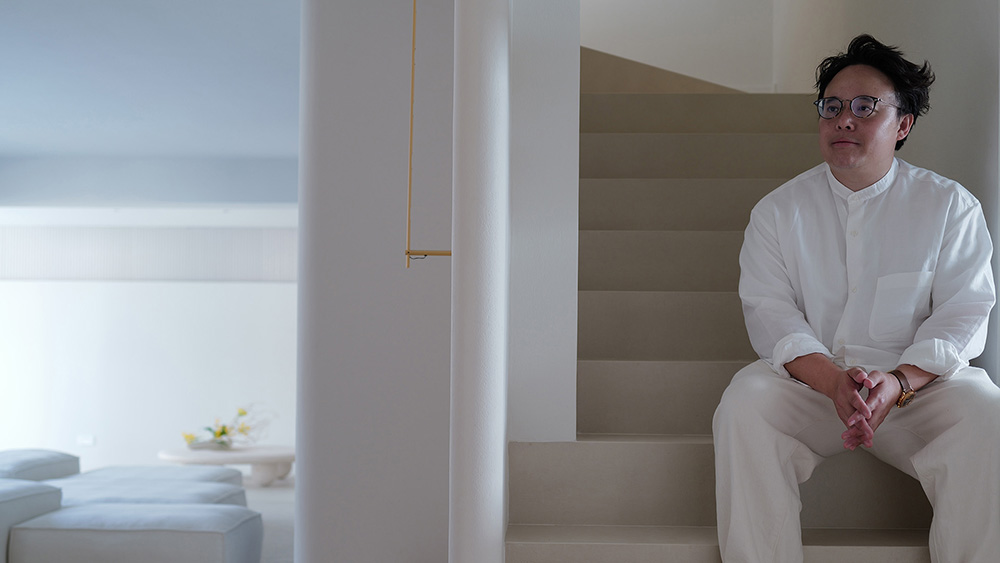
I am Ronald Cheung, the creative founder of Chill Interior Design. Chill Interior Design is a leading interior design firm dedicated to transforming spaces into captivating environments. I founded the company 12 years ago with the belief that design can enrich lives and elevate everyday experiences. Our firm is committed to creating spaces that inspire and delight, and we will continue to make a lasting impact in the design industry.
How did you become a designer? Please tell us about the journey leading up to founding your company.
From a young age, I was captivated by color and aesthetics, and my father—who was a photographer—had a profound influence on me. Watching him capture moments taught me the art of visual storytelling and helped me naturally understand the connection between photography and design. I believe that influence continues to shape my design journey today. Interestingly, my first career was as a makeup artist. That experience sparked my creativity and deepened my passion for design, eventually leading me into the interior design industry. I founded my company with the desire to create spaces that bring my clients’ visions to life. Today, I find great joy in designing environments that evoke emotions and tell meaningful stories.
Please introduce your company’s representative project.
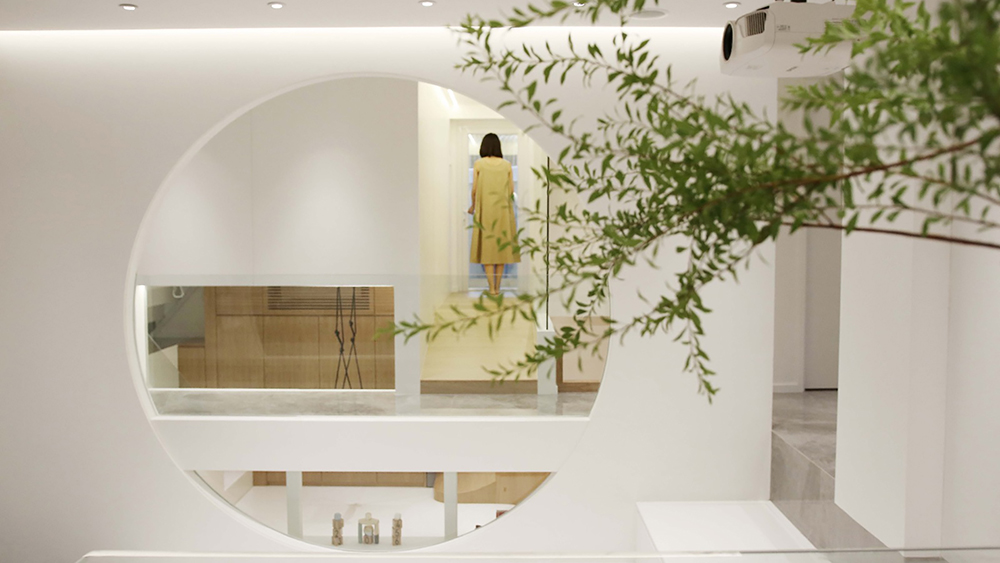
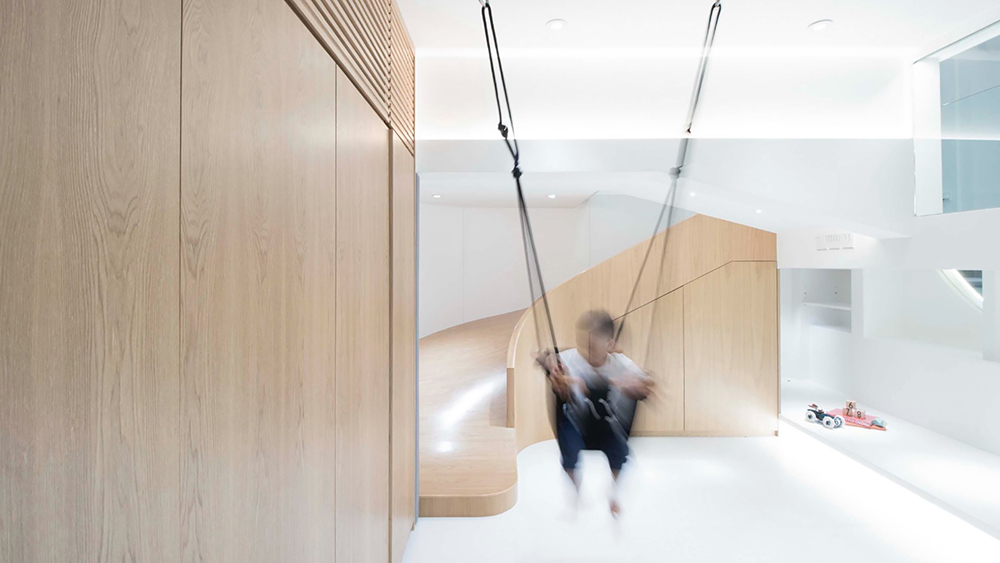
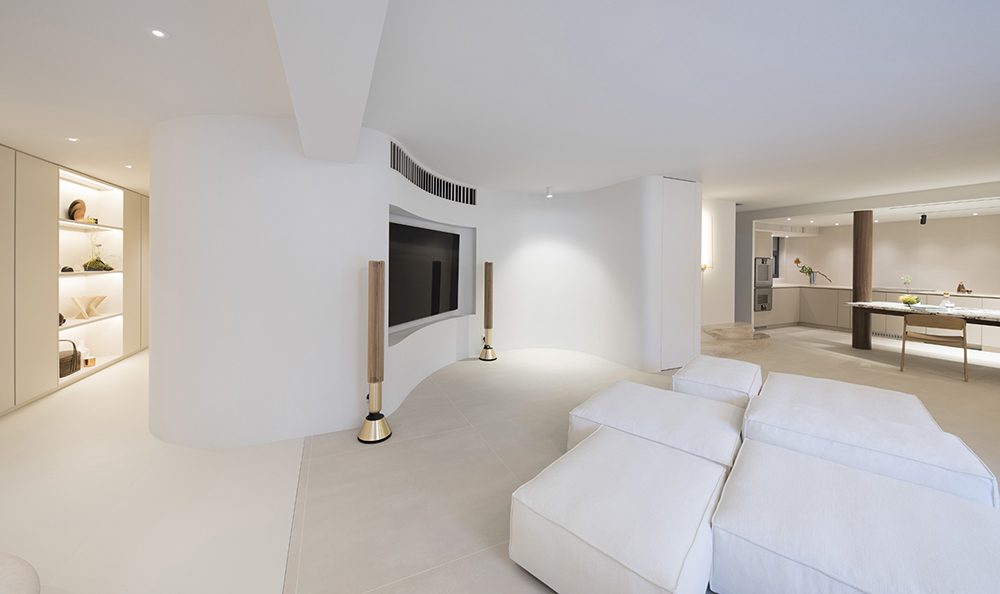
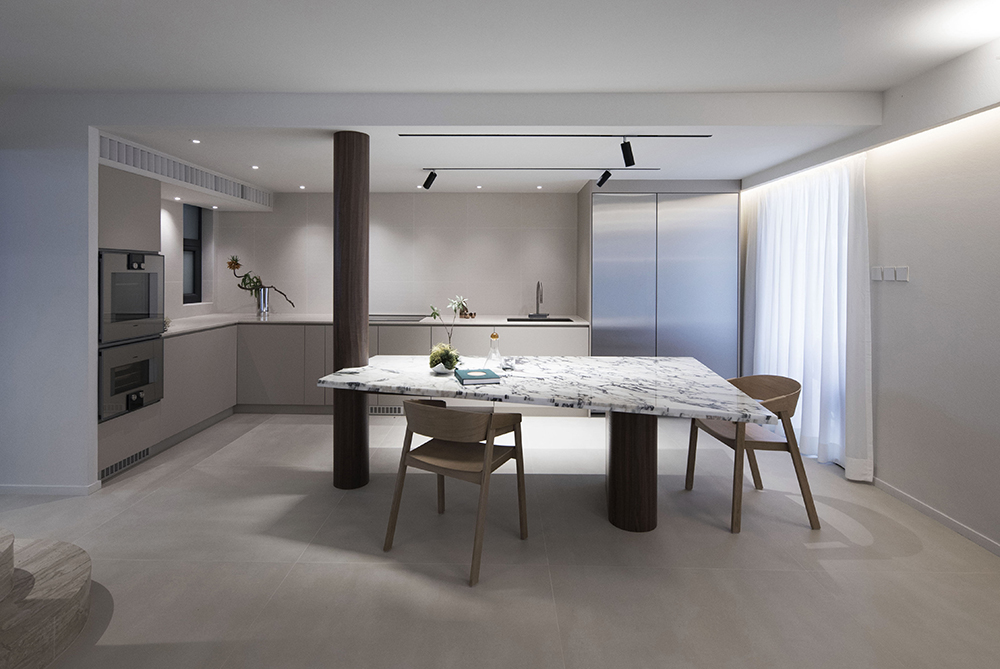
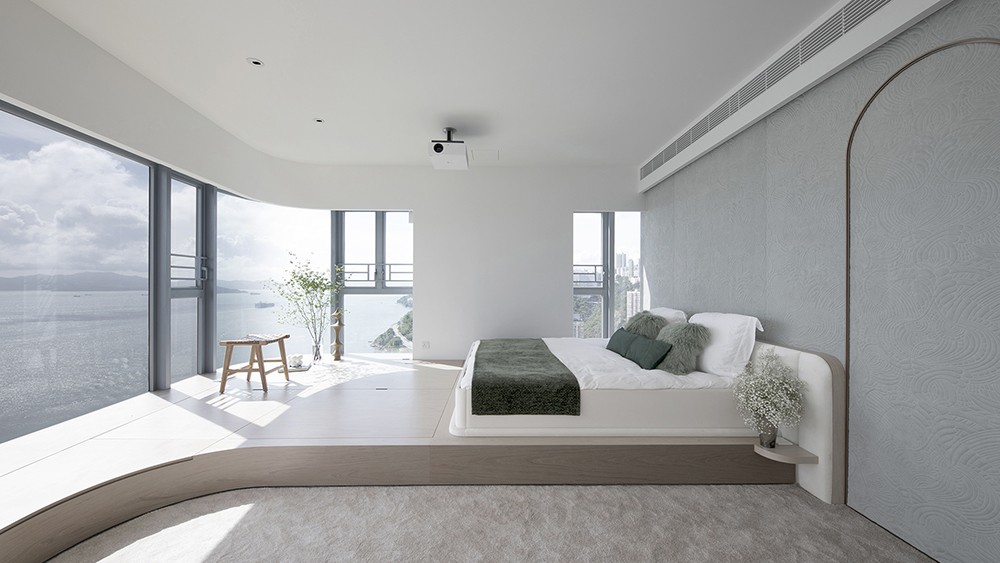
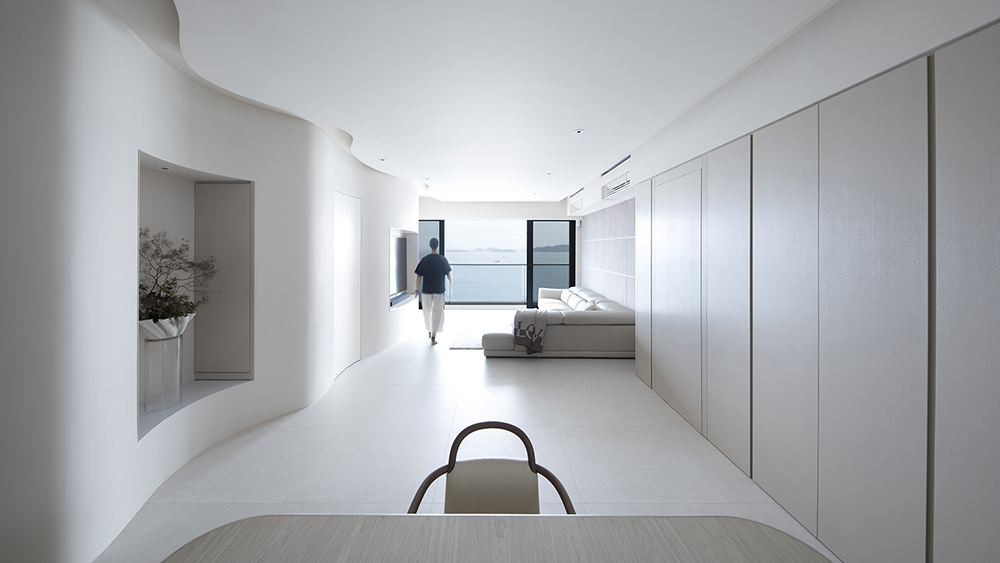
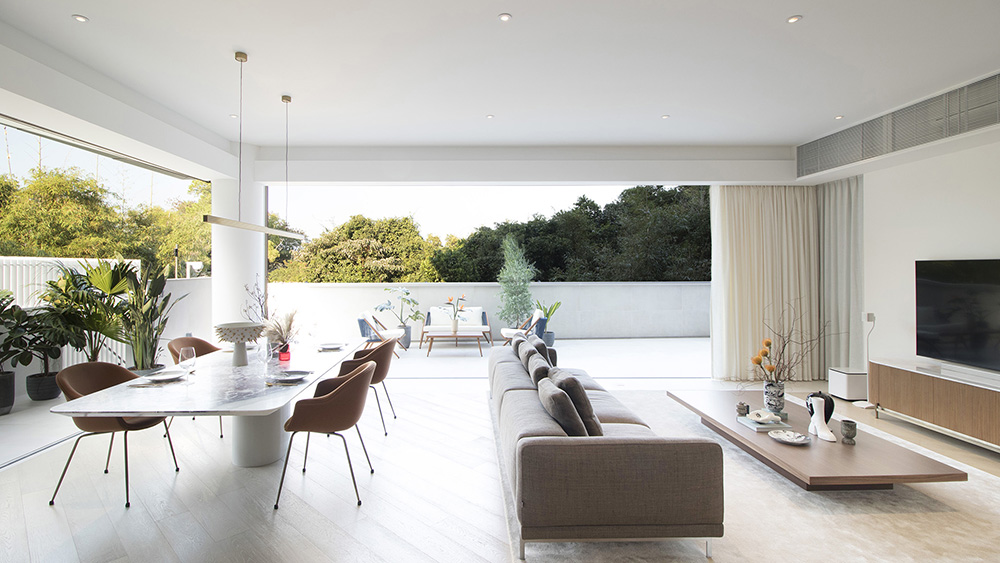
Our signature project is The WABI SABI House, a residential design created for an artist who returned to Hong Kong after living in the United States. She wanted a living space stripped of unnecessary ornamentation, reflecting a minimalist and thoughtful lifestyle. We focused on harnessing natural light by incorporating curves throughout the space, allowing sunlight to cast intriguing shadows and enrich the spatial experience. We chose soft, muted tones to create an overall aesthetic reminiscent of a living art piece. Unnecessary furniture was removed to open up the space and make room to showcase the homeowner’s artworks. Beneath a circular skylight, we designed a cozy resting area to offer moments of tranquility. In the living room, a large glass window was installed to provide a full view of the garden, enhancing the connection with nature. The use of soft white sand on the floor, along with Japanese garden elements and diverse plantings, created a serene and harmonious atmosphere.
Your use of light and shadow is striking. Was there a specific reason behind it?
While working on this project, I aimed to express an artistic mood through simplicity. The abundance of natural light led me to explore the dynamic interaction between light, curves, and shadows. I spent a great deal of time observing how sunlight refracted throughout the day and how curves would respond to it. We meticulously planned the placement of windows and angles of the curves to optimize the lighting throughout the house. One unforgettable moment was when we installed the curved glass wall. As the sun hit it just right, a beautiful rainbow reflected across the room. This spontaneous interaction between design and sunlight became the heart of the project, reinforcing the idea that the home itself is a canvas for artistic expression.
In The WABI SABI House, light serves multiple purposes. First, it emphasizes the unique character of the home—such as the furniture and light interplay beneath the circular skylight. Second, it brings a sense of warmth and comfort that inspires creativity. Lastly, light transforms throughout the day, allowing the artist’s home to shift in mood and appearance over time. By placing light at the center of the design, we were able to create a truly personal and imaginative environment.
You seem to use a lot of natural elements like light in your designs. What role does nature play in spatial design?
I like to think of light as a material in itself. In interior design, light and nature serve as transformative forces that shape a space. Light blends seamlessly with natural elements such as plants to create a warm and inviting atmosphere. As the day progresses, it reshapes our perception of the space. For instance, sunlight streaming through a skylight casts delicate patterns on furniture and greenery, fostering a sense of calm and serenity. Thoughtful lighting design also enhances the textures of natural materials, making a space feel warmer and more intimate. The dynamic interplay between light and nature reflects seasonal rhythms—morning sunlight brings energy, while the soft glow of dusk offers tranquility. Nature and light are more than just physical elements; they enrich the sensory experience of a space and foster emotional connection between individuals and their environment. By integrating these elements with care, I aim to create spaces that are both aesthetically pleasing and functionally satisfying. My design philosophy emphasizes harmony between beauty and practicality, with the greater goal of making a positive social and environmental impact.
Then going further, what kind of positive impact do you think designers can have on society?
In space-constrained environments like Hong Kong, our design philosophy must center on human needs and efficient spatial use. The significance of space should never be underestimated—it plays a vital role in improving our daily lives and overall well-being. When we fill every corner of a space without intention, we risk losing its intrinsic value. In Hong Kong, for example, many small homes and offices are visually appealing yet fall short in practical functionality. The public has become accustomed to inefficient layouts, often overlooking usability in favor of visual aesthetics. This mindset can lead to a cycle where overcrowded and impractical space usage becomes the norm.
The challenge for designers is to create spaces that are both visually attractive and genuinely functional. Our vision is to raise awareness about the importance of balanced spatial planning and encourage communities to reassess their environments. By promoting thoughtful spatial strategies, we can help people live in more functional and harmonious settings. Ultimately, designers should aim to create a more conscious society through their work—one that values efficiency, comfort, and connection. Prioritizing human experience and thoughtful use of space will lead to better cities and a brighter future for urban living.
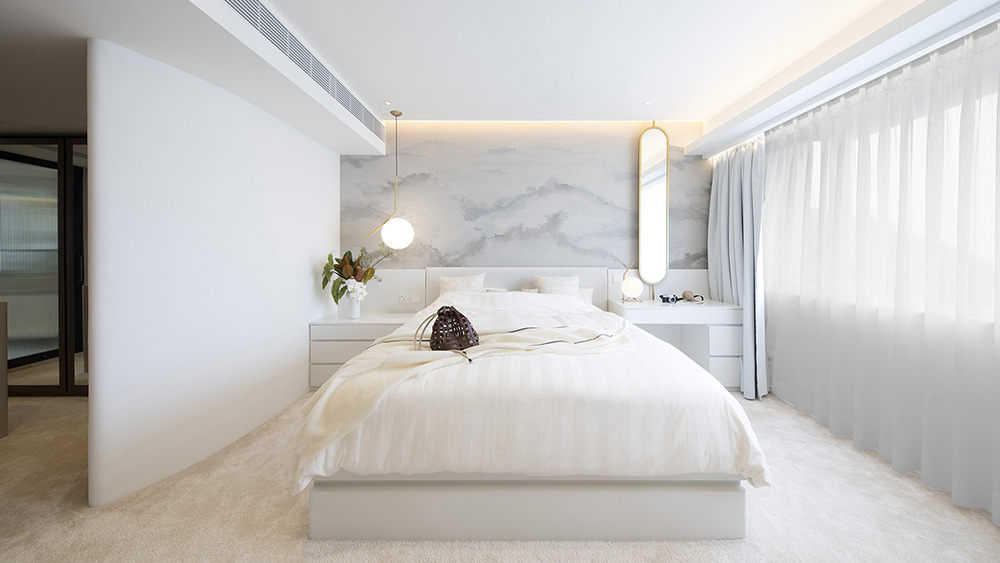
What kinds of challenges does Chill Interior Design plan to continue pursuing?
We will continue to embrace new challenges in order to grow and evolve. Participating in international design awards and exhibitions is one of our core strategies to explore limitless possibilities and build a strong portfolio. Entering global design competitions like the K-Design Award represents a significant milestone for many designers. These awards provide a valuable platform to showcase innovative work. Being nominated and receiving accolades not only boosts confidence but also validates the designer's creativity and dedication. Competing with global talents also promotes both personal and professional development for individuals and the studio alike.
In addition, Chill Interior Design has previously participated in events such as the Salone del Mobile in Milan, the Marmomac marble exhibition in Italy, and the Cersaie tile exhibition in Italy. Every time we attend global events like these, we encounter new ideas and innovations. Each year, we see groundbreaking products that were once unimaginable, made possible through cutting-edge technology. These exhibitions present boundary-breaking concepts that inspire designers to think beyond conventional limits and integrate the latest materials and technologies into their creations. This ongoing evolution in design continues to offer fresh ideas and infinite potential within the field of interior design.

















#14057, 905 49, Beolmal-ro 102beon-gil,
Dongan-gu, Anyang-si, Gyeonggi-do, Korea
Business Registration Number: 454-86-01044
Online Sales License No.: 2021-Anyang Dongan-1081
Copyright © DESIGNSORI Co., Ltd.