
We have long accepted the idea that “big is strong.” For years it felt natural that corporations with deep capital, large headcounts, and global distribution would dominate. Today tells a different story. Even without abundant resources, small brands with a clear philosophy and fast execution are emerging as powerful players. The rise of microbrands is not a passing fad; it signals a shift in how business and design are led. A microbrand may be modest in scale, yet it carries a distinct identity and a devoted community. Lacking giant ad budgets or conglomerate backing, these brands win by forming deep connections with customers through authentic stories. Their tools are not grand campaigns, but philosophy, narrative, and lived experience at every touchpoint, and those are proving to be durable advantages.
Large corporations have abundant resources, yet they move slowly. Decision making takes time, and responding quickly to change is difficult. Small brands, in contrast, are agile. They can read market signals instantly and pivot multiple times within a single day. In the era of AI, this speed has become an even greater competitive edge. Today, even a one-person studio or a small brand can rival big corporations by leveraging AI tools. Proposals, plans, prototypes, and marketing images that once required a team and a week can now be accomplished in a single day. As productivity itself becomes a weapon, small brands move more nimbly than large corporations, creating new touchpoints with customers in ways that were once unimaginable.
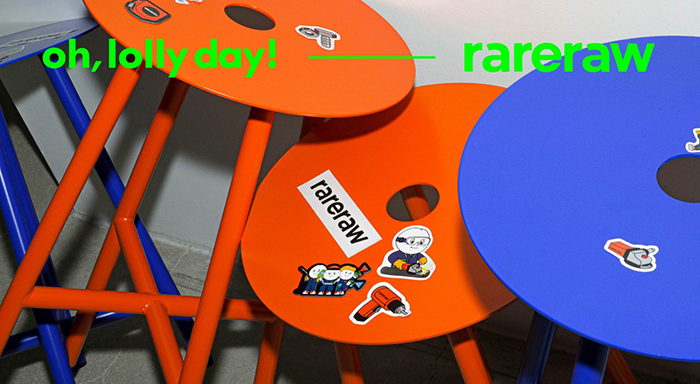
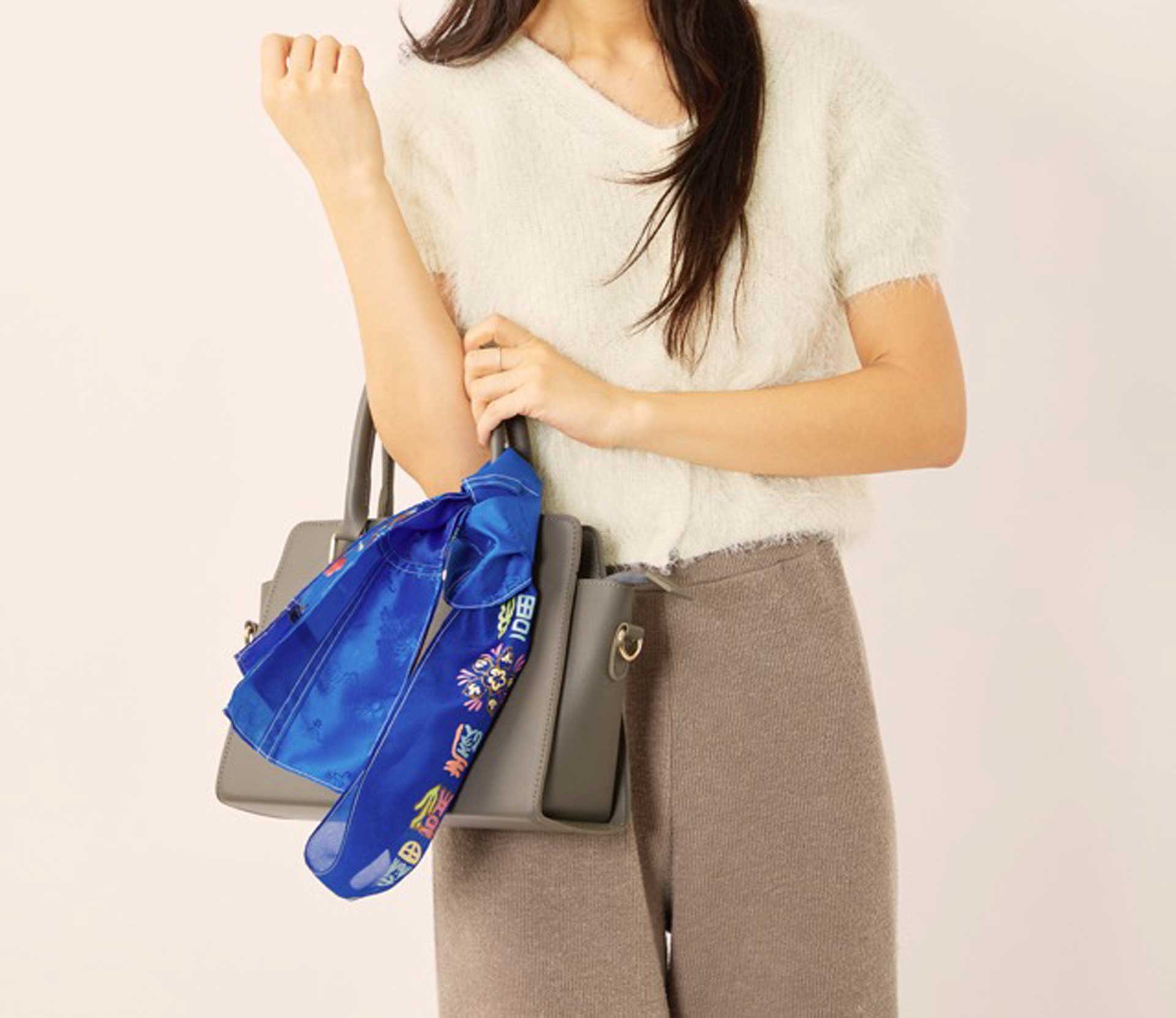
< Image source: oh, lolly day! >
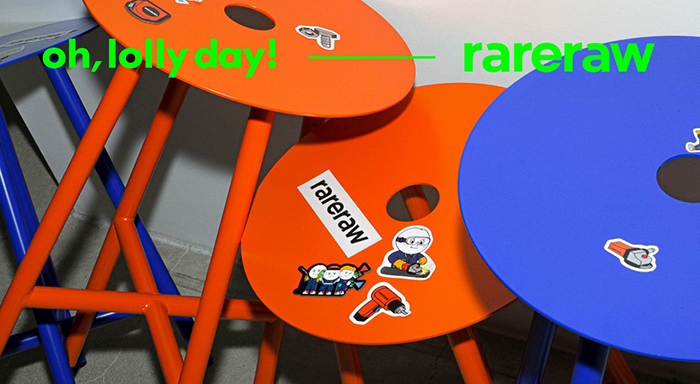
A strong example of a successful microbrand in Korea is oh, lolly day!. The founder began by selling self-made goods online, embedding the simple yet powerful message of “let’s live joyfully” into every product and activity. Despite its small team, the brand has established itself as one of Korea’s representative microbrands thanks to its distinct philosophy and personality. It demonstrates how small brands can build deep emotional bonds with customers. In the content field, MrBeast began as a one-person YouTube channel, but through his personal philosophy and consistent storytelling, he grew into the world’s largest YouTube channel and accumulated massive influence. Although it has since evolved into a company, the brand’s core asset remains the creator’s character and message. What these cases reveal is clear: the size of capital or workforce does not determine a brand’s success. On the contrary, the smaller the brand, the more sharply the founder’s philosophy, identity, and message are revealed—and that clarity becomes its most powerful weapon in the market.
The advent of AI is an opportunity rather than a threat for microbrands. Innovation is no longer reserved for corporations with vast resources. Even a one-person brand can now conduct market research, branding, marketing, and content production on par with large companies by leveraging AI. What matters is not the technology itself, but how it is combined with a brand’s philosophy. When productivity and speed gained through AI are integrated with human philosophy and context, small brands can become even stronger. In other words, AI can be the launchpad for a microbrand to evolve into a “super microbrand.”
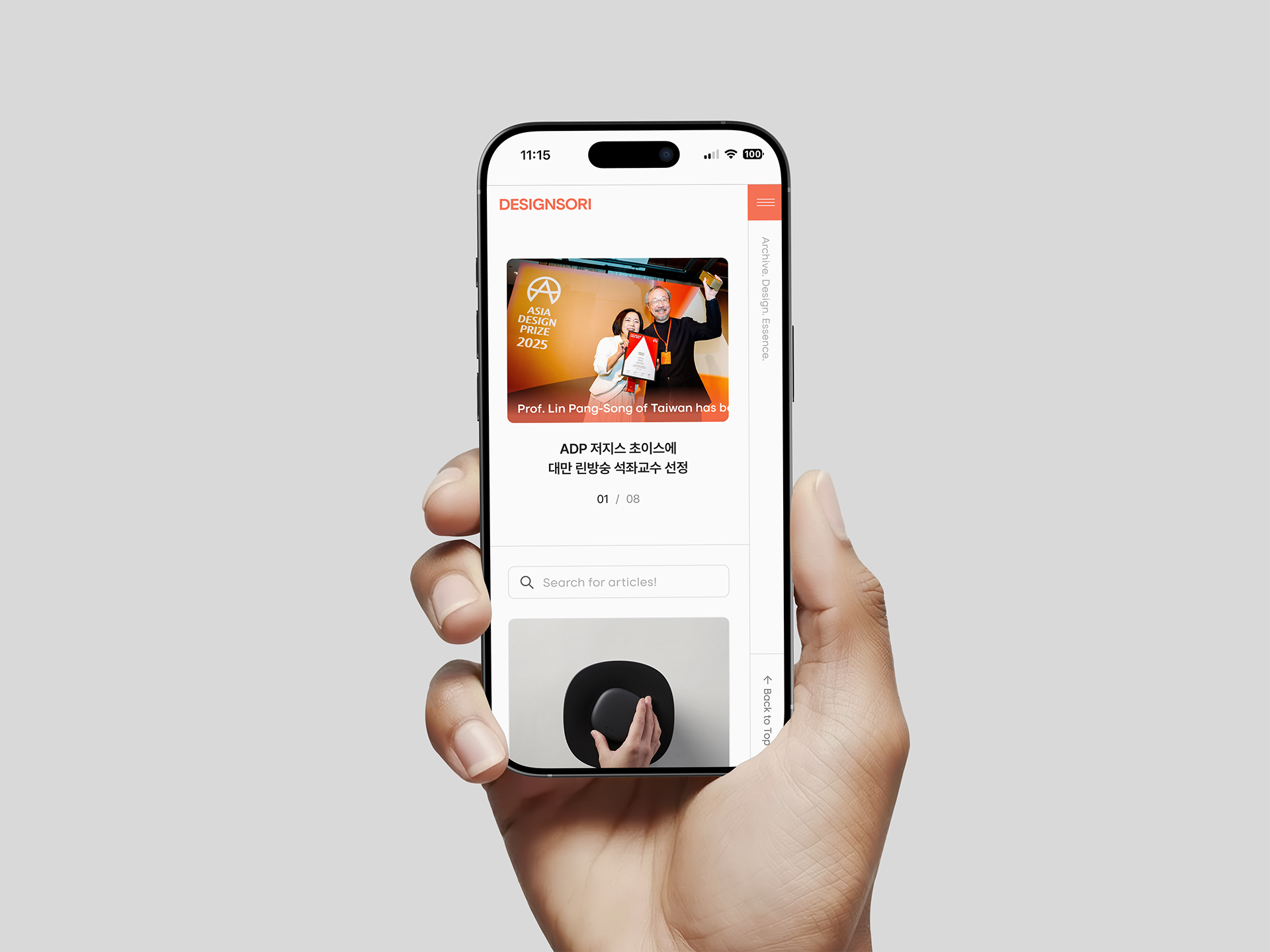
Brand size is no longer the measure of success. In fact, the smaller the brand, the more agile and authentic its connection with customers can be. What matters is not scale, but direction—what philosophy a brand upholds, what story it creates, and how it builds relationships with customers. DESIGNSORI, for instance, began in 2008 as a side project but has since grown into an internationally influential media brand, operating the Asia Design Prize and the K-Design Award. At its core have always been rapid experimentation and unwavering conviction. We are living in an era where small brands can outpace large corporations—not as a possibility, but as a reality. The only question that remains is this: What legacy will you create with your small brand?
















#14057, 905 49, Beolmal-ro 102beon-gil,
Dongan-gu, Anyang-si, Gyeonggi-do, Korea
Business Registration Number: 454-86-01044
Online Sales License No.: 2021-Anyang Dongan-1081
Copyright © DESIGNSORI Co., Ltd.