
Co-Founder of lllayer
In July 2025, Alo Yoga officially opened its first flagship store in Asia near Dosan Park in Seoul. As one of the fastest-growing forces in the premium athleisure market, Alo Yoga surpassed USD 1 billion in annual revenue by 2022 and has consistently maintained an annual growth rate exceeding 40%. This trajectory fueled a staggering USD 4 billion valuation by the end of 2023. In contrast to Lululemon’s 14% growth rate from Q3 2021 to Q3 2024, Alo Yoga posted an explosive 276% growth rate in the same period. What’s even more noteworthy is the brand’s successful acquisition of Lululemon’s core audience. Six years after making their first purchase at Alo Yoga, customers who originally shopped at Lululemon were shown to spend more annually at Alo (USD 660) than at Lululemon (USD 600), signaling a strategic takeover of customer lifetime value.

< Image Source: ALO >
A Brand Born from Air, Land, and Ocean
Founded in Los Angeles in 2007 by Danny Harris and Marco DeGeorge, the brand’s name ‘ALO’ is an acronym for Air, Land, and Ocean—symbolizing harmony between body, mind, and the natural world. From the start, the founders envisioned Alo not just as a clothing label, but as a mission-driven lifestyle brand centered on mindfulness, community, and wellbeing. Their core philosophy, “Studio to Street,” reflects a shift from performance wear confined to yoga studios to a broader fashion statement fit for daily life. While Lululemon remained mostly in-studio, Alo Yoga was worn out into the world—seen on Kendall Jenner, Hailey Bieber, Bella Hadid, and others whose global influence helped position Alo as a high-fashion, high-function wellness icon. Three strategies explain the brand’s rapid ascent:
1. Design Philosophy: From Studio to Street with Premium Positioning
Alo Yoga prioritizes aesthetics rooted in fashion-forward athleisure. Garments highlight not just performance but identity, blending elements like garter details and corset jackets that reframe yoga as an expressive cultural act. The brand favors calm neutrals—black, cream, beige—using color and silhouette to justify a 20–30% price premium over competitors, not on performance alone, but through expanded wellness access, community membership, and style diversity.
2. Influencer Commerce and Trust Building
Targeting millennials and Gen Z women (ages 18–35), Alo’s marketing hinges on authenticity over paid visibility. Instead of flooding feeds with conventional ads, the brand cultivates organic relationships with influencers whose lifestyles align with its values. This fosters a sense of trust and sincerity, reinforced by over 8 million posts under the #AloYoga hashtag—turning the brand into a socially validated phenomenon rather than a manufactured trend.
3. Experiential Retail: From Store to Sanctuary
Rather than merely operating retail locations, Alo Yoga transforms its physical spaces into sanctuaries. Each store integrates yoga studios, meditation areas, and wellness cafés—curated spaces for lifestyle immersion. These sanctuaries host regular events and workshops, deepening community ties and positioning Alo as a holistic wellbeing facilitator. This asset-heavy model diverges sharply from Lululemon’s asset-light approach and uses exclusive physical experiences to strengthen brand loyalty.
< Image Source: ALO >
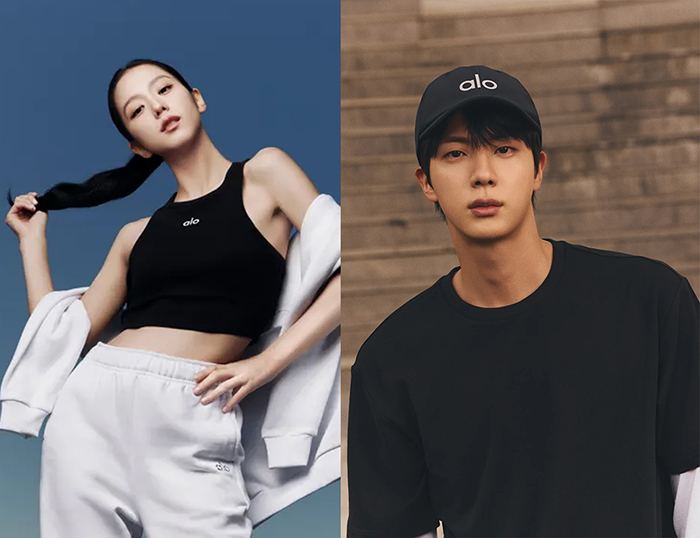
The Seoul flagship embraces this sanctuary model fully, offering six floors of yoga studios, rooftop lounges, and immersive wellness zones. Choosing Seoul as Alo’s entry point into Asia reflects both the cultural influence of K-pop and the rapid expansion of Korea’s athleisure market. Leveraging brand ambassadors like BLACKPINK’s Jisoo and BTS’s Jin, Alo strengthens its bridge to Korean culture while amplifying global appeal.
Despite its meteoric rise, Alo Yoga is not without vulnerabilities. Chief among them is the gap between the brand’s mindfulness-driven mission and its operational ethics. Third-party assessments have rated Alo “very poor” in environmental responsibility. The brand uses limited sustainable materials, and offers little transparency on labor conditions or fair wages across its supply chain. Such discrepancies pose reputational risks, especially among ethically conscious consumers for whom yoga is not just physical practice but a philosophy of nonviolence and fairness. Additionally, pricing inconsistencies between direct overseas purchases and Korean retail have sparked backlash. For example, tote bags offered as free gifts with purchases over USD 200 on the U.S. website require a KRW 400,000 (approx. USD 290) purchase in Korean stores. This discrepancy has led to a resale boom and “direct-buy craze” across secondhand platforms. While this two-track strategy has helped build initial brand awareness, it risks undermining the exclusivity and experiential quality Alo hopes to preserve in its premium sanctuary stores.
In conclusion, Alo Yoga has positioned itself as more than an athleisure brand. It is shaping a new category that merges fashion, wellness, and cultural aspiration. But to sustain this leadership, the brand must align its business ethics with its public mission and resolve growing pains in international pricing and distribution. Only then can it preserve the trust that fuels its rise and fully realize its vision as a global standard-bearer of mindful living.


















#14057, 905 49, Beolmal-ro 102beon-gil,
Dongan-gu, Anyang-si, Gyeonggi-do, Korea
Business Registration Number: 454-86-01044
Online Sales License No.: 2021-Anyang Dongan-1081
Copyright © DESIGNSORI Co., Ltd.