
What is the true purpose of branding?
Before we answer that, it’s necessary to first clarify what we mean by brand and branding. The word brand is said to originate from the old Western practice of burning a unique mark onto livestock to indicate ownership. Amidst a field full of animals, farmers needed a way to identify which ones were theirs—and to signal to others what belonged to them. Whether this etymology is historically accurate or not, the metaphor is powerful: a brand is essentially a signifier that distinguishes mine from others.
To simplify, consider how each of us is given a name at birth. What does that name mean to us? It is both a way for others to identify us and a form of social contract. In the same way, a brand is like the name given to a product or service at the moment it comes into existence.
Then what exactly is branding?
Branding refers to all the actions involved in imbuing that name with value. Building on the earlier metaphor, branding is the entire process of creating and cultivating the unique values that separate us from others. In practice, branding enables companies to distinguish themselves from competitors—not just in name, but in perception. It’s not enough that the name is different; branding aims to make consumers associate that name with a distinct idea, feeling, or memory. Whether that distinction is functional or emotional, branding is the process through which that association becomes real and memorable.
Patagonia is known as an outdoor brand, but what comes to mind first is sustainability. Nike, while a sportswear brand, evokes a spirit of bold determination. Apple, known for its tech devices, is almost synonymous with creativity. These mental shortcuts—words or images that arise instantly when we think of a brand—are not accidental. They are the result of careful, sustained branding. And importantly, branding is not a one-time effort. Perception is difficult to build and even harder to maintain. Branding must be continuous. In that sense, the "ing" in branding is no coincidence—it represents an ongoing commitment.
Branding includes all activities that make a brand truly itself. Of course, defining what the brand is must come from the brand itself. If the brand is the name, then branding is the effort of making that name meaningful. That is why branding is fundamentally different from marketing, even though the two often overlap.
So, what is the ultimate purpose of branding? Is it to increase sales? While revenue growth is often a natural outcome, I don’t believe it’s the core purpose. In my view, the real purpose of branding is not to make a hundred people vaguely aware of your brand, but to cultivate one person who truly loves it. Some may argue that brand awareness among a hundred is better. I would disagree. One passionate fan who not only uses the brand but voluntarily shares it with others is far more powerful than passive recognition. And that kind of loyalty can’t be manufactured through traditional marketing alone.
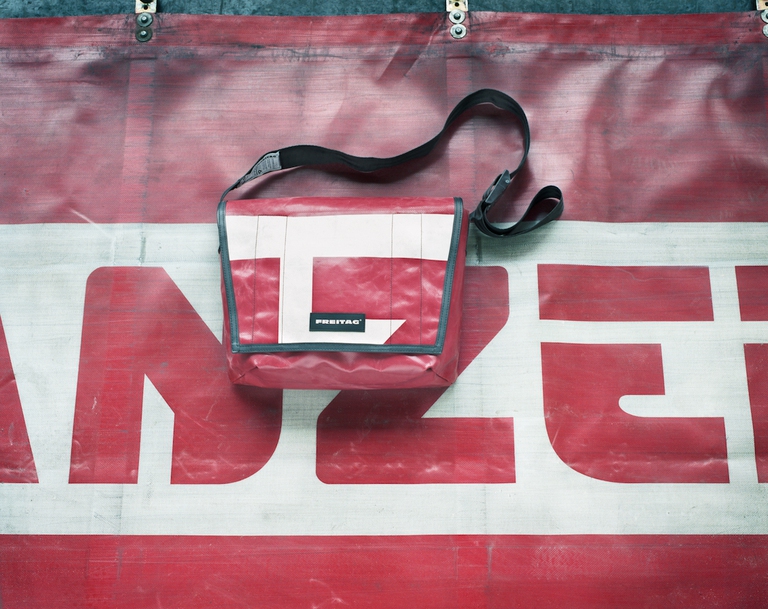
Let me share a personal experience. FREITAG, a Swiss brand, is known for creating bags from waterproof truck tarpaulins. Even the straps are made from repurposed seat belts, making them a standout case in upcycling and sustainable design. I now own about ten FREITAG items, including bags and accessories. How did this happen?
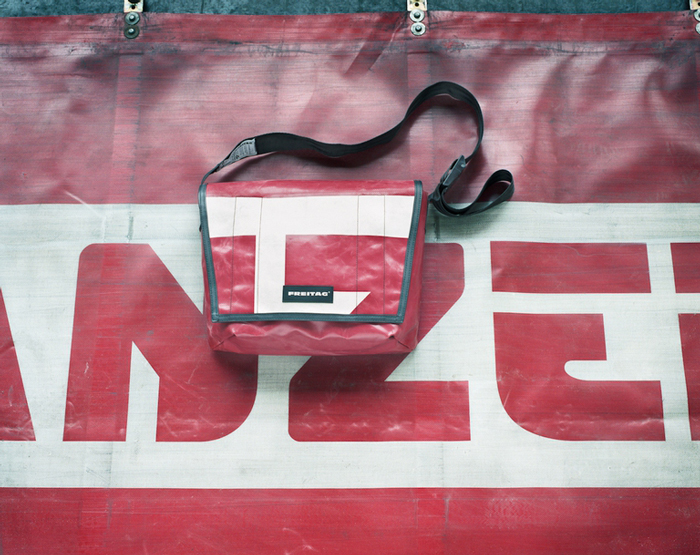
< Image source: FREITAG >
Around fifteen years ago, I encountered FREITAG’s story and was captivated by its philosophy and originality. Before the brand even entered Korea, I hunted down a FREITAG store in Berlin during a trip to Europe and purchased my first bag—driven purely by curiosity. Once I began using it, I was impressed by its durability and functionality. But what truly intrigued people around me was the bag’s design. Since the material came from real trucks, each piece had a distinctive, one-of-a-kind look that sparked conversation. People frequently asked about my bag, and I found myself explaining the story behind it—how it was made, why it looked the way it did, and what values the brand stood for. Through those conversations, terms like “upcycling” and “sustainability” naturally emerged. Carrying a FREITAG bag started to feel like a personal statement—one that subtly expressed my values and individuality. It felt like I wasn’t just using the product, but inhabiting the brand. And just like that, I became a passionate fan.
One clear sign of this is the number of FREITAG items I now own. At this point, it feels more accurate to say I am a collector of the brand rather than just a buyer of products. I still carry their bags, check for new releases, and fill up my online shopping cart. What’s more, several people around me have discovered the brand through me, and some have become collectors themselves. My fandom turned me into a voluntary ambassador. Interestingly, I myself first learned about FREITAG through someone who was just as enthusiastic.
Ironically, I first learned about FREITAG through someone else who was that same kind of passionate fan. And so the brand grew—one passionate fan at a time. Which brings me back to my central point: the purpose of branding is not to make a hundred people know your name, but to make one person care deeply. Because as more fans like that emerge, the brand becomes more resilient, irreplaceable, and undeniably valuable.
If you want to build a brand that truly resonates, don’t pour all your energy into chasing widespread recognition. Instead, focus on clarifying your unique identity, and invest your time and resources into connecting with those who will truly appreciate it. Branding, ultimately, is not about being loved by everyone. It’s about being unforgettably meaningful to someone.





















#14057, 905 49, Beolmal-ro 102beon-gil,
Dongan-gu, Anyang-si, Gyeonggi-do, Korea
Business Registration Number: 454-86-01044
Online Sales License No.: 2021-Anyang Dongan-1081
Copyright © DESIGNSORI Co., Ltd.