
Where Does Imitation End: Gentle Monster and Blue Elephant
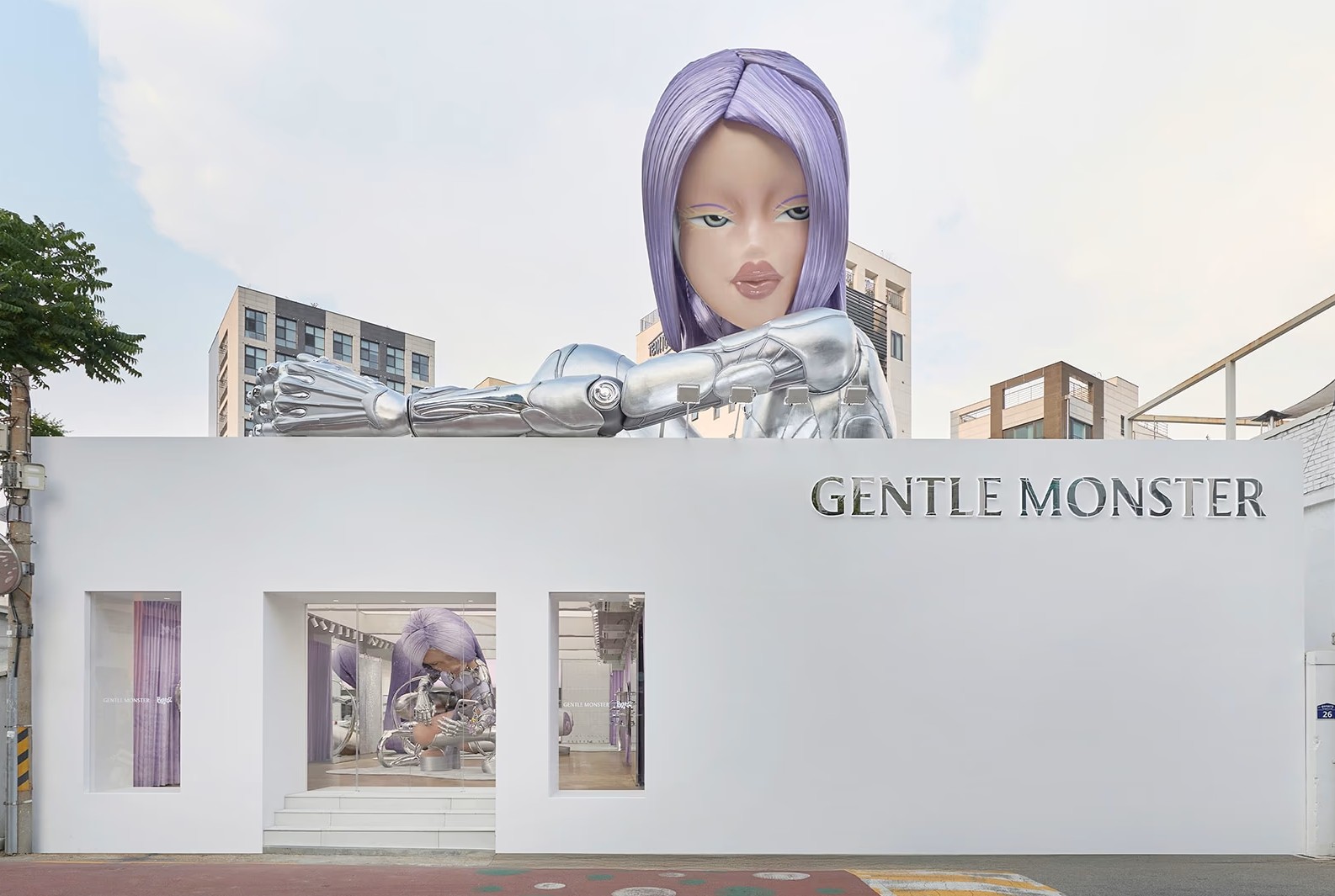
One of the hottest topics in the eyewear market today is the legal dispute between Gentle Monster and Blue Elephant. Gentle Monster’s claim goes beyond the shape of a specific frame. It argues that what has been appropriated is the brand’s overall visual identity, including the atmosphere of its stores, the way products are displayed, and the harmony of its packaging. This case symbolically illustrates how the scope of design protection is expanding beyond the alignment of lines and surfaces to encompass a brand’s distinctive mood and identity. It is, in effect, a visual outer skin that allows consumers to recognize a brand even without seeing its logo.

< Image source: Gentle Monster, 2025 Fall Collection >
Trade Dress: The Clothes a Brand Wears
In legal theory, this concept is referred to as trade dress. Trade dress denotes the visual elements that form the overall image of a product or service, excluding traditional identifiers such as names or logos. These elements include size, shape, color, texture, and even methods of presentation or service. The historical foundation for protecting such rights lies in the U.S. Federal Trademark Act, commonly known as the Lanham Act, enacted in 1946. Originally, Section 43(a) of the Act was interpreted narrowly, prohibiting only passing off or direct trademark infringement, where one party falsely presents another’s goods as its own. Over the past several decades, however, progressive judicial interpretation and accumulated case law have transformed it into a powerful legal instrument that also prohibits infringement of unregistered common law marks and trade dress.
The Origins of Trade Dress Protection (Lanham Act)
A landmark case that illustrates the judicial expansion of trade dress protection is the 1961 decision in Eastman Kodak Co. v. Royal-Pioneer Paper Box Manufacturing Co. In this case, the court recognized Kodak’s signature yellow, red, and black color combination and the overall look of its packaging as protectable trade dress, and ruled that the unauthorized use of these elements constituted unfair competition. This marked a turning point in which the distinctiveness of a product’s total image, as embodied in its appearance, was formally acknowledged as a legal asset. The 1988 amendment to the Lanham Act later codified this judicial expansion, further strengthening the protection of trade dress.
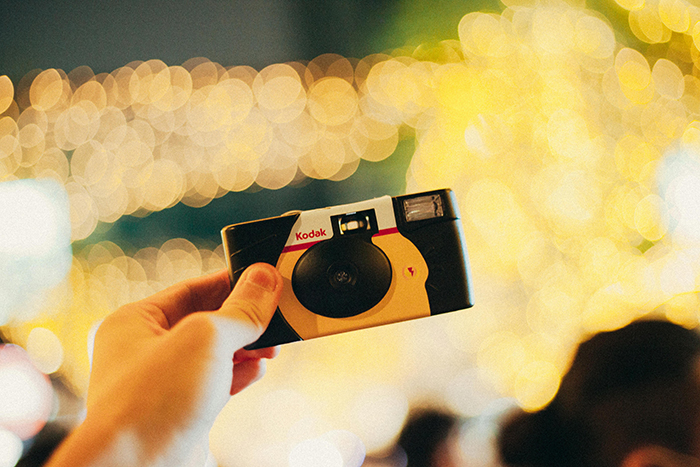
< Image source: Kodak’s signature color combination, photographed by Zx Teoh >
Lessons from Korea’s Unfair Competition Prevention Act and the “Melona” Ruling
More recently, Binggrae filed a lawsuit against Seoju, claiming that Seoju violated Korea’s Unfair Competition Prevention Act by appropriating the trade dress embodied in Melona. In the first trial, the court did not recognize unfair competition, reasoning that depicting fruit flavored ice cream is a general method of expression that cannot be monopolized by a single company. However, the appellate court reached a different conclusion. It acknowledged the brand value embedded in the total image that Melona had accumulated over time, including its design, layout, and methods of expression, and explicitly noted the defendant’s intent to capitalize on Melona’s established reputation and consumer recognition. This ruling moved beyond the question of whether individual elements constitute abstract ideas open to public use. Instead, it affirmed the value cultivated and protected through long term design effort. It suggests that we are entering an era in which not only the outward appearance of design, but also the aura formed through its history and process of growth, can be legally protected.

< Binggrae’s Melona vs. Seoju’s Melon Ice Bar (ice cream) >
Hybrid IP Strategy: Trademarks, Design, and MSMU
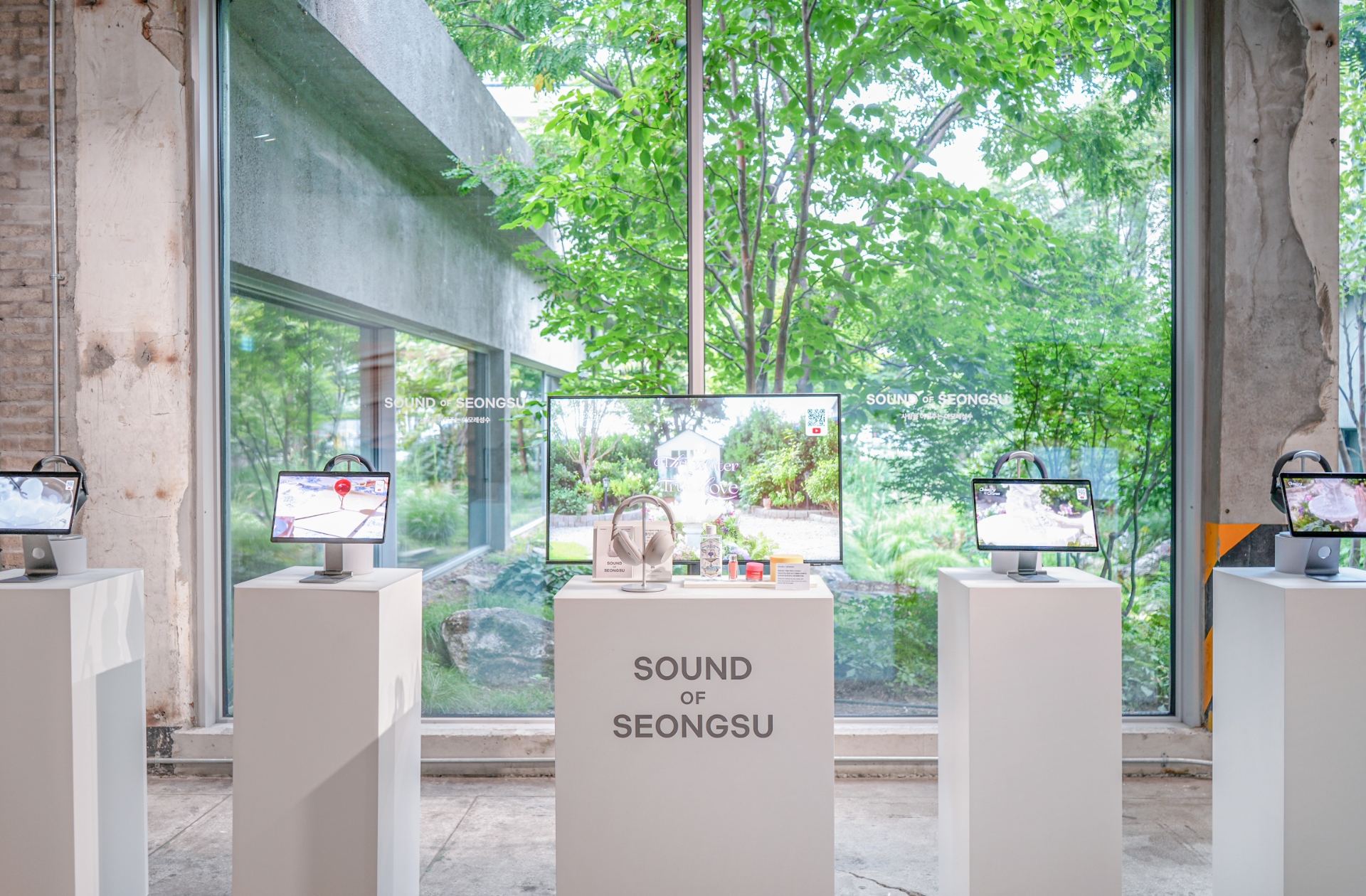
Today, intellectual property no longer exists within rigid silos such as trademarks, design rights, or unfair competition law. To protect a strong brand aura, a hybrid IP protection strategy that integrates all of these elements has become essential. Registrable rights should be secured through trademarks and design protection, while areas that cannot be formally registered must be reinforced through unfair competition law, together completing a single, cohesive “dress” for the brand. In particular, modern industries are evolving beyond OSOU, One Source One Use, toward MSMU, Multi Source Multi Use. Amorepacific Creatives offers an exemplary case that captures the essence of the MSMU strategy. Rather than remaining confined to cosmetics as products, the brand extends its creative assets across multiple dimensions. The visual experience of the Amore Seongsu space, auditory stimuli such as Seongsu’s Sound, and content experiences built through digital archiving all redistribute Amorepacific’s creative sources across multiple industries. Products expand into spaces, spaces evolve into sound and packaging, and together they form a unified and powerful image known as Amorepacific Creatives.
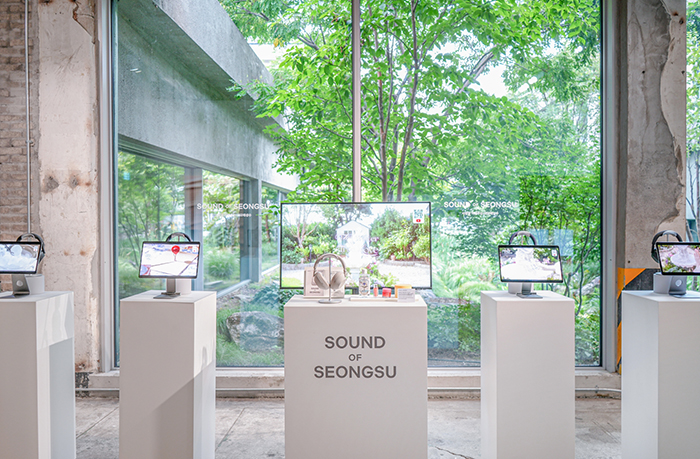
< Image source: Amorepacific Creatives, SOUND of SEONGSU >
The Irreplaceable Aura of a Brand: The Sum of Its Values
Ultimately, what the law seeks to protect is not mere aesthetics, but the creative value and systems invested in producing those aesthetics. Design is not a tool applied at the final stage of industry to wrap something attractively. It is the starting point for generating new values capable of driving innovation across society, and for materializing those values into visual and spatial systems. Designs that merely imitate surface level trends without a clearly articulated value system behind them will ultimately fall outside the scope of legal protection. The focus must therefore shift beyond how something looks to what kind of systemic value it conveys. Truly protectable design is not a single beautiful object, but the total accumulation of values that demonstrate why a brand deserves to exist in the world.














#14057, 905 49, Beolmal-ro 102beon-gil,
Dongan-gu, Anyang-si, Gyeonggi-do, Korea
Business Registration Number: 454-86-01044
Online Sales License No.: 2021-Anyang Dongan-1081
Copyright © DESIGNSORI Co., Ltd.