
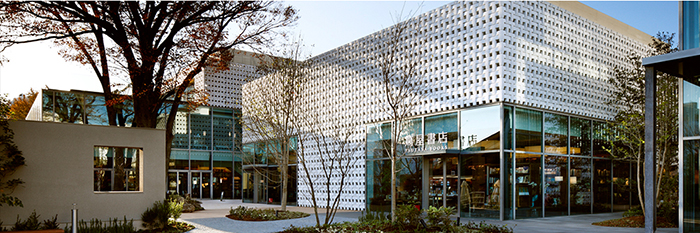
< Image Source: TSUTAYA – Daikanyama T-Site >
TSUTAYA’s approach at Daikanyama in Tokyo, Japan, is a strong example of context mix and match. People do not visit this place simply to browse books. Within the same bookstore complex, there are cafés, a bicycle shop, a clinic, a vegetable store, and even a music lounge where visitors can enjoy wine. Someone may arrive to buy a book and leave carrying vegetables and strawberry jam in the other hand. By reconfiguring the bookstore as a place that proposes lifestyles and enables the consumption of culture, TSUTAYA created a model that is now widely benchmarked around the world. Its founder, Muneaki Masuda, stated that what customers want is not the physical object of a book, but the lifestyle contained within it. In line with this idea, the bookstore applies mix and match through proposals rather than conventional categories. For example, the travel section presents not only books, but also bags, cameras, accessories, and even a professional travel agency desk. What is especially impressive is the way the bookstore has been matched with the idea of proposing tastes, rather than simply selling books.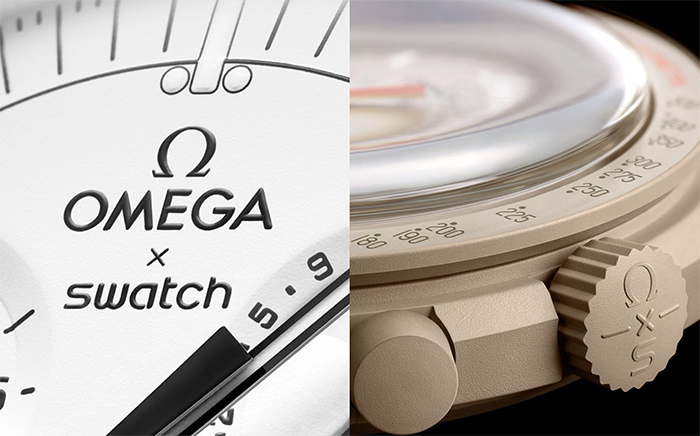
< Image Source: Swatch Group >
A collaboration between the high-end watch brand OMEGA and the fast-fashion watch brand Swatch once generated enormous popularity. Although both companies operate within the same industry, they represent opposite ends of the market. Their collaboration attracted considerable attention at the time, and the strategy of mixing and matching straps, sometimes referred to as strap-changing marketing, developed into a culture of its own. It was particularly impressive how the heritage of luxury was reinterpreted through a fun and playful sensibility.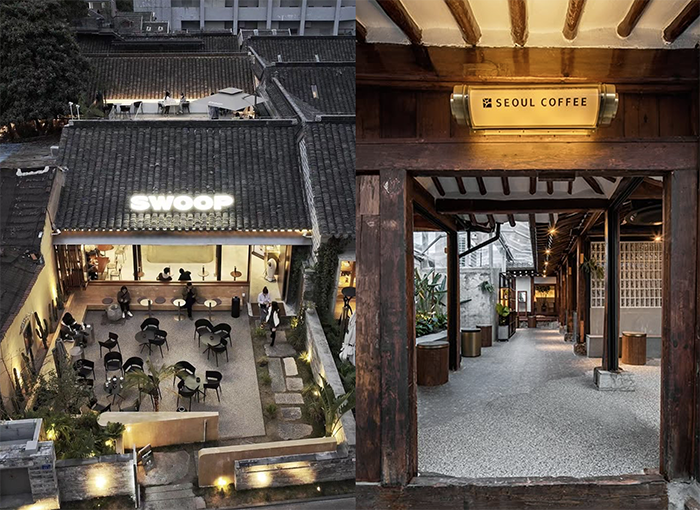
< Image Source: Seoul Coffee 1945, SWOOP Coffee >
Mix and match has expanded beyond products and entered the fields of space, architecture, and services. Examples include modern cafés created by renovating traditional hanok houses, combinations of refined fine-dining recipes with frozen food, pairings of expensive wine with street food, and the contrast of Old & New seen in architectural renovations and extensions. Boundaries are no longer merely blurred. They are beginning to permeate one another. Beyond Boundaries, Toward Innovation Of course, there are also many cases in which mix and match is approached indiscriminately as a simple concept. Combining unrelated elements without planning only leads to confusion and disorder. This is why the original purpose of mix and match, along with the storytelling that forms its foundation, must be carefully examined from beginning to end. In many cases, the formula for innovative mix and match is not 1 + 1 = 2. True innovation lies in intentionally bringing different fields into conflict and producing an entirely different outcome, one that may even be impossible to predict. Through this process, the public is offered diverse opportunities and experiences that were previously unavailable. Perhaps the deliberate creation of new experiences is a positive movement that can fill an increasingly impersonal modern society with anticipation and imagination.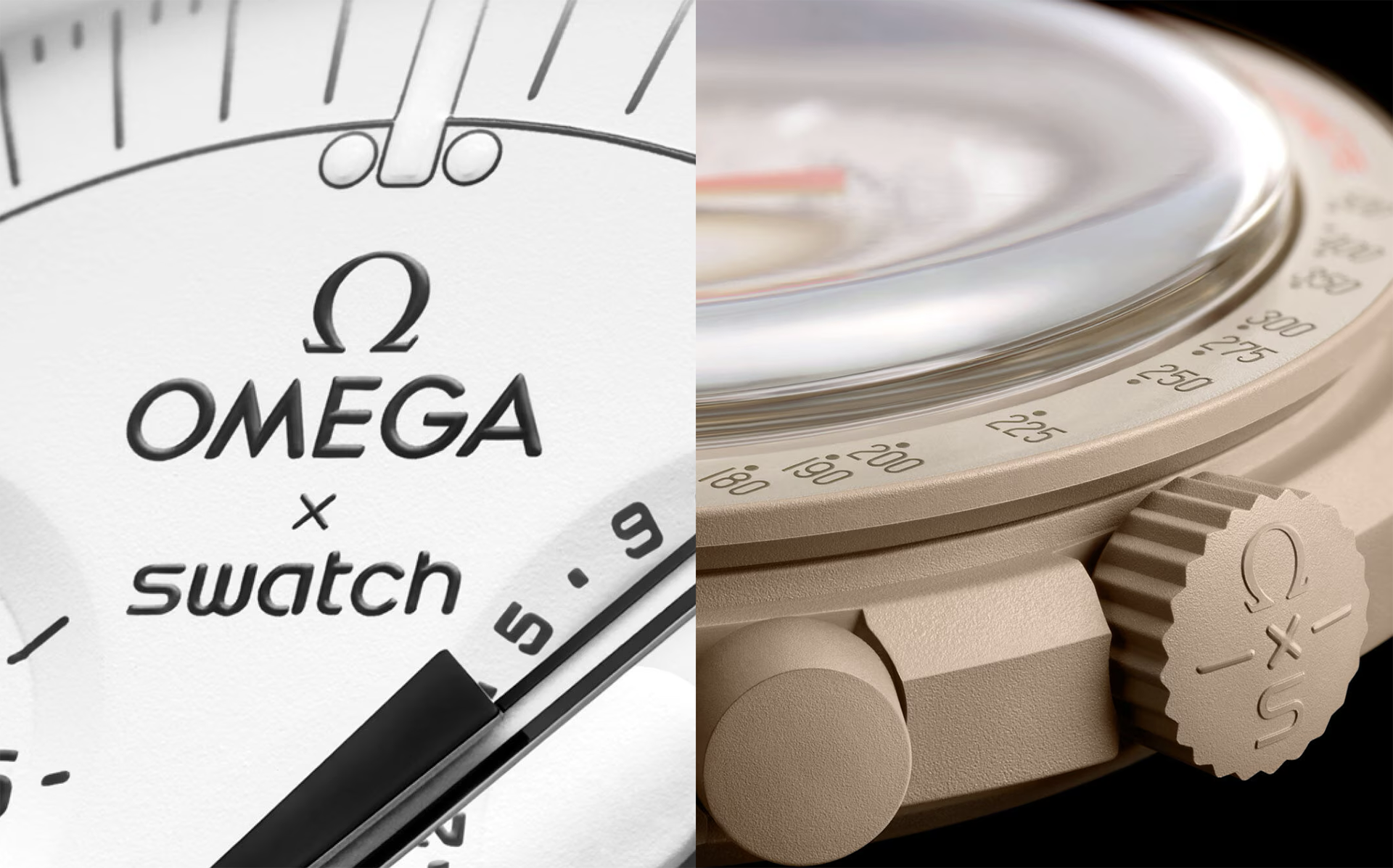
Focus > Column
Why Designers Should Pay Attention to Mix & Match

Interview > Industrial
Creating Design with a Narrative

Focus > Column
One Brand, Two Names: Michelin vs. Misullang

Focus > Index
INDEX_ Vol.31 - Branding Studio

Focus > Column
When Numbers Speak the Truth
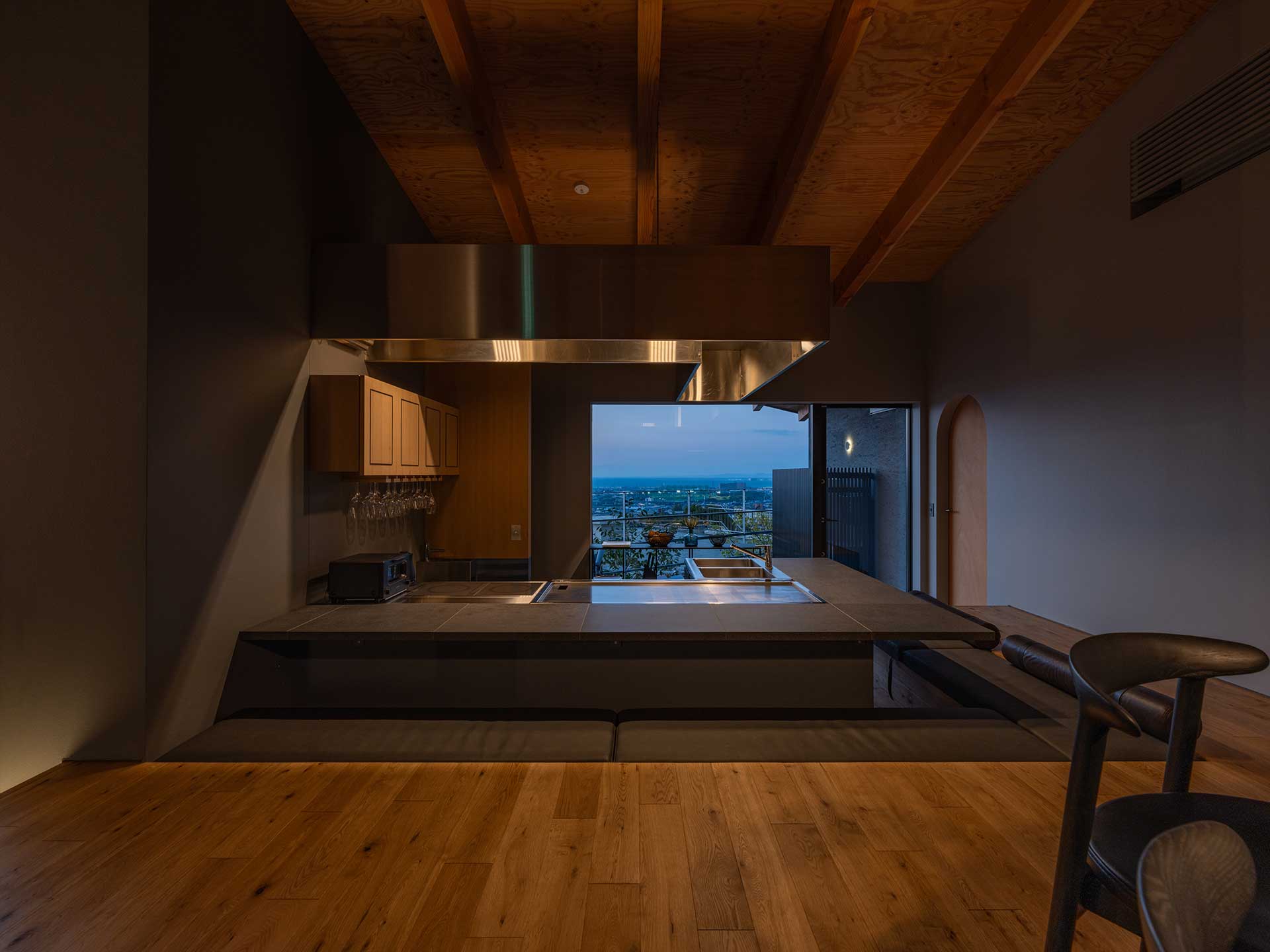
Interview > Space
Architecture That Resonates, Building Places That Stand Unchanged Through Time

Interview > Communication
Lifting the Blur, Revealing the True Essence of a Brand
Focus > Index
INDEX_ Vol.30 - Solo Design Studio
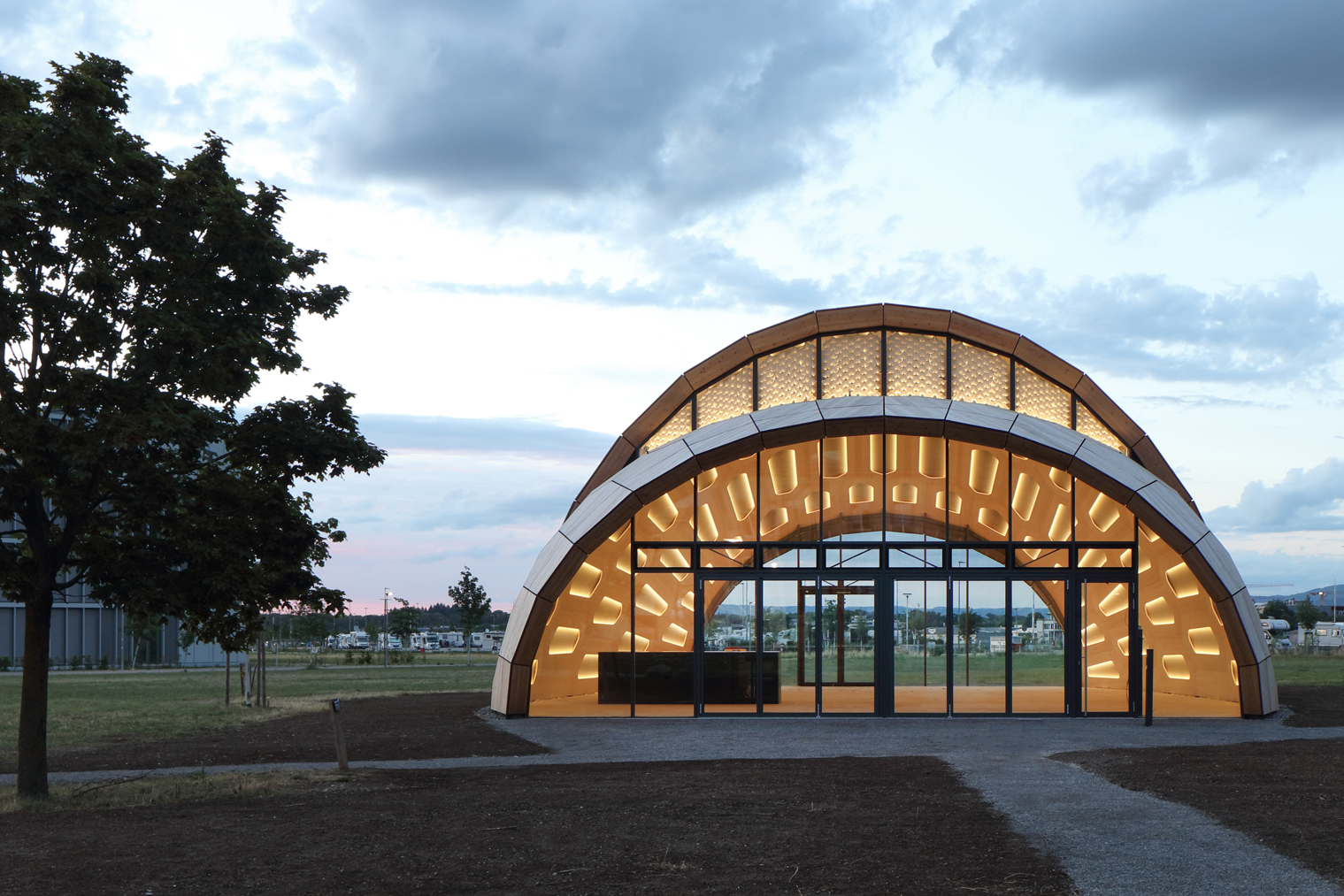
Focus > Column
From Joinery to AI-Integrated Design: How Architecture Continues to Evolve
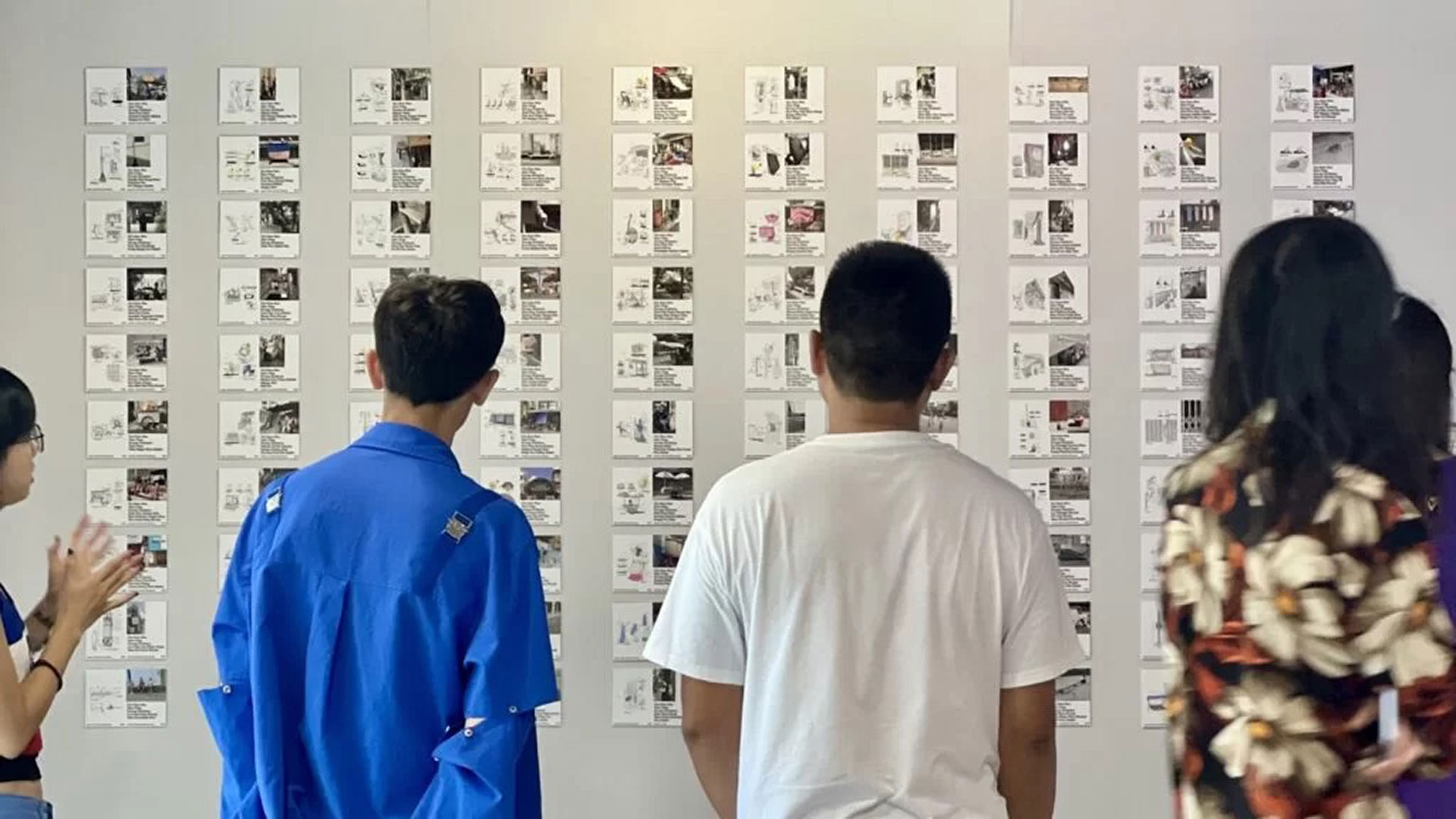
Interview > Space
Finding Design in the Mess: Architecting Bangkok's Everyday Urbanism

Focus > Column
Design Judgment, Not Generation

Focus > Index
INDEX_ Vol.29 - Motion Graphic Design Studio


Partner & Sponsor
More








Wanna get more insights?
asia design trend report 26-27

info@asiadesignprize.com
#14057, 905 49, Beolmal-ro 102beon-gil,
Dongan-gu, Anyang-si, Gyeonggi-do, Korea
#14057, 905 49, Beolmal-ro 102beon-gil,
Dongan-gu, Anyang-si, Gyeonggi-do, Korea
Founder: Doyoung Kim
Business Registration Number: 454-86-01044
Online Sales License No.: 2021-Anyang Dongan-1081
Copyright © DESIGNSORI Co., Ltd.
Business Registration Number: 454-86-01044
Online Sales License No.: 2021-Anyang Dongan-1081
Copyright © DESIGNSORI Co., Ltd.