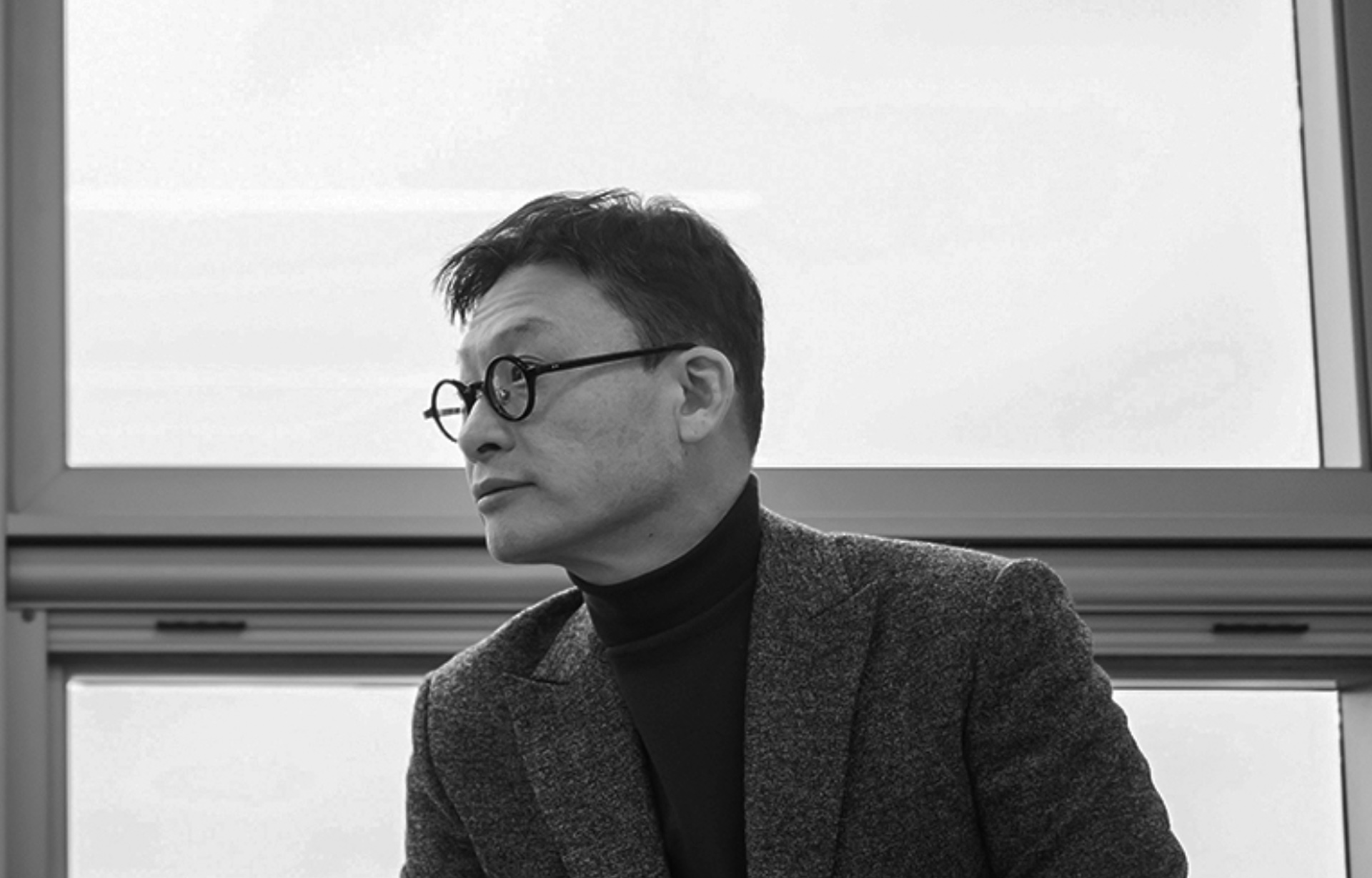
Sungho Park Head of MINISO Design Center · Creative Director
"How much narrative can a design encapsulate? Sungho Park, while leading the global brand MINISO's Seoul Design Center, continuously experiments with alternative possibilities of design through his personal brand, 'Corner Object.' In this interview, we discussed his philosophy of 'purposeful design and objects with a narrative,' the role of design traversing global and personal brands, and creations that endure within people's daily lives."
First, please briefly introduce yourself. We would appreciate an overview of your current role as the Head of MINISO Design Center and your previous design studio and team activities.
Hello, I am Sungho Park, an industrial designer and creative director. Since 2024, I have been overseeing R&D design at MINISO's Seoul Design Center, and starting this year, I have been operating out of the Guangzhou headquarters while frequently traveling to Seoul. I work alongside 10 colleagues at the Seoul Design Center. MINISO is a global IP platform with over 8,500 stores across 110 countries and a revenue approaching 5 trillion won.We collaborate with over 100 global IPs, including Disney and Sanrio, while simultaneously cultivating our own diverse IPs through our expansive retail network.
Prior to MINISO, I founded and directed BOUD, a design studio focused on establishing product and brand identities from a strategic brand perspective, for approximately nine years. During this tenure, I spearheaded the brand and product identity renewal for Qcells, Hanwha's premier renewable energy company. I also designed the Claire air purifier K, which sold hundreds of thousands of units and garnered 10 design awards, as well as the 'Bonhyangjeon' space and a columbarium system accommodating 15,000 niches for Hue Memorial Park, one of South Korea's leading memorial facilities.
From 2004 to 2015, I served as a founding member and Chief Design Officer (CDO) at RightBrain, a UX consulting firm. I led extensive UX industry projects during the smartphone transition era, including the KT Android UI guidelines and the SKT App Store project. In the early 2000s, I worked as a designer at OpenTide, the Samsung Group's first web agency. As OpenTide evolved into an in-house consulting firm, I transitioned into a brand consultant, executing various projects for the Samsung Group and Samsung Electronics.
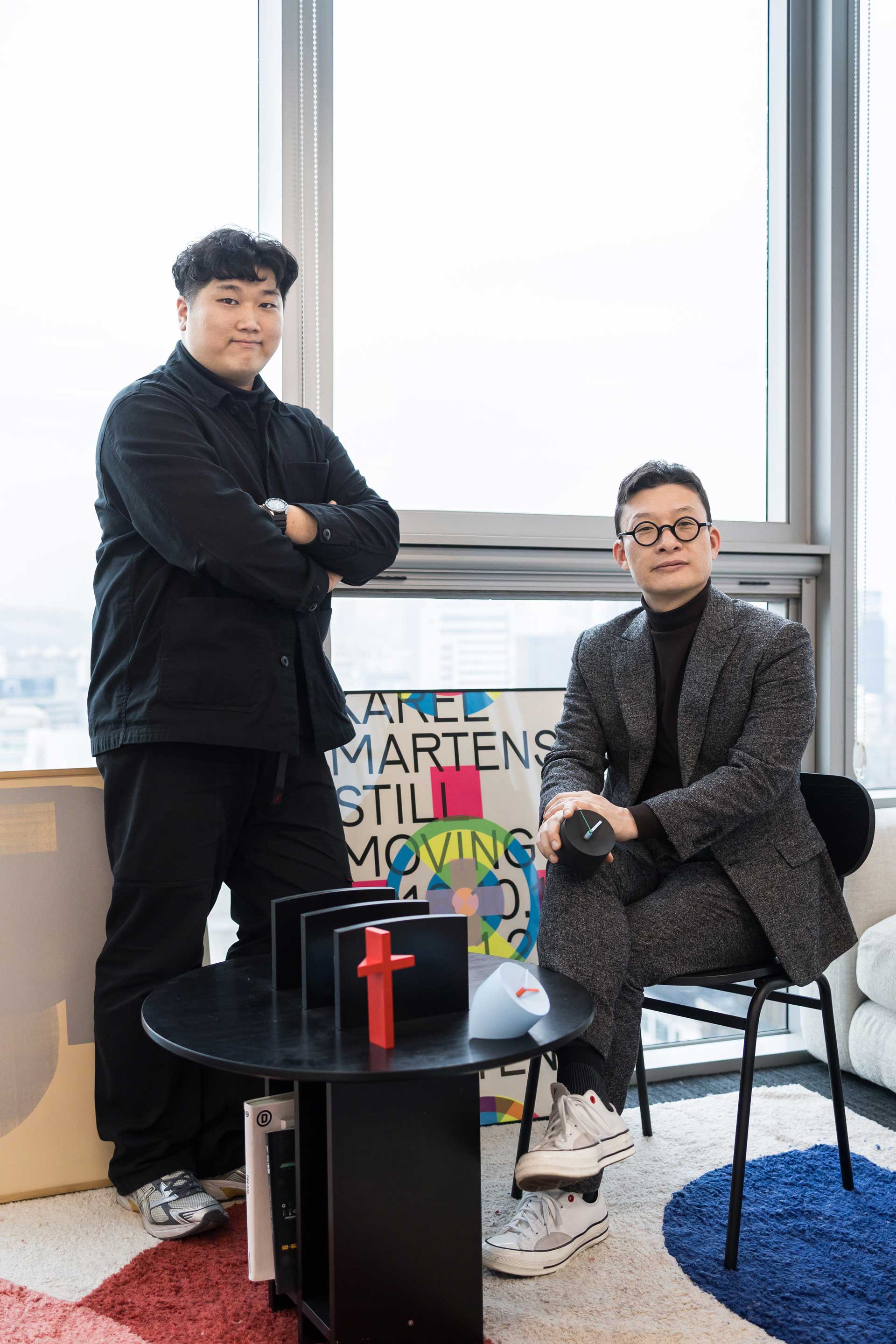
The brand 'mosery' project was highly impressive. What is the background behind the inception of this unique brand, 'Corner Object,' and what special significance does the 'mosery' project hold for you as a designer?
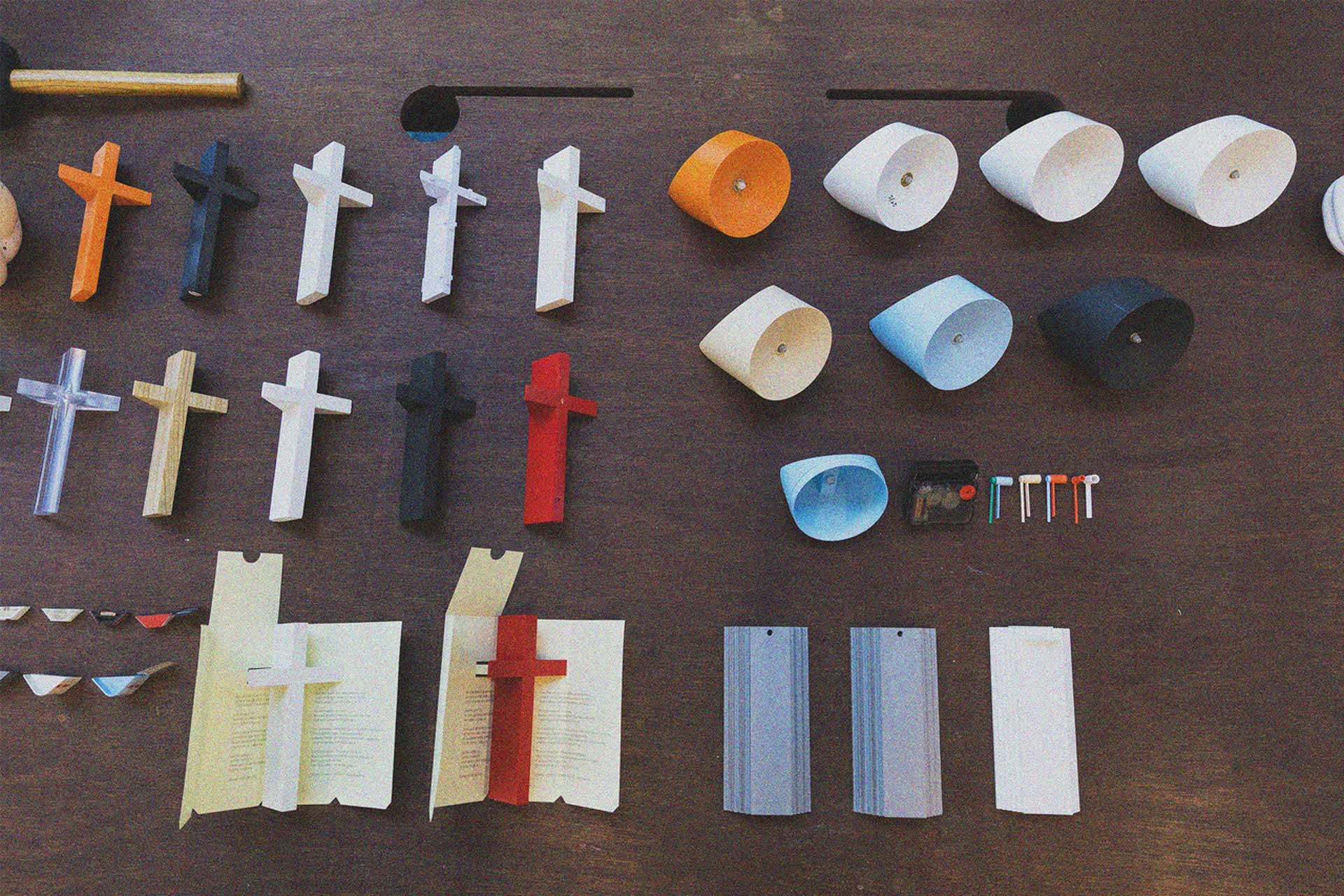
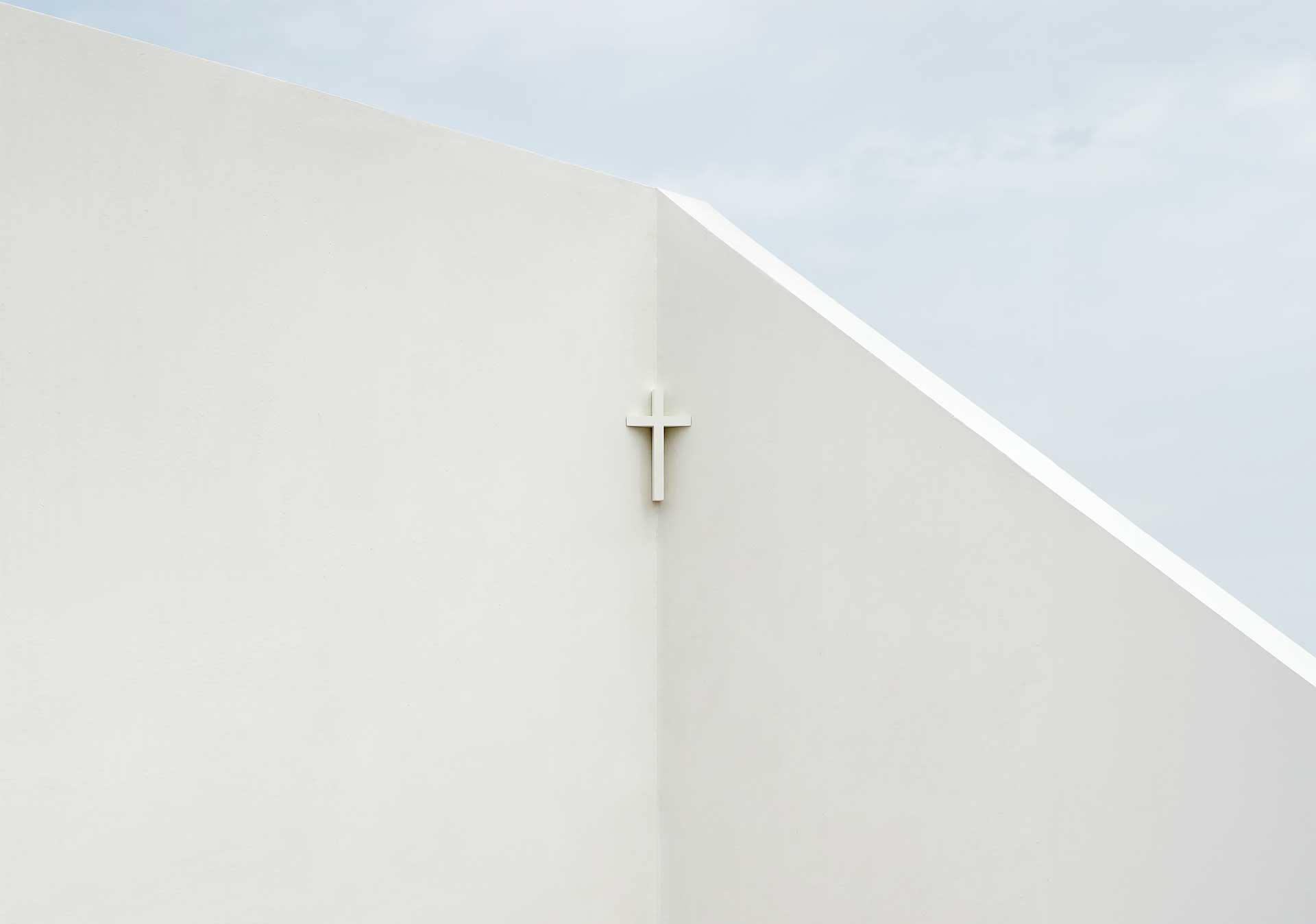
‘Mosery,’ which means “corner” in Korean, is both a product and a brand born from a deeply personal desire to hang a cross in my room while I was running BOUD. Struggling to find a cross design that truly resonated with me, I began to see the corners of my room from a different perspective. This inspired me to design a cross that could be mounted in a corner using 3D printing. After going through the processes of investment, product development, and manufacturing, it was officially launched in November 2023 under the brand name Mosery. The Mosery cross, the first product introduced under the brand, is also an expression of the faith journey shared by my wife, who now serves as the CEO of Mosery, and me. It embodies the personal testimonies of faith that inspired us to create a product with both spiritual meaning and thoughtful design.
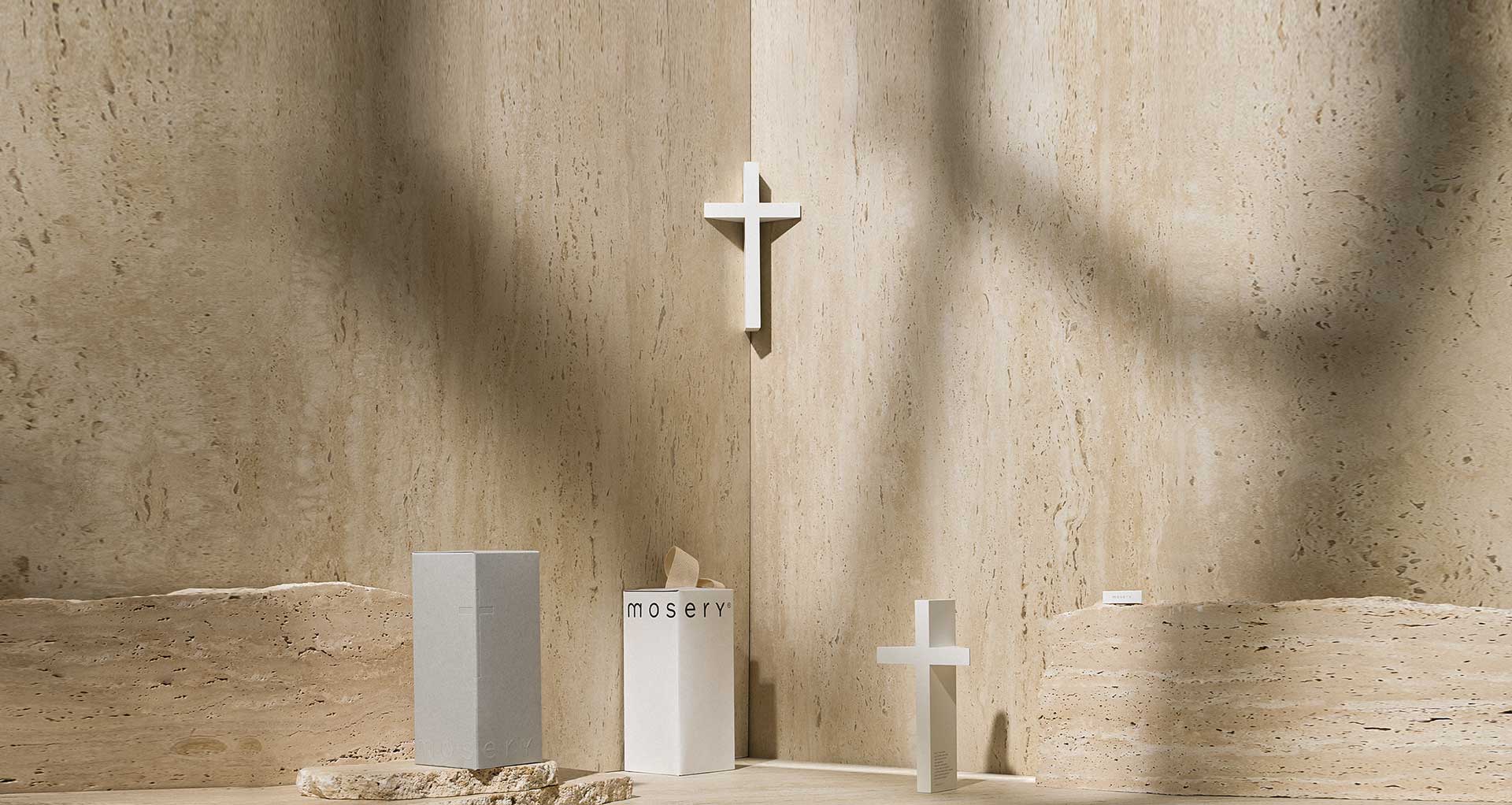
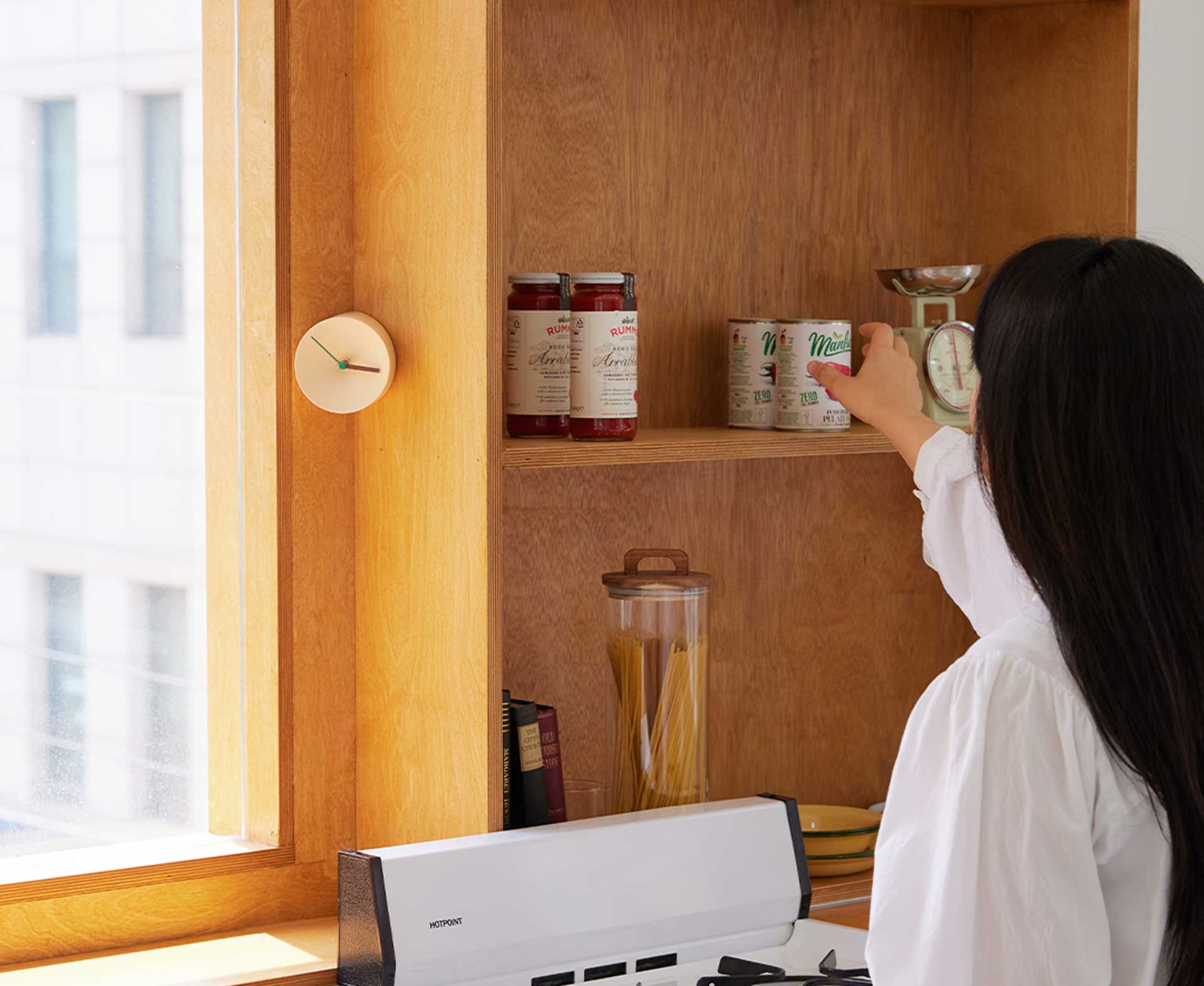
< mosery, K-DESIGN AWARD 2023 Winner >
Mosery has been recognized for its value at various international awards. What do you consider to be mosery's unique design language or appeal that enabled its entry into world-renowned art museums and design stores, such as the MoMA Design Store, the Museum of Fine Arts Houston, the National Museum of Modern and Contemporary Art (MMCA), Museum SAN, and 29CM?
Above all, I believe this achievement was made possible by the persistent dedication of CEO Jiyeon Ma, who leads the brand. Mosery is a brand that completely redefined the way people think about space by transforming the corners of a room, once considered unused space, into engaging and inspiring focal points. Many customers and users found this conceptual shift highly compelling. I believe this success reflects the CEO’s unwavering commitment, the exceptional quality of the products, and a relentless pursuit of excellence.
I am also curious about the collaboration process with mosery's CEO, Jiyeon Ma. Could you elaborate on the specific journey of establishing this unprecedented 'Corner Object' category and materializing the brand's philosophy into actual products?
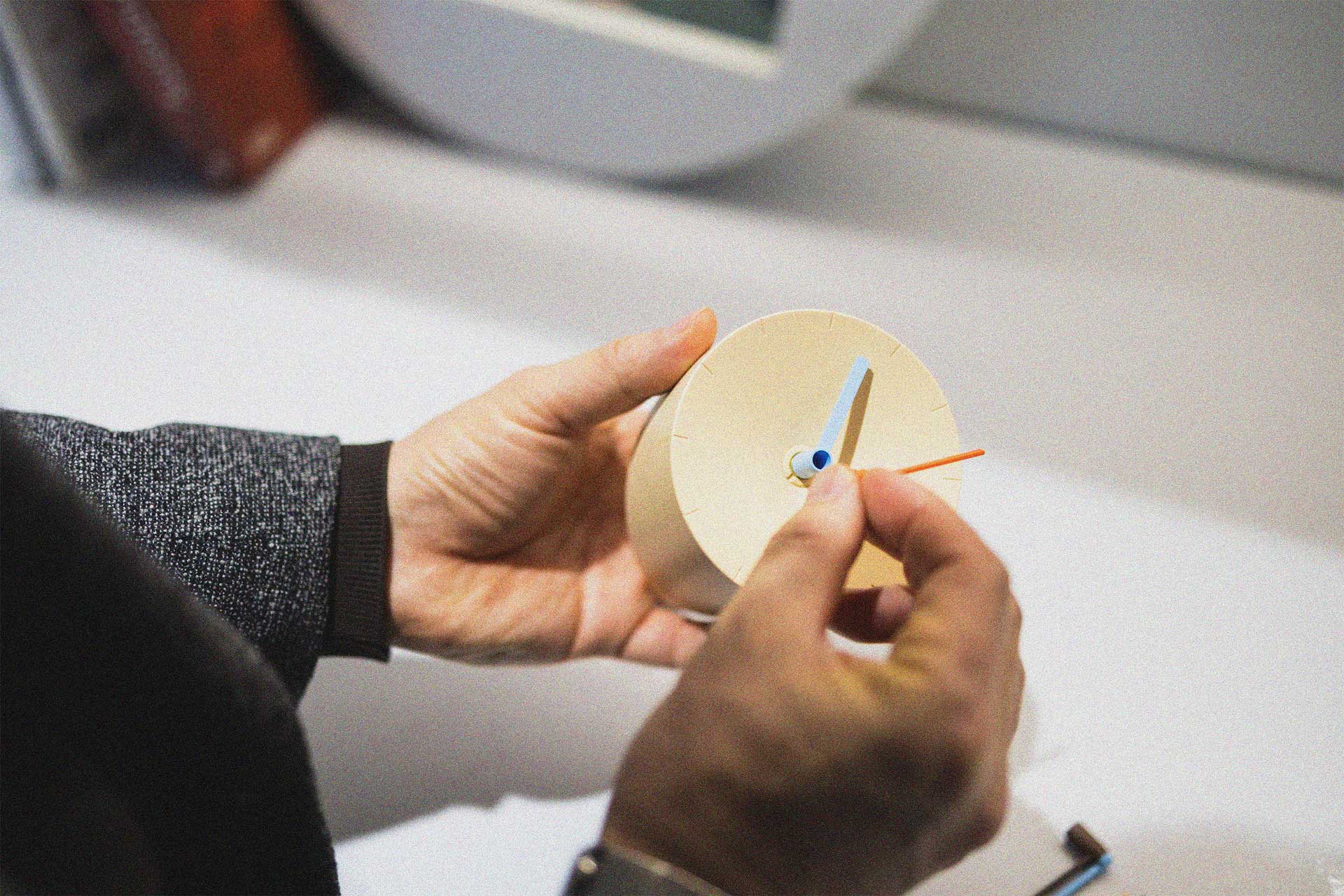
As a designer, I generally try to maintain a broad and diverse perspective, but there are inevitably areas where my vision becomes narrow. By contrast, CEO Jiyeon Ma brings a perspective that is objective, practical, and highly adaptable. I believe this comes from her refined aesthetic sensibility, developed through many years of experience in branding and marketing. Consequently, she has a remarkable ability to articulate the brand’s philosophy with precision and use that language to create an entirely new category. For instance, the first Mosery collection I designed was called “Time.” The Mosery clock represented a day, the calendar represented a year, and the cross represented eternal love, with all three products connected by the single theme of time. Thankfully, this concept resonated with many people.
In fact, when I first designed the products, there was no plan to bring them together as one collection. It was during the development process that CEO Jiyeon Ma organized and defined them through the cohesive narrative of the Time collection. Although Mosery is still an emerging brand, working through each stage together continues to clarify both the identity of the brand and the direction of its products.
< mosery, K-DESIGN AWARD 2023 Winner >
Beyond mosery, you have successfully orchestrated various product design projects over a considerable period. What is the fundamental element or unwavering philosophy you consider most critical when designing a product?
Looking back, I have experienced far more failures than successes. Through those experiences, I have consistently prioritized establishing a clear purpose for every design and ensuring there is a narrative that people can genuinely relate to. I believe every design should have a well defined purpose, whether it serves the business or the end user. If that purpose becomes unclear, the design ultimately loses its direction. I do not believe in creating outcomes without a clear purpose, because I see that as an inefficient use of time and effort. While this perspective may differ in the worlds of fine art or personal creative pursuits, commercial design should always begin with a clearly defined purpose.
To achieve that purpose, earning the empathy of the target audience is essential. Empathy can be created through functional convenience or cost effectiveness, but ultimately, the story behind the design is what matters most. It does not have to be an elaborate story. What matters is having a narrative that clearly answers why the design had to take this particular form and one that people can genuinely connect with. There is one more principle that I never compromise on. I pay close attention to proportion and balance. I rarely feel satisfied with a design if either of those elements has been overlooked. For me, strong proportion and structural balance are essential qualities that every successful design should possess.
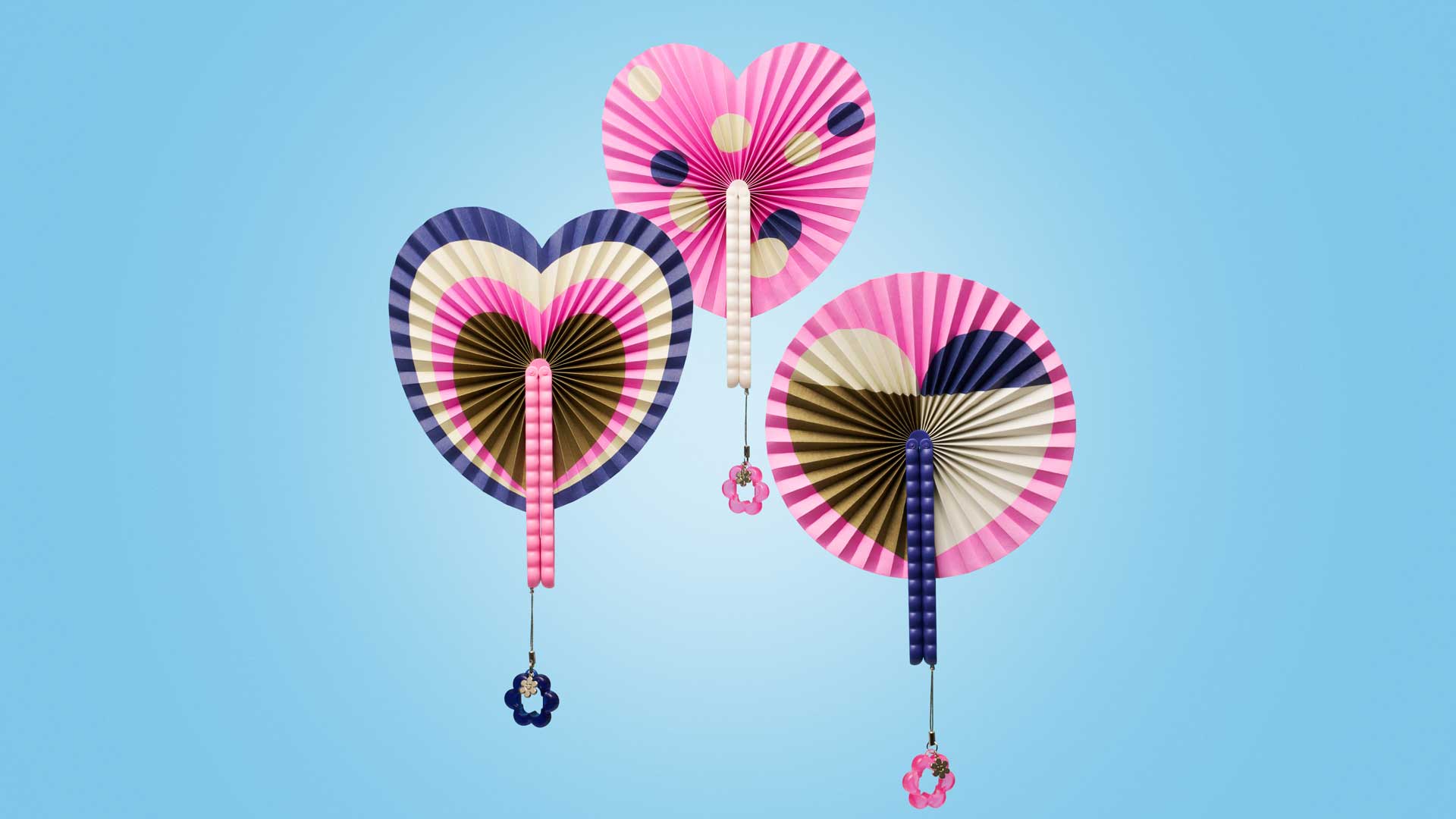
< Blossom Fan, with graphic studio mohs >
Numerous large, Western-centric design agencies operate within the global market. Compared to these Western counterparts, what do you perceive as the distinct differentiators or inherent strengths unique to Asian-based design studios and agencies?
As is widely recognized, today’s global industry is increasingly shaped by two major centers of influence, the United States and China, and I believe this trend will only become more pronounced in the years ahead. Operating from China, I have witnessed firsthand the extraordinary speed of the country’s industrial and design development, as well as the remarkable scale of change within its market. Large Western design agencies draw their strength from decades of experience, well established methodologies, and extensive global networks. By comparison, Asian design studios and agencies, including those in South Korea and China, have grown within rapidly changing markets, giving them a distinct advantage in speed, flexibility, and adaptability.
In the Asian market, consumer behavior, trends, technology, and distribution channels evolve at an exceptional pace. As a result, designers cannot afford to wait for ideal conditions. Instead, they must quickly set priorities, make decisions with limited time and resources, and deliver meaningful results. Even while a project is in progress, they must continuously interpret market changes and adjust both strategy and design direction whenever necessary. I believe this environment has naturally cultivated strong execution skills and an exceptional ability to adapt among Asian designers. Furthermore, Asian agencies often deliver projects by bringing together strategy, design, manufacturing, distribution, and digital content into a unified process. Rather than strictly separating responsibilities, they are skilled at understanding multiple disciplines and integrating them according to the needs of each project. This integrated approach becomes especially valuable when rapid market entry or continuous refinement is essential.
The ability to make quick decisions, respond rapidly, and change direction with confidence has become one of the defining strengths of Asian design today. While the established systems and accumulated expertise of Western agencies remain invaluable, Asia’s greatest advantage lies in its ability to understand a constantly changing market and turn those insights into real results with remarkable speed. I believe this combination of speed and flexibility is one of the most practical and powerful strengths that Asian designers and agencies can offer on the global stage.
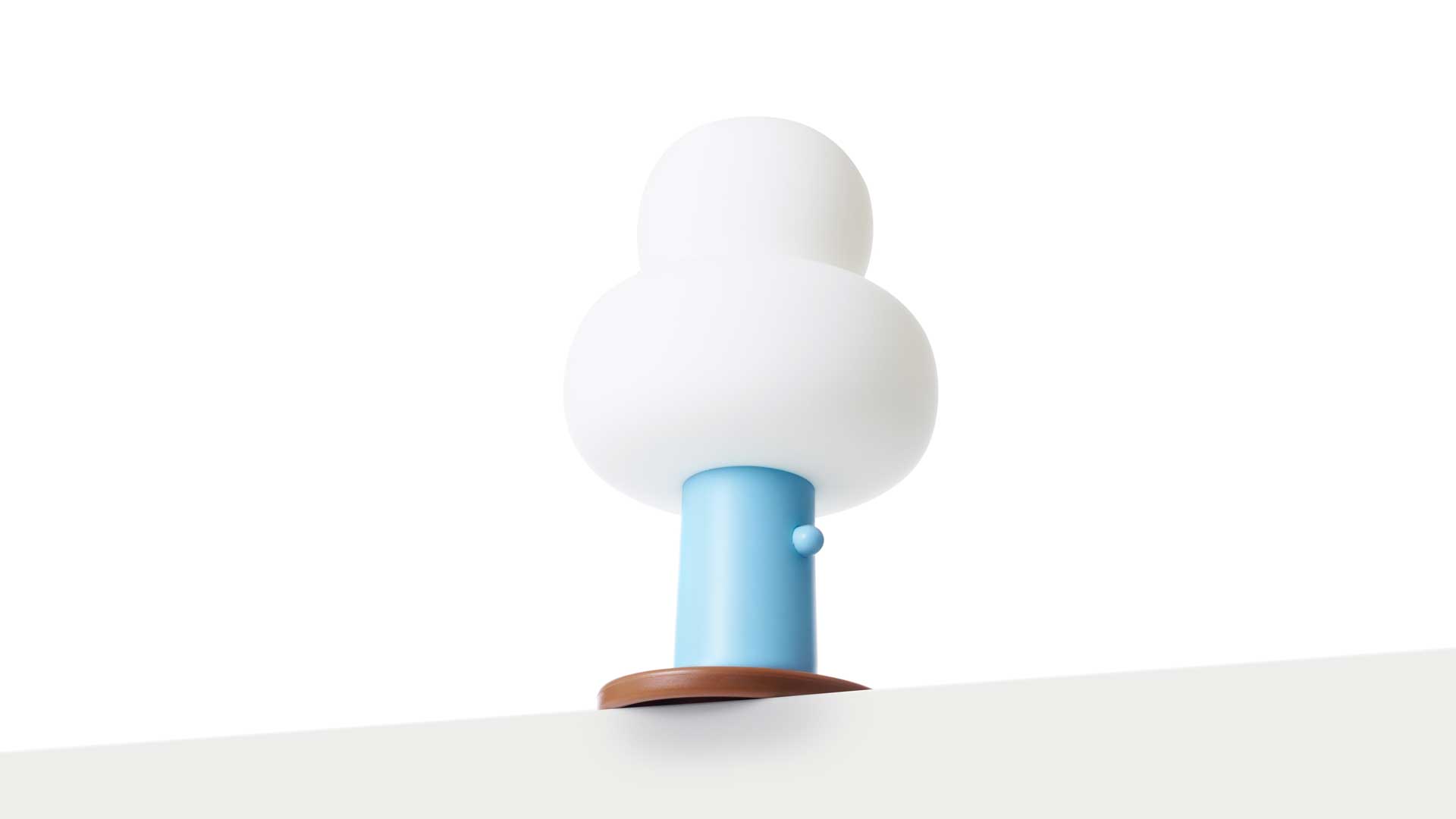
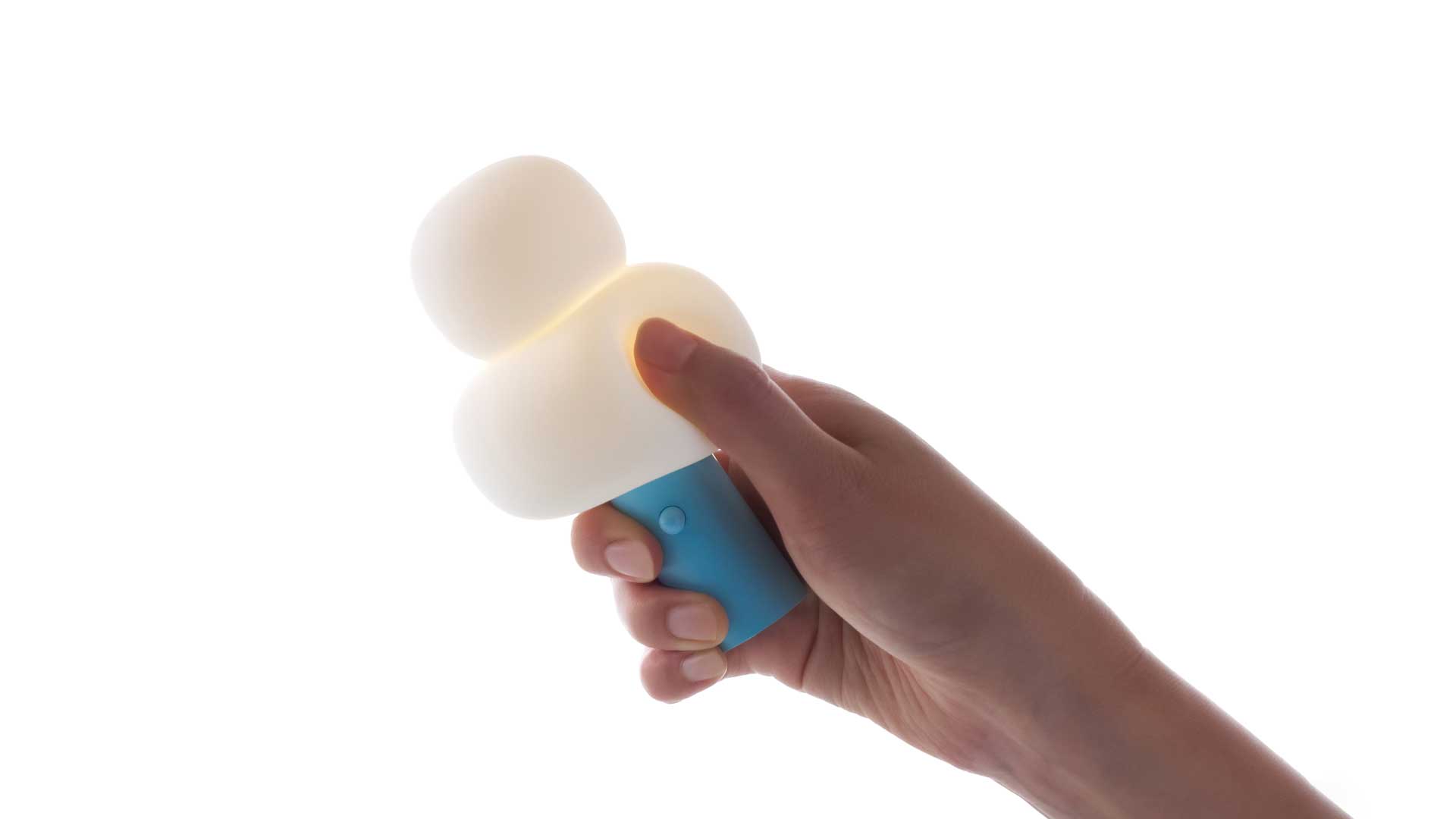
< Light Forest, ASIA DESIGN PRIZE 2026 Winner >
In a broader context, what do you consider to be the unique identity of 'Asian Design,' or the distinct value it embodies that can be universally acknowledged in the global market?
I believe it is becoming increasingly difficult to draw clear distinctions between Asian designers and designers from other parts of the world. Within global companies, designers from many different countries work together as one team, and design outcomes are increasingly shaped by project goals and market needs rather than by geographical background. For that reason, it is difficult to define Asian design as a single, unified style.
However, it is undeniable that Northeast Asia has experienced one of the fastest periods of industrial growth in recent decades and remains one of the world’s most dynamic regions today. Within this environment, I believe designers in Korea and China have naturally developed the ability to respond quickly to change and consistently deliver high quality results under demanding deadlines. The speed with which new technologies and consumer trends are adopted and transformed into design solutions has become one of the defining strengths of Asian design.
Japan, however, offers a somewhat different perspective. Rather than emphasizing speed alone, it has cultivated a deep appreciation for aesthetics, craftsmanship, and meticulous attention to detail over many generations. Even within Asia, design approaches vary significantly according to each country’s industrial structure and cultural heritage. Ultimately, I believe the defining characteristic of contemporary Asian design is not a single visual style, but its ability to adapt continuously and create new value in response to rapid industrial and technological change. I believe this combination of adaptability, execution, and responsiveness will continue to be one of the greatest competitive strengths that Asian designers bring to the global stage.
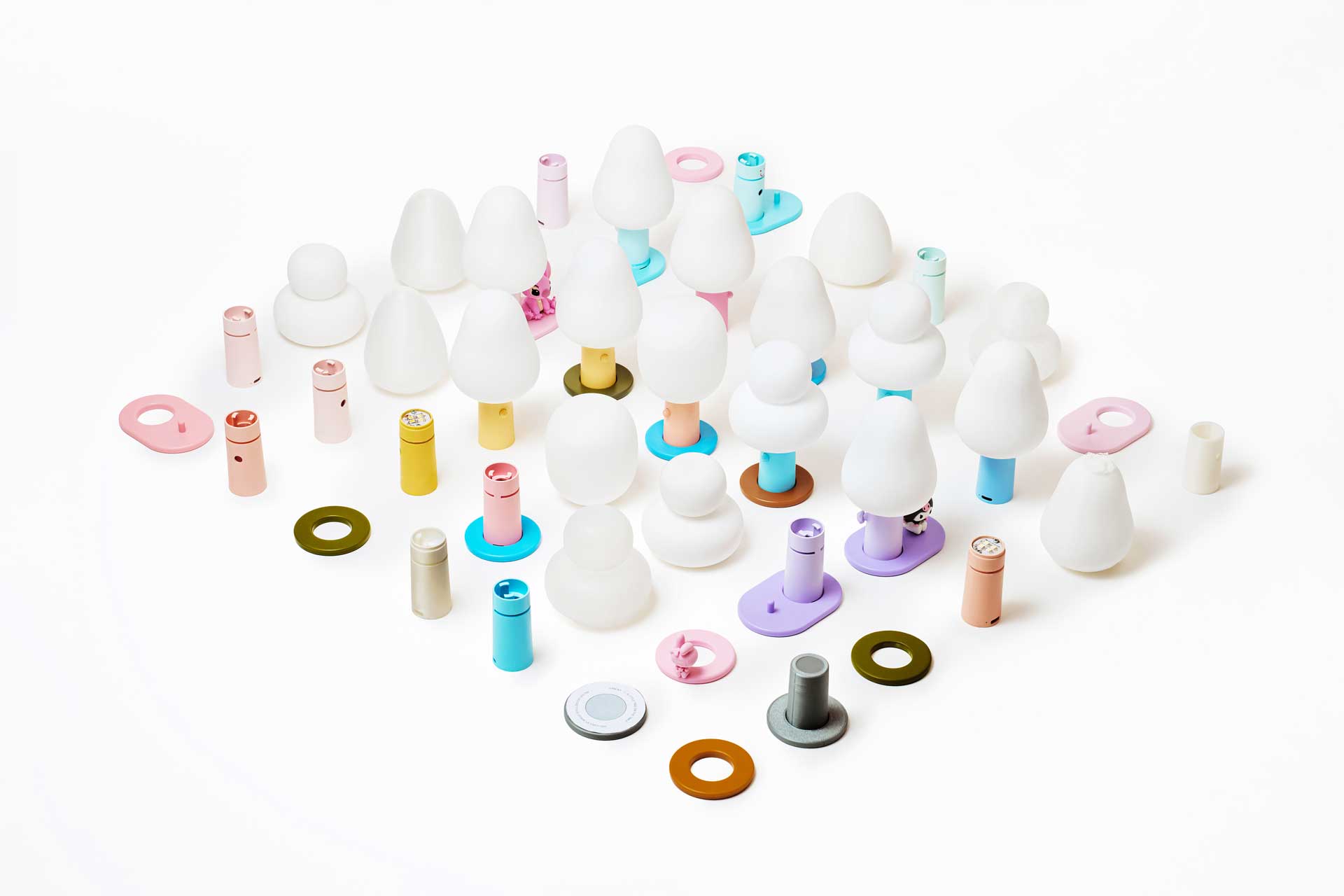
< Light Forest, ASIA DESIGN PRIZE 2026 Winner >
As a leader of a global brand, what distinctions do you observe in how consumers in the West and Asia consume and perceive design? Additionally, are there noticeable differences in the expectations or methodologies that clients from these respective regions demand from designers?
The strongest trend I have observed among consumers recently is their growing focus on value for money. This shift is evident across both Eastern and Western markets, where consumers carefully evaluate whether the satisfaction they receive justifies the price they pay. However, value for money is not simply about choosing the lowest priced option. Consumers are willing to pay premium prices when a product delivers experiences and value that clearly exceed its cost. Ultimately, the deciding factor is not the price itself, but the level of satisfaction and meaningful experience it provides.
Working for a retail brand allows me to observe this shift firsthand, and it has become one of the most important considerations whenever I develop a new design concept. Every element, from the product’s form and graphics to its packaging, user experience, and overall brand story, shapes how customers perceive its value. At the same time, I believe there are still some subtle differences between Western and Asian markets. Western consumers often place greater importance on designs that express individuality while reflecting a brand’s philosophy and story. Asian consumers, on the other hand, tend to place greater emphasis on current trends, brand credibility, and the overall quality and usability of a design. That said, these differences are gradually becoming less distinct. Ultimately, consumers in both regions are looking for brands that deliver meaningful experiences and a level of satisfaction that justifies the price.
From a B2B perspective, clients are approaching design far more strategically than they did in the past. Rather than simply seeking visually appealing results, they increasingly expect design to contribute directly to business performance and long term brand value. As a result, the role of designers has expanded beyond creating visual expressions. Today, designers are expected to help define a brand’s core identity and shape the entire customer experience.
How does your experience directing the design center of a ubiquitous, global retail brand interact with or inspire your approach when crafting highly philosophical and aesthetic objects like mosery?
Fortunately, the sales volume of MINISO products is enormous. Knowing that products I have helped develop reach millions of consumers around the world is an incredibly rewarding experience as a designer. Behind that scale, however, there are countless decisions and compromises shaped by the realities of the market. In commercial design, where broad appeal and rapid market entry are essential, designers must constantly balance practical constraints with business objectives and make thoughtful decisions that keep a project moving forward. I have always believed that being too rigid can ultimately prevent a commercial project from succeeding.
By contrast, when I work on brands that emphasize craftsmanship, refined aesthetics, and a strong personal vision, such as Mosery, my own design decisions carry much greater weight from the earliest stages of concept development. Whenever I work on these projects, I consciously set aside the commercial mindset I use at MINISO. I try to keep these two approaches distinct so that each brand can remain true to its own purpose and identity.
In reality, I believe every designer hopes to master both worlds. The ability to create products with broad commercial appeal while also expressing a deeply personal design philosophy is something I continue to pursue. The ideal outcome is to bring these two strengths together in a meaningful way. I often compare it to a musician who creates an album that includes both songs loved by a wide audience and pieces that express a deeply personal artistic vision.
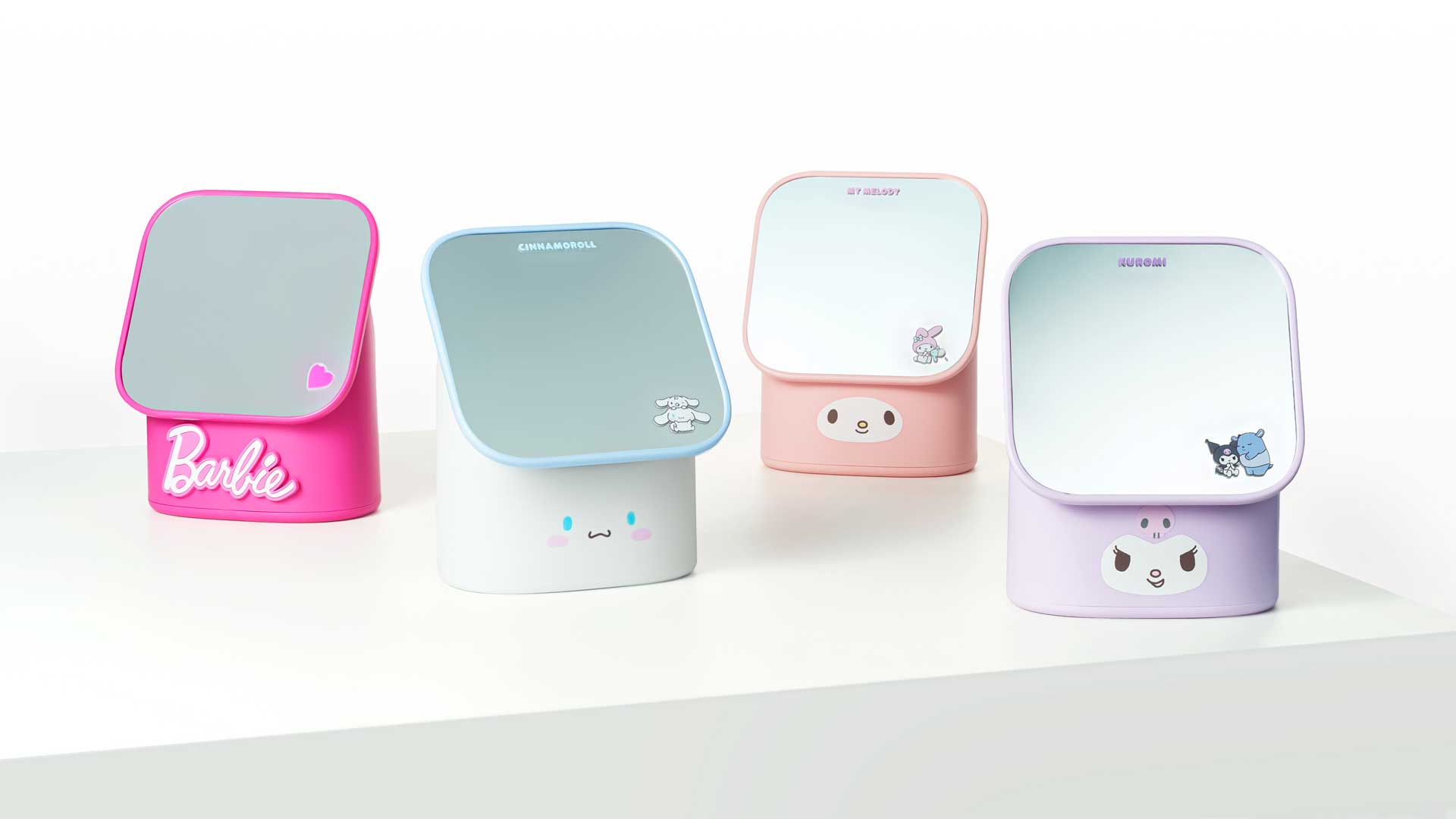
< Flip Mirror, ASIA DESIGN PRIZE 2026 Gold Winner >
Finally, is there a new product category or discipline you aspire to explore as a designer moving forward? Or, is there a definitive 'design legacy' you wish to impart to the public and the industry over the long term?
Recently, I have developed a strong interest in character based intellectual property and original character brands. As a result, I am seriously considering expanding into the world of art toys.
When it comes to the legacy I hope to leave as a designer, I do not think there is a single answer. However, I believe the ultimate purpose of design is to create products that resonate with people and, in small but meaningful ways, improve their everyday lives. If I could create a product that sells more than 100 million units and becomes something people instantly associate with MINISO and the design team behind it, I would consider that my greatest achievement as a designer. More than sales alone, I hope to leave behind products that people remember, enjoy, and continue to connect with over time. For me, that would be the most meaningful and enduring legacy.

















#14057, 905 49, Beolmal-ro 102beon-gil,
Dongan-gu, Anyang-si, Gyeonggi-do, Korea
Business Registration Number: 454-86-01044
Online Sales License No.: 2021-Anyang Dongan-1081
Copyright © DESIGNSORI Co., Ltd.