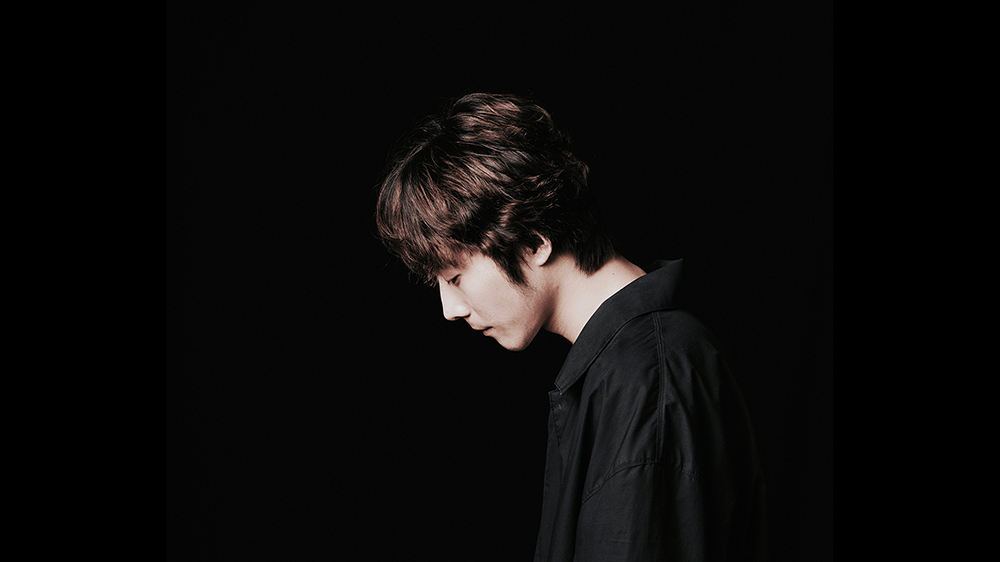
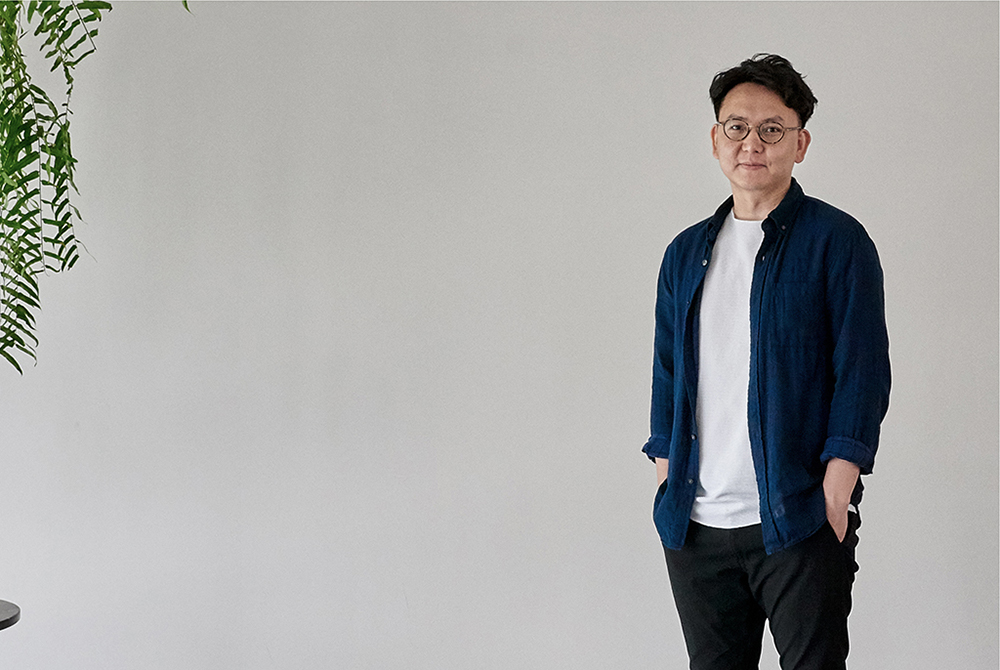
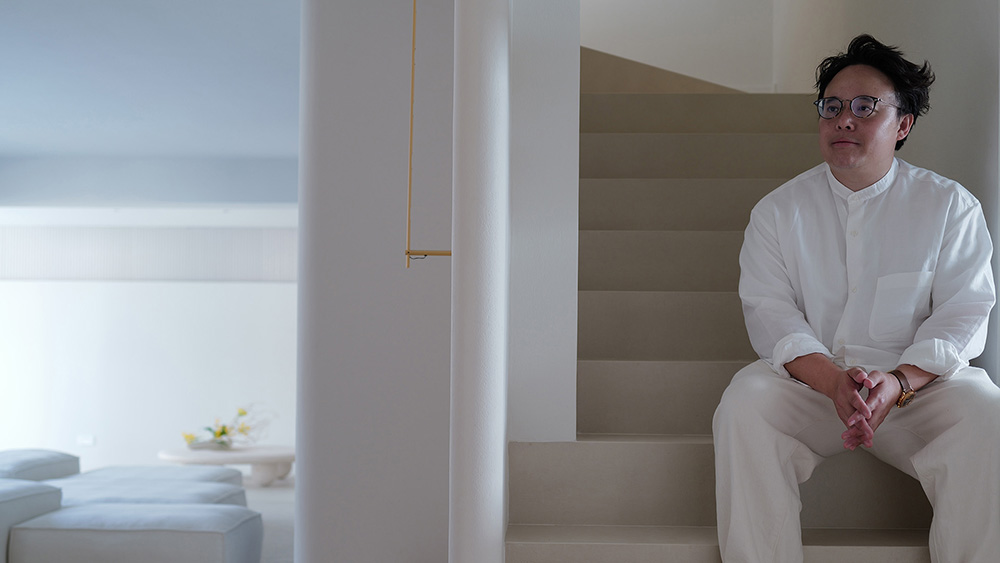
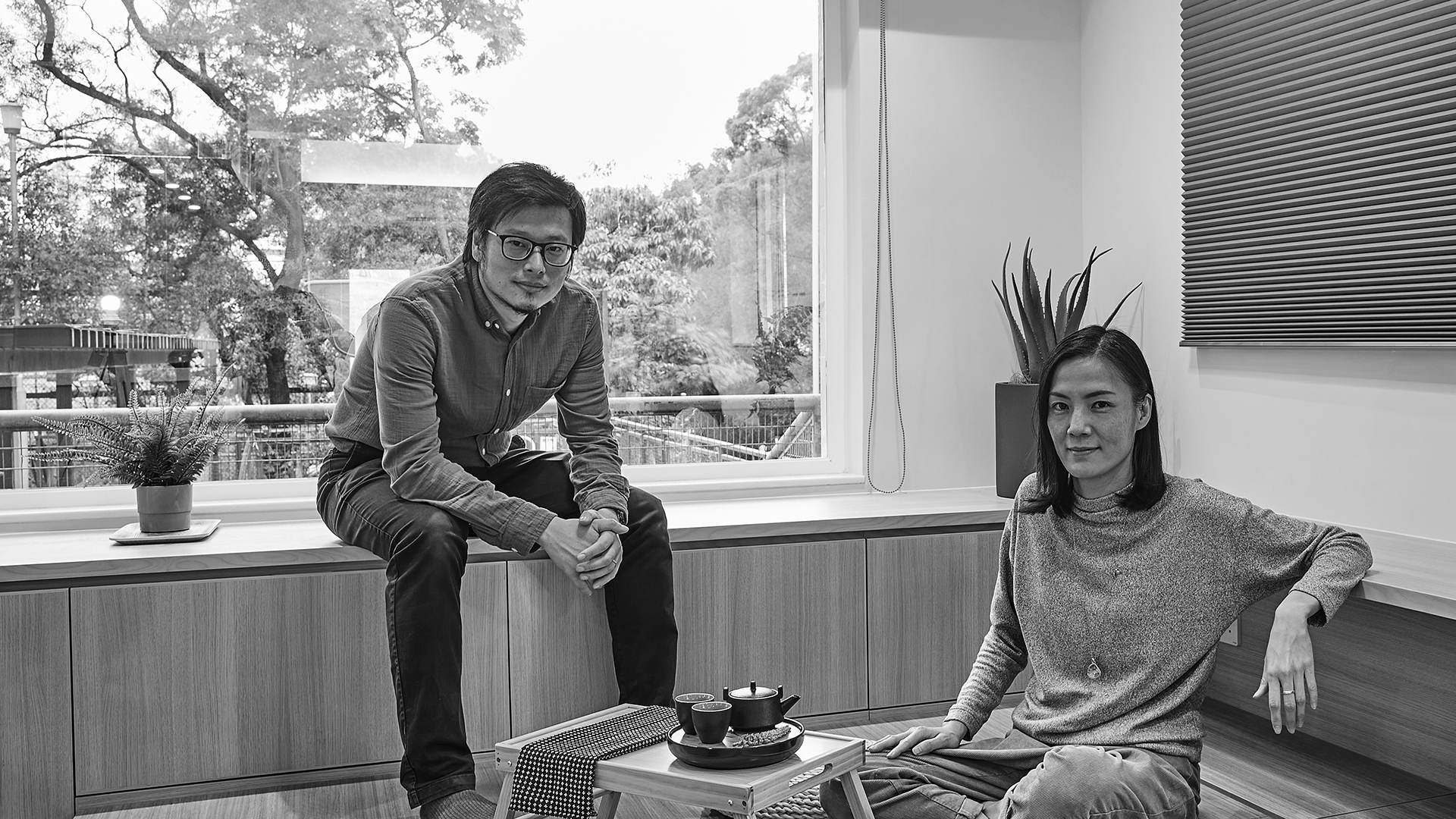
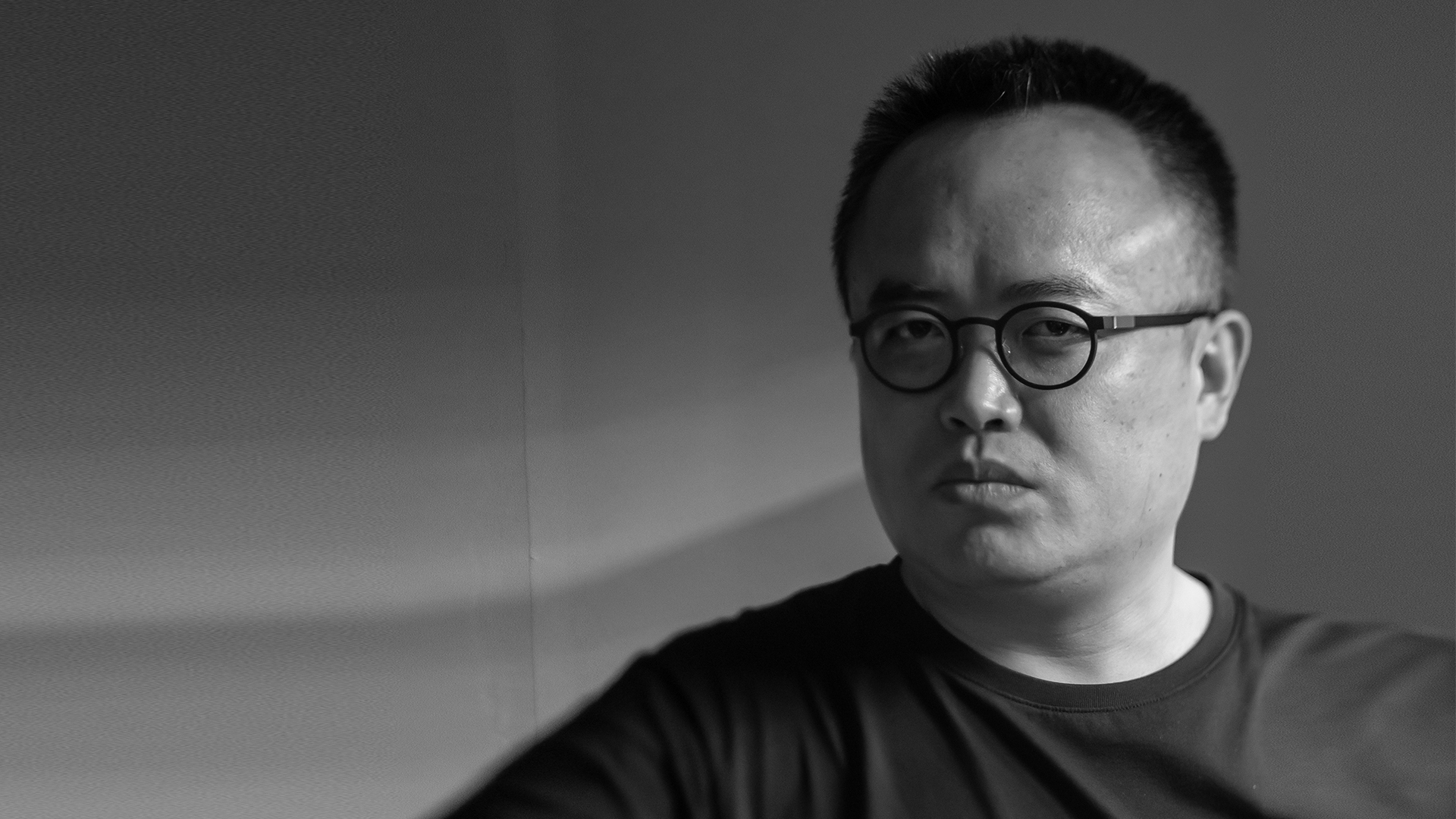
I’m Fan Shixun, founder and principal designer of SimpleLine Studio. SimpleLine Studio was founded in 2017 and has been active across a wide range of fields including small home renovations, villas, commercial spaces, and product design. Our studio provides integrated solutions covering design, construction, materials, and product development. Our work has been featured in various domestic and international online and print media. We prioritize the user's needs while harmoniously integrating architectural structures with their surrounding environments. Through this approach, we aim to propose new, human-centered values of living to our clients.
Could you introduce some of SimpleLine Studio’s signature projects?
Studio SH:
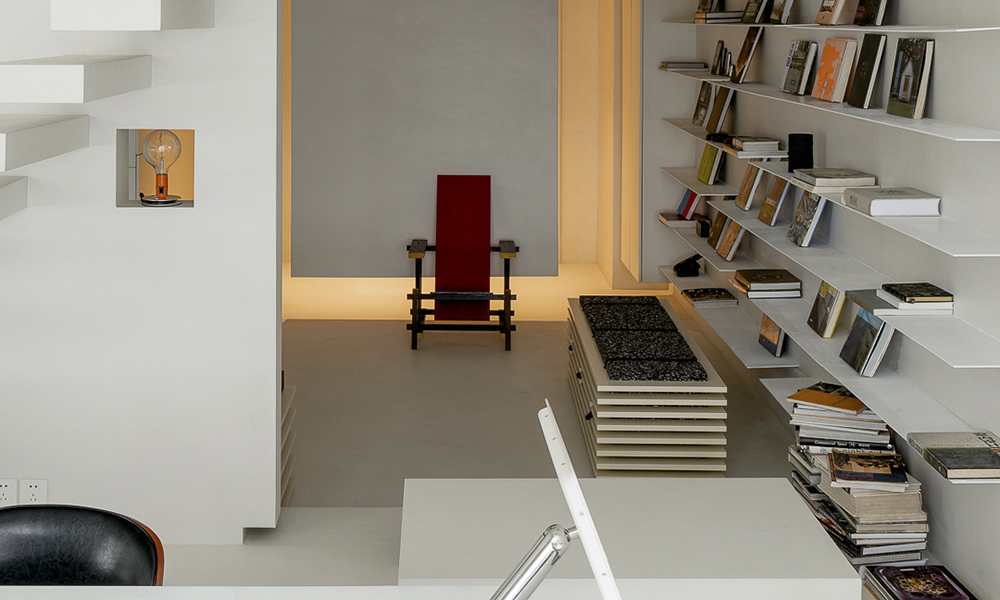
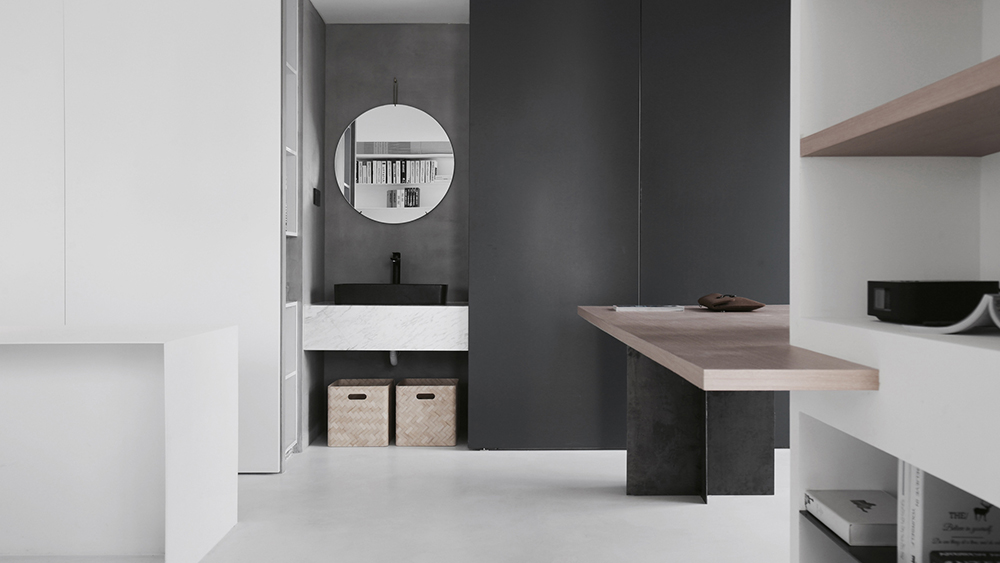
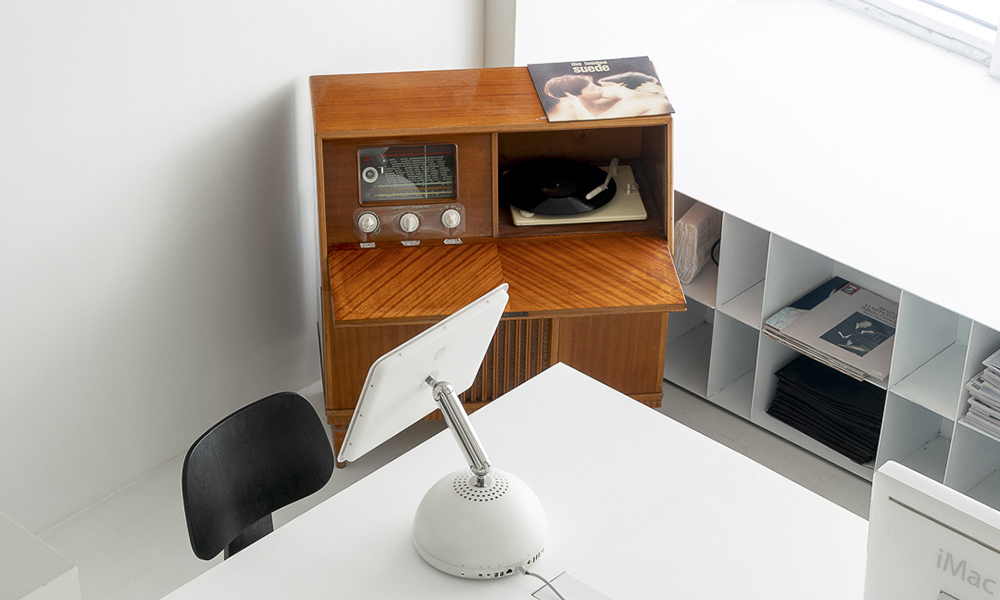
This project is the Shanghai office of SimpleLine Studio and embodies our design philosophy that "form follows function." The design maintains a pure and minimalist aesthetic. Two elongated individual spaces were integrated into a single square volume, and a new architectural structure was created—including the inner entrance, staircase, mezzanine, and roof. This project reflects the golden era of 20th-century architecture and product design.
Urban Island:
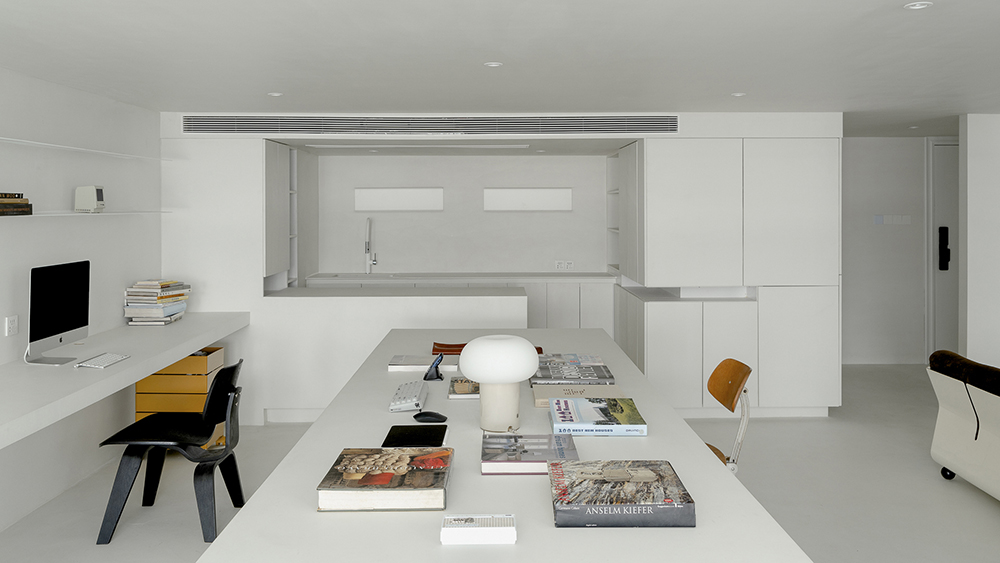
Completed in 2018, this residential project involved removing all interior walls and completely reconfiguring the internal layout. Core functions were placed along the perimeter, while the center of the space was designed as an island featuring a dining table and guest area. This layout created a "spatial island" effect. The project was one of our studio’s early experimental designs, incorporating materials like exposed steel plates, polyurethane flooring, and concrete waterproof coatings.
What was the most challenging aspect of the projects you've worked on, and how did those challenges reflect your design values?
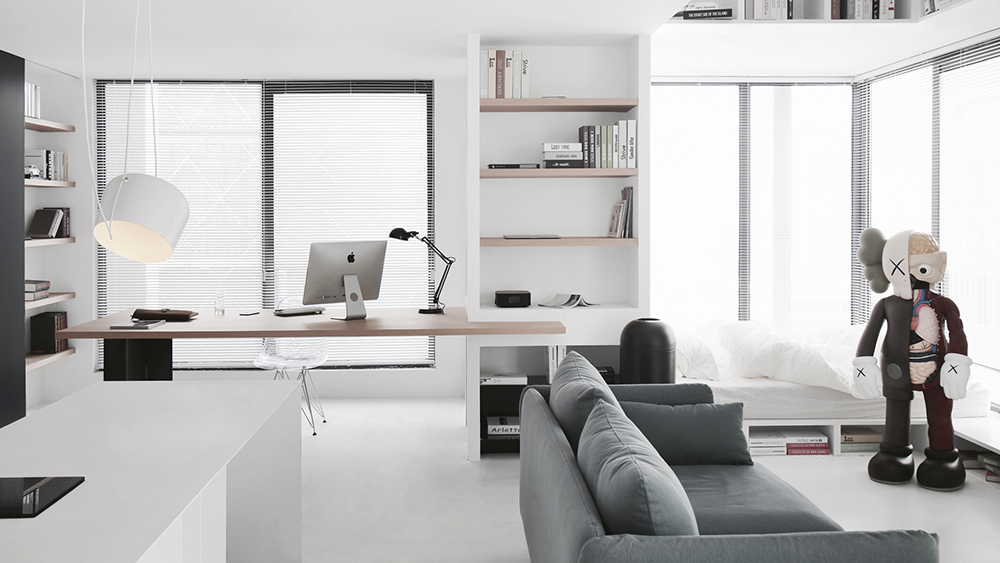
The most challenging aspects were project scheduling and budget management. Particularly in projects with tight timelines and limited budgets, there were many hurdles to overcome. However, we addressed these challenges through systematic planning, resource allocation, and close collaboration. By setting meticulous schedules for each construction phase, we minimized delays and aimed to achieve the best possible outcome within budget constraints. At the same time, we remained committed to our core design values. Even under constrained conditions, we focused on maximizing both functionality and aesthetics. Rather than relying on decorative elements, we emphasized how the space would actually be used. We aimed to create designs that are visually clean and pure, utilizing simplified materials. This approach underscores that our design is not only visually appealing but also functionally thoughtful and deeply connected to how people live and use the space.
What communication strategies do you use with clients to address and resolve issues?
For example, in the event of a schedule delay, it is important to clearly explain the reason and offer a sincere apology to the client. To prevent such situations, we’ve implemented a comprehensive scheduling system from the very beginning of the project. We share a detailed timeline with the client early on—covering everything from site inspection to drafting—and provide a construction schedule before the project begins. This proactive approach helps minimize unexpected delays. One key principle in client communication is to never promise that “nothing will go wrong.” Instead, we make it clear from the outset that problems may arise during the process, and what matters is our ability to quickly identify the root cause and provide effective solutions. This honest and transparent communication builds trust and reassures our clients. When precise scheduling and clear communication work hand in hand, issue resolution becomes significantly smoother.
Are there any recent design trends, technologies, or key issues that have caught your attention? How is your studio responding to changes in the market and evolving trends?
One major design focus for us recently has been expanding the inclusivity and flexibility of space. By simplifying the fundamental architectural structure, we allow furniture and products to integrate naturally into the environment. This approach enhances both the functionality and adaptability of the space. While we consistently stay updated on current design trends, our priority is not simply to follow what’s popular. Instead, we refine our use of materials, colors, and structural strategies in response to evolving trends—while remaining true to our core design philosophy. This enables us to stay relevant to the times while offering unique, differentiated designs that go beyond mainstream choices.
What goals do you hope to achieve as a designer in the future?
Maintaining a sense of novelty is my core professional belief, and I strive to achieve it every year. Moving forward, I plan to expand into the field of single-family residential architecture. I hope to further highlight our design language and identity across multiple disciplines—from architecture and landscaping to interior design. I also aim to continue experimenting with the harmonious integration of products and spaces, and will be taking on new challenges in furniture design as well. Ultimately, I want every project we undertake to be both innovative and practical.













#14057, 905 49, Beolmal-ro 102beon-gil,
Dongan-gu, Anyang-si, Gyeonggi-do, Korea
Business Registration Number: 454-86-01044
Online Sales License No.: 2021-Anyang Dongan-1081
Copyright © DESIGNSORI Co., Ltd.