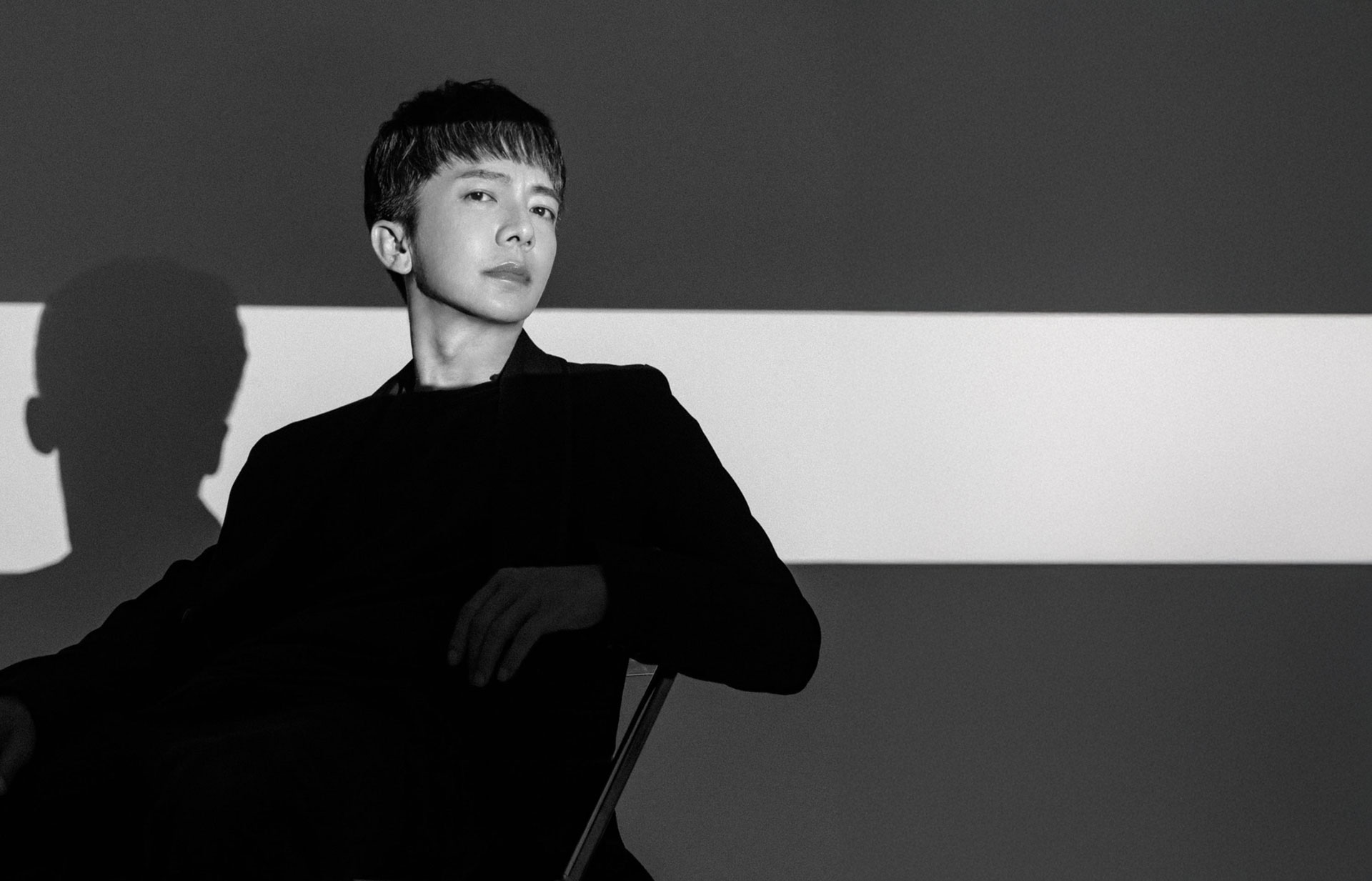
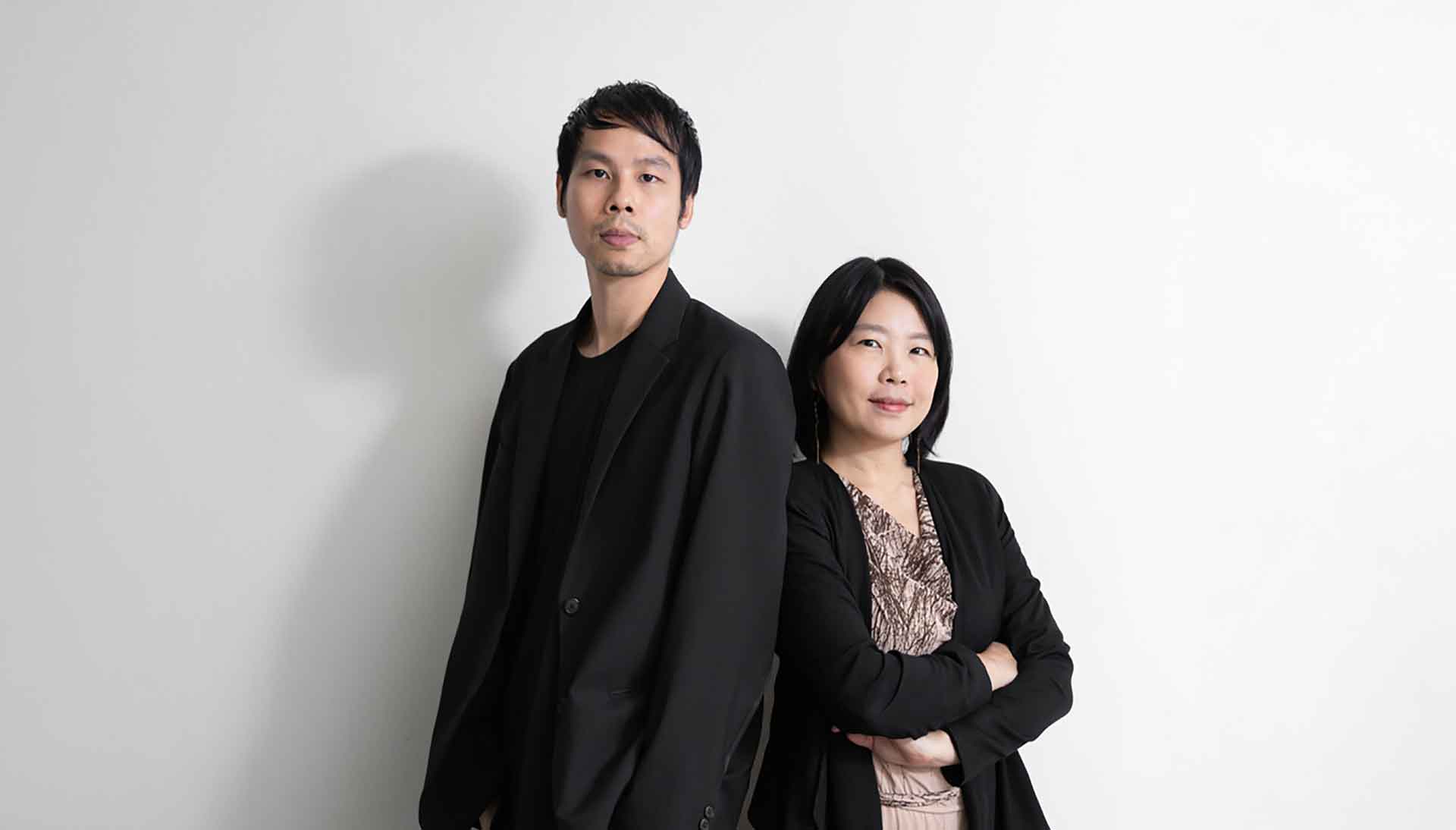
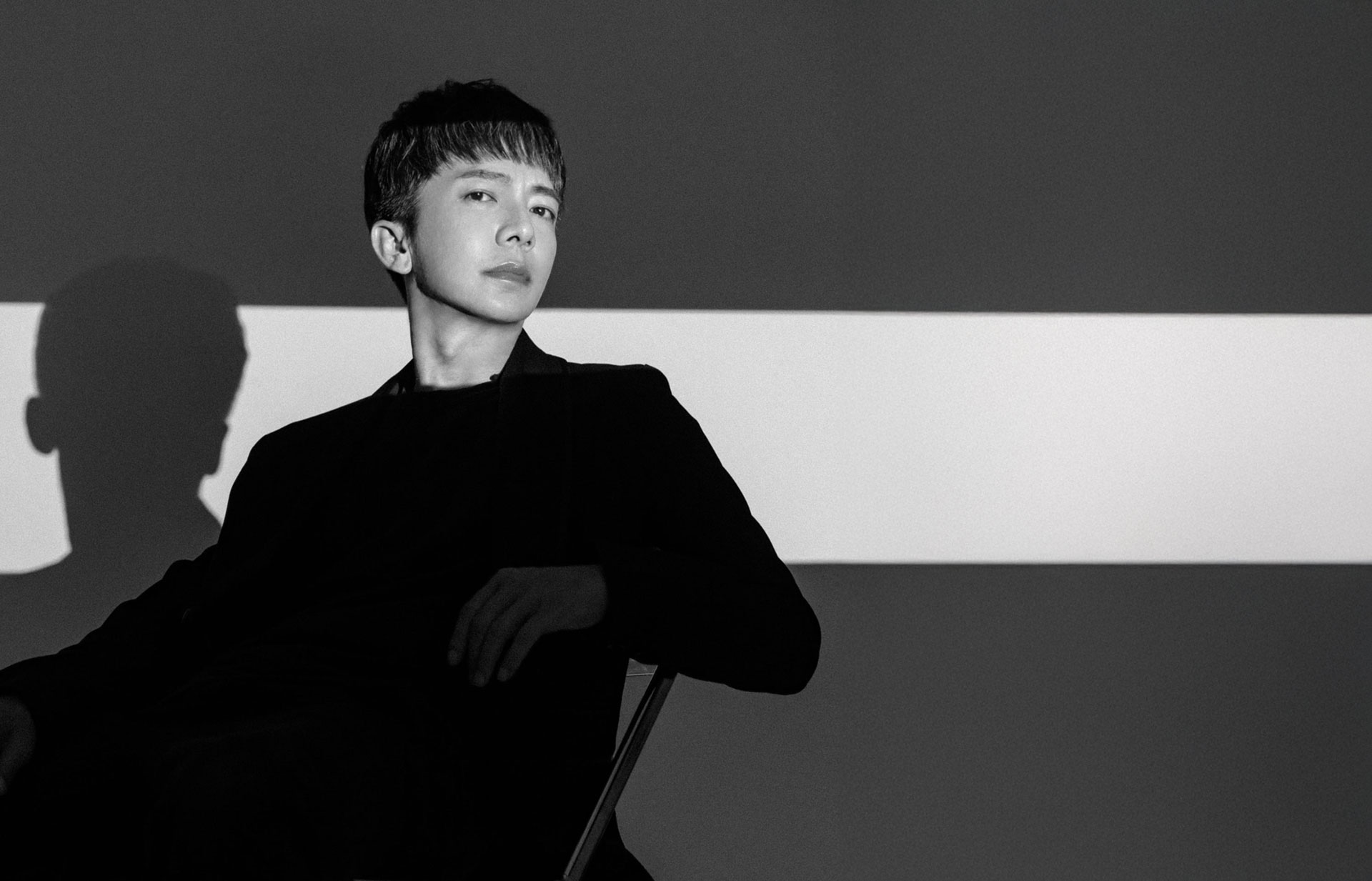
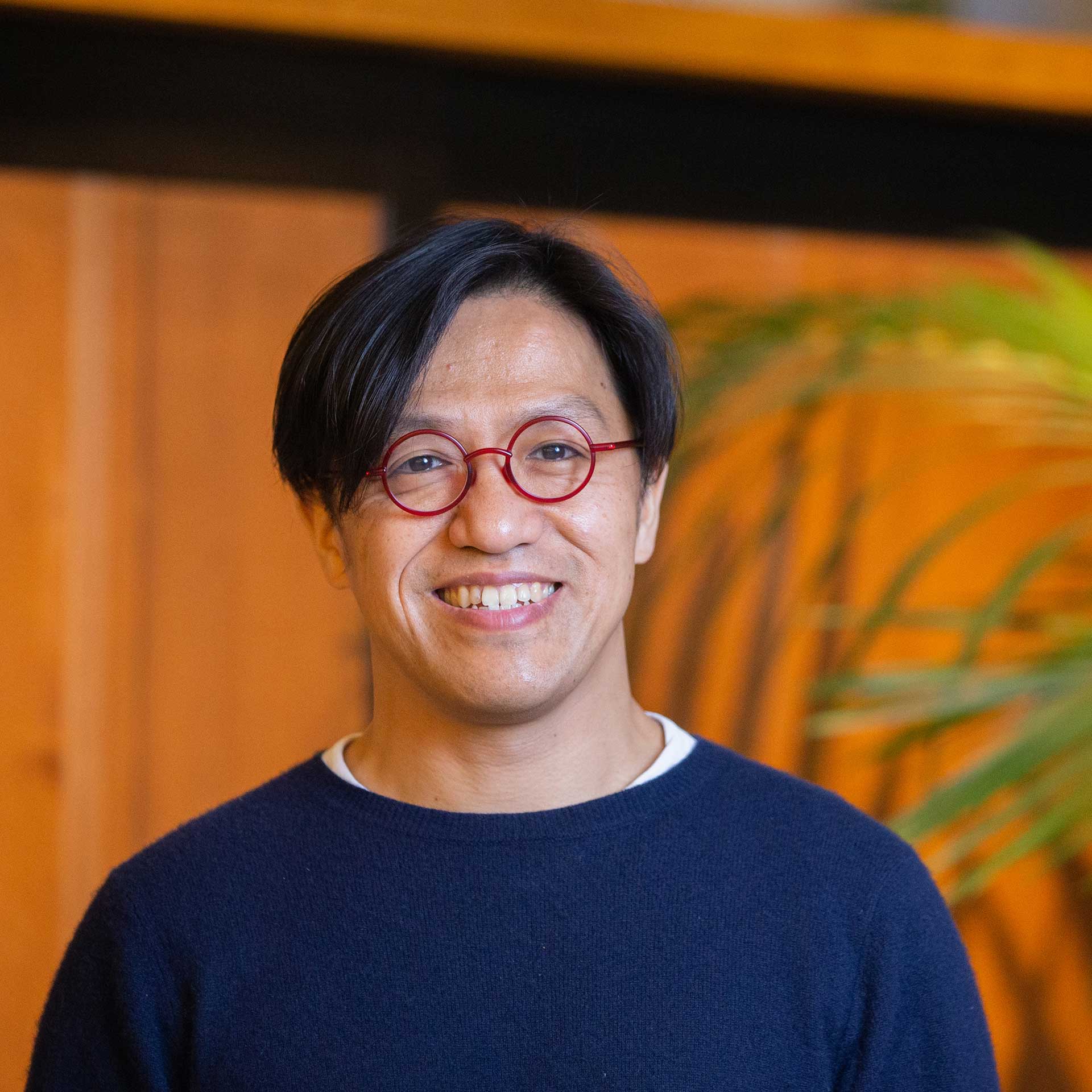
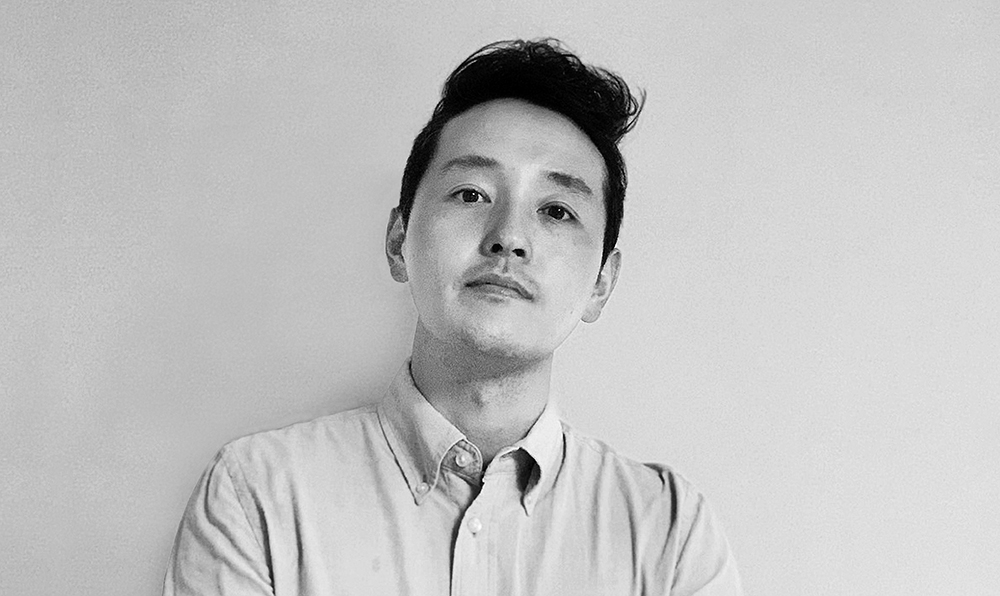
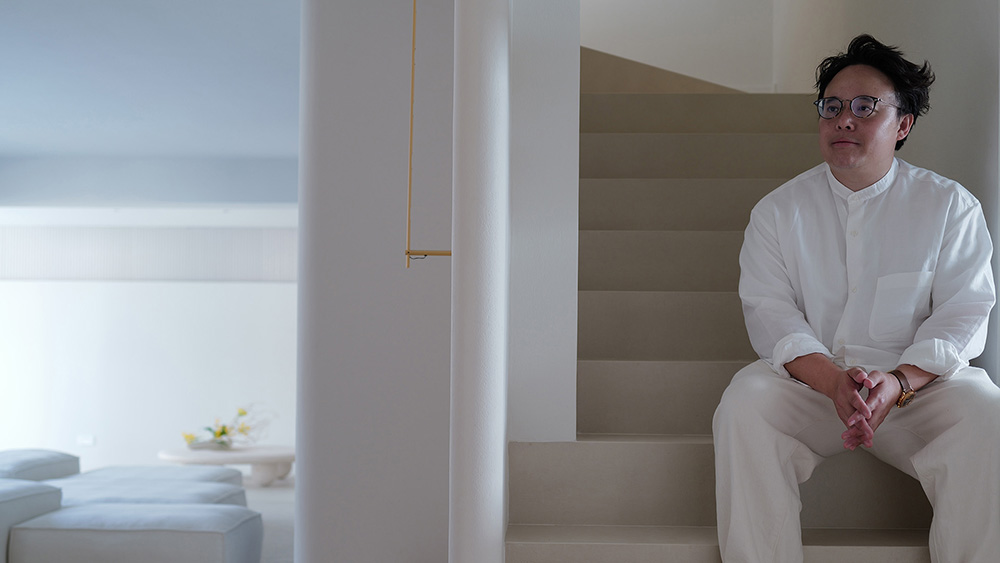
Director Huang Cheng Hsuan Founder of T M Design Studio Corp.
“Director Huang Cheng-Hsuan presents space as a medium that carries human emotions and everyday life, clearly reflecting T M Design Studio’s people-centered philosophy. He explains that the uniqueness of Taiwanese design emerges from its multicultural background, harmony with nature, and balance between tradition and modernity—elements that he deeply incorporates into his projects. He also emphasizes that Asian design holds distinct global value through its restraint, balance, and cultural depth. His approach to harmonizing functionality and atmosphere enables users to form sensory and emotional connections within the spaces he creates. Finally, he advises the next generation of designers to prioritize sustainability, cultivate a spirit of experimentation, and develop their own authentic design language.”
To begin, could you briefly introduce T M Design Studio and share the core philosophy that drives your work in spatial design?
We uphold a "people-centric" design philosophy, deeply exploring every detail of a space. From circulation planning to material selection, we always prioritize the user's lifestyle and emotional needs. Through innovative thinking and exquisite craftsmanship, we seamlessly blend personalized qualities with practical functionality, creating living spaces filled with beauty, warmth, and personal memories. We believe that design is not just about shaping space, but also about embracing emotions and extending daily life.
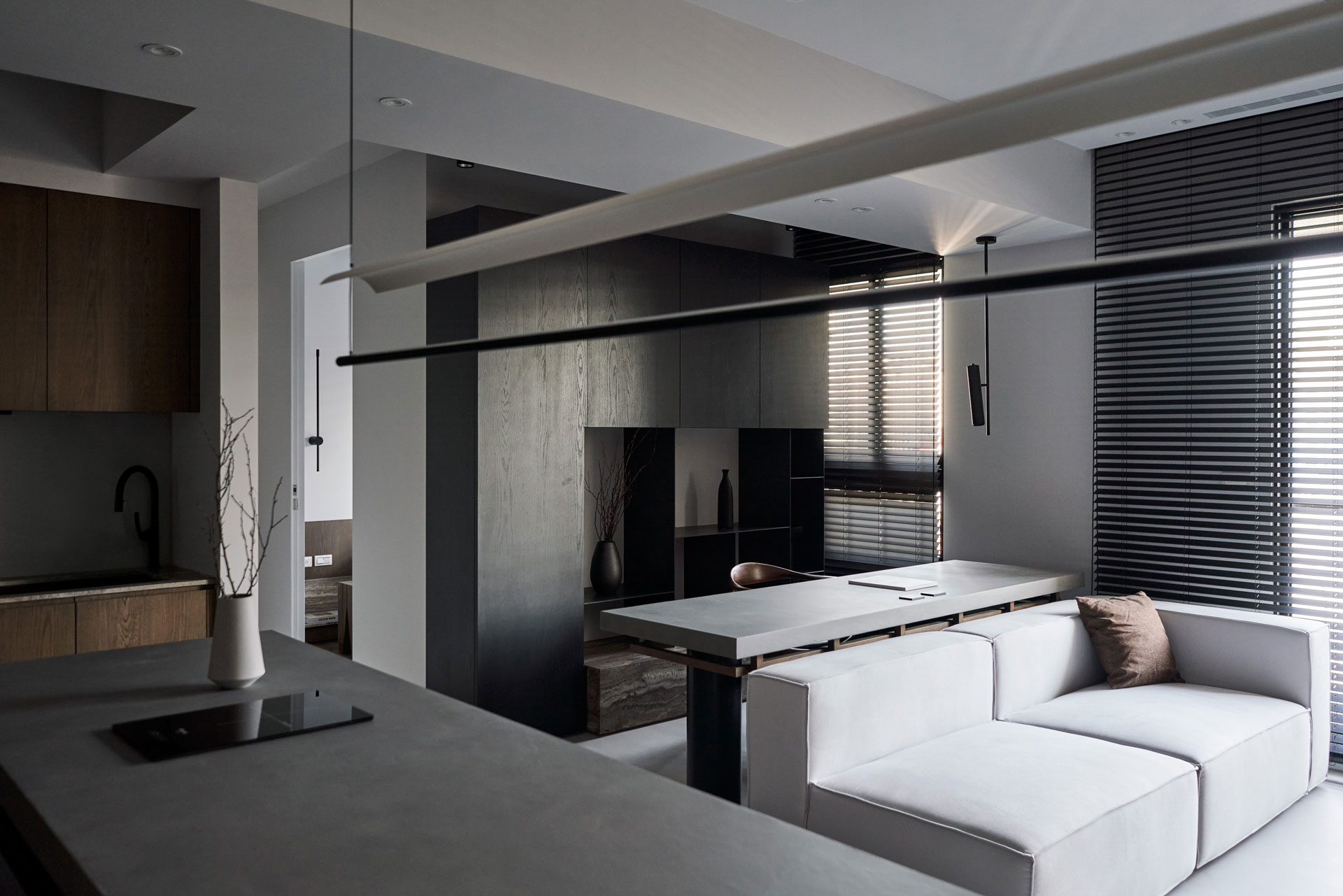
As a studio based in Taiwan, what do you see as the distinctive characteristics of spatial design in Taiwan?
Taiwan's spatial design characteristics are reflected in its diverse cultural integration, the balance between functionality and aesthetics, environmental protection and sustainability, spatial flexibility, community orientation, and the application of modern technology. Firstly, Taiwanese design is influenced by Chinese culture, indigenous culture, and Western modern design, forming a unique design language that emphasizes the values of local culture. Secondly, design focuses on user needs, emphasizing functionality and comfort while pursuing aesthetics, using a simple yet detailed style to create a harmonious visual effect.
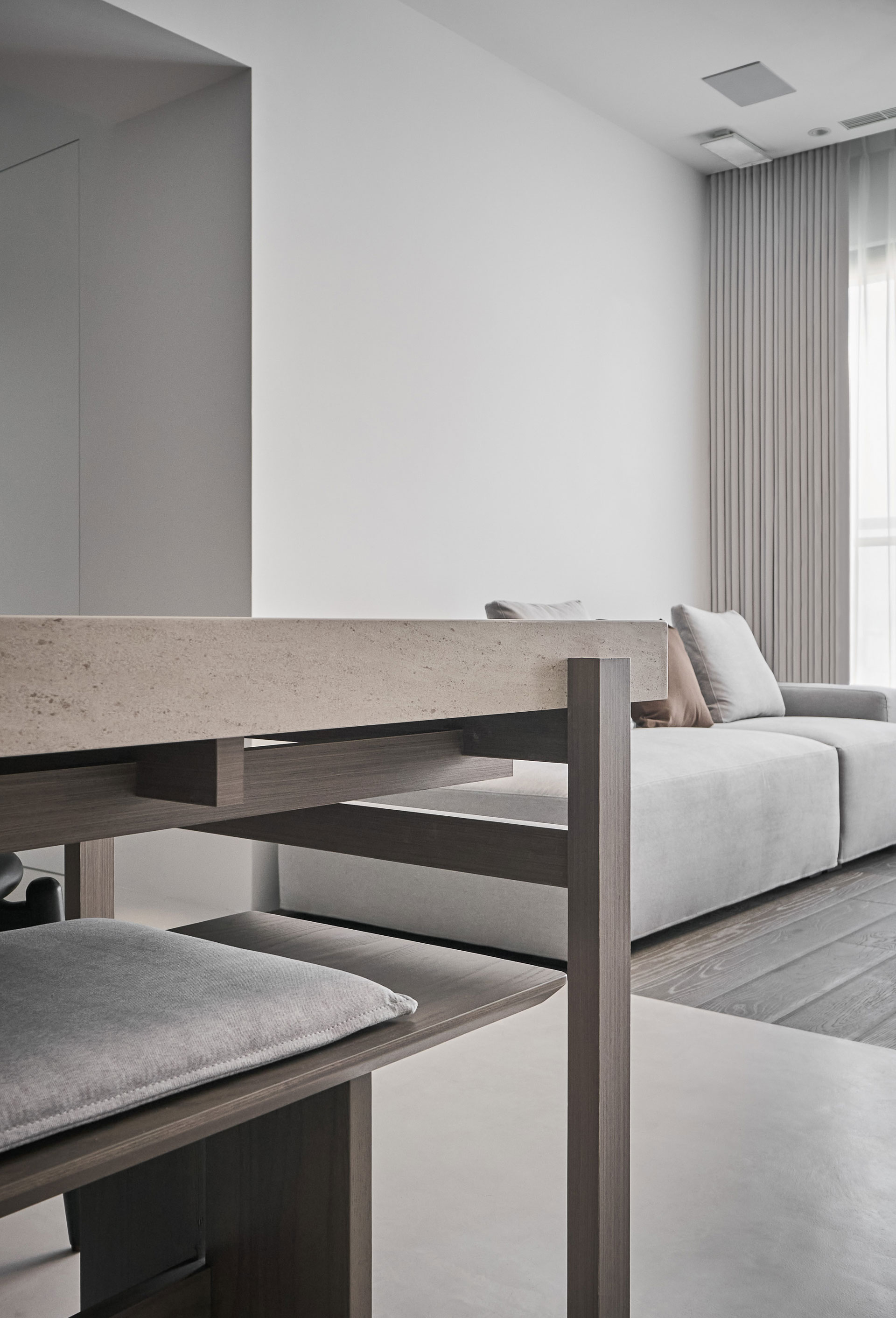
Spatial design is often about connecting people with their environment. How do you interpret this relationship, and what is your own design philosophy in creating spaces that mediate between user and environment?
In spatial design, the connection between people and their environment is a profound and multidimensional relationship. This relationship encompasses not only the physical layout of space but also emotional, cultural, and social interactions. I believe design should foster interaction between users and their environment, making space a vehicle for emotions and experiences. My design philosophy focuses on multisensory experiences, emphasizing that design should stimulate responses across multiple senses, including sight, hearing, and touch, to enhance the user's perception of space. Cultural and social context are also crucial considerations in my designs. Designs must take into account the user's cultural and social background to make spaces feel more local and accessible. Emotional connection plays a crucial role in the spatial experience. I believe design should consider how to resonate emotionally, making users feel safe, comfortable, and enjoyable. Furthermore, spatial design is a dynamic process. As user needs evolve, I continually evaluate and adapt my designs to ensure they are adaptable to different scenarios. In short, my design philosophy is to create spaces that foster deep connections between people and their environment, allowing each user to find their own place and meaning within them.
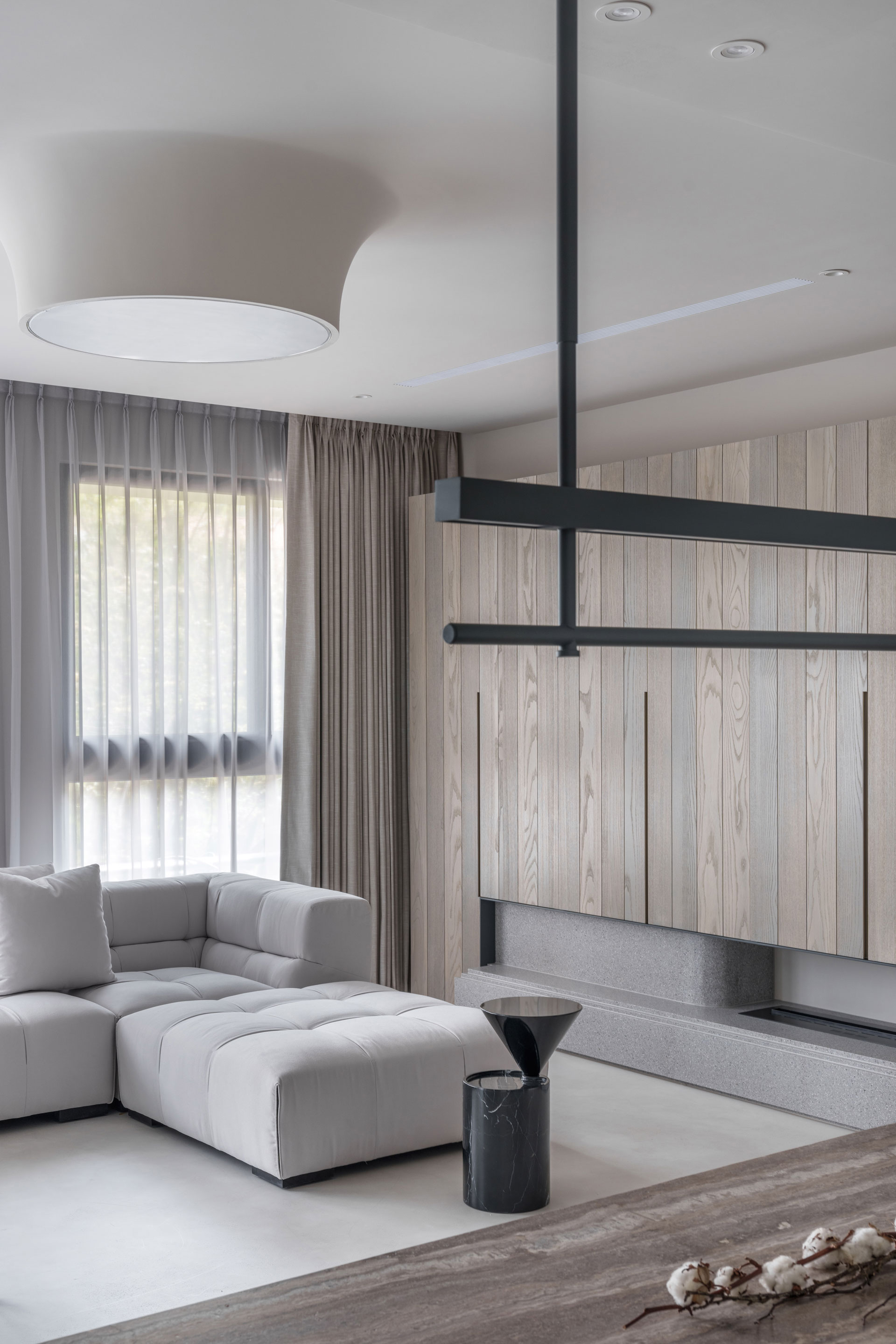
In your opinion, what design elements or cultural influences make Taiwanese design unique? How do these elements appear in your own projects?
The unique elements and cultural influences of Taiwanese design are primarily reflected in its integration of local culture, respect for the natural environment, interaction with society and the community, dialogue between modernity and tradition, and sustainability and environmental protection. In my projects, I will utilize local crafts and traditional techniques to enhance the cultural depth of the space. I will also consider the introduction of natural light and the placement of greenery to create a comfortable environment that promotes physical and mental well-being. Furthermore, I will design open public areas to promote interaction and strengthen community cohesion. I will combine modern design concepts with traditional elements to create spaces with a contemporary feel, and I will select environmentally friendly materials to achieve sustainability. These elements together constitute the unique charm of Taiwanese design.
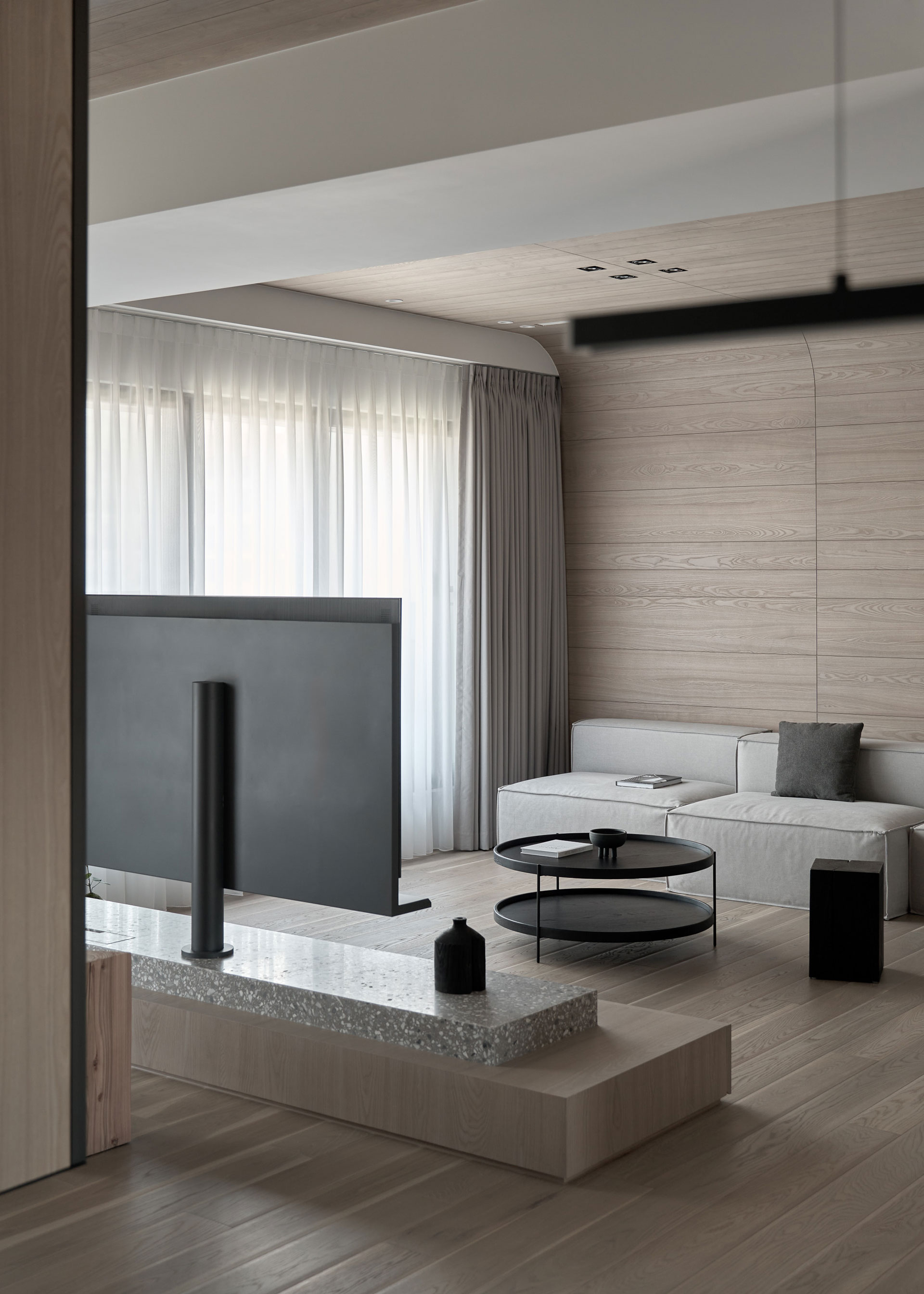
As designers working across Asia, how do you perceive the differences between Asian and Western approaches to spatial design? What strengths do you think Asian design brings to the global stage?
Asian design often emphasizes harmony and order, reflecting Eastern cultural understandings of nature and social structure. Designers consider overall balance and coordination when creating, resulting in a restrained and stable aesthetic in Asian spaces. For example, many Asian designs utilize natural materials and soft tones to create an atmosphere of harmonious coexistence with the environment. In contrast, Western design emphasizes individuality and innovation, often reflected in open layouts and bold use of color. Western designers often pursue freedom and expression, resulting in a more diverse and avant-garde design style. The advantages that Asian design brings to the global stage primarily lie in its cultural depth, diversity, and flexible adaptability to market demands.
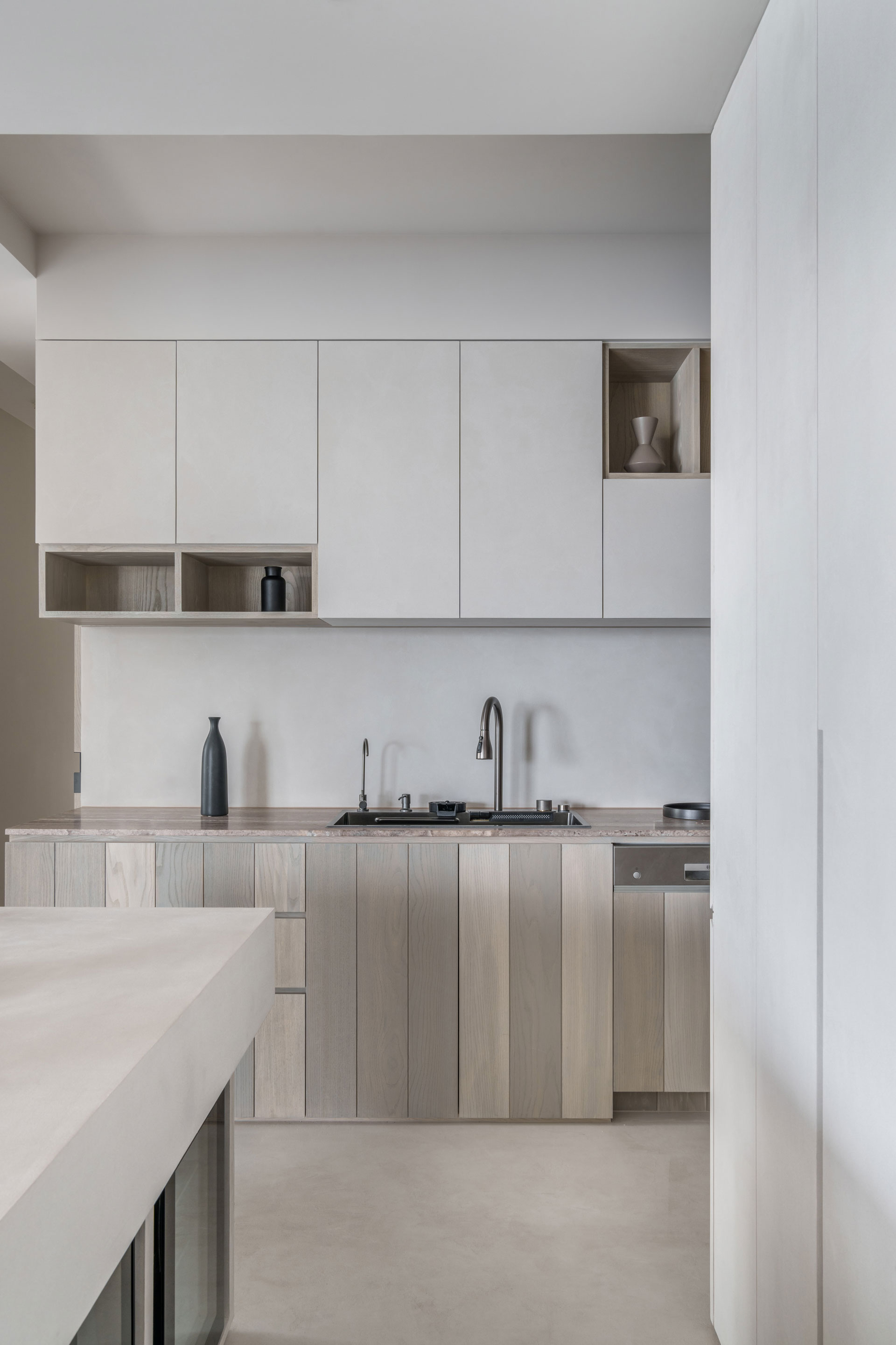
Many of your works balance functionality with atmosphere, creating spaces that feel both practical and poetic. Could you share your approach to achieving this balance?
When creating spaces that are both practical and poetic, I usually follow several key principles to achieve a balance between functionality and atmosphere: First, I value multi-sensory experience. I believe that design is not just a visual presentation, but needs to integrate elements such as light, texture, sound and smell to enhance the atmosphere of the space; second, I will consider cultural and social context, which helps to create spaces with local characteristics and promote emotional resonance among users; third, the interweaving of emotion and cognition is also very important in design. I will use soft curves and warm colors to create a comfortable atmosphere and use open space layout to promote social interaction; in addition, functional design remains the foundation. I ensure that the layout of the space can meet the needs of the users and find the best balance between practicality and aesthetics; finally, design is a dynamic process. I will continuously adjust and optimize the design based on user feedback and the actual use of the space to ensure that functionality and atmosphere are always maintained at the best state.
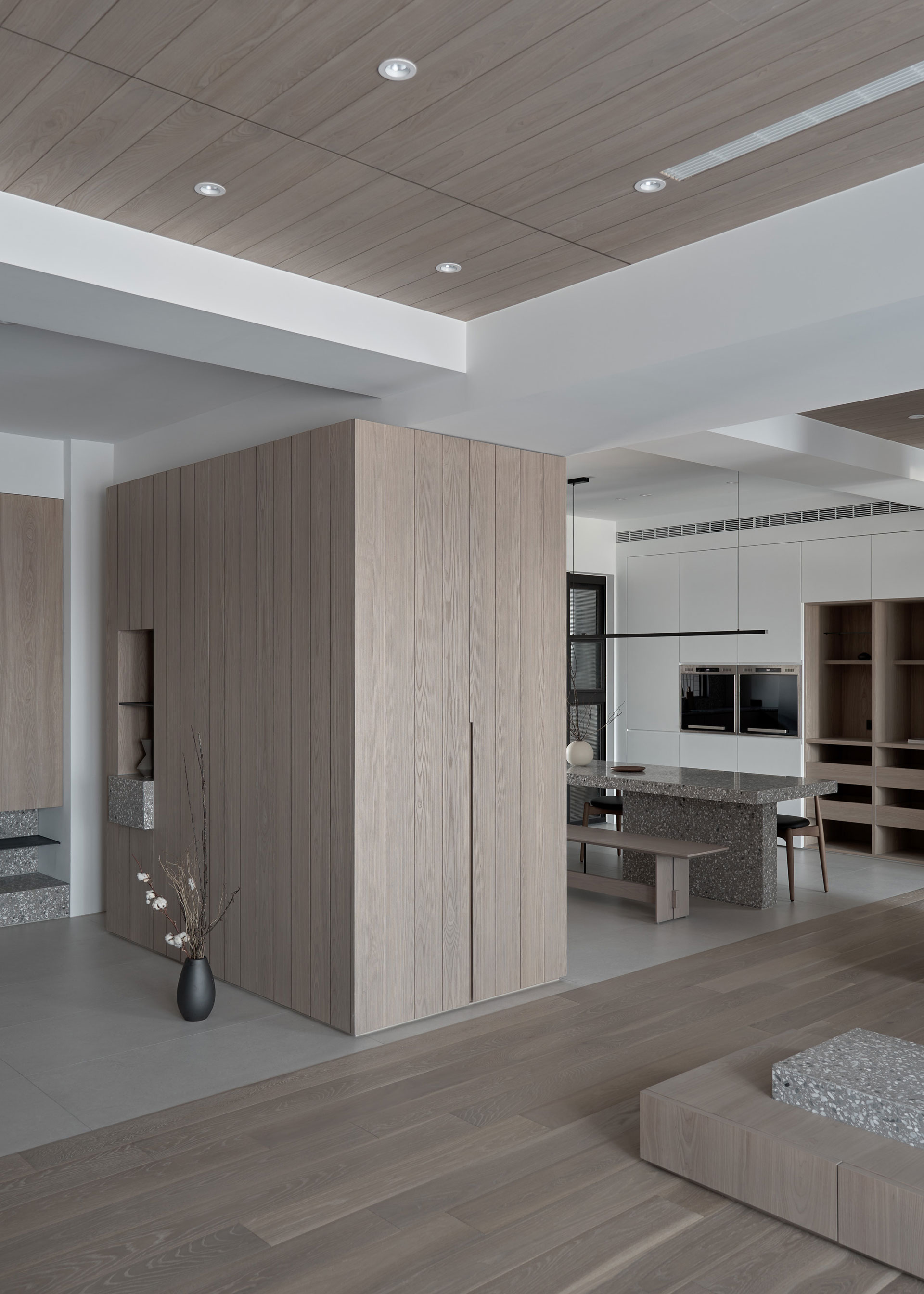
Looking ahead, how do you see the role of spatial design evolving in Taiwan and Asia more broadly?
Looking ahead, I believe that spatial design in Taiwan and Asia will continue to evolve towards sustainable design, multi-sensory experiences, cultural integration, technological applications, and community-oriented design. With growing environmental awareness, design will place greater emphasis on the use of sustainable and eco-friendly materials, seek to create spaces with a reduced carbon footprint, and incorporate natural elements to promote ecological balance. Furthermore, future spatial design will emphasize multi-sensory experiences, integrating vision, hearing, touch, and other senses to enhance users' emotional responses and overall experience. Taiwanese and Asian design will continue to blend local culture with modern design concepts to create spaces with local characteristics. This cultural integration will not only enhance the uniqueness of design but also attract international attention. With the advancement of digital technology, smart homes and the Internet of Things will be increasingly incorporated into spatial design, improving functionality and providing users with a more convenient living experience. Finally, future design will place greater emphasis on community needs, creating public spaces that foster social interaction. This will help strengthen community cohesion and enhance residents' quality of life. In short, the future development of spatial design in Taiwan and Asia will be a process that integrates sustainability, cultural depth, and technological innovation, making design more humane and meaningful.
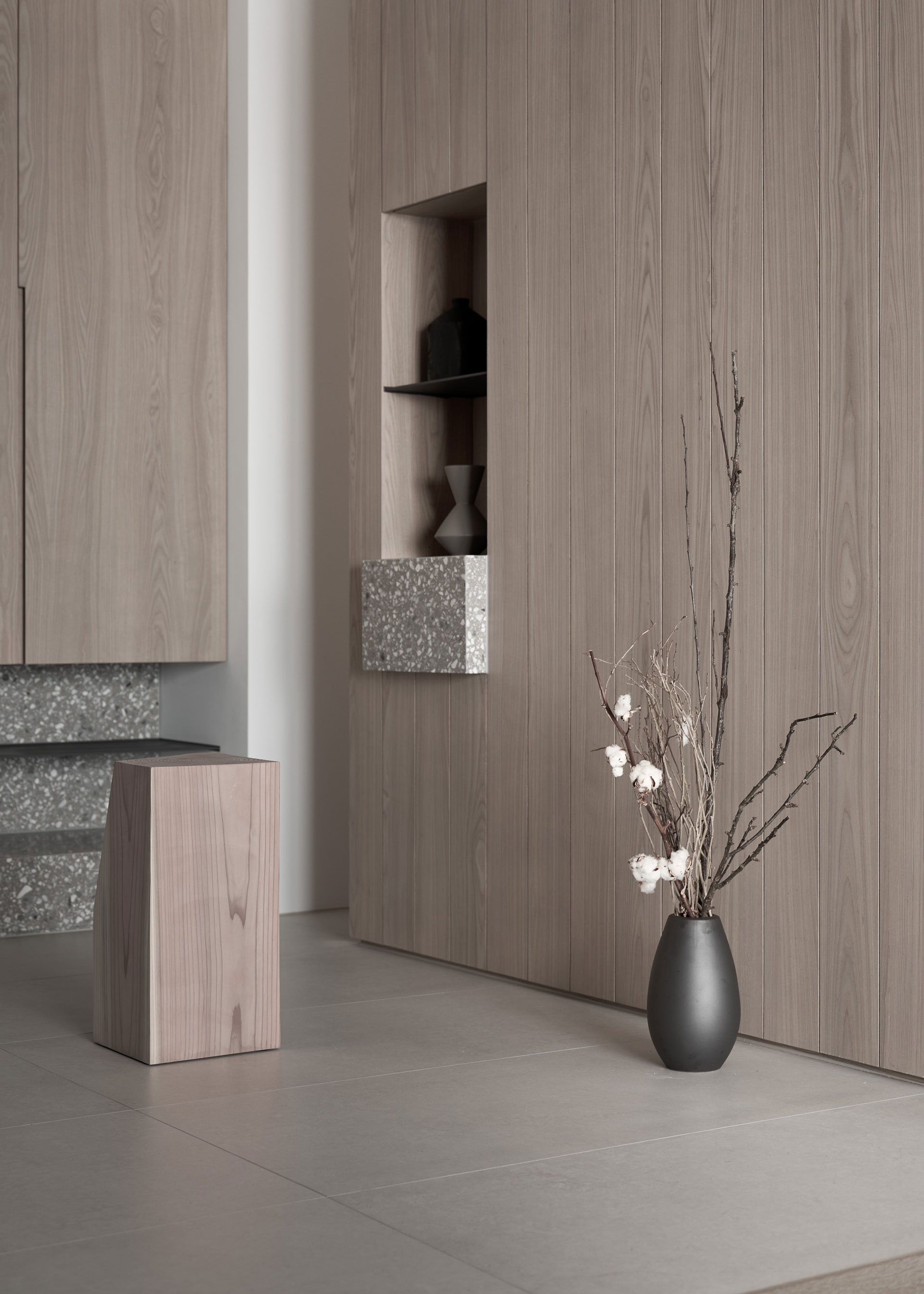
Finally, what message or advice would you like to share with the next generation of designers in Asia?
With growing environmental awareness, designers should consider incorporating sustainable elements into their work. Whether it's choosing eco-friendly materials, designing reusable products, or considering a product's complete lifecycle, these aren't just temporary trends; they're the inevitable direction of future design. Design itself is a process of constant exploration and experimentation. Young designers should be bold in challenging conventions, experimenting with new materials and technologies, and exploring diverse design styles. This innovative spirit will help you stand out in a competitive market. At the same time, every designer should strive to cultivate their own design language and style. This takes time and patience, but ultimately makes their work more personal and recognizable. Avoid rushing for results and focus on creating work that truly reflects your personal philosophy.














#14057, 905 49, Beolmal-ro 102beon-gil,
Dongan-gu, Anyang-si, Gyeonggi-do, Korea
Business Registration Number: 454-86-01044
Online Sales License No.: 2021-Anyang Dongan-1081
Copyright © DESIGNSORI Co., Ltd.