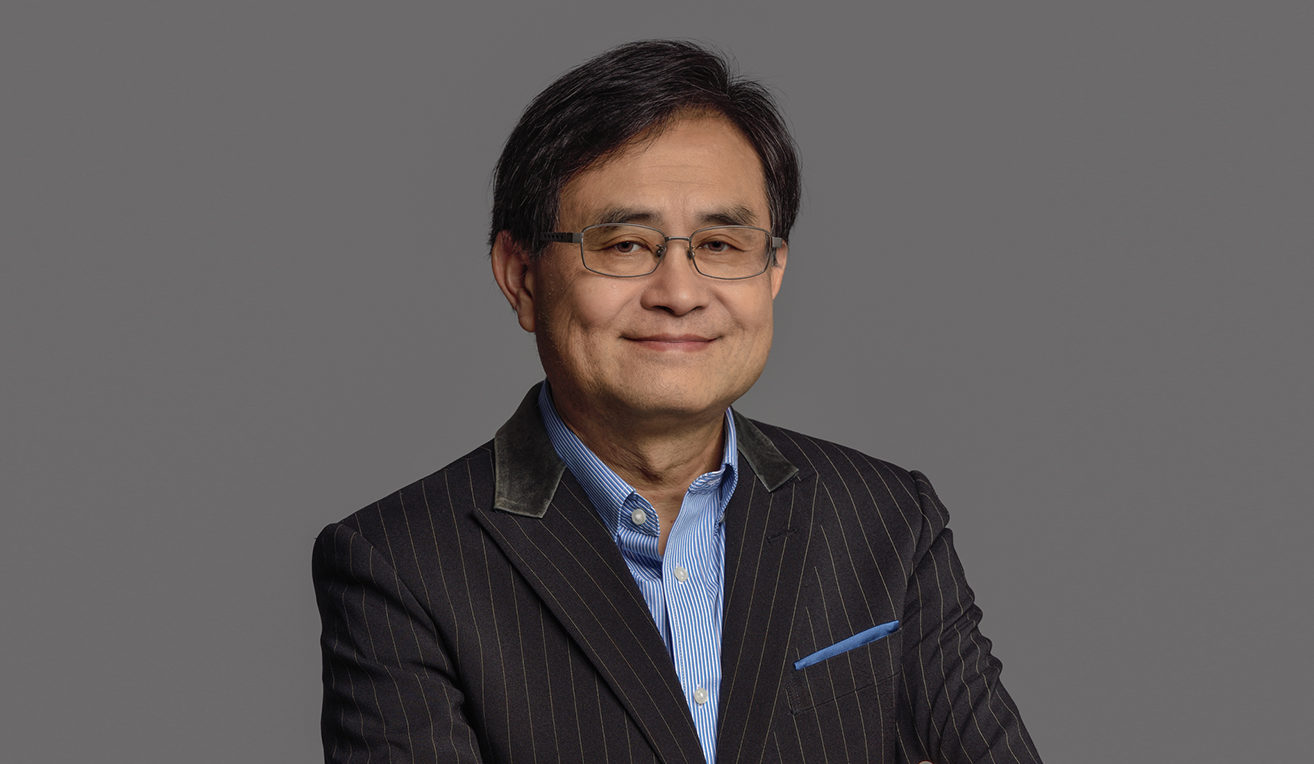
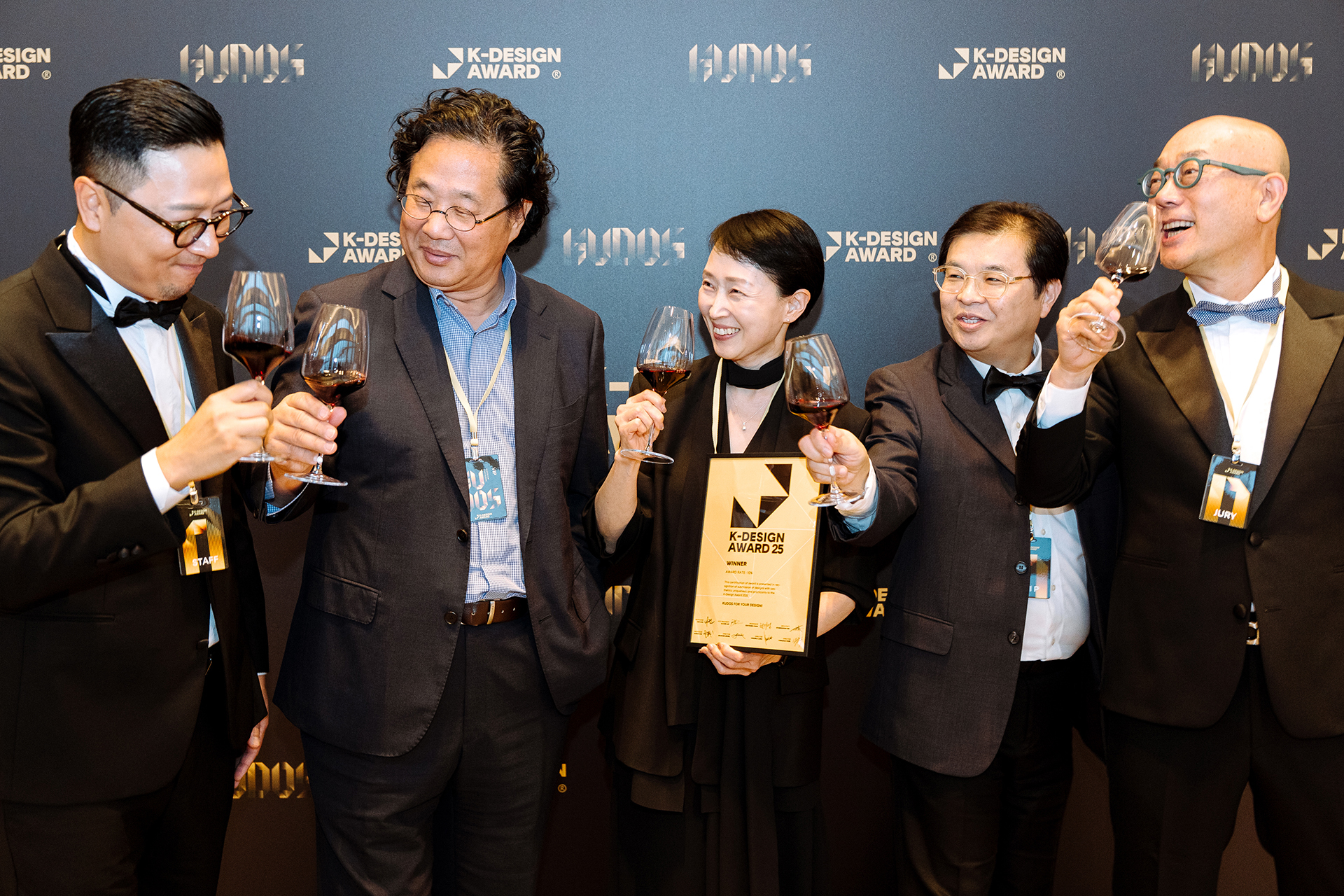
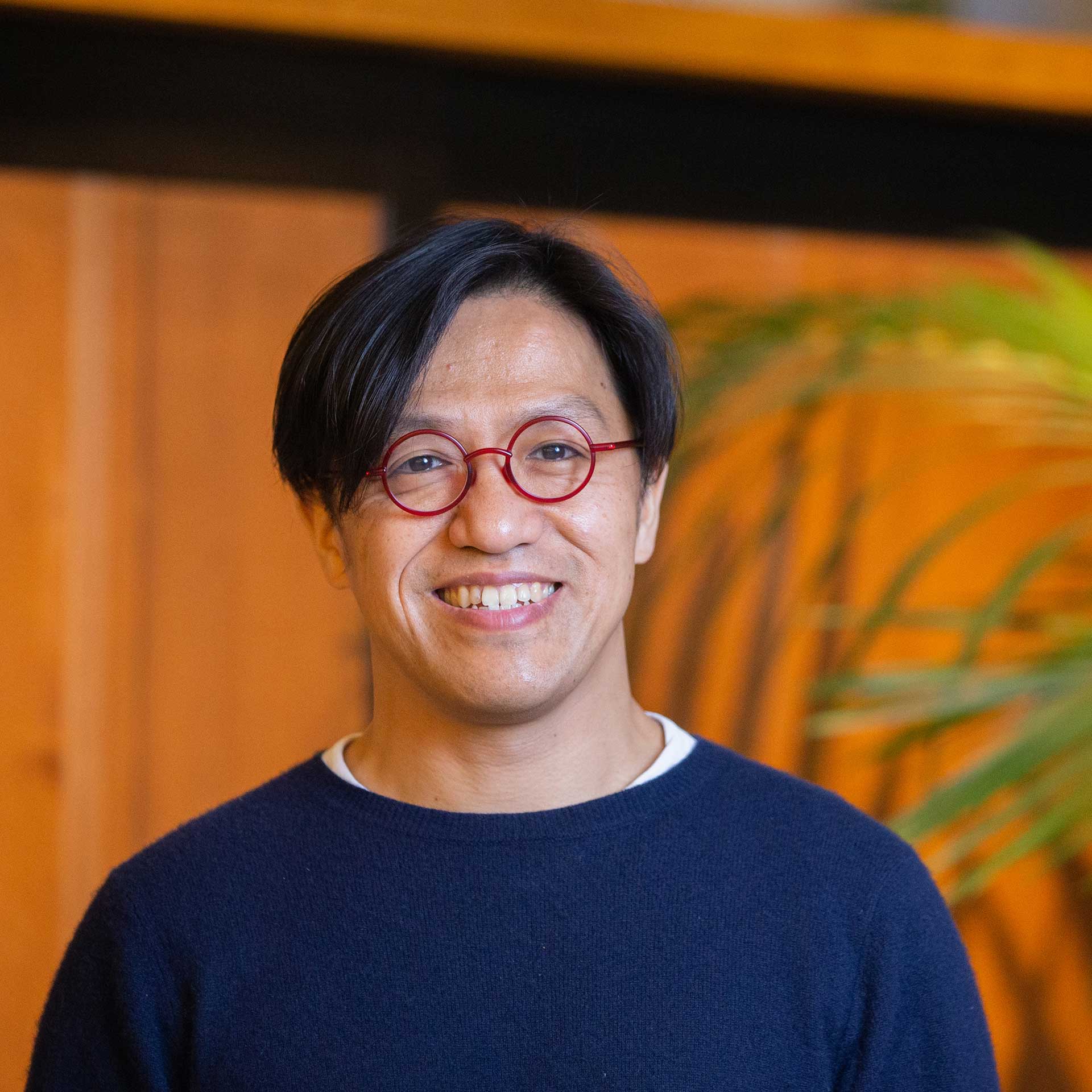
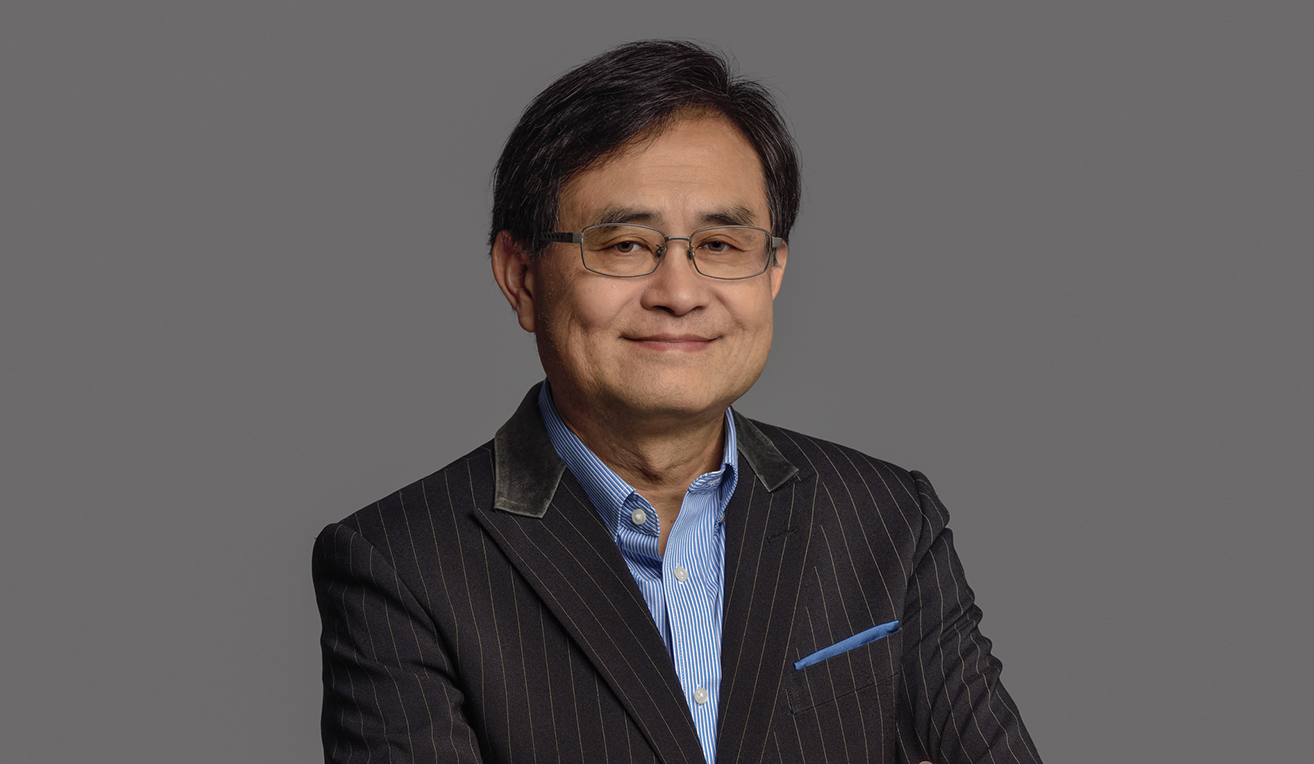
Vice President Oliver Lin Taiwan Design Research Institute (TDRI) Jury of K-Design Award
"Oliver Lin, Vice President of the Taiwan Design Research Institute (TDRI), is a designer and policymaker known for bridging technology, culture, and society through cross disciplinary design. Building on strengths in Taiwan’s industrial and product design, he has expanded into service design, social innovation, and urban development, embedding sustainability, inclusion, and AI transitions into strategies across the public sector and industry. He currently serves as a Special Juror for the K-Design Award, contributing to the advancement of Asian design practice and discourse. In this interview, we ask Lin to reflect on the current state of design in Taiwan, its challenges, and the broader trajectories shaping design across Asia. He outlines how a tech driven context can translate engineering into human centered innovation, and how Taiwan’s position at the crossroads of East and West in the Asia Pacific enables a distinctive hybrid design identity."
To begin, could you share your perspective on the current state of Taiwan’s design industry? Over the past two decades, Taiwan has developed a reputation for strong industrial and product design. From your experience, how would you describe its present strengths and ongoing challenges?
Over the past three decades, Taiwan’s design industry has evolved remarkably. We began with strong roots in industrial and product design but have since expanded into a broader role that connects technology, culture, and society. Our core strength lies in the ability to combine functionality with aesthetics, while working closely with world-leading high-tech industries. This synergy allows advanced engineering to be transformed into meaningful, human-centered solutions. In recent years, design in Taiwan has moved into new domains, including service design, social innovation, and urban development. This marks an important shift—from viewing design merely as styling, to recognizing it as a strategic approach for addressing urgent global challenges such as sustainability and circular design, inclusivity, and aging populations.
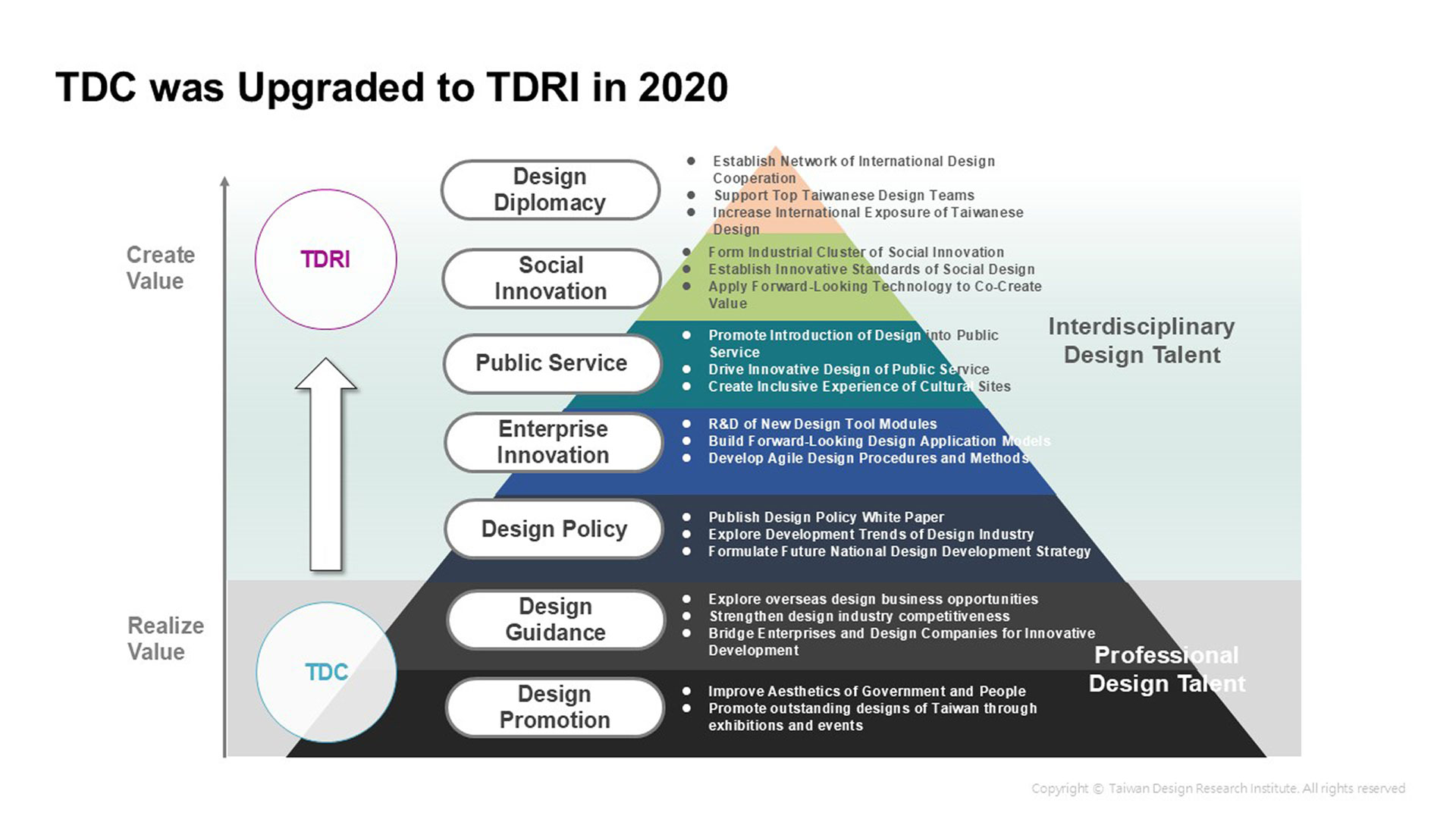
At the Taiwan Design Research Institute (TDRI), a publicly supported design institute in Taiwan, we are deeply committed to fostering cross-disciplinary collaboration. Our mission is to establish strategic linkages between design, technology, culture, and society. The aim is not only to strengthen Taiwan’s design capabilities, but also to help local industries expand internationally and share their contributions on the global stage. To achieve this, we develop essential tools for design, establish clear design-related policies and development blueprints, and bring design thinking into the industrial system. These initiatives enhance international competitiveness, expand overseas markets, and attract global design and industry cooperation and co-creation. Of course, challenges remain—particularly the limited domestic market and the ongoing need to strengthen international branding.
Yet its position at the crossroads of East and West in the Asia Pacific gives us a unique advantage. With AI emerging as a transformative tool, we believe Taiwan has the agility and creativity to turn these challenges into opportunities and reinforce its global presence. The road ahead may be challenging, but it is also necessary. As sustainability, technological innovation, and cultural exchange continue to shape global trends, TDRI will remain committed to leading design in Taiwan toward a more forward-looking and sustainable future.
Taiwan has often been recognized for blending advanced technology with human-centered design. How do you see the relationship between Taiwan’s technology sector (such as semiconductors and ICT) and the design industry evolving in the future?
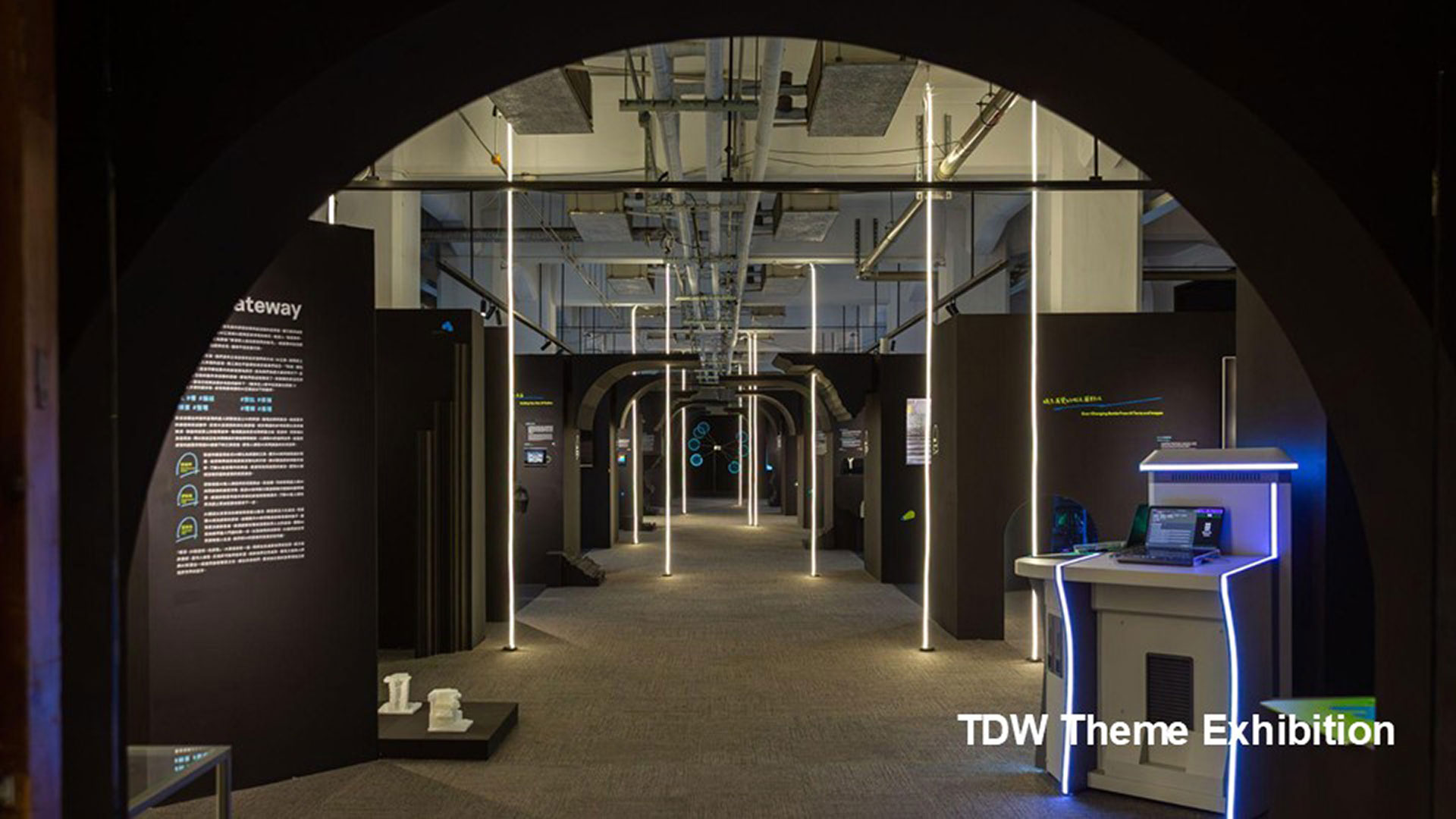
Taiwan’s technology sector and design industry have always shared a strong link, and this bond will deepen further. As semiconductors and ICT remain central to Taiwan’s economy, design will play a vital role in humanizing technology and shaping it into meaningful experiences. The real impact comes not only from technical excellence but from translating innovation into daily life. The rise of AI, IoT, and smart living creates new opportunities for collaboration. If design thinking is embedded early in the innovation process, Taiwan can move from being a technology provider to becoming a global lifestyle shaper. AI in particular will accelerate prototyping and expand creative possibilities. Looking ahead, Taiwan’s advantage lies in fostering cross-disciplinary teams where designers, engineers, and policymakers co-create. This integration can help Taiwan reinforce its leadership in advanced technology while ensuring its design contributes to global human-centered innovation.
As Vice President at the Taiwan Design Research Institute (TDRI), you oversee initiatives that connect policy, industry, and culture. In your view, what role should publicly supported design institutions play in fostering a sustainable and innovation driven design ecosystem?
Publicly supported design institutions are critical policy instruments for linking public resources with industry, society, and culture. The establishment of the Taiwan Design Research Institute (TDRI) was a deliberate policy decision to institutionalize design as a driver of sustainable and innovative development. TDRI functions as a systemic intermediary platform, ensuring that public investment in design translates into long-term ecosystem capacity rather than short-term projects. Under government oversight and inter-ministerial collaboration—including the Ministry of Economic Affairs, Ministry of Culture, Ministry of Transportation and Communications, Ministry of Education, Ministry of the Interior, and Ministry of Agriculture—TDRI is able to integrate design and sustainability principles into both industrial development and public service innovation. By piloting demonstrative projects, codifying best practices, and disseminating knowledge across sectors, TDRI strengthens the diffusion of design’s value and maximizes its social impact.
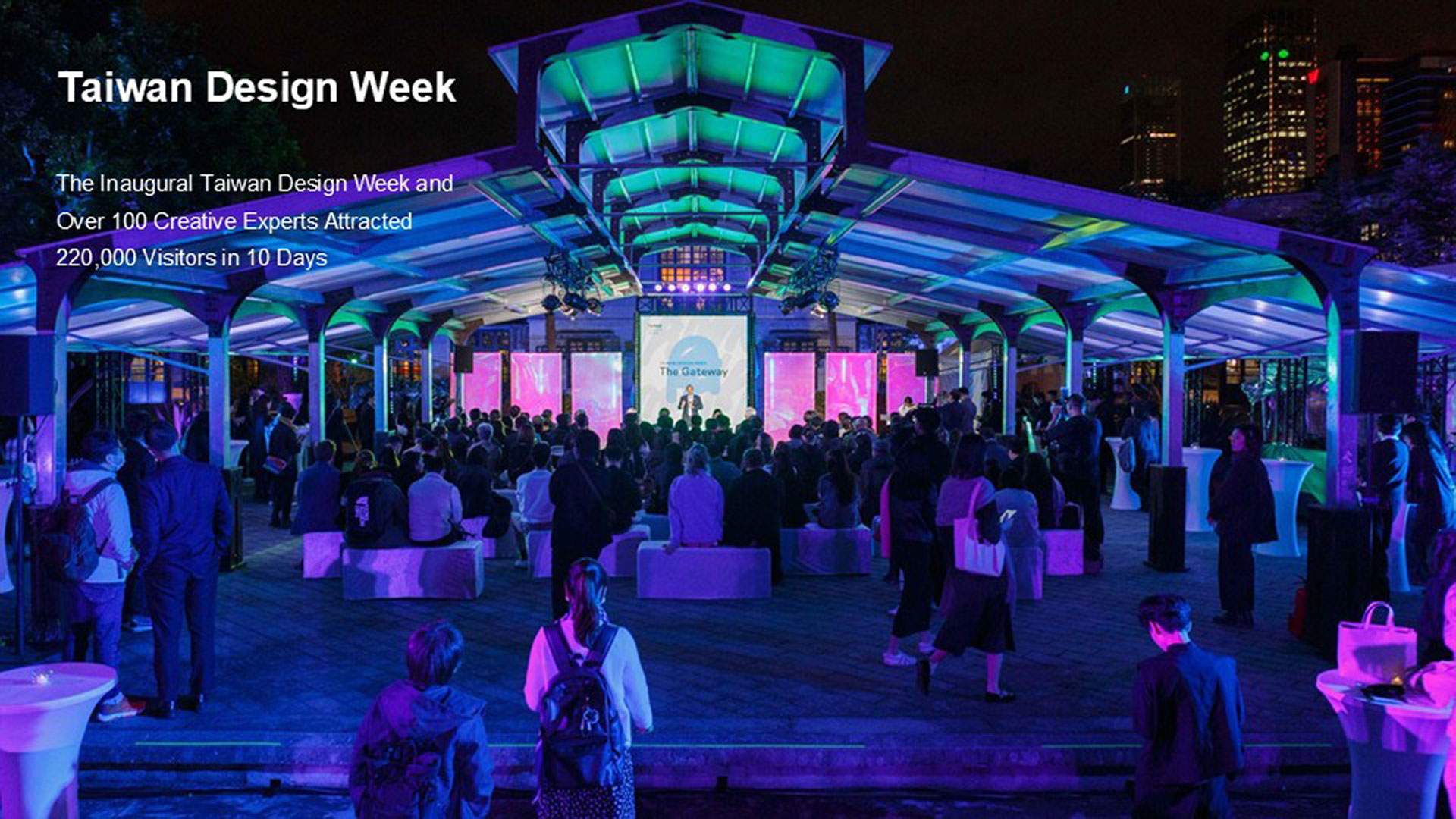
Taiwan is geographically and culturally positioned at the crossroads of East and West. How does this position influence the unique identity of design in Taiwan? Do you believe design in Taiwan has established a globally recognized profile?
Its location at the crossroads of East and West in the Asia Pacific has shaped a unique hybrid design identity. Designers here combine Eastern qualities such as precision and discipline with Western traits of openness and experimentation. This synthesis results in solutions that are both culturally rooted and globally relevant. Flexibility and inclusivity are also hallmarks of design in Taiwan, reflecting the island’s diverse history. Whether in product design, craft, or urban innovation, one often sees a balance between tradition and modernity. This distinctive yet subtle identity provides an alternative voice within the global design community. While design in Taiwan has yet to fully establish a globally recognized profile, its recognition is steadily growing. With better storytelling and global collaboration, it can project its voice with greater confidence. The rise of AI tools further enhances this identity, allowing hybrid creativity to reach broader audiences.
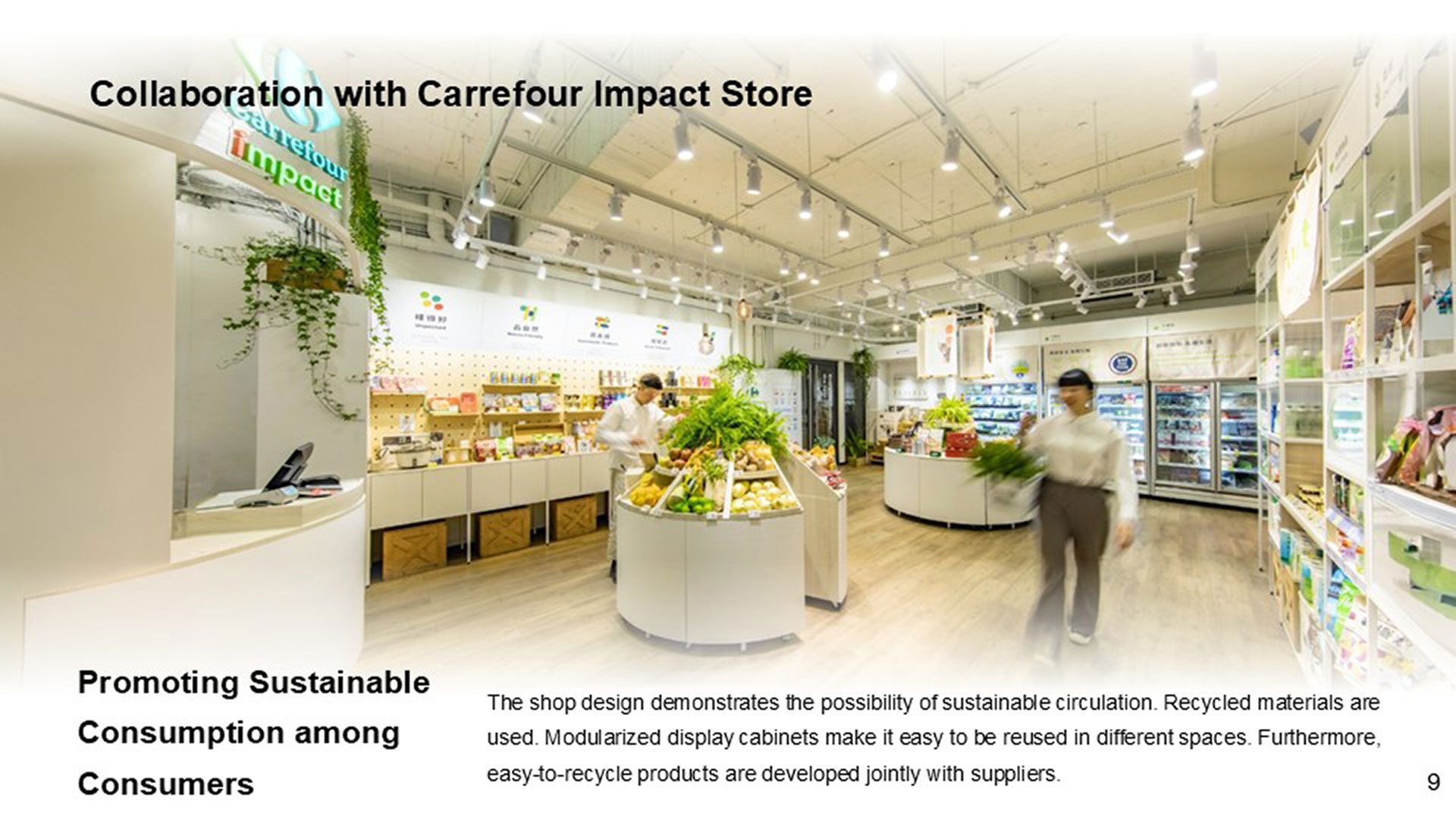
In recent years, global discussions have emphasized design’s role in addressing societal issues such as sustainability, inclusivity, and aging populations. How is Taiwan’s design community responding to these urgent challenges, and what opportunities do you see for leadership in this area?
Taiwan’s design community has consistently placed strong emphasis on sustainability, dedicating significant resources and expertise to this urgent agenda. Within its island context, Taiwan faces immediate environmental pressures, which heighten awareness of ecological responsibility. At the same time, Taiwan’s robust manufacturing capabilities enable the translation of sustainable concepts into tangible products and solutions. However, what remains underdeveloped is the establishment of viable business models that can sustain and scale these achievements. In parallel, Taiwan is advancing social design and service design as emerging fields of practice. The design community is increasingly building networks that foster collaboration, knowledge exchange, and mutual support. This has created fertile ground for inclusive and service-oriented approaches to take root—not only in industry but also in public services and social innovation initiatives. Looking ahead, Taiwan is well positioned to contribute leadership on the global stage by demonstrating how a design ecosystem can integrate sustainability, inclusivity, and innovation within both industrial and social domains. By leveraging its unique island context—marked by deep environmental awareness, a strong manufacturing base, and a growing culture of social design—Taiwan can serve as a model for how design helps societies navigate complex global challenges with resilience and creativity.
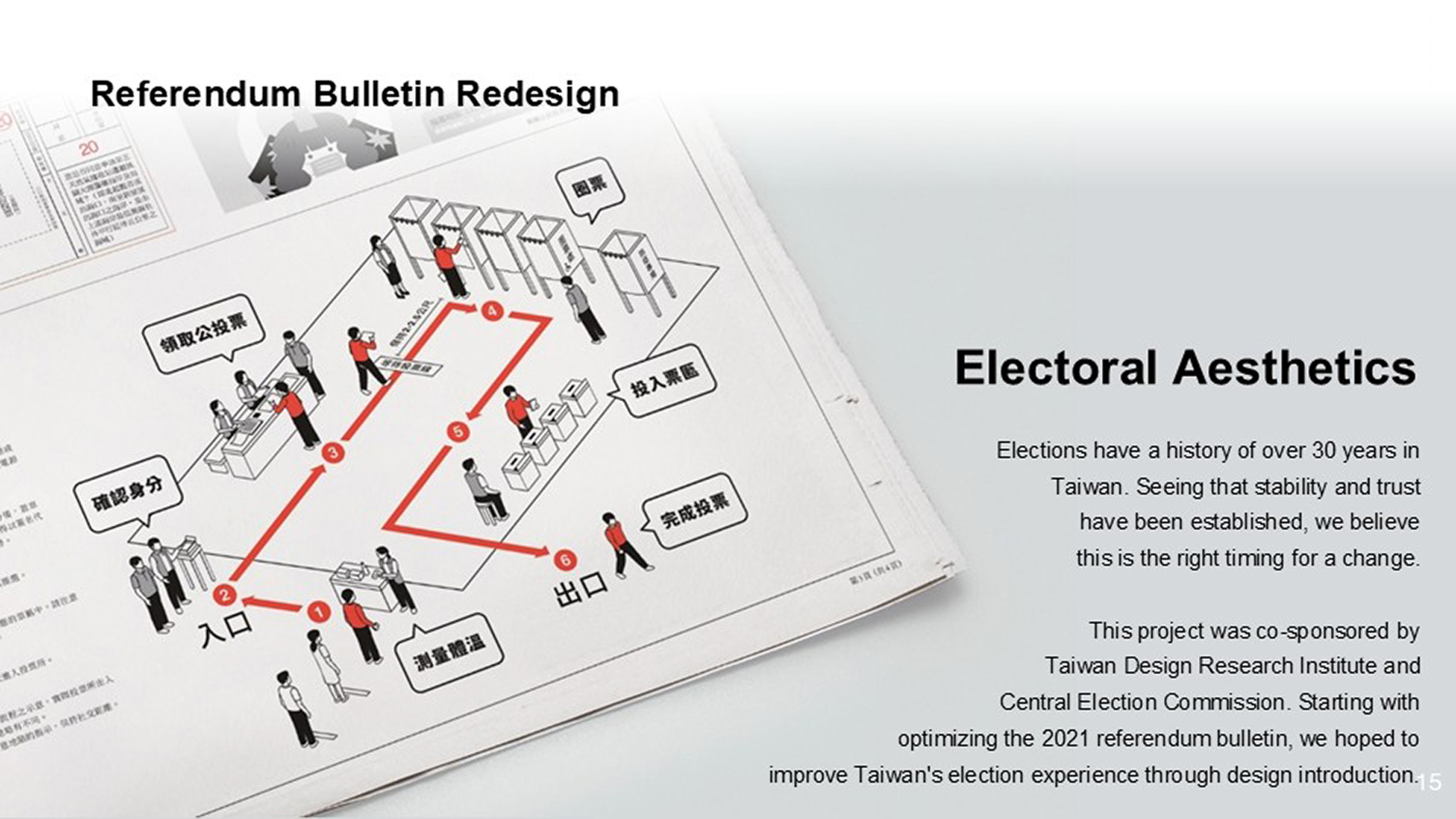
Compared to other major markets across Asia, what distinctive contributions do you see from Taiwan in the regional design landscape? Are there particular values, methodologies, or cultural assets that you believe set design in Taiwan apart?
As an export oriented economy, Taiwan has cultivated a design culture that is inherently flexible, inclusive, and human centered, qualities that allow it to adapt to the diverse needs of international markets. Compared to other parts of Asia, Taiwan’s design expression tends to be more pluralistic and hybrid in nature. This stems from its island context as a hub of cultural exchange within East Asia, where regional and global influences have long intersected to shape a unique design sensibility. In recent years, the Taiwan Design Research Institute has sought to deepen this foundation by advancing design research as a basis for systemic innovation. By integrating design thinking into policy development, industrial transformation, public service delivery, and social innovation, Taiwan is building a distinctive methodology that goes beyond aesthetics or functionality. Through demonstrative cases, these practices are being codified, systematized, and disseminated, enabling design thinking to influence a broader spectrum of industries. This knowledge based and research driven approach represents Taiwan’s emerging pathway in the Asian design landscape, contributing not only creative diversity but also institutional models of how design can shape society.
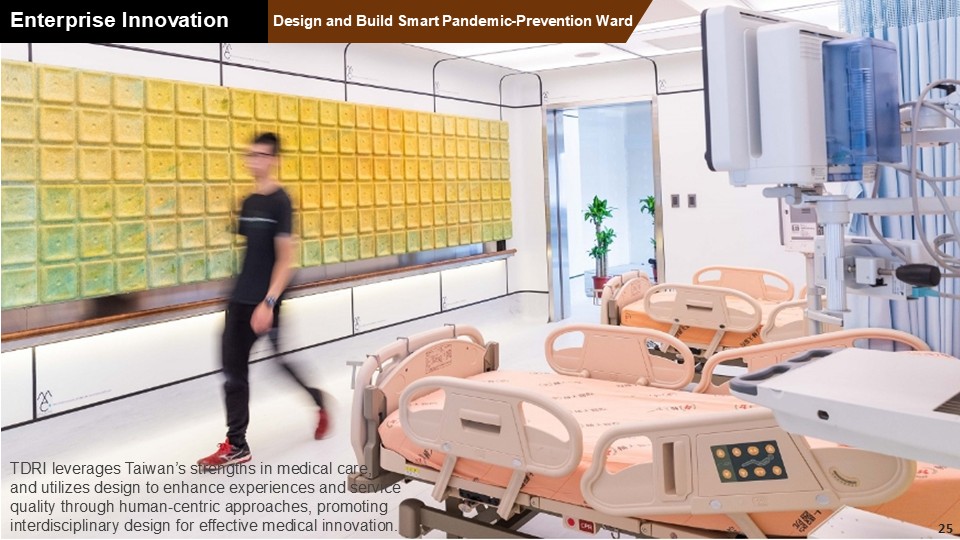
Cross-disciplinary collaboration has become increasingly important in design. How is Taiwan encouraging collaboration between designers, scientists, technologists, and policymakers to create integrated solutions?
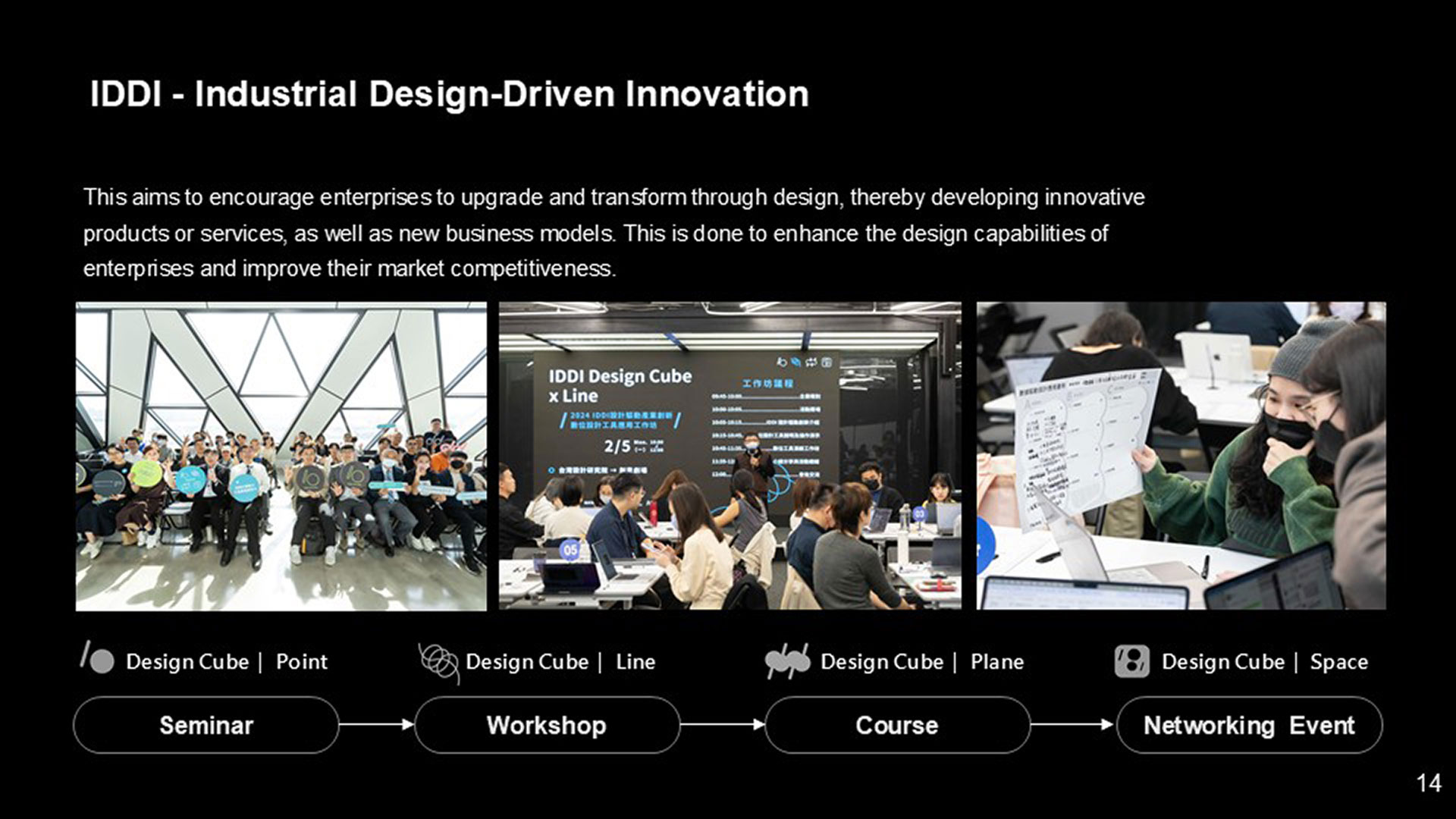
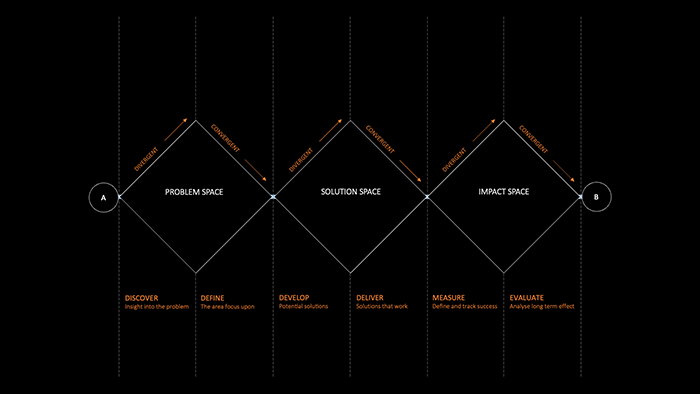
Cross-disciplinary collaboration is gaining momentum in Taiwan. Government programs, universities, and design institutions are building platforms where designers work closely with scientists, technologists, and policymakers. This cooperation is particularly active in smart cities, healthcare, and sustainability projects. Design thinking workshops and policy labs are useful tools in this process. They allow diverse groups to co-create and test solutions in real contexts, ensuring that technological innovation aligns with human and social needs. This approach produces more integrated and meaningful outcomes. Looking forward, Taiwan’s strength lies in scaling such collaborations and embedding them into education and industry practices. Emerging technologies such as AI can become powerful enablers, offering a shared language across disciplines and accelerating experimentation. By fostering collaboration, Taiwan can develop solutions that are advanced yet deeply human-centered.
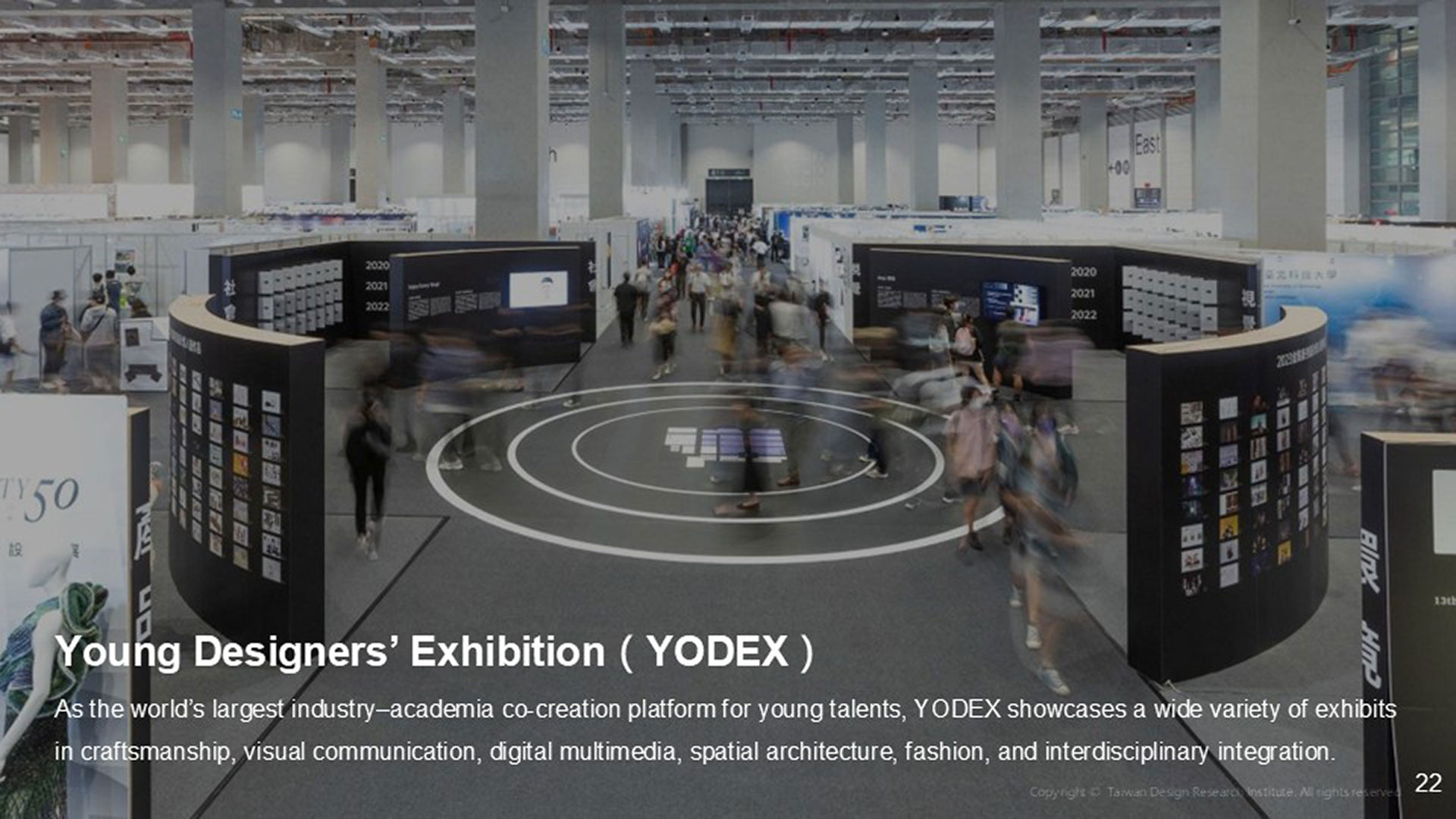
Looking forward, what is your vision for Taiwan’s design industry in the next 10–20 years? What steps are necessary for Taiwan to strengthen its global presence and continue nurturing future generations of designers?
In the next 10–20 years, I envision Taiwan’s design industry becoming a global hub that blends technology, culture, and sustainability. Taiwan has the potential to move from being seen as a manufacturing base to being recognized as a source of creative leadership and innovation. Key priorities include strengthening international branding, nurturing talent with global perspectives, and encouraging more cross-disciplinary innovation. At the same time, Taiwan must invest in sustainable solutions to ensure that progress aligns with social and environmental responsibilities. AI will be a transformative force in this journey. By embracing AI as a creative partner, Taiwan can expand experimentation, amplify agility, and explore new design frontiers. With its cultural depth, technological strength, and collaborative spirit, Taiwan can define a distinctive global role—one that highlights both excellence and responsibility.
Finally, what message would you like to share with young designers in Taiwan and across Asia who aspire to create impact beyond aesthetics?
To young designers, I would say: design is more than aesthetics—it is a tool to improve lives and shape society. True impact comes from creating solutions that foster inclusivity, sustainability, and positive change. Stay curious, embrace collaboration, and cross boundaries with confidence. The most powerful ideas often emerge where design meets science, technology, and policy. Across Asia, there are rich cultural resources; use them boldly to create new narratives for the world. At the same time, be open to emerging tools. AI is not a replacement but a partner that can expand creativity and accelerate exploration. The future of design belongs to those who combine empathy with innovation. Believe in your ability to lead change, and remember that design is not only about shaping objects, but also about shaping a better future.

editor@asiadesignprize.com
















#14057, 905 49, Beolmal-ro 102beon-gil,
Dongan-gu, Anyang-si, Gyeonggi-do, Korea
Business Registration Number: 454-86-01044
Online Sales License No.: 2021-Anyang Dongan-1081
Copyright © DESIGNSORI Co., Ltd.