
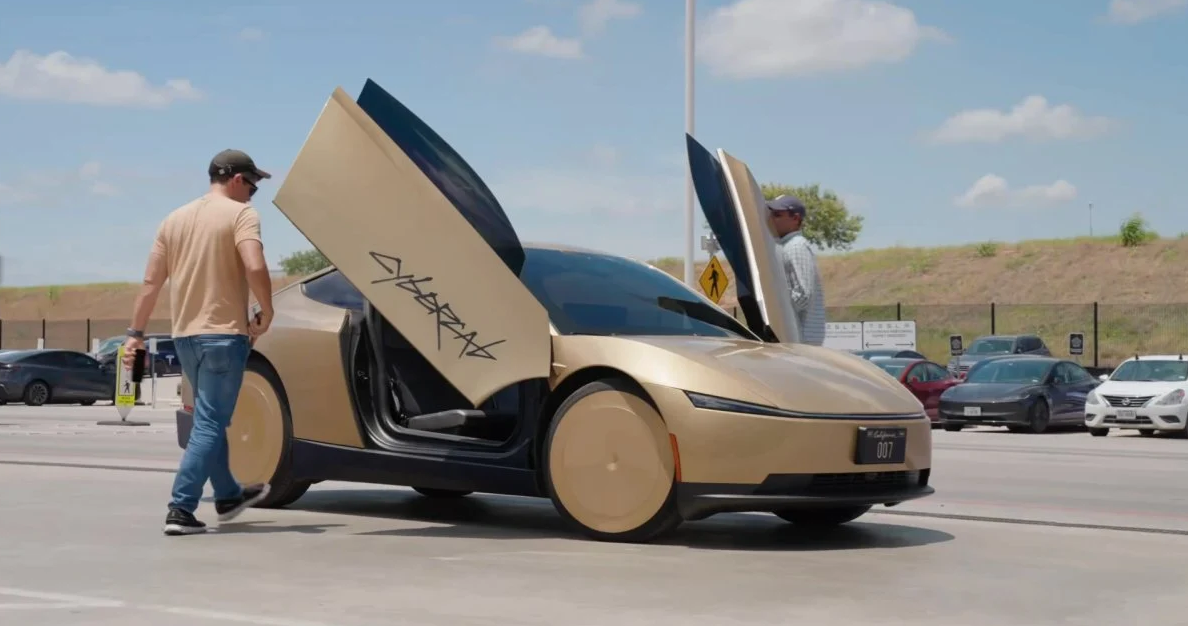
We are living through an era of cutting-edge technological advancement. Artificial intelligence (AI), autonomous driving, and humanoid robots, once imagined only in science fiction, are becoming reality before our eyes at a pace far faster than expected. The emergence of Tesla’s Cybercab, an autonomous vehicle that has recently attracted widespread attention, is a symbolic example of this transformation. Tesla Robotaxi, which made its debut in Austin, Texas, has boldly eliminated elements we once believed were essential. There is no driver’s seat, steering wheel, or pedals to control the vehicle. Passengers are greeted by nothing more than a simple display screen. Freed from the responsibility of driving, passengers no longer need to do anything until they reach their destination. They can enjoy a cup of coffee, watch a movie, or simply relax while traveling. As the necessity of “driving” disappears, a new value called “freedom” takes its place.
This approach to innovation is not unfamiliar. It follows precisely the same principle as the introduction of the iPhone, which eliminated the physical keyboard of conventional mobile phones and integrated it into the screen. Technological innovation is not simply about adding new technologies. It is a process of redesigning our lives to make them simpler and more intuitive. We are now living in an era when conventions and elements we once believed were indispensable are being removed. And it is precisely within the spaces left behind that new opportunities and possibilities are beginning to emerge.
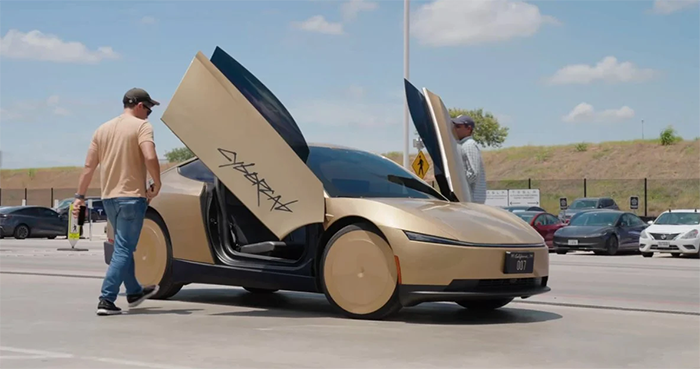
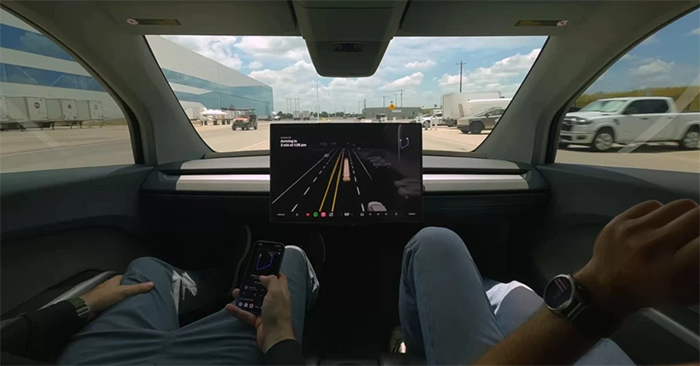
< Tesla Cybercab, a Fully Autonomous Taxi | Image source: TeslaHubs >
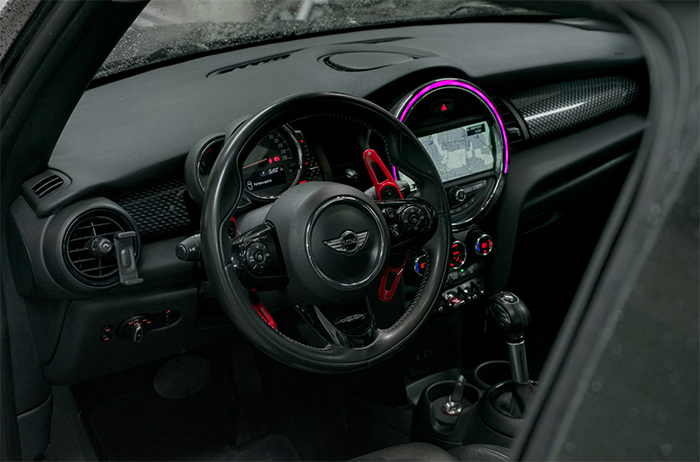
< The Interior of the MINI, Filled with Intriguing Design Elements | Image source: Unsplash >
However, the gains and losses from a user experience (UX) perspective are equally fascinating. The innovations brought about by simplicity and minimalism undoubtedly maximize efficiency, yet paradoxically, they also eliminate the unique pleasure of physically operating and interacting with a device. This sense of loss is particularly pronounced when it comes to driving. As hardware becomes increasingly simplified and most functions are absorbed into software, the tactile sensations once felt through our fingertips disappear, leaving only the act of touching a smooth screen. This monotonous and uninspiring experience, hidden behind the promise of convenience, raises an important question about what we are losing as technology continues to advance.
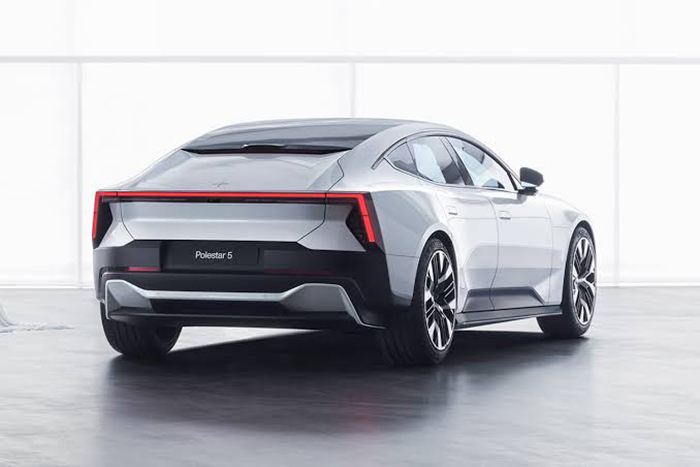
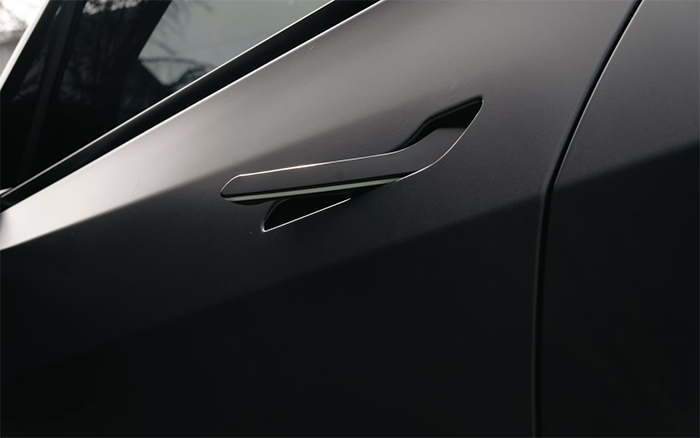
< Side Door Handles That Retract While Driving | Image source: Unsplash >
Interestingly, the automotive industry, which until recently had been integrating virtually every function into touchscreens, is now seeking a better balance by bringing essential controls back into physical interfaces. Of course, there are practical reasons for this shift, particularly the need for intuitive interactions that ensure safety. But I suspect that the desire to restore the distinctive tactile pleasure and enjoyment of driving has also played a role.
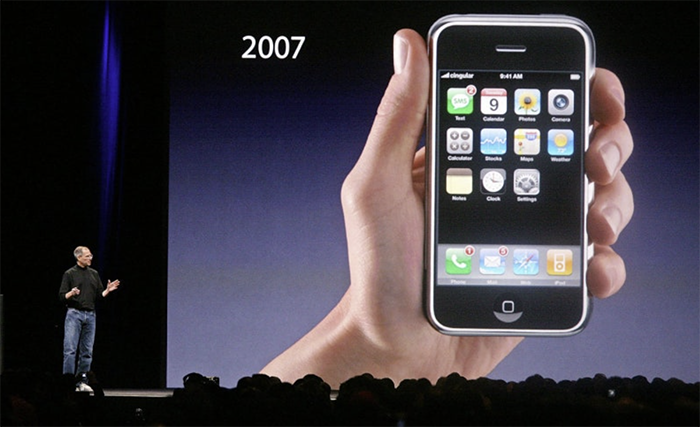
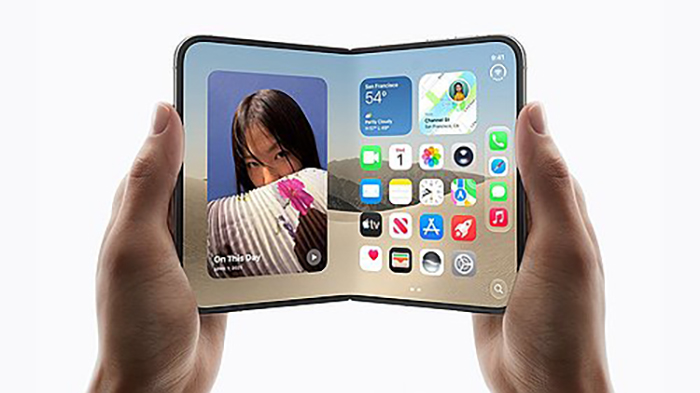
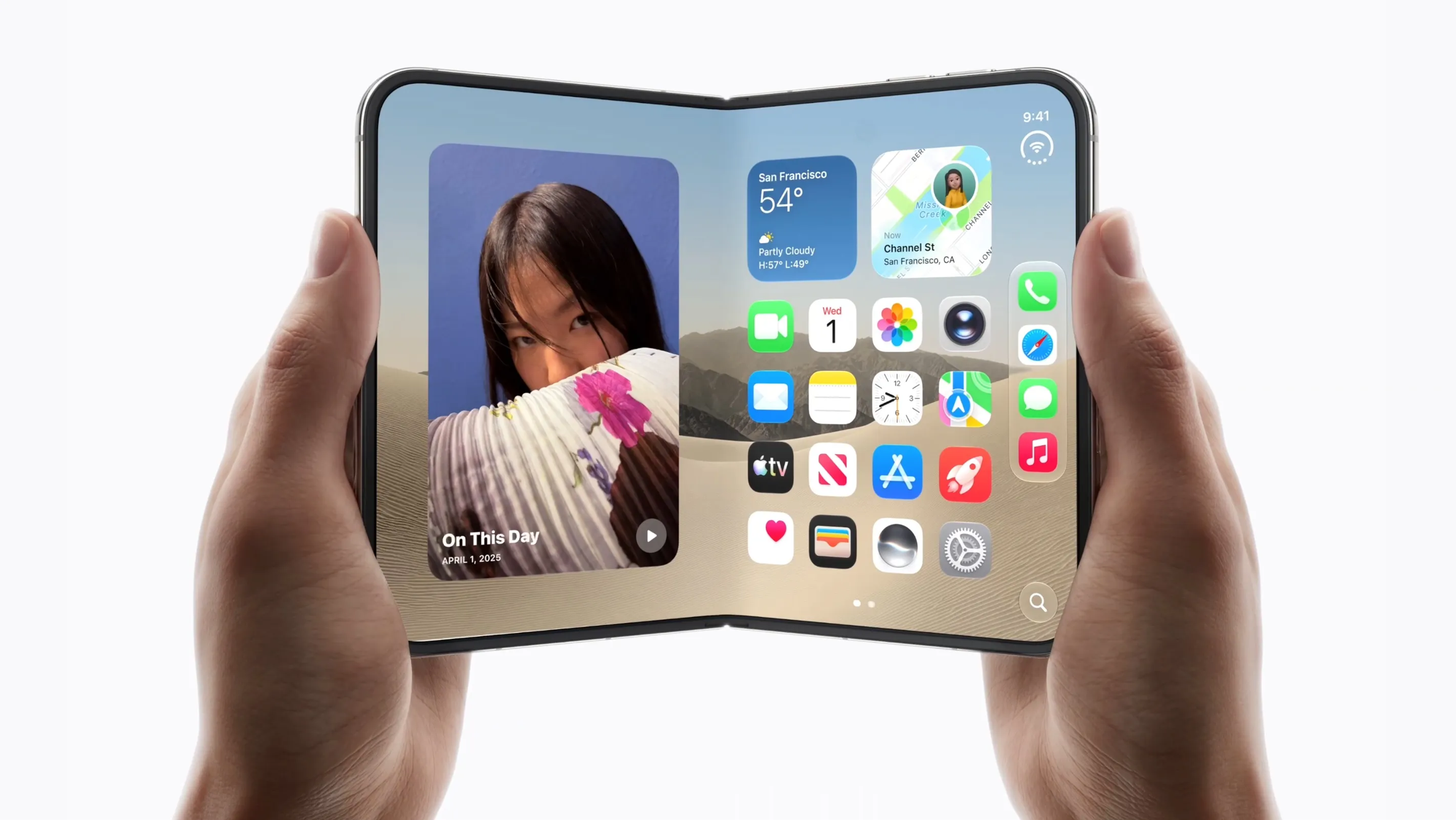
Mobile phone trends reveal a similar pattern. In the days when flip phones and slider phones dominated the market, the various ways of folding, flipping, and sliding devices open made interacting with them both diverse and engaging. From a designer’s perspective, it was also a far more challenging era in a positive sense, as there was greater freedom to explore experimental ideas. However, with the widespread adoption of touchscreens, hardware design became radically simplified. Confined to plain, geometric forms, smartphones reached a point where it became difficult to distinguish one brand from another once the logos were covered. More recently, foldable phones based on flexible display technology have once again attracted attention. This movement to restore intuitive tactile sensations and dynamic interactions closely parallels the recent trends in the automotive industry discussed earlier.
Choices for a Better Experience
We are now entering uncharted territory. It is almost impossible to predict exactly where technology evolving at the speed of light will take us. For this reason, countless experiments, adjustments, and repeated trials and errors are an inevitable and essential part of the process. Consider the technological developments we are witnessing today. From touch interfaces, autonomous driving, and voice recognition to AI devices and augmented reality (AR), all of these represent a vast process of experimentation and evolution aimed at providing humanity with better experiences. Some technologies appear like comets, only to disappear just as quickly, while others are forgotten for a time before returning in entirely new and upgraded forms.
There is a fundamental insight we should take from this. User experience (UX) can never be evaluated or discussed solely in terms of “efficiency.” High performance, advanced features, and impressive specifications are no longer the only things users seek. Rather than extreme efficiency, they increasingly expect and desire more refined and engaging experiences. And within the realm of experience, there are dimensions that cannot be explained through numerical measurements and calculations alone.
Redefining the Role of Designers
It is clear that we have entered an era that demands new capabilities from designers, different from those required in the past.
First, designers must develop the ability to make intelligent choices about what to keep and what to eliminate in order to create better experiences. As the earlier examples demonstrate, blindly pursuing the latest technologies and innovations can easily lead to results that are overly monotonous and uninspiring, or conversely, to designs so complex that users struggle to adapt. The ability to determine which elements to add and which to boldly remove, finding the right balance between them, is precisely where a designer’s sharp insight comes into play.
Second, designers must become better guides between technology and people. Technology, user experience, and aesthetics need to be integrated in a way that makes new possibilities understandable and accessible. Users do not always know in advance what they want. In many projects, I have seen people recognize the value of a design only after using it. Their reaction is often simple: “This is much more convenient,” or “This makes more sense.” The value of a new experience is sometimes difficult to understand until it has actually been experienced.
This is why the designer’s role is not simply to respond to existing user demands. Designers also need to identify needs that users may not yet be able to articulate and translate new technologies into experiences that people can understand naturally. We therefore need to reconsider the meaning of removal in design. Removing a button, a steering wheel, a physical interface, or an entire function does not automatically represent progress. What matters is what replaces it and whether the overall experience becomes better.
The priority should not be technological advancement for its own sake. It should be the evolution of user experience.
As technology continues to simplify, automate, and remove familiar interactions, designers will increasingly be responsible for deciding which forms of friction should disappear and which should remain. The future of design may depend not on how much technology we can add, but on how carefully we decide what people should still be able to see, touch, control, and enjoy.

















#14057, 905 49, Beolmal-ro 102beon-gil,
Dongan-gu, Anyang-si, Gyeonggi-do, Korea
Business Registration Number: 454-86-01044
Online Sales License No.: 2021-Anyang Dongan-1081
Copyright © DESIGNSORI Co., Ltd.