
YENA CHOI Founder, B for Brand / Director, Romantic Tiger
“B for Brand is a professional agency that addresses the fundamental questions that come before visual branding, including how a business generates revenue and where it can establish a meaningful position in the market. Yena Choi leads an agency that develops brands for clients while also operating Romantic Tiger, her own legwear brand. Moving between these two roles, she approaches branding not as a collection of visual outputs, but as a structured system for business decision making. Her focus lies in how brand strategy functions across real customer experiences and practical points of contact. In this interview, we spoke with Yena Choi about the business value of branding, the realities of operating a brand, and the practical mindset designers need in today’s market.”
To begin, could you introduce yourself and B for Brand? What questions led to the creation of the agency, and how does it currently connect branding with business?
B for Brand means that we address the questions that come before a brand is created. Our work begins with the decisions that must be made before drawing a logo, including how the business generates revenue, what position it can realistically occupy in the market, and whether branding is truly what it needs at that particular stage. The name itself comes from the way letters are clarified verbally in English. The letter B alone communicates very little, but once the word Brand follows it, its meaning becomes immediately clear. Our role is to give context to symbols that initially have no meaning and make them understandable to the world. Only after naming the company did I realize that the definition of our work was already embedded within it.
I currently work from two positions at the same time. I lead an agency that creates brands for clients, and I also operate Romantic Tiger as a brand owner. Moving between the side that creates and the side that sells has made one longstanding structural issue within the branding industry especially clear. Too many branding projects end at the point of delivery. A beautifully designed guideline book is completed, the project closes, and six months later the products displayed in stores often look entirely different. B for Brand was established in response to that reality. We view branding not as a design deliverable, but as a system for business decision making. That is why our work does not end with a logo. It extends to packaging, spatial signage, customer service language, and even the moment a customer opens a delivery box. A brand is not a file. It is the total accumulation of experiences.

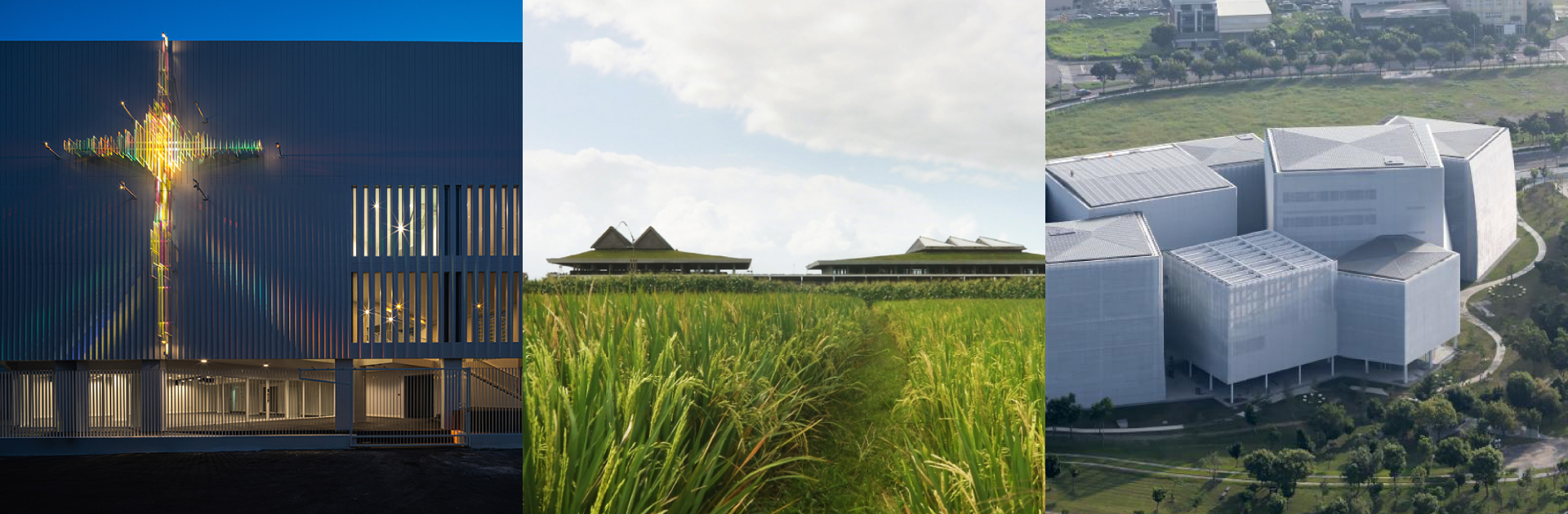
< ATLAS Conference BI & Key Visual Design, ASIA DESIGN PRIZE 2026 Winner >
B for Brand has planned and designed brands for a wide range of clients. From the project acquisition stage to the development of brand strategy, what criteria do you consider most important?
We examine three things. First, can this problem actually be solved through branding? In many cases, stagnant sales are not caused by weak brand awareness, but by pricing structures or distribution channels. In such situations, rebranding is simply the most expensive painkiller available. During initial meetings, we are often the first to say, “Rebranding may not be the answer right now.” I believe an agency’s credibility is determined by whether it is able to say this honestly.
Second, is the final decision maker sitting at the table? Branding is closely connected to personal taste. If the person with final authority appears for the first time near the end of the project, every strategic agreement made up to that point can collapse at once. This is not a problem with the capabilities of the working team. It is a problem with how the process has been designed.
Third, does the client have the capacity to operate the brand after launch? A brand is not something that is simply completed. It must be maintained. If there are no people or budgets available to uphold the system six months later, then the branding already has an expiration date from the moment it begins.
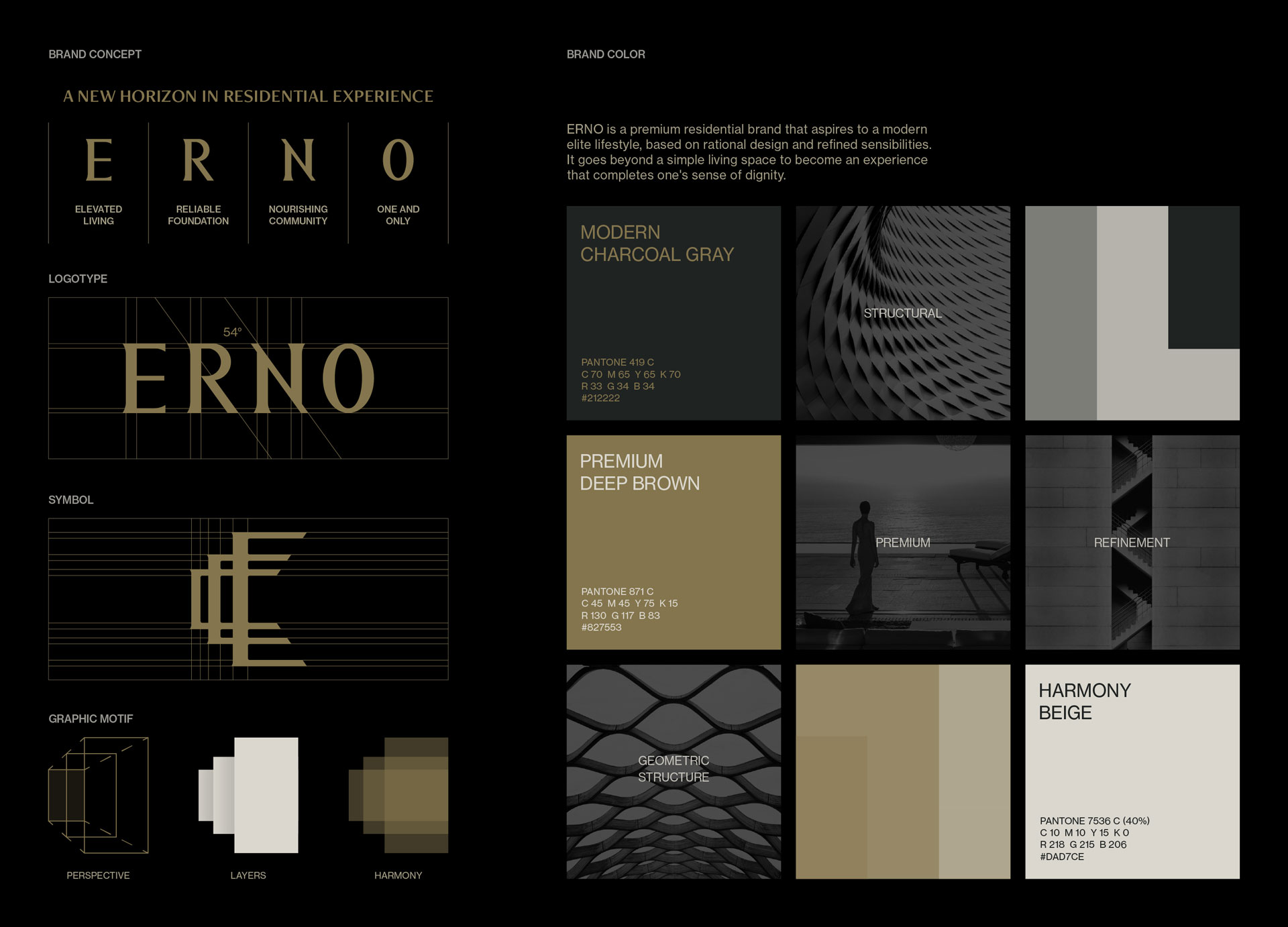
A branding project is not simply a process of visualizing a client’s requests. It also involves clarifying the direction of the business and the identity of the brand. How does B for Brand interpret a client’s business structure and market situation, and translate them into brand strategy?
At the beginning of a project, the materials we request are not competitor mood boards. Instead, we ask for profit structures and sales data, including the average transaction value, repeat purchase rate, revenue by sales channel, and the stage at which customers tend to leave. These figures help us identify precisely where branding should intervene. If the repeat purchase rate is low, the problem is rarely the first impression. More often, it lies in the experience after the product has been used. In that case, resources should be directed toward improving the structure of the refill packaging or the communication that follows the unboxing experience rather than investing additional effort in the logo itself. Conversely, if there is enough traffic but little conversion, the issue lies in the persuasive structure of the product page and the justification for the price.
Our strategic process follows this order:
- Understand the profit structure.
- Identify the key indicators that actually drive the business.
- Select the customer touchpoints that influence those indicators.
- Concentrate design resources on those touchpoints.
- Budgets are always limited. For that reason, real expertise in branding is revealed not only by deciding what to do, but also by deciding what not to do.
Ultimately, brand strategy must be translatable into the language of the income statement. Saying that something “looks more premium” is not persuasive. Explaining how a particular tone and visual system may raise resistance to a higher average purchase value is much more convincing.

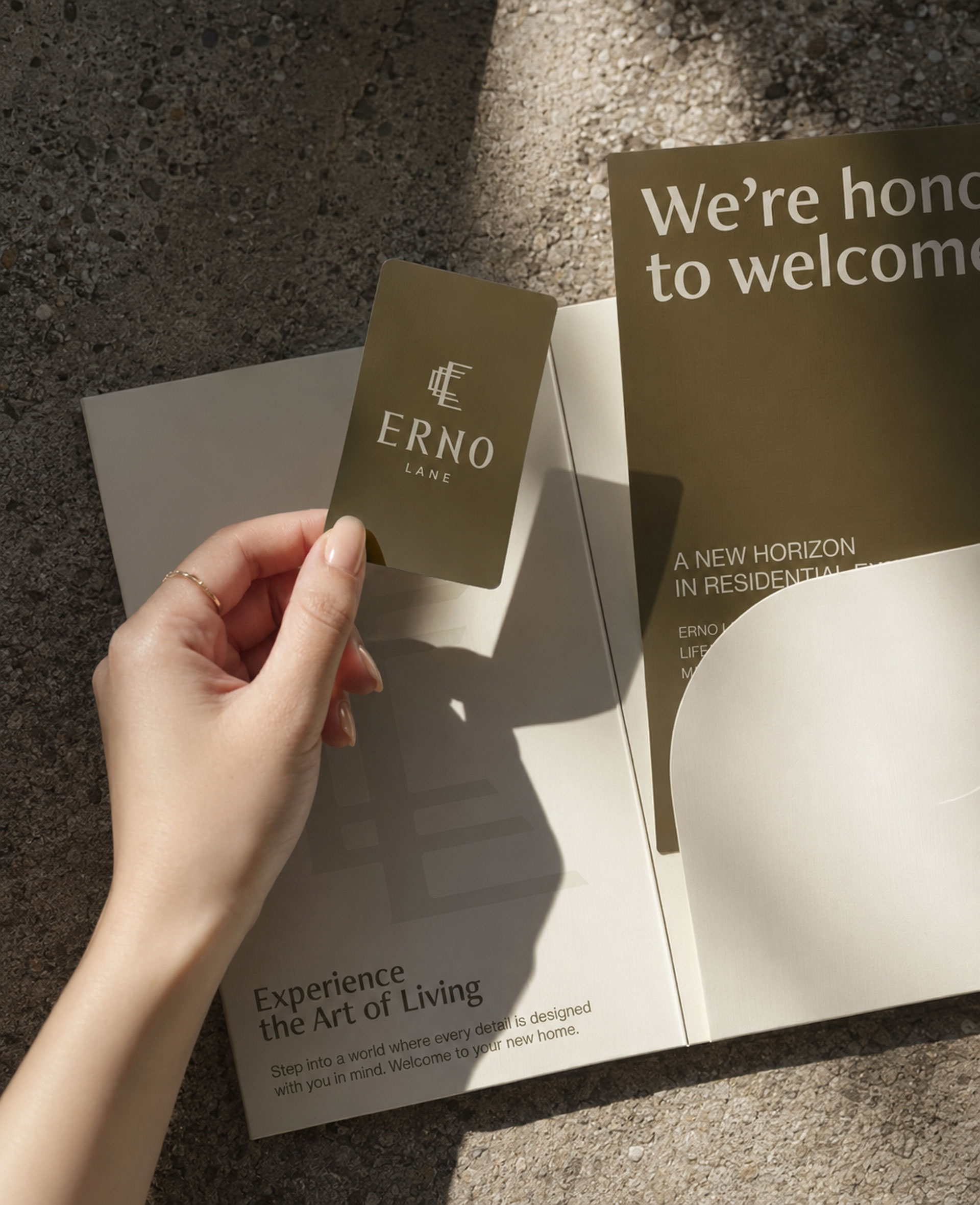
One particularly interesting aspect of B for Brand’s work is that after completing residential branding, the agency expanded into signage rather than leaving that work to an interior design company. Signage is generally regarded as part of spatial or interior design. What led B for Brand to take responsibility for this area, and what possibilities did you discover through the process?
It would be more accurate to say that we did not begin by winning a signage project. Rather, the work naturally evolved in that direction. With Daemyung Construction, our involvement did not begin with branding an individual residential complex. We first established the overall brand architecture. Officetels, townhouses, and apartments each serve different customer groups, price ranges, and purchasing motivations, yet they all need to share the trust and credibility built by the parent company.
Our role was to define which elements should remain consistent across the entire brand portfolio and which should be differentiated for each individual development. Based on that framework, we developed the hierarchy, established the boundaries between the brands, and simultaneously created the identity of each one. That same architectural system is now being extended into resort branding. From there, signage became a natural continuation of the process. On paper, brand architecture exists as a strategic framework, but in the physical environment, signage is the first place where that hierarchy becomes visible. The weight of a typeface, the spacing between letters, the quality of materials, and even the distance between a sign and a wall all communicate subtle distinctions. Through these details, residents unconsciously recognize where a particular property sits within the overall brand family.
For that reason, signage is not simply a finishing element. It is the physical expression of brand architecture. If decisions about signage are made by someone other than the team that established the brand architecture, the hierarchy defined on paper can quietly collapse once it is translated into the built environment. Interior design primarily evaluates the quality and completeness of a space. The harmony of materials and the precision of finishes naturally become its priorities. Branding, however, evaluates consistency, recognition, and the experience created throughout the entire system. We consider how far away a message can be read, what impression it leaves during the evening, and whether each expression accurately communicates the property's position within the broader brand portfolio. These two perspectives often lead to very different conclusions.
This distinction becomes especially important in residential environments. An advertisement may only be seen a few times, but residents encounter the same signage several times a day over many years. The cumulative exposure of those brand assets is therefore far greater than that of any advertising campaign. What we ultimately discovered is that once branding moves beyond the flat surface and begins to engage with materiality, scale, and circulation, it changes from something people simply look at into something they experience as they move through space. People naturally incorporate the places they pass through every day into their own sense of identity. At that point, a brand is no longer something to be recognized. It becomes something people feel they belong to.

B for Brand’s work often extends beyond logos and graphics into the actual points where a brand meets its customers. How far do you believe the role of a branding agency can expand today?
I believe a brand begins with a logo and is completed through the language used in customer service. Consumers do not read brand guidelines. They judge a brand through the notification they receive when delivery is delayed, the tone used when they request a return, and the first words spoken by a store employee. If those moments are inconsistent, all of the sophisticated design work completed at the beginning loses its value.
For this reason, I define the limits of expansion not by field, but by touchpoint. Wherever a customer encounters a brand, whether through interiors, logistics, or customer service scripts, that point belongs within the scope of branding. However, there must be a clear boundary. It would be arrogant and unrealistic for an agency to claim that it can execute everything directly.
The role we aim to play is that of the author of the standards. Experts in each field should execute the work in their own way, but the principles guiding their decisions should come from the brand. Responsibility for execution can be shared. Responsibility for the standards must remain unified. Otherwise, the brand begins to fragment.

Romantic Tiger is a legwear brand that you launched and operate yourself. Creating brands for clients and managing your own brand must be very different experiences. What led you to start Romantic Tiger, and how did your experience as an agency owner influence its launch?
Agency work comes with a structural limitation. The project often ends before we can witness the most important moment, which is the moment when the market responds. We propose, persuade, and hand over the work. Then our role ends. I wanted to see how effective my own decisions would be in the real market. If creating a client’s brand is an act of persuasion, operating your own brand is an act of responsibility. You do not need to receive approval for every decision, but you receive the result of that decision very clearly through warehouse inventory and the balance in your bank account. My agency experience was certainly helpful. Before developing the first product, I designed the brand world, tone, and color system. As a result, Romantic Tiger looked like a complete brand from its first season.
There was also one assumption I had to correct. I believed that a well designed brand would naturally sell. In reality, a well designed brand sells only after people discover it. The distance between those two points is filled by distribution, exposure, and the sales journey. Operating the brand taught me that building those systems is just as difficult as branding itself.
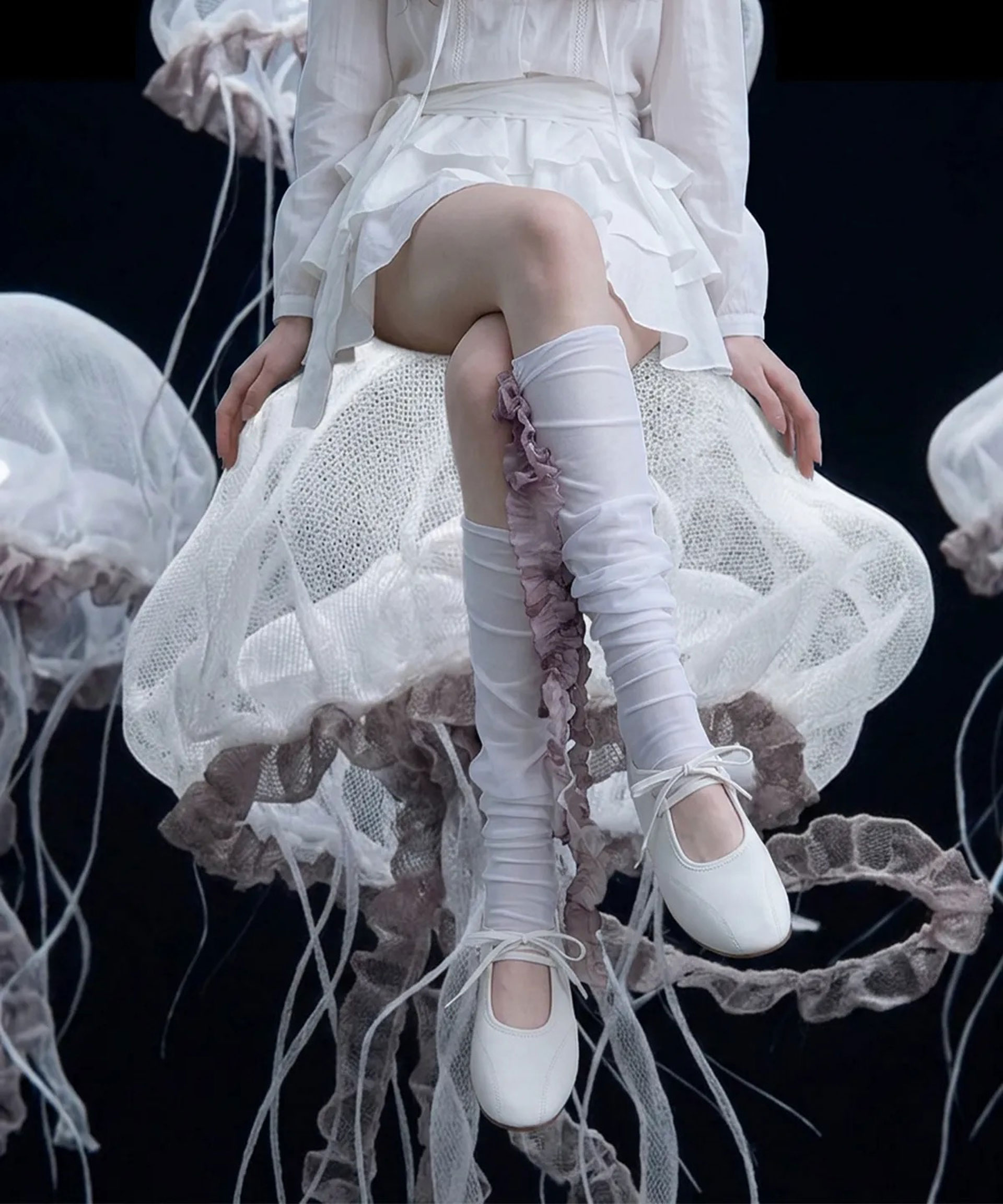
Romantic Tiger goes beyond the functional category of socks and uses the term “legwear” to propose a broader fashion attitude and identity. Why did you choose the language of legwear, and what perspective does the brand seek to communicate through it?
When you change the language, you change the point of comparison. When the point of comparison changes, the reference point for price also changes. The word “socks” belongs to the language of consumable goods. The moment you use that word, the consumer’s reference point becomes the multipack of five pairs sold at a supermarket. No matter how much design is added, it is difficult to escape that anchor. “Legwear,” by contrast, belongs to the language of styling. The comparison is no longer with bundled socks, but with the entire outfit. The consumer’s question shifts from “How much does this cost?” to “Does this suit me?”
The term was also accurate from a design perspective. The legs are often the final part of an outfit to be decided, yet one of the first areas people notice. Legwear can change an impression without transforming the entire look. It is one of the smallest and most efficient fashion choices a person can make. That point interested me. It is a place where someone can make a different statement about who they are today without making a major decision. Romantic Tiger is a brand that proposes that small statement.

The brand message of Romantic Tiger includes words such as “identity, attitude, and worldview.” It is interesting that such a small product category can express a person’s attitude and way of seeing the world. What strategy did you use to design the sensibility and attitude of the brand before focusing on product function?
Function is the language of verification. Attitude is the language of choice. Consumers use function to justify a product, but attitude is what makes them choose it. Breathability and durability help validate a purchase, but they do not necessarily create the desire to buy. For that reason, we reversed the usual order. When planning a season, we begin not with product specifications, but with a sentence.
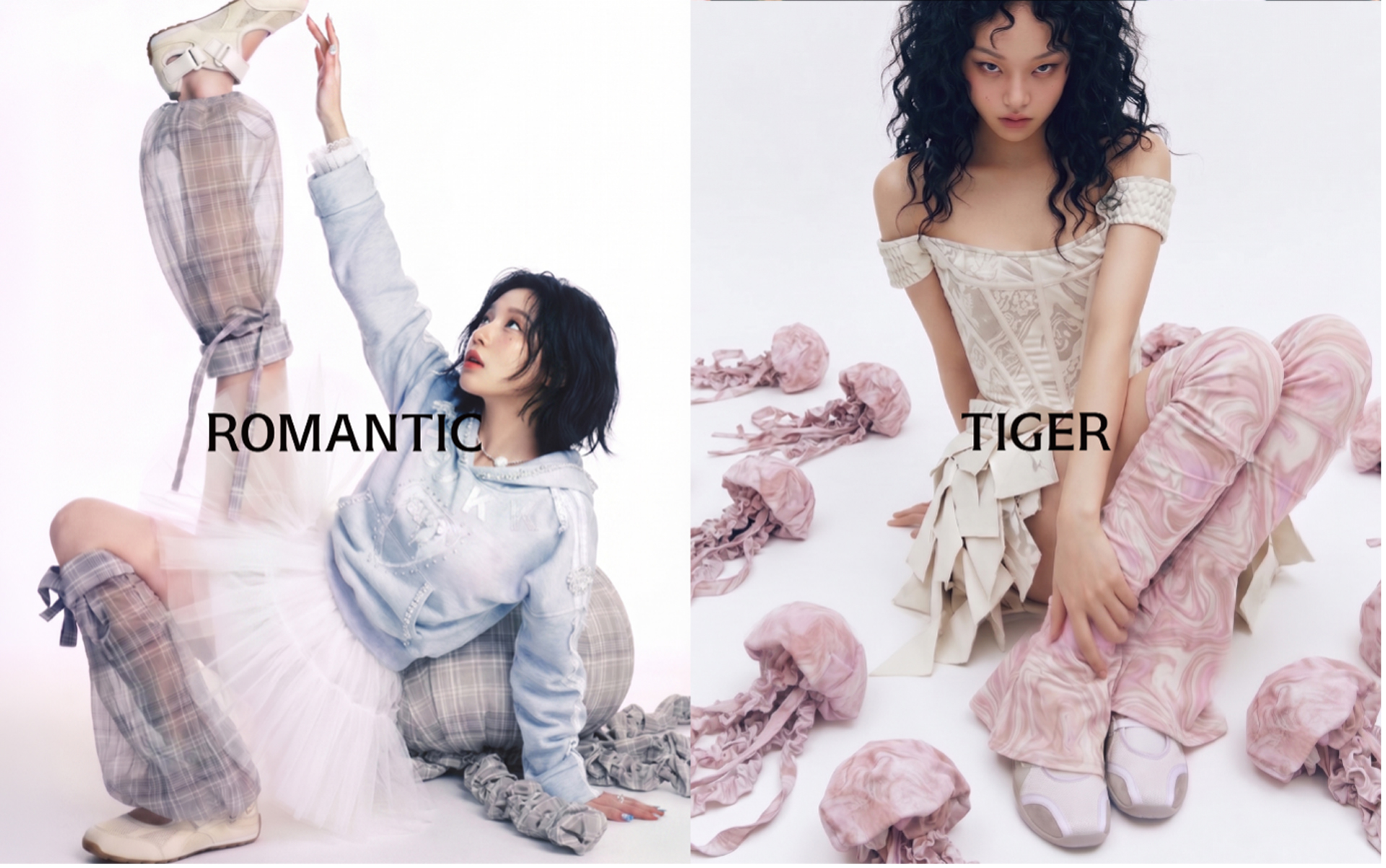
What kind of day is she having this season? In what situation does she choose this item? From that short narrative, we derive the color palette, the density of the pattern, and the direction of the texture. The product emerges as the result of the story. The brand name itself is a compressed expression of this strategy. Romantic and tiger, softness and fierceness, are two contradictory ideas placed side by side.
Human identity is not consistent. A gentle day and a fierce day can exist within the same person. The perspective of the brand is to affirm that full range. Designing an attitude ultimately means giving consumers an answer to the question, “What kind of person am I when I choose this brand?”
Operating a brand may give a designer greater creative freedom, but it also requires constant engagement with production, distribution, inventory, pricing, and customer response. What is the most important business insight you have gained through managing Romantic Tiger?
The greatest lesson I learned is this: design is a decision, but inventory is the consequence. At an agency, adding one more color means creating one more file. In a brand, that decision is multiplied by the minimum production quantity. Unsold inventory is your personal taste stacked inside a warehouse. It is extremely honest and extremely painful feedback.
The second lesson concerns cash flow. Revenue and cash are completely different concepts. Payments for materials and production leave first, while settlement arrives later. It was only after experiencing a shortage of cash during a successful sales season that I understood that seasonal planning is not simply a matter of sensibility. It is also a matter of inventory turnover.
The third lesson is that my perspective on pricing has changed. In the past, I viewed price as the result of adding a margin to production cost. Now I see price as an expression of the position a brand occupies in the market. Price is not merely the result of a calculation. It is a declaration. What supports that declaration is the context the brand has accumulated over time. This experience also informs my agency work. I can now understand through the language of numbers why a client hesitates before making a decision.

Many designers hope to create their own brand one day, but design ability alone is rarely enough to sustain one. What business conditions or attitudes should designers prepare before launching a brand?
There are three things I would emphasize. First, designers need both the financial resources and the determination to endure the period when their products do not sell. Most brands do not provide clear answers within the first year, and without sufficient cash flow to withstand several months of slow sales, it becomes tempting to rely on frequent discounts. While early discounts may generate short term revenue, they also risk permanently lowering the market's perception of the brand's value.
Second, the structure that supports the business after a sale deserves as much attention as the product itself. Logistics, inventory management, returns, and customer service are areas that many designers tend to overlook, yet these are often the moments when customers experience a brand most directly. If those systems are weak, even outstanding design cannot fully recover the trust and value that may be lost.
Most importantly, designers must be willing to adjust their own preferences in response to the market. A strong personal perspective is one of a designer's greatest strengths, but it can also become the greatest obstacle. Market feedback should never be viewed as a personal criticism of one's taste. It is information. Designers who can interpret that information objectively are far more likely to build brands that endure, while those who take every response personally often struggle to move beyond their first collection or season.
Ultimately, a brand is not something that is simply created. It is something that must be continuously operated and refined. Launching a brand is not the finish line but the starting point of a much longer journey. Design ability is undoubtedly important, but it is only one of many capabilities required to build a sustainable brand over time.




















#14057, 905 49, Beolmal-ro 102beon-gil,
Dongan-gu, Anyang-si, Gyeonggi-do, Korea
Business Registration Number: 454-86-01044
Online Sales License No.: 2021-Anyang Dongan-1081
Copyright © DESIGNSORI Co., Ltd.