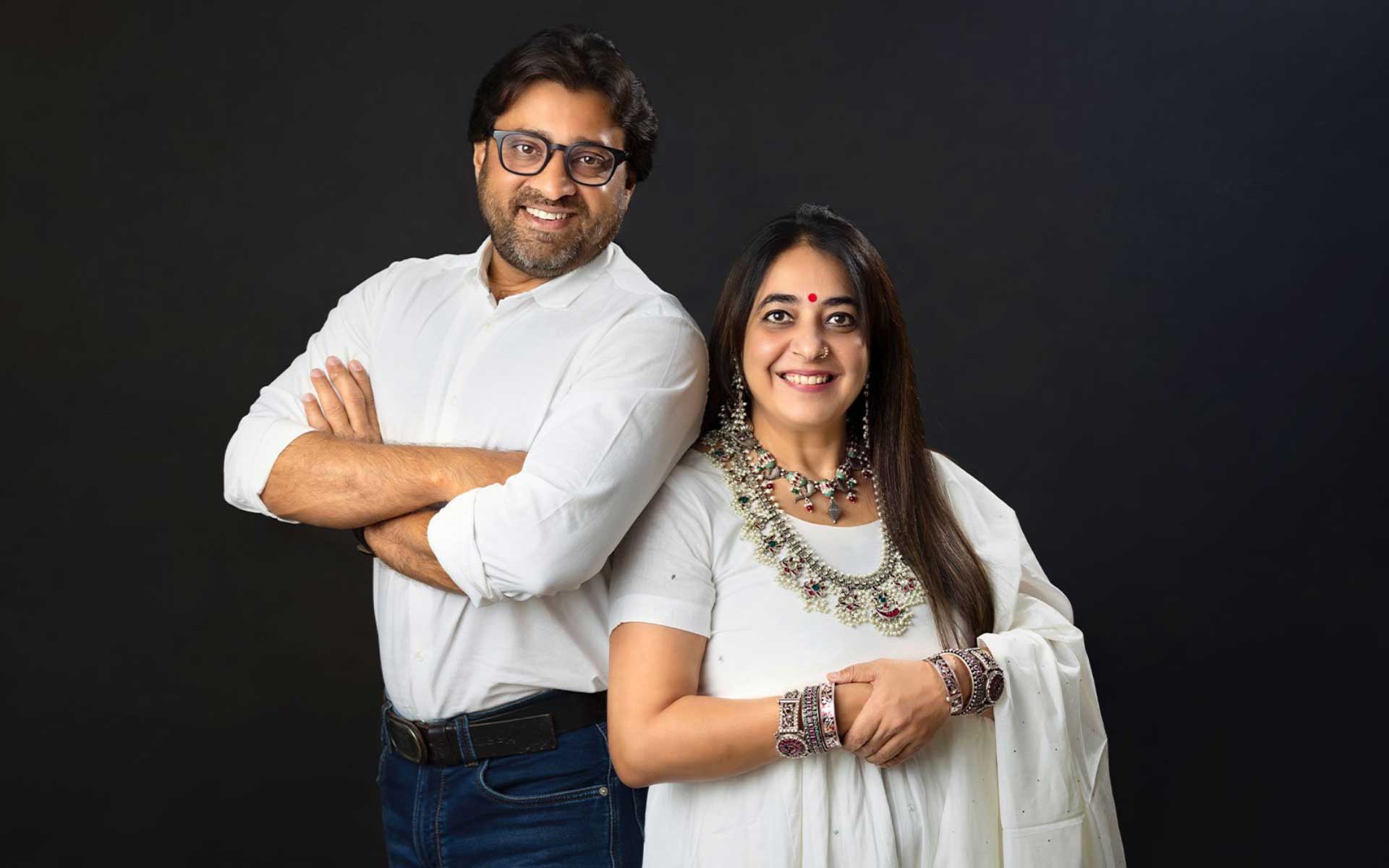
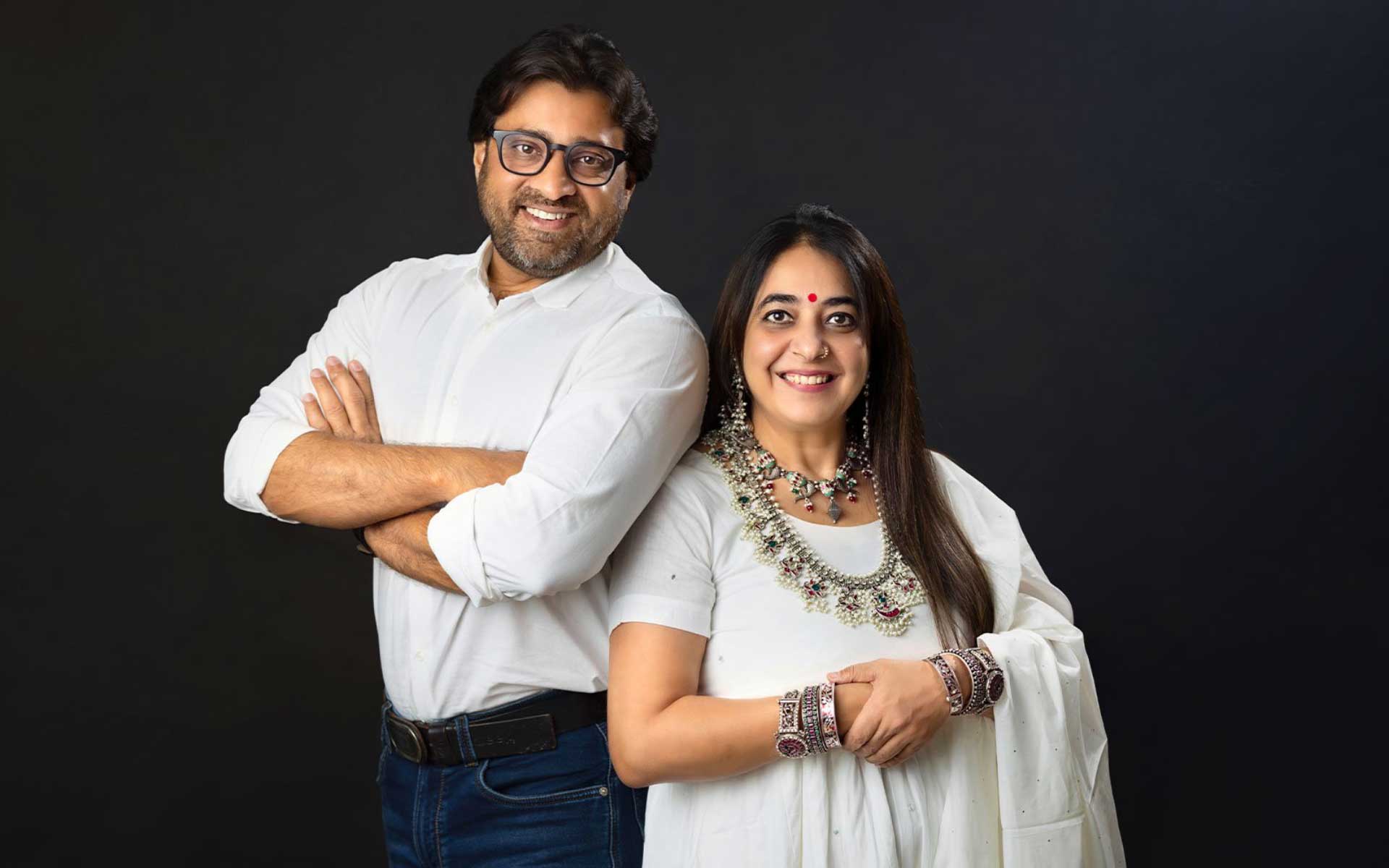
Bhadri Suthar & Snehal Suthar Co-Founders and Co-Principal Designers, tHE gRID Architects
“Based in Ahmedabad, India, tHE gRID Architects | Research & Design Studio views architecture as a continuous dialogue between people, place, climate, culture, and ecology. Founded in 2002 by Bhadri Suthar and Snehal Suthar, the studio works across architecture, interiors, landscape, furniture, and material research, approaching each discipline as an interconnected part of a unified design process. Guided by Heartfulness meditation, local knowledge, craftsmanship, material exploration, and passive climate strategies, their work is rooted in empathy, environmental responsibility, and human experience. In this interview, tHE gRID Architects reflects on how architecture can strengthen the relationship between people, nature, and the built environment while remaining deeply responsive to context, culture, and everyday life.”
First, please briefly introduce yourselves. We would appreciate it if you could share the background of founding tHE gRID Architects in Ahmedabad, India in 2002, along with an overall introduction to your current work across architecture, interiors, landscapes, and furniture design.
We are Bhadri and Snehal Suthar, Co-Founders and Co-Principal Designers of tHE gRID Architects | Research & Design Studio, established in Ahmedabad, India, in 2002. What began as an architectural practice has gradually evolved into a research-driven design studio where architecture, interiors, landscape, furniture and material exploration are viewed as parts of a single design process rather than separate disciplines. The name tHE gRID Architects represents a way of thinking. Every project begins by understanding the relationships that already exist between people and place, climate and culture, craft and technology, memory and the future. We are less interested in creating a recognisable style than in discovering the identity that already belongs to each project. Empathy has always shaped our practice.
Every project becomes an opportunity to learn from the process. This has naturally led us towards research in materials, construction techniques, climate-responsive design and the relationship between architecture and ecology. Over the years, our work has expanded beyond buildings into installations, furniture and experimental research because we believe design should be explored across scales. Whether we are designing a chair, a courtyard, building, villa, retail or an urban intervention, our intention remains the same to create environments that enrich everyday life while responding responsibly to their context. Today, with Manasvini joining the studio, another perspective has become part of this journey. Her international exposure and research interests have brought fresh questions to the practice while strengthening the values that have guided us from the beginning. Together, we continue to see architecture as a lifelong process of learning, observation and responsibility rather than the pursuit of a fixed design language.
Among the studio's core philosophies, your practice of Heartfulness meditation and the belief that Designing is a Spiritual Journey are very impressive. We are curious how this introspective and spiritual philosophy translates into actual physical spaces and buildings.
Heartfulness meditation has deepened the way we observe, listen and make decisions. Over time, these qualities have become inseparable from our design process, influencing the way we engage with people, places and architecture itself. When we say Designing is a Spiritual Journey, we mean that architecture begins with humility. Every site has its own history, every family its own way of living and every landscape its own character. understanding these realities becomes the foundation for every architectural decision that follows. This philosophy also influences the way we collaborate. We value conversations with clients, engineers, artisans and consultants because architecture is never created by one individual alone. Spirituality reminds us that architecture extends beyond the physical building to the way it enriches everyday life. If a home allows a family to spend more time together, if a school encourages curiosity, if a workplace nurtures well-being or if a building helps people reconnect with nature, then architecture has fulfilled its true purpose.
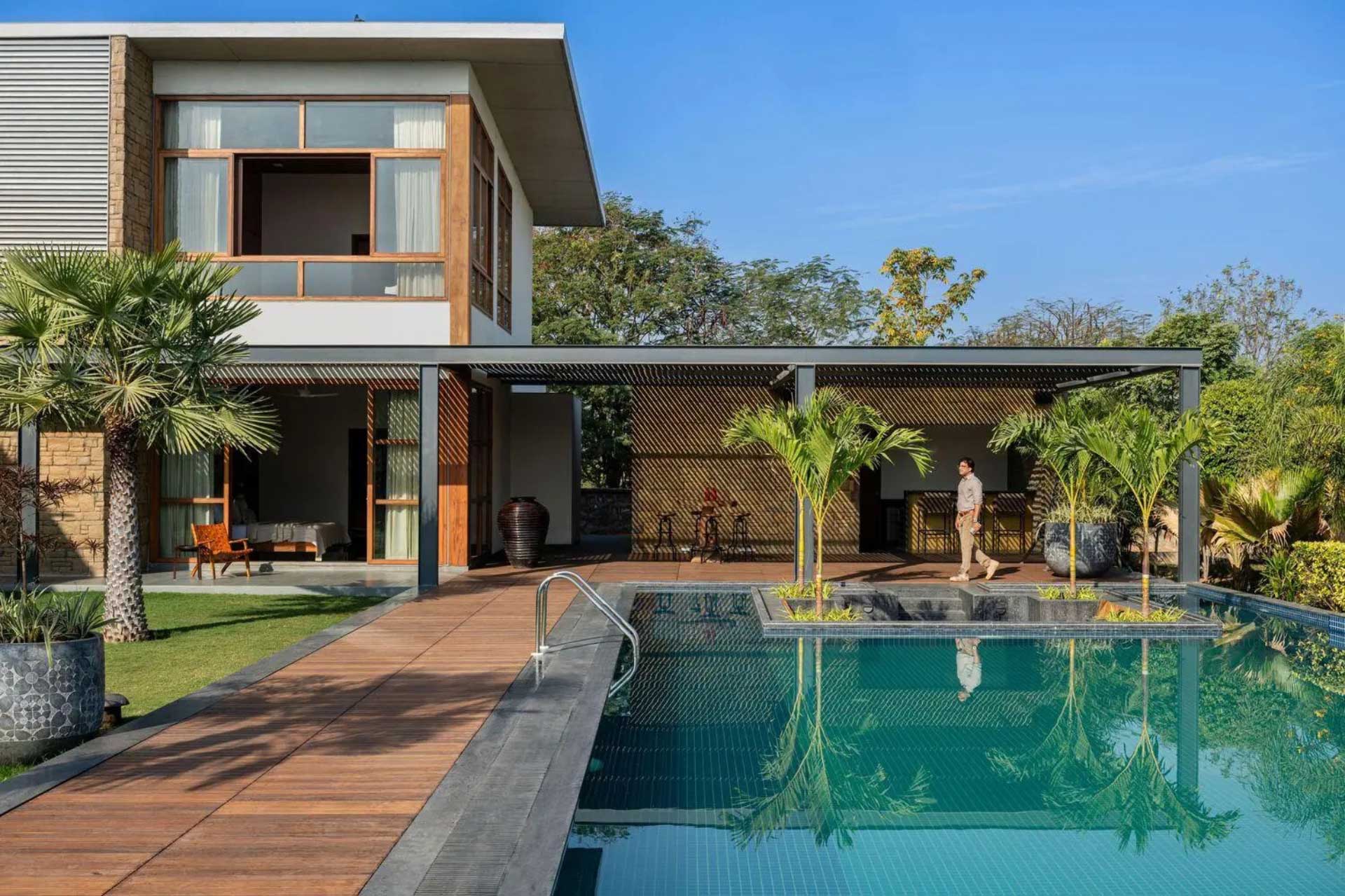
We understand that you actively utilize local materials and passive strategies to create climate-responsive buildings that breathe and sustain themselves. What factors do you consider most important in your design process, which prioritizes environmental responsibility and ecological balance?
Our design process begins with understanding the site. Before exploring form or materiality, we study sunlight, prevailing winds, topography, existing vegetation, water, local construction practices and the rhythms of everyday life. These observations become the basis for every architectural decision that follow. We have always believed that sustainability should be inherent to architecture rather than added through technology. Passive design therefore becomes our first response. Orientation, natural ventilation, shaded spaces, daylight, thermal comfort and landscape work together to reduce dependence on mechanical systems while creating environments that remain comfortable throughout the year. Material selection follows the same philosophy. We value materials that are appropriate to their context, environmentally responsible and capable of ageing gracefully. Equally important is understanding their origin, the people who craft them and how they contribute to the life cycle of the building.
Traditional knowledge has been one of our greatest teachers. Historic architecture across India demonstrates remarkable environmental intelligence achieved with limited resources. Rather than reproducing historic forms, we study the principles behind them and reinterpret those lessons through contemporary research and engineering. Environmental responsibility however extends beyond energy performance. It also includes respecting biodiversity, minimizing waste, encouraging local craftsmanship and creating buildings that remain relevant and adaptable over time. A building should contribute positively to its surroundings—not only for the people who inhabit it today, but also for the ecological systems that will continue long after we are gone.
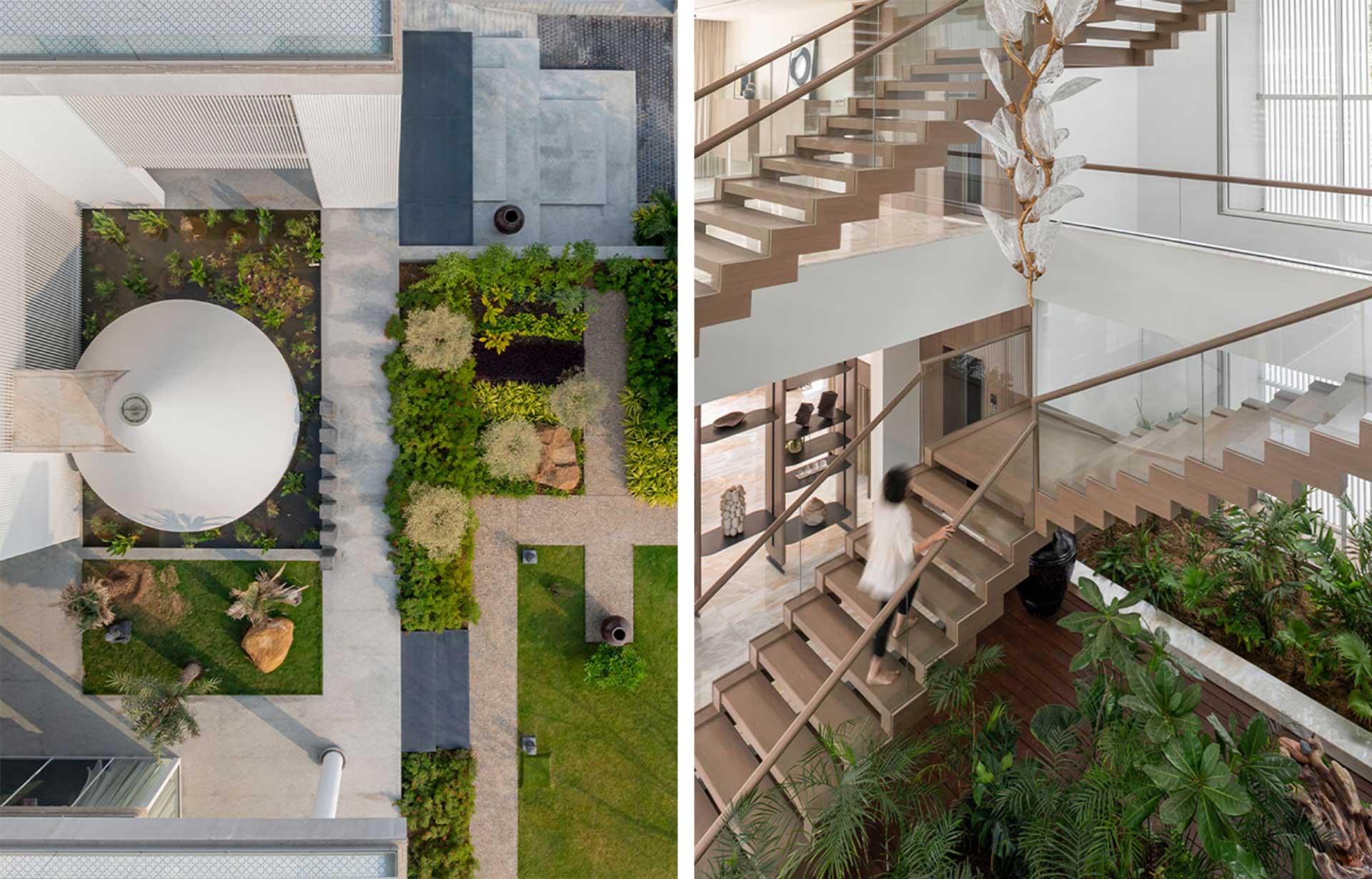
You take an approach that integrates futuristic research with traditional wisdom to offer sustainable solutions. When working on projects like the Futuristic Experimental House, which recently received recognition at the World Architecture Festival, how do you strike a balance between local context and future innovation?
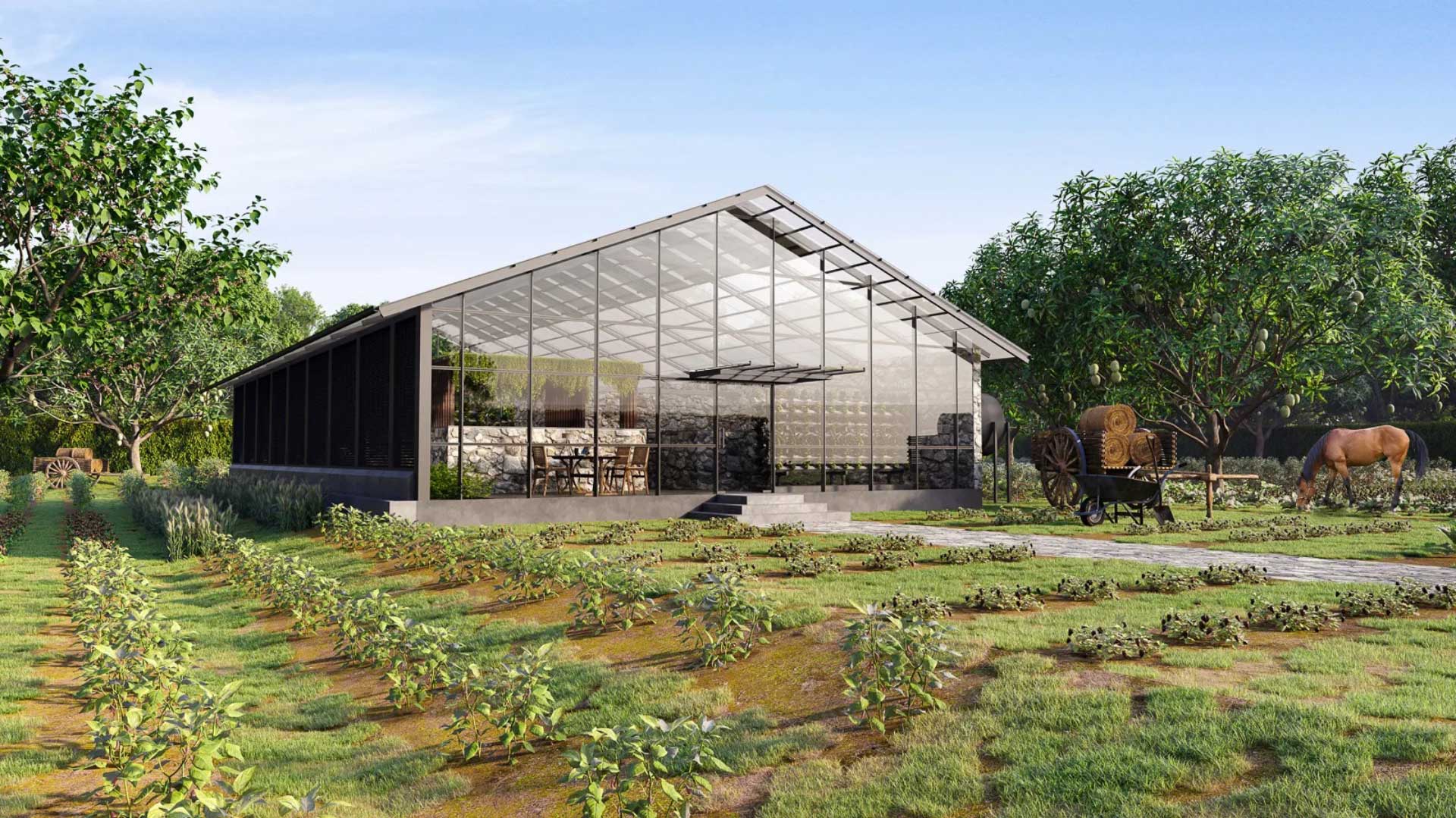
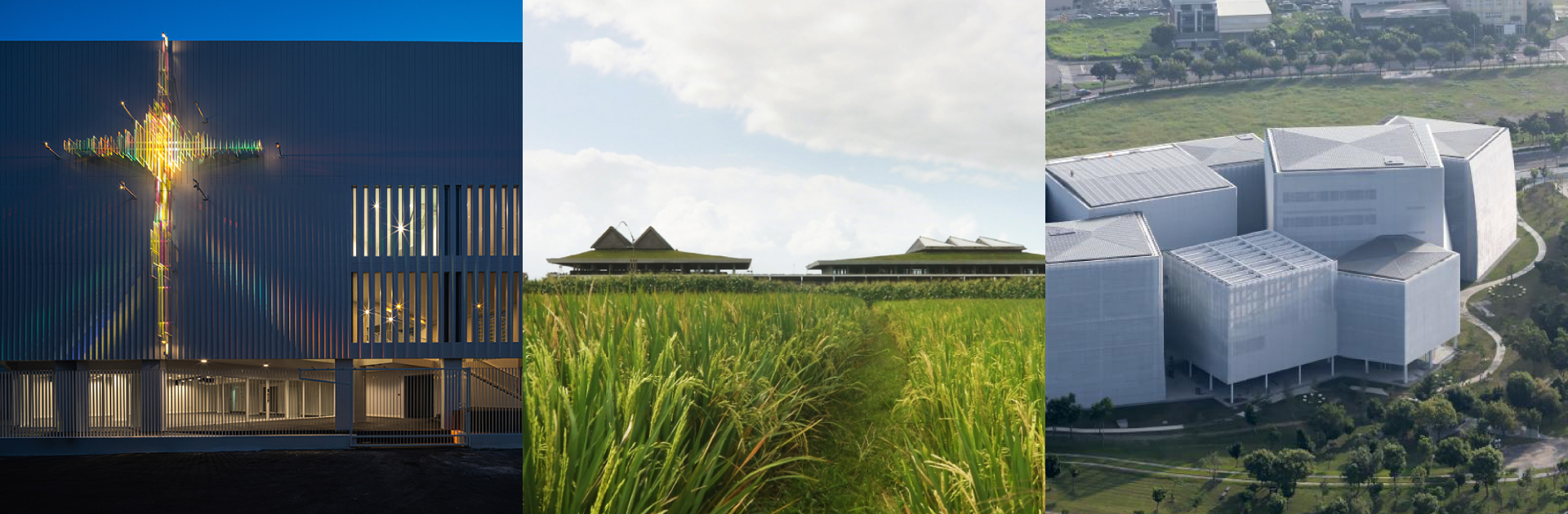
Innovation does not begin by replacing tradition, but by understanding it more deeply. Every place carries generations of knowledge about climate, materials, construction and patterns of living, we see it as a valuable foundation for future research. Our role is to reinterpret it through contemporary technologies, scientific understanding and changing social needs. The Futuristic Experimental House emerged from this approach. It was conceived not as a futuristic image but as a research platform to explore how future homes can become more resource-conscious, adaptable and closely connected to nature. Passive environmental strategies, renewable systems, material research and contemporary technologies were considered together rather than independently.
This approach has also led to our AGRItecture research, which examines the relationship between architecture, cultivation and ecological systems. It explores future homes, schools and communities where productive landscapes are considered an essential part of everyday life. Technology is most meaningful when it strengthens architecture. When orientation, climate response and spatial planning are thoughtfully resolved, technology becomes an enabler rather than the starting point. Research therefore remains continuous. Every project contributes to the next, allowing ideas to be tested, refined and carried forward. Some experiments succeed, others reveal better questions, but all contribute to the studio's understanding. The future of architecture will not be defined by how technologically advanced buildings appear. It will be defined by how thoughtfully and emotionally they respond to environmental realities while remaining deeply connected to culture, community and everyday life.
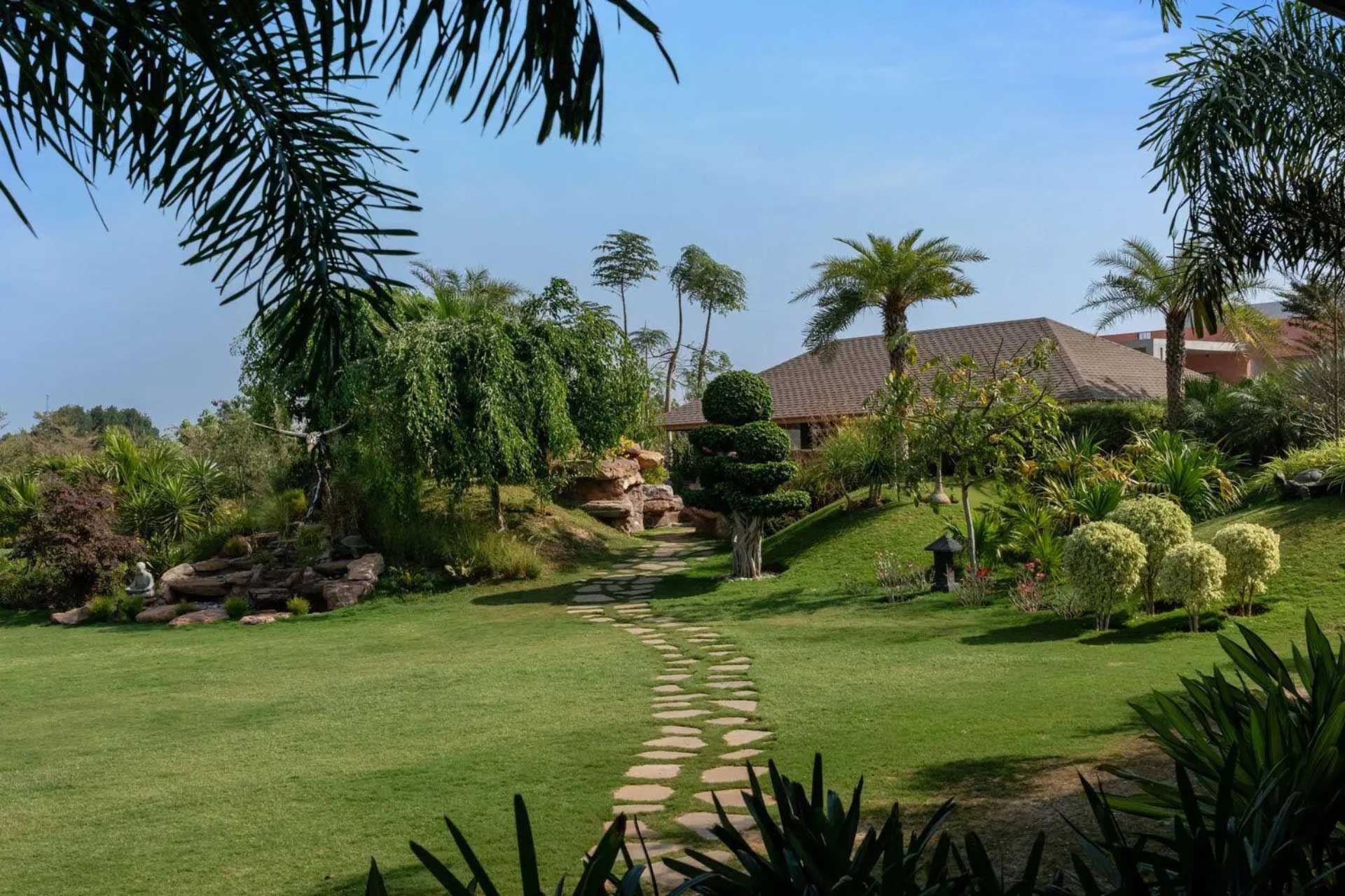
Pursuing human-centric design, you emphasize a deep connection with nature and biophilia. In an era of rapid urbanization, how do you believe architecture can restore this communion with nature that people easily lose?
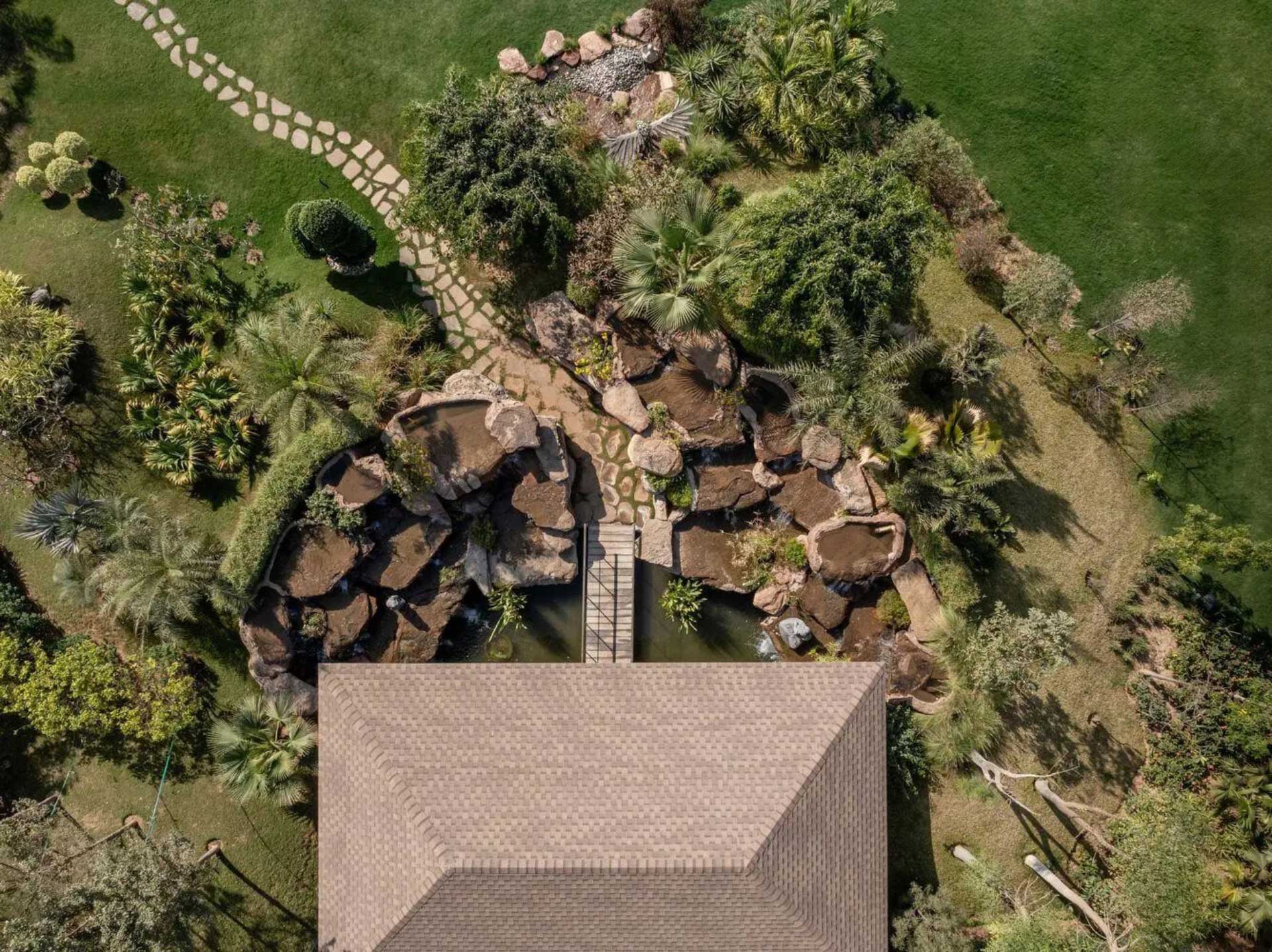
Urbanisation has transformed the way we live, but it has also distanced many people from the natural rhythms everyday life. We spend more time indoors, surrounded by controlled environments, while our relationship with daylight, seasons, vegetation, water and biodiversity becomes increasingly limited. Architecture can help restore this relationship by allowing nature to become part of everyday experience. Biophilia is experienced through changing light, natural ventilation, shaded courtyards, water, native landscapes, biodiversity and materials that age with time.
These elements influence how people feel. Nature is also a collaborator in the design process. Existing trees, landforms, water systems and local ecology become part of the architectural thinking from the earliest stages of planning. Cities are shared environments. Birds, insects, native vegetation and countless other living systems are equally part of the urban fabric. Restoring this relationship is both an environmental responsibility and essential to human well-being. Architecture can create places where nature is experienced as part of everyday life, strengthening our understanding that we are part of a larger living system.
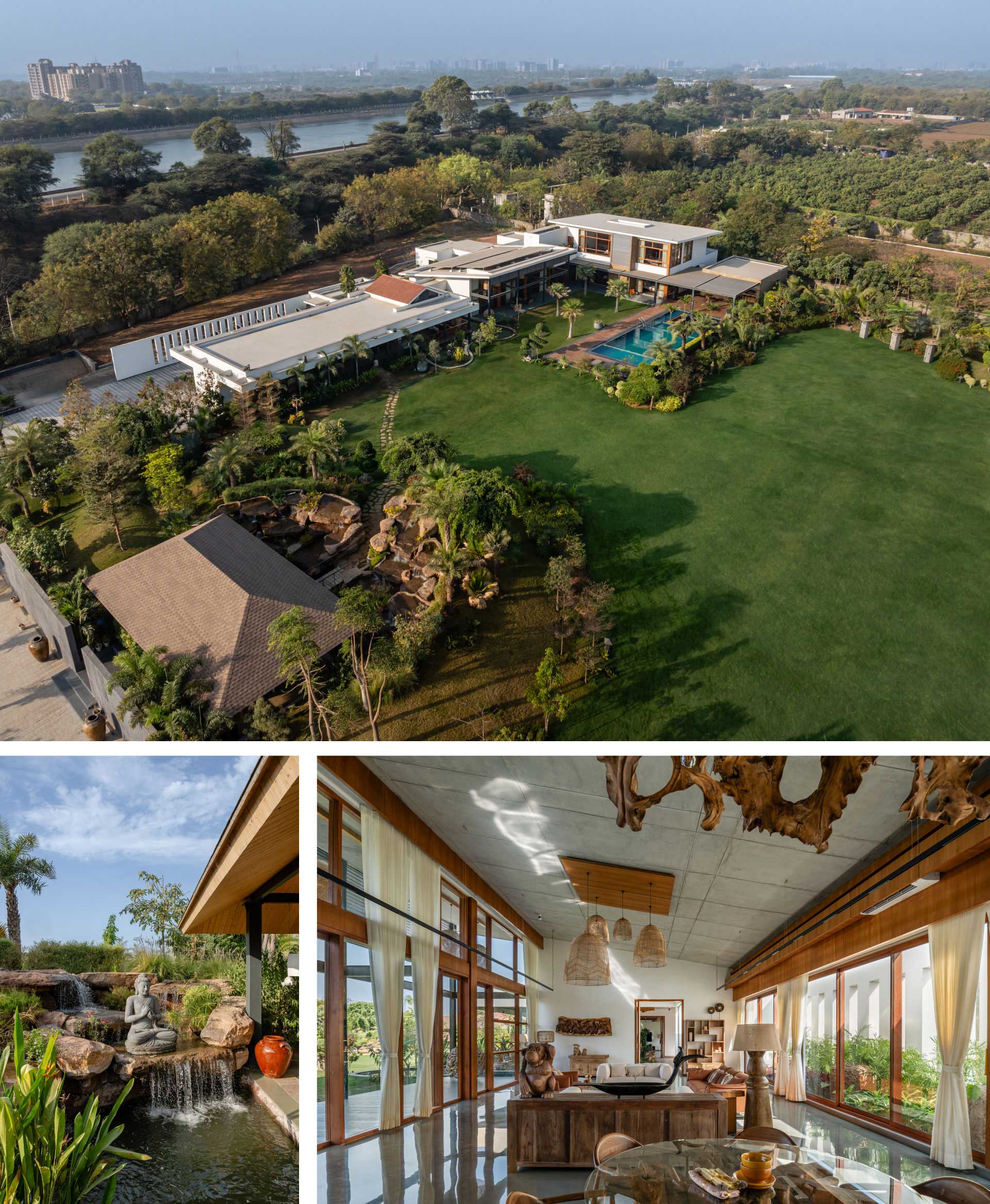
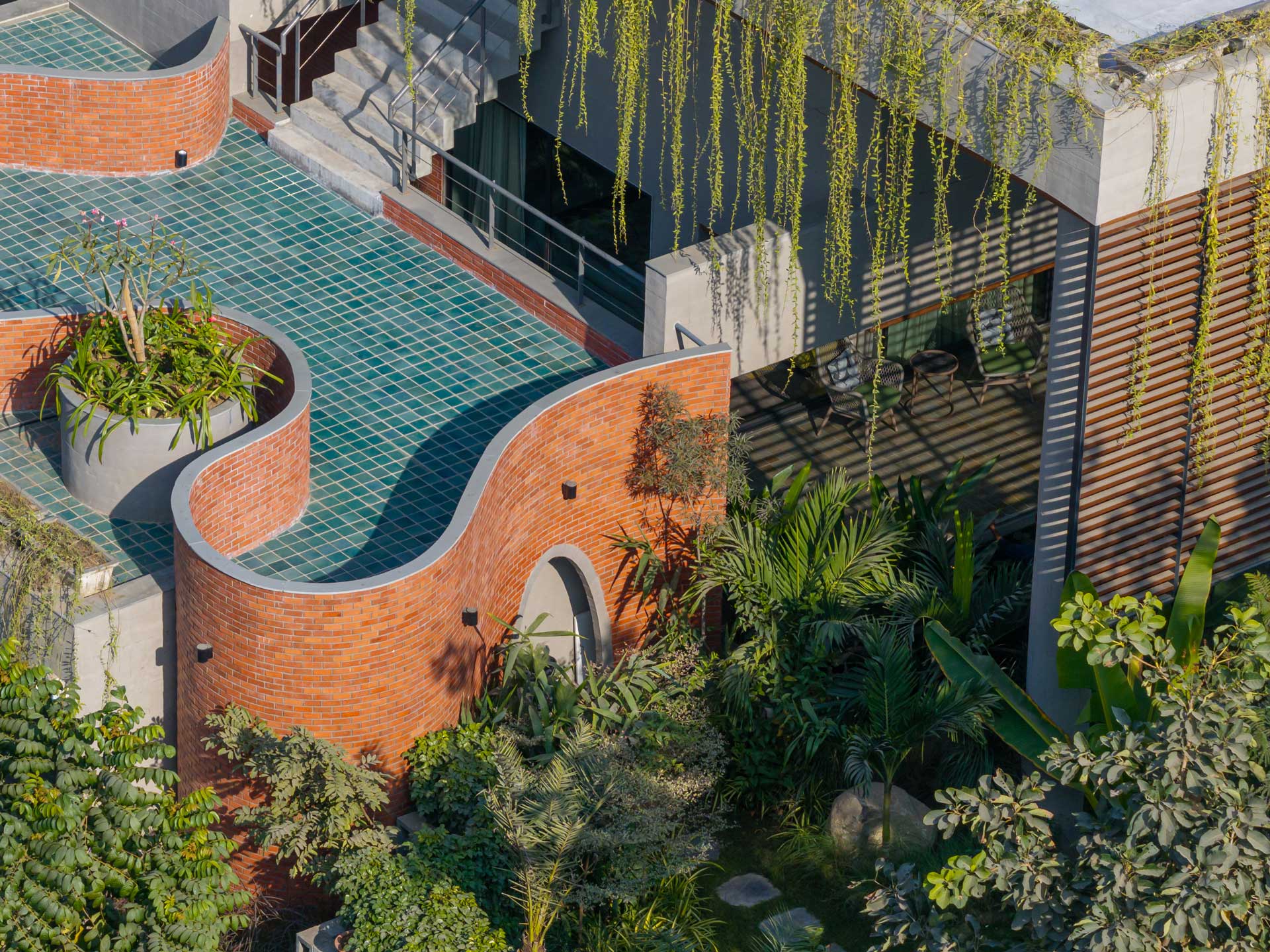
The inspiration drawn from roots in a carpenter family, along with an early passion for art and craft, forms the strong foundation of your studio. How have these personal experiences and heritage influenced the sensitive and purposeful design your studio pursues today?
Looking back, we realise that our education began long before architecture school. It began in workshops, through the smell of timber, the sound of hand tools and by watching craftsmen patiently transform raw material into something that would become part of someone's everyday life. Growing up in a carpenter family taught us that every material deserves respect. Nothing was wasted; every joint had a purpose and every detail mattered because it would be touched, used and lived with for decades. Those lessons subtly became the foundation of our architectural thinking. Art also played an equally important role.
Sketching and observing helped us understand light, proportion, texture and composition, but more importantly, they taught us to notice things that are often unnoticed. These experiences continue to influence the way we practice. We are naturally drawn towards working with artisans, understanding traditional craftsmanship and exploring materials through making rather than specification alone. The hand still has an important place in architecture, even within an increasingly digital profession. Our heritage has also shaped our values. We have never measured success by the complexity of a building, but by the empathy invested in creating it. Whether designing a house, an installation or a piece of furniture, we continue to approach every project with the same patience and respect for craftsmanship that first inspired us as children.
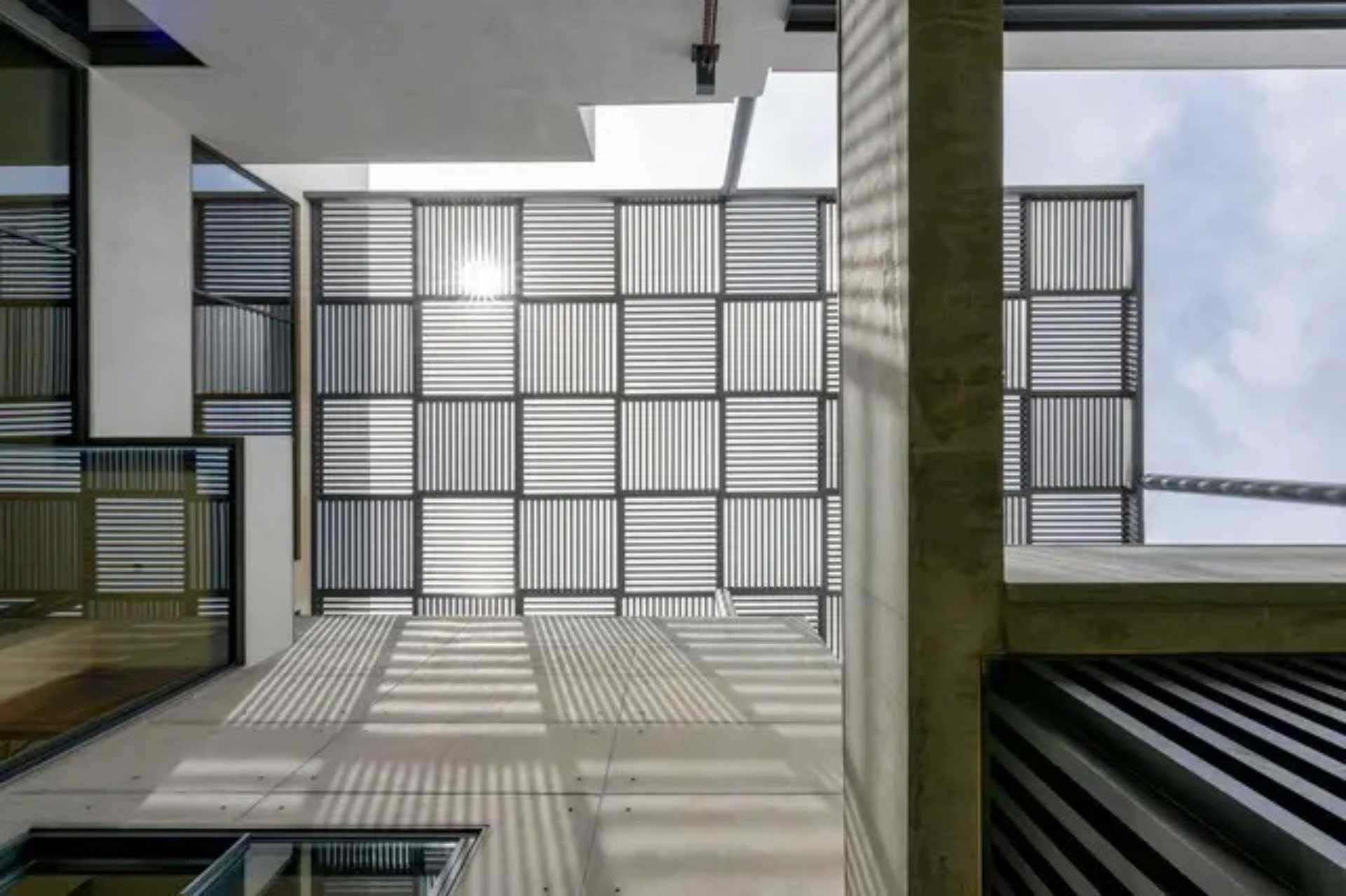
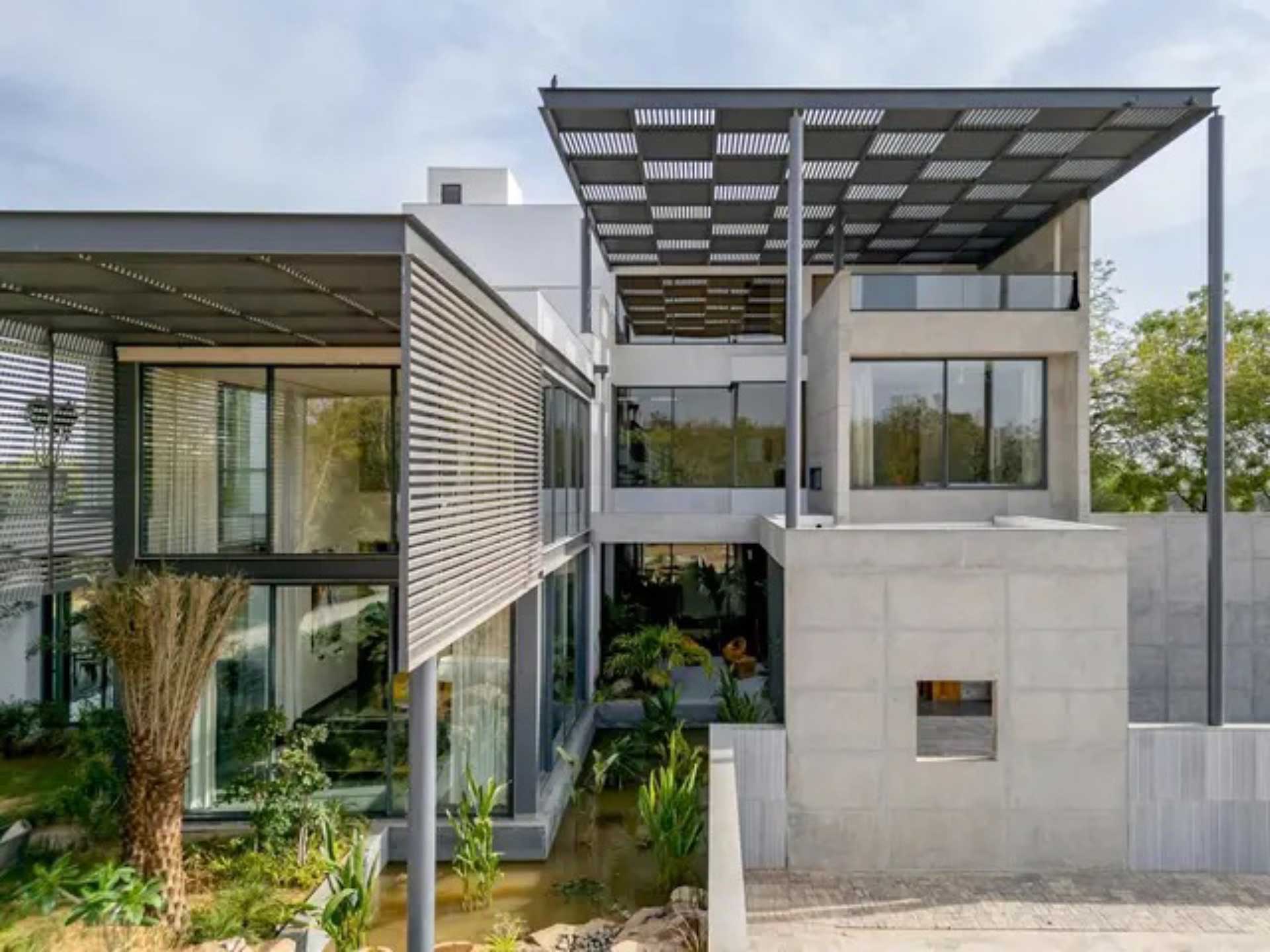
With your daughter, Manasvini Suthar, recently joining to represent the next generation, a global perspective has been added through her experiences in Paris and Japan, as well as collaborative work for the Venice Architecture Biennale 2025. How is this new generation's vision and empathy blending into the studio's evolving narrative, which is deeply rooted in local understanding?
For us, this has never been about one generation passing knowledge to the next. It is an ongoing dialogue where experience and fresh perspectives remain in constant conversation. Manasvini's experiences in Paris, Japan and through collaborative work connected with the Venice Architecture Biennale have naturally introduced new ways of thinking about research, technology, communication and international practice into the studio. At the same time, they have reinforced an appreciation for the richness of India's own architectural traditions. Working together has expanded the way we discuss research, design, technology and the future of architectural practice.
We often discuss how emerging technologies, artificial intelligence and digital tools can strengthen the design process without replacing the sensitivity that comes from observation, human interaction and craftsmanship. The greatest contribution of the next generation is its willingness to question established assumptions. Younger architects question assumptions that older generations may accept without thinking. This keeps the studio intellectually active and encourages continuous learning. As a family, we also share something beyond professional collaboration. We understand one another's strengths, challenge one another honestly and value ideas regardless of where they come from. That openness has become one of the studio's greatest strengths. The future of tHE gRID Architects therefore feels less like a transition and more like a natural evolution remaining deeply rooted in the values that enrich us.
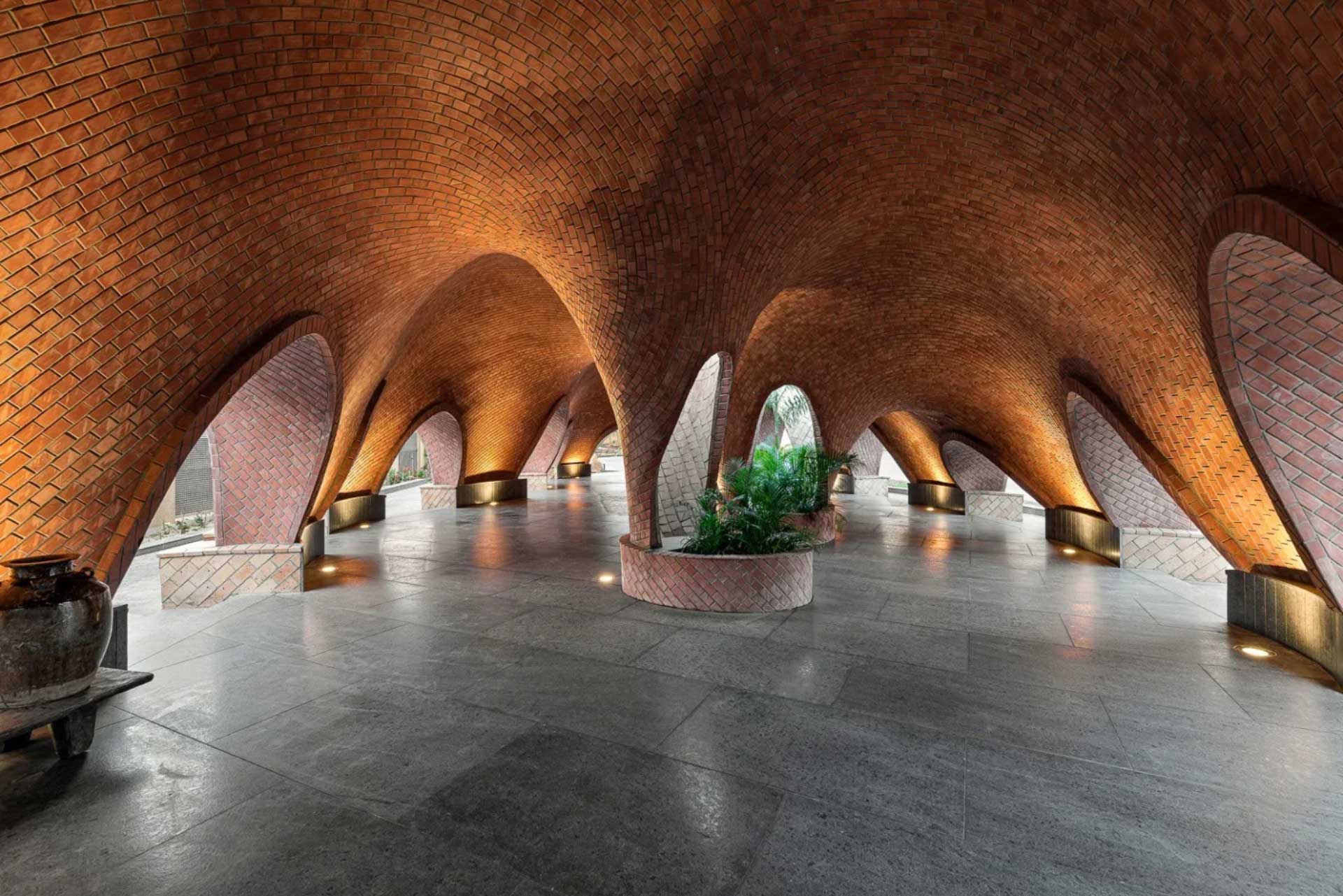
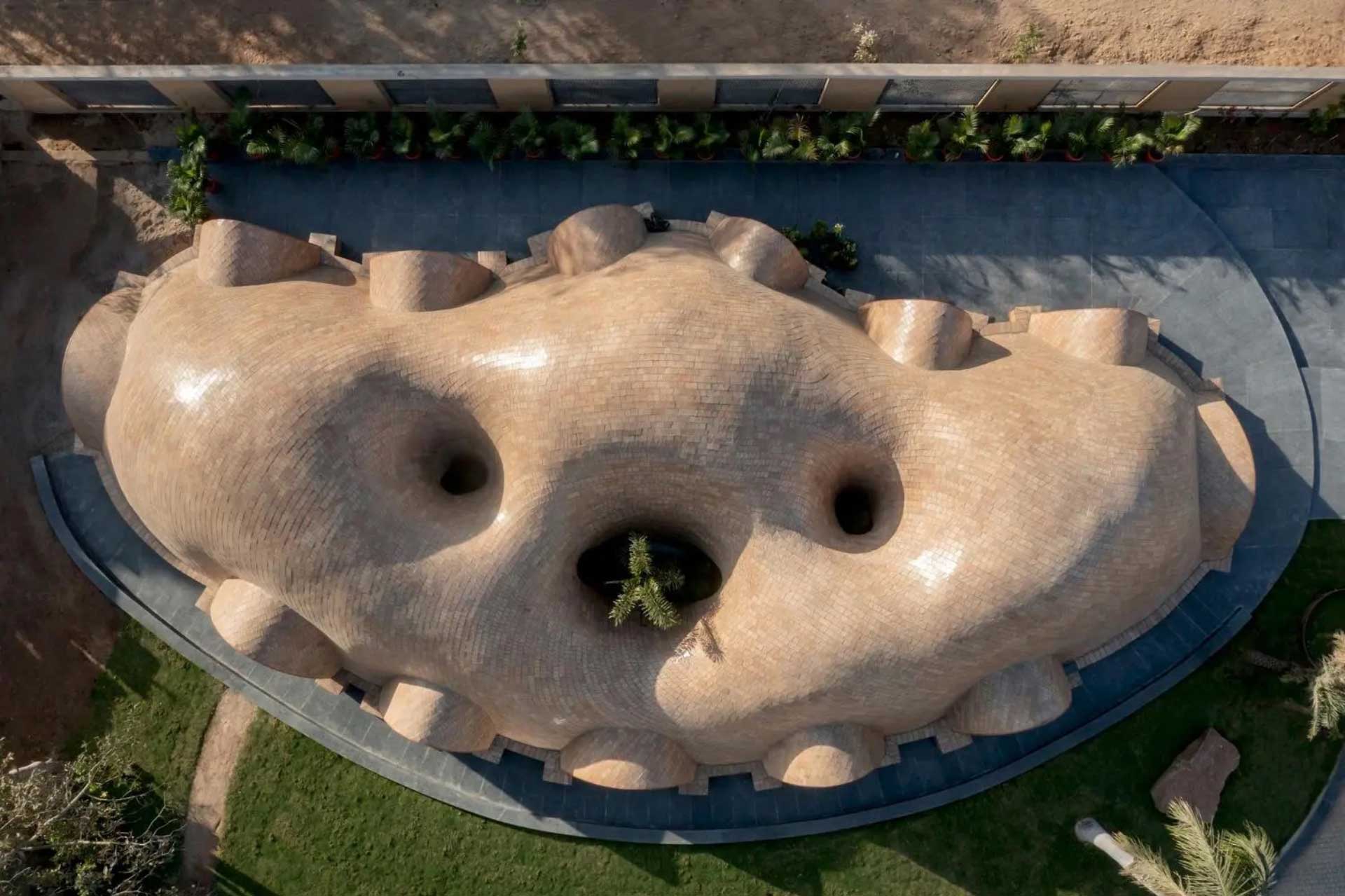
Your material research has gained international recognition, including the multi-award-winning Tarang project. We would like to hear how this experimental process of exploring the essence of materials makes a difference in the final outcome of a project when determining spatial forms.
We begin with What is this material capable of becoming? What is the purpose of this space? Every material possesses its own logic. It has strengths, limitations, structural behaviour, texture and a relationship with climate and craftsmanship. Architecture becomes richer when these qualities are allowed to influence the design. Our research therefore involves making and refining. Prototypes, mock-ups and repeated experiments are essential because materials often teach us things that drawings alone cannot. The design gradually evolves through this dialogue.
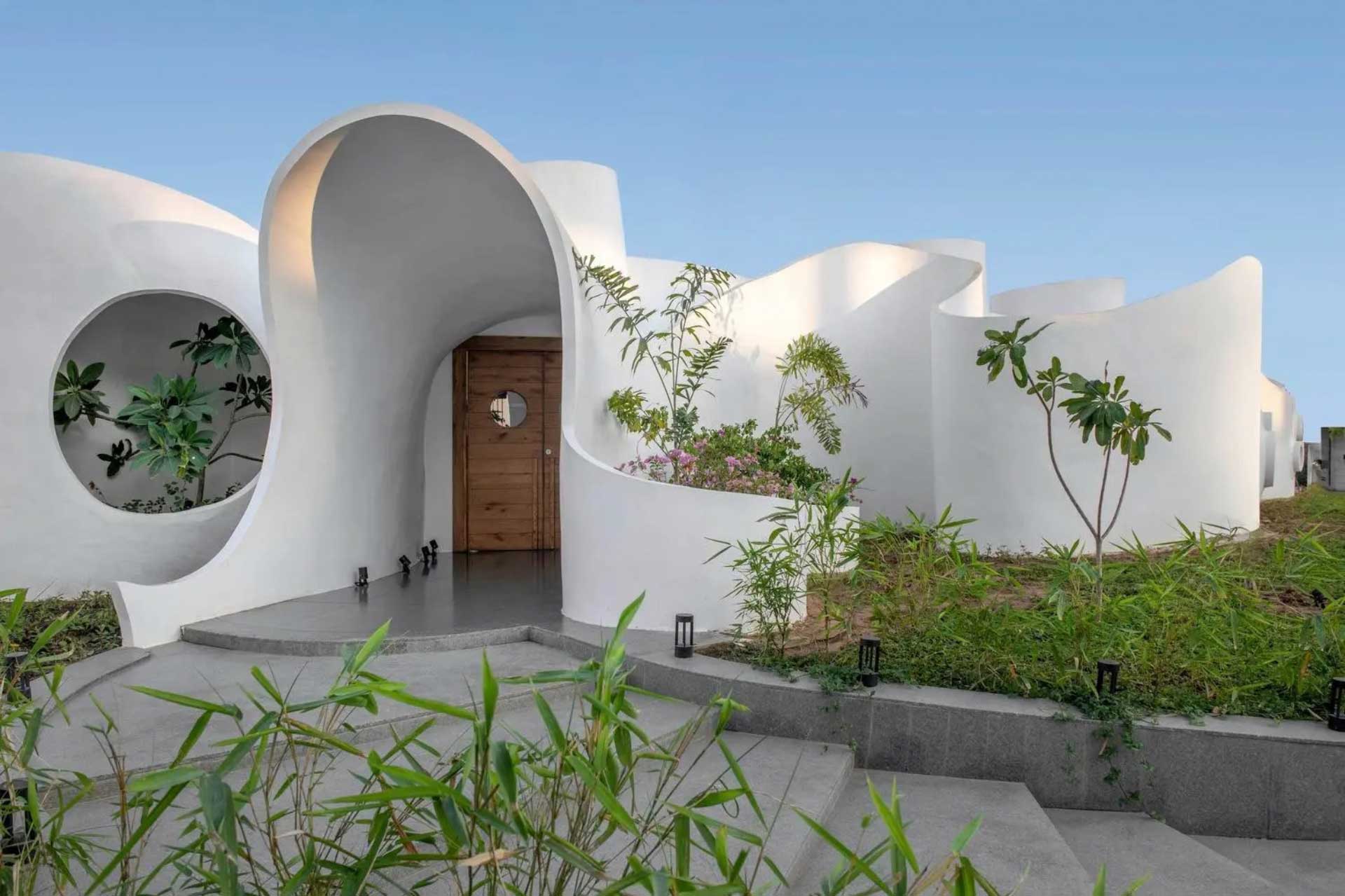
Tarang is a good example of this process. Our interest was never limited to using terracotta bricks as a surface material. We wanted to understand its structural potential, thermal performance, craftsmanship and ability to create space. As our research progressed, the flowing geometry and structural system emerged naturally from the material itself. This approach has influenced all of our work. Whether we are exploring GFRC, UHPC, lime, timber or natural stone, our objective is always to reveal the inherent quality of the material. When material, structure and space evolve together, architecture gains depth.
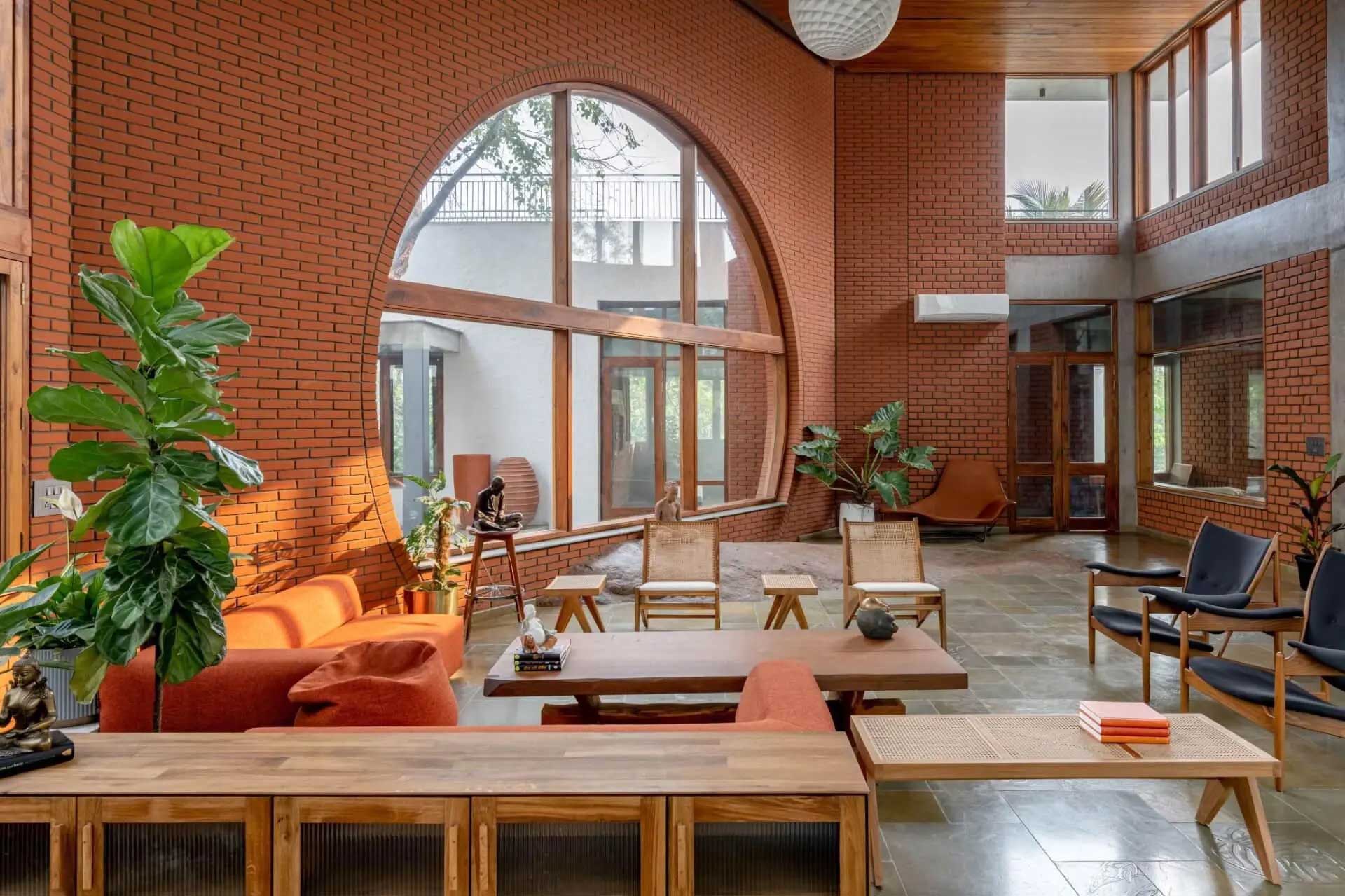
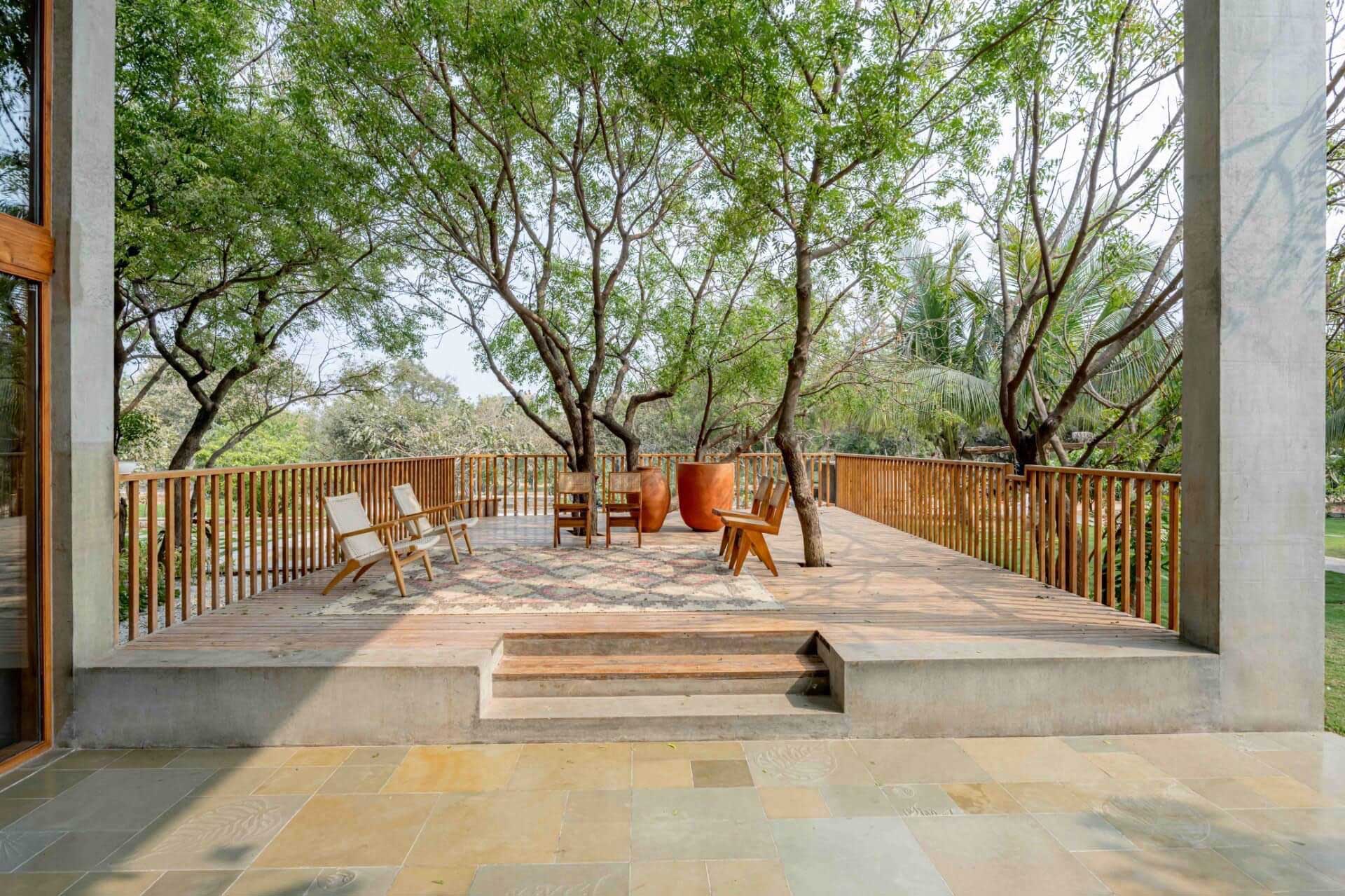
You have defined the future of architecture as lying in empathy, humanity, and a deep connection between people, nature, and the built environment. When designing a space, what is your studio's unique methodology or collaborative process for materializing this empathy for users and the environment into an actual physical design language?
Every project begins by understanding the people, the place and the purpose, what they value and how a place can genuinely improve their everyday lives. We often find that the most meaningful aspects of a project are not written in the brief—they emerge through conversations, observation and time. The site becomes the next layer of understanding. The site is studied beyond its physical characteristics. Every piece of land has a history, a rhythm and an ecological identity. Recognising these qualities allows the architecture to respond to its surroundings with greater sensitivity.
The design process draws upon the knowledge of architects, landscape designers, engineers, artisans, consultants and clients, each contributing a different perspective to the final outcome. Research supports every stage of this process. Whether exploring construction systems, materials or environmental performance, we rely on knowledge as much as intuition. Our design language is not defined by recurring forms or stylistic preferences. It is defined by intention. Every decision should contribute to comfort, longevity, environmental responsibility and the quality of everyday life, then the architecture develops its own identity.
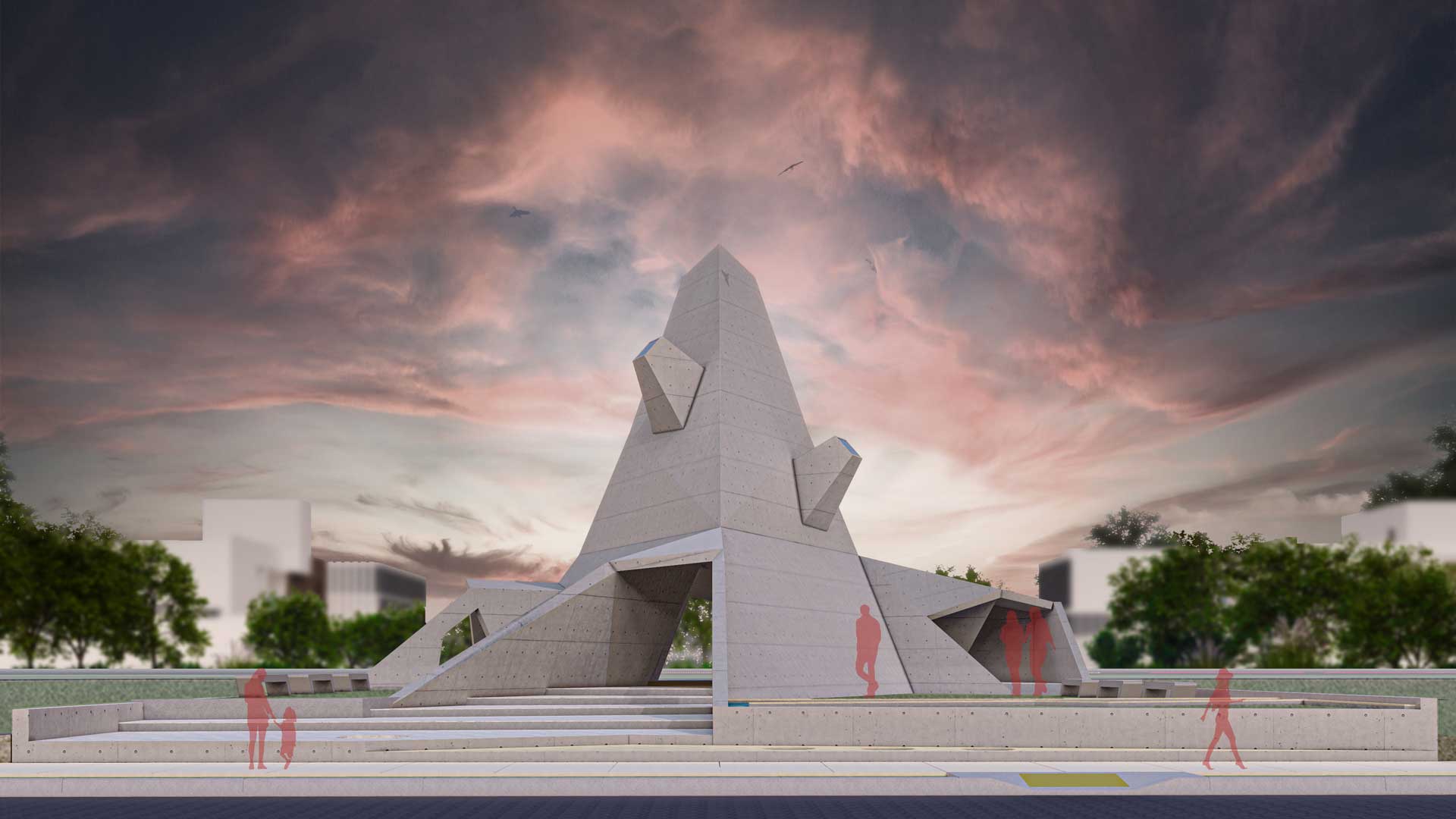
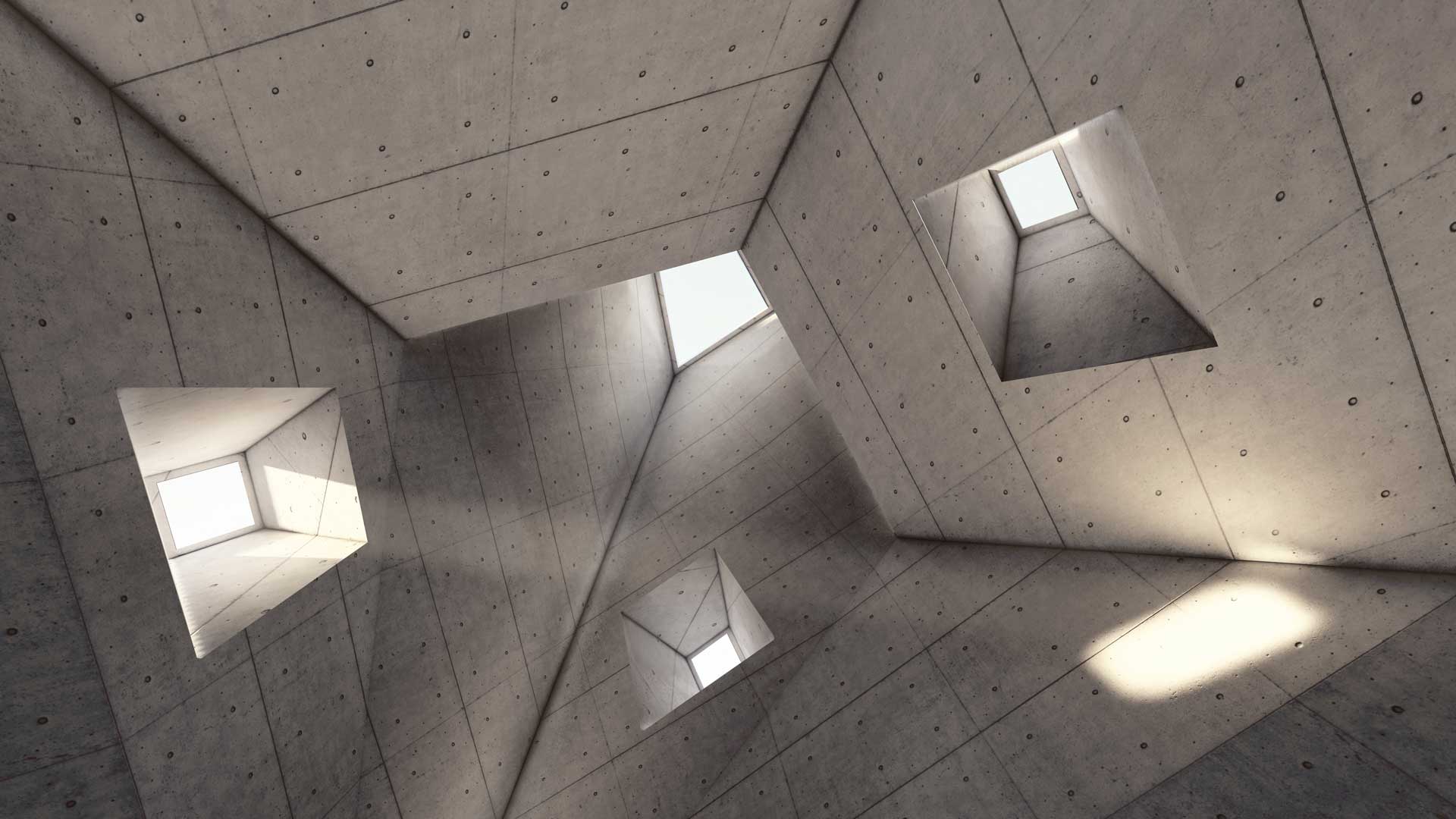
Finally, are there any experimental projects you would like to challenge yourselves with in the future, or any architectural values you wish to leave behind in the city to inspire future generations through your long-term research?
The projects that excite us most are those that challenge us to explore questions beyond conventional architectural practice, invite us to rethink our relationship with ecology, communities and the future of living. Our current work explores areas such as regenerative settlements, future learning environments, animal welfare, material innovation and buildings that contribute positively to biodiversity rather than simply reducing environmental impact. Architecture must evolve from being less harmful to becoming genuinely restorative. Equally important is the role of research itself.
Every project should contribute something beyond the building itself—whether through new knowledge, improved methods or a deeper understanding of how architecture can respond to contemporary challenges. If there is one legacy we hope to leave behind, it is not a recognisable architectural style. Styles inevitably change. Values endure. We hope future architects remain curious enough to question accepted practices, humble enough to continue learning and courageous enough to explore new possibilities while respecting the wisdom that already exists. If our work encourages even a small shift towards a more thoughtful, compassionate and responsible way of practising architecture, we will feel that our journey has been worthwhile.



















#14057, 905 49, Beolmal-ro 102beon-gil,
Dongan-gu, Anyang-si, Gyeonggi-do, Korea
Business Registration Number: 454-86-01044
Online Sales License No.: 2021-Anyang Dongan-1081
Copyright © DESIGNSORI Co., Ltd.