
Public design has long been understood primarily through the lens of functionality. Directional signage, wheelchair accessible ramps, emergency lighting, and wayfinding systems in parks and public squares have traditionally been evaluated by one standard: how accurately and safely they perform their intended function. However, the 2026–2027 Asia Design Trend Report reveals that the role of public design is gradually changing. Beyond meeting functional and safety requirements, designers are increasingly considering how citizens feel as they experience public spaces and services.
This report defines this emerging movement as CIVITONE. A combination of the words Civic and Tone, CIVITONE refers to a design strategy that intentionally brings warmth, empathy, trust, and emotional sensitivity into public spaces and civic services. It represents a shift from designing for function alone to designing for emotional experience.
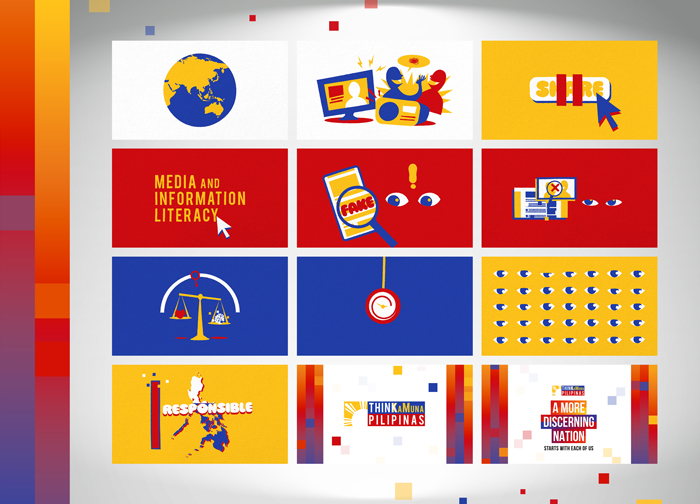
< THINKaMuna Pilipinas, ASIA DESIGN PRIZE 2026 Winner >
The Philippines' THINKaMuna Pilipinas illustrates this transformation through graphic design. The dataset reveals the frequent appearance of words such as digital, graphic, red, and flag, suggesting that civic education is evolving beyond information delivery into an experience that connects national identity with visual communication.
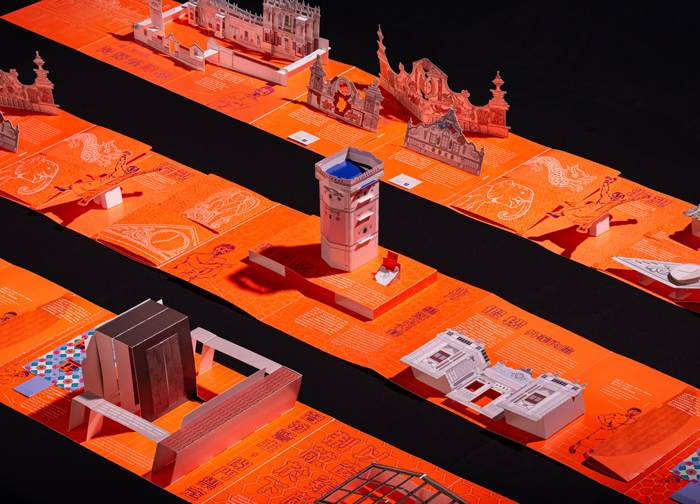
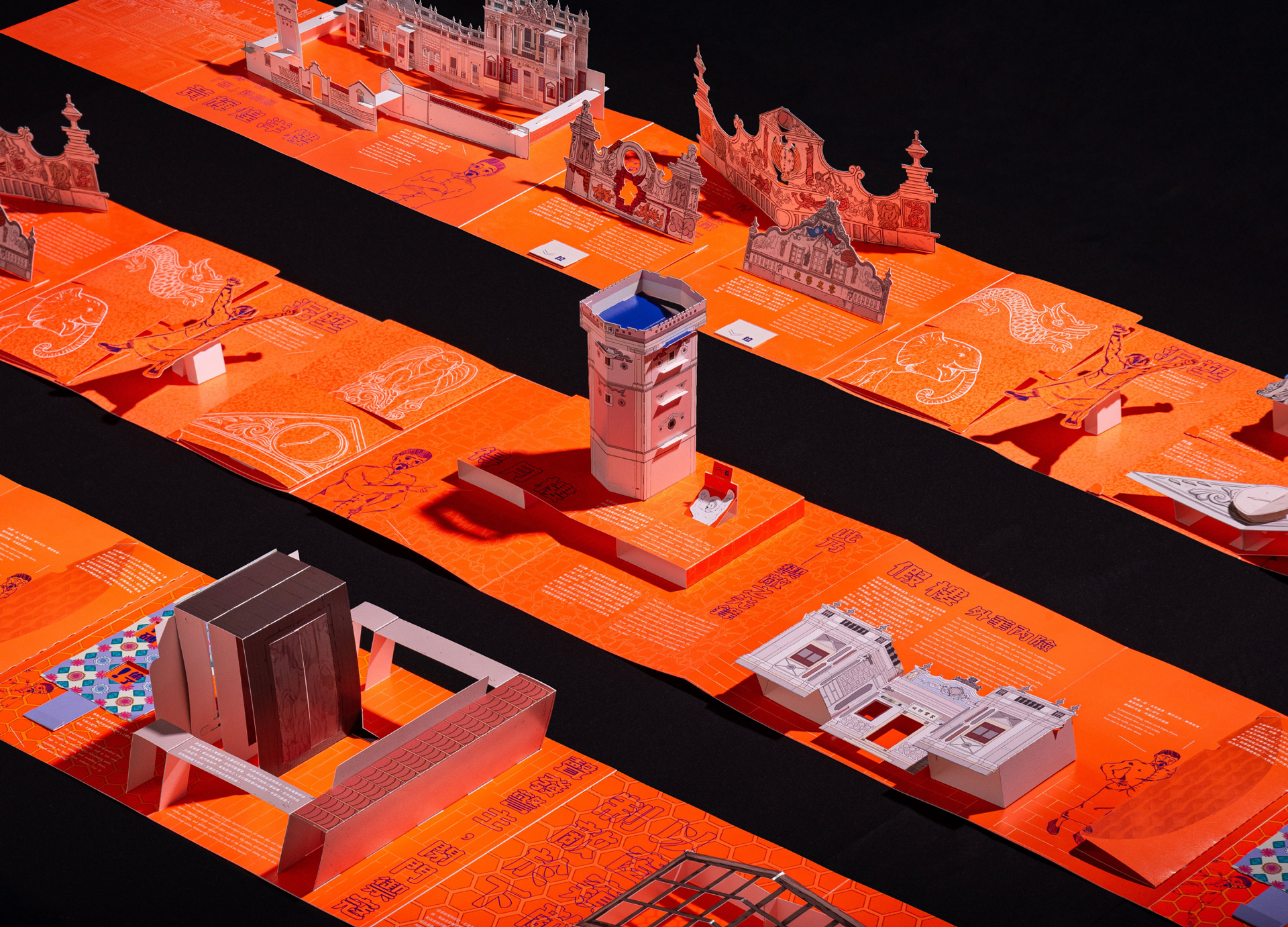
< Quemoy Memory, ASIA DESIGN PRIZE 2026 Grand Prize >
Taiwan's Quemoy Memory transforms historic homes and family archives into shared cultural resources for the community rather than preserving them as private memories. Singapore's Posters with Purpose Book demonstrates how social messages can be translated into accessible visual language, proving that design can serve as an effective bridge between public awareness and civic action.
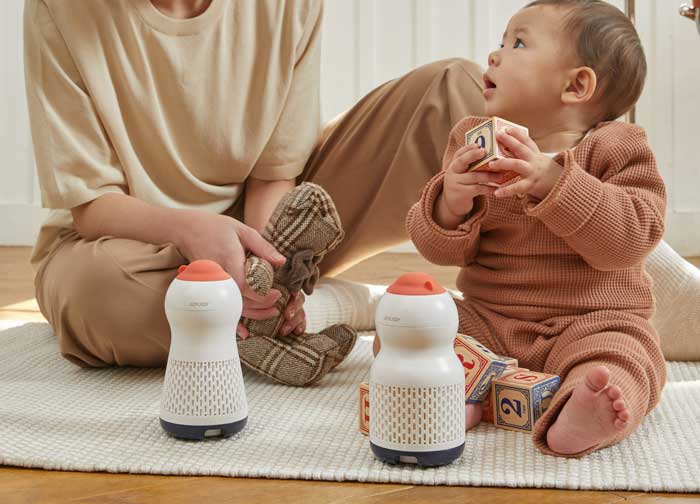
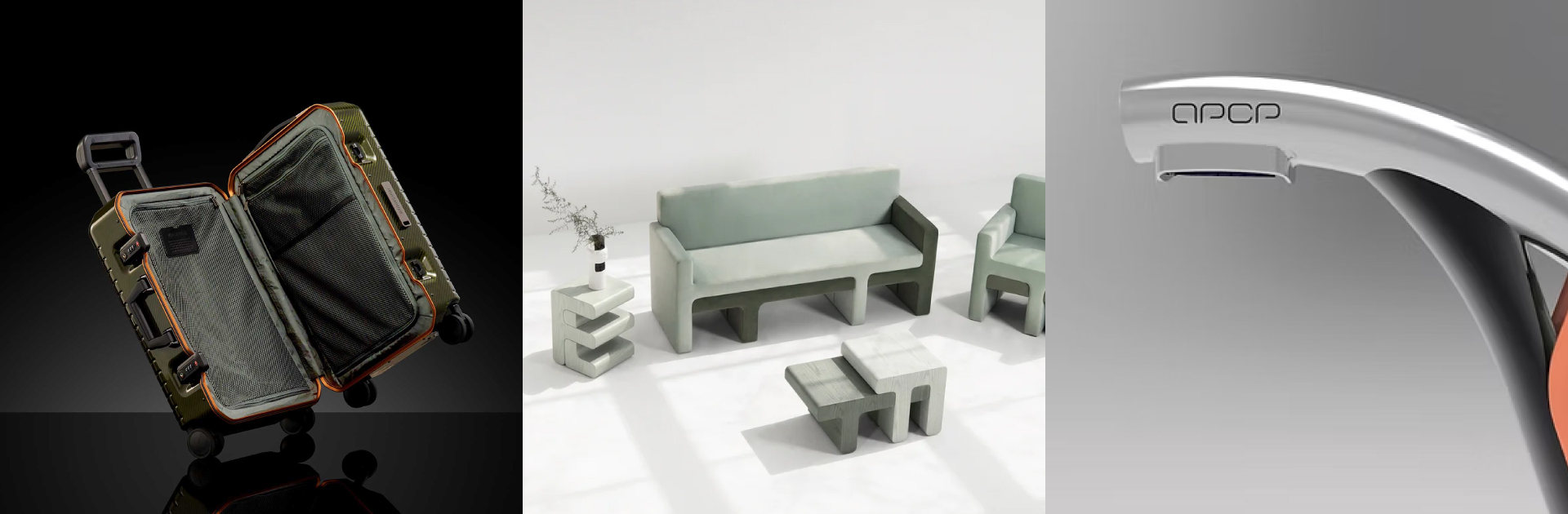
< JOYJAY air purifier sterilizer for baby, ASIA DESIGN PRIZE 2026 Grand Prize >
A similar direction can be found in Korea. One of the country's defining trends, Care Driven Function, expands user centered design beyond usability to include health, comfort, and emotional well being. Products such as infant air purifiers, medical interfaces, and household appliances emphasize quiet acts of care that reduce anxiety and make everyday life more comfortable.
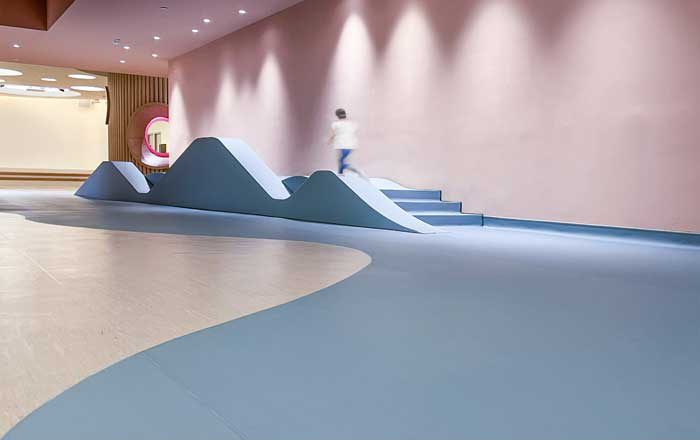
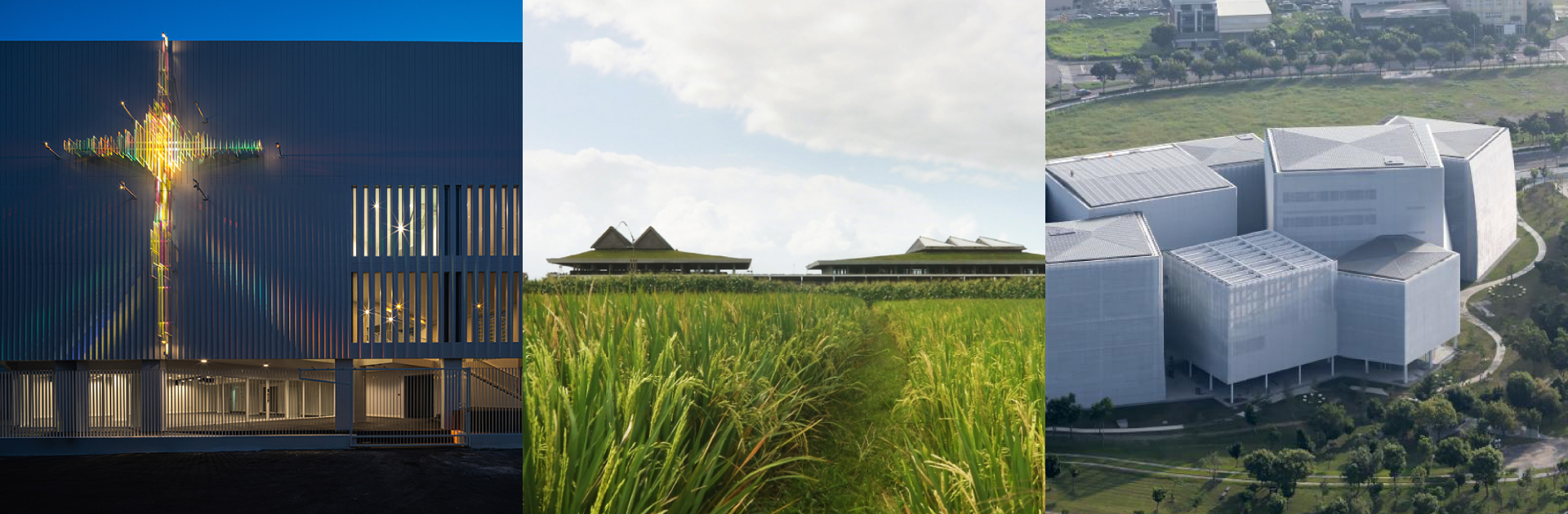
< Drama as an Education Tool, ASIA DESIGN PRIZE 2026 Winner >
Hong Kong's Drama as an Education Tool reimagines the school as an immersive educational stage where students experience learning through space rather than simply occupying classrooms. Corridors and classrooms become environments that connect education with emotion. Taken together, these examples reveal a common pattern. Public design is no longer concerned solely with functional accuracy. It increasingly seeks to shape the emotional experiences of citizens. Moreover, the scope of CIVITONE extends well beyond public spaces.
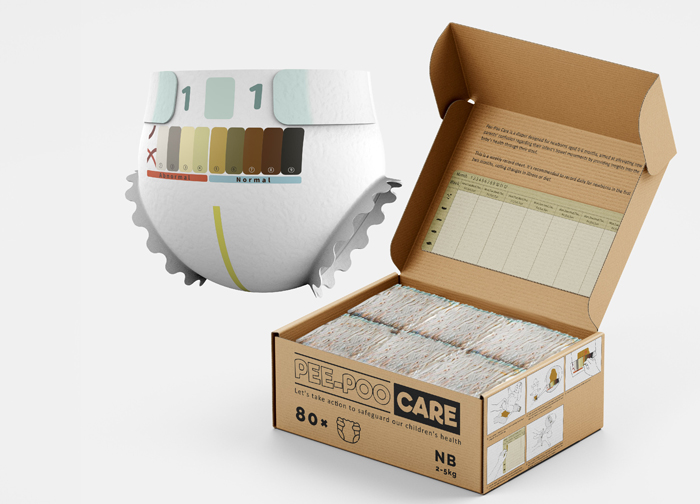
< PEE POO CARE, ASIA DESIGN PRIZE 2026 Winner >
Taiwan's Pee Poo Care and C.F.T Patch demonstrate how thoughtful interface design can simplify healthcare, reduce anxiety, and support safer decision making. These projects suggest that CIVITONE has expanded into healthcare, welfare, and many other aspects of everyday civic life.
This transformation points toward a broader concept that might be called emotional infrastructure. Traditionally, public infrastructure has referred to roads, utilities, transportation, and communication systems. Today, however, the quality of a city is also determined by the emotional experiences people have in hospitals, schools, libraries, parks, and other public environments. It is important to distinguish CIVITONE from purely emotional or sentimental design. Its purpose is not to manipulate emotions or persuade citizens through emotional appeal. Instead, it seeks to create environments where people feel respected, comfortable, and supported while accessing information and public services.
Why, then, has public design begun to focus on emotion? First, citizens have become accustomed to highly refined experiences in commercial spaces and now expect the same level of consideration from public environments. Second, citizens are no longer passive recipients of public services. They actively seek information, make choices, and participate in civic life, making the manner in which information is communicated just as important as the information itself. Third, public expectations regarding ethics have evolved. People increasingly expect public institutions not only to function efficiently but also to demonstrate respect, empathy, and care. This shift is also transforming the nature of public campaigns. Rather than delivering louder messages, successful campaigns now create environments where people naturally encounter, understand, and internalize important ideas in their daily lives.
Ultimately, CIVITONE represents the transition from function centered public design to human experience centered public design. Designers are no longer simply organizing information or creating physical environments. They are shaping how citizens experience those environments emotionally. Even something as ordinary as a public bench now requires consideration of who will use it, how long they will stay, and what kind of emotional experience it offers. Can public spaces become warm again? CIVITONE represents Asia's contemporary design response to that question. The answer does not lie in monumental landmarks, but in the subtle moments of everyday life: a carefully written sign, an intuitive medical interface, a welcoming school corridor, or a thoughtfully placed bench in a neighborhood park. Public design has begun to move beyond solving functional problems toward shaping meaningful emotional experiences. This is the defining transformation that CIVITONE represents in contemporary Asian design.













#14057, 905 49, Beolmal-ro 102beon-gil,
Dongan-gu, Anyang-si, Gyeonggi-do, Korea
Business Registration Number: 454-86-01044
Online Sales License No.: 2021-Anyang Dongan-1081
Copyright © DESIGNSORI Co., Ltd.