
Where do the boundaries of design lie? Are they defined by the success of a single product? Is design complete when it achieves beautiful form, intuitive function, and measurable results? Or should it aspire to something beyond them? For a long time, I have thought of design not as the outcome in front of us, but as a force that shapes the way we live. A single chair can change the posture of the body, and a single sign can reassure someone in an unfamiliar city. A building can change a city’s landscape and the way people move through it, while a policy can redesign the daily lives of countless citizens. Design creates objects, but through those objects, it changes behavior, relationships, and sometimes even the way an era thinks. I believe the true value of design lies not in what we see, but in what happens afterward.
That is why I titled this column “Design Beyond.” Here, “beyond” does not simply refer to a larger or newer world. It means looking beyond form to people, beyond function to dignity, beyond technology to responsibility, beyond markets to culture, and beyond the present to the future. It means moving past the evaluation of a work’s quality or the trends it reflects and asking what design ultimately leaves behind for people and society.
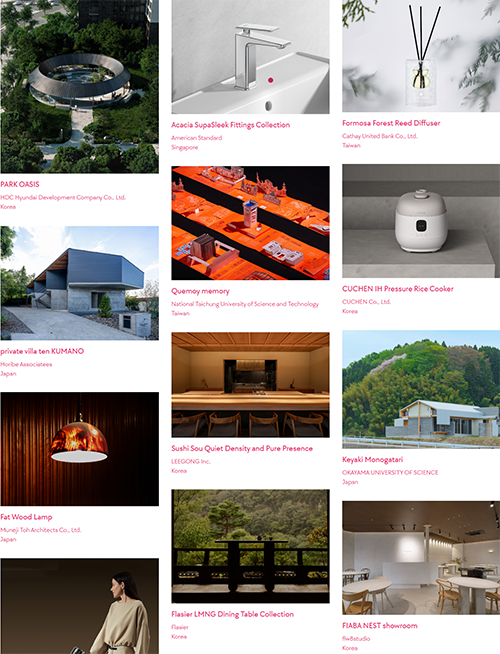
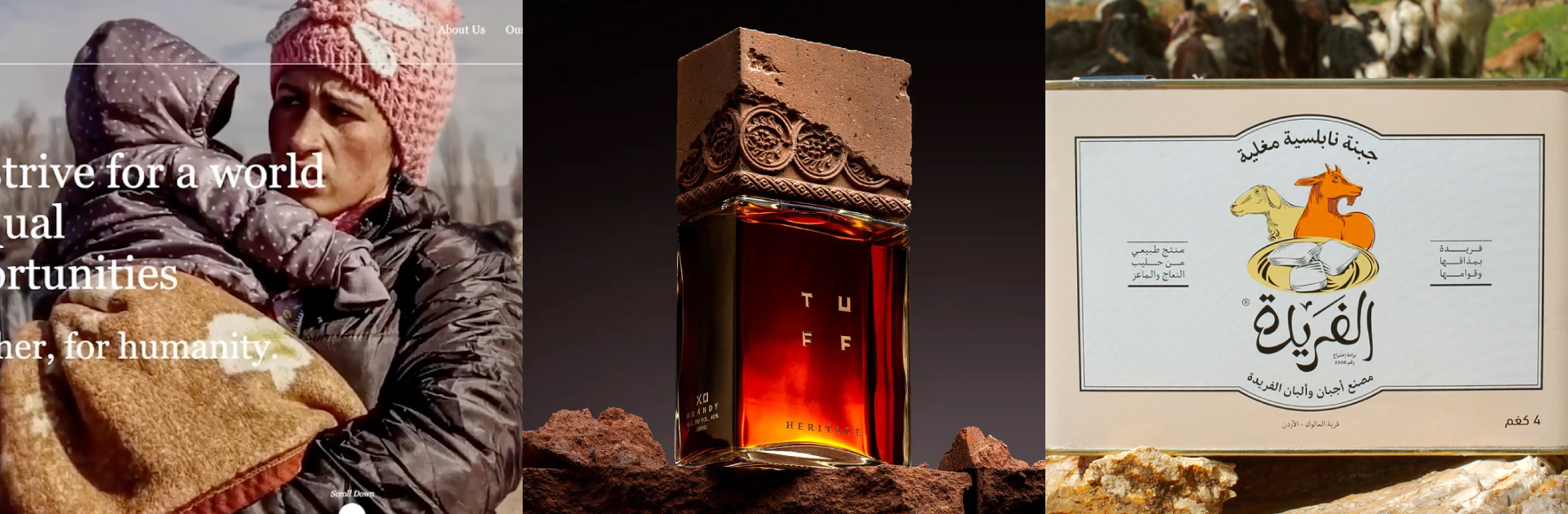
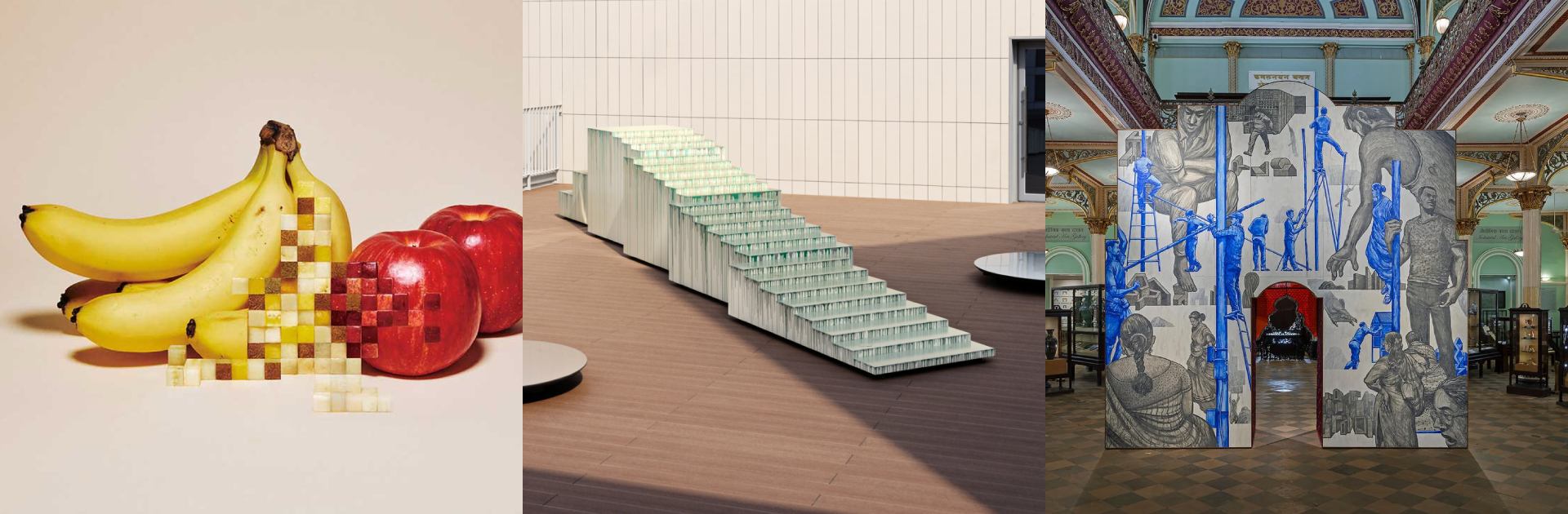
< Image source: Asia Design Prize >
That question naturally leads us to design in Asia. Asian design is no longer in a position where it must simply follow global trends. Restraint and empty space, coexistence with nature, and the ability to interpret tradition and modernity together are assets that Asia has accumulated over centuries. Rather than erasing its Asian roots in pursuit of Western standards, Asian design should build on its own sensibilities and wisdom to transcend cultural boundaries and propose new standards to the world. It should begin in Asia without remaining confined to it. It should transform regional identity into universal values that can resonate across cultures. This, I believe, is the “beyond” that Asian design should aspire to.
But design does not become good simply because it is Asian. Heritage cannot be created merely by applying traditional patterns to a surface or repeating familiar symbols. What matters is not the form of tradition, but the ability to translate its underlying ideas into a contemporary language. Respect for nature, the possibilities created by empty space, and an emphasis on relationships must be reinterpreted within today’s technology, industries, cities, and everyday life. Cultural differences should not be consumed as exotic decoration, but transformed into universal values that respond to the challenges humanity faces together.
Good design must touch people before it crosses national borders. It should challenge familiar ways of thinking, make us see those who have gone unnoticed, and encourage us to imagine the lives of others. For design to become global, it is not enough for it to be sold in more countries. People from different cultures must be able to discover something of their own lives and futures within it. Global relevance does not emerge by erasing regional identity. It emerges when distinctive local experiences inspire empathy across cultural boundaries.
Design must also move beyond the boundaries of technology. Artificial intelligence, virtual reality, and big data are rapidly expanding the tools and territories of design. But the fact that something can be done does not necessarily mean that it should be done. As technology advances, design must ask, “Why should we make this?” before asking, “What should we make?” Rather than simply asking how fast something is, we must ask who benefits from that speed. Rather than asking whether something is more convenient, we must consider whether anyone is excluded from that convenience. Ensuring that technology does not advance faster than humanity can responsibly use it is also part of design’s role.
Design must move beyond the boundaries of time as well. We need designs that remain meaningful ten years from now, rather than those that merely attract attention today. Sustainability is not only about using environmentally friendly materials. It also means creating things that people want to keep, repair, continue using, and eventually pass on to others. Good design extends not only the lifespan of materials, but also the lifespan of memory.

When I look at Seoul’s DDP, I find myself thinking about this relationship between design and time. The architecture, initially regarded as unfamiliar and controversial, gradually became part of citizens’ everyday lives and eventually developed into an urban landmark symbolizing Seoul’s future. It took time for a decision that challenged the conventions of its era to become part of a city’s new identity.
Good design does not always provide a familiar answer from the beginning. Sometimes, it accepts unfamiliarity and reveals the possibilities of a future that has yet to arrive. What matters is whether that unfamiliarity can connect people with a place, and whether it can eventually become part of the city’s memory and heritage.
Design Beyond ultimately begins with questions. Who is this design for? Who is it overlooking? Does it go beyond reducing inconvenience and contribute to human dignity? Does it preserve the memory of a place and the texture of its culture? Does it guide technology in a direction that serves humanity? Does it fulfill its responsibility to nature and future generations? Does it create new relationships between people? Will its meaning and emotional impact remain over time?
There is no single correct answer to these questions. As times change, the questions change as well, and yesterday’s solution can become today’s problem. That is why design is less like a finished noun and more like a verb in constant motion. A designer should not be someone who simply declares answers, but someone who discovers better questions and creates the conditions for society to find answers together.
In this column, I plan to explore a broad range of subjects, from cities and architecture to art and industry, technology and the environment, multisensory design, and the objects of everyday life. Rather than simply discussing what is new or beautiful, I will examine the desires of each era and the social changes revealed through design. I also hope to ask what Asian design should preserve and what it must move beyond.
The end of design is not a completed form. It is the change it brings to a user’s everyday life, the new memories it creates within a city, and the possibilities it passes on to the next generation. It moves beyond form toward people, beyond technology toward dignity, beyond Asia toward the world, and beyond the present toward the future.
That is what I mean by “Design Beyond.”















#14057, 905 49, Beolmal-ro 102beon-gil,
Dongan-gu, Anyang-si, Gyeonggi-do, Korea
Business Registration Number: 454-86-01044
Online Sales License No.: 2021-Anyang Dongan-1081
Copyright © DESIGNSORI Co., Ltd.