
Co-Founder of lllayer
In early September, I traveled to Bali with my wife and our son, who is in fifth grade, for a belated summer vacation. More precisely, rather than saying that we went to Bali, it might be more accurate to say that we went to AYANA in Jimbaran. For three nights and four days, we never left the resort and spent our entire vacation within its grounds. Yet even after exploring the resort throughout our stay, we still could not see everything. The property was that vast, and there was that much to experience within it. After returning home, thoroughly rested from an enjoyable family vacation, I naturally became curious about the brand. How did a single resort grow large enough to fill several days of vacation entirely on its own, and how did it come to offer such a diverse range of experiences within one destination?
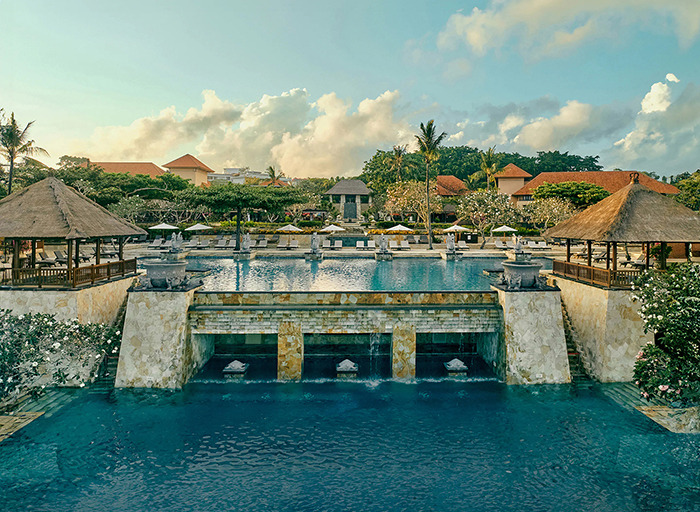
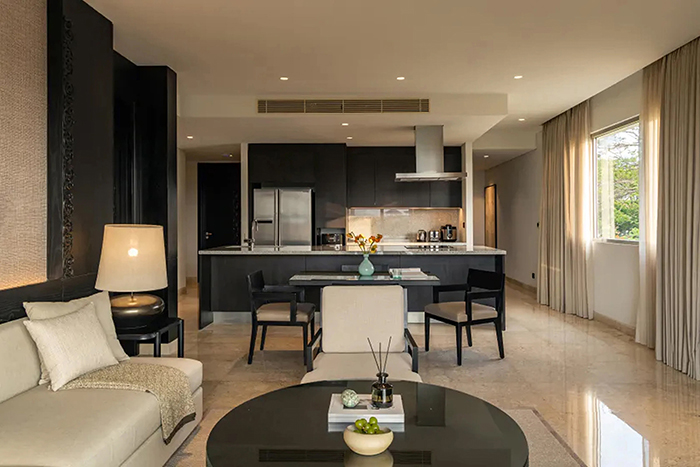
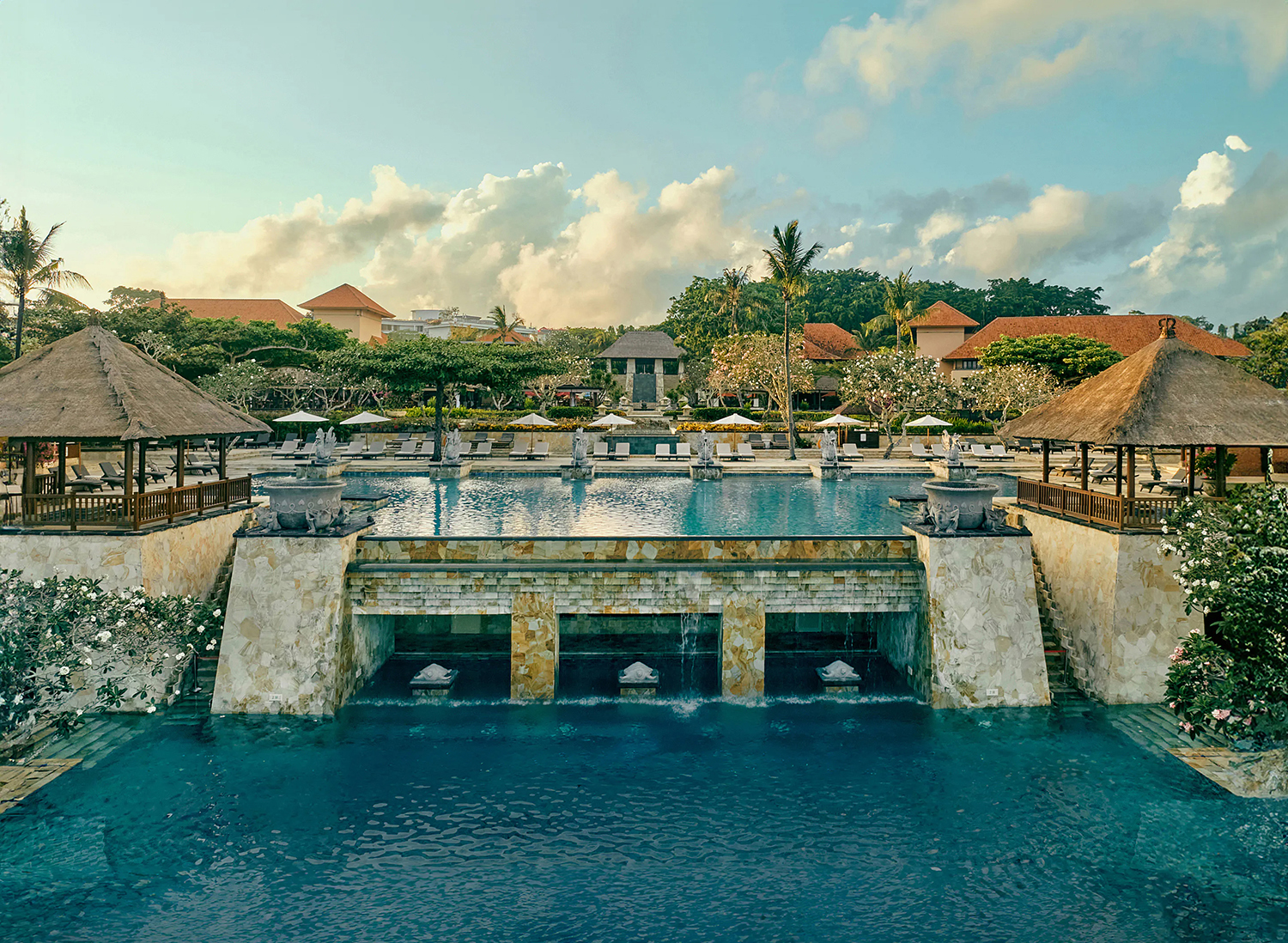
The scale I experienced in person became even more striking when I saw it expressed in numbers. The entire AYANA Bali property spans approximately 900,000 square meters and includes four hotels with nearly 1,000 rooms and villas, 14 swimming pools, and around 30 restaurants and bars. I thought I had simply booked a hotel, but in reality, I had entered a small resort city where multiple hotels and countless experiences were gathered in one place.
What is even more interesting than its scale is the fact that the property previously operated under the Ritz Carlton name. In 2009, it left that name behind and began a new chapter as AYANA. At the time, the resort had 290 rooms and 78 villas. Today, it has grown to nearly 1,000 accommodations. The fact that it achieved such remarkable growth after relinquishing the name of a globally recognized hotel brand suggests that AYANA had a distinctive strategy of its own.
How Did This Brand Begin?
Tracing the history of AYANA takes us back to 1996, when The Ritz Carlton Bali Resort & Spa first opened. At the time, the property was owned by PT Karang Mas Sejahtera (KMS), while Ritz Carlton was responsible for operating it. In other words, the company that owned the hotel and the brand that operated it were separate entities. However, tensions began to emerge between the two companies over the operation of the nearby Bulgari Resort. The owner argued that Ritz Carlton’s involvement in operating a competing resort nearby violated its contractual rights, and the dispute eventually led to litigation. Following this process, the resort was rebranded as AYANA on April 1, 2009. The independent brand we know today was therefore born from the end of a longstanding business partnership.
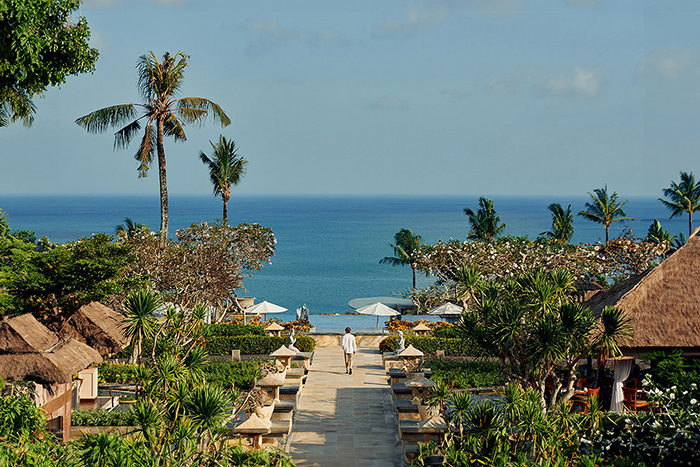
The name “AYANA,” chosen at this turning point, is described by the company as a Sanskrit word meaning “a place of refuge.” When announcing the rebranding in 2009, the company explicitly explained this meaning and connected it to the experience it intended to create. In that sense, the name AYANA reflects the ambition to become a place where guests can stay in comfort and truly relax.
One particularly interesting aspect of this transition was the person whom owner Rudy Suliawan selected to oversee the new operation. It was Horst Schulze, who led West Paces Hotel Group and was also a founding member and former president of Ritz Carlton. While adopting a new name, AYANA brought in the experience of someone who had operated a leading international hotel brand, while retaining most of its approximately 950 employees. Even as the name changed, the company sought to preserve the people who welcomed guests and the foundation of its service.
The facilities and experiences AYANA introduced after establishing its independent identity reveal the growth strategy that gradually shaped the brand we see today. The first step was creating an iconic space that would make the AYANA name memorable. Rock Bar, which opened in 2009, the same year the brand became independent, is a prime example. Perched on rocks where the cliff meets the ocean, the bar offers spectacular sunset views. Even without knowing much about AYANA as a hotel, the scenery alone makes people want to experience it at least once.
For AYANA, which had given up the familiar Ritz Carlton name, creating a place that could symbolize the brand was an important moment in its growth. Charles de Foucault, the resort’s general manager at the time, also noted that the opening of Rock Bar in late 2009 helped introduce AYANA to travelers visiting Bali. At a time when the new name needed recognition, AYANA created a destination people actively wanted to visit, allowing them to associate its unforgettable scenery with the AYANA name.
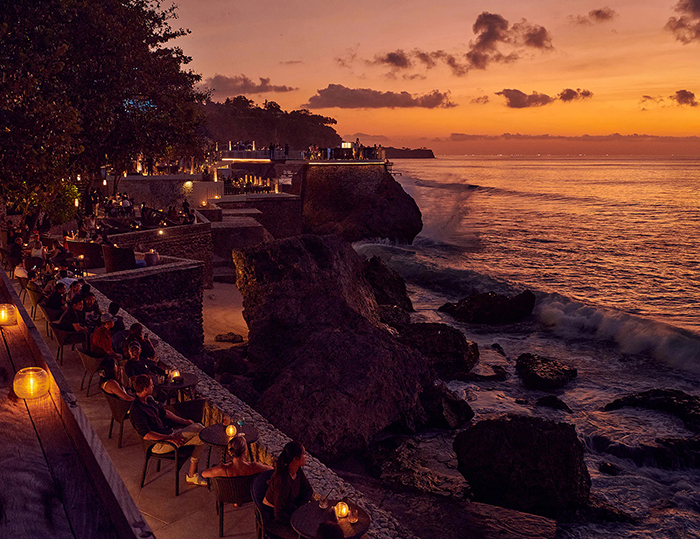
The way Rock Bar operates is also interesting. It accepts reservations from non-resort guests, while offering hotel guests benefits such as priority reservations during sunset hours and access to exclusive areas. In other words, AYANA keeps the first opportunity to experience the brand open to a wider audience, while making that experience more convenient and rewarding for those who stay at the resort. From this perspective, Rock Bar is both an amenity within the hotel and a space that allows people who have never stayed at AYANA to experience the brand.
The second strategy is allowing travelers with different preferences to choose the accommodation that best suits them within the same resort complex. AYANA expanded its range of accommodations with the opening of RIMBA in 2013 and Segara in 2022. Today, the complex brings together four distinct options: AYANA Resort, which reflects the atmosphere of traditional Bali; RIMBA, suited to family vacations surrounded by nature; Segara, designed for travelers who prefer contemporary spaces; and the Villas, created for a more private retreat.
These hotels are connected by trams, allowing guests to stay in the property that best suits the purpose of their trip while enjoying the various dining venues and experiences throughout the entire complex. Families traveling with children, like ours, and honeymooners seeking time alone together can each create their own kind of vacation within AYANA. This approach to expansion broadens the range of travelers who can choose AYANA while also giving existing guests more spaces and experiences to discover.
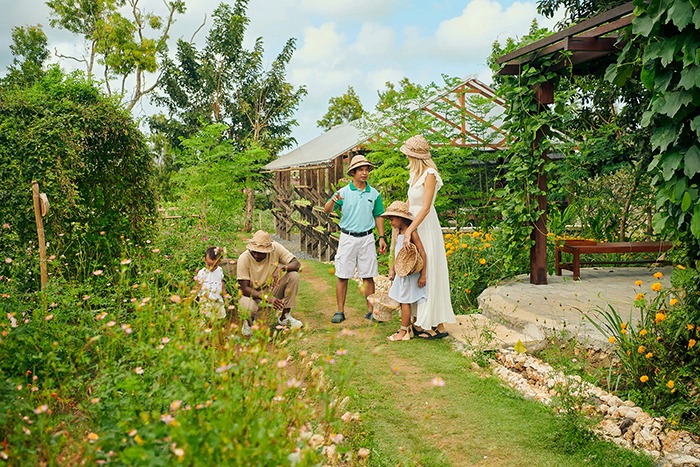
The third strategy is the continuous addition of experiences and learning opportunities that allow guests to fill their vacation time without leaving the resort. One particularly interesting example is SAKA Museum, officially launched in 2024. The very idea of establishing a museum within the resort dedicated to Nyepi, Bali’s Day of Silence, and other aspects of traditional Balinese culture is noteworthy in itself. That same year, the museum was included in TIME’s list of the World’s Greatest Places, making it another compelling reason to visit AYANA.
Tevana Garden, which also opened in 2024, spans approximately 60,000 square meters. Adding places to walk and spaces to experience culture gives guests more ways to spend an entire day within the resort. Between swimming and dining, they can stroll through the garden or visit the museum, creating a much richer range of experiences throughout their stay. AYANA’s growth can therefore be understood not only as a process of adding more rooms, but also as one of continuously creating more reasons for guests to spend time there.
From the perspective of someone who observes brands, what I find particularly interesting is how these added spaces connect with one another, creating more reasons to choose AYANA. Someone initially drawn by the scenery of Rock Bar can select the hotel that best suits their preferences, then experience the museum and gardens during their stay. Each individual facility contributes to a complete vacation experience within AYANA.
During this trip, I also had dinner at Rock Bar while watching the sunset, and that experience remains particularly vivid in my memory. The sunset viewed from a restaurant perched on the rocks beneath the cliff was breathtaking, and with music flowing from the DJ booth, simply spending time there over dinner became an experience in itself. We tried several restaurants during the trip, but personally, I found the food there to be the best. It was an evening in which the scenery, music, and food came together to create a lasting memory.
I believe every brand needs at least one signature product that immediately comes to mind when its name is mentioned. For a brand like AYANA, which offers the experience of staying in a place, that role may be played by a particular space. In that sense, Rock Bar has successfully established itself as a space that symbolizes AYANA. Looking back on how my family spent three nights and four days entirely within the resort and still could not experience everything, I feel I understand a little better what AYANA has built across its vast grounds. The sunset at Rock Bar, the music, and the memorable dinner we enjoyed there have all become scenes that now come to mind when I hear the name AYANA. Perhaps as experiences like these accumulate, they become reasons for some people to visit AYANA for the first time and for others to want to return.
This resort once welcomed guests under the Ritz-Carlton name, operating on the expectations and trust associated with that brand. When it began again as AYANA, it built upon the service and experience it had already accumulated, while gradually adding spaces that could symbolize its own identity and new reasons for people to visit. Over time, the name AYANA itself began to carry the landscapes and experiences that guests could look forward to.
Looking at AYANA’s growth, I came to think that establishing an independent brand ultimately means creating your own reasons for people to choose your name. Changing a name is a single decision, but making people remember that name and want to return requires time and tangible experiences. This vacation, which I find myself describing not as a trip to Bali but as a trip to AYANA, gave me the opportunity to experience firsthand how a brand name can become a destination in itself.














#14057, 905 49, Beolmal-ro 102beon-gil,
Dongan-gu, Anyang-si, Gyeonggi-do, Korea
Business Registration Number: 454-86-01044
Online Sales License No.: 2021-Anyang Dongan-1081
Copyright © DESIGNSORI Co., Ltd.