Applying the concept of WAVE to design goes far beyond merely mimicking the shape of undulating water. It requires incorporating the organic mechanism of how a wave begins, travels, and ultimately spreads into the fundamental framework of a product or space. A wave inherently possesses three distinct elements which are a point of origin, a medium of transmission, and a final destination. Water carries ripples, light travels through space, and information spreads through people and media. Exceptional design follows a remarkably similar structure. It involves meticulously orchestrating where the visual attention and behavior of the user originate, the specific path they follow, and the ultimate experience they culminate in.
Concepts closely associated with this WAVE phenomenon appear repeatedly among the winning entries of the 2026 Asia Design Prize, encompassing light and curves, flow and expansion, alongside growth and connection. This represents something much deeper than a fleeting visual trend. It serves as a massive signal that the center of gravity in design is shifting away from crafting static objects and moving toward designing dynamic movements and relationships themselves. VINE, Luminous Library, and THE WAVE serve as representative examples that brilliantly translate intangible values such as energy, knowledge, and play into the underlying structure of a wave.
Applying the Flow of Energy to the Surface of Architecture
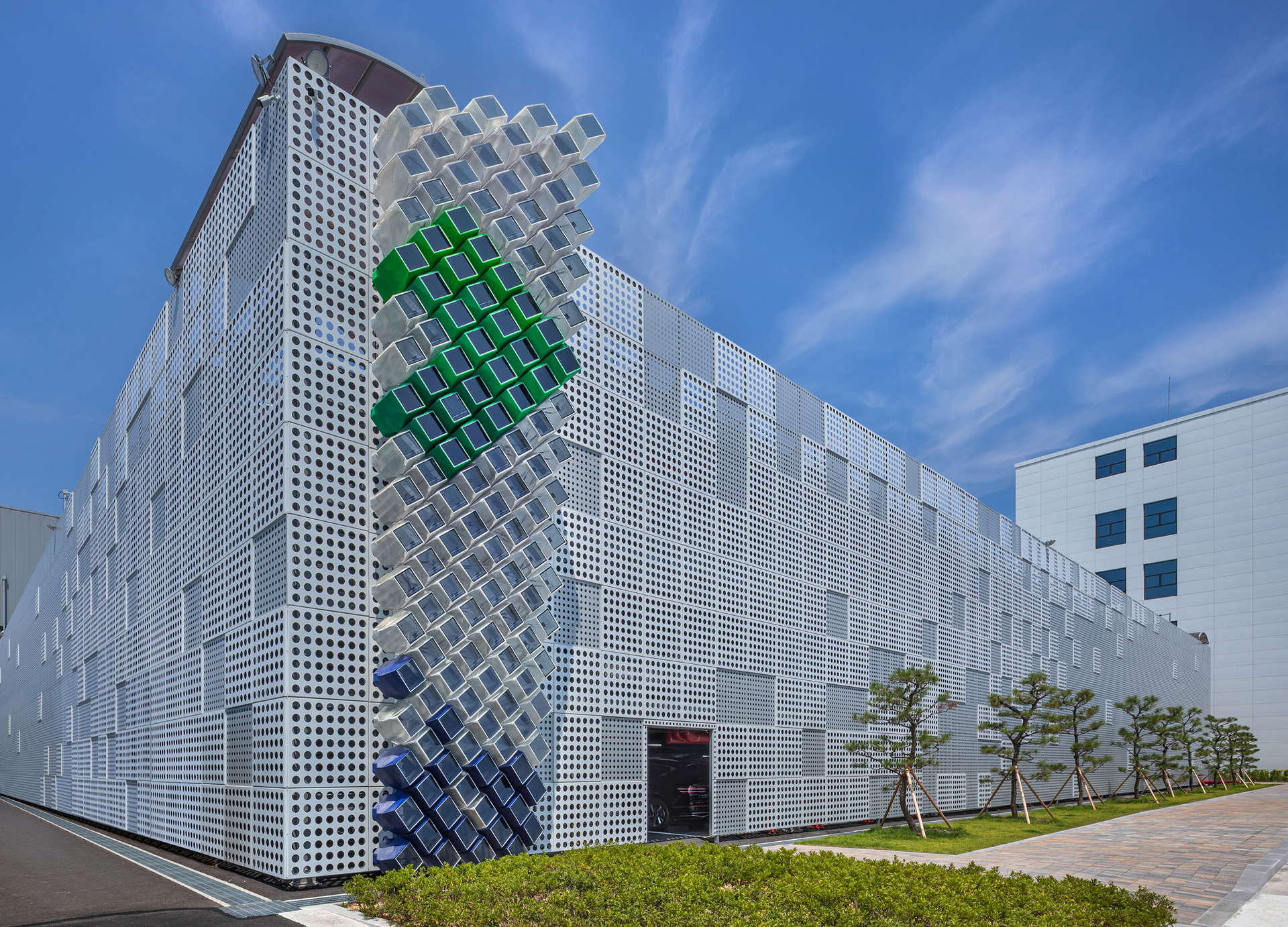
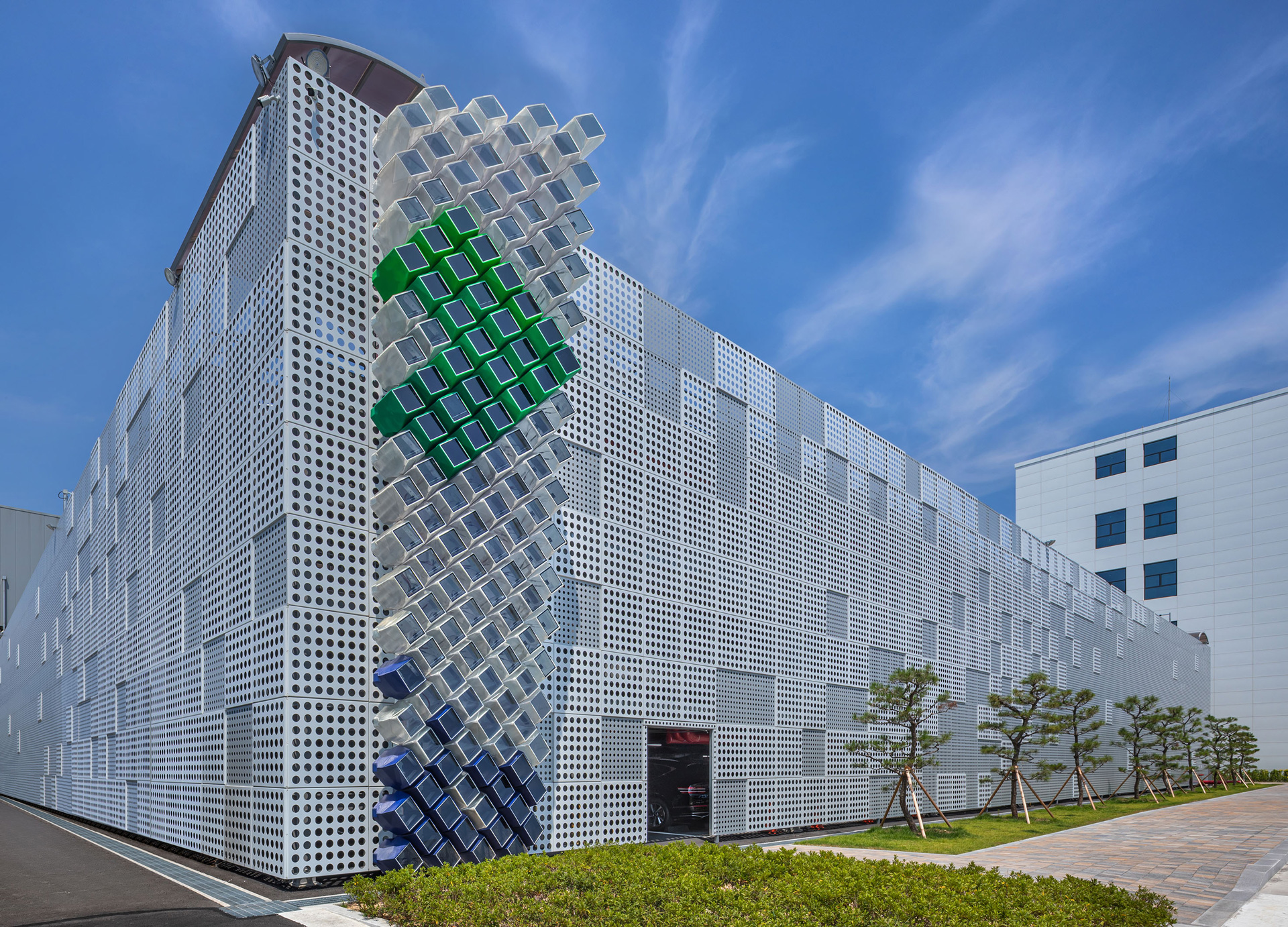
< VINE, ASIA DESIGN PRIZE 2026 Winner >
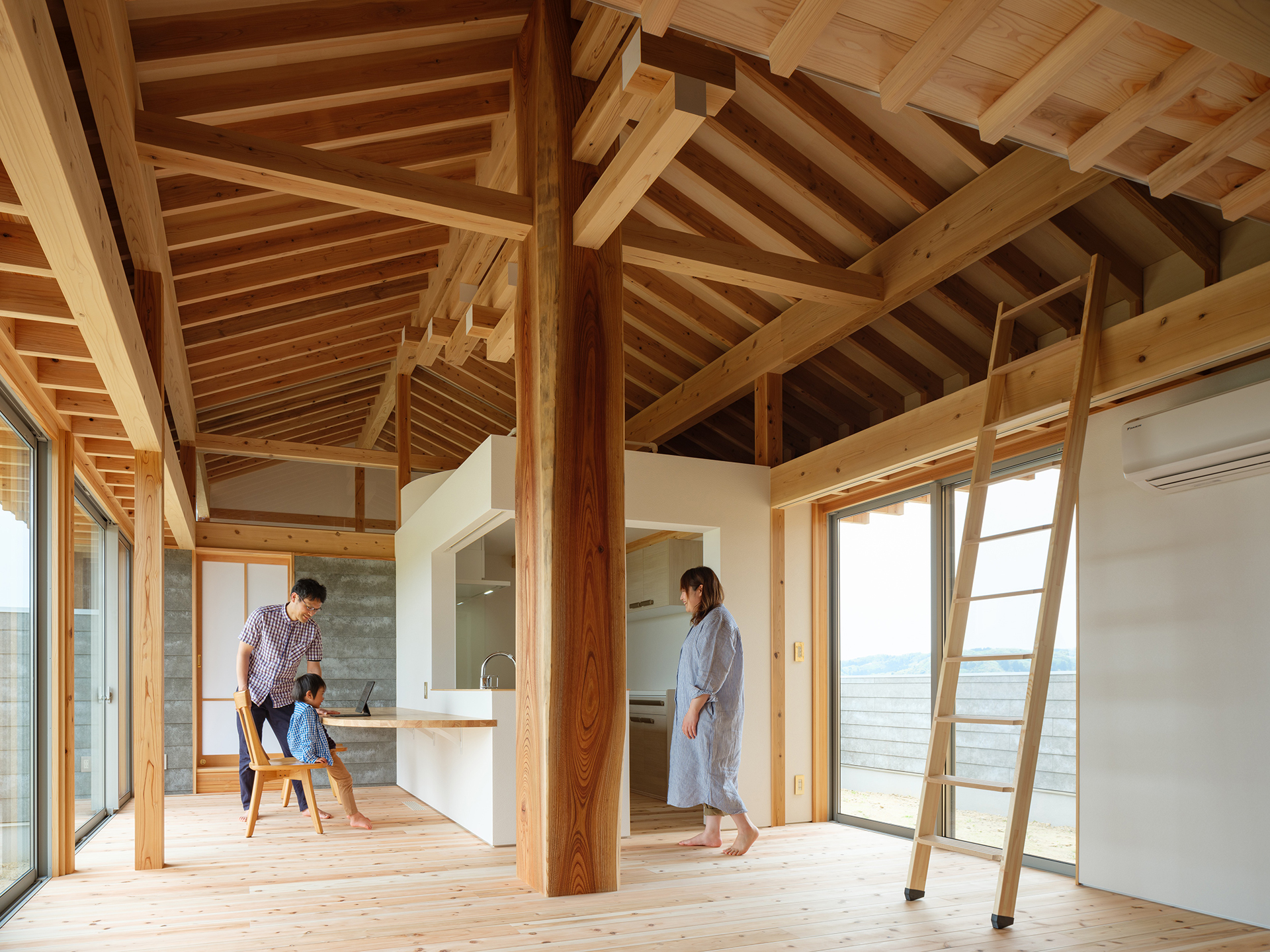
VINE takes its initial inspiration from the vitality of a creeping plant sprouting from the ground, climbing a wall, and endlessly reaching toward the light. However, the true brilliance of this work lies not in mimicking the visual appearance of a vine. The core is its underlying behavior. A creeping plant instinctively senses its environment, relies on supportive structures, and strategically grows toward the strongest source of light. VINE ingeniously translates this wondrous natural principle into the energy system of the building. Artificial intelligence, three dimensional printing, and integrated building photovoltaic technology intertwine flawlessly within the pattern of the vine. The skin of the architecture absorbs sunlight and converts it into energy, while the repeating curves visually demonstrate the exact trajectory of this flowing energy.
Conventional solar installations frequently look like awkward technical equipment haphazardly attached to a building. VINE, on the other hand, neither attempts to hide the technology forcefully nor flaunts it in a mechanical manner. By borrowing the familiar natural logic of a plant growing toward the light, it allows users to intuitively grasp the complex technological concept that the building absorbs light to produce energy. The WAVE manifested here is fundamentally a wave of energy. The natural form perfectly interlocks with the technological function, ultimately forging a distinct identity unique to the architecture.
Expressing the Expansion of Knowledge Through Spatial Structure
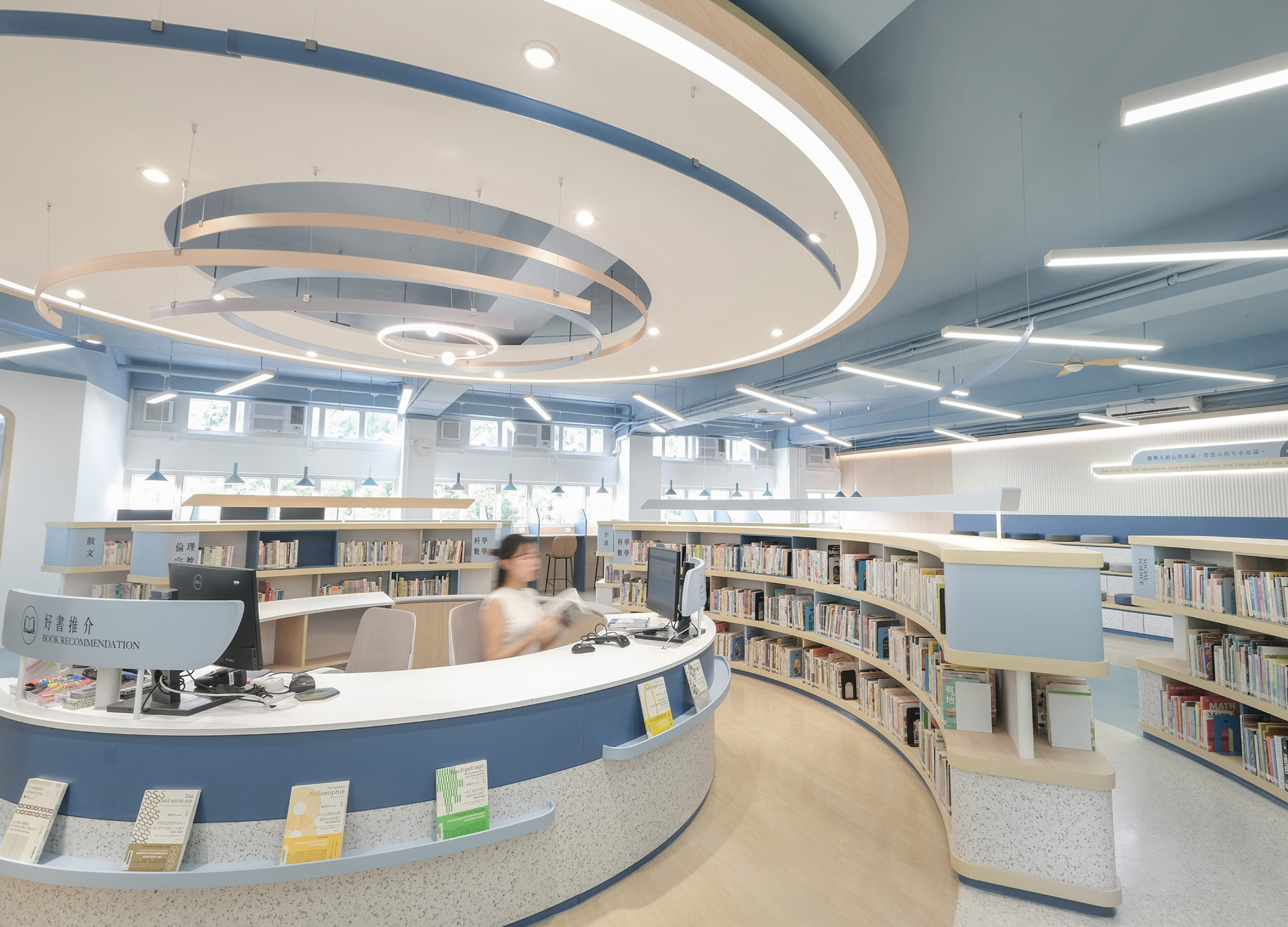
< Luminous Library, ASIA DESIGN PRIZE 2026 Winner >
Knowledge is invisible to the naked eye. While it can be recorded in books or digital content, the magical process where one person's thought reaches another and blossoms into a new question possesses no fixed physical form. Luminous Library is a space that translates this abstract process of intellectual expansion into a tangible wave of light. The intensely gathered light at the center of the library represents the origin of knowledge. The concentric circles expanding outward from that point illustrate the pathways through which knowledge is transmitted and extends to others.
This structure serves a purpose far greater than a mere metaphorical symbol. It clearly defines the zones of the learning areas, naturally guides the visual attention of the users, and acts as a precise navigational compass to ensure people do not lose their way within the space. The true virtue of this design lies in the flawless alignment between the fundamental purpose of the library and its spatial form. Users do not need to hear lengthy explanations. They simply rest their gaze where the light converges and naturally move their steps to the next space following the trajectory of the concentric circles. The WAVE present here is undeniably a wave of knowledge. It visually orchestrates the wondrous process where information permeates an individual and then spreads endlessly to others through the order of light and space.
Translating the Rhythm of Water into the Actions of Children
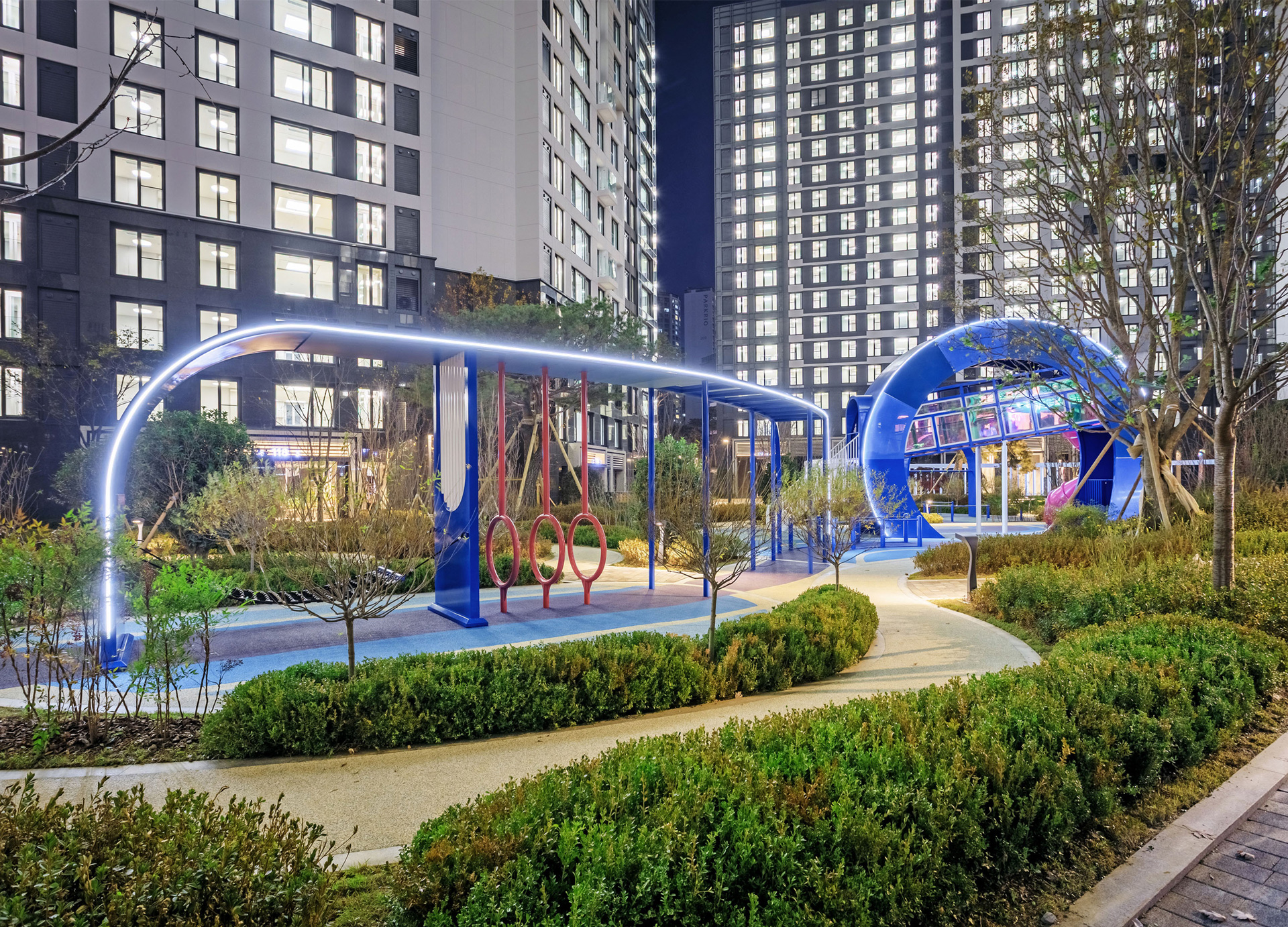
< THE WAVE, ASIA DESIGN PRIZE 2026 Winner >
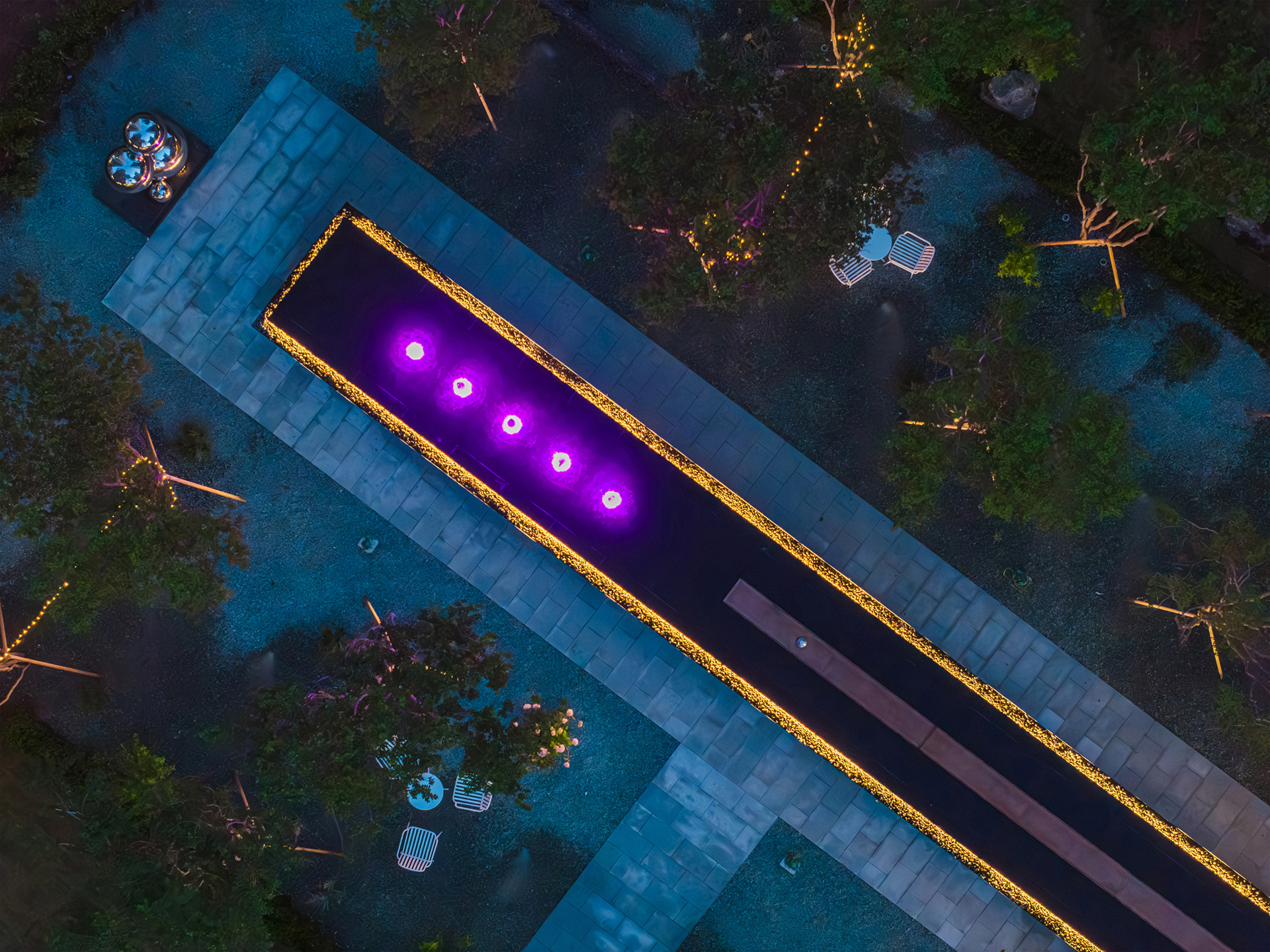
A conventional playground is typically an aggregation where individual pieces of equipment such as slides, swings, and climbing structures are scattered according to their functions. However, THE WAVE draws its motif from the gentle ripples of a water feature located at the center of a residential complex, placing its highest priority on the connection between facilities rather than the individual facilities themselves. The three play zones here are linked smoothly, much like ripples forming on the surface of water. The movement of one child naturally flows into the next zone, and the curved forms create diverse circulation paths for walking, running, climbing, and descending.
This is the result of profoundly understanding the true characteristics of how children play. The phenomenon where the spontaneous action of one child stimulates the curiosity of another, causing the radius of play to expand uncontrollably without any fixed sequence, strongly resembles the property of a wave where a tiny ripple spreads through the surrounding area. This ripple, which flowed elegantly as a physical form during the day, transforms into a wave of light through linear lighting at night, protecting the safe pathways of the children. It demonstrates how a single design language flexibly fulfills its role depending on the time of day. The WAVE utilized here is a wave of action. It is an exceptional translation that converts the movement of water into the physical form of the playground, and then directly connects that form back to the energetic running of the children.
To Copy the Form or to Implant the Operating Principle
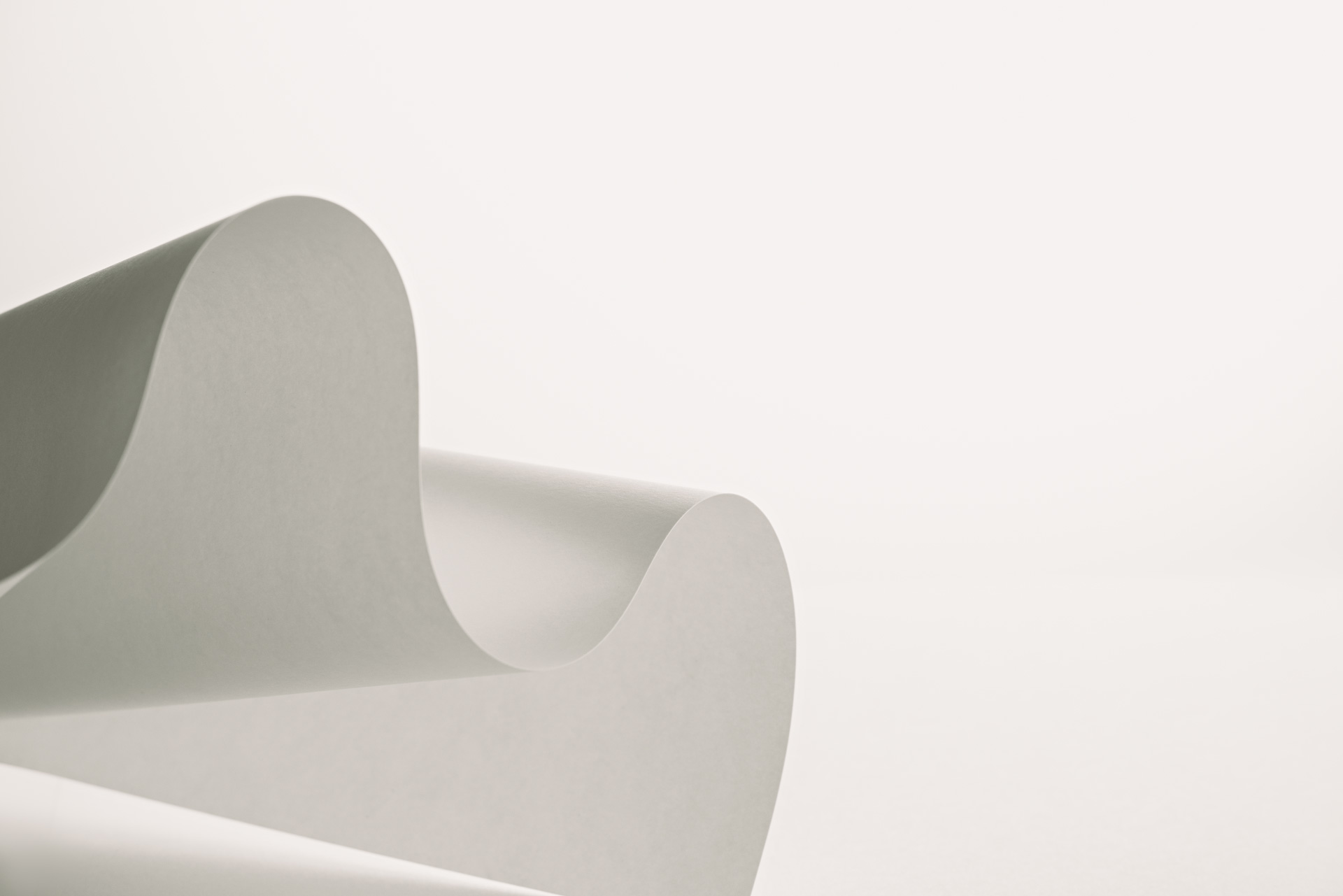
VINE, Luminous Library, and THE WAVE all command the common visual languages of curves and expansion, but their starting points and final destinations are entirely different. VINE begins its journey with light and concludes with energy, Luminous Library begins with knowledge and concludes with spatial order, and THE WAVE begins with water and concludes the wave with the continuous actions of children. Why, then, are designers so captivated by the language of waves? It is because it possesses the unique power to intuitively persuade people of invisible, complex, and abstract concepts. As linguist George Lakoff and philosopher Mark Johnson aptly explained, humanity understands the abstract world through familiar metaphors. The serene landscape of concentric circles spreading outward when a stone is thrown into calm water is a law of nature familiar to everyone. Designers borrow this highly intuitive experience to instantly convince users of the flow of energy and the expansion of knowledge.
However, merely mimicking an undulating shape convincingly does not automatically result in excellent design. If the curve remains nothing more than superficial decoration or clashes with the behavioral patterns of the user, the design completely loses its power. As the three highlighted projects prove, the paradigm of design is rapidly evolving away from merely copying the exterior appearance of nature toward actively implanting the very operating principles of nature. Therefore, the very first task a designer must undertake is not to sketch a beautiful curve. It is to coldly decide exactly what needs to flow.
It must be clearly defined whether it is energy, information, or the footsteps of people before the point of origin and the intended path of expansion can finally be materialized onto the space and form. WAVE by no means signifies an empty shell that merely looks like a wave. It describes a living structure in which one core element establishes relationships with its surroundings and endlessly stretches outward. The exact moment WAVE is elevated to a true design language is not when meaningless curves are overused, but when a massive, invisible flow finally surges into the realm of our senses.











#14057, 905 49, Beolmal-ro 102beon-gil,
Dongan-gu, Anyang-si, Gyeonggi-do, Korea
Business Registration Number: 454-86-01044
Online Sales License No.: 2021-Anyang Dongan-1081
Copyright © DESIGNSORI Co., Ltd.