
When running a brand, the list of things you want to do keeps growing. You want to create new products and enter new markets. Once you start running an Instagram account, it feels like you should be on YouTube as well. Once you achieve a certain level of success domestically, expanding overseas seems like the natural next step. And when a competitor launches a new service, you begin to worry that your brand might be falling behind. As a brand grows, opportunities multiply, and so does the list of things that seem necessary.
But pursuing every opportunity does not necessarily lead to growth. In fact, the smaller the brand, the more important it is to decide what not to do before deciding what to do. People, time, and capital are all limited. It is better to do one thing exceptionally well than to do ten things reasonably well. The survival strategy of a Super Micro Brand does not begin with doing more. It begins with deciding what not to do.

< Image source: Getty Images >
The American hamburger brand In-N-Out Burger is a strong example of focus and restraint. Founded in 1948, the brand has grown to more than 400 locations while maintaining a simple menu centered on burgers, fries, and drinks. Rather than continuously expanding its menu, it has remained focused on what it does best. The same principle applies to its approach to opening new locations. To uphold its policy of never using frozen meat, the company primarily opens locations in areas where fresh ingredients can be delivered from its own patty production facilities within a day.
Maintaining the quality standards it has established takes priority over rapid expansion. Having fewer menu items may appear to mean fewer choices. From an operational perspective, however, it produces very different results. Ingredients are easier to manage, employees can focus on a limited number of menu items, kitchen workflows become simpler, and consistent quality is easier to maintain. Customers also clearly remember why they choose the brand. As decisions about what not to do accumulate, the brand’s identity becomes even clearer.
The same is true for small brands. A business may begin with a single service, only to keep adding more over time. One is added because a customer requests it, and another because it becomes popular in the market. Each decision may seem reasonable on its own. The problem is that all these additional activities gradually consume the brand’s time and focus. There is also no need to continue doing everything simply because it generates revenue. Some activities produce high revenue but require an excessive amount of time, while others may generate little immediate profit but increase the brand’s value over the long term. I previously discussed why numbers matter, but ultimately, the purpose of looking at numbers is to make choices. We need numbers not only to decide what to do more of, but also to determine what to stop doing.


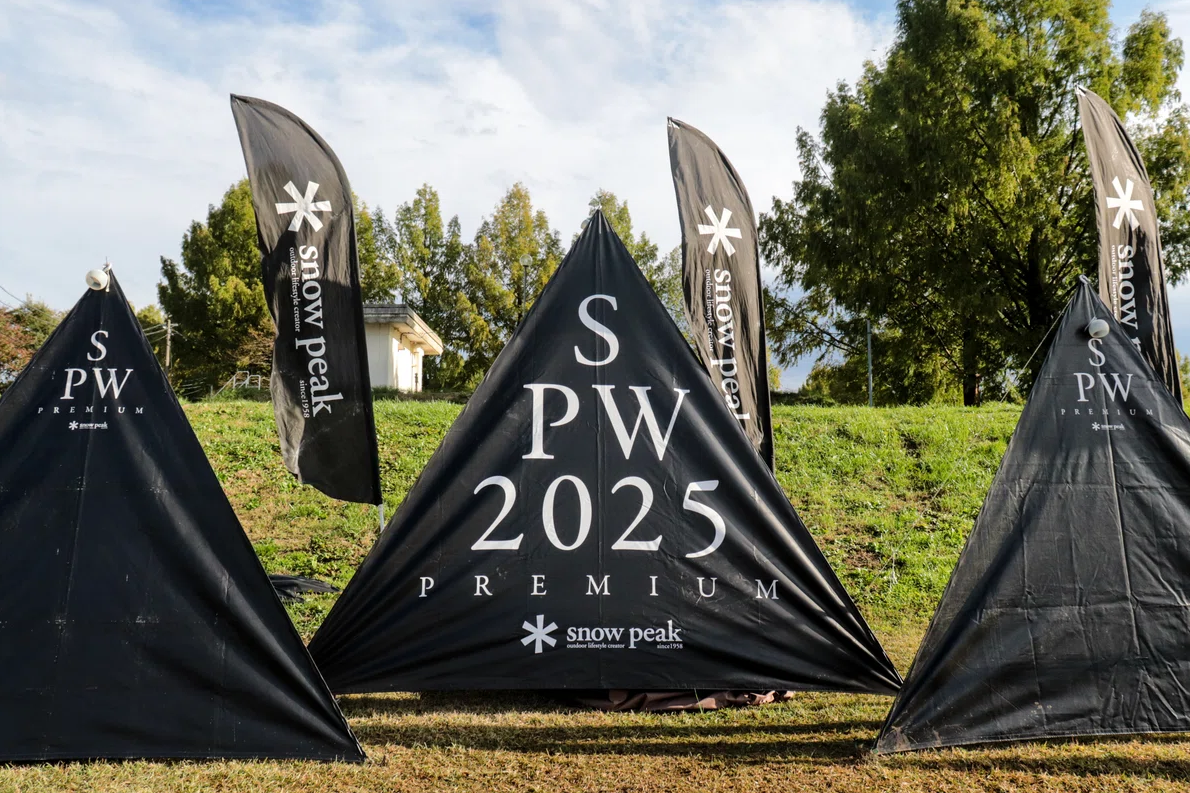
Japanese lifestyle brand Snow Peak demonstrates the importance of choice in a slightly different way. Snow Peak has expanded from tents and camping equipment into apparel and a wide range of outdoor experiences. Yet even as the scope of its business has grown, its core has remained largely unchanged: the belief that spending time in nature can reconnect people with one another. For years, Snow Peak has offered not only products but also experiences such as “Snow Peak Way,” an event where customers and employees camp together. Whatever the brand creates, it has never lost sight of why it should create it in the first place. What matters here is not the number of products or services.
What matters is that there are questions a brand should ask itself before starting something new. Is this something we should do? Can we do it better than others? And will it make the brand we have built so far even clearer? If it is difficult to answer these three questions with confidence, choosing not to proceed can also be a strategy. Super Micro Brands, in particular, should not simply follow the expansion strategies of large corporations. When a large company launches a new business, it can create a separate organization to manage it. Even if the venture fails, it has the capacity to absorb the loss through other businesses. But when a small brand adds one more initiative, the founder’s time is divided directly. When someone already managing three things takes on a fourth, the organization does not gain another team. The same person’s attention is simply divided among four responsibilities.
That is why focus may be a more important resource than money for a small brand. Money can be earned again, but the amount of time and mental energy available in a day is limited. When starting something new, it is not enough to calculate only what can be gained. You must also calculate what must be given up in order to pursue it. This issue becomes even more important in the age of AI. Tasks that were once impossible because of limited manpower can now be handled by a single person with the help of AI. Writing, creating images, producing videos, translating, and analyzing data have all become much easier. The range of what we can do has expanded. But being able to do something and needing to do it are entirely different matters.
In fact, the more AI makes possible, the more important the ability to choose becomes. Just because anyone can create content does not mean every kind of content needs to be created. Just because anyone can quickly launch a new service does not mean launching more services creates a competitive advantage. Technology expands the range of possibilities, but a brand becomes clearer when it chooses only what it truly needs from among those possibilities.
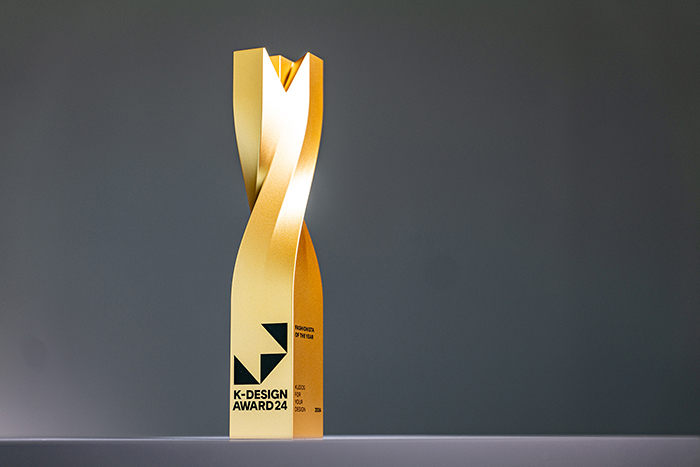
< Image source: K-Design Award >
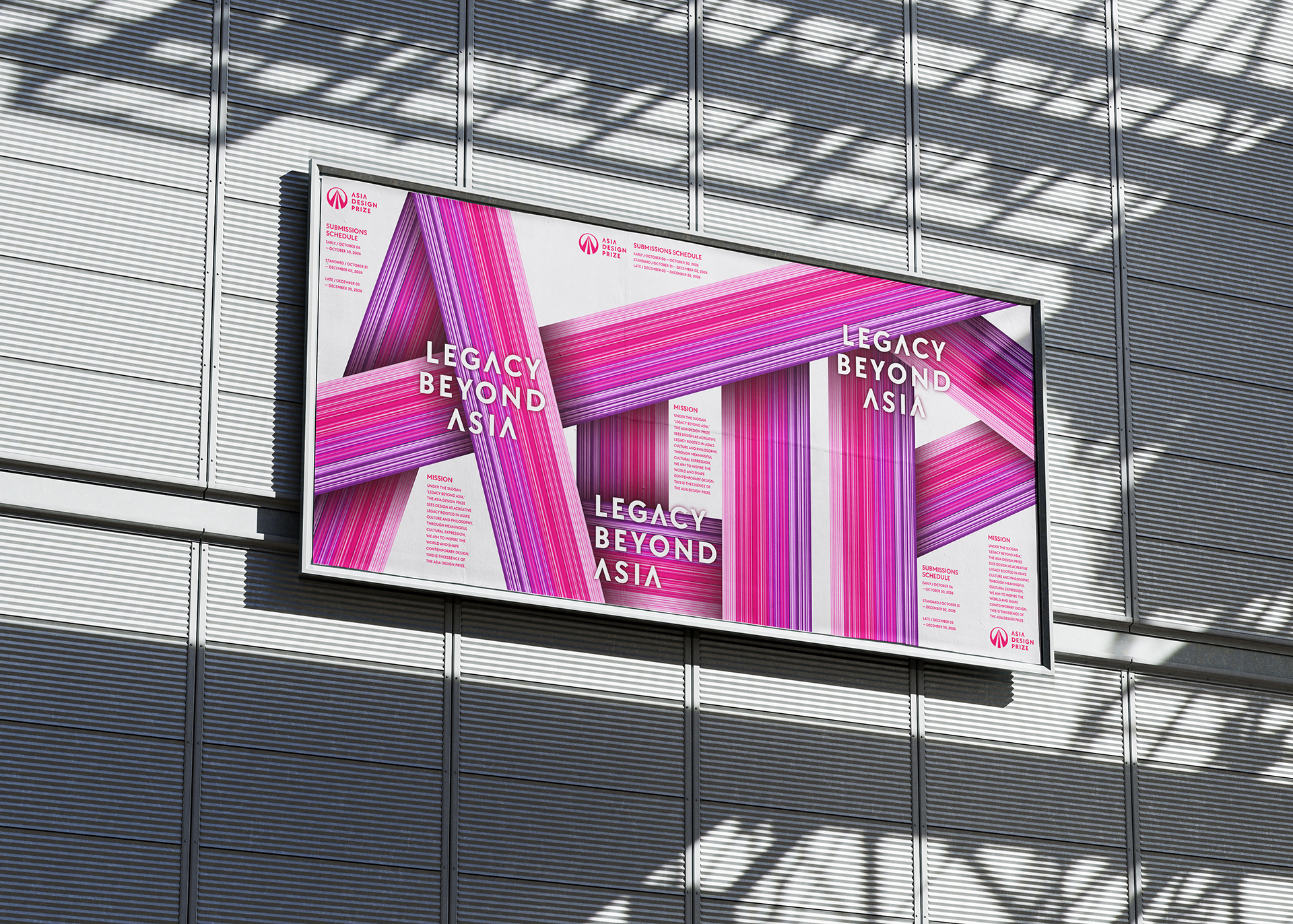
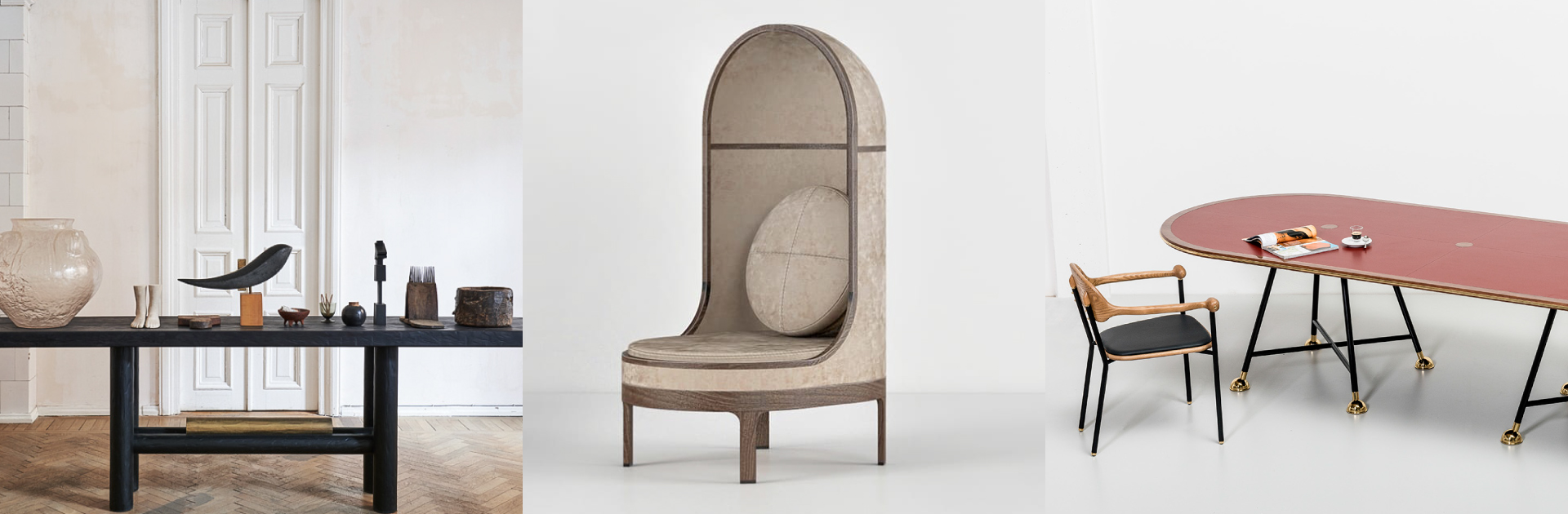
As someone who also runs a small brand, I have learned that turning down good opportunities can be just as important as seizing them. DESIGNSORI began 15 years ago as a media platform specializing in design awards. As the number of related projects grew, we also became increasingly recognized as an agency that managed design competitions. However, after launching our own brand, the K-Design Award, in 2018, we gradually reduced external projects that created conflicts of interest. Today, we have permanently discontinued every project except the K-Design Award, Asia Design Prize, and DESIGNSORI Media.
At first, I thought reducing the amount of work would also reduce revenue. The result was exactly the opposite. The more external projects we gave up, the more time and resources we could devote to what we did best. Paradoxically, this focus ultimately led to greater revenue and net profit. Deciding what not to do, rather than what more to do, ultimately shaped the brand we have today.
Some opportunities can generate immediate revenue, while some businesses can increase scale. But if you pursue every opportunity, there eventually comes a point when it becomes difficult to explain why you started the brand in the first place. A brand’s direction is not shaped only by the things it chooses to begin. It is also shaped by the countless things it decides not to do. Growth often appears to be a process of continuous addition. More customers, more revenue, more products, more people. But at a certain point, good brands begin to move in the opposite direction. They reduce unimportant work, eliminate unnecessary products, and give up what they do not do well. Then they concentrate their time and resources on what remains. What you add determines the scale of a brand, but what you choose to keep defines its identity.
Super Micro Brands can be strong precisely because they cannot do everything. They can clearly decide what not to do. The countless possibilities they choose not to pursue create a direction, and as that direction is repeated over time, it becomes the brand’s identity. A good strategy is not a list of things to do. It is a set of criteria for deciding what not to do. In an era when almost anything is possible, those criteria become even more important. What makes a brand distinctive is not how many things it does, but how clearly it can decide what not to do.

















#14057, 905 49, Beolmal-ro 102beon-gil,
Dongan-gu, Anyang-si, Gyeonggi-do, Korea
Business Registration Number: 454-86-01044
Online Sales License No.: 2021-Anyang Dongan-1081
Copyright © DESIGNSORI Co., Ltd.