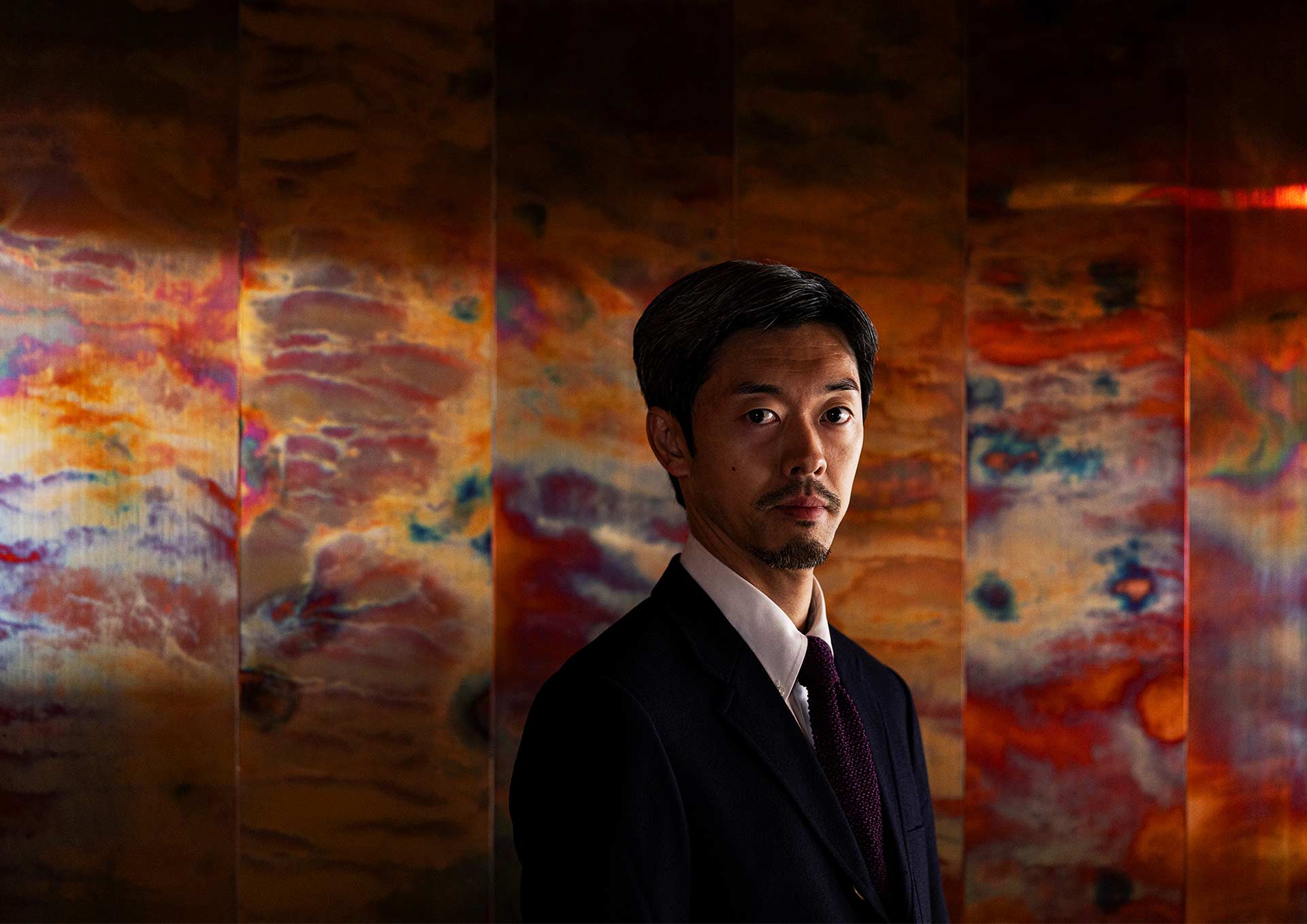
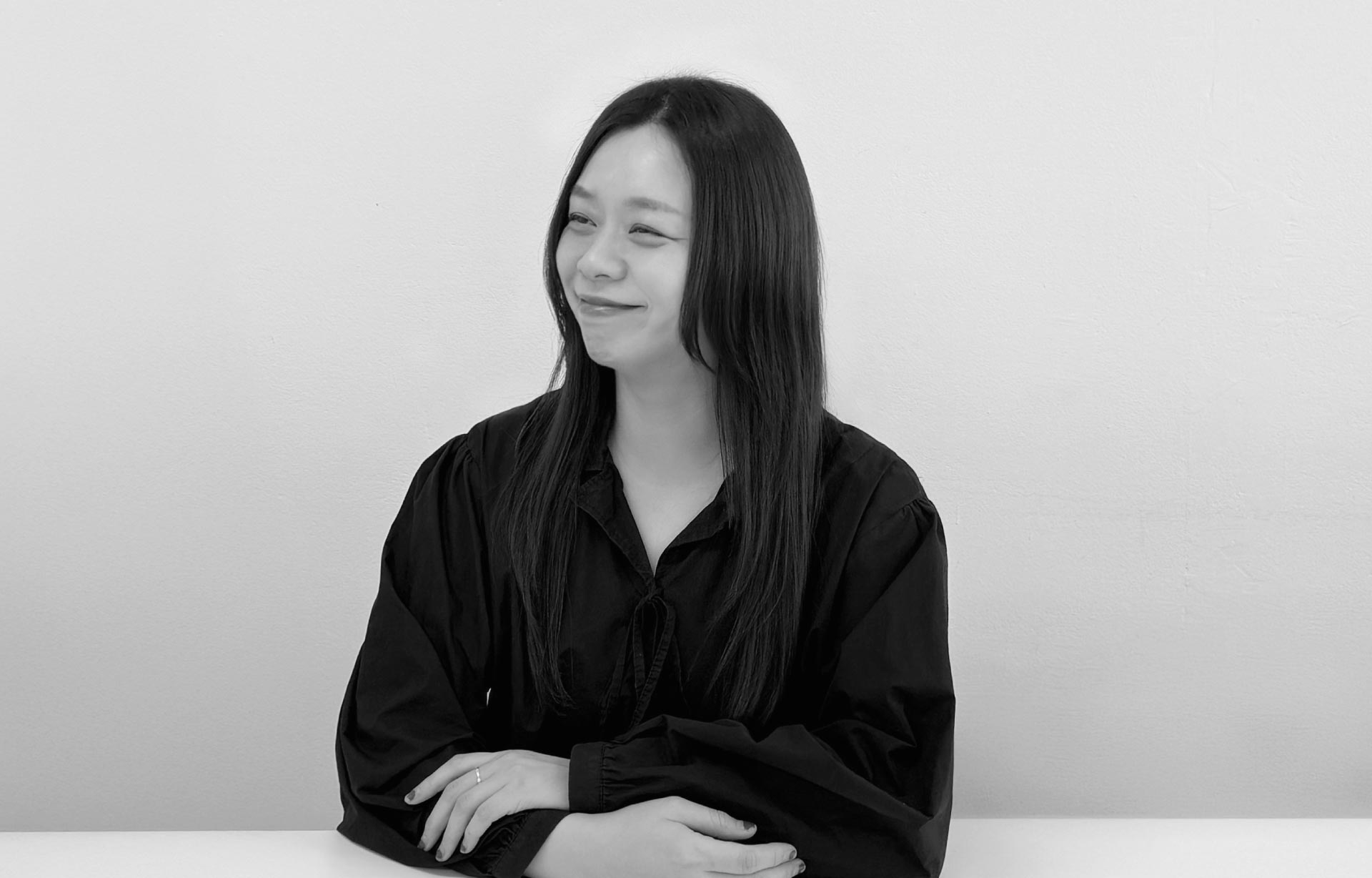
Architect Muneji Toh Founder & Representative Director, Muneji Toh Architects
"Muneji Toh is a Japanese architect and designer who explores how physical structures of space can also embody emotion, ethics, and cultural tradition through the language of design. This interview offers an in-depth perspective on the distinctly Japanese sensibility found in his architectural work, his contemporary interpretation of artisanal heritage, and his philosophy of spatial composition where emotion, function, identity, and progress coexist. Toh describes how spaces organized through subtle movements of light and shadow can shift human perception and feeling, and how techniques and wisdom rooted in traditional crafts become vital materials in modern architecture. For him, design is not merely the creation of form, but the careful crafting of conditions in which people can live with dignity. His work speaks in a quiet but resolute voice, reminding us of the calmness, depth, and cultural responsibility that spaces can hold."
To begin, could you briefly introduce yourself and share what first led you into the field of design?
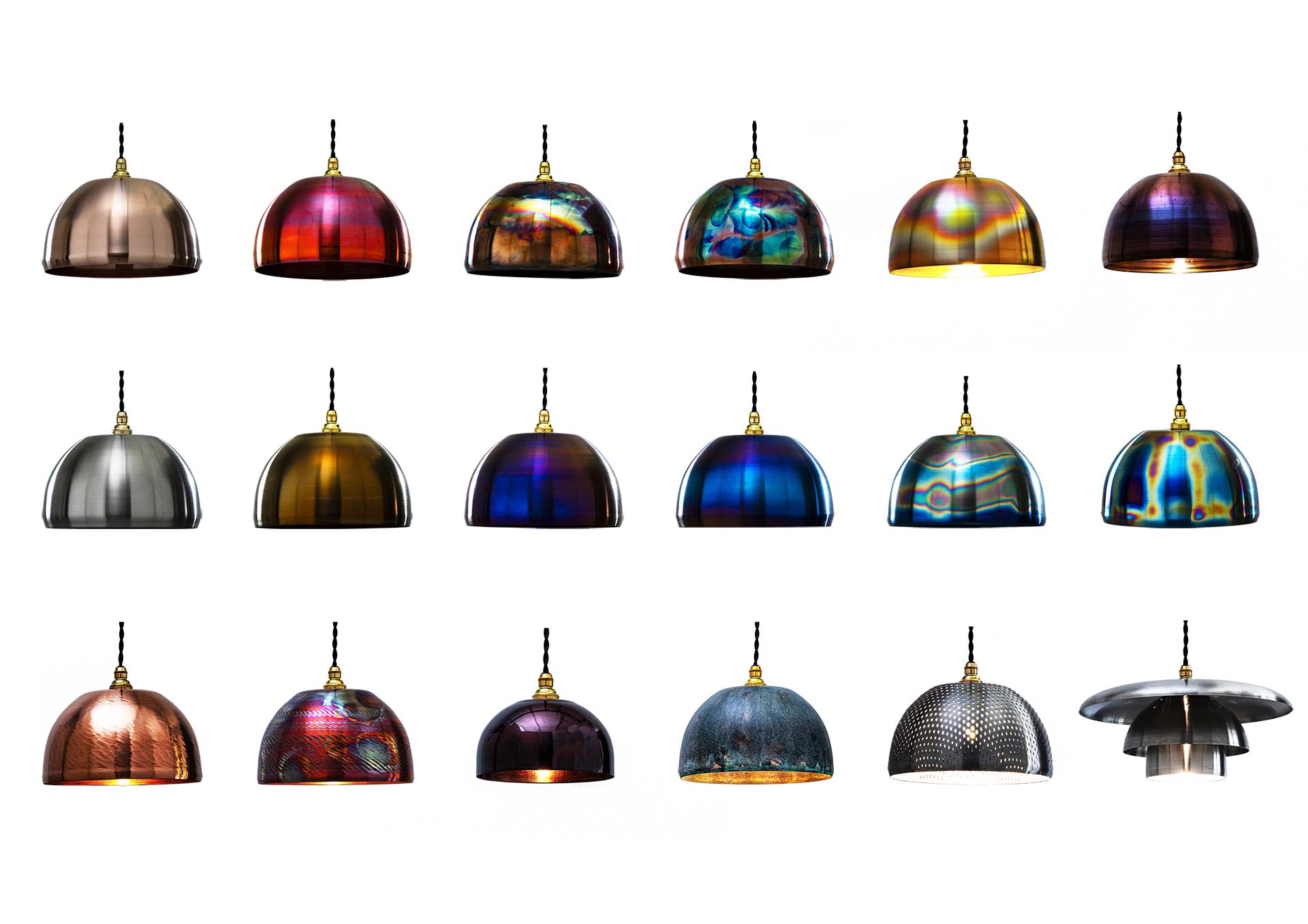
My name is Muneji Toh. I am an architect in Japan. Although our main work is designing entire buildings, we also focus on the detailed design of furniture, lighting, and even material development in order to create architecture that is truly unique and one of a kind. By approaching both small scale design and overall architectural composition, we aim to create innovative structures that have never been seen before. I decided to become an architect when I visited the Pantheon in Rome, Italy, as a student. Rome is a beautiful city filled with artistic ruins. In particular, when I stood inside the Pantheon and experienced its interior space, I was deeply moved by the natural light streaming through the oculus at the top of the ceiling. I felt a profound sense of beauty through the way light was shaped by architecture. That moment made me realize the emotional power architecture can have on people, and it inspired me to pursue this path.
Since then, light has become my most important material. It guides my decisions from how a building is oriented in an urban setting to the finest details of joints and surface finishes. This dual focus, considering both the overall composition and the smallest detail, has become my signature method for creating spaces that are both technically precise and emotionally meaningful.
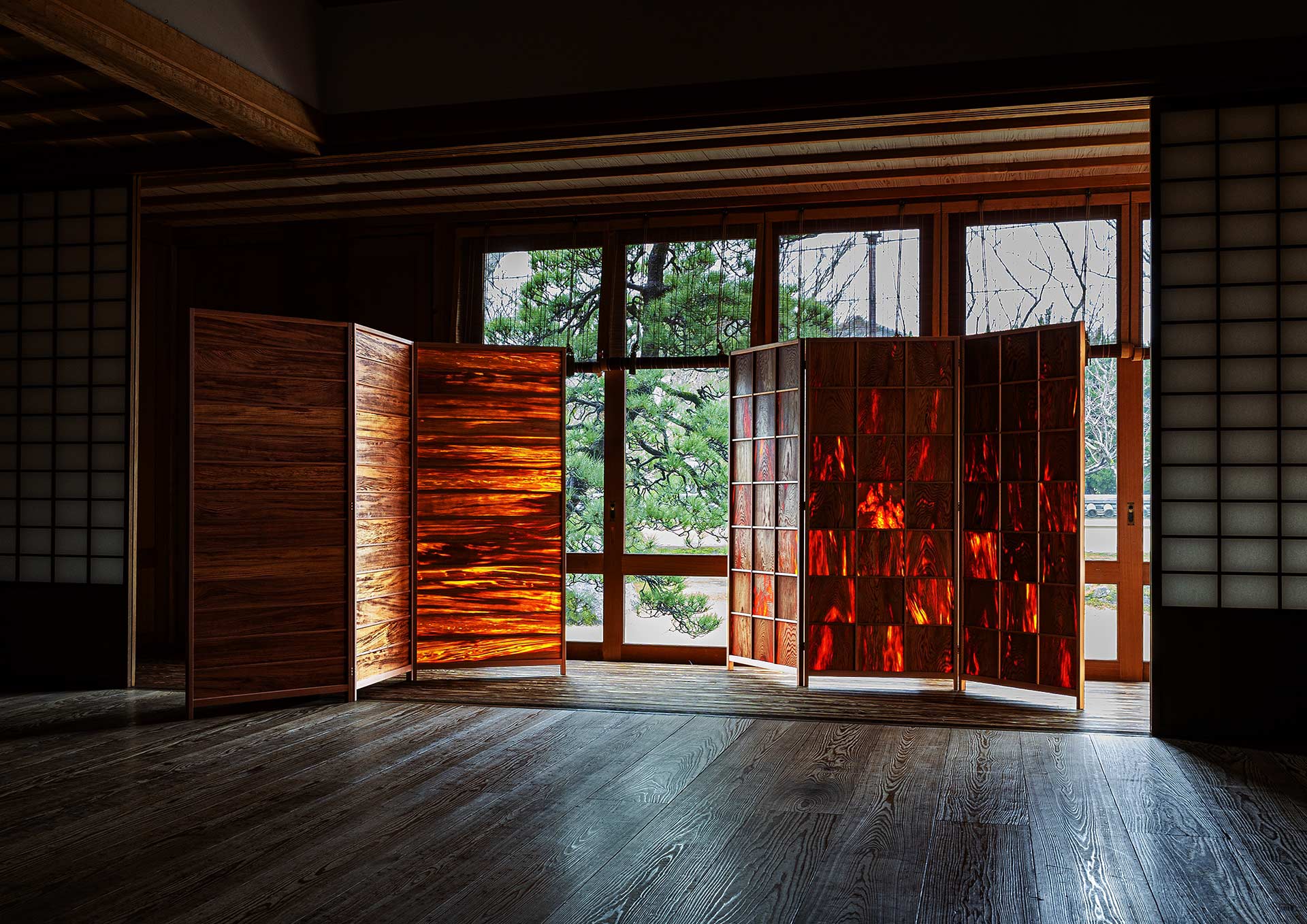
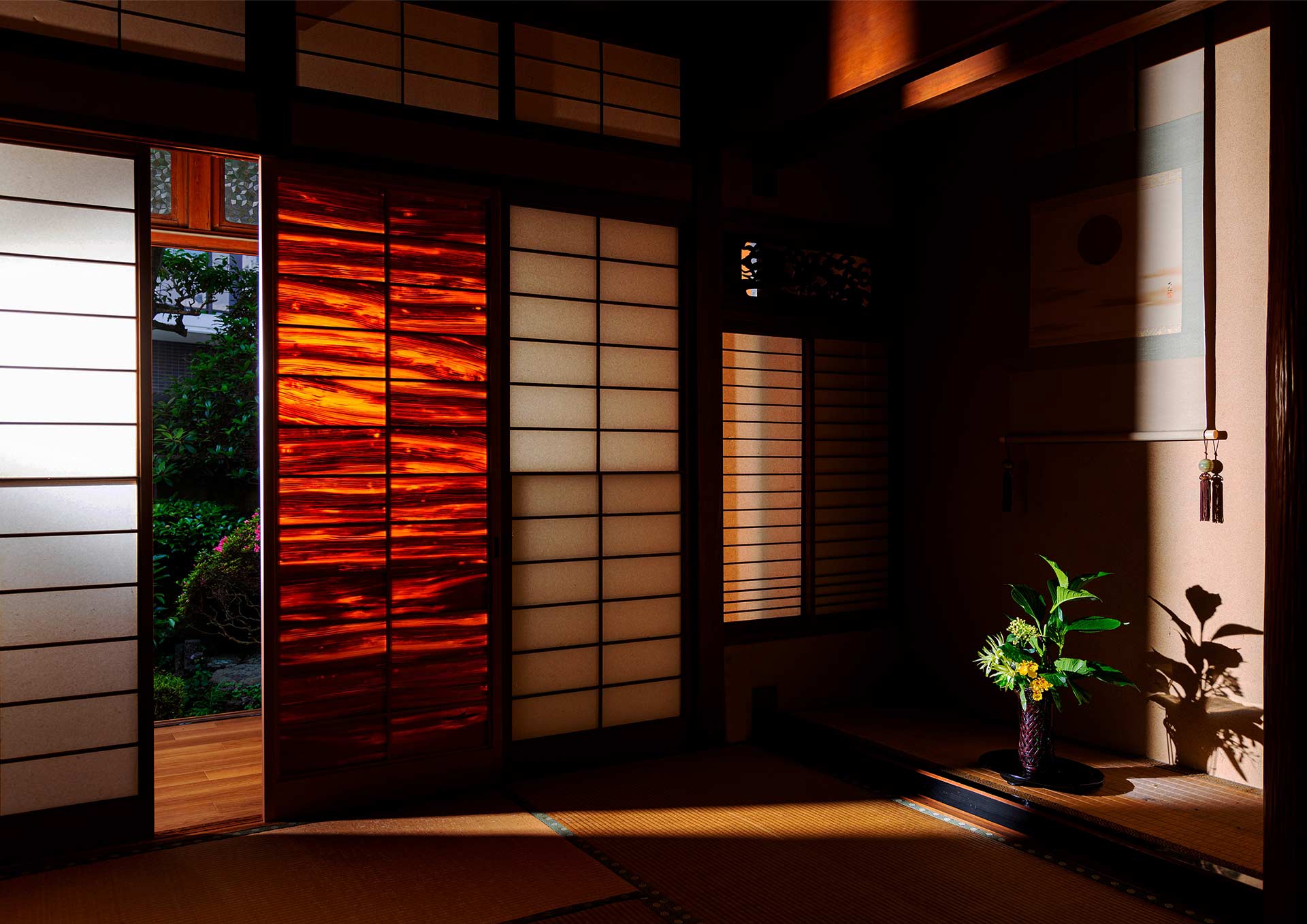
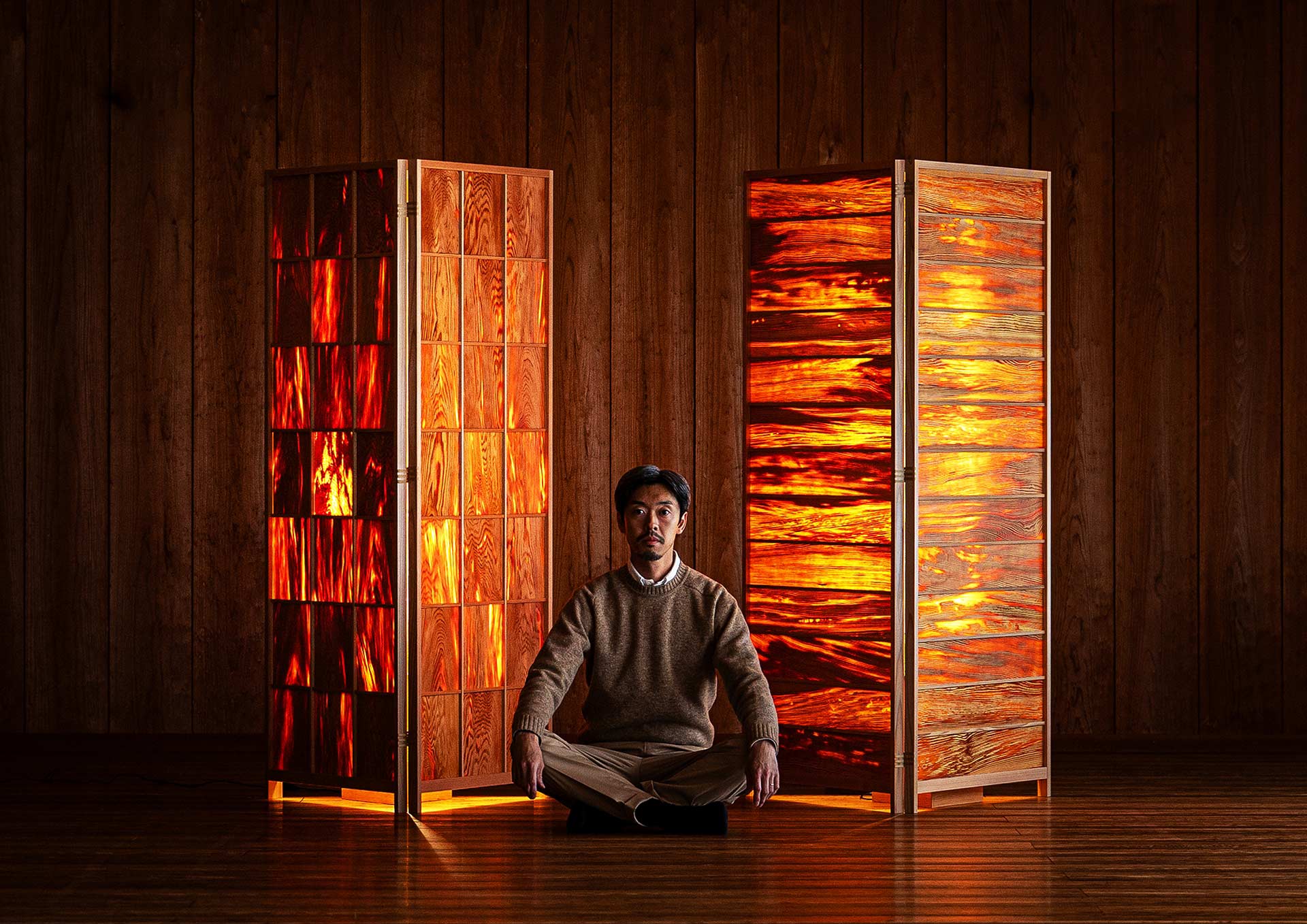
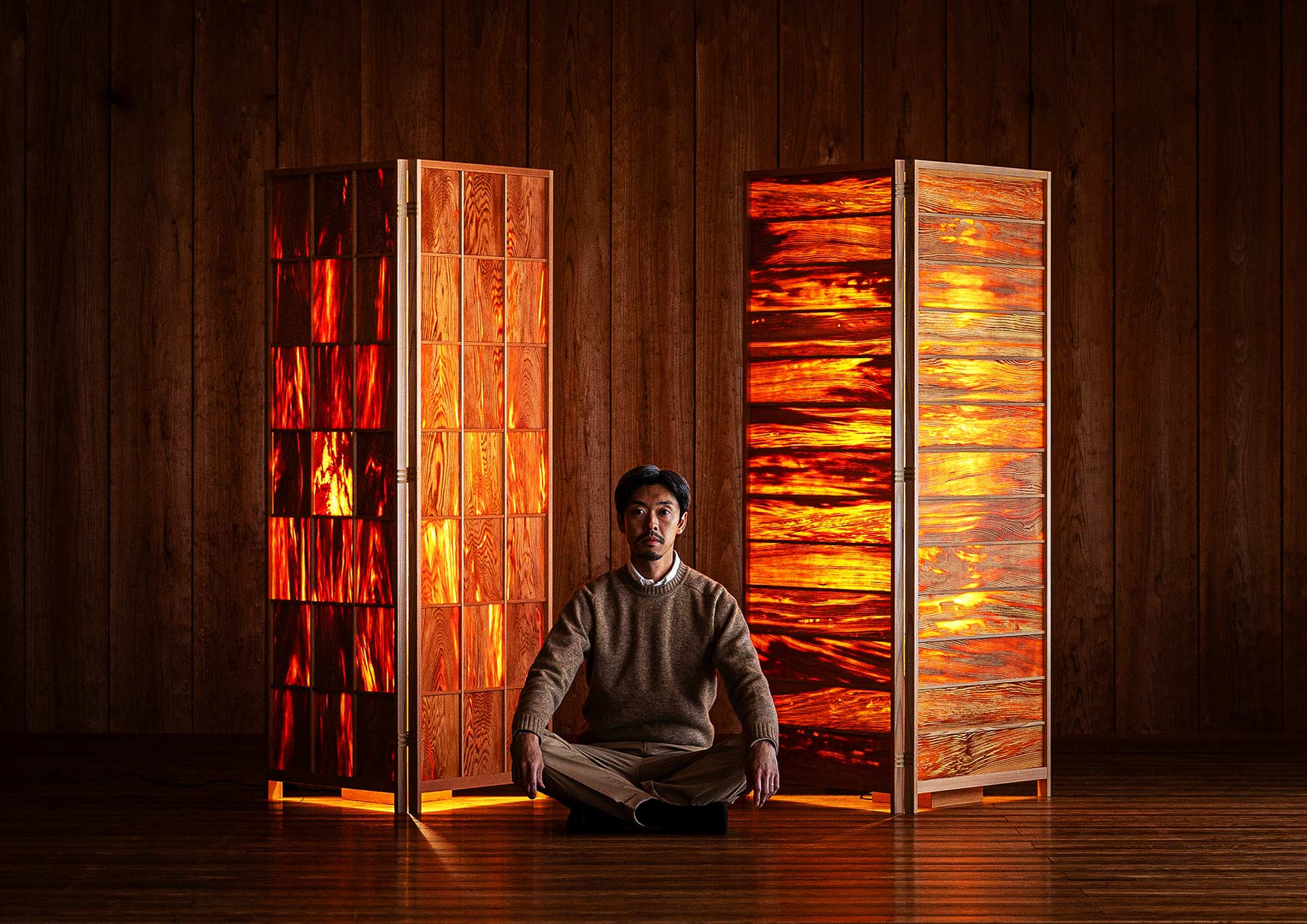
< Fat Wood Shoji, ADP Gold Winner 2025 >
Many of your works carry an Asian sensibility while resonating globally. What unique characteristics of Asian design are expressed in your projects?
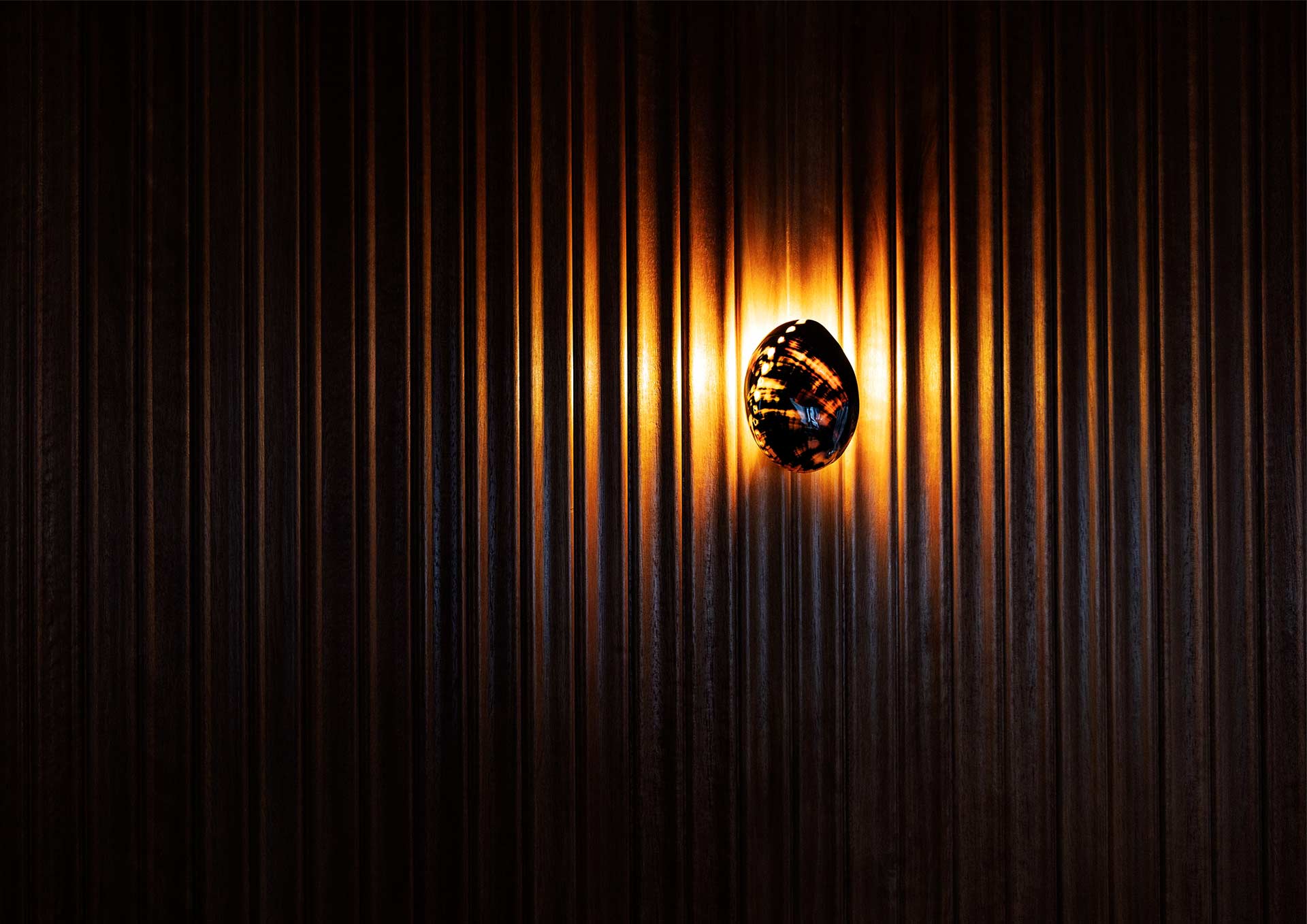
As a Japanese architect and designer, I value the Japanese sensibility of “Subtlety” and “Inner beauty” that has been passed down since ancient times when I design my works. In Japanese design, there is a concept called “In Praise of Shadows,” which values the beauty of light and shadow, and I strongly resonate with this concept. In my work, I would like to express the beauty of light and shadow. Practically, this means choreographing gradations rather than contrasts, allowing materials to receive light softly, and inviting the eye to discover depth over time. These values are culturally specific, but the sensations they create—calm, clarity, attentiveness—are universal. That is why, even in international contexts, the work can communicate without translation: the experience of quiet is a language everyone understands.
As a Japanese designer, how have your cultural background and national traditions influenced your creative philosophy and design language?
As an island nation, Japan has long cultivated its own unique culture and traditions. When I was a student, I traveled around the world and experienced the cultures, traditions, architecture and design of many different countries, which allowed me to rediscover the unique beauty of Japan. This led me to learn more about Japanese culture and traditions. There are “traditional crafts” all over Japan. When I work with first-class craftsmen who have mastered the art, I feel the wonder of the techniques that have been cultivated over many years. The techniques have been cultivated over a long period of time, and there is a timeless beauty. I would like to apply these techniques to modern design and create new designs.
For example, joinery that manages wood movement inspires contemporary hybrid interfaces; shoji’s filtered light suggests new approaches to double skins and daylight control; and natural finishes that age gracefully point toward sustainable specification. In this way, tradition is not a museum reference but a living toolkit for solving modern problems with cultural intelligence.
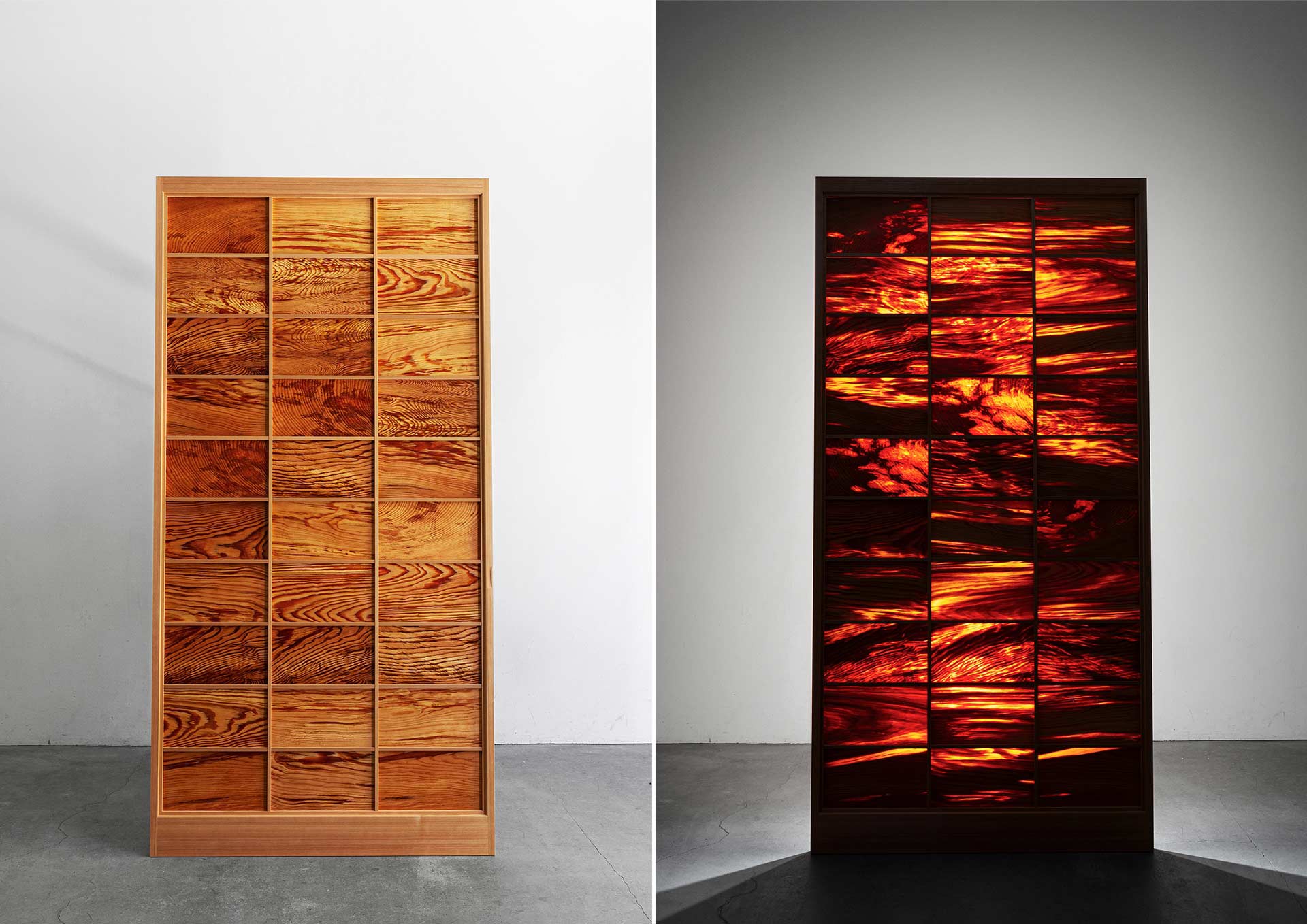
< Fat Wood Shoji, ADP Gold Winner 2025 >
How are design trends in Japan changing, and how have you responded or incorporated these shifts into your practice?
In this globalized age, there is an abundance of information and design is becoming more diverse. Japan is also part of this trend, but I still want to make use of our own country’s culture and traditions and cherish designs that only we can create. Our designs are based on the concept of respecting the culture, traditions and techniques that have been cultivated since ancient times, while capturing the diversifying modern world and creating a new future. To do so, I work on two time scales at once: rapid technological updates (digital tools, fabrication, smart systems) and slow cultural continuities (craft ethos, climate-aware envelopes, spatial rituals). When these tempos align, projects feel both current and rooted—able to evolve with the era while preserving a clear identity.
Your projects integrate interiors, lighting, and spatial composition in ways that feel both functional and poetic. What is your approach to creating spaces where design, atmosphere, and human experience converge?
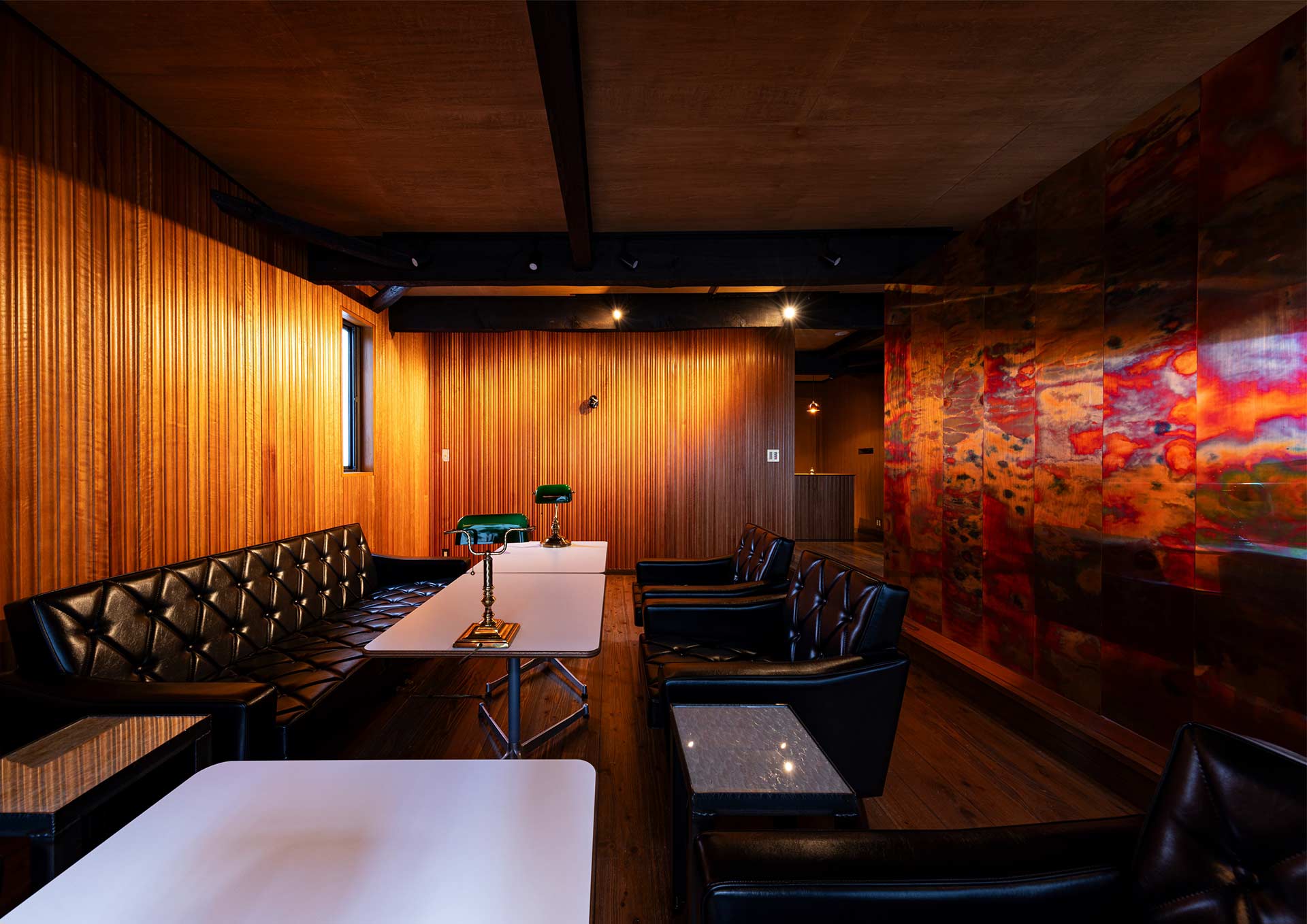
When I design architecture and products, I place importance on both high design quality and high functionality. Design alone often leads to a breakdown in functionality in everyday life. After all, a design that is both high design quality and high functionality is universal. We would like to master this field and continue to create innovative architecture and products. In practice, that means planning circulation and adjacencies with the same care we give to tactility and tone; treating light as structure, not decoration; and choosing materials that improve with use. The outcome I seek is serenity with clarity—spaces that guide behavior naturally, reduce cognitive load, and leave a lingering sense of harmony.
Through international collaborations, what differences have you observed between Asian and Western design practices? What strengths can Asian design bring to the global dialogue?
I feel that we should focus on deeply examining the cultures and traditions of Asian countries, capturing various modern elements, and creating something innovative that has never been seen before. Furthermore, I think it is also important to take advantage of the benefits of this global age and create new designs by harmonizing and fusing Western and Asian approaches. Often, Western practices emphasize explicit statements and bold legibility, while many Asian practices cultivate gradation, restraint, and continuity. When we bring these approaches together respectfully, we get projects that are both articulate and nuanced, clear in intent yet rich in layers, offering an ideal balance for contemporary audiences.
Many of your works emphasize light as the shaper of experience. How do you see lighting design evolving in contemporary architecture and interiors, especially in Japan and Asia?
In today’s world, electric lighting design is commonplace and there are a wide variety of lighting designs available. However, in ancient Japan, there were many spaces and designs that made good use of natural light and moonlight. The light that flows into the room through the shoji screen changes in a gradation, and its appearance changes with the weather and the time of day. There is a beauty of light and shadow that makes use of nature that is not found in modern lighting fixtures. I think it is important to return to our roots by focusing on the techniques and wisdom that have been cultivated since ancient times. I believe that if we can incorporate this into modern design, it will lead to the creation of new designs.
Going forward, I expect more hybrid schemes where daylight remains primary and electric light quietly extends the narrative after dusk—through concealed sources, high-quality dimming, warm spectra, and surfaces tuned to reflect softly. The goal is not brightness but atmosphere: a readable “clock of mood” across the day and seasons.
Finally, what message would you like to share with the next generation of designers in Asia?
I feel that it is necessary to deeply study the techniques, wisdom, and knowledge left behind by our pioneers in order to create new designs. I believe that if we can learn this knowledge, face the various problems and issues of today, and create new designs, we will be able to create a prosperous future. Be curious and rigorous. Collaborate across disciplines without losing your center. Treat new tools including AI as extensions of your judgment, not replacements for it. Design is not only the making of objects; it is the crafting of conditions in which people can live with dignity and quiet joy. If you hold to that purpose, your work will move forward with integrity and endurance.

editor@asiadesignprize.com


















#14057, 905 49, Beolmal-ro 102beon-gil,
Dongan-gu, Anyang-si, Gyeonggi-do, Korea
Business Registration Number: 454-86-01044
Online Sales License No.: 2021-Anyang Dongan-1081
Copyright © DESIGNSORI Co., Ltd.