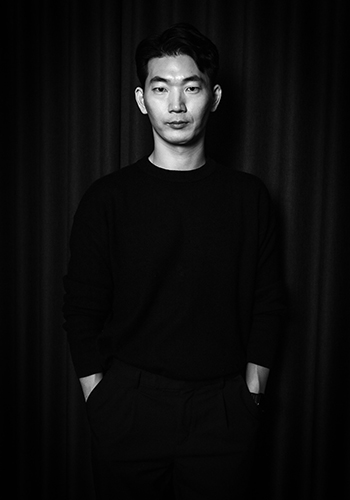
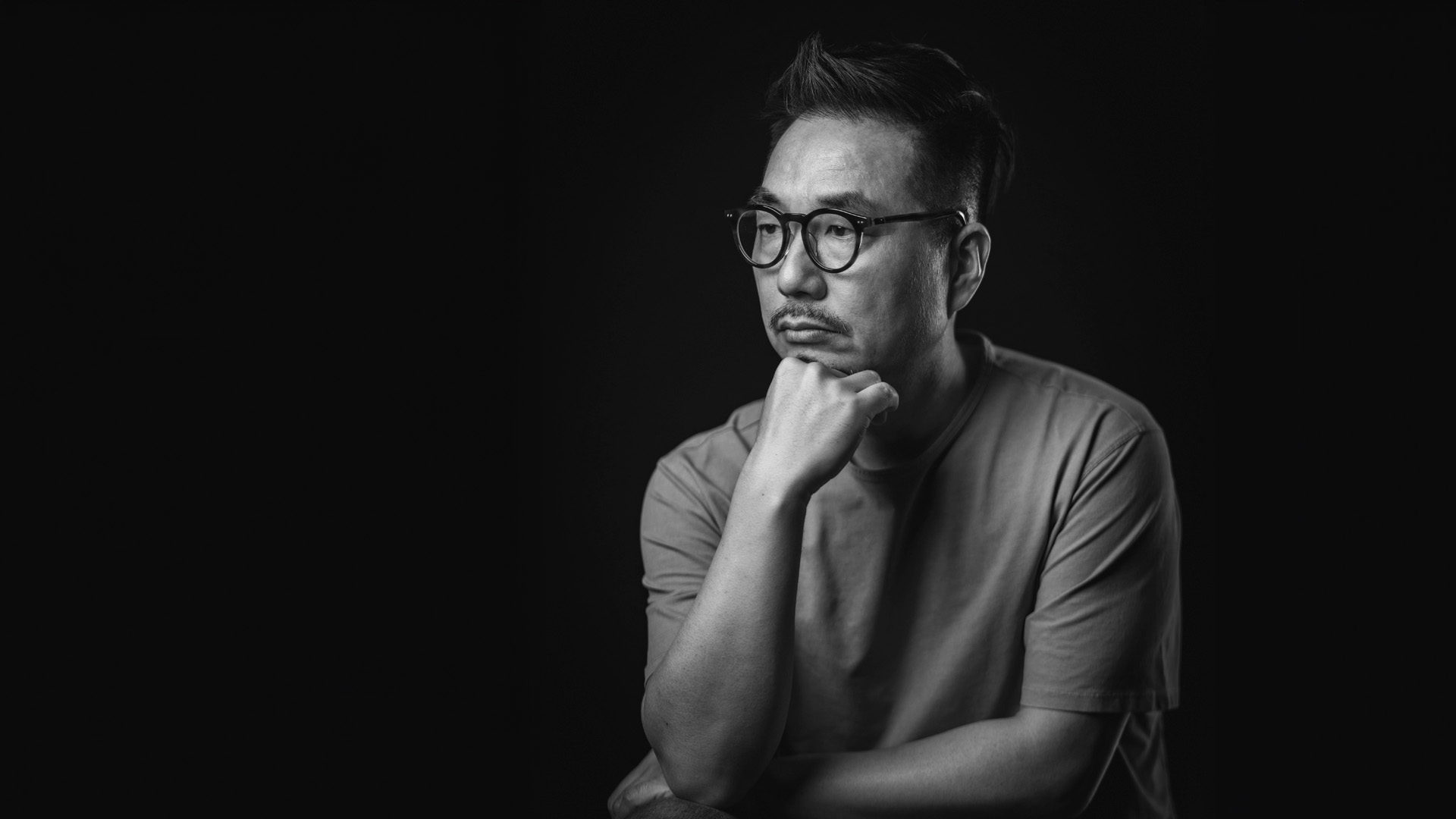
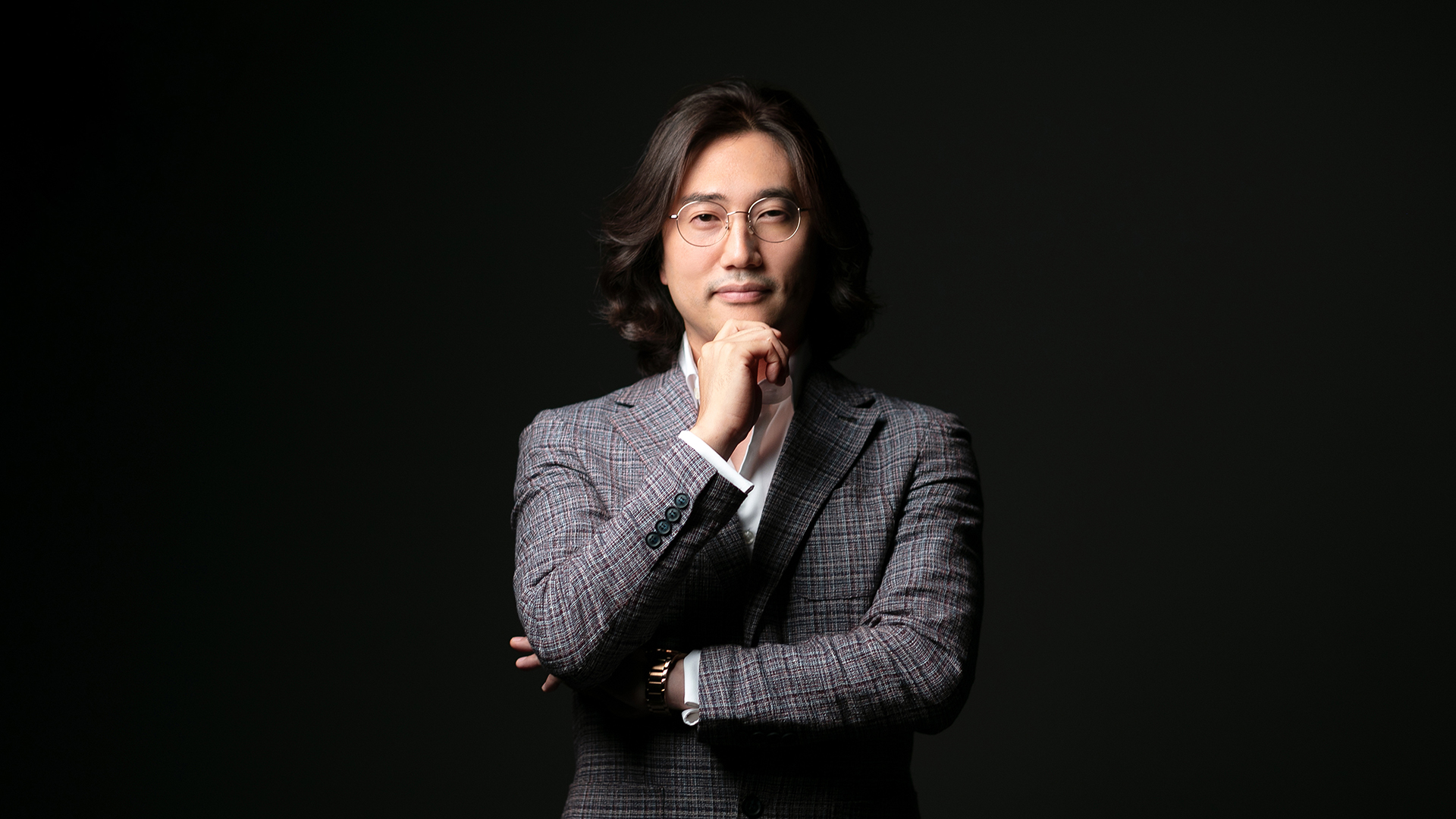
My name is Juhwang Kim, and I run a brand design studio called lllayer. This year marks the 11th anniversary of the studio. I also operate a branding content channel under the name “brandmakerman (The Man Who Builds Brands).” The name lllayer represents our belief in building up layers of brand experiences for our clients. We define branding as the act of shaping memory. People encounter brands in various contexts, and over time, those experiences accumulate to form distinct memories. It’s those memories that make people recall a brand, return to it, and form lasting relationships. Our work focuses on designing those very experiences—intentionally crafting moments that turn into meaningful memories.
What kind of branding projects have you worked on?
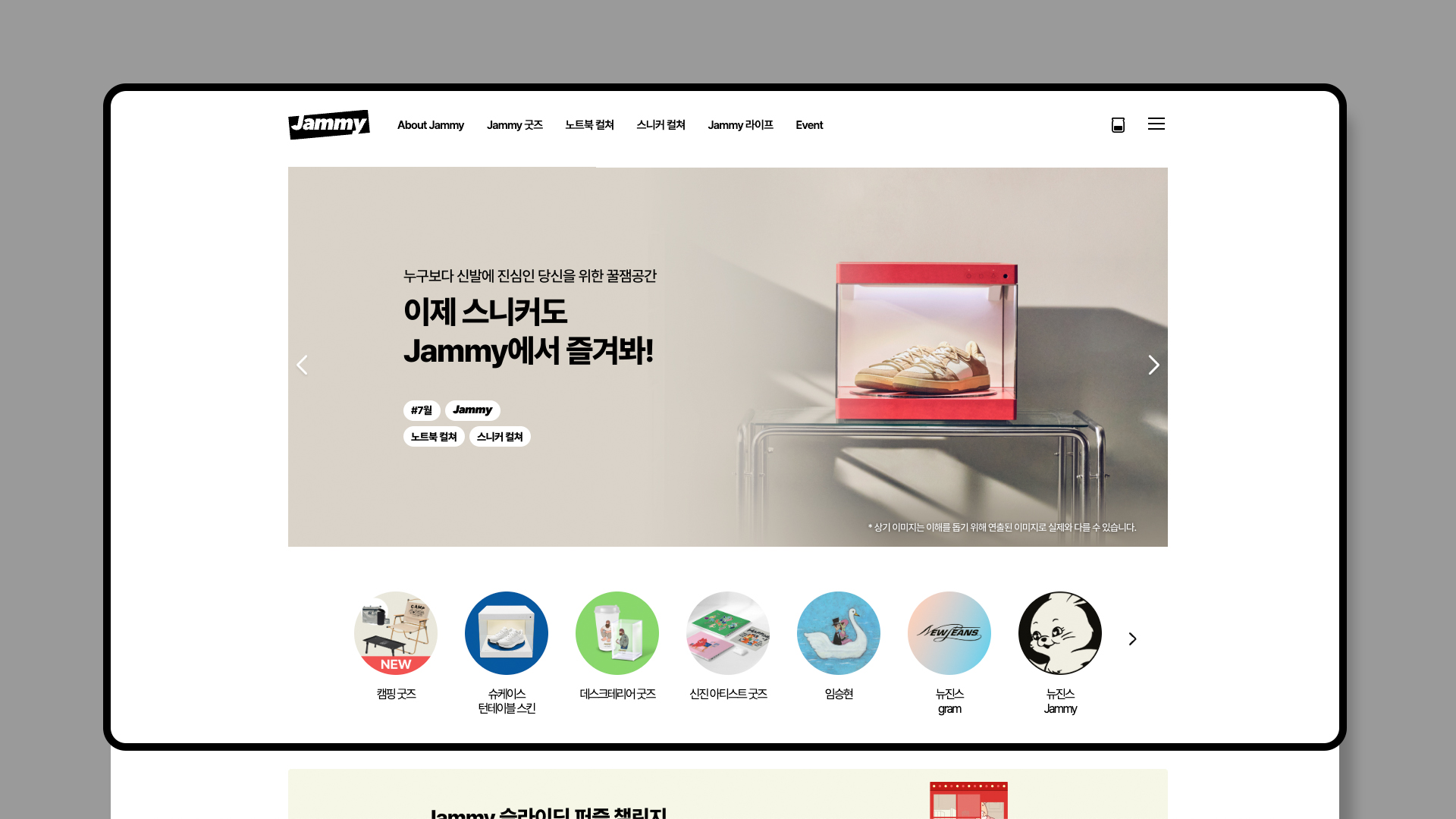
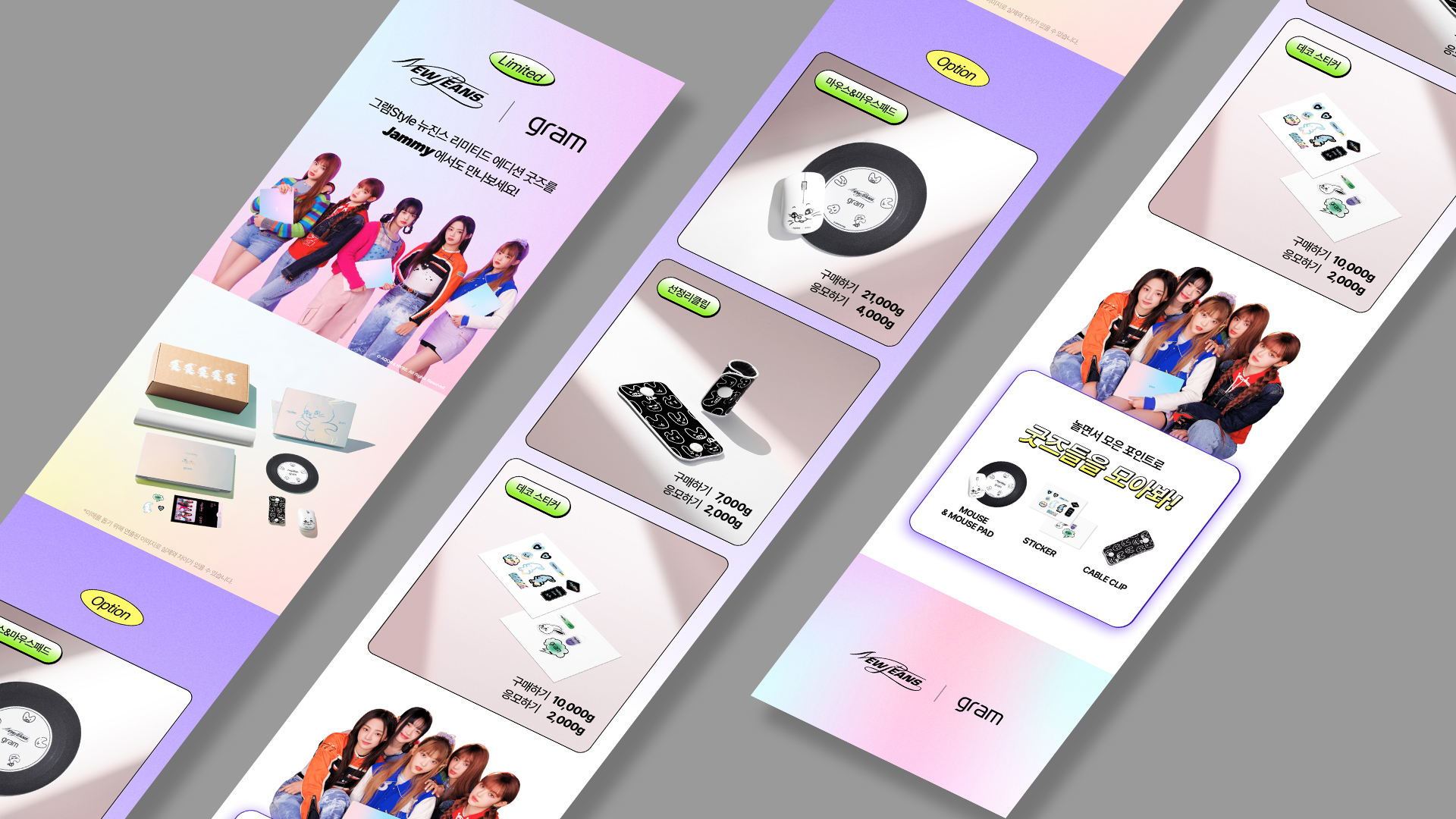
We created Jammy, a digital platform for LG Electronics and users of the gram laptop series. The overall planning was led by HSAd, while our studio, lllayer, handled the UI design. The platform allows users to earn points by participating in the community and then use those points to enter raffles or purchase goods produced in collaboration with various artists. Since the site features a wide range of artist collaborations, we kept the overall tone and manner in a simple, monochromatic black-and-white palette to allow the products to shine. We also paid special attention to UX to ensure a smooth experience across all screen resolutions. The platform gained rapid popularity through collaborations with artists like MINO from WINNER and NewJeans. What started as a brand extension of the gram laptop has now expanded into a new category—such as the “Shoe Case” product for sneaker storage—evolving into a community platform where users with shared interests can interact.
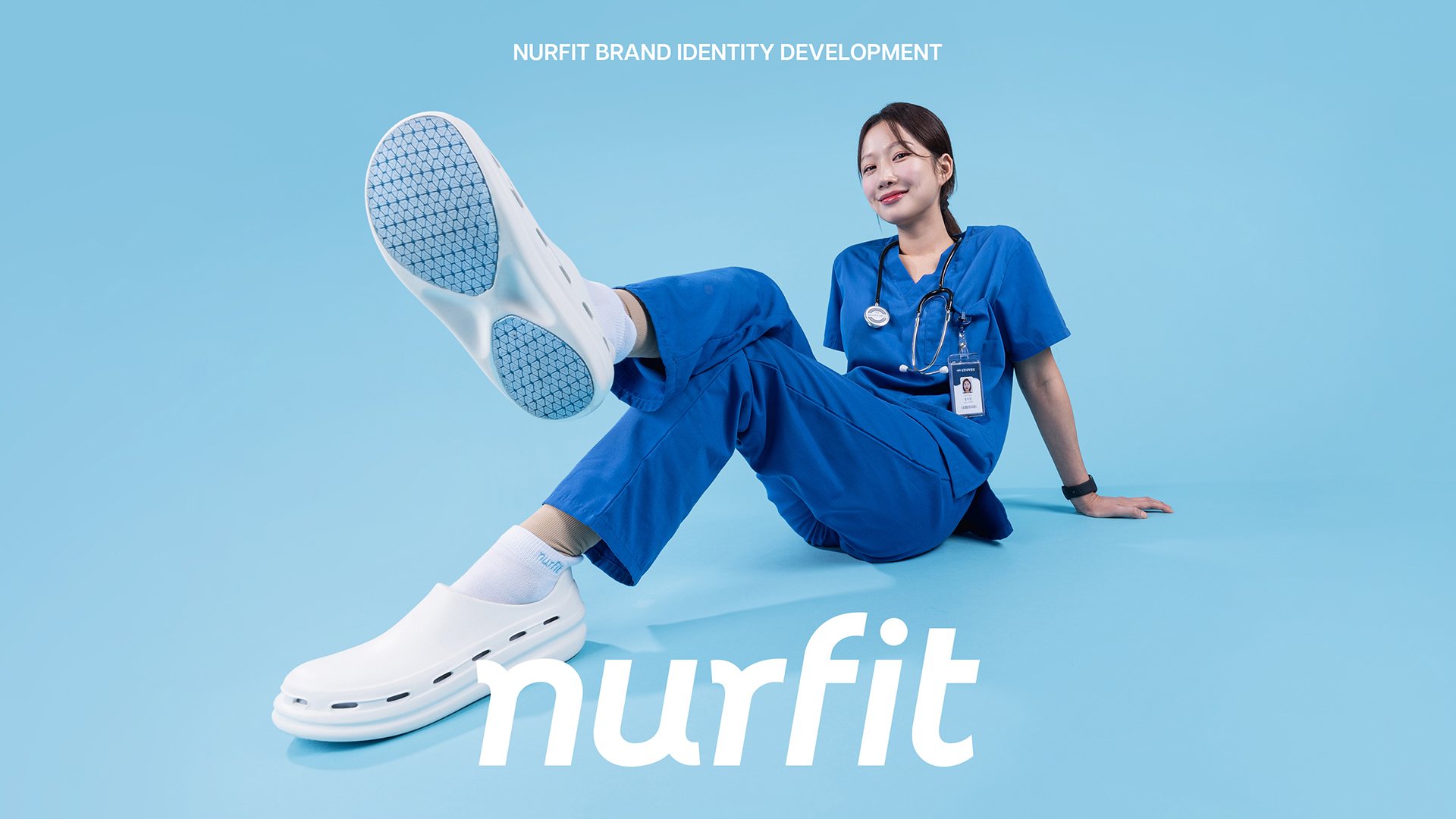
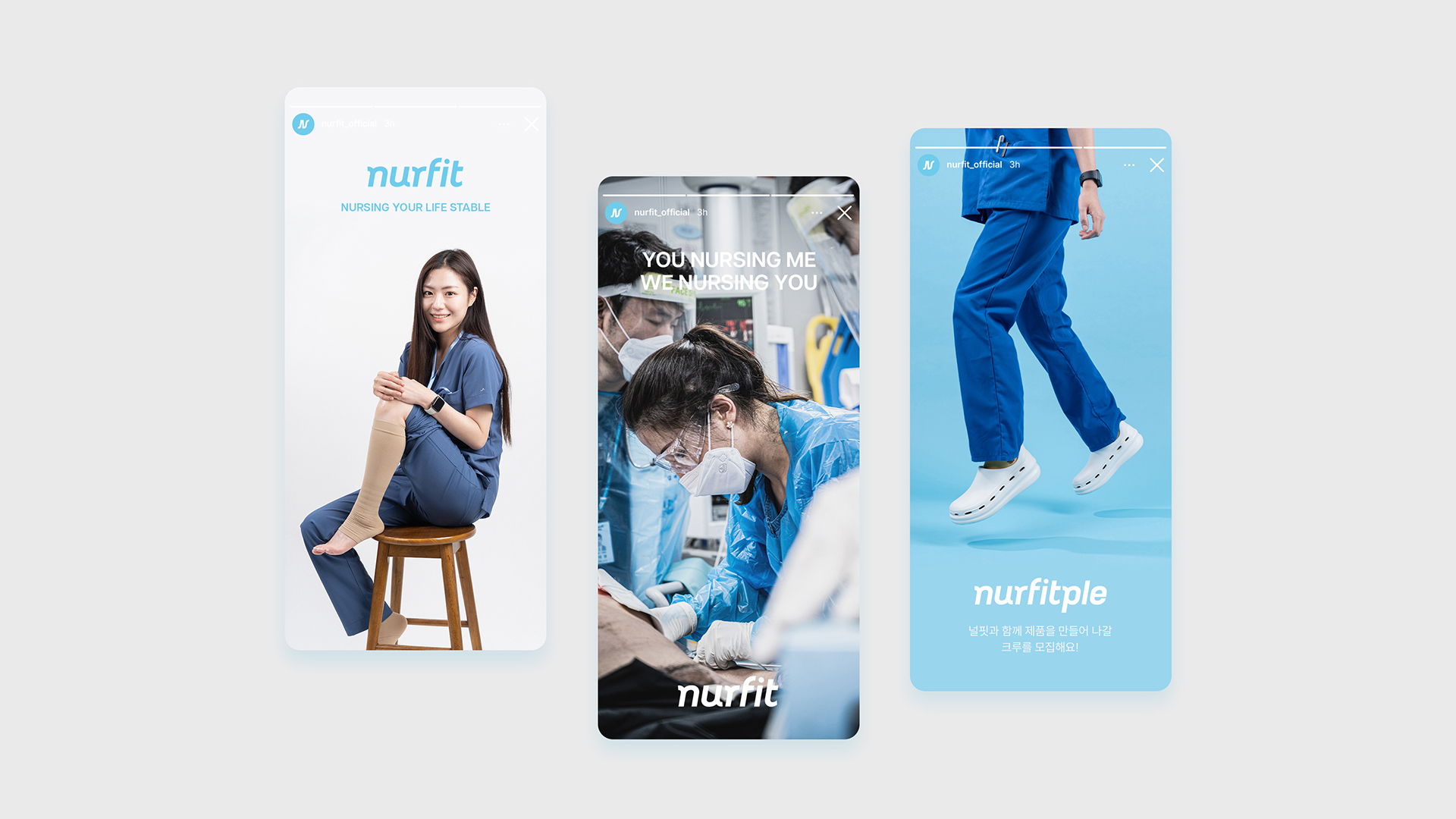
The founder of Nurfit was originally a nurse. One day, she had a powerful realization: “Nurses care for patients—but who cares for the nurses?” That question became the inspiration for founding the brand. From product development to refinement, the process has always involved input and feedback from real nurses. While the brand had released various items such as compression socks, wrist supports, and hand creams, it lacked a clear flagship product. That's when we joined the project—to help shape the identity for a new line of footwear designed specifically for nurses. We revisited the brand’s history and redefined its identity, developing a new logo, color palette, symbol system, and various applications. We also built a full D2C (direct-to-consumer) website. Upon launching the shoes, the first batch sold out in just 10 hours, and the second batch sold out within 6 hours—an extraordinary result that made this one of our most meaningful projects.
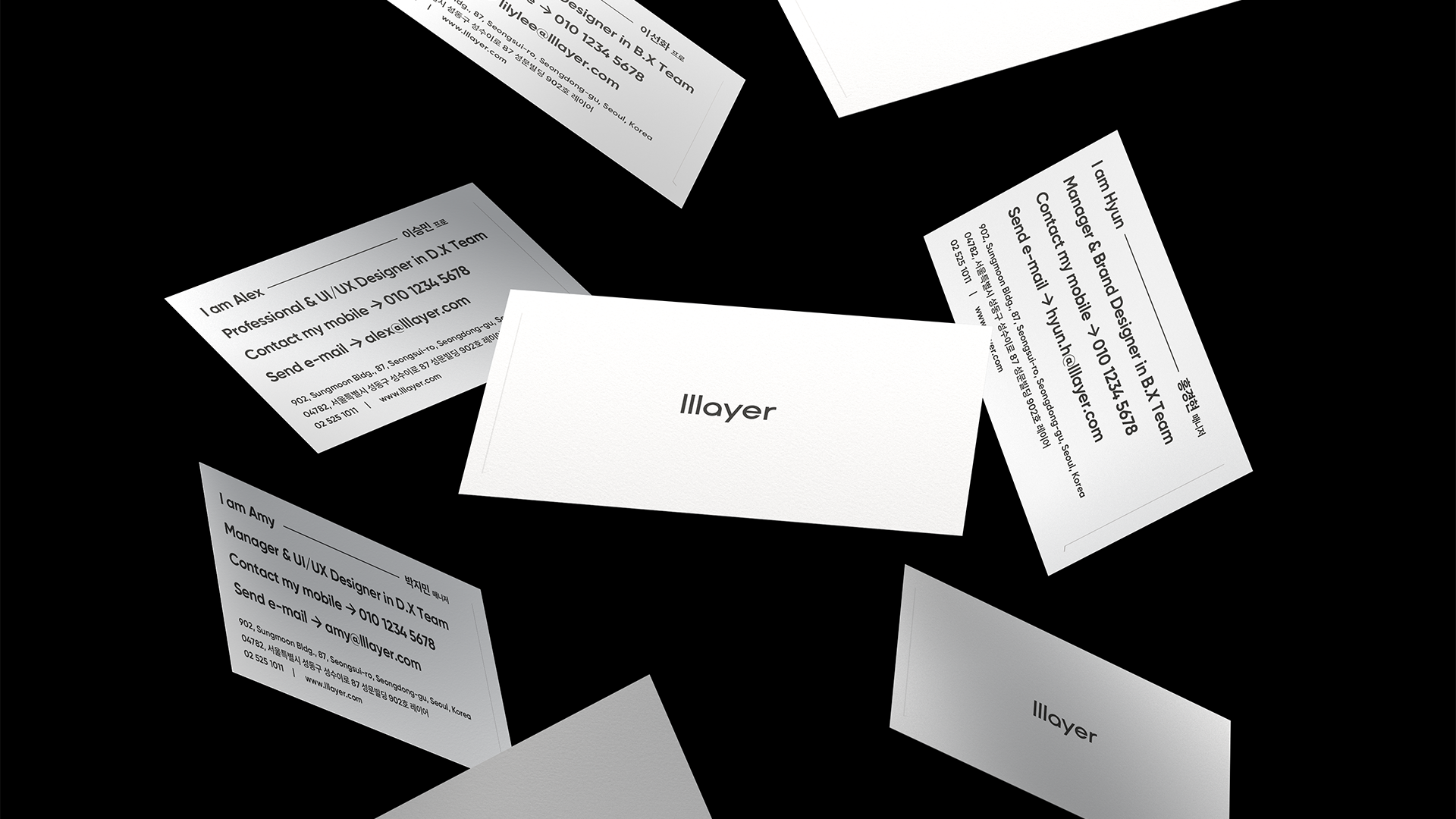
At lllayer, we operate with two dedicated teams. The BX (Brand Experience) team focuses on building and visually articulating the brand’s core identity. The DX (Digital Experience) team specializes in planning and constructing digital touchpoints that help brands connect with their audiences online. By dividing our work across these two specialized teams, we’re able to deliver branding that is not only more focused and professional, but also highly tailored to each client’s specific needs.
What is the branding process like at lllayer?
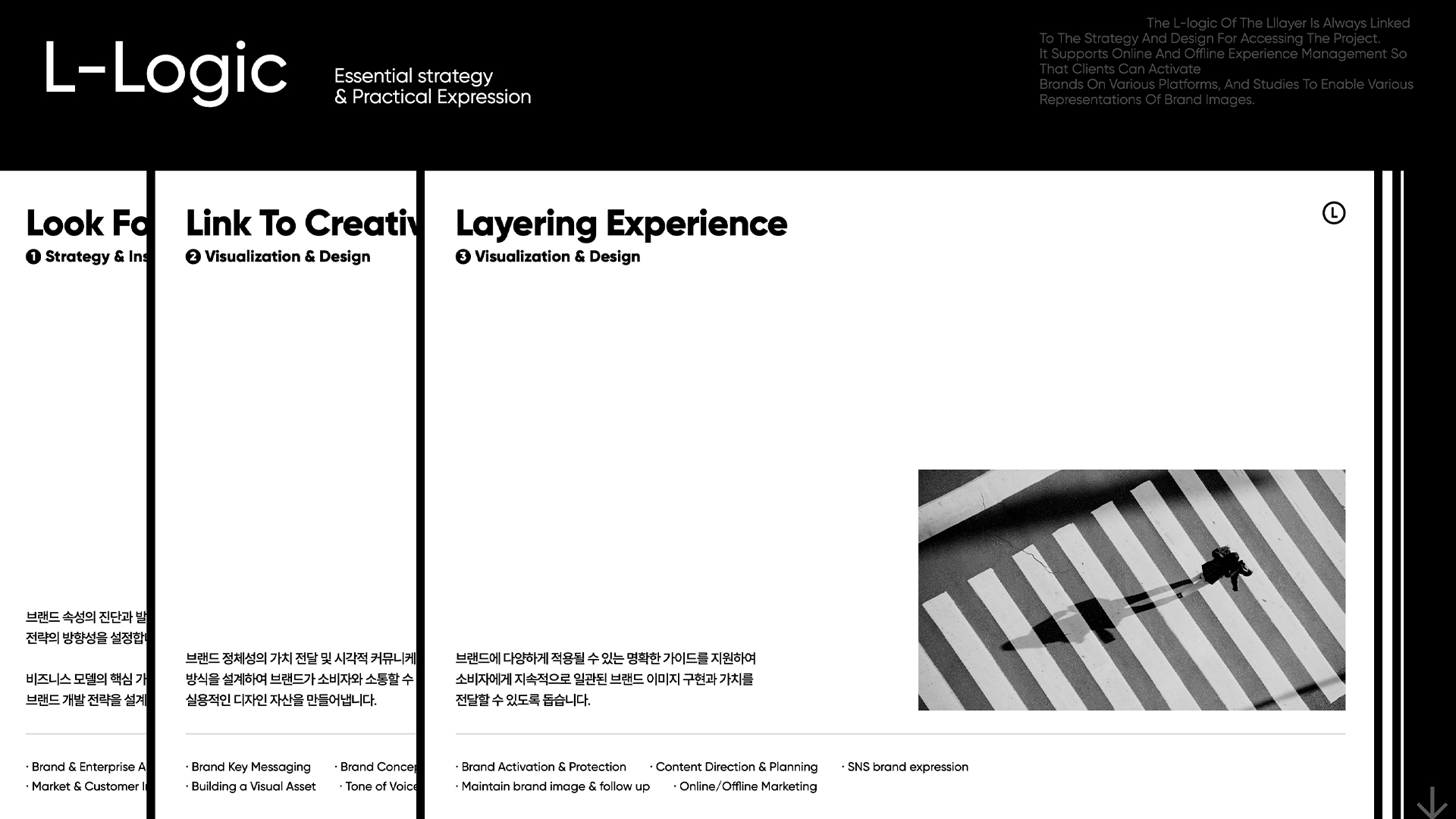
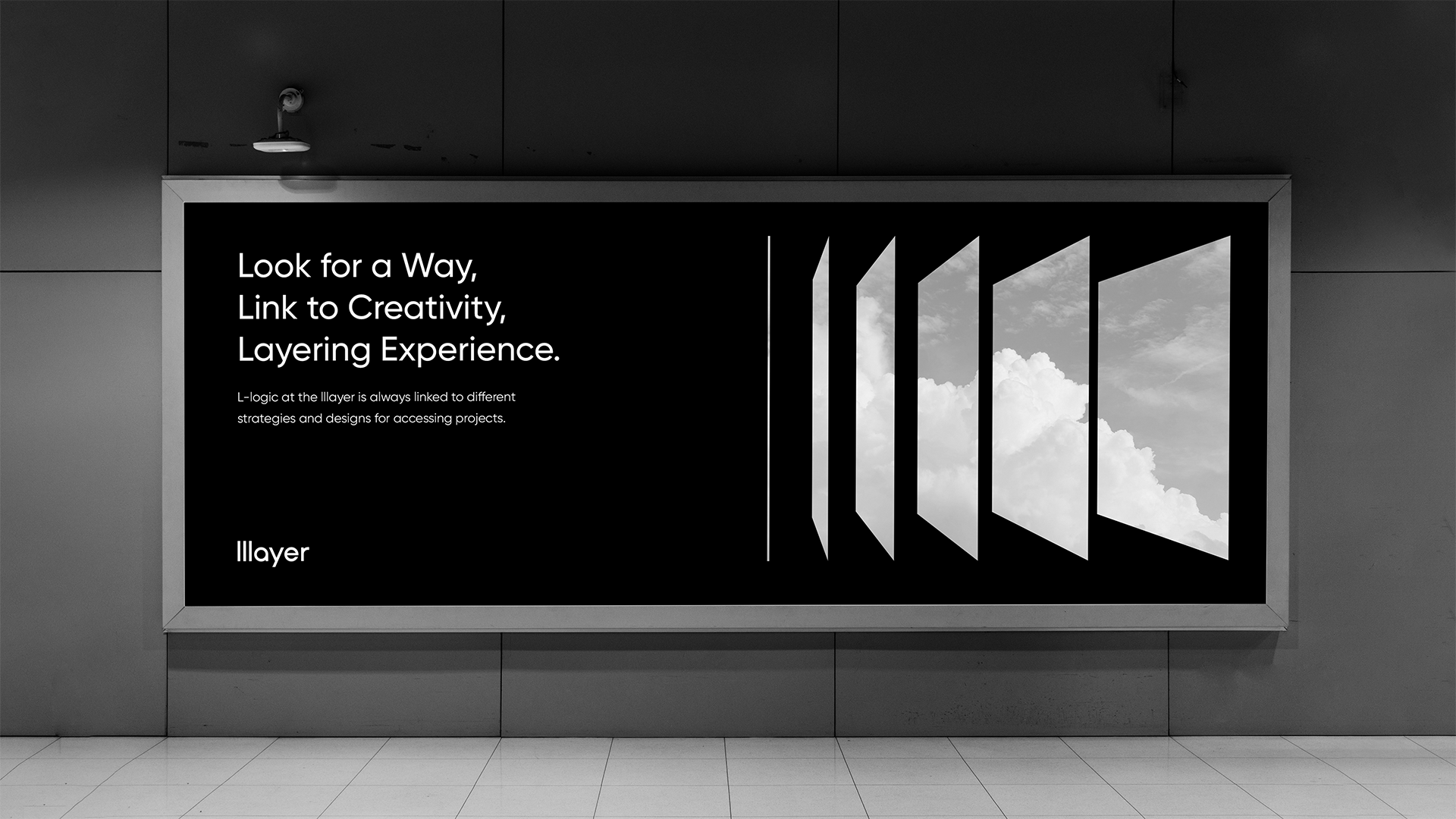
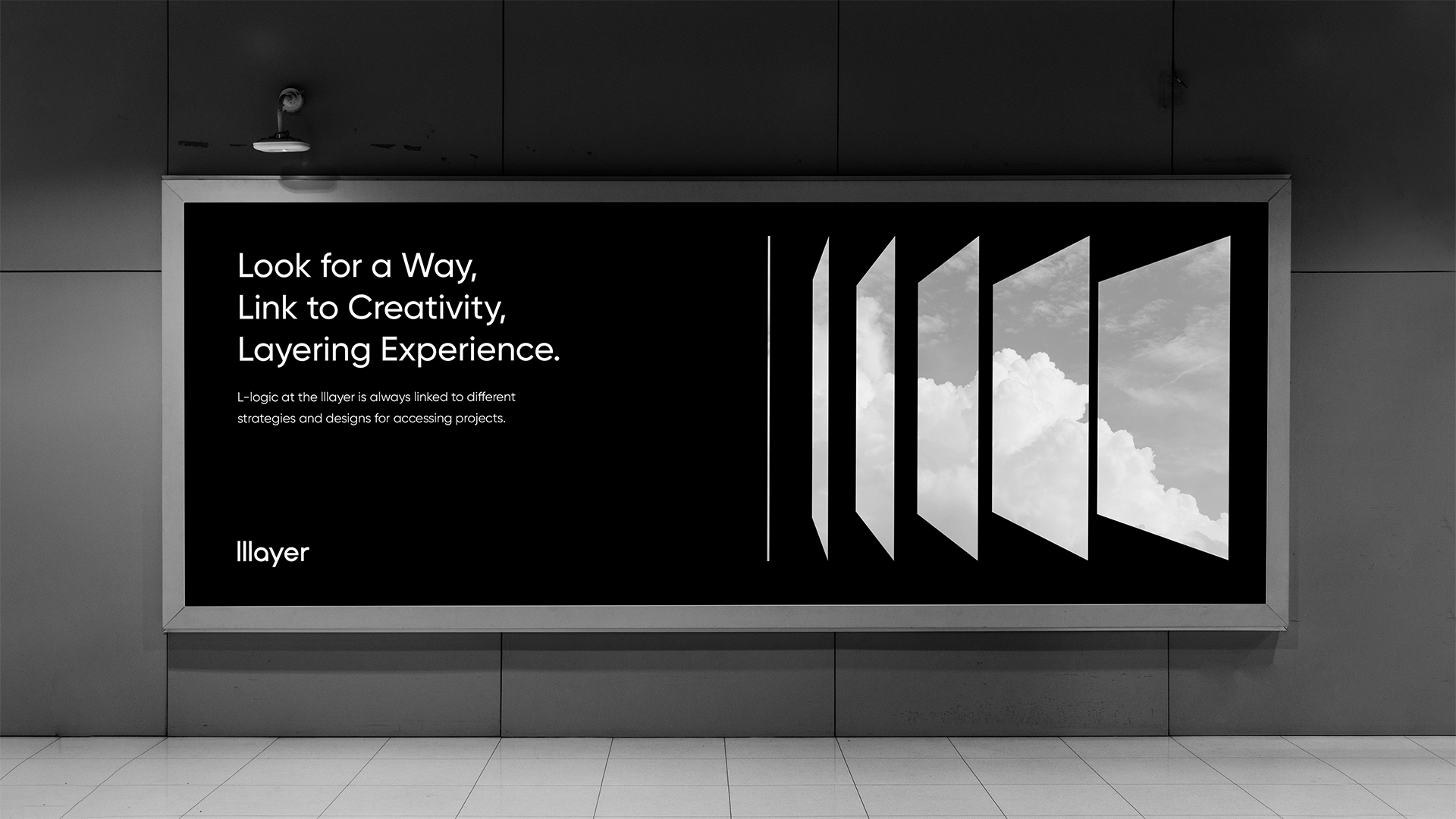
Our branding process is structured into three key phases. The first is Look for a way—this is where we define the strategic direction the brand should take. We start by crafting the brand story, conducting market research, and analyzing the target audience to determine what kind of value the brand should deliver. The second phase is Link to creativity—this is where we bring in creative ideas to shape a unique brand concept. We explore how to visually express the essence of the brand and establish its visual assets, such as the logo, symbol, color palette, typography, and patterns. The third phase is Layering experience—this is about building brand experiences through real-world interactions. For physical products, this means considering every touchpoint from packaging and product form to material. For digital experiences, it involves designing websites, D2C shops, mobile apps, product pages, and more—all with the goal of delivering a consistent and engaging customer journey.
Are there any fields you'd like to explore or brands you'd love to collaborate with?
I’d love to work with brands that stand for something—brands that send a message to the world. Brands like Patagonia or Lush, whose identities are crystal clear. We live in an era where people seek meaning over function, and I’m drawn to brands that have a strong reason for existing. Personally, I don’t like design without purpose. I enjoy digging deep into logic and building meaning into every step of the process. That’s why I admire designers and brands that reflect deeply on the essence of design and express it with intention. One area I’d like to challenge myself in is branded content. As I’ve been creating and sharing branding-related content recently, I’ve discovered a whole new charm that’s different from traditional brand design. At first, I thought I was the only one enjoying it—but it turns out people really love hearing the origin stories behind brands!
How do you think the design industry will evolve in the future?
Technological advancement is inevitable. With the emergence of AI, designers now have one more tool that allows them to work more efficiently. Just as programs like Photoshop and Illustrator have become second nature to us, AI will likely become a standard design tool. This will naturally create a gap between designers who know how to leverage such tools and those who don’t. In a constantly evolving market, it’s important not to simply chase trends but to hold onto what doesn’t change. I believe that as time goes on, design will become increasingly specialized by field, and only companies with a clear and distinct identity across different contexts will survive. Right now, I feel the design industry is in a saturated and stagnant phase. Some senior designers have even said that design fees are lower than they used to be. The competition is intense, which is why we at lllayer are continually reflecting on what sets us apart from other studios. We're actively shaping our identity as a company that specializes in branding with strong digital experience design capabilities.
Today, branding isn’t just for large companies—it’s something even small businesses and individuals need. That’s what led me to start the brandmakerman channel: to raise awareness of branding and help make it more accessible to the general public. In a way, it’s part of our broader strategy that utilizes different mediums to communicate our philosophy. Since we approach branding like a small, curated magazine within a focused niche, we plan to expand brandmakerman through various platforms and formats. The next step is to refine what we’ve built in Korea and take on the challenge of reaching a global audience.











#14057, 905 49, Beolmal-ro 102beon-gil,
Dongan-gu, Anyang-si, Gyeonggi-do, Korea
Business Registration Number: 454-86-01044
Online Sales License No.: 2021-Anyang Dongan-1081
Copyright © DESIGNSORI Co., Ltd.