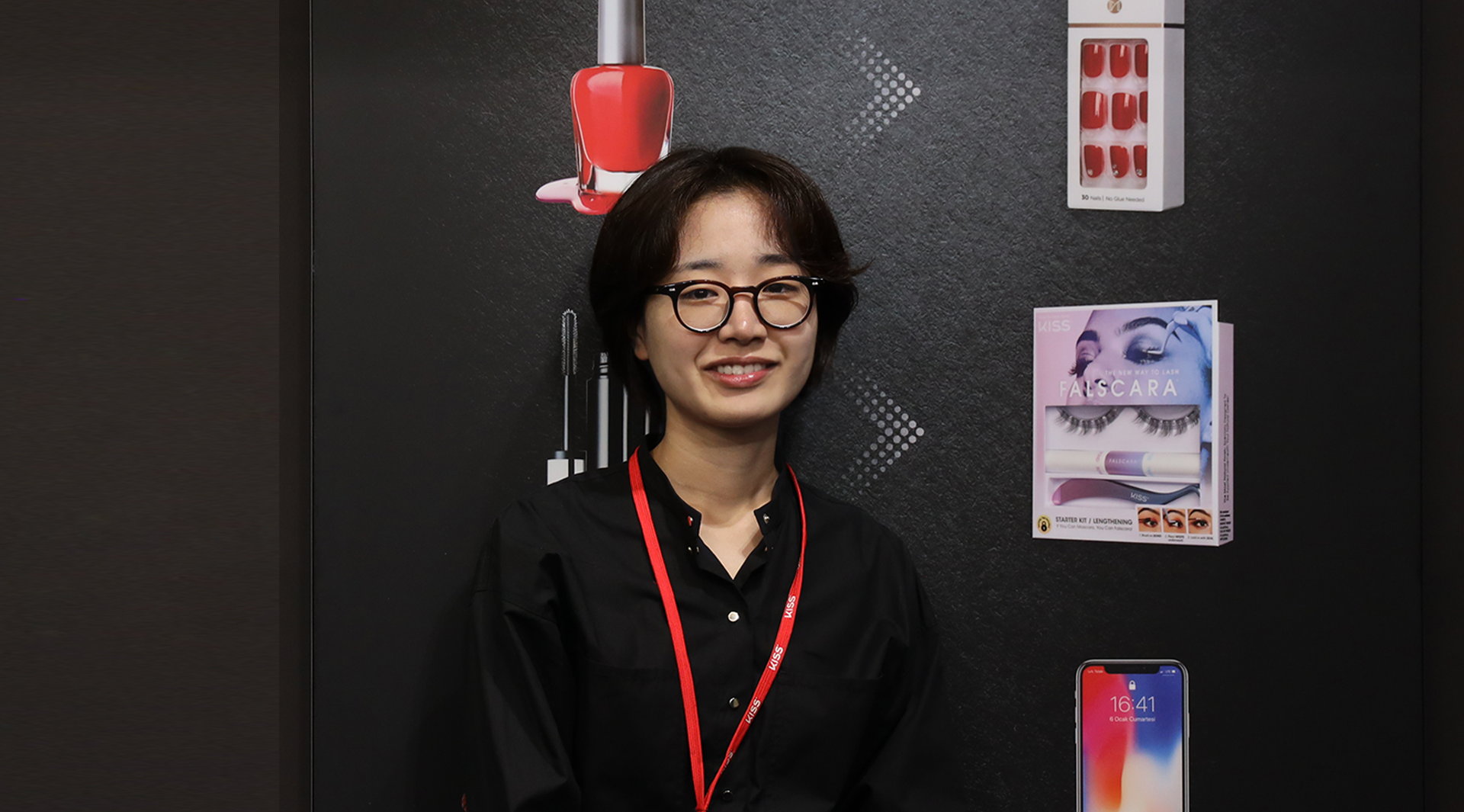
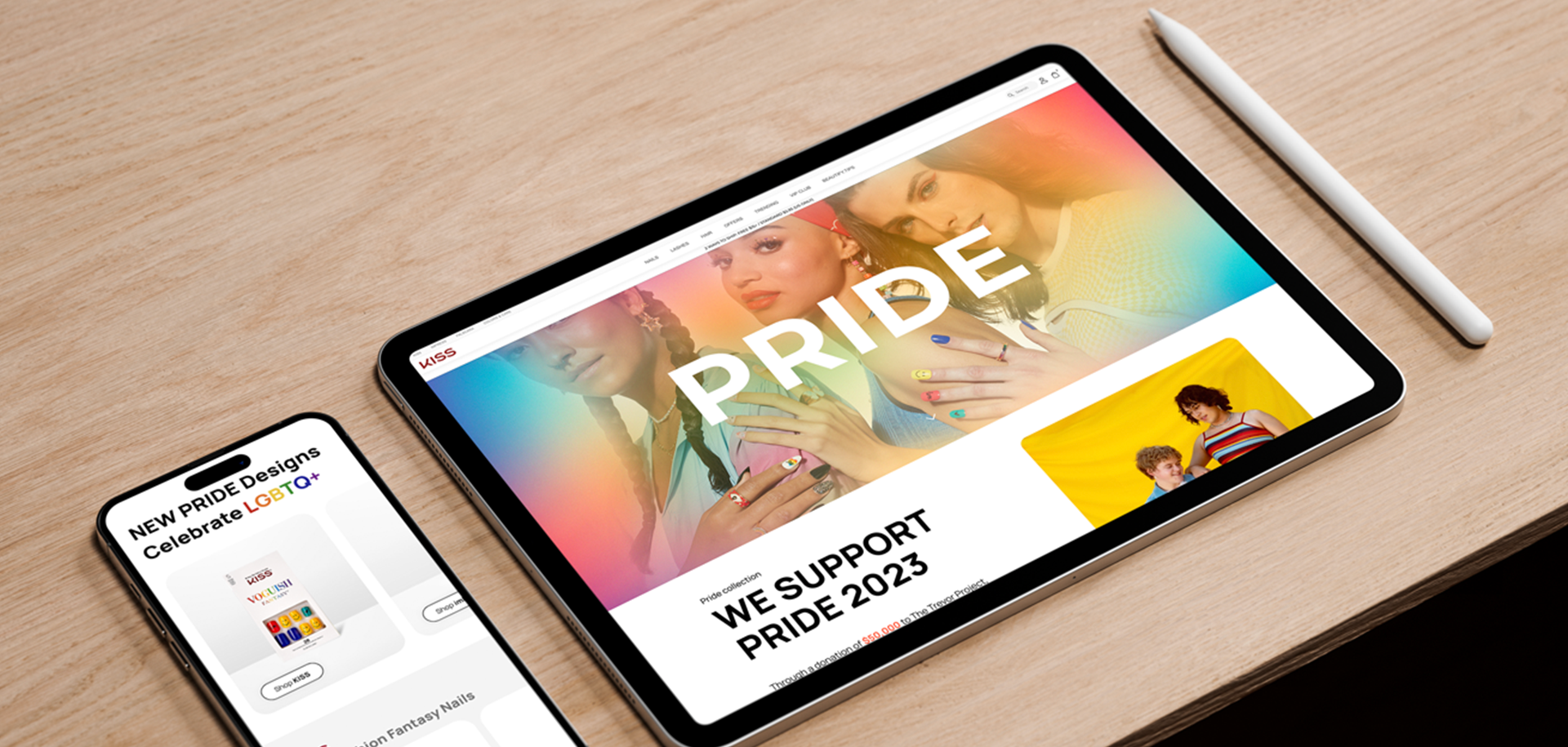
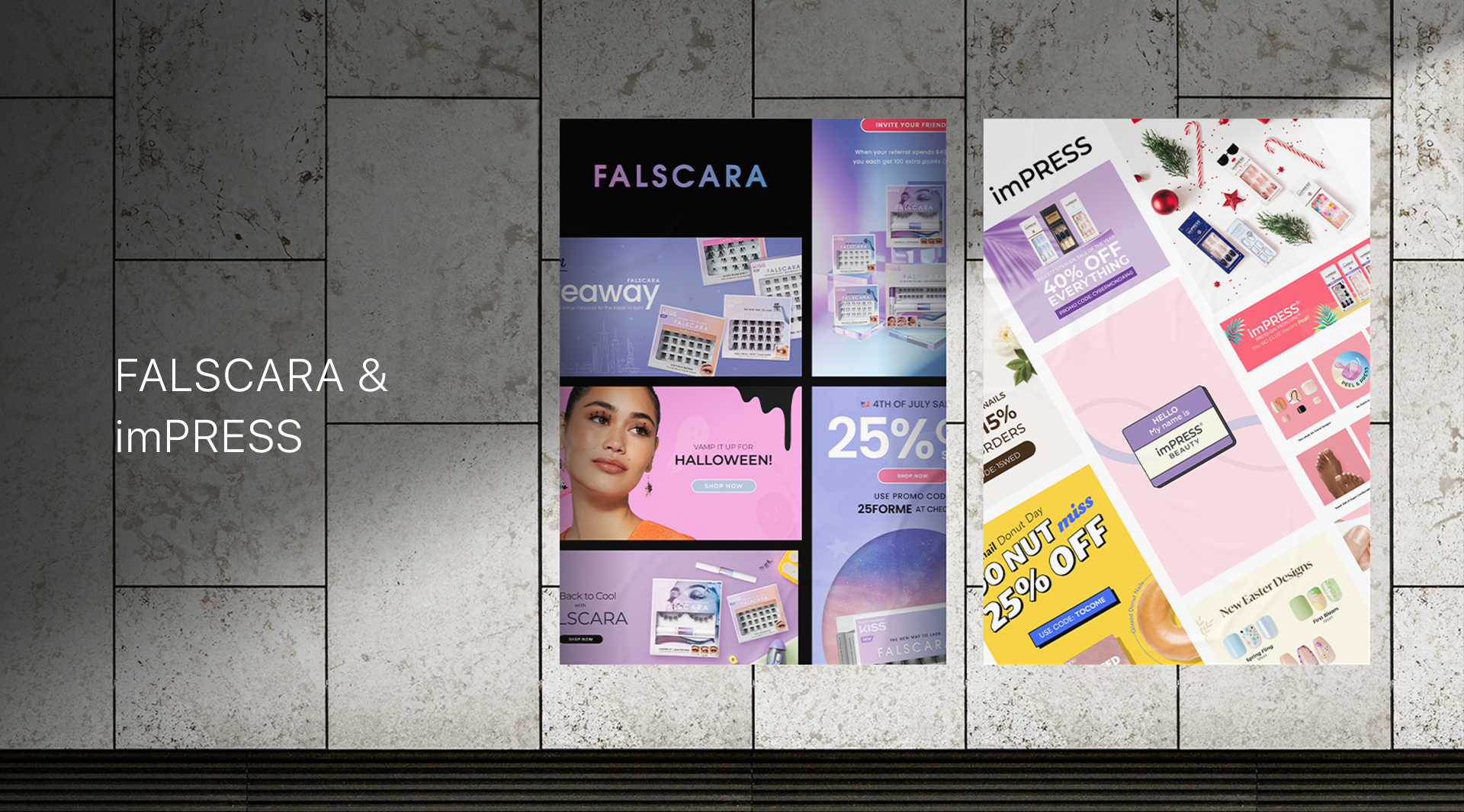
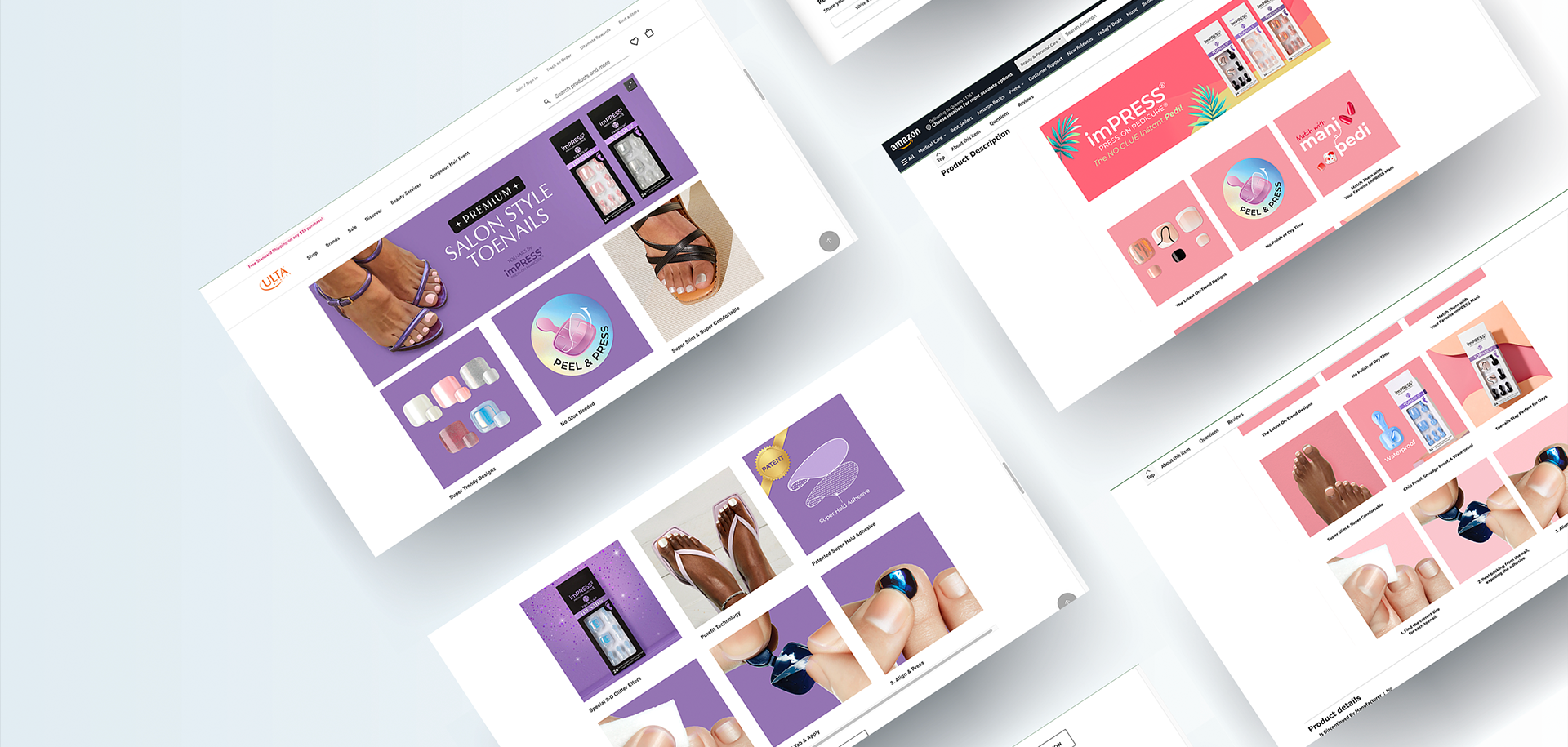
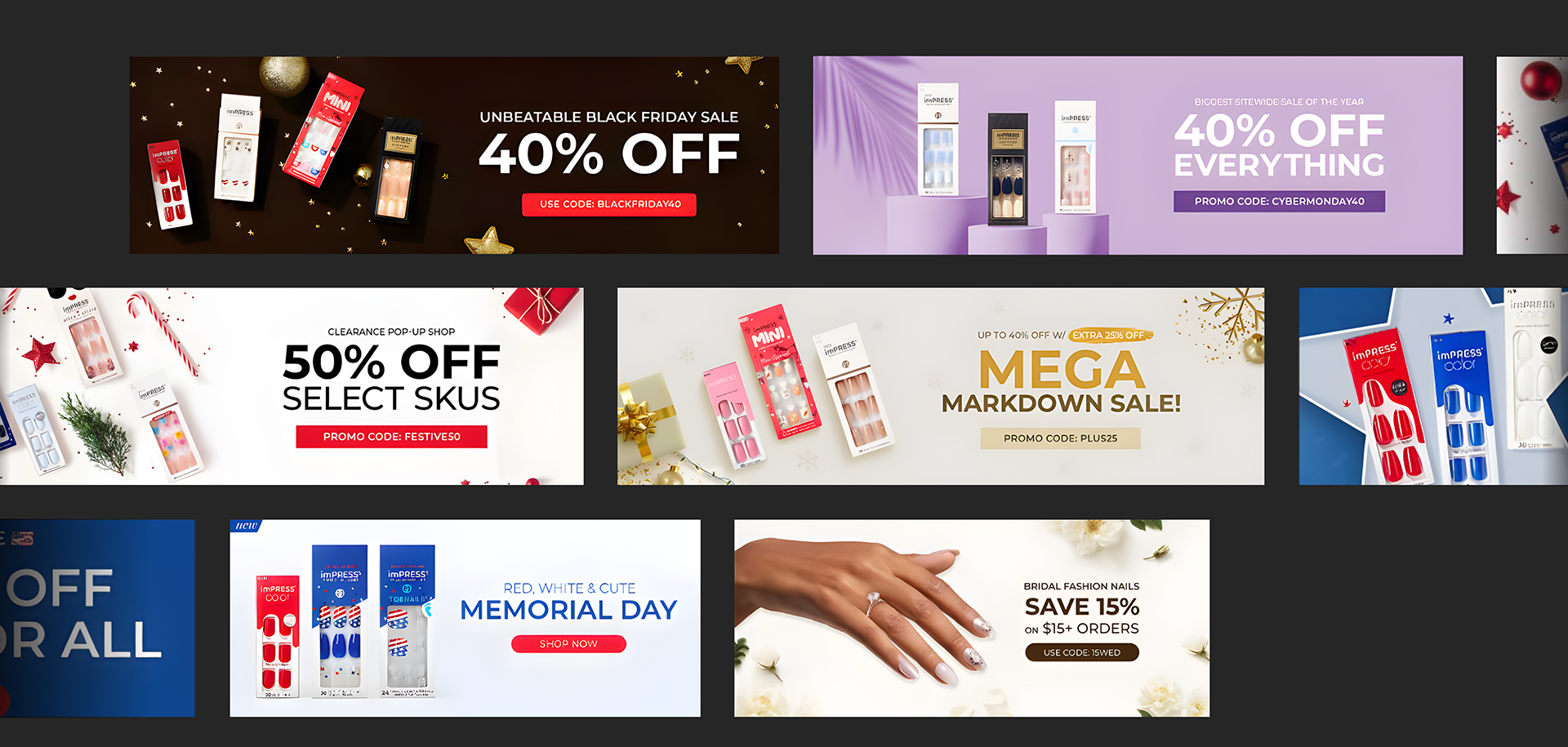
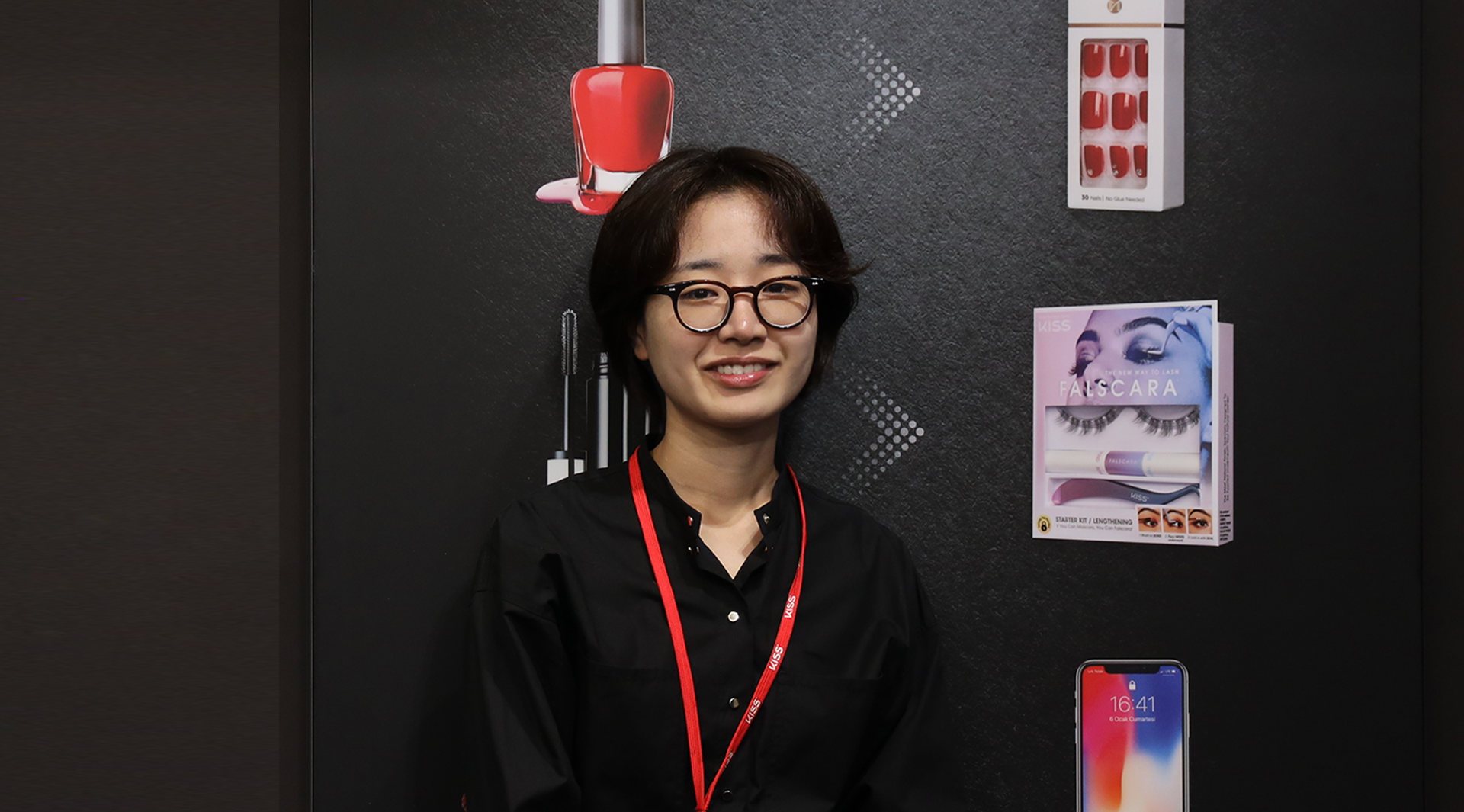
My name is Moonyoung Kim, and I work as a Web and UI/UX Designer at Kiss Products, a cosmetics company based in New York, USA. As a Lead Product Designer, I am responsible for branding and UI/UX enhancements for projects related to nail measurement. I also conduct usability analysis for the company’s website and design digital assets for the brands Impress and Falscara.
What led you to take on roles in UI, UX, and web design altogether?
I initially joined Kiss Products as a graphic and web designer, focusing on visual design for digital assets. However, as I frequently visited our website in my role as a web designer, I began noticing recurring UX issues. I suspected these issues were impacting our online sales, but I needed more than intuition—I needed data. So, as a side project, I planned and conducted user testing, performed heuristic evaluations, and used the SUS (System Usability Scale) to identify concrete areas for improvement. I continuously shared these findings with the web and development teams, which led to actual revisions being made to the site. As these efforts gained recognition, I gradually started taking on more UI/UX-related projects. Over time, that naturally evolved into my current role, where I now lead all three areas: UI, UX, and web design.
What brought you to the United States?
Living abroad had always been a vague dream of mine. That dream started to take shape when I participated in the Global Design Internship (GDI) program hosted by the Korea Institute of Design Promotion. Through that internship, I was able to secure a job in New York. Saying it like this makes it sound simple—but it was far from easy. After graduating, preparing for a career overseas was daunting, and the fear of rejection often chipped away at my self-esteem. Then one day, I came across a YouTube video from Designsori featuring designer Hyerin Lee from Philips. She shared how she had sent her portfolio to over 300 companies in pursuit of an international internship. After gaining experience at various places, she eventually landed a position at Philips HQ in the Netherlands. That story gave me the courage I needed. It made me realize that while living and working abroad as a designer is no easy feat, it's not impossible either. Every challenge comes with its fair share of struggle, but no pain means no growth. Whether it ends in failure or success, there’s always something to learn. If you're someone who’s dreaming of working overseas but feel lost or scared, please don’t hesitate to reach out to me via LinkedIn. I’d love to help in any way I can.
What was one of the most difficult challenges you faced working in New York, and how did you overcome it?
After working in the U.S. for about a year, I realized just how important self-promotion is. Early on, when I had to present a UX report based on heuristic evaluations, I asked an American colleague to present it on my behalf due to my lack of confidence in English. Even though I had gathered the data, created the proposals, and designed the entire presentation, all the credit ended up going to the presenter. After that experience, I made sure to clearly communicate which parts I was responsible for and began presenting my own work. I also started proactively taking on tasks beyond my formal duties whenever I identified needs from a UI/UX perspective. These efforts helped me consistently stand out and establish a clear sense of ownership in my work.
Where do you usually find creative inspiration or motivation?
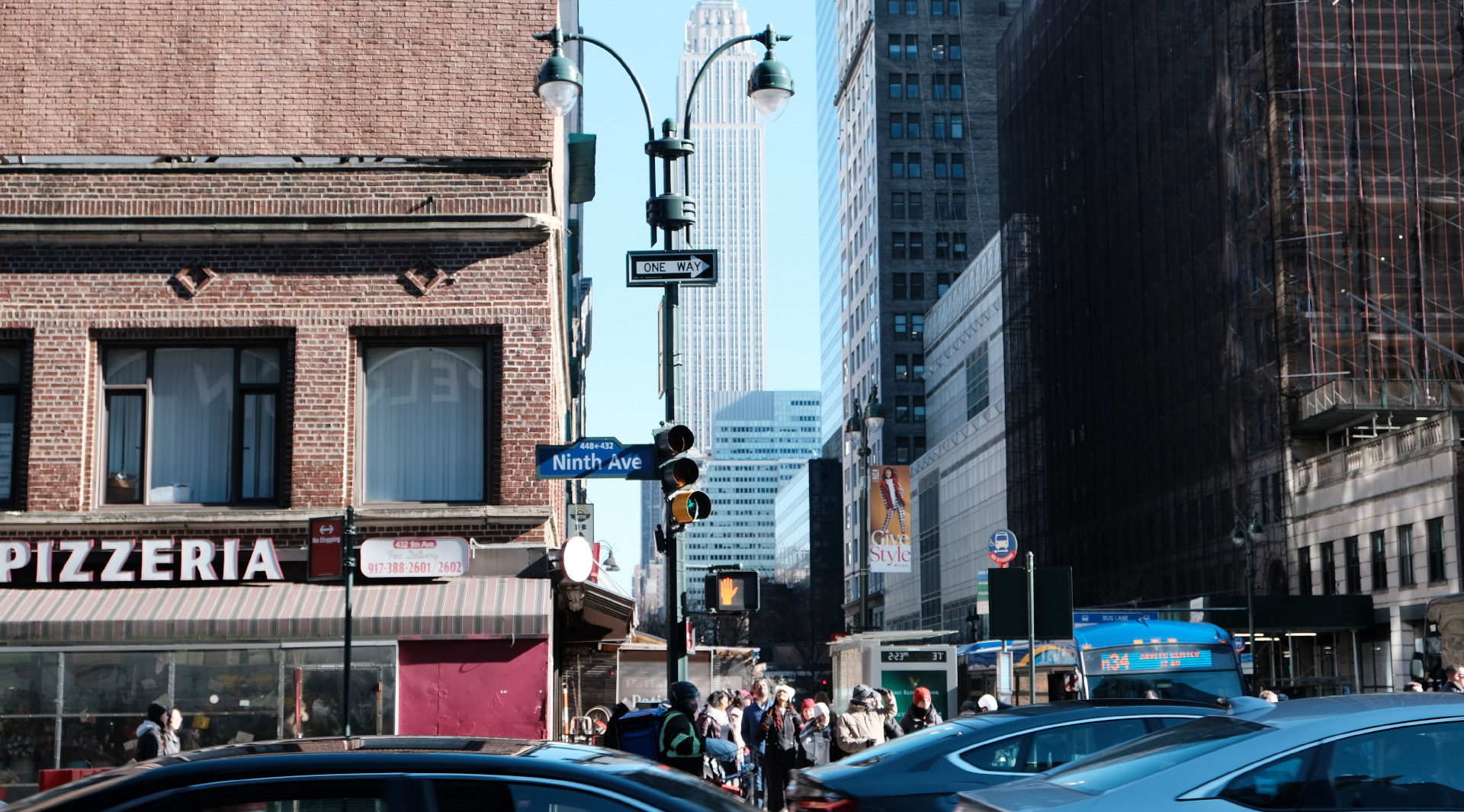
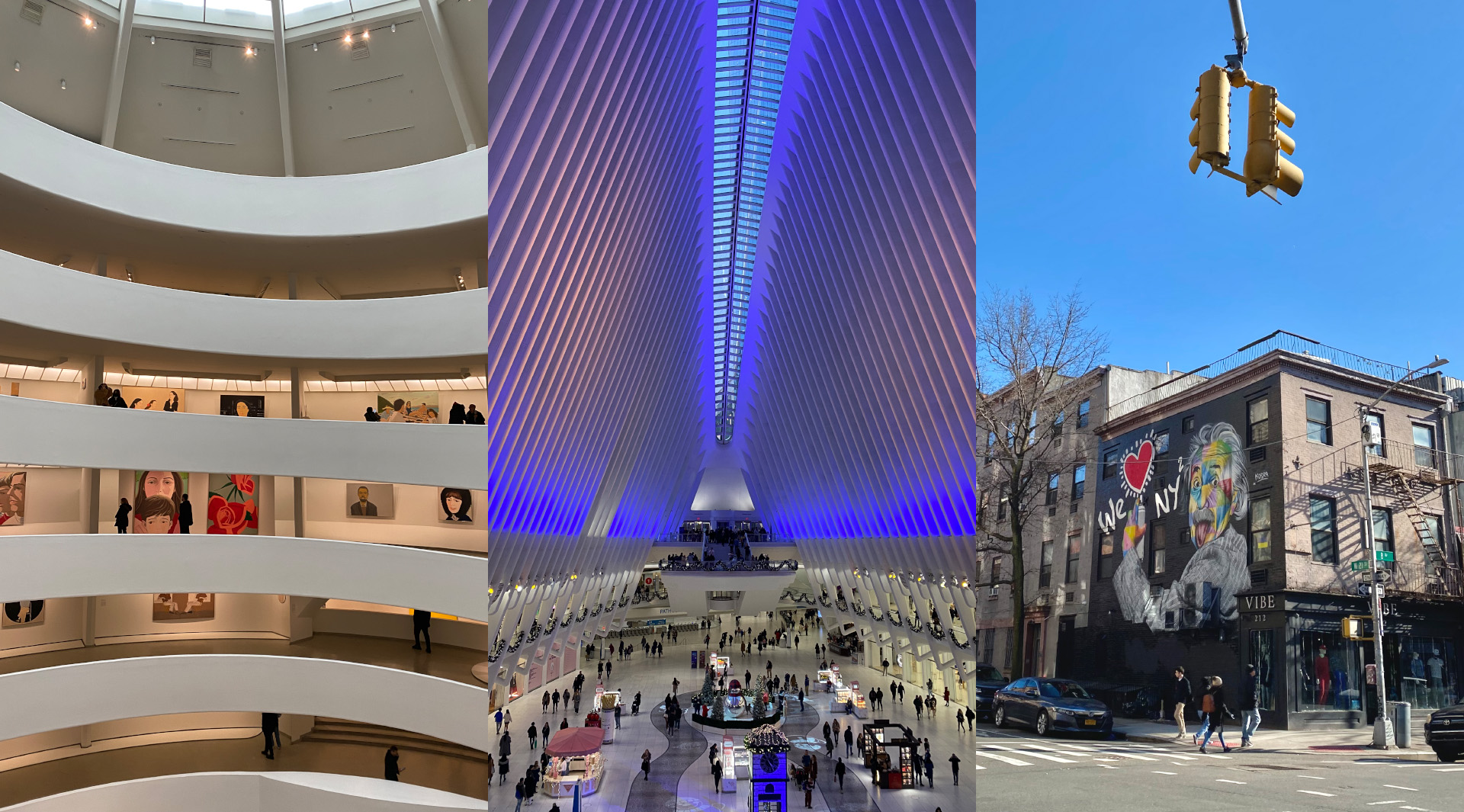
Living in New York itself is a constant source of visual inspiration. Even without stepping into places like the Guggenheim, MoMA, or the Whitney Museum, the city is filled with unique visual elements everywhere you go. Simply walking down the street, you can always discover something new. From a UI/UX standpoint, I also keep myself updated on current trends and issues across various fields by reading platforms like Dig, as well as browsing articles on Medium and Brunch.
How should designers respond to changes in the industry, and what kind of mindset is needed?
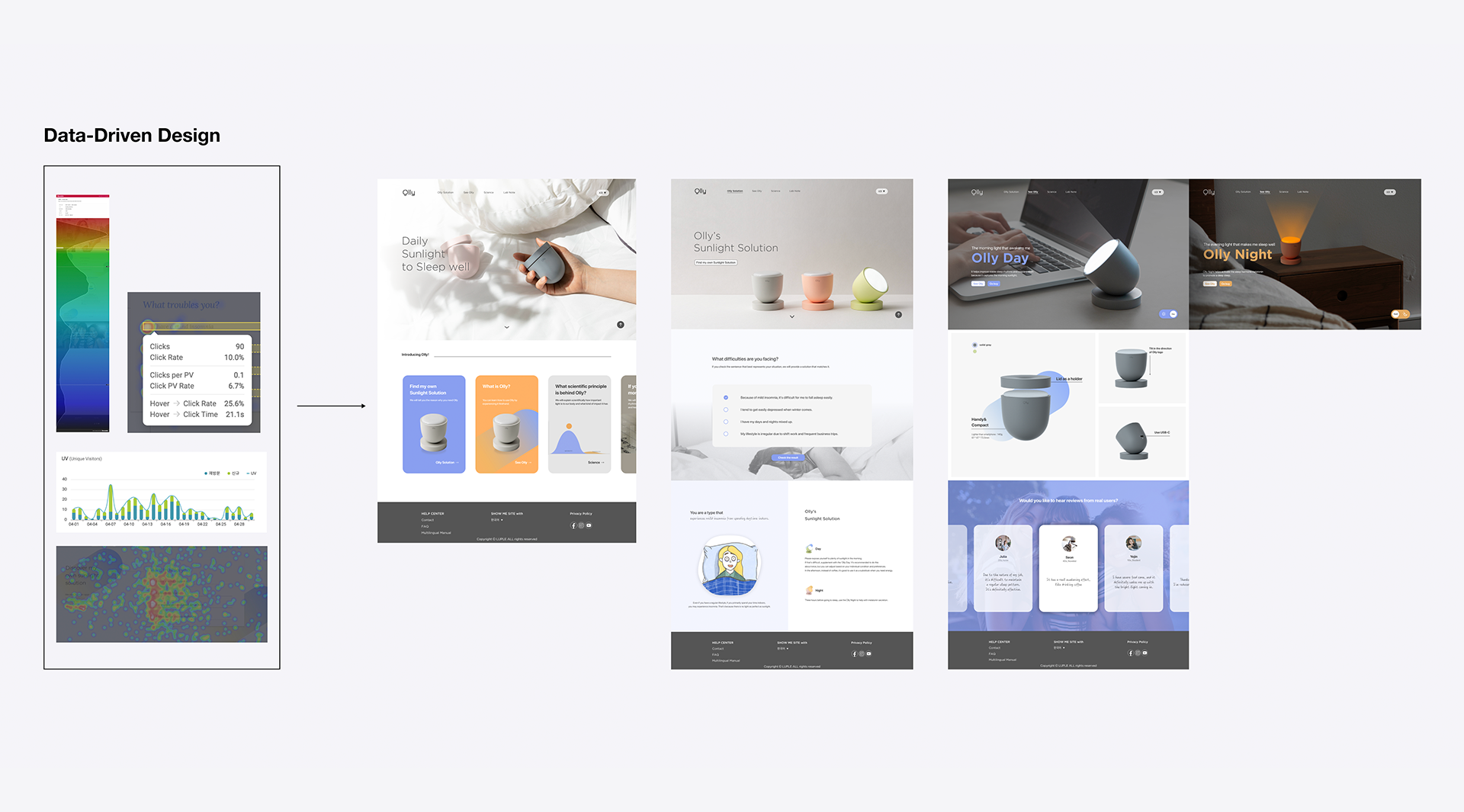
I anticipate that in the next few years, we’ll experience a transitional phase where mobile devices begin to give way to VR/AR platforms. Naturally, the role of UI/UX designers will evolve as well. However, I believe the core responsibility of a designer—improving the user experience—will remain unchanged. Regardless of what new technologies emerge, it's essential to keep proposing user-centered solutions and continuously learn about design trends. Personally, I'm working on strengthening my data literacy by utilizing as many tools as possible that provide quantitative insights, such as Maze and Beusable. I'm also studying motion graphics and 3D design to expand the creative and visual spectrum of my work.
Lastly, what is your mission and vision as a designer?
I want to be a designer who never stops learning. A UI/UX designer is someone who proposes both tangible and intangible solutions to users, and the form of those solutions can vary greatly—ranging from application and product design to interaction and 3D design. I believe that the more design tools you’re able to use, the more diverse and effective your expressions can become. That’s why I’m currently learning 3D design. Beyond that, I hope to one day create and launch a service that addresses hidden user needs. By leveraging MR (Mixed Reality) technology to blend the virtual and the real, I want to offer experiences that aren't possible in the physical world alone. Ultimately, I believe this kind of work can bring about new, positive impacts on society.











#14057, 905 49, Beolmal-ro 102beon-gil,
Dongan-gu, Anyang-si, Gyeonggi-do, Korea
Business Registration Number: 454-86-01044
Online Sales License No.: 2021-Anyang Dongan-1081
Copyright © DESIGNSORI Co., Ltd.