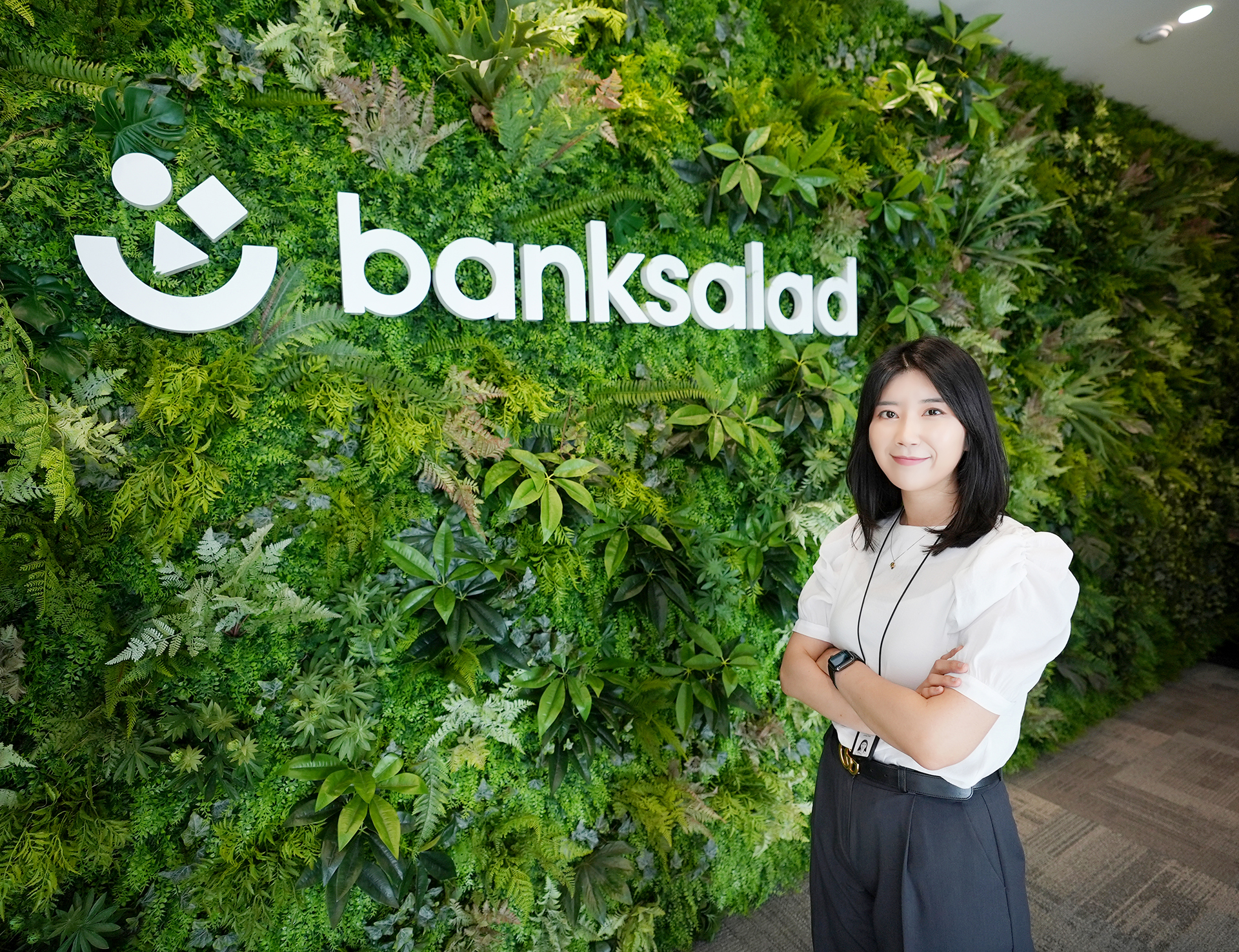
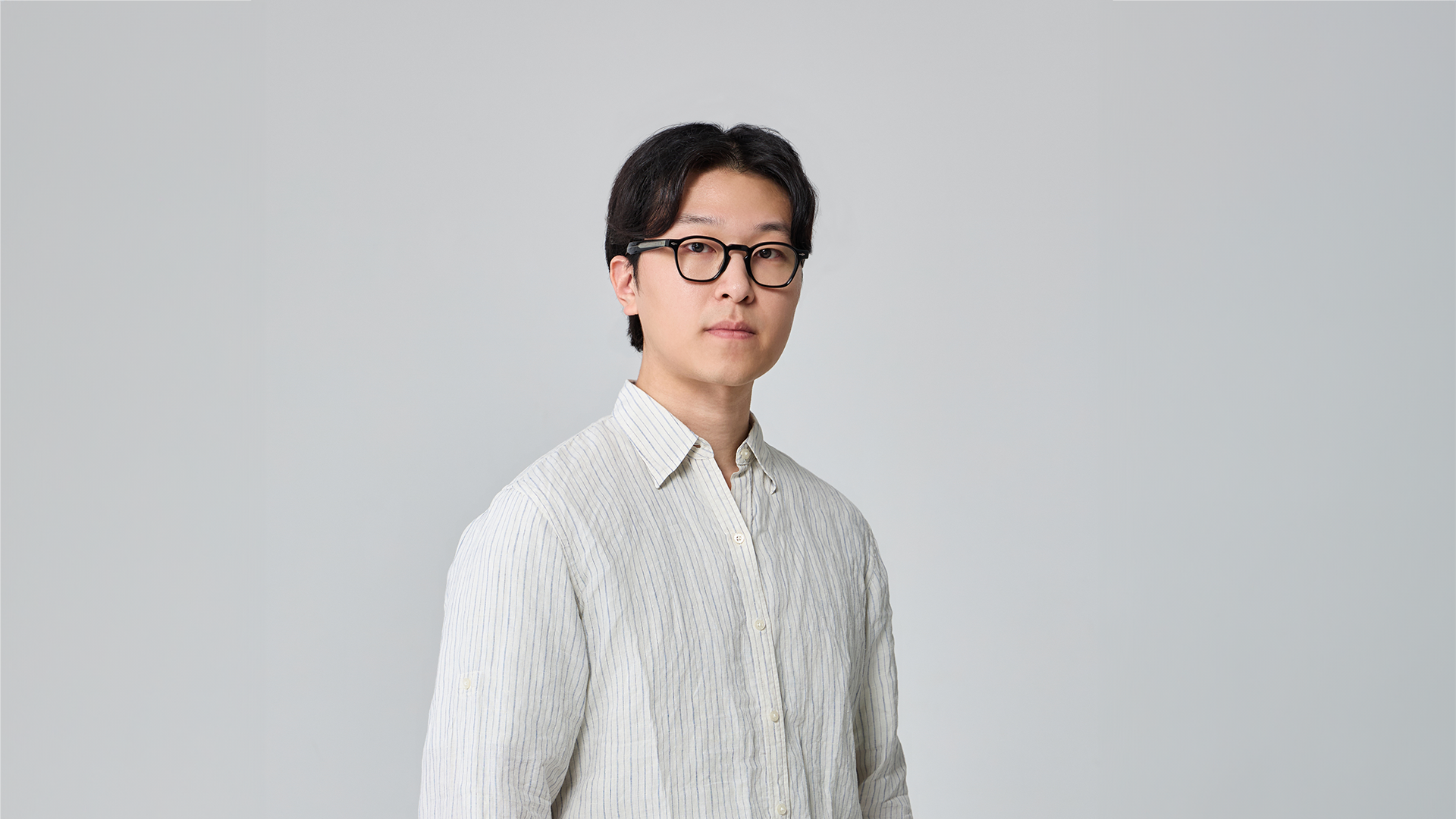
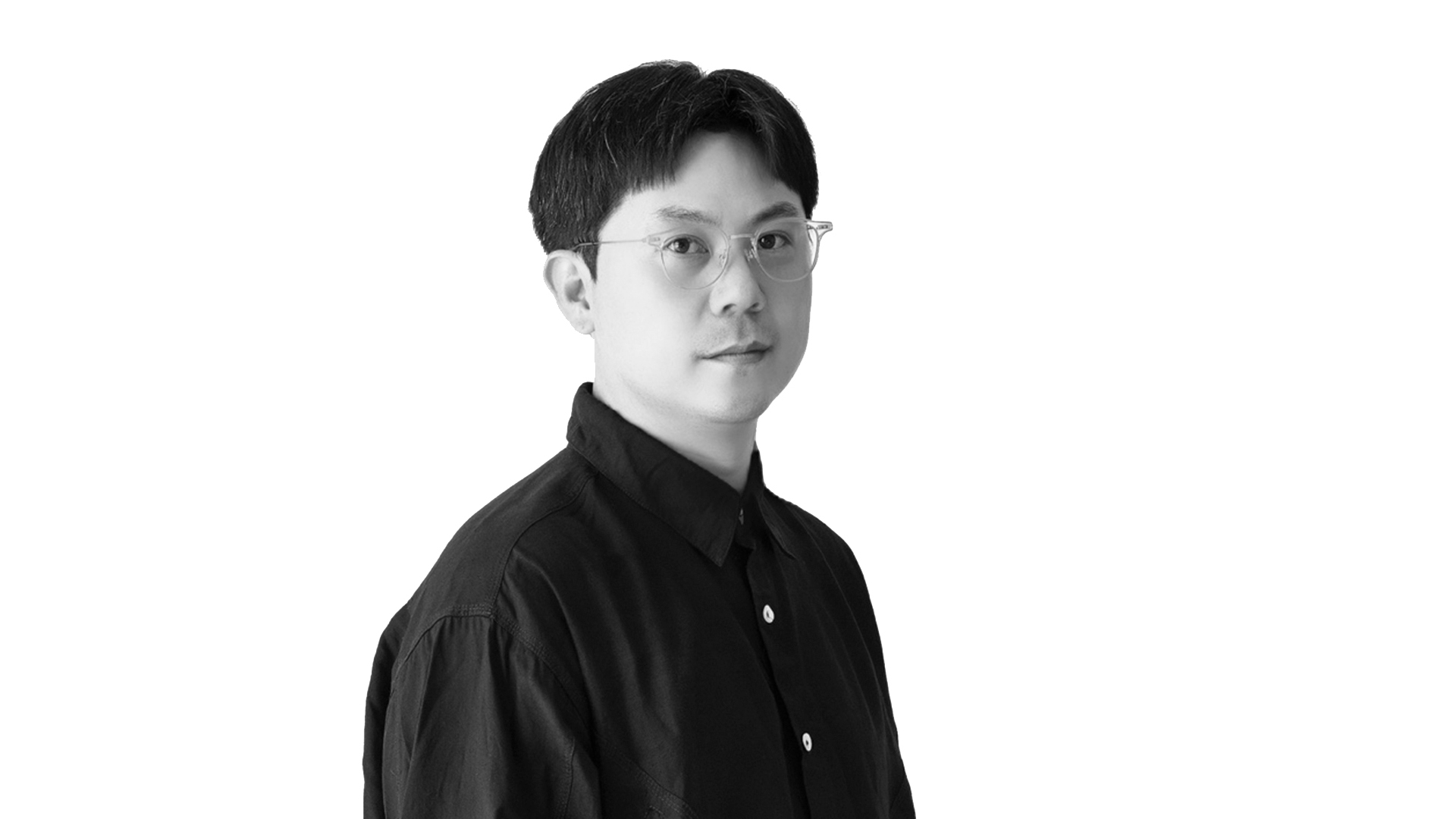
I’m Jinhee Park, a UX designer with 8 years of experience. My journey as a designer began when I launched a service called The Man Who Goes to Costco, marking my first step into the industry through entrepreneurship. Although I had little idea of what I was getting into at the time, the path was both challenging and eye-opening. I learned the ins and outs of commerce operations, logistics, and social media marketing by getting directly involved in every part of the process. Later, I was recruited by TMON, where I led UI design for their CRM solution TMON Plus. I designed experiences across various platforms including in-store POS systems, tablets, and mobile devices—an invaluable opportunity to gain hands-on experience in building multi-platform user ecosystems. After TMON Plus was acquired by a competitor, I took a year off to study abroad and then restarted my career as a product designer at the startup Publy.
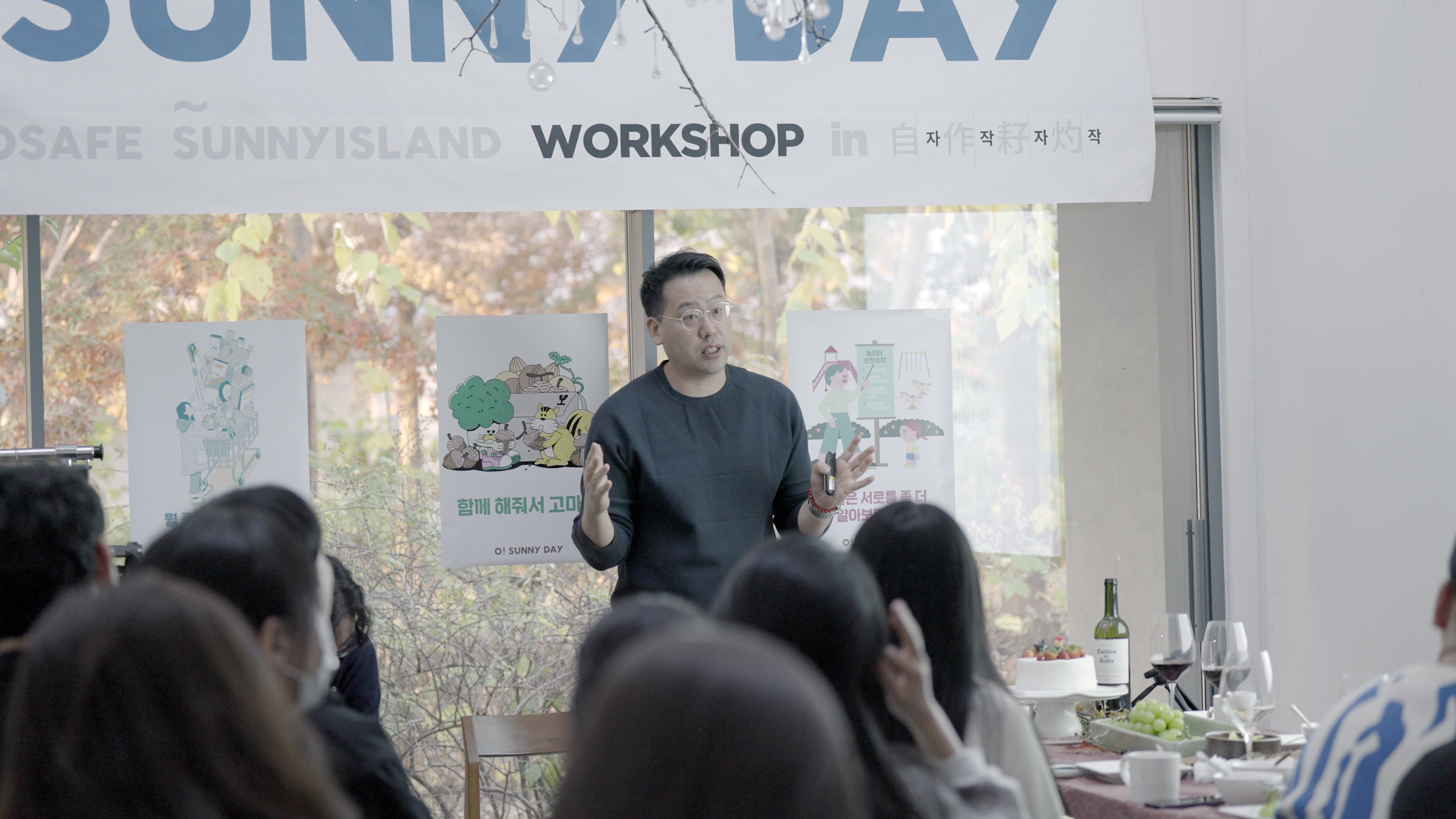
One of my most notable projects was Careerly, a service launched by Publy. I joined in the early team-building stage and contributed from MVP planning through to launch and beyond. I played a key role in iterating and improving the product as it scaled from zero users to over 20,000 monthly active users. That nearly two-year-long, agile product development journey taught me how to move fast and make impact with limited resources—a crucial skill in any startup environment. Currently, I work at Banksalad, where I oversee the end-to-end experience of financial shopping services. My role involves designing experiences for loan, credit card, and savings products with the goal of maximizing company revenue. At the same time, I’m actively pushing myself to grow into a more impactful senior designer—not just executing tasks well, but influencing the team. I take part in practical interviews for hiring designers, organize workshops and design study groups, and mentor junior designers to help them settle in and thrive.
What has been the most pivotal or dramatic moment in your journey to becoming a UX/UI designer?
The turning point that changed the entire course of my life happened during my first year of university, in an introductory course called “Major Overview.” At the time, our department was called the School of Design & Visual Arts, and students were required to choose one of five majors in their second year. To help us decide, we were given a chance to explore each major through a foundational course. I had been completely immersed in film and was convinced I would become a motion or film designer. But everything changed the day we covered the Digital Media Design track. The professor introduced the concepts of UX and UI, clearly explaining what they were and how they differed. It was like discovering a new world. This was back in 2010, just as smartphones were being introduced in Korea. I didn’t own a smartphone yet, but I did have an iPod Touch, which at the time felt like magic in my hands. I remember thinking, this feels so intuitive, it just works the way I expect it to—though I had chalked that up to the physical design alone.
That day in class, I realized it wasn’t just about the device’s shape or touch—it was the experience, the interface, the design that made it feel so seamless. As smartphones replaced physical buttons with touchscreens, design itself was evolving. No longer limited to static visual layouts like print or editorial design, it had become about orchestrating dynamic, continuous digital experiences. More than just looking good, design now read emotions, evoked feelings, and influenced behavior. And the idea that I could be the one to do that made my heart race. I also sensed that UX/UI would be the next big thing—that it had both future potential and real value. I changed my plan on the spot and chose Digital Media Design as my major. Since then, I’ve never once regretted that decision. Had I not taken that class, I can’t imagine where I’d be now. It’s almost scary to think how close I came to missing the path I was meant to take.
What is your core expertise, and do you see any design-driven solutions for addressing social issues?
I’m someone who enjoys taking on new challenges and pioneering unfamiliar paths. As a designer who shapes experiences, I believe having a wide range of personal experiences gives me an edge. That’s why I’ve never confined myself to a single industry when choosing a company—I’ve deliberately explored various domains like commerce, content, and fintech. Each time, my focus has been on consistently delivering well-crafted results, regardless of the subject matter. No matter the context, I try to uphold my own principles and prioritize usability. The most important design principle for me is seamlessness.
One of my favorite quotes—often attributed to Joe Sparano—is “Good design is obvious. Great design is transparent.” I deeply resonate with that idea. To me, the best design is invisible—it doesn’t draw attention to itself but quietly enables users to achieve what they want without confusion or friction. When design is truly well-constructed, it provides clear direction and support without unnecessary noise. On the product development side, my top priority is efficiency. By definition, efficiency is achieving significant results with minimal input—and that’s especially crucial in startups, where resources are always limited. In fact, this constraint is what gives startups a competitive edge over traditional corporations. Success often comes to teams that use limited resources to accomplish precisely what’s needed, and more of it, in the same amount of time.
To be more specific, I aim to do effective work efficiently. This is a concept I learned from Peter Drucker’s The Effective Executive. He distinguishes between efficiency—doing things right—and effectiveness—doing the right things. Real performance, he argues, comes from knowing the difference. Efficiency means processing a high volume of tasks in a limited time, but what really matters is choosing the most meaningful and necessary tasks to begin with. When you choose the right goals and achieve them efficiently, you create real value and outcomes. After working in several startups, I’ve realized there’s no such thing as a “success formula”—no guaranteed path to making something work. The market shifts rapidly, and customer needs evolve just as fast. Even within the same industry, what people want can vary drastically depending on the timing. So rather than chasing a mythical formula, I’ve learned that the closest thing to “success” is increasing your odds of success. Like a pitcher throwing as many pitches as possible, I believe in testing ideas rapidly—throwing out solutions, learning what sticks, what fails, and iterating quickly. That’s how I’ve learned to get closer to the right answer, faster.
What do you hope to leave behind in this world, and what is your personal mission as a designer?
I try to continuously leave behind a record of who I am as a designer—my thoughts, my struggles, and the way I navigate the world. I currently write on Brunch (https://brunch.co.kr/@hijinnyjinny), and one day I hope to expand into talks or video content as well. There are two reasons I feel compelled to document my journey. The first is because I believe that my experiences might serve as a foundation for someone else. I once came across a quote—though I can't remember exactly where—that said, “I hope my final destination can be someone else's starting point.” That sentiment moved me deeply. It speaks to the idea that if one generation can pass down their hard-earned lessons, the next generation can start from a better place and go even further. I know that I wouldn’t be where I am today without the wisdom and generosity of those who came before me. Sharing my own experiences, in turn, feels like a small way of giving back.
UX designers are, at their core, people who try to make others’ experiences better. And I believe that better experiences build better lives—and when you add those lives together, they can build a better world. By recording the lessons I’ve learned while striving to improve experiences, maybe I can help someone avoid the same mistakes, freeing them up to focus on things that matter even more. That’s how the next generation moves one step beyond the last. The second reason I document my work is to provide a sense of solidarity and comfort to others walking the same path. There are countless designers struggling in startups right now. The world tends to highlight success stories, but failure is far more common—and often just as important. I’ll admit: I don’t have many stories of massive product success. But what I can say with confidence is that I’m not the same person I was years ago. Every failed attempt has made me a little stronger, a little better. By sharing those experiences, I hope to offer reassurance to others that they’re not alone—and maybe even give them a little strength to keep going.













#14057, 905 49, Beolmal-ro 102beon-gil,
Dongan-gu, Anyang-si, Gyeonggi-do, Korea
Business Registration Number: 454-86-01044
Online Sales License No.: 2021-Anyang Dongan-1081
Copyright © DESIGNSORI Co., Ltd.