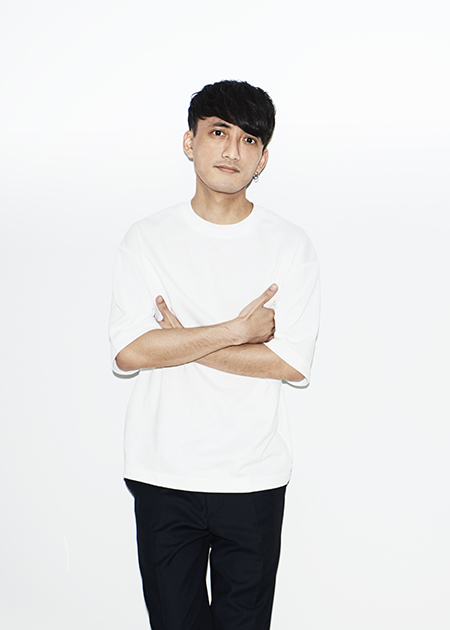
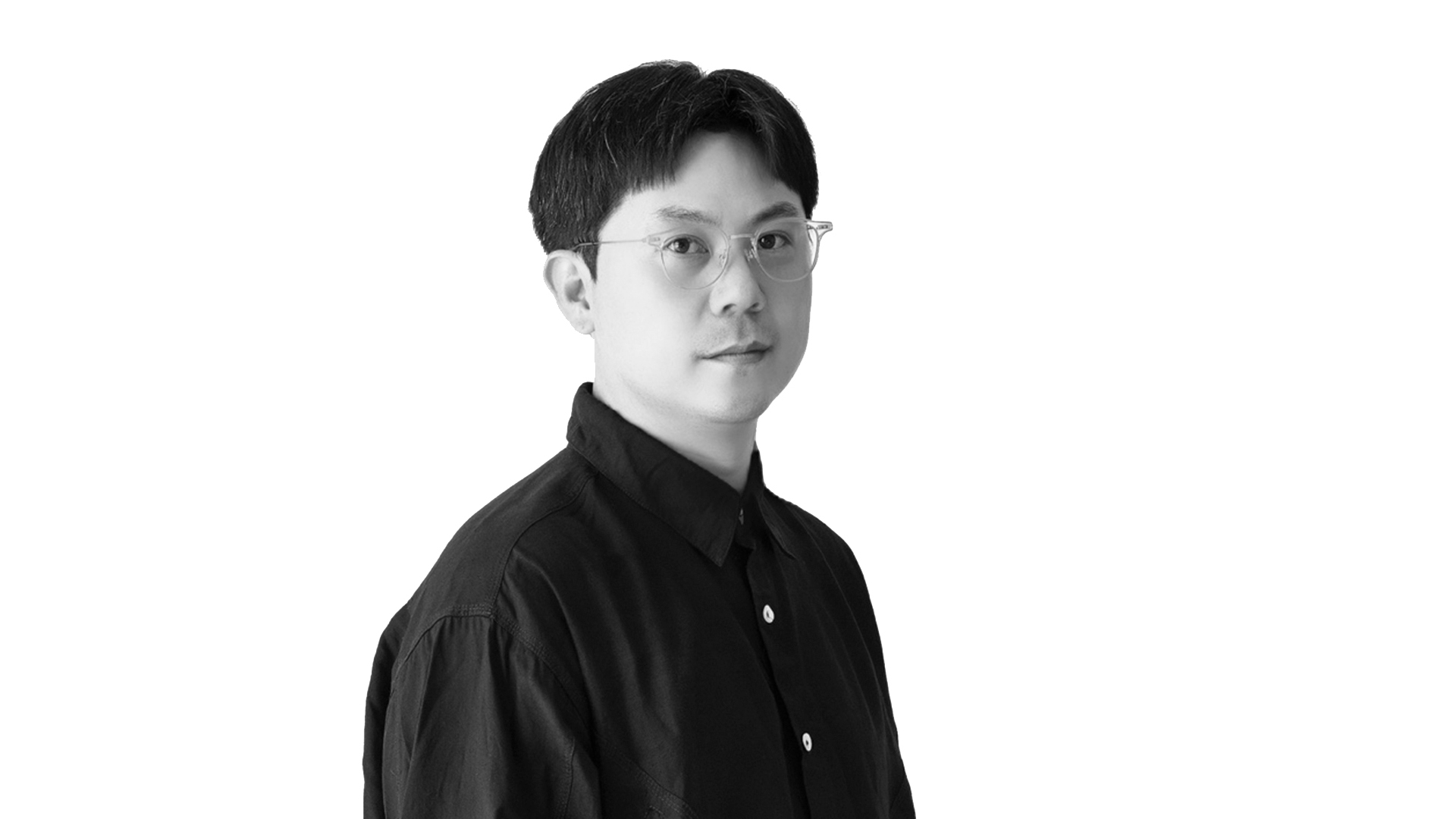
I’m Yuichi Tsunakawa, Representative and Art Director of SOLO Co., Ltd. Our company is a design firm that centers its work around branding principles and engages in a wide range of creative fields—including CI/VI development, graphic design, web, product, and video production—from concept planning to execution. We approach each project with sincerity, whether working with clients or communities, breaking down problems to uncover their essence, and building a strong conceptual foundation using clear, accessible language. Even when handling isolated tasks, we take a holistic perspective—connecting dots into lines and surfaces—always working with a branding mindset. Our goal is to create design work that is deeply rooted in people and places, ultimately becoming part of the culture.
Your most memorable achievement or experience?
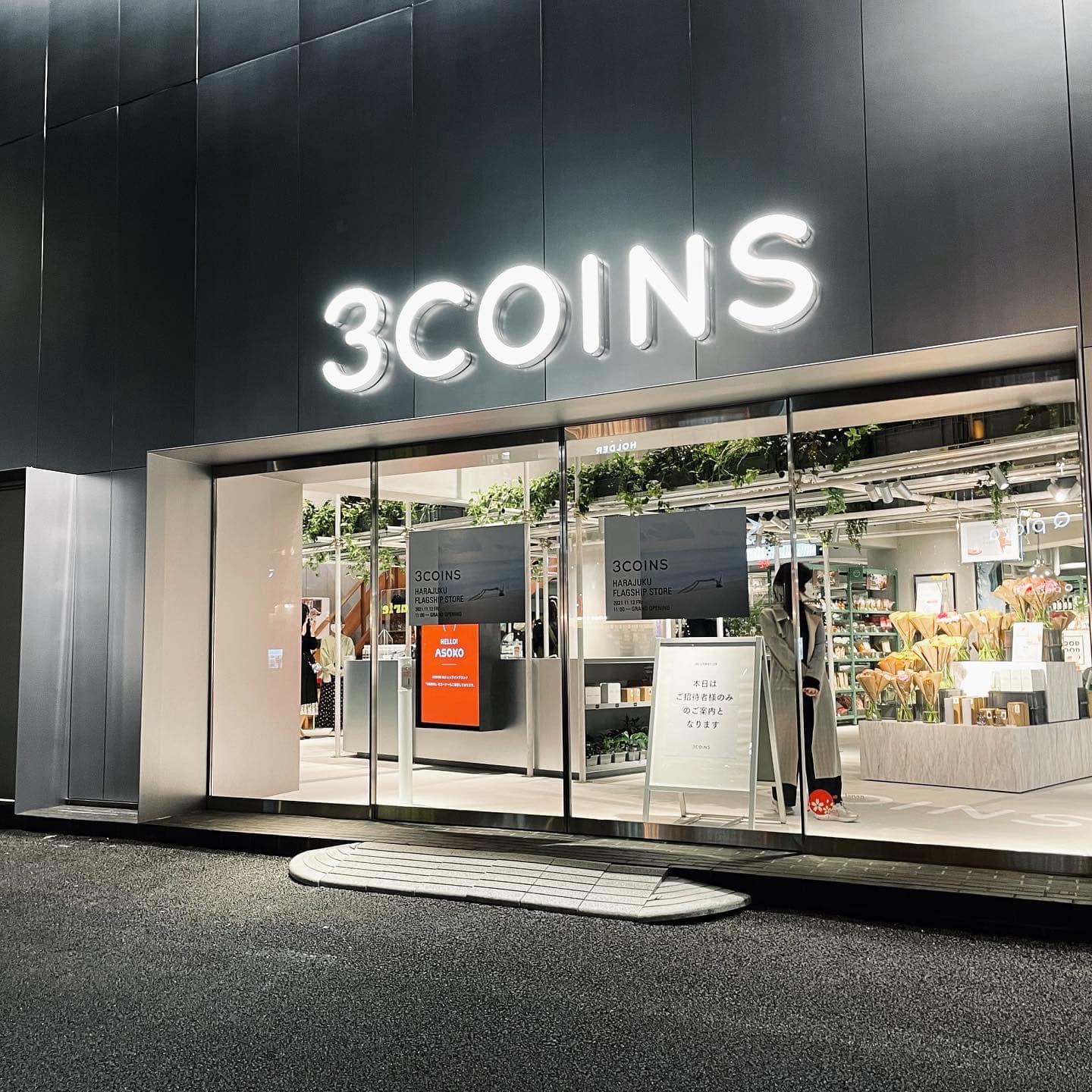
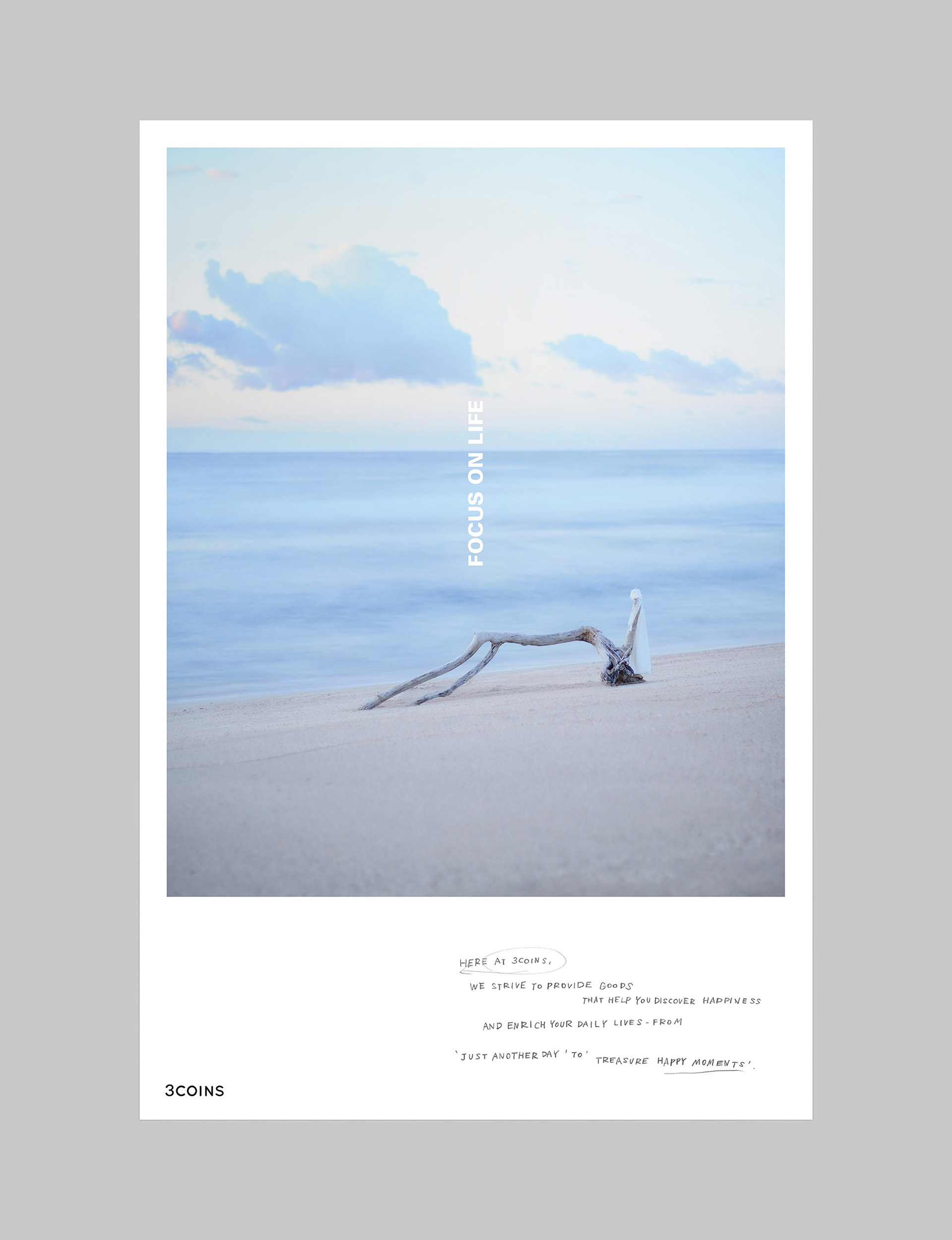
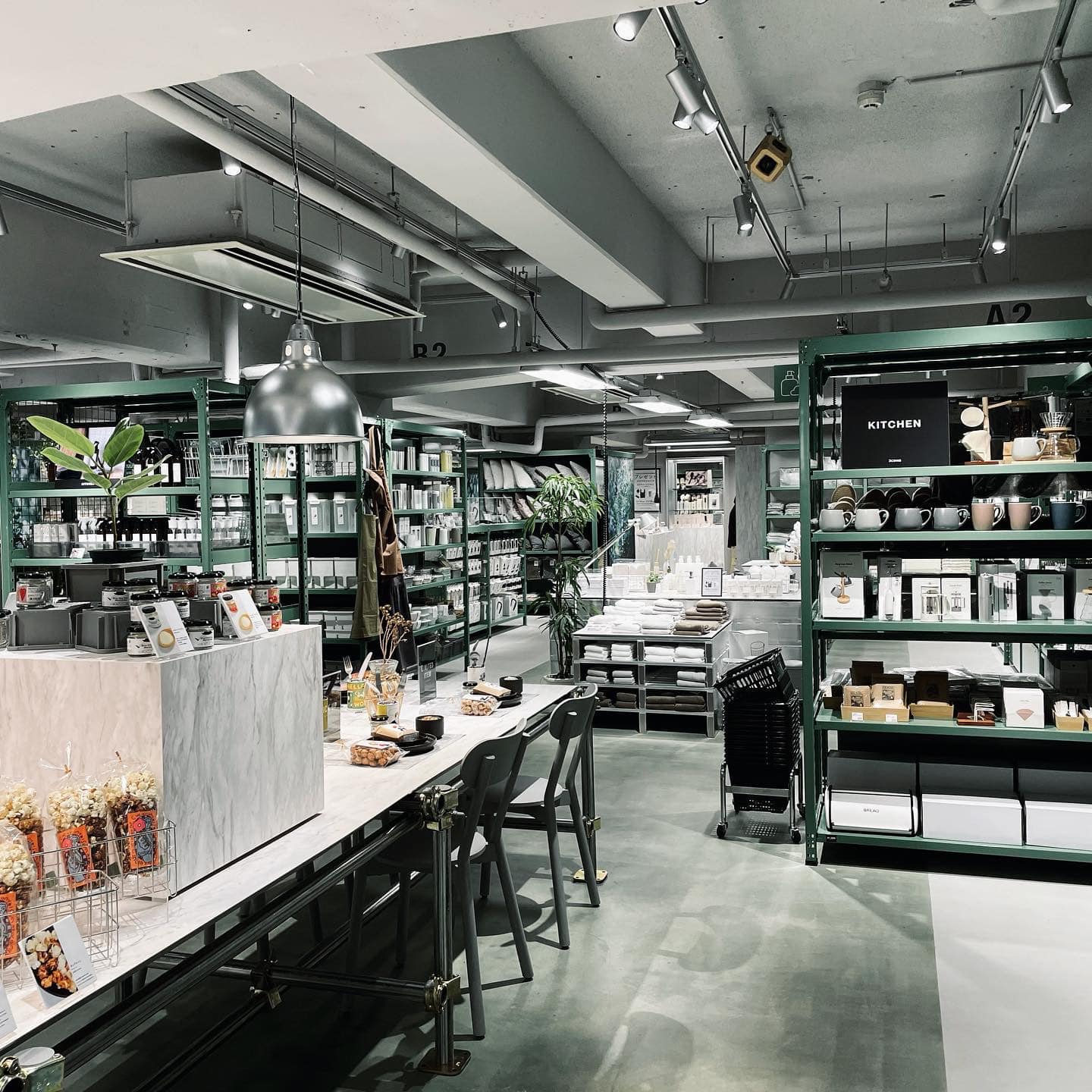
One of my most memorable experiences was leading the art direction and design for the launch of 3COINS HARAJUKU FLAGSHIP STORE, a lifestyle goods retailer. From the very beginning, we worked closely with the client to develop the concept and keywords, then visualized those ideas across various mediums—including posters, brochures, the website, in-store pictograms, and POP displays. For the main visual shoot, which took place by the sea, our team traveled from Tokyo to Shizuoka at night, arriving around midnight. We carried equipment and props out onto the dark beach, then waited for sunrise to capture the perfect shot. It was, without a doubt, the most physically demanding shoot I’ve ever experienced—but one I’ll never forget (laughs).
Could you share your working process or personal design approach?
First, I eliminate ambiguity by translating the core problem into simple, easy-to-understand language. Then, I do the same for the target audience, the nature of their activities, and their long-term vision—what kind of growth they aim for. I weave these elements together into clear, actionable ideas. I avoid deciding on a specific medium—like “let’s solve it with graphics” or “web will fix it”—from the outset. Instead, I always try to identify the most appropriate method for the challenge at hand.

Who is the designer you respect the most, and how have they influenced you?
Yusaku Kamekura. His timeless, refined designs—such as the iconic posters for the Olympics—are symbolic, powerful, and have deeply inspired me since my art school days. I have always admired his work and hold him in the highest regard. His ability to communicate lasting messages through universal design continues to serve as a creative benchmark for me. Whenever I create, I ask myself, “Will this design still hold its value as time passes?”—a question shaped by Kamekura’s legacy.
How do you think the design industry will change in 10 years, and how are you preparing for it?
Design is thought. I believe design will become less of a specialized profession and more of a common language. As technology continues to close the skill gap between professionals and amateurs, the value of professional thinking—that is, experience-driven insight—will stand out even more. Growth in thought is constant. If we’re not engaged, curious, and active—alongside people and creativity—we risk stagnation. I also think human affection for imperfect things—like the appeal of something “tacky but cute”—is a timeless emotion. No matter how times change, that kind of emotional richness will remain. As designers, we need the ability to translate those feelings and sensations into creative expression.
Do you have a personal philosophy or belief as a designer? And what is your vision for the future?
As I mentioned earlier, my belief is in staying flexible—not being bound by specific methods, but always considering what approach is truly best for the individual, place, or organization. Looking ahead, I hope to engage in regional revitalization by staying close to the people and communities of Higashimurayama in Tokyo, where I was born and raised. I’d like to apply the experiences I gain there to other regions, helping to foster cultures in which people can live vibrant and fulfilling lives.











#14057, 905 49, Beolmal-ro 102beon-gil,
Dongan-gu, Anyang-si, Gyeonggi-do, Korea
Business Registration Number: 454-86-01044
Online Sales License No.: 2021-Anyang Dongan-1081
Copyright © DESIGNSORI Co., Ltd.