Branding is not about polishing the surface. Many people look at sleek visuals or finely crafted mockups and think, “This is the team I need,” but beauty is inherently subjective. Some equate flamboyance with excellence; others find trust in restraint. In Chinese, the word for “design” is composed of two characters that mean “to conceive” and “to plan.” This reminds us that design is not decoration but, at its core, planning and strategy. In fact, whether you look at Europe’s design weeks, North America’s branding conferences, or Asia’s cross regional exhibitions, the conclusion is the same: visuals are an expression; the center is planning. At the 2019 London Design Festival, one of the most noted projects did not win attention with dazzling form but by proposing a strategy for sustainable material circulation. That outcome underscores a simple truth: branding is not about making things look good.
Strip away the surface and what remains is culture. Travel is more than rest; it broadens horizons and restores a sense of inspiration. In the same way, brands, when you remove the outer layer, reveal a cultural atmosphere, a set of value choices, and a language of style. Scandinavian design conveys nature and simplicity through measured color and form. Japanese brands treat emptiness not merely as an aesthetic but as a philosophy of restraint. Korea’s rise has bound music, film, aesthetics, and brands into a coherent lifestyle. Taiwanese brands translate everyday resources such as cuisine, craft, and an entrepreneurial spirit into a gentle cultural warmth. Consider Simple Kaffa, which has drawn global attention not as a coffee shop alone but as a cultural experience infused with local ingredients and craftsmanship. What resonates across borders are these deeper cultural currents.
Brand planning is the work of finding freedom within rules. Daily life repeats, but a shift in attitude can turn structure into stage. Play is not disorder; it is a higher form of creation. Looking back at experimental installations in Milan, cross industry collaborations in Tokyo, cultural export from Seoul, and local innovation in Taipei, the works that endure are those that play with structure and breathe new life into it. One example is Stone Island’s experimental installation during Milan Design Week, which reinterpreted the structural constraints of performance apparel through the lens of play, giving fresh voice to the brand’s philosophy. Good planning sets clear limits, then opens a path for the brand’s soul to be seen.
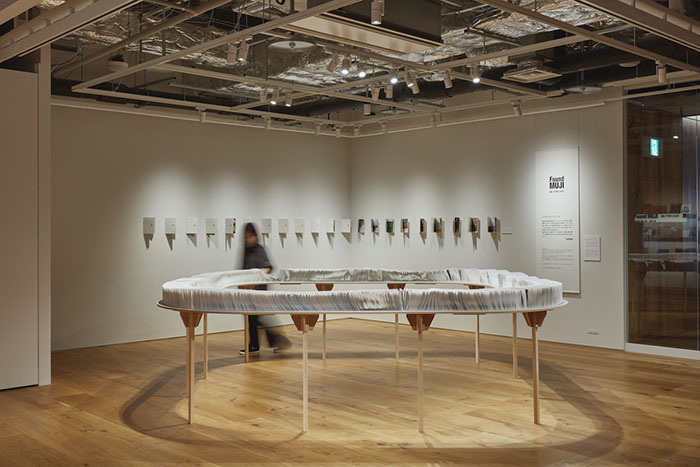
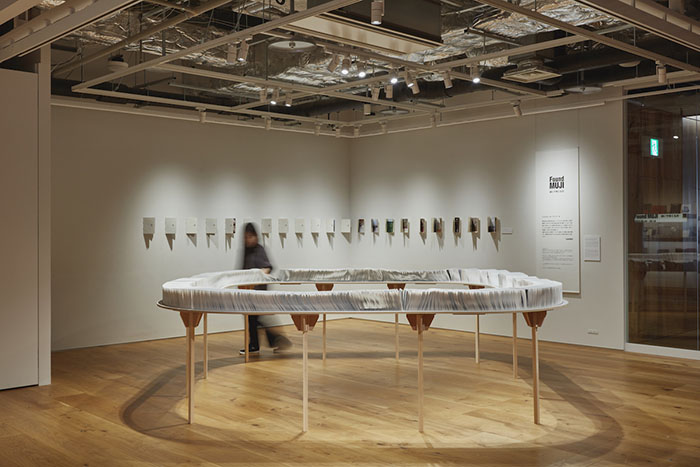
The process of brand design resembles a symphony. Planning sets the framework, design interprets it, and the team performs together. The market direction and brand trajectory speak with a collective voice, while the designer’s expression and conviction carry the individual voice. When tensions arise, one guiding question brings alignment: What cultural impact do we want this brand to leave in the world? Strong planning does not suppress individuality; it designs the dialogue that allows the individual and the collective to find a shared rhythm. MUJI’s “Found MUJI” exhibition in Tokyo in 2022 illustrated this well. A global brand collected items from local communities and presented them in a way that harmonized the sensibilities of the group with the perceptions of the individual.
< Image source: MUJI >
In an era where price competition is routine, the next stage for brands is inevitably psychological and cultural. People do not choose only for function; they choose for emotion and identity. Korean beauty brands invite confidence. Scandinavian furniture builds loyalty through a way of life. Japan’s subtle emotional design secures a distinct presence. Taiwanese brands strengthen relationships through cultural translation and the warmth of the everyday. Taiwan, in particular, has a gift for absorbing Eastern and Western design languages and reinterpreting them through daily culture. The Taiwanese brand Toast Living, for example, goes beyond kitchen tools to embody the warmth of everyday life, earning recognition in international markets for a distinct sensibility. This is not merely consumer goods; it is a form of cultural contribution that moves from participation to genuine contribution with original insight.
Ultimately, a brand’s value depends less on how eye catching it is and more on its ability to move the heart. Brands cannot be separated from people, people cannot be separated from life, and life cannot be separated from emotion. The role of design is to translate that emotion into culture so that it does not lose meaning over time. Consider IKEA, which established the cultural language of democratic design and, in doing so, became an everyday symbol across generations and borders. That is when a brand becomes worthy of being recorded and gains the power to accumulate over time.