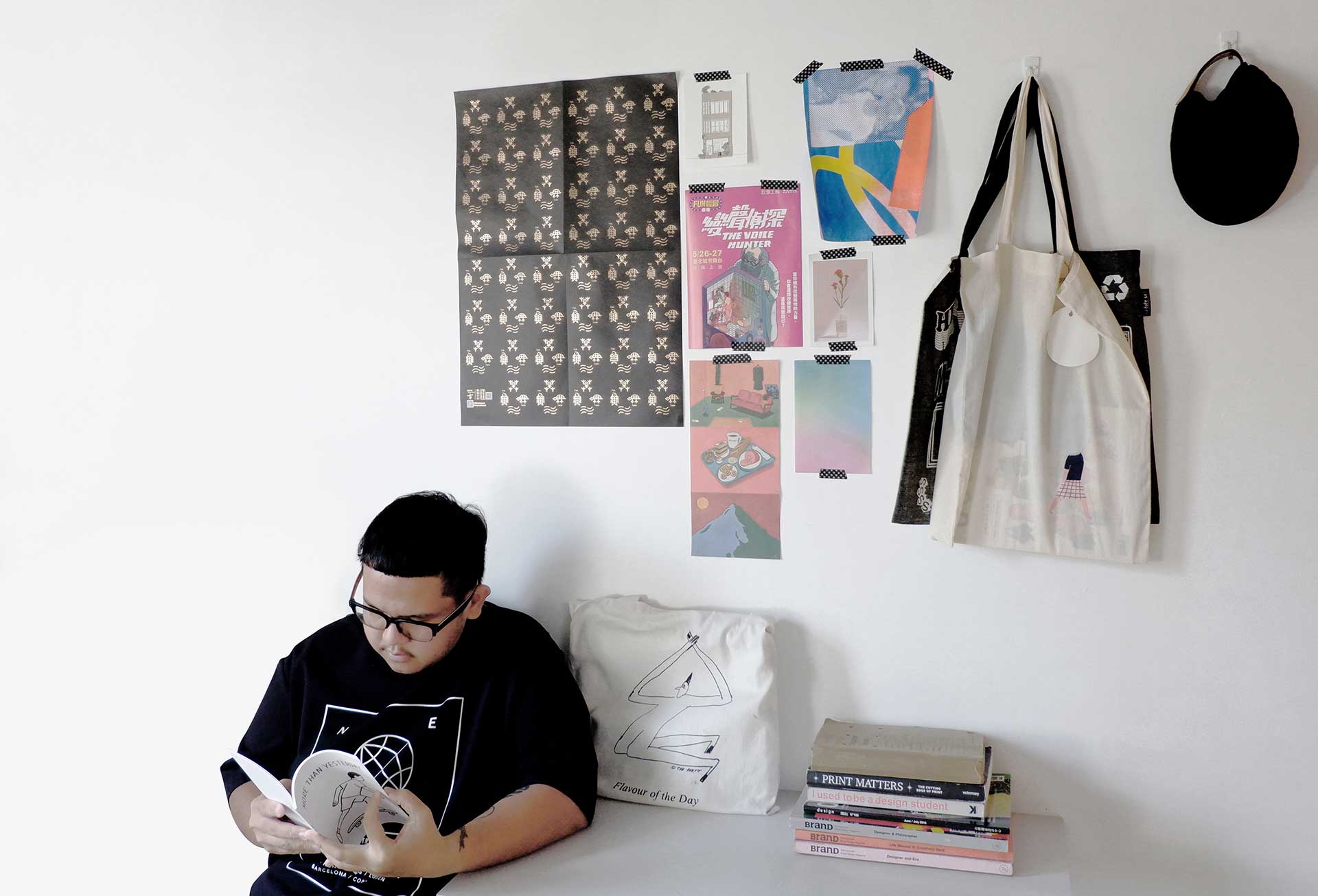
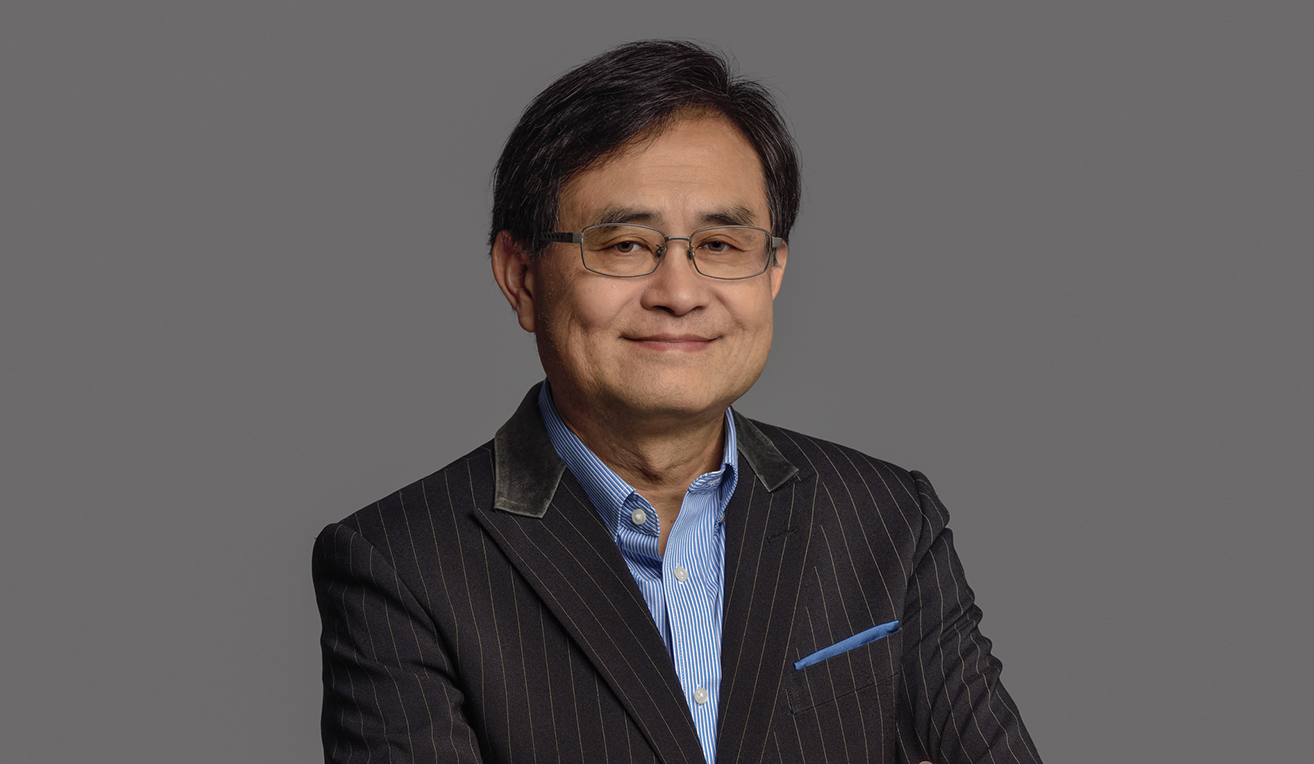
Karl Adrian Aguro Design Director, Uncurated Studio
"In the southern island of Mindanao, Karl Aguro has quietly built a design practice rooted in community, culture, and clarity. As the founder of Uncurated Studio, a one-person design studio based in Cagayan de Oro, Aguro balances experimental design with commercial work, all while amplifying the visibility of regional creativity in the Philippines. In this interview, he reflects on independent studio life, the challenges of local branding, and how a grassroots design conference helped ignite a growing creative movement beyond the capital."
To begin, please introduce yourself. As a designer from Mindanao, what has your journey looked like so far, and what led you to establish Uncurated Studio in 2017?
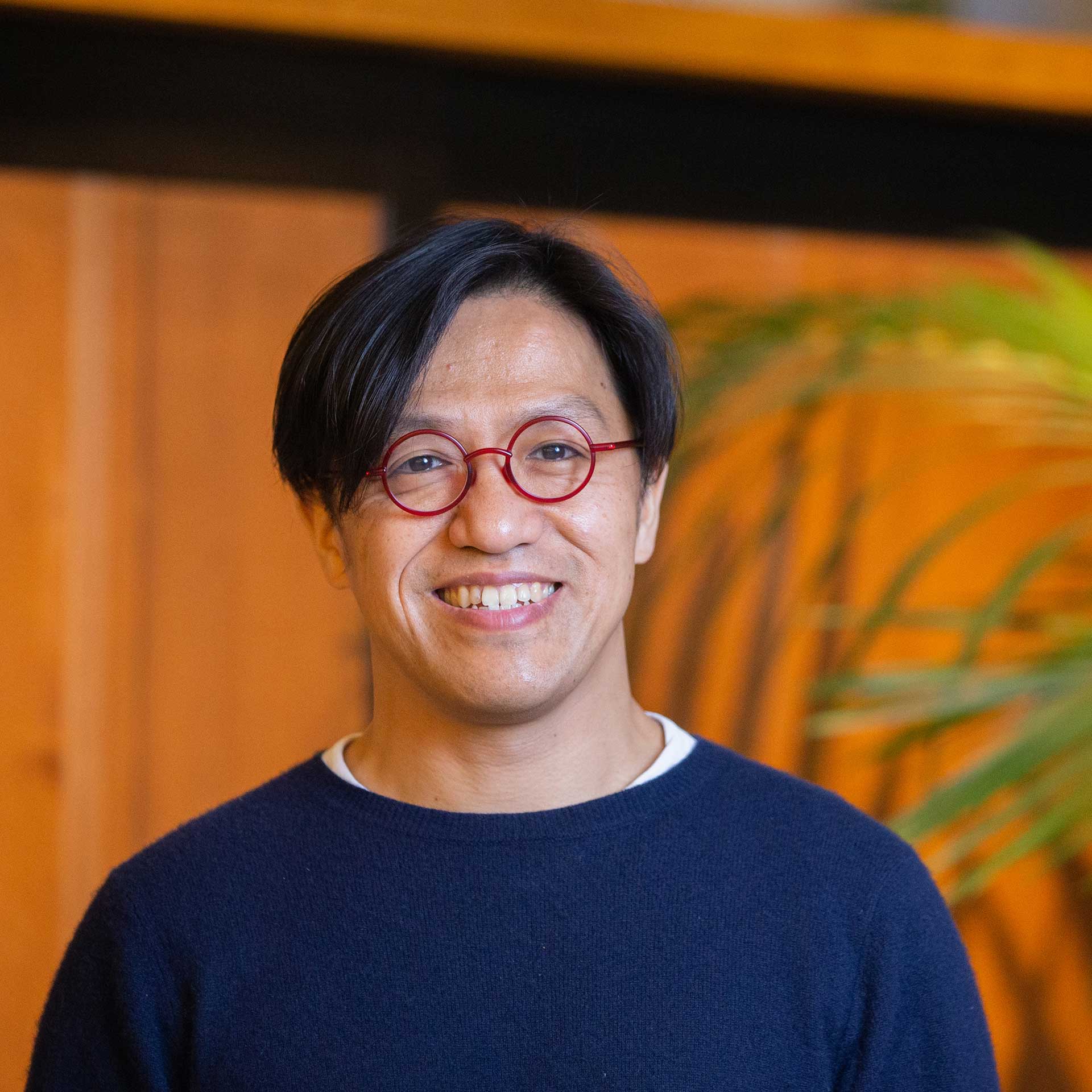
I'm Karl Aguro, a graphic designer and illustrator. I’m currently the design director of Uncurated Studio, a one-man design studio founded in 2017. My background is in advertising, with a bachelor's in fine arts degree majoring in advertising arts from University of San Carlos in Cebu City. I grew up in Bukidnon, a province in Mindanao, the southern island of the Philippines. Initially, I pursued engineering because no nearby universities offered fine arts degrees—these were only available in Cebu and Manila. My engineering training gave me a systematic approach to design, which naturally led me to focus on branding and identity systems. Before running Uncurated Studio full-time, it began as a personal project where I shared passion projects—mostly poster designs inspired by various prompts or personal travels, along with prints and zines. During this period, I worked in a corporate setting as an in-house art director. Eventually, my work caught the attention of international publications and local business owners, opening doors to paid branding projects for coffee shops and various food and beverage concepts. As a designer from Mindanao, I've faced ongoing challenges working with local clients without being undervalued. I actively advocate for better pay and increased visibility for designers in our region. Recognizing that local clientele alone isn't sufficient, I've organized community events that are design-focused or cross-disciplinary. These efforts led the start of Oro Design Conference, a graphic design conference in Northern Mindanao that now reaches neighboring cities and regions throughout Mindanao.
You describe Uncurated Studio as both a one person studio and a personal practice. How do you balance client work with studio experiments, and what principles guide that balance?
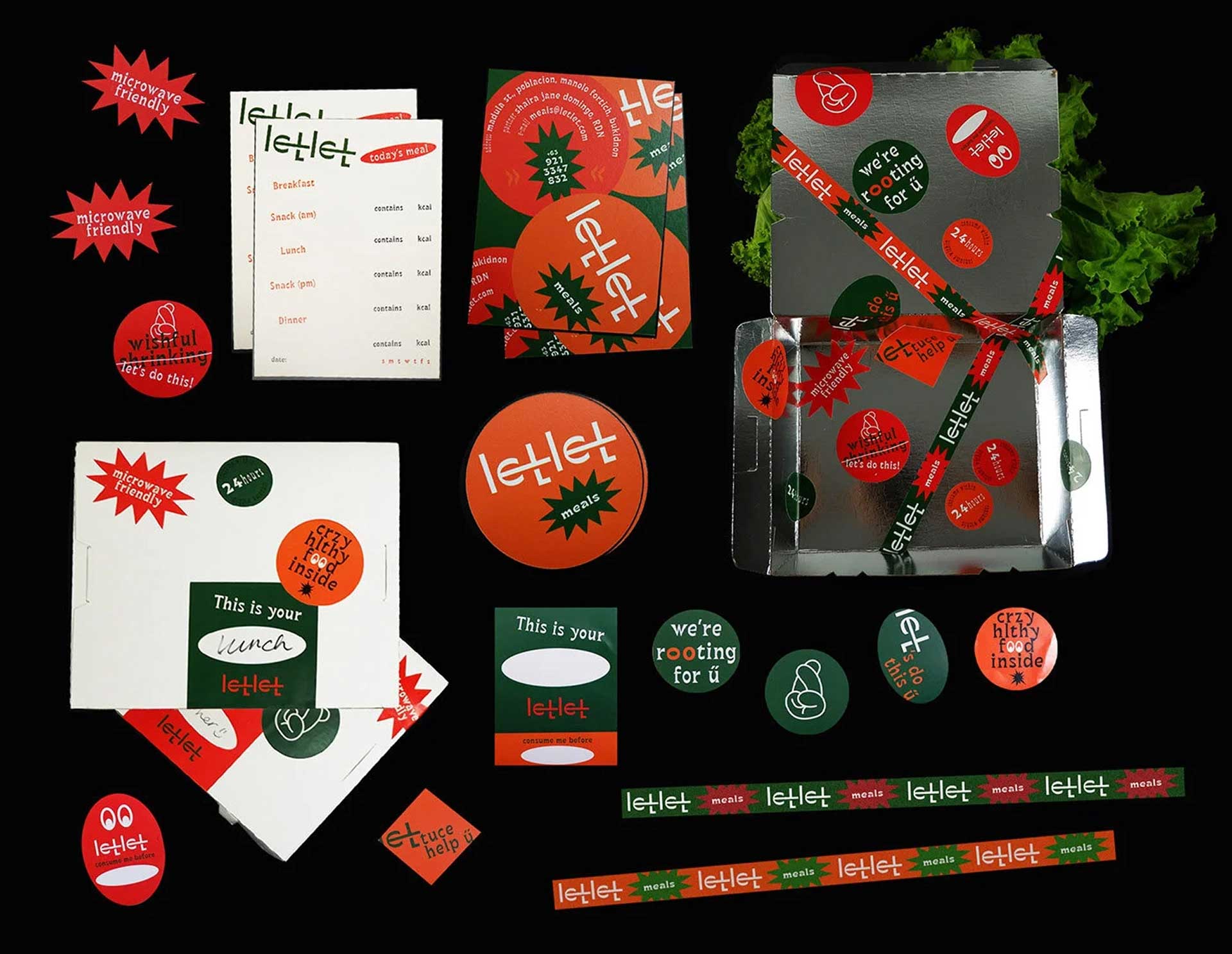
I balance client work and personal projects pretty simply. Client stuff during normal work hours, my own experiments at night and on weekends. What's cool is how they feed into each other. Client problems sometimes lead to new ideas, and my personal work often brings in the types of clients I actually want to work with. This back-and-forth has become really important for me. My main rule is: don't let client work eat up all your creativity. In branding especially, it's easy to fall into doing the same things over and over. My personal work is where I can try weird stuff without worrying about what a client thinks. This keeps my work from looking like everyone else's. I'm also just upfront with clients about doing my own stuff. Most actually like that I'm working on my skills outside of paid projects. The best projects happen when a client sees something in my experimental work that clicks with what they want, those are the sweet spots where business needs and creative freedom line up perfectly. From where I come from, or generally in the Philippines, as much as there is good design, bad design is also apparent. It's interesting how sometimes bad design informs the visual aspect of things, creating a culture of familiarity. This sometimes inspires my creativity, trying to be exploratory with a slight nod to things that are already familiar.
How does your location in Cagayan de Oro and the wider Mindanao context shape your worldview and aesthetics? Compared with the Metro Manila centered ecosystem, what differences have you experienced?
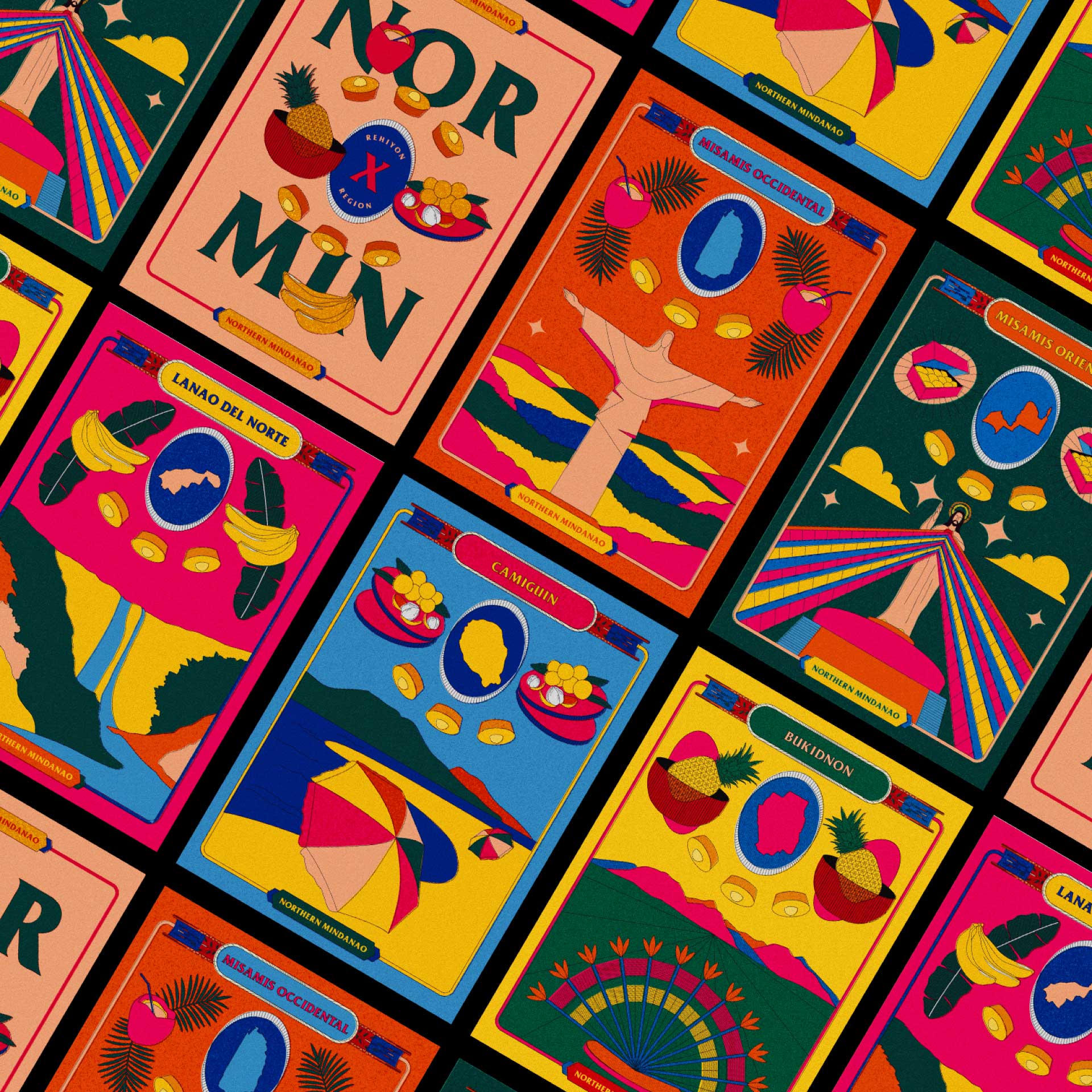
Growing up in Bukidnon and now living in Cagayan de Oro has definitely shaped how I design. There's something about my roots and being surrounded by Mindanao's mix of cultures that gives me a different perspective. I draw a lot from these grids, patterns and influences, but I'm also pretty conscious about not being stuck in just that world - I try to balance it with what's happening globally in design. I don't see Manila's design scene as competition but more like a different flavor.* They're more connected to international trends, while we're more rooted in cultural traditions. I like to play in both spaces. I'll dig into what's happening in design around the world and then find ways to blend these approaches with elements from my background. The result is work that feels Filipino but can stand alongside international design. This back-and-forth between local and global has actually become my sweet spot. When I honor traditional influences but apply modern design principles, the work connects in multiple ways. Clients get excited about this balance - they're getting something that authentically represents Filipino culture but still meets international standards. This blend of staying true to my roots while keeping an eye on the bigger design world has become what my studio is all about.
* Karl Aguro is a designer based in Cagayan de Oro, a city in the southern region of Mindanao—not in Manila, the capital of the Philippines. While Manila is often regarded as the country’s mainstream design ecosystem, with concentrated infrastructure and client networks, Aguro has built a different kind of influence through a practice deeply rooted in local community and culture.
You have helped lead community events, especially the Oro Design Conference. What motivated you to start it, what challenges have you faced, and what concrete changes or outcomes have you seen in the local design community?
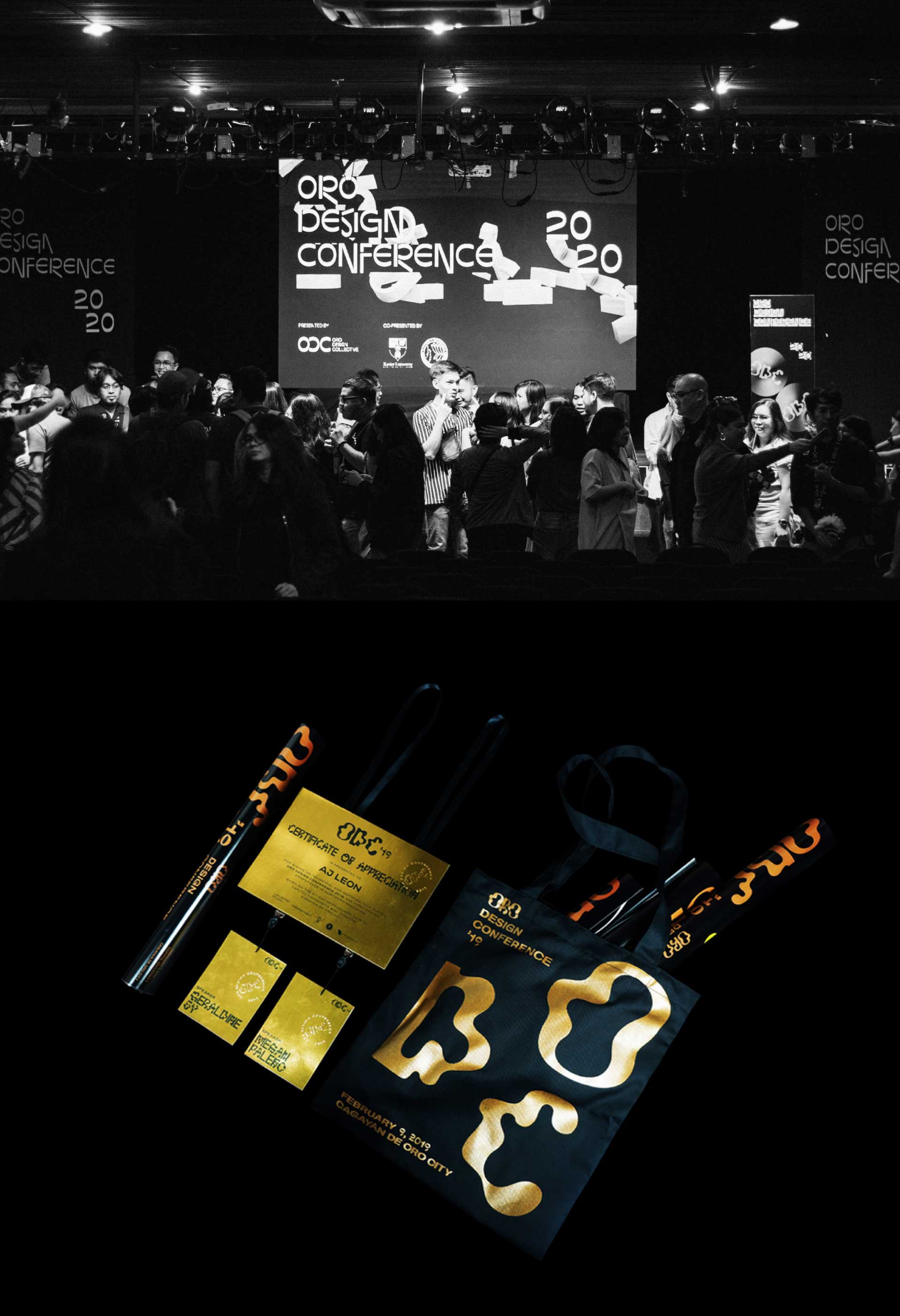
I started the Oro Design Conference with friends because we kept running into the same problem - clients here in Northern Mindanao didn't think they could find good designers locally. We'd been doing small meetups and workshops, and it hit us that we needed something bigger to showcase all the talent we have here. ODC wasn't just about connecting designers with each other - it was really about showing business owners they don't need to look to Manila or abroad for quality design work. We wanted to build something sustainable where designers from our region could actually make a living without having to leave. The challenges? Money and logistics, mainly. Getting sponsors isn't easy when design events aren't really a thing here yet. Finding venues that work for our growing crowd without breaking the bank has been a constant headache. We've had to do the hard work - tapping connections with local businesses, universities, and government offices to make these events happen on basically no budget. But seeing the results makes all the stress worth it. There's been a real shift in how design is valued here. More and more businesses are hiring local designers instead of automatically looking outside. Young designers are actually staying here because they can see a future for themselves. And maybe what I'm most proud of is this community we've built where people share knowledge and help each other out instead of seeing each other as competition. I think the biggest win is the change in mindset - designers now believe they can build careers here, and clients are starting to trust local talent. Every conference lights a fire under people, and it feels like we're proving that you can have a thriving design scene outside the big city. Seeing this change happening in real time, knowing we had a hand in it - that's the stuff that keeps me going through all the planning chaos.
You often collaborate with local businesses. When branding regional clients, which success metrics matter most to you (for example awareness, sales impact, community response), and how do you measure and learn from results?
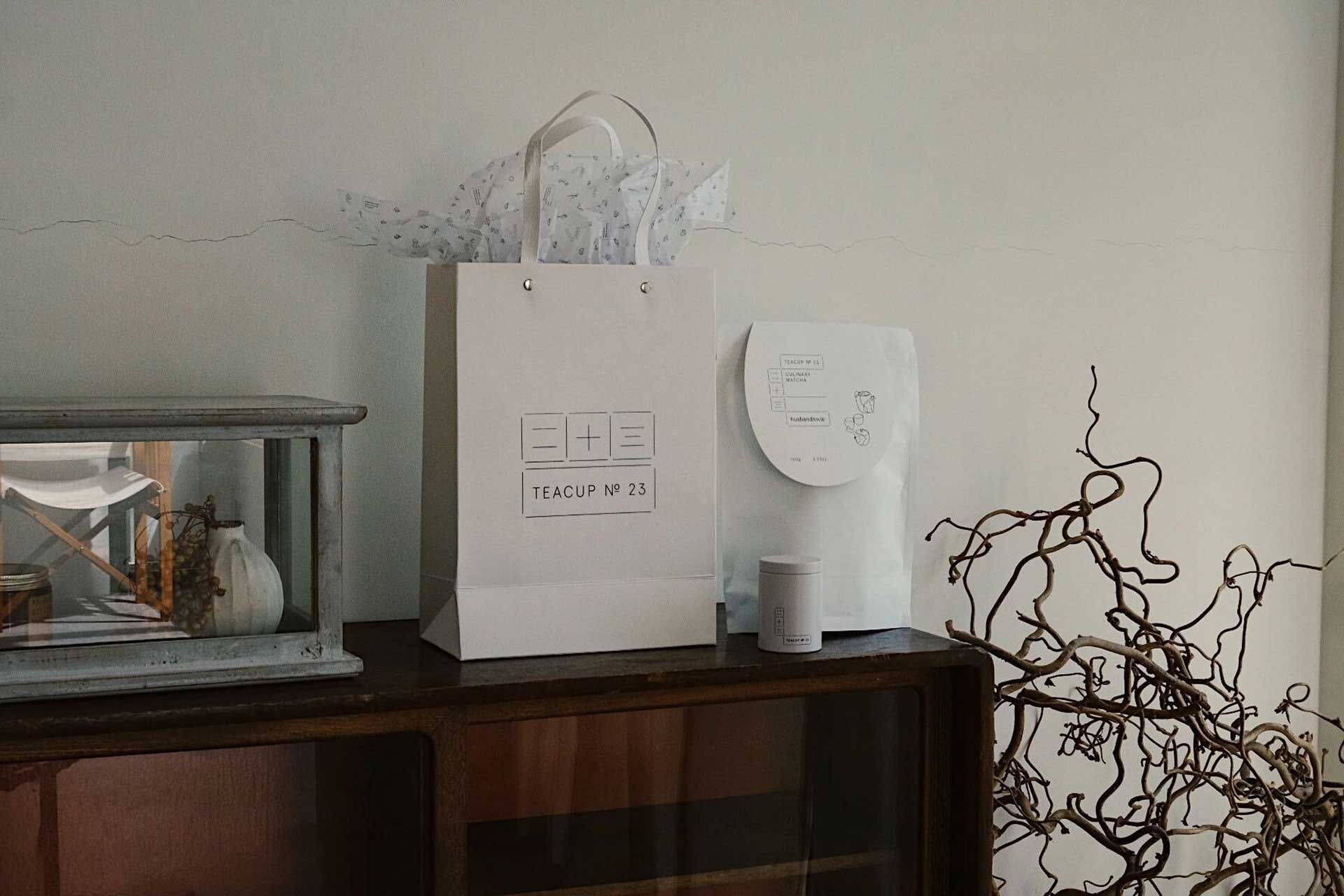
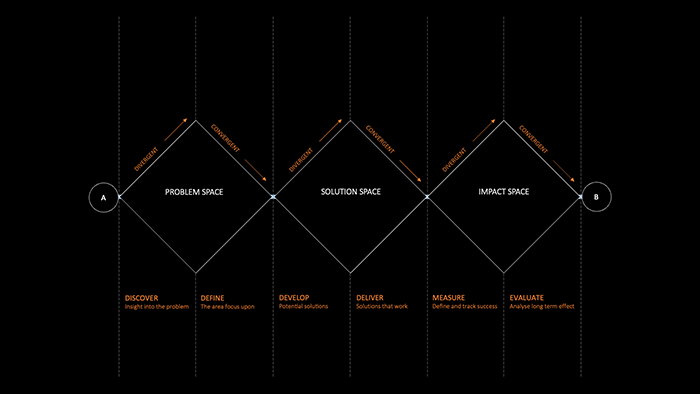
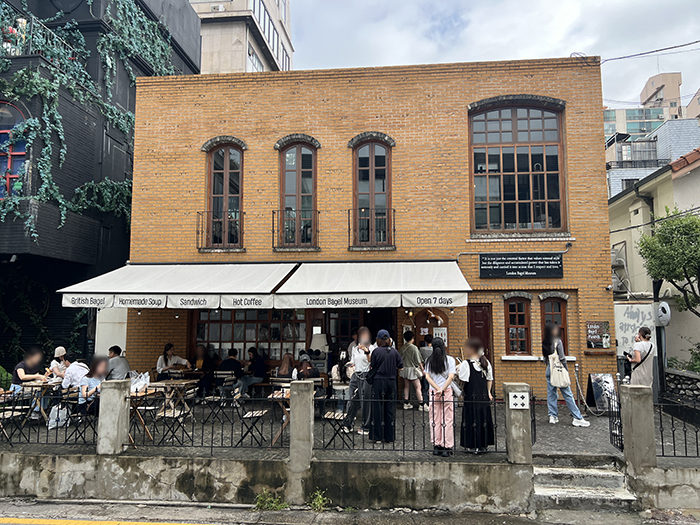
For local businesses I work with, I focus on four key success measures. First, I look at the business impact - are they getting more customers, selling more, or seeing higher per-visit spending? At the end of the day, no matter how pretty the design, it needs to help keep the lights on. Second, I evaluate cultural relevance - how well the branding reflects and respects heritage. A successful brand should feel authentic. When locals see themselves and their culture represented thoughtfully, they develop stronger connections to the business. I also really value how the community responds. When people start taking photos, sharing on social media, or bringing friends, that tells me the brand is connecting. I even pay attention to how staff feel - proud employees create better customer experiences. My approach to tracking results is pretty straightforward. I keep in touch with clients after we launch, check their social media growth, gather customer feedback, and sometimes just hang out in their space watching how people interact with everything. I also engage with local cultural organizations to ensure we're representing our heritage respectfully. Every project teaches me something I can use for the next one, helping these local businesses stand out while staying authentic to who they are.
Tell us about the themes or formats you explore in personal projects and self initiated work. How do these experiments feed back into strategy and process for commercial projects?
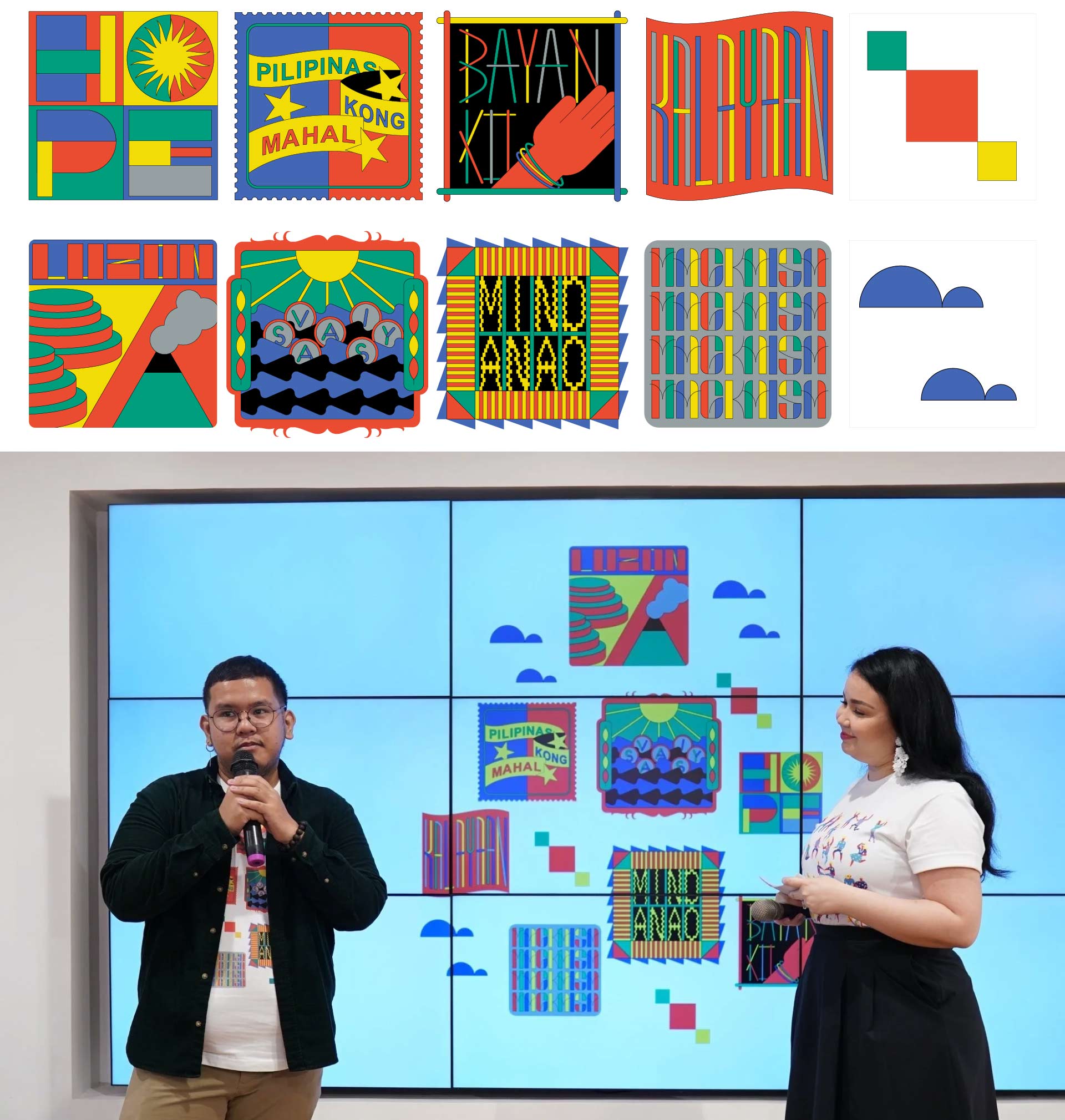
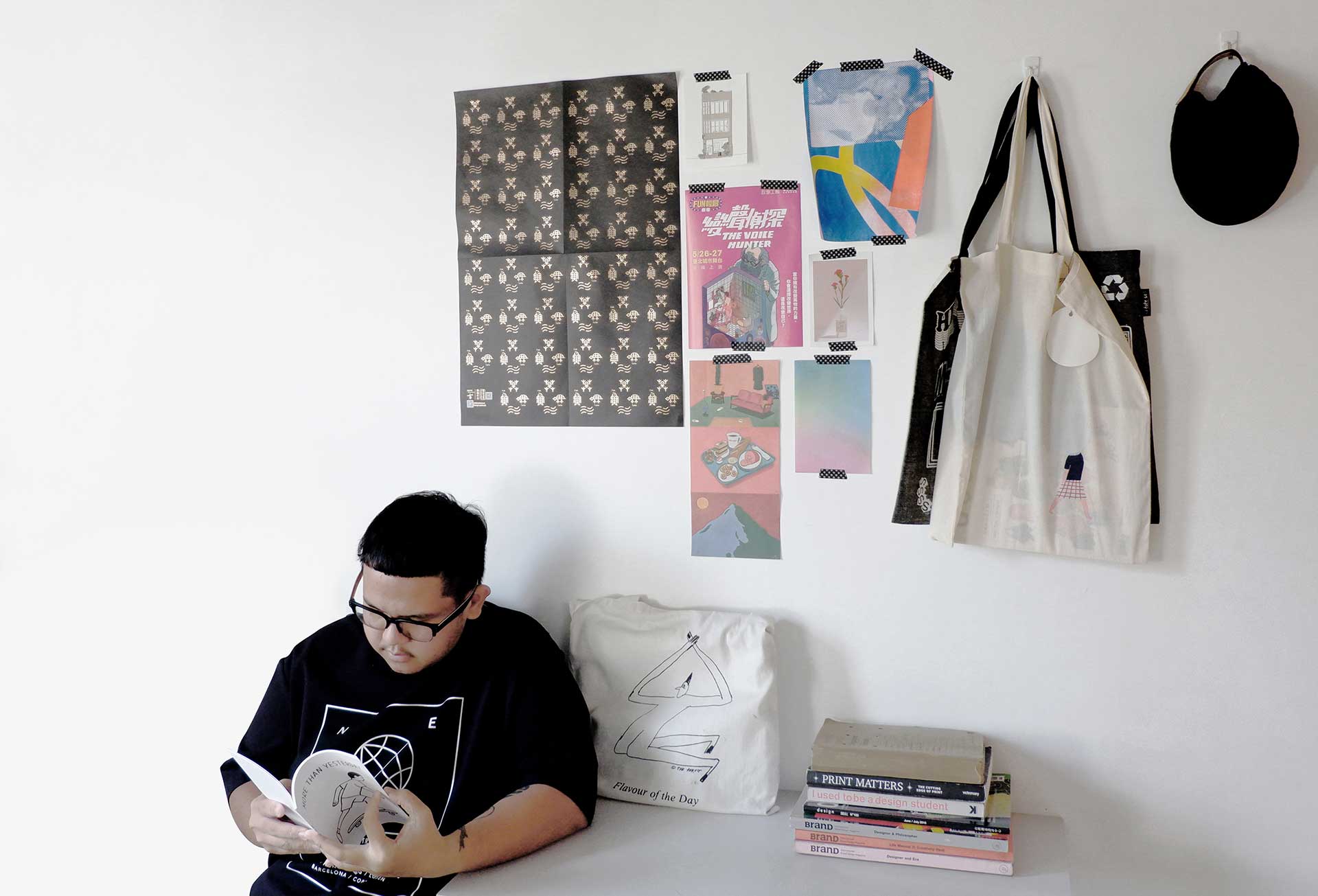
My personal projects tend to center around my passions in music, travel, and cycling. I'm naturally drawn to these areas and use them as platforms to explore unconventional design approaches. Rather than simply visualizing these interests, I try to translate their emotional essence or even mechanical aspects into my design process. This approach creates a feedback loop with my commercial work. When I discover an interesting technique or perspective through personal exploration, it inevitably influences how I approach client projects. The difference is in the application - with personal work, I can follow any creative impulse while commercial projects require balancing creative exploration with the client's vision and objectives. The most successful client relationships happen when there's mutual respect between my creative process and their business needs. I bring the diverse techniques and perspectives developed through my personal explorations, while honoring the client's vision and objectives. This balance allows me to deliver work that feels distinctive and authentic while still effectively serving the client's goals.
In your view, what are the distinctive strengths and challenges of the Philippine design landscape today? In typography, illustration, or branding, how do you express a sense of Filipino identity in your own work?
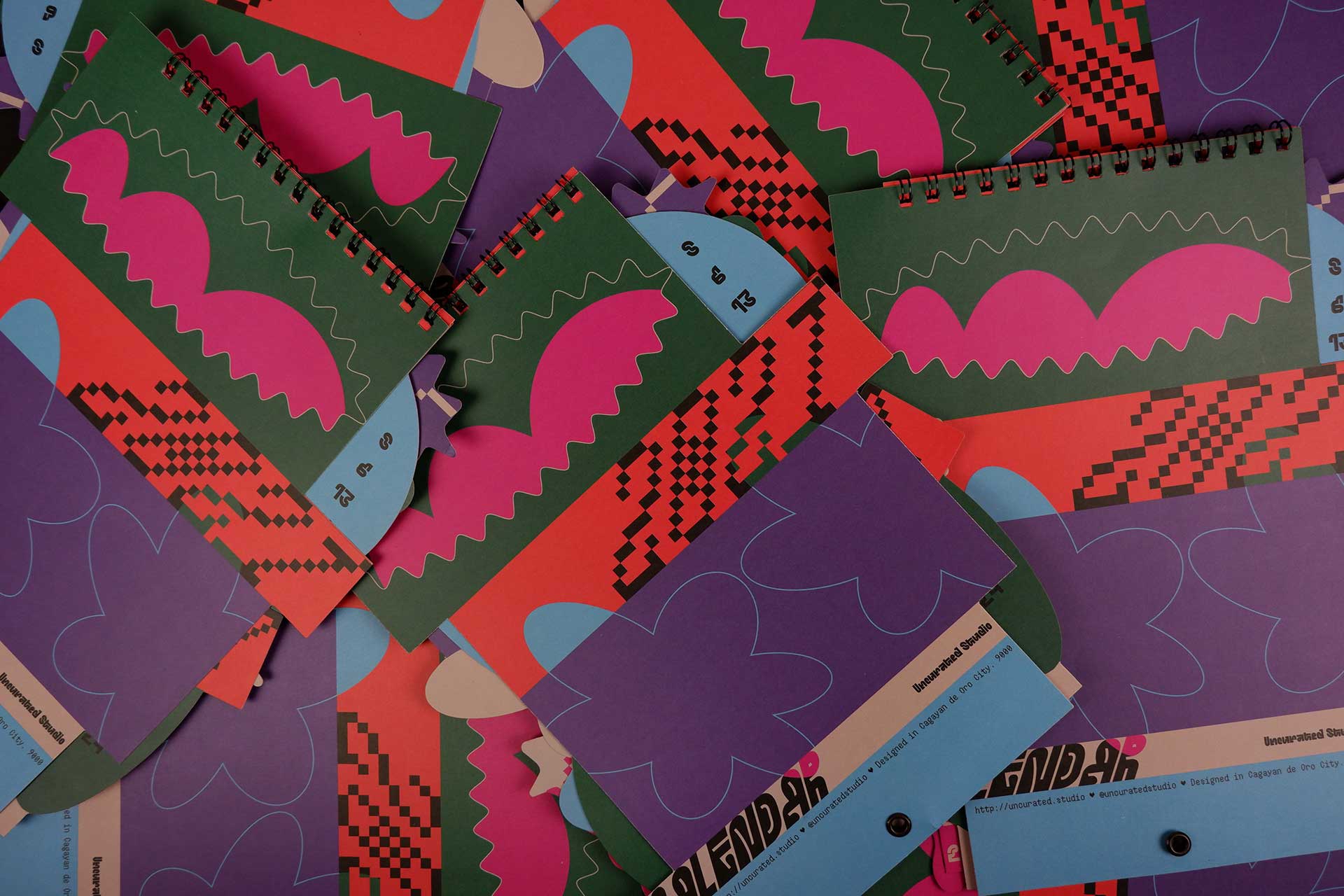
What I love about the Philippines is our mix of cultures and traditions. There's so much to draw from, but I've learned that good design isn't about cramming in every Filipino symbol you can find. I believe in holding back a bit. The question of "What makes something Filipino?" doesn't have a simple answer, and that's what makes it interesting to explore. One big challenge we face is people not valuing design work enough, especially in the provinces. Many clients see design as just making things look pretty, not as something strategic. This leads to a bad cycle - designers charge less to get work, which makes clients think good design should be cheap. Most opportunities are still in Manila, though this is slowly changing thanks to better internet connections and events like our Oro Design Conference. When I put Filipino identity in my work, I keep it subtle. I don't think slapping obvious cultural symbols on everything is the way to go. Being Filipino in design is also about our approach - finding creative solutions with limited resources, adapting to circumstances, and naturally mixing different influences. That feels more authentic than forcing cultural elements into every design.
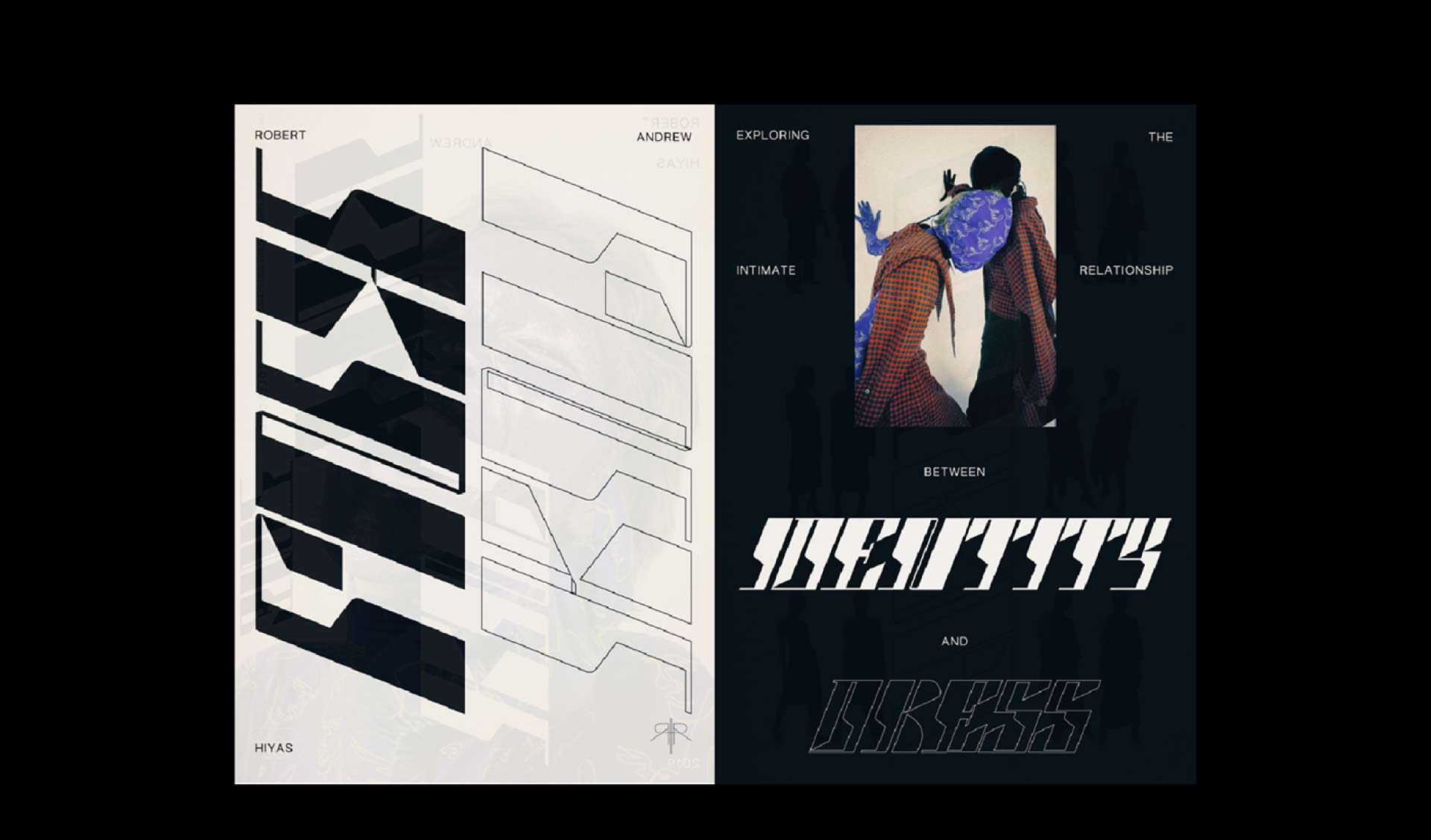
From the perspective of running a one person studio, could you share your workflow across sourcing clients, proposals, contracts, production, delivery, and retrospectives? How do platforms like Instagram and Behance translate into actual business?
I've been running my one-man studio for 7 years now, and honestly, what's worked for me has been this weird mix of just putting out good work, some self marketing, and a whole lot of luck. In the beginning, it was all just play. Then I kind of grew into it and had to put on my big boy pants to make it an actual business. Getting clients was super tough at first, but I'm actually lucky to be based in CDO because it's such a small city. One happy client tells their friends, and suddenly I've got three new projects lined up. Word of mouth has been my best friend here. The biggest pain with branding projects is all the non-design stuff I have to juggle. Since it's just me, I'm doing everything from the actual design work to all that admin stuff like contracts, invoices, follow-ups, etc. Sourcing suppliers is quite challenging too. Most of the ones we have here aren't exactly design-savvy, so I'm literally holding their hand through the whole process from concept to production. I'm pretty tight with other designers in the area and I feel like there is this unspoken agreement to pass projects around when we're swamped. I make it a point not to hoard clients, because I want to do good work and that takes focus and time, so I'll happily recommend someone else from my network. It's this weird ecosystem where clients share us through their industry networks, and we designers pass each other projects too. Instagram and Behance are great platforms to put your work. I've landed projects from other regions just because someone stumbled on my work there. I've even been featured in some publications because editors spotted my stuff online. I'm always telling my friends and younger designers to just put their work out there. In this digital age, you never know who might be scrolling through your portfolio at 2 AM and decide they need to hire you.
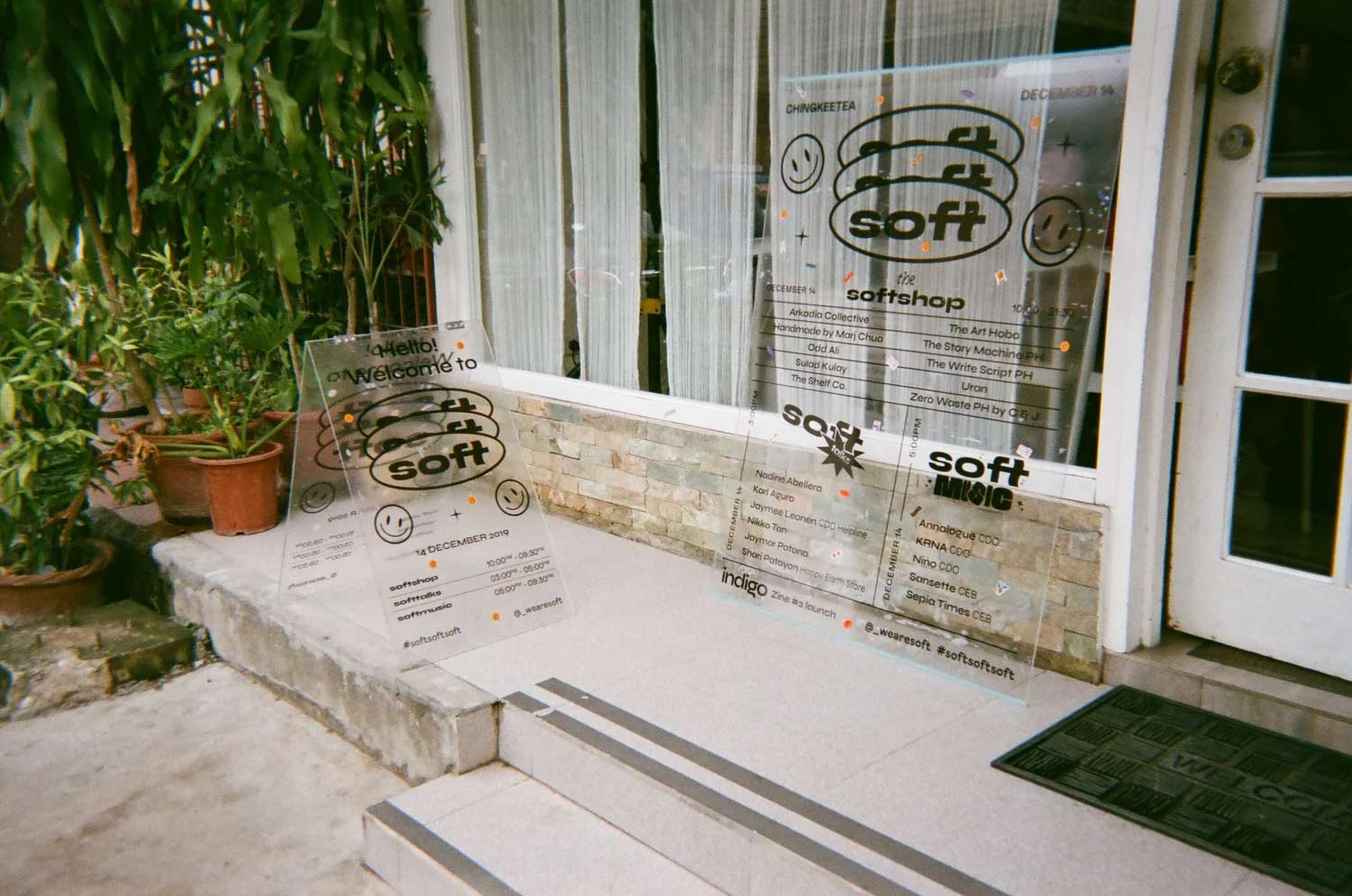
Looking ahead, what is your vision for Uncurated Studio and for your community work? What goals would you like to pursue, and what advice would you offer to young designers in Asia who want to build impact from outside major hubs?
For Uncurated Studio, right now I'm focusing on smart growth rather than just getting bigger. I want to keep doing meaningful work with clients who value design, while staying true to my one-man studio approach. With my community work, I want to build something sustainable that outlasts me. Oro Design Conference has been a great start, but I'd like to see it evolve into a year-round community with regular workshops and mentorship opportunities. And to the young designers not living in the big cities, I’d like to say that where you're from can actually be your advantage. Mix those global design trends with your own local flavor. Get your stuff out there online, but don't forget to actually connect with people around you. Make real friends in your community. Don't sit around waiting for the perfect moment to make cool stuff happen. And make work that you actually care about first; when you're real about it, people from all over will eventually notice.
editor@asiadesignprize.com











#14057, 905 49, Beolmal-ro 102beon-gil,
Dongan-gu, Anyang-si, Gyeonggi-do, Korea
Business Registration Number: 454-86-01044
Online Sales License No.: 2021-Anyang Dongan-1081
Copyright © DESIGNSORI Co., Ltd.