
Yungil Choi, Senior Manager at HYUNDAI E&C
Jury Member of the K-Design Award
Walking through the city center of Sheffield, England, visitors encounter a succession of small gardens filled with beautiful flowers. Stretching from a square lined with cafés and restaurants to a public playground where children run and play, this green corridor was once a road dominated by cars. Known as “Grey to Green,” the project is a representative example of the Sponge City approach, transforming part of an urban ring road into a green corridor for pedestrians and cyclists. Led by Sheffield City Council and developed through a collaboration between Professor Nigel Dunnett of the University of Sheffield and Zac Tudor, the council’s principal landscape architect, the project goes far beyond landscape aesthetics.
The carefully designed planting system developed by Professor Dunnett serves an important stormwater management function, absorbing rainwater and slowing surface runoff during rainfall. At the same time, it brings vitality to the urban landscape through the changing colors and textures of the seasons. The result is a seamless integration of multiple values, including improved pedestrian environments, climate change adaptation, and urban ecology, within a single cohesive landscape. The message of this project is clear. Public landscape design is not simply about increasing the amount of greenery in a city. It must thoughtfully accommodate the diverse needs of people across generations, physical abilities, and purposes of movement. In this sense, the approach to urban development is shifting away from cold, car-centered infrastructure toward public spaces that consider both ecological resilience and the everyday needs of urban residents.
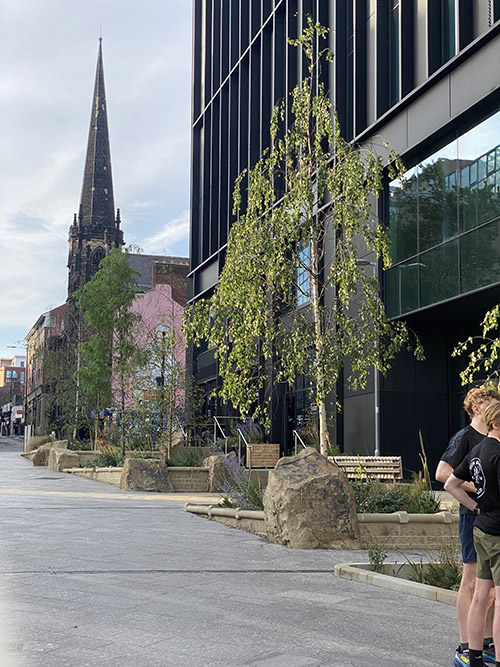
< Grey to Green, Sheffield, UK >
In his 2014 work Evaluating Public Space, urban design scholar Vikas Mehta identified five essential qualities of good public spaces: inclusiveness, meaningful activities, safety, comfort, and pleasurability. These criteria extend beyond the mere physical openness of a space to everyone. They provide a framework for understanding how people from diverse backgrounds access and interact within a space, and how they experience a sense of psychological comfort and security. Clearly defined circulation routes, comfortable resting areas, unobstructed sightlines, and appropriate lighting are all tangible design elements through which the public character of a space is realized.
Coal Drops Yard in London's King's Cross offers a fascinating example of how Mehta's principles can come to life within an urban environment. Reimagined by Heatherwick Studio from the rugged industrial heritage of 19th-century coal warehouses, the development brings together historic red-brick structures and a dynamic central plaza beneath two dramatically intersecting roofs. From this architectural centerpiece, the surrounding canal and the green network of Gasholder Park connect naturally with the broader urban landscape. The long corridor beneath the central structure, where the two roofs meet in a striking architectural gesture, hosts a variety of events that capture the lively atmosphere of the shops and markets occupying the buildings on either side. At Granary Square, which serves as a gateway to the district, outdoor cafés nestled among rows of plane trees and an expansive ground-level fountain invite spontaneous moments of enjoyment for visitors of all ages.
Meanwhile, intimate, densely arranged sunken streets reminiscent of Victorian alleyways are lined with small cafés and restaurants, creating a warm and vibrant sense of community. Along the route toward Gasholder Park, an elongated perennial garden evokes the distinctive charm of a traditional English cottage garden. Above all, the natural circulation routes that organically connect these diverse spaces and activities create a welcoming sense of inclusiveness. Even amid the energy of a thriving commercial district, the landscape remains accessible to everyone, allowing people to move freely and experience the space in their own ways.
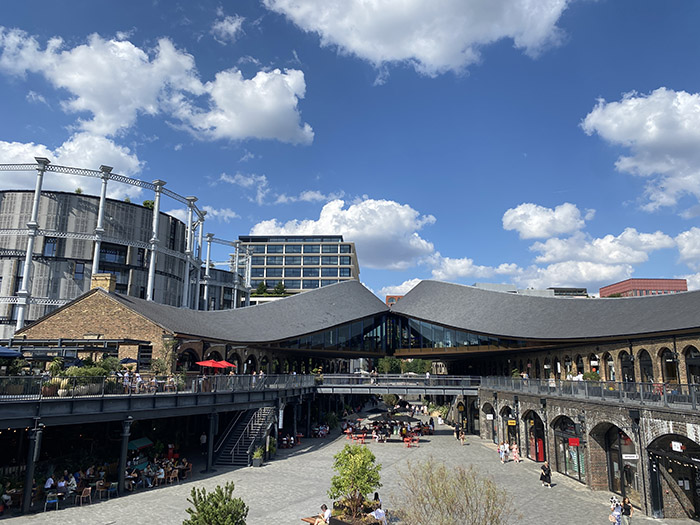
< Coal Drops Yard, London, UK >
As the examples of Sheffield and King's Cross demonstrate, the creation and use of contemporary public spaces depend on thoughtful collaboration between the public and private sectors. Even in spaces that anyone can freely enter, those integrated with commercial activities can easily become environments where encouraging visitors to stay and spend becomes a central operational priority. Rules governing behavior may also be imposed through private management. Therefore, when discussing the true value of public space, we must look beyond whether it is nominally open to everyone and carefully examine whether people genuinely retain the freedom to use it as they wish and whether the needs of diverse social groups are reflected equitably. Given that a significant proportion of urban regeneration projects in Korea are led by the private sector, ensuring a sufficient degree of public accessibility and inclusiveness in privately developed landscapes, regardless of their scale, is an essential prerequisite.
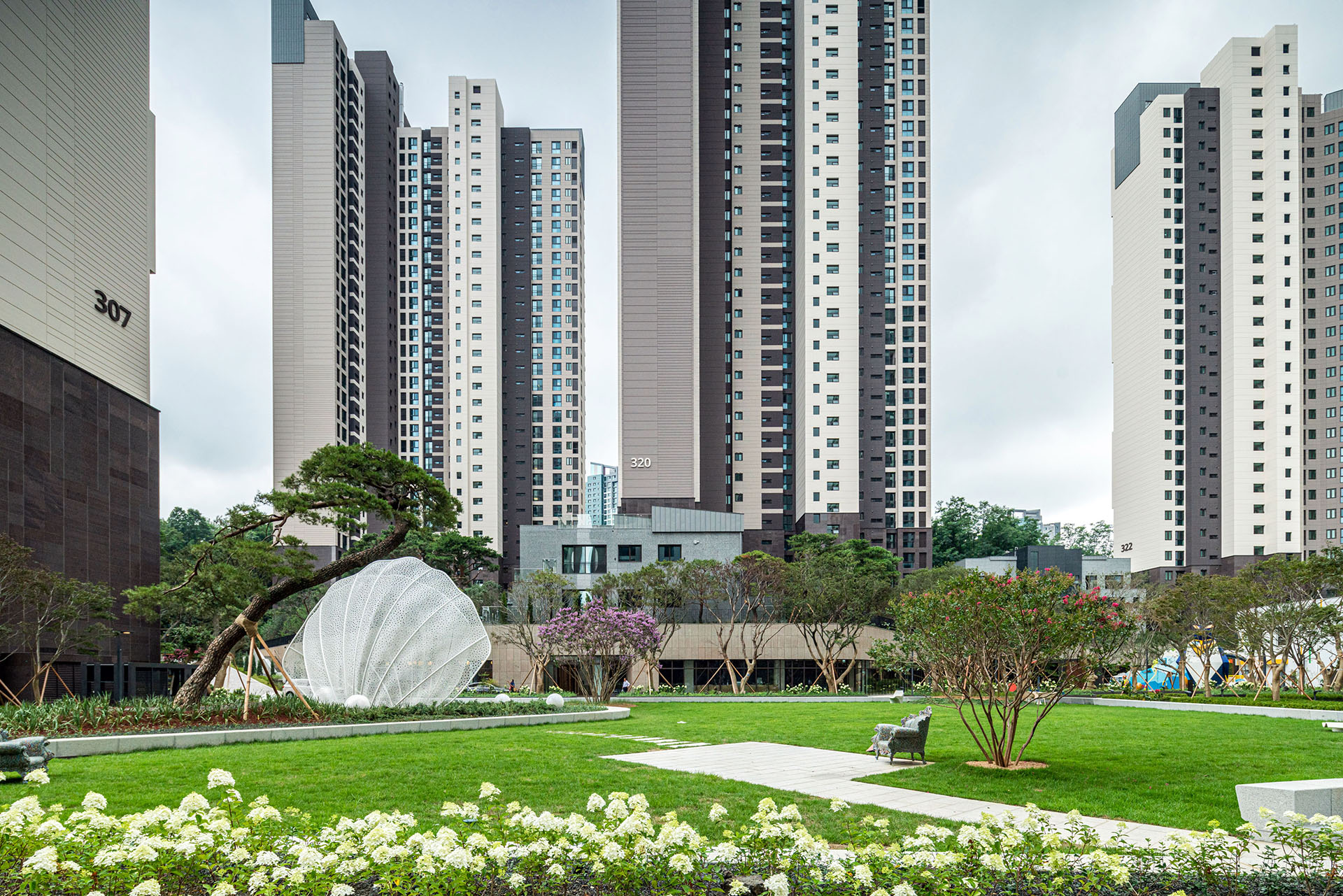
Opening portions of urban development sites to the public to create green spaces and resting areas is one representative approach to strengthening the public value of landscape design. Another is incorporating public pedestrian pathways through residential complexes to improve their openness and connectivity. Beyond these physical interventions, the meaning of public space can also be expanded by involving artists and users as active participants in shaping the environment itself. The S.H.A.A. (SNU ICA-HDEC Art Award) project, initiated by the Seoul National University Institute for Culture and Arts for residential developments, offers a compelling example of the direction that collaboration between art and public landscape design can take. Artists, who typically explore the most intimate dimensions of personal experience, participate as equal design partners from the earliest stages of planning landscapes intended for collective residential life.
Rather than following the conventional approach of simply placing artworks into an already completed environment, this model encourages collaboration from the initial conception of the landscape's narrative. Through this process, the shared pathways that residents use in their everyday lives are transformed into spaces enriched by cultural experience.
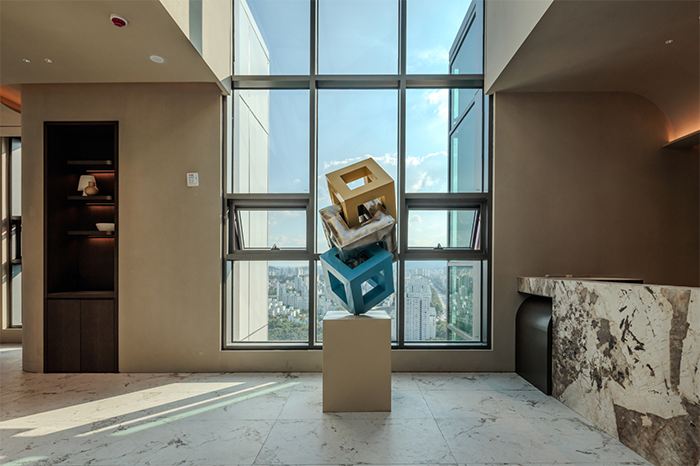
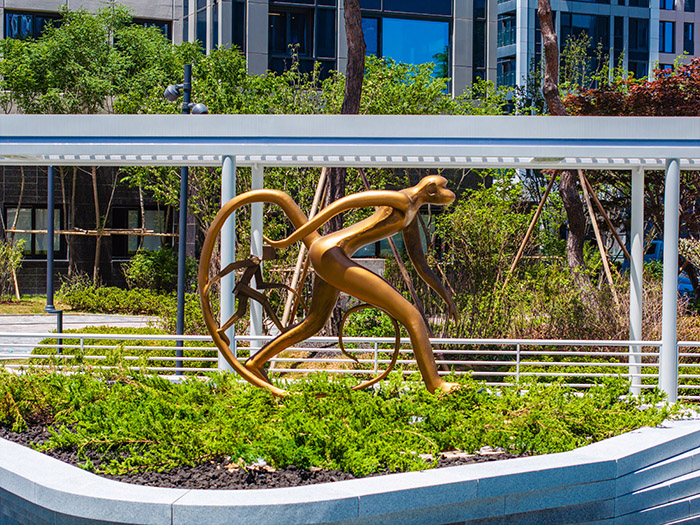
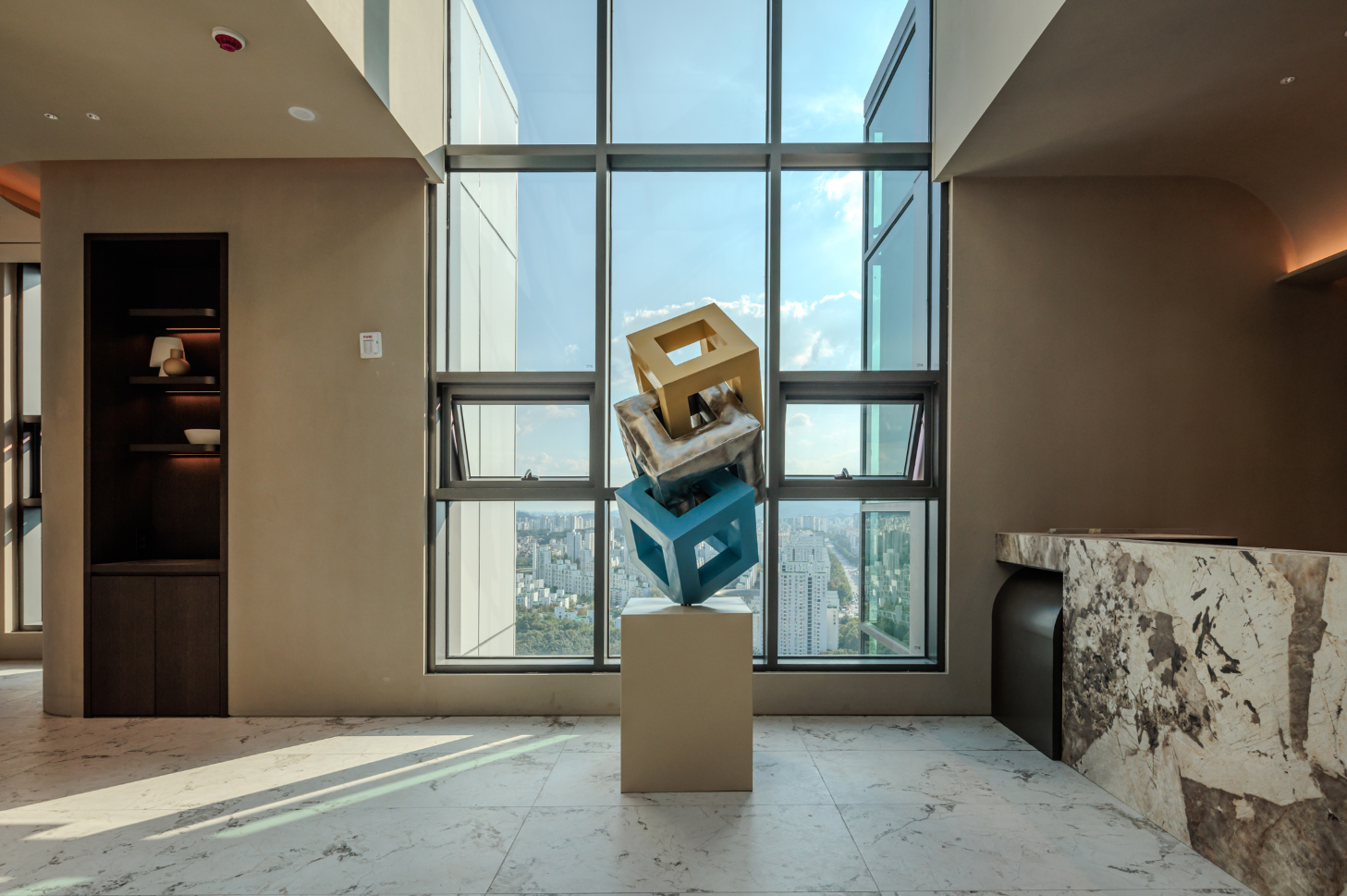
< Works by emerging artists participating in SHAA have been installed in shared residential spaces >
Designing public landscapes requires more than simply removing boundaries and opening up spaces. It must create a welcoming environment where people with different purposes can discover the character of a place for themselves through its paths, planting, and programs, and spend time there in their own ways. Rather than prescribing how the public should use a space, landscape architects should create flexible environments where people can feel at home, allowing diverse forms of urban life and spontaneous activities to flourish naturally. Only then can good public spaces take root in the everyday lives of citizens.
















#14057, 905 49, Beolmal-ro 102beon-gil,
Dongan-gu, Anyang-si, Gyeonggi-do, Korea
Business Registration Number: 454-86-01044
Online Sales License No.: 2021-Anyang Dongan-1081
Copyright © DESIGNSORI Co., Ltd.